AI赋能药物研发

Search documents
创新药专题:中国声音响彻2026年JPM大会
Southwest Securities· 2026-02-06 06:37
Group 1: JPM Conference Overview - The J.P. Morgan Healthcare Conference is one of the largest and most influential gatherings in the global healthcare sector, covering pharmaceuticals, biotechnology, medical devices, diagnostics, digital health, and healthcare services [3] - The conference serves as a platform for multinational corporations (MNCs), biotech firms, and investment institutions to connect, providing clear signals for industry development over the coming year [4] - The 2026 JPM Conference will be held from January 12 to 15 in San Francisco, California [5] Group 2: MNC Strategic Positioning and BD Strategies - In 2026, MNCs are focusing on four key areas: neuroscience, immunology, oncology, and cardiovascular diseases [6] - Business development (BD) transactions are becoming a core strategy for MNCs, with a shift towards precision and rationality in BD deals, emphasizing next-generation immunotherapies, cell therapies, and gene therapies [6] - AI is increasingly integrated into drug development, clinical design, and operational management across the industry [6][18] Group 3: Investment Opportunities in Innovative Drugs - The acceleration of BD transactions abroad is expected to inject new performance growth and market value elasticity, with a notable increase in projects and upfront payments in 2025 [8] - Policy support for innovative drugs is improving, with recent measures from health authorities aimed at fostering high-quality development in the sector [8] - Key clinical data releases and commercialization milestones for several innovative drugs are anticipated in 2025, which could significantly impact market valuations [8] Group 4: Key Domestic Companies and Their Focus - Companies like Hengrui Medicine and BeiGene are expected to achieve significant milestones in 2026, including multiple new drug applications and clinical data releases [24][25] - Hengrui Medicine aims to leverage a dual strategy of R&D and BD, with over 25 ongoing Phase III clinical trials and a target of more than 10 new drug approvals [24] - BeiGene is positioned to capitalize on its leading products in the chronic lymphocytic leukemia (CLL) space, with several key regulatory submissions and clinical trials planned for 2026 [29][35]



华兰股份:4.5亿元增资子公司灵擎数智,多措并举加码AI药研
Zheng Quan Shi Bao Wang· 2026-01-23 08:36
Core Viewpoint - Hualan Co., Ltd. is actively increasing its investment in the AI pharmaceutical sector by injecting 450 million yuan into its wholly-owned subsidiary, Hainan Lingqing Intelligent Pharmaceutical Technology Co., Ltd., raising its registered capital from 50 million yuan to 500 million yuan, indicating a strong commitment to AI-driven drug development [1][2] Group 1: Investment and Strategic Intent - The capital increase aims to enhance the financial strength of Lingqing Intelligent, which is crucial for its business development and talent acquisition during a key phase of its operational setup [1][2] - This move is part of Hualan's broader strategy to solidify its position in the rapidly evolving AI pharmaceutical industry, which requires significant capital and resource integration capabilities [1][2] Group 2: Market Trends and Industry Context - The AI pharmaceutical market is projected to grow from 11.9 billion USD in 2023 to 74.6 billion USD by 2032, with a compound annual growth rate of 22.6%, highlighting the industry's potential for disruption and innovation [3] - Recent collaborations, such as NVIDIA's partnership with Eli Lilly to invest 1 billion USD in an AI innovation lab, underscore the increasing focus on AI solutions to address long-standing challenges in the pharmaceutical sector [2][3] Group 3: Company Developments and Future Outlook - Hualan has established Lingqing Intelligent as a strategic platform for AI pharmaceutical initiatives, with previous investments and the formation of an expert committee to guide its efforts [3] - The company's ongoing commitment to AI in drug development positions it favorably to capitalize on emerging opportunities in the industry, potentially creating long-term value for shareholders [3]
西南证券:CXO行业关注新分子的成长性与国内景气度修复的传导
智通财经网· 2026-01-16 03:08
Core Viewpoint - The CXO sector is experiencing growth driven by new molecular developments, improved market sentiment, and the increasing demand for innovative drug research in the domestic market, alongside advancements in AI-enabled drug development [1] Group 1: Market Trends - In the first half of 2024, the CXO sector continued to decline due to the impact of the U.S. Biosecurity Act and adjustments in corporate earnings growth expectations [2] - By September 2024, a policy-driven bull market emerged in the domestic stock market, leading to a simultaneous rise in CXO stock prices as geopolitical risks temporarily eased [2] - In March 2025, some leading CXO companies reported better-than-expected order data, injecting valuation into the secondary market [2] Group 2: Macroeconomic Environment - The Federal Reserve's interest rate cut cycle is expected to improve the financing environment for the pharmaceutical and biotechnology sectors, benefiting outsourcing service demand from pharmaceutical companies [3] - Geopolitical uncertainties are gradually being released, with the U.S. Fiscal Year 2026 National Defense Authorization Act already enacted, and updates to the SEC 1260H list expected to further reduce risks for leading CXO companies [3] Group 3: Industry Dynamics - Domestic demand is accelerating recovery, with the number of new drug IND applications in China steadily increasing in 2025, reaching 395, 410, 526, and 509 for Q1, Q2, Q3, and Q4 respectively [4] - The total investment in China's healthcare sector in 2025 is projected to be 93.54 billion yuan, a year-on-year increase of 83.7%, with 626 investment events recorded, up 26.7% year-on-year [4] - Globally, the healthcare sector's investment in 2025 is expected to total 591.19 billion yuan, a year-on-year decrease of 20.9%, but the decline is expected to narrow over the quarters [4]

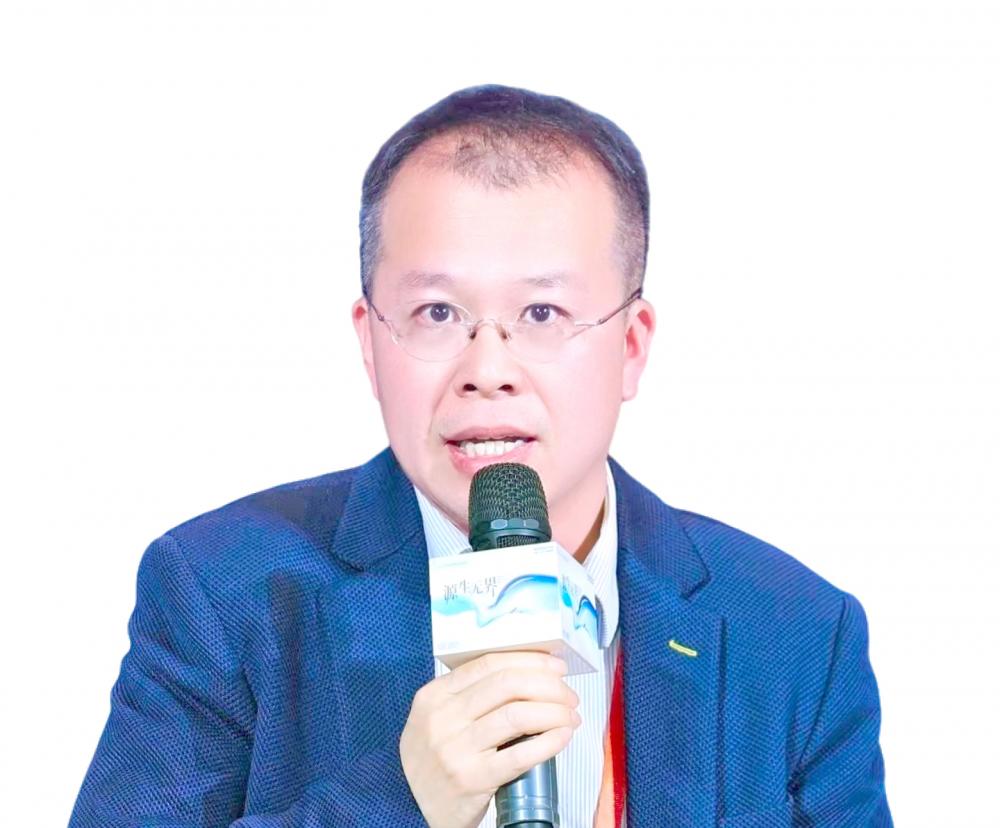
21专访丨东阳光药首席科学家林凯:不盲目跟风,做更具创新性的事
2 1 Shi Ji Jing Ji Bao Dao· 2026-01-05 23:18
Core Insights - The Chinese innovative pharmaceutical industry is transitioning from scale expansion to value enhancement, facing challenges such as market saturation and homogeneous competition [1] - Local pharmaceutical companies need to break through these challenges to achieve high-quality development by focusing on unmet clinical needs and building core competitiveness through differentiated strategies [2] Group 1: Innovation Strategy - The company emphasizes a balanced strategy of "walking on two legs," focusing on both clinically validated traditional targets for stable revenue and innovative products with high added value [4] - Current research and development efforts are concentrated in three core areas: infectious diseases, metabolic diseases, and oncology, with a focus on unmet clinical needs [5][6] Group 2: Clinical Development - The company is advancing the clinical trial of HEC585, an innovative drug for idiopathic pulmonary fibrosis (IPF), which has shown promising results in Phase II trials, significantly outperforming competitors [6][7] - The drug's mechanism involves inhibiting TNF-α and TGF-β1, providing a comprehensive approach to fibrosis treatment, with plans for international collaboration for broader market access [7] Group 3: AI in Drug Development - The company has developed an AI drug discovery platform that leverages over 20 years of laboratory data, enhancing the efficiency of drug development processes [8] - AI applications have significantly reduced the time required for drug screening and development, exemplified by a project that achieved a 50% reduction in development time [9] Group 4: International Expansion - The trend of Chinese innovative drugs going global is increasing, driven by improved R&D capabilities and the need to cover costs for rare disease treatments through international markets [12] - The company has initiated partnerships for overseas commercialization, including a licensing deal with Apollo Therapeutics for a dual-target drug [13][14] Group 5: Market Strategy - The company aims to balance clinical and market needs by focusing on high-demand areas with limited treatment options, while also considering international market opportunities [17] - The strategy includes leveraging existing strengths in infection and metabolism while exploring differentiated targets in oncology, ensuring alignment with both domestic and international market demands [17]


东阳光药林凯:不盲目跟风,做更具创新性的事
2 1 Shi Ji Jing Ji Bao Dao· 2026-01-03 01:34
Core Insights - The Chinese innovative pharmaceutical industry is transitioning from scale expansion to value enhancement by the end of 2025, facing challenges such as crowded competition and homogeneity [1] - The focus should be on innovative approaches that address unmet clinical needs rather than following trends [1][3] Company Strategy - The company adopts a "two-pronged" strategy in innovative drug development, balancing traditional validated targets with high-value innovative products [3] - Current research focuses on three core areas: infectious diseases, metabolic diseases, and oncology, with a particular emphasis on unmet clinical needs [3][4] Market Trends - The trend of Chinese innovative drugs going global is increasing, driven by improved R&D capabilities and the need to cover costs for rare disease drugs [9] - Collaborations with international pharmaceutical companies are seen as a practical approach for domestic firms to navigate overseas markets [9][10] AI Integration - The company has developed an AI drug discovery platform that leverages over 20 years of laboratory data, enhancing the efficiency of drug development processes [5][6] - AI is expected to play a significant role in improving drug discovery and development efficiency, although it is not a substitute for human innovation [7][8] Clinical Development - The company is advancing its innovative drug, HEC585, for idiopathic pulmonary fibrosis (IPF), with promising Phase II clinical trial results showing significant improvements over existing treatments [4][5] - The drug's mechanism involves a comprehensive approach to fibrosis, and the company is actively seeking international partnerships for further development [5][10] Future Outlook - The company plans to balance short-term project outcomes with long-term AI research investments, aiming to create an automated laboratory environment [7] - The next five years are expected to see AI increasingly integrated into pharmaceutical R&D, enhancing efficiency and precision in various stages of drug development [8]
晶泰控股20251111
2025-11-12 02:18
Summary of Key Points from the Conference Call Company Overview - **Company**: 金财控股 (Jincai Holdings) - **Industry**: Biotechnology and AI for Science Core Business and Model - 金财控股 focuses on using AI and robotics to empower drug discovery and new materials, operating as a research and development service platform [2][7][9] - The company has over 300 global clients, including 17 of the top 20 multinational pharmaceutical companies, showcasing its industry-leading technology platform [2][8] Recent Developments - A significant collaboration with 礼来 (Eli Lilly) was established, valued at approximately $350 million, involving AI-enabled large molecule antibody drug development [3][17] - Two AI-developed molecules for hair growth have been registered as cosmetic ingredients in the U.S. and received FDA approval, indicating successful application of AI technology in consumer products [2][3] Financial Performance and Market Position - The company went public on June 13, 2024, becoming the first listed company in the specialized technology and AI for Science sector, with over 43% of shares held through the Hong Kong Stock Connect [2][6] - Major institutional investors, including Vanguard and BlackRock, have invested in the company, reflecting confidence in its long-term growth [2][6] Competitive Advantage - Unlike traditional Chinese pharmaceutical companies that transfer pipelines to large overseas firms after significant investment, 金财控股 shares R&D costs and outcomes with clients, ensuring stable long-term development [5][9] - The company’s unique fee structure covers the entire lifecycle of drug development, significantly shortening the R&D cycle from 4-6 years to approximately 2 years [9][11] AI and Robotics in Drug Development - AI enhances drug discovery by overcoming human experience limitations, allowing for multi-target and multi-property optimization, which significantly reduces time and costs while increasing success rates [10][11] - The 24/7 operation of robotic laboratories improves experimental efficiency and accumulates high-quality data for further AI training, creating a rapid iterative feedback loop [11][12] Market Potential and Future Outlook - The hair growth product developed showed an 80% effectiveness rate in a trial with 100 participants, indicating substantial market potential, as approximately 2.5 billion people globally suffer from hair loss [15] - The company anticipates maintaining a growth rate of 50-70% annually, excluding unexpected large orders [17] Impact of External Factors - The company is insulated from U.S.-China tensions as it focuses on preclinical research and does not handle sensitive clinical trial data [18] - The company has received recognition for its data capabilities, winning a national award for data elements, which is crucial for enhancing AI algorithms [19][23] Conclusion - 金财控股 is positioned as a leader in the biotechnology sector, leveraging AI and robotics to innovate drug discovery and development, with a robust business model that emphasizes collaboration and shared success with clients. The company's strategic partnerships and technological advancements suggest a promising future in both pharmaceutical and materials science markets.
创新药主题ETF总规模突破千亿元
Zheng Quan Ri Bao· 2025-11-07 16:16
Core Insights - The innovative drug-themed ETFs have performed well this year, with many funds achieving positive returns and a significant increase in overall scale, surpassing 100 billion yuan as of November 7 [1][2] Performance Overview - As of now, all 27 innovative drug-themed ETFs have realized net value growth this year, with 9 funds showing a net value growth rate exceeding 50%, and several products maintaining growth rates above 80% [1] - Notable funds include Wanji Zhongzheng Hong Kong Stock Connect Innovative Drug ETF, GF Zhongzheng Hong Kong Innovative Drug ETF, and Yinhua Guozheng Hong Kong Stock Connect Innovative Drug ETF [1] Fund Size and Rankings - Three products have surpassed 10 billion yuan in scale, with GF Hong Kong Innovative Drug ETF leading at 24.636 billion yuan, followed by Huitianfu Hong Kong Stock Connect Innovative Drug ETF at 21.719 billion yuan, and Yinhua Innovative Drug ETF at 13.187 billion yuan [2] - Ten additional products maintain scales between 1 billion and 8 billion yuan [2] Market Drivers - The expansion of innovative drug-themed ETFs is driven by multiple factors, including policy benefits, continuous institutional investment, improved liquidity, and the strengthening fundamentals of innovative drug companies [2] - The valuation of the innovative drug sector has recovered from previous lows, further stimulating investor interest [2] Industry Outlook - The Chinese pharmaceutical industry has completed a transition to new growth drivers, with innovative drugs opening new growth avenues for Chinese pharmaceutical companies [2] - The number and value of outbound licensing transactions for Chinese innovative drugs have reached new highs, indicating a positive outlook for the industry's prosperity [2] - The innovative drug sector is expected to enter a fundamental catalyst period, with advantages in patient resources, research and development costs, clinical efficiency, and policy support [2]
维亚生物(01873):公司事件点评报告:受益行业回暖,AI持续赋能
Huaxin Securities· 2025-09-17 14:31
Investment Rating - The report assigns a "Buy" rating for the company, marking it as the first recommendation [10]. Core Insights - The company is benefiting from a recovery in the industry and continuous empowerment from AI technologies [6][8]. - The CRO (Contract Research Organization) business has shown a revenue growth of 9.6% year-on-year in H1 2025, driven by a resurgence in global biopharmaceutical investments and active domestic innovation drug transactions [6]. - The company maintains a leading position in protein structure elucidation, with 8,023 new protein structures delivered in the first half of the year [6]. - The revenue from domestic clients increased by approximately 46.6%, indicating a strong domestic market growth potential [6]. - The report highlights the optimization of revenue structure at Langhua Pharmaceutical, with expectations for new orders to materialize in the coming years [7]. - The AI-enabled drug development platform, AIDD, has participated in 175 projects, contributing to 10% of total revenue [8]. - Revenue forecasts for 2025-2027 are projected at RMB 19.76 billion, RMB 22.14 billion, and RMB 25.08 billion respectively, with corresponding EPS of RMB 0.11, RMB 0.14, and RMB 0.17 [9][10]. Financial Projections - The report provides detailed financial projections, including a decline in revenue for 2024, followed by a recovery with growth rates of 12.03% in 2026 and 13.27% in 2027 [12]. - The net profit is expected to grow significantly, with a forecast of RMB 241 million in 2025, RMB 291 million in 2026, and RMB 352 million in 2027, reflecting a robust growth trajectory [12][18]. - The report anticipates an increase in ROE from 5.94% in 2025 to 7.44% in 2027, indicating improving profitability [18].
创新药临床试验进入“30日通道”时代,AI如何赋能研发提速?
2 1 Shi Ji Jing Ji Bao Dao· 2025-09-12 09:20
Core Insights - The new policy from the National Medical Products Administration (NMPA) accelerates the clinical trial process for innovative drugs, establishing a "30-day review and approval channel" for eligible applications, building on the previous "60-day implied approval" system [1][2] - This initiative aims to support globally synchronized research and international multi-center clinical trials, particularly for drugs with significant clinical value and those aligned with national strategic support [2][3] - The clinical trial landscape in China has evolved significantly, with the total number of registered clinical trials reaching 4,900 in 2024, a 13.9% increase from 2023, and innovative drugs accounting for 51.8% of these trials [3] Policy Implications - The 30-day channel is expected to shorten the clinical trial initiation cycle by approximately 30% to 50%, particularly benefiting fields like cell and gene therapy and nucleic acid drugs, which typically have longer development cycles [2][4] - The policy encourages a shift from traditional regulatory practices to a more service-oriented approach, emphasizing early engagement and collaboration between regulatory bodies and drug developers [5][6] - The NMPA's new measures align with international standards, enhancing the competitiveness of domestic innovative drugs in the global market [5][6] Technological Integration - Artificial intelligence (AI) is increasingly integrated into drug development processes, enhancing efficiency and quality across various stages, including clinical trials [6][7] - AI can significantly improve patient recruitment and trial execution, with Medidata reporting a rise in the proportion of clinical trials initiated by Chinese sponsors from 3% in 2013 to 30% in 2024 [6][7] - Despite the advantages of AI, concerns about clinical trial quality persist, with a significant percentage of recently approved cancer drugs exhibiting uncertainties related to trial design and execution [7][8] Challenges Ahead - The industry faces structural challenges, including uneven distribution of clinical trial resources and lengthy approval processes that can hinder timely access to innovative therapies [4][5] - Data quality and sharing remain critical issues for AI development in the pharmaceutical sector, necessitating solutions to data silos and standardization [8][9] - Continuous attention to clinical trial quality, participant rights, and data integrity is essential as the industry navigates the dual pressures of speed and regulatory compliance [9]
创新药现在是上车最佳时机?
雪球· 2025-04-25 07:58
长按即可参与 风险提示:本文所提到的观点仅代表个人的意见,所涉及标的不作推荐,据此买卖,风险自负。 作者: 安稳小股东 来源:雪球 最近A股最靓的仔是创新药 ,恒生医疗ETF直接冲击4连涨 , 近一周涨幅超7.6% 。 对于创新药 , 这肯定不是炒作 , 而是行业周期 。 其实最近医药板块有点 " 逆市突围 " 的意思 。 本周大盘涨0.96% , 生物医药板块整体却跌了 0.36% , 可创新药逆势大涨 , 背后藏着三个关键信号 。 一是政策东风 , 北京刚出台的 《 支持创新医药高质量发展若干措施 》 堪称 " 王炸 " , 把临 床试验启动时间压缩到20周以内 , 多中心试验伦理审查互认率提高到90%以上 。 这意味着什么 ? 以前药企从研发到上市可能要耗5年 , 现在至少能缩短1-2年 。 更绝的是 , 北京还鼓励AI赋能药物研发 , 计划建成5个基于器官的高质量数据集 , 数据规模达50TB 。 这 就是加速加速再加速 。 二是国产创新药正在改写全球规则 , 比如映恩生物刚完成港股IPO , 这家成立才6年的公司 , 已经有12款自研ADC药物管线 , 7款进入临床 , 还和BioNTech 、 百 ...