安检设备

Search documents
中国机电商会:呼吁欧方秉持客观、公正立场,慎用单边调查工具
Xin Lang Cai Jing· 2026-02-06 09:18
Core Viewpoint - The China Electromechanical Industry Association expresses strong concern and opposition to the EU's deep investigation into a Chinese wind power company under the Foreign Subsidies Regulation, highlighting the negative impact on Chinese enterprises and the broader EU-China industrial cooperation [1] Group 1: Investigation Details - The EU Commission has initiated a deep investigation into a Chinese wind power company, following a similar investigation into a Chinese security equipment company in December of the previous year [1] - The association criticizes the EU's broad definition of subsidies, vague standards for determination, reversed burden of proof, lack of procedural legitimacy, and insufficient transparency in these investigations [1] Group 2: Impact on Chinese Enterprises - The discriminatory practices of the EU are said to severely damage the normal operations and legal rights of Chinese enterprises in Europe, affecting their investment confidence [1] - The investigations are viewed as obstacles to the EU's green industrial transformation and China-EU industrial cooperation, which could ultimately be detrimental to the overall interests of the EU [1] Group 3: Contributions of Chinese Green Industries - Chinese wind power and other green industry companies have made significant contributions to Europe's green transition and global climate change response through continuous technological innovation and a complete supply chain [1] - There is a substantial potential for cooperation between China and the EU in the fields of green energy and digital infrastructure construction [1] Group 4: Call for Fair Treatment - The association urges the EU to adopt an objective and fair stance, to avoid unilateral investigative tools, and to provide a non-discriminatory and predictable business environment for Chinese enterprises operating in Europe [1] - The goal is to promote mutual integration and communication between China and the EU, contributing to global sustainable development objectives [1]
欧盟FSR触发“过量申报”和业界不满,中企如何捍卫确定性
Di Yi Cai Jing· 2026-01-11 10:44
Core Insights - The EU's Foreign Subsidies Regulation (FSR) has led to over 200 transactions being reported to the European Commission by mid-October 2025, significantly exceeding the initial estimate of 30 transactions per year [1][4] - The FSR's broad applicability and complex reporting requirements have created substantial compliance burdens and uncertainties for both the EU and multinational transaction participants [1][5] Group 1: FSR Implementation and Impact - The FSR has triggered a large number of submissions, with nearly half (47%) of reported transactions involving EU investors, many of which have no clear connection to jurisdictions outside the EU [4] - Compliance procedures under the FSR are burdensome, requiring companies to detail all foreign financial support received over the past three years, often necessitating cross-departmental collaboration [5] - The European Commission has initiated an evaluation of the FSR, responding to feedback that the current review system is cumbersome and slows down transaction processes [5][6] Group 2: Future Developments and Regulatory Adjustments - Future enforcement of the FSR is expected to become more targeted, with potential simplification of review processes for low-risk transactions while maintaining vigilance for those in critical sectors [2] - A draft guideline from the European Commission aims to clarify the application of key FSR provisions, including the assessment of distortive effects and the initiation of pre-review for transactions below the reporting threshold [6] Group 3: Impact on Chinese Enterprises - Chinese enterprises have faced significant regulatory challenges under the FSR, with the Chinese Ministry of Commerce highlighting the adverse effects on their operations in Europe [7][8] - Reports indicate that Chinese companies' bids for public procurement projects are increasingly subjected to second-stage reviews by the European Commission, reflecting heightened scrutiny [8] - High-risk sectors for Chinese enterprises include automotive, pharmaceuticals, energy, battery, and chemicals, with state-owned enterprises being particularly vulnerable to investigations [8][9] Group 4: Strategic Recommendations for Enterprises - Despite regulatory obstacles, international expansion remains an irreversible trend, necessitating companies to identify viable investment opportunities within complex regulatory frameworks [9] - Companies are advised to conduct thorough risk assessments and develop effective response plans to navigate the regulatory landscape successfully [9]


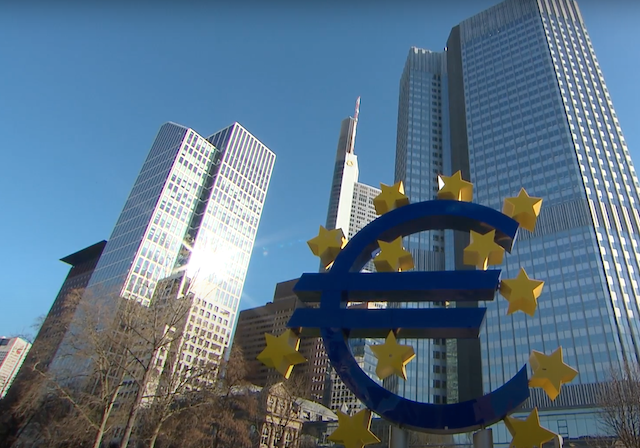
刚拿到稀土通行证,欧盟就来了招突击检查,还好中方留了一手
Sou Hu Cai Jing· 2025-12-22 08:18
Group 1 - China has issued longer-term rare earth export licenses to some European companies, which initially seemed like a positive development, but the EU responded with investigations and inspections, indicating a sudden shift in stance [1][3] - The EU's actions are not merely trade disputes but are driven by political motives, particularly concerns over China's rising influence in key sectors like electric vehicles and digital technology [3][5] - The EU's investigations into Chinese companies are seen as a way to align with the U.S. amidst changing political dynamics, particularly with the return of Trump and his "America First" policies [5][10] Group 2 - China's approval of rare earth exports is based on the stability of global supply chains and international responsibilities, maintaining control over the export process [7][10] - The EU's discriminatory and uncertain business environment is causing unease among investors, including European companies that have deep ties with Chinese firms [10][12] - The relationship between China and the EU is characterized by mutual dependence, and any attempts by the EU to simultaneously benefit from China's supply while restricting Chinese companies will likely lead to a lose-lose situation [12][13]

欧洲刚拿到稀土就翻脸,对中国6家企业下狠手,商务部的警告他们听懂了吗
Sou Hu Cai Jing· 2025-12-21 00:35
Group 1 - The European Union (EU) has initiated investigations against Chinese companies like CRRC and Tongfang Weishi under the Foreign Subsidies Regulation (FSR), which came into effect in July 2023, despite recently granting long-term rare earth export licenses to European firms [3][5] - The investigations are perceived as politically motivated actions aimed at suppressing Chinese enterprises, reflecting EU's anxiety over protecting local industries and countering the rise of Chinese manufacturing [3][5] - The EU's reliance on Chinese rare earth resources is critical for its manufacturing sectors, particularly in automotive and high-tech industries, highlighting a contradiction in its approach of imposing trade barriers while depending on Chinese supplies [5][10] Group 2 - Chinese companies are adapting to the challenges posed by the EU's investigations by localizing supply chains, as exemplified by BYD's plan to expand the use of local suppliers in Hungary, which mitigates potential trade barriers and enhances resilience [7] - Many Chinese firms are proactively establishing transparent and compliant internal mechanisms, hiring top international legal and accounting teams to withstand EU scrutiny, thereby transforming the challenges into opportunities [7] - The Chinese government has expressed its commitment to protecting the legitimate rights of Chinese enterprises in response to the EU's actions, emphasizing the need for mutual respect and fairness in cooperation [9][10]
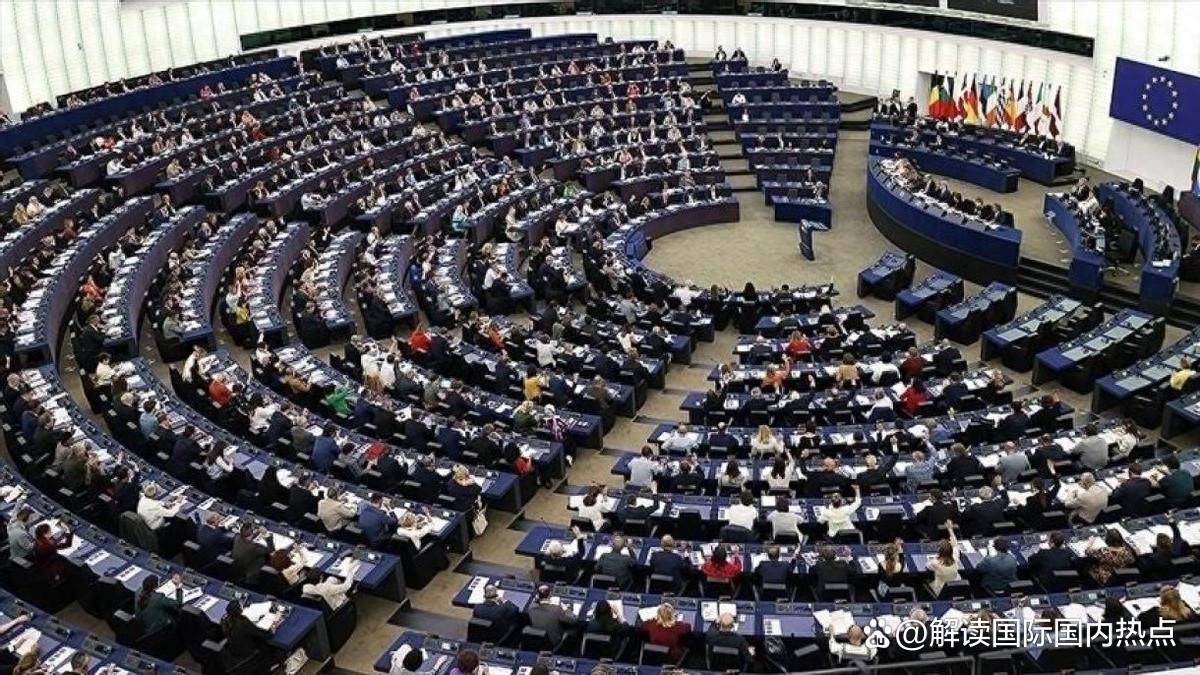
突发特讯!欧盟稀土危机缓解!中国发放一年期出口许可证,马克龙扭头要求2选1
Sou Hu Cai Jing· 2025-12-19 16:17
Core Viewpoint - The European Commission has confirmed that China will issue one-year export licenses for rare earths to European companies, alleviating the "rare earth crisis" faced by these firms [1]. Group 1: China's Export Control Measures - China previously implemented a series of export control measures on rare earths, causing significant concern and even panic in the US and Europe [3]. - Despite calls from the US and Europe to reduce dependence on Chinese rare earths, their efforts have not yielded substantial breakthroughs, as China dominates global rare earth reserves and refining technology [3]. Group 2: Strategic Importance of Rare Earths - The issuance of longer-term export licenses indicates that rare earths are a strategic resource with both military and civilian applications, justifying China's control measures [5]. - The previous panic from the EU was somewhat exaggerated, as compliance with Chinese regulations allows European companies to still access rare earth supplies [5]. Group 3: Dialogue and Cooperation - The situation suggests that trade disputes between China and Europe can be resolved through dialogue, as China has shown willingness to communicate and address European concerns [6][7]. - The ongoing communication indicates that the economic disputes are not insurmountable, depending on both parties' willingness to negotiate [7]. Group 4: European Trade Protectionism - The EU has increasingly adopted protectionist measures against Chinese companies, which has raised concerns about fairness in trade practices [9]. - The introduction of the EU's "Foreign Subsidies Regulation" has led to increased operational costs and legal challenges for Chinese firms in Europe [9]. Group 5: China's Response to EU Policies - China's Ministry of Commerce has emphasized that the current state of Sino-European economic relations is a result of market dynamics and urged the EU to reflect on its own issues rather than blaming China [11]. - The Ministry also pointed out that EU restrictions on Chinese enterprises have hindered their participation in public procurement and investment in the EU [11]. Group 6: Potential Consequences of Continued Tensions - While China did not specify potential countermeasures, it clearly indicated that it would not ignore unilateral sanctions from the EU and would take steps to protect the rights of Chinese companies [13]. - France, as a leading EU member, is urged to reassess its approach to Sino-European relations to foster cooperation rather than conflict [13].

新华财经晚报:商务部已批准部分稀土出口通用许可申请
Xin Hua Cai Jing· 2025-12-18 14:41
Key Focus - The Ministry of Commerce strongly opposes the European Commission's intensive investigations into multiple Chinese companies, highlighting the discriminatory nature of these actions and calling for a fair business environment for foreign investment in Europe [2][3] - The Ministry of Commerce has approved some general license applications for rare earth exports, indicating progress in compliance and export management [3] - The Ministry of Industry and Information Technology plans to strengthen capacity regulation in the photovoltaic industry, aiming for a dynamic balance of production capacity by 2026 [3] - The State Administration for Market Regulation is focused on optimizing the business environment and addressing "involution" competition to promote healthy market order [4] Domestic News - The State Council has issued opinions on combating illegal activities related to tobacco, emphasizing strict measures against counterfeiting, smuggling, and illegal sales to protect national interests and consumer rights [1] International News - The U.S. President Trump is expected to announce a nominee for the next Federal Reserve Chair, advocating for significant interest rate cuts [6] - The Norwegian central bank has maintained its policy rate at 4%, indicating no urgency to lower rates despite market expectations [6] - Japan's government is increasing its sensitivity to market conditions, particularly regarding the yen's performance and long-term interest rates [6] - Israel has approved a significant natural gas export agreement with Egypt, marking a historic milestone for the country [6]
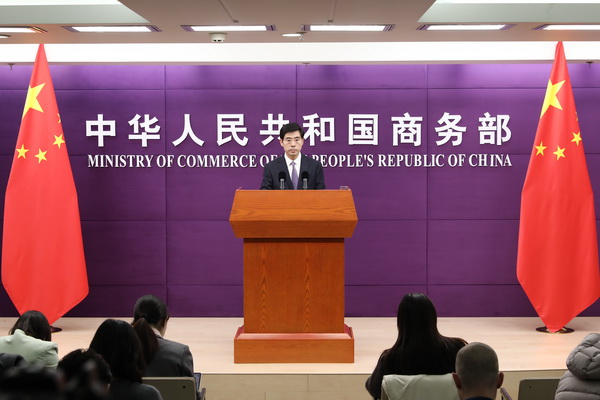
欧委会密集调查中车集团、同方威视等中企,商务部回应
Guan Cha Zhe Wang· 2025-12-18 13:20
Core Viewpoint - The Chinese Ministry of Commerce strongly opposes the European Commission's recent investigations into Chinese companies under the Foreign Subsidies Regulation (FSR), citing discrimination and a lack of transparency in the process [1][2]. Group 1: Investigations and Responses - The European Commission has initiated multiple investigations into Chinese companies, including CRRC Group and Tongfang Weishi, which are seen as discriminatory actions against foreign investment [1]. - The Ministry of Commerce has identified the FSR investigations as trade and investment barriers, highlighting issues such as insufficient evidence, excessive enforcement, and a lack of transparency in procedures [1]. - The European Union Chamber of Commerce in China has expressed strong dissatisfaction with the FSR investigations, noting that they have led to significant operational impacts on Chinese enterprises in Europe [2][4]. Group 2: Impact on Chinese Enterprises - The FSR investigations have reportedly caused direct and indirect losses to Chinese companies amounting to approximately €2.1 billion [5]. - A survey conducted by the European Union Chamber of Commerce revealed that 63% of the 205 surveyed Chinese enterprises in Europe reported that their business was affected by the FSR, with 51% indicating damage to their commercial reputation and market image [5]. - The investigations have led to Chinese companies being forced to withdraw from bidding projects in public procurement due to the FSR, indicating a trend of increased scrutiny on Chinese investments [4][5]. Group 3: Calls for Fair Treatment - The European Union Chamber of Commerce has called for the European Commission to exercise caution in using its investigative powers under the FSR and to stop discriminatory enforcement actions against Chinese enterprises [4][5]. - There is a demand for the European Commission to provide a fair, just, and transparent business environment for foreign investors, emphasizing the need to lower compliance burdens for companies operating in Europe [5].
国产仪器巨头遭欧盟调查
仪器信息网· 2025-12-18 09:02
Group 1 - The European Commission has initiated an in-depth investigation into Nuctech, a Chinese security equipment company, under the Foreign Subsidies Regulation (FSR), suspecting it may have received financial support from China that distorts competition in EU public procurement [2] - The investigation marks the first enforcement case since the implementation of the FSR, with potential consequences including structural or behavioral commitments from the company, fines up to 10% of global revenue, or restrictions on participation in specific public procurement projects if price distortion is confirmed [2] - Nuctech has publicly stated its commitment to independent operations and compliance with local laws, denying any receipt of subsidies that violate fair competition principles, and expressing willingness to cooperate with the investigation [5]

首届“讲好空中丝路故事”研讨会在西安召开,共商超级IP打造与品牌出海新路径
Mei Ri Jing Ji Xin Wen· 2025-11-27 06:52
Core Insights - The "Air Silk Road" International Cooperation Summit held in Xi'an focuses on high-quality development and collaboration in the aviation sector, aiming to establish a new hub for western openness [1] - The summit included a seminar on brand communication, emphasizing the importance of storytelling and collaboration among industry players to enhance the "Air Silk Road" brand [6][8] Group 1: Summit Highlights - The summit gathered global wisdom and resources to discuss the core issues of the "Air Silk Road" development [1] - A seminar titled "Telling the Story of the Air Silk Road" was held, showcasing selected service demonstration cases for the 2025 Air Silk Road construction [1][2] - Various companies from aviation, technology, energy, and logistics shared their innovations and experiences in service and green transformation [1][2] Group 2: Case Studies and Innovations - Gansu Civil Aviation Airport Group introduced a service brand focusing on passenger experience, achieving a 38-minute transfer time through integrated air-rail transport [2] - Sichuan Airlines launched a "Flight Delay Voucher 2.0" to enhance passenger experience during delays, aiming for a win-win situation among passengers, airlines, and merchants [2] - Hebei Airport Group reduced the passenger boarding process from 40 minutes to 28 minutes and initiated a one-stop air-rail travel concept [3] Group 3: Technological Advancements - Chengdu Logistics Technology Co., Ltd. developed multiple baggage handling systems, achieving domestic and international implementation [3] - Tongfang Weishi established international standards for body security screening, enhancing China's influence in global aviation security [3] Group 4: Brand Communication Strategies - Experts discussed strategies for building the "Air Silk Road" brand, emphasizing the integration of various sectors and the creation of joint products and services [6][7] - The importance of a narrative system involving government, enterprises, and media was highlighted to enhance emotional resonance and international recognition [7] - The role of the express logistics industry as a key player in the "Air Silk Road" construction was emphasized, with recommendations for embracing AI and automation [7][8]
机场安检大变革,仪器黑科技重塑出行体验
仪器信息网· 2025-10-21 09:09
Core Viewpoint - The article discusses the transformative impact of global regulations and technological innovations on airport security screening processes, highlighting the adoption of advanced technologies like CT scanners and AI to enhance efficiency and compliance with safety standards [3][4][32]. Group 1: Regulatory Influence - Global regulations are driving the adoption of advanced airport security technologies, with the EU leading by mandating the deployment of CT scanners by 2025 [3]. - The TSA in the U.S. is taking a phased approach, prioritizing high-risk locations for the deployment of new technologies [3]. - There is a push for standardization in security processes to align with global best practices, which may lead to new compliance requirements [3]. Group 2: Technological Innovations - The introduction of CT scanners has revolutionized baggage screening by providing 3D imaging, significantly improving the detection of prohibited items [4][5]. - Passengers no longer need to remove liquids and electronics from their bags during screening, expediting the process [5]. - Smaller airports are adopting CT technology more rapidly than larger international hubs due to fewer infrastructure challenges [5]. Group 3: Controversies and Challenges - The reintroduction of liquid restrictions in the UK and EU has sparked controversy, as airports that invested in CT technology face operational and financial setbacks [7]. - The inconsistency in security processes across different airports creates confusion and delays for travelers [10][11]. Group 4: Future Developments - The HelixView system, currently in development, aims to streamline security checks at smaller airports by allowing passengers to keep liquids and electronics in their bags [9]. - The integration of AI in security systems is expected to enhance threat detection and reduce human error [28][29]. - The introduction of walk-through scanners and advanced imaging technologies is anticipated to improve passenger experience and security efficiency [20][22][26]. Group 5: Industry Standards and Training - The launch of the DXCT testing platform aims to standardize the training and certification of security personnel globally, addressing inconsistencies in skill levels [17][19]. - The collaboration between the UK Civil Aviation Authority and Rapi Scan seeks to enhance the professional capabilities of X-ray security personnel [17]. Group 6: Summary of Impacts - The advancements in security technology are expected to lead to a smoother and less invasive airport screening experience for travelers, with potential reductions in liquid restrictions and the widespread adoption of walk-through scanners [32]. - Airports that adopt these advanced security solutions may gain a competitive edge by offering faster screening and improved passenger experiences [32].