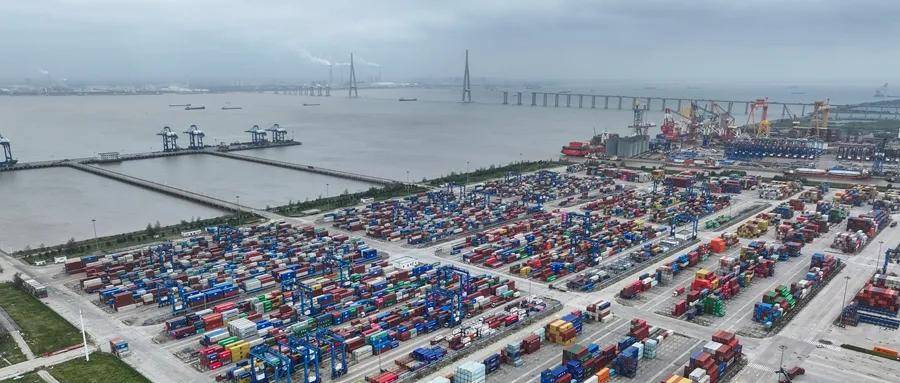
海洋工程装备制造业

Search documents
江苏涉海“小巨人”领跑海洋经济
Zhong Guo Zi Ran Zi Yuan Bao· 2026-01-27 03:12
Core Insights - Jiangsu Province is expected to add 152 new marine specialized "little giant" enterprises by 2025, representing a 28.6% increase year-on-year and accounting for 18.8% of the total new enterprises in the province [1] Industry Distribution - The new marine "little giant" enterprises are primarily concentrated in four sectors: marine engineering equipment manufacturing (37 new enterprises), marine shipbuilding (27), marine materials manufacturing (27), and marine equipment manufacturing (19), showcasing distinct industrial characteristics [1] Regional Distribution - The cities of Nanjing, Suzhou, Wuxi, and Nantong account for 62.7% of the new enterprises, indicating a significant "along the river" clustering effect, which serves as a core force driving high-quality development of the regional marine economy [1] Innovation Breakthroughs - Jiangsu's marine "little giant" enterprises have achieved multiple innovations in deep-sea development and utilization, such as the domestically produced all-sea deep optical cable winch system "Haiwei GD11000" by Nantong Liwei Machinery, filling a domestic technology gap [2] - Hengtong Optic-Electric has developed dynamic cables that cover three core scenarios: offshore wind power, marine oil and gas, and offshore hydrogen production [2] - Zhongtian Technology's underwater optical composite cable stands out in underwater observation and cross-sea communication, leading in these sectors [2] - Wuxi Haiying Jike focuses on high-end marine electronic equipment, developing key products like a 10,000-meter depth gauge to significantly enhance deep-sea exploration capabilities [2] Green and Low-Carbon Development - In the field of green low-carbon development, clean energy equipment and green ships have shown promising results, with 40% of new orders from Yangzi Mitsui Shipbuilding being for green ships [2] - Haisan Clean Energy has achieved breakthroughs in FLNG (Floating Liquefied Natural Gas) technology and model innovation, becoming the only company globally to independently deliver FLNG projects [2]
山东蓝色海洋新兴产业掀起“新”浪潮
Qi Lu Wan Bao· 2025-12-26 11:49
Core Insights - The emerging marine industries in Shandong are crucial for building a modern marine industry system, characterized by high technology and innovation, significantly contributing to the marine economy's vitality [1][2] Group 1: Emerging Marine Industries - Since 2018, the added value of emerging marine industries in Shandong has increased by 64.8%, with an average growth rate of 8.7%, surpassing the average growth rate of marine industries by 2.8 percentage points [1] - In 2024, the four emerging marine industries are projected to achieve an added value of 55.86 billion yuan, representing a year-on-year growth of 7.3%, which is 0.4 percentage points higher than the average growth rate of major marine industries [1] Group 2: Marine Engineering Equipment Manufacturing - The marine engineering equipment manufacturing sector is undergoing iterative upgrades, with an expected added value of 17.01 billion yuan in 2024, reflecting a growth of 10.5% compared to the previous year [1] Group 3: Marine Pharmaceuticals and Biological Products - The marine pharmaceuticals and biological products sector is accelerating innovation, with an anticipated added value of 19.05 billion yuan in 2024 [1] - The development of the "blue pharmacy" is advancing, with the marine new drug BG136 completing Phase I clinical trials and the anti-hepatitis virus marine drug LY102 receiving clinical approval [1] - Innovation in marine drug manufacturing is highlighted by the launch of China's first dual-function blue hat krill oil by Fengshi Technology, exploring the medicinal value of Antarctic krill oil [1] Group 4: Marine Power Industry - The marine power industry is experiencing positive green and low-carbon development, with an expected added value of 15.13 billion yuan in 2024, marking a growth of 10.7% from the previous year [2] - By the end of 2024, the cumulative installed capacity of offshore wind power in Shandong is projected to reach 5.424 million kilowatts, ranking third in the country [2]
技能竞赛连发:三场大赛“解码”广东人才新局
2 1 Shi Ji Jing Ji Bao Dao· 2025-12-01 12:32
Group 1 - The core objective of the recent skills competitions in Guangdong is to enhance talent supply to support the development of regional industries, particularly in low-altitude economy and marine sectors [1][2][6] - The Guangdong provincial government has launched a comprehensive plan for 101 vocational skills competitions, aiming to align competition projects with industry needs and promote modern industrial system construction [2][6][7] - The competitions have attracted over 400 skilled talents, focusing on regional specialties such as drones, marine economy, and coffee, indicating a strategic move towards talent cultivation in key industries [1][6][10] Group 2 - The marine economy skills competition highlighted the importance of technical skills in marine oil and gas equipment maintenance, with a significant contribution of 973.8 billion yuan to the province's marine industry [5][10] - The drone skills competition introduced new professional tracks such as precision logistics and emergency response, directly addressing the core applications of the low-altitude economy [6][11] - The ongoing talent strategy transformation in Guangdong is driven by rapid changes in industry demands, emphasizing the need for skilled workers in automation, smart logistics, and other emerging fields [10][11] Group 3 - Guangdong has maintained its position as China's most populous province, with a population of 127.8 million, which is crucial for sustaining its economic growth and talent pool [8][10] - The province's focus on talent development is evident in its "Million Talents Gathering in South Guangdong" initiative and the extensive skills competition plan, aiming to leverage the demographic advantage for industrial upgrades [2][8][11] - Educational institutions are adapting their curricula to incorporate competition standards, fostering a talent training model that integrates practical training with industry needs [11]

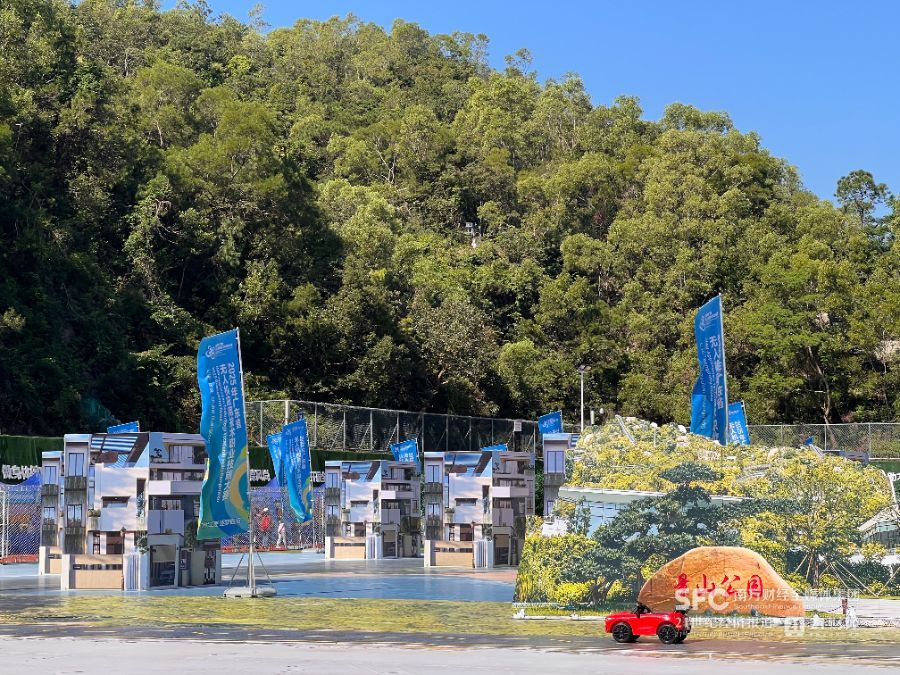
清风为伴产业兴丨向海图强 监督随行
Zhong Yang Ji Wei Guo Jia Jian Wei Wang Zhan· 2025-11-30 00:32
Core Insights - The South China Sea economy in Nansha District, Guangzhou, is experiencing significant growth, with the marine production value consistently accounting for around 20% of the GDP, supported by over 4,300 marine-related enterprises [1][2] Group 1: Marine Economic Development - The Nansha District's marine economy is bolstered by a comprehensive approach to supervision, ensuring effective policy implementation and addressing challenges faced by enterprises [1] - The district's supervisory body collaborates with various departments to enhance data sharing and establish mechanisms for special inspections and joint assessments, thereby strengthening daily oversight [1][2] Group 2: Fisheries and Subsidy Policies - The implementation of fisheries subsidies and related policies is crucial for the welfare of fishermen, with the supervisory body actively identifying and rectifying issues in subsidy applications [2] - The district has facilitated the resolution of challenges faced by marine high-end equipment manufacturers, such as Deep Sea Intelligent (Guangzhou) Technology Co., Ltd., by promoting collaboration with relevant departments [2] Group 3: Technological Innovation and Infrastructure - Technological innovation is identified as a key driver for high-quality marine economic development, with the establishment of a marine equipment-focused industrial park attracting 14 key enterprises [2] - The district's supervisory body is committed to ensuring the efficient and compliant construction of the industrial park, addressing issues related to project bidding and misconduct [2] Group 4: Key Industries - The marine transportation, shipbuilding, marine engineering equipment manufacturing, and marine tourism sectors have emerged as the leading industries within the Nansha District's marine economy, reflecting a robust and comprehensive industrial chain [3]
前三季度我国海洋生产总值7.9万亿元 海洋新兴产业加速发展
Zhong Guo Zheng Quan Bao· 2025-11-03 23:39
Core Insights - China's marine economy showed steady progress in the first three quarters of the year, with a marine GDP of 7.9 trillion yuan, representing a year-on-year growth of 5.6% [1] Traditional Marine Industries - The traditional marine industries maintained a stable foundation, with shipbuilding output and orders increasing by 6.7% and 25.7% respectively [2] - China's market share in new ship orders, completed shipbuilding, and orders on hand reached 63.5%, 47.3%, and 58.6% respectively, maintaining a global leading position [2] - The marine tourism sector experienced a 7.0% increase in value added, with passenger transport volume rising by 3.0% and traveler turnover by 3.8% [2] - Cruise tourism saw significant growth, with 344 cruise ship entries and exits and 2.05 million passengers, marking increases of 17% and 28% respectively [2] Emerging Marine Industries - The marine engineering equipment manufacturing sector showed stable development, with offshore wind power capacity increasing by 42.1% [3] - New orders and delivery amounts for marine engineering equipment accounted for 60.0% and 50.8% of the international market share, respectively [3] - Significant advancements were made in marine pharmaceuticals, with the approval of LY104 injection for clinical trials [3] Business Confidence in Marine Enterprises - Overall business performance in marine enterprises improved, with 55.6% of companies reporting revenue growth and 54.2% reporting profit increases [4] - The marine foreign trade maintained stability, with a 1.7% increase in import and export volume, reflecting a recovery trend [4] - Exports of wind turbine components and ships grew by 23.9% and 22.4% respectively, highlighting competitive advantages in high-end, intelligent, and green marine products [4]
自然资源部:初步核算前三季度海洋生产总值实现7.9万亿元 同比增长5.6%
智通财经网· 2025-11-03 13:06
Core Viewpoint - The marine economy in China has shown a stable and progressive trend in the first three quarters of 2023, with a marine GDP of 7.9 trillion yuan, reflecting a year-on-year growth of 5.6%, which is 0.4 percentage points higher than the national GDP growth rate, providing a solid "blue support" for national economic development [2][11]. Group 1: Modern Marine Industry Development - The construction of a modern marine industry system is accelerating, with traditional marine industries maintaining stable performance. The completion and order volume of marine vessels increased by 6.7% and 25.7% year-on-year, respectively [3]. - The market share of new orders, completed shipbuilding, and hand-held orders in the global market reached 63.5%, 47.3%, and 58.6%, respectively, maintaining a global leading position [3]. - The marine tourism market is thriving, with a year-on-year increase of 7.0% in marine tourism value added, and cruise tourism seeing a significant rise in both the number of cruise ships and passengers [3]. Group 2: Emerging Marine Industries - The marine engineering equipment manufacturing industry is developing steadily, with new orders, delivered orders, and hand-held orders accounting for 60.0%, 50.8%, and 61.9% of the international market, respectively [4]. - Significant breakthroughs have been made in various marine engineering equipment, including the delivery of the world's largest floating wind power platform and the first deep-water oil and gas underwater robot in China [4]. - The development of marine pharmaceuticals has progressed, with the first marine small molecule drug approved for clinical trials [4]. Group 3: Stable Supply of Marine Resources - The supply of marine spatial resources and energy has improved, with a 19.2% year-on-year increase in approved marine area usage, involving investments exceeding 641.9 billion yuan [5]. - Marine oil and gas exploration has achieved significant results, with new oil and gas fields discovered and production capacity steadily increasing, leading to a year-on-year growth of 3.0% in crude oil and 17.7% in natural gas output [5]. - The supply of marine clean energy has also improved, with offshore wind power generation and newly connected capacity increasing by 3.7% and 42.1% year-on-year, respectively [5]. Group 4: Business Performance of Marine Enterprises - The overall business performance of marine enterprises is positive, with 55.6% of companies reporting revenue growth and 54.2% reporting profit growth in the first three quarters [7]. - Companies are increasing their R&D investments, with 62.9% reporting a year-on-year increase in R&D expenditure and personnel [7]. Group 5: Innovation and Technological Advancements - The marine sector is experiencing advancements in digital intelligence capabilities, with the launch of a trusted data space for marine data in Zhejiang [8]. - Significant AI innovations have been introduced in the marine industry, enhancing the digital ecosystem of shipbuilding and marine engineering [8]. Group 6: Marine Trade and Port Development - Marine trade has shown resilience, with a 1.7% year-on-year increase in maritime import and export volume, and coastal ports have seen improved cargo throughput [10]. - The automation and green transformation of ports are progressing, with significant improvements in operational efficiency and the introduction of green fuel initiatives [10].
五中全会绘就发展“导航图”产业、安全、内需三大主线值得关注
Western Securities· 2025-10-28 13:04
Group 1: Key Conclusions from the Report - The Fourth Plenary Session of the 20th Central Committee of the Communist Party of China outlines a clear "navigation map" for economic and social development over the next five years[1] - The report emphasizes three main lines of focus: industry, security, and domestic demand[1] - The overall word count of the report has decreased by approximately 1,000 words compared to the previous five-year plan, highlighting a more focused approach[12] Group 2: Changes and Emphasis - Increased emphasis on risks and challenges, particularly regarding international risks and uncertainties[14] - Security is now a significant theme, covering modern industrial system construction, national defense, social governance, and employment[15] - The importance of modern industrial system construction and original innovation in manufacturing is underscored[19] Group 3: Future Directions and Opportunities - The upcoming "15th Five-Year Plan" is expected to further emphasize safety, quality, efficiency, and sustainability[2] - Opportunities in modern industrial system construction, "safety + all industries," and domestic consumption are recommended for exploration[26] - The report indicates a strategic focus on enhancing domestic circulation's internal motivation and reliability, reflecting the importance of domestic demand[24]
以法治护航“海上新广东”建设——《广东省促进海洋经济高质量发展条例》发布
Sou Hu Cai Jing· 2025-10-22 10:54
Core Viewpoint - Guangdong Province is a leading marine economy in China, with a marine GDP of 2002.25 billion yuan in 2024, accounting for 14.1% of the regional GDP and 18.9% of the national marine GDP. The province has faced challenges in industrial coordination, technological innovation, resource assurance, and environmental governance, prompting the introduction of the "Regulations on Promoting High-Quality Development of the Marine Economy" as a key legislative project for 2024 [1] Industry Development - Establishing a modern marine industry system is essential for transforming and upgrading marine industries, requiring coordinated land-sea spatial planning and targeted policies for emerging and traditional marine industries [2] - The regulations outline specific development measures for major marine industries in Guangdong, focusing on optimizing spatial layout, nurturing emerging industries, enhancing traditional industries, and improving marine service levels [2] Spatial Layout Optimization - The regulations emphasize the need for integrated land-sea planning and protection, requiring local governments to coordinate the development of land and sea resources and optimize marine economic spatial layout [3] - Measures include supporting the construction of marine economic demonstration zones and encouraging marine enterprises to cluster in economic and technological development zones [3] Emerging Industry Development - The regulations promote the growth of emerging marine industries, including marine electronic information, marine engineering equipment manufacturing, marine pharmaceuticals, and marine renewable energy [4] - Specific provisions include enhancing R&D capabilities in high-end marine electronic equipment and supporting the development of new marine equipment such as submersibles and underwater robots [4] Traditional Industry Enhancement - The regulations aim to modernize traditional marine industries, particularly marine fisheries, by supporting the construction of cold chain logistics bases and optimizing near-sea aquaculture layouts [5][6] - Measures include simplifying approval processes for deep-sea aquaculture and enhancing the management of aquatic resources [5] Marine Service Industry Improvement - The regulations focus on enhancing the marine service industry, including transportation, shipping services, and marine tourism, by improving infrastructure and promoting regional port cooperation [7] - Specific initiatives include supporting the development of high-quality coastal tourism areas and enhancing the management of marine cultural resources [7] Technological Innovation - The regulations highlight the importance of technological innovation in driving high-quality marine economic development, establishing a collaborative innovation system that integrates enterprises, academia, and research institutions [8][9] - Measures include supporting marine technology research and development, enhancing the commercialization of technological achievements, and promoting the protection of intellectual property rights [9] Green Development - The regulations advocate for a green development approach, emphasizing ecological protection and sustainable resource utilization in marine economic activities [10][11] - Specific provisions include enhancing marine ecological environment protection, promoting blue carbon economy initiatives, and ensuring compliance with ecological safety standards [11][12] Open Cooperation - The regulations encourage international cooperation and regional collaboration, particularly within the Guangdong-Hong Kong-Macao Greater Bay Area, to enhance marine industry development and resource protection [13][14] - Initiatives include promoting cross-border marine tourism and facilitating investment in overseas marine economic sectors [13] Service Assurance - The regulations stress the need for a coordinated approach to marine economic development, clarifying departmental responsibilities and enhancing resource support systems [15][16] - Measures include improving data collection and monitoring, ensuring funding and talent support, and enhancing infrastructure for marine economic activities [17][18]
拓路“深蓝”
Jin Rong Shi Bao· 2025-09-30 03:48
Group 1: Marine Aquaculture Development - A circular floating net cage with a diameter of over 30 meters has been launched in the sea area east of Shenquan, Huilai, marking the completion of the Haiyuanda and Huilai aquaculture gravity net cage project, contributing to the development of a "blue granary" that integrates technology, ecology, and benefits [1] - The sea area of Huilai County covers 1,328.6 square kilometers with a coastline of 111.53 kilometers, rich in marine resources, indicating a significant potential for the marine fishery industry [1] Group 2: Financial Support for Marine Industry - Under the guidance of the People's Bank of China, local banks are providing financial support to the marine fishery and seafood processing industries, including a 10 million yuan micro-enterprise credit loan to Haiyuanda Aquaculture Company for the gravity net cage project [2] - The Postal Savings Bank of China granted 80 million yuan credit to the Huilai Abalone Industrial Park, marking the first comprehensive credit approval for a marine area in Jieyang City [2] - The Construction Bank provided a 5 million yuan working capital loan to Huasheng Aquaculture Company to support the procurement of shrimp seedlings, demonstrating the financial sector's commitment to the marine industry [2] Group 3: Clean Energy Initiatives - A green energy revolution is underway in Jieyang, with local banks focusing on supporting clean energy projects, including 8.057 billion yuan in preferential loans for carbon reduction projects across 30 key areas [3] - The Construction Bank has provided comprehensive fixed asset loan services to the National Energy Investment Group for the 315 MW offshore wind farm project, totaling 3.179 billion yuan, promoting high-quality development of clean energy in the region [3] Group 4: Marine Engineering Equipment Manufacturing - The marine engineering equipment manufacturing industry is being supported by financial solutions from local banks, with the Bank of Communications providing 324 million yuan in fixed asset loans to Guangdong Blue Water Deep Sea Equipment Technology Company for its manufacturing project [4] - The Postal Savings Bank has issued 40 million yuan in fixed asset loans to Tian Shun Wind Energy for its offshore wind equipment manufacturing project, enhancing the regional wind power equipment supply chain [4]

“短板”破万亿,沿海大省江苏再踩油门
Sou Hu Cai Jing· 2025-09-17 08:48
Core Viewpoint - Jiangsu province is focusing on enhancing its coastal economic development to leverage its marine resources and improve its position in the national marine economy, which is expected to exceed 10 trillion yuan in 2024, accounting for 7.8% of the national GDP [2][4][6] Group 1: Current Status and Challenges - Jiangsu has a coastal area of 37,500 square kilometers and a coastline of 954 kilometers, but has struggled with underdeveloped marine economic contributions, ranking sixth nationally [3][4] - The coastal cities of Nantong, Yancheng, and Lianyungang account for nearly one-third of Jiangsu's land area and about one-quarter of its population, yet their combined GDP only represents 18.1% of the province's economy, falling short of the 20% target set for 2025 [4][6] - In 2024, Jiangsu's marine GDP reached 1,004.62 billion yuan, significantly lower than Guangdong's over 2 trillion yuan and Shandong's 1.8 trillion yuan, indicating a lag in marine economic development [6][9] Group 2: Transformation and Development Strategies - The provincial government aims to use technological innovation as a key driver for marine industry transformation, focusing on areas with potential and comparative advantages [10][14] - Jiangsu's traditional marine industries, such as shipbuilding and marine engineering, remain strong, with the province accounting for 47.4% of the national shipbuilding completion volume in 2024 [10][11] - New industries, particularly in offshore wind power, are also growing, with Yancheng alone contributing to over 40% of the national offshore wind power equipment capacity [11][13] Group 3: Competitive Landscape and Collaboration - The coastal cities of Jiangsu have distinct advantages: Nantong as a major city with port resources, Lianyungang as a transportation hub, and Yancheng as a leader in offshore wind power [17][19] - A recent coastal and marine spatial planning initiative aims to enhance the development framework for these cities, promoting collaboration rather than competition among them [18][21] - The need for cross-regional collaboration is emphasized to optimize resource allocation and enhance Jiangsu's overall influence in the national marine industry [21]