蔬菜种植与销售

Search documents
价格一路下跌!台州人爱吃的这口很畅销,“上午八九点就卖光了”,即将大量上市,价格还要降……
Huan Qiu Wang Zi Xun· 2026-02-26 00:07
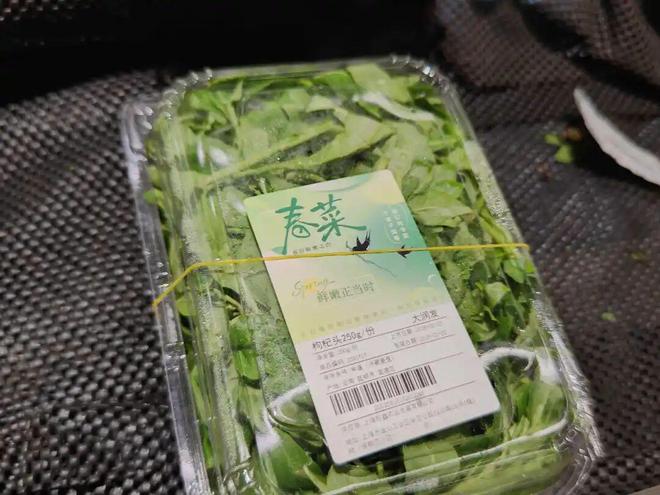
来源:台州晚报 眼下,不少春季蔬菜已经上市。一场属于春天的"舌尖狂欢",在各大菜市场和超市悄然上演。记者走访 发现,台州本地红花草以15元每斤的热度领跑春菜市场,超市则集结全国多地特色春蔬打造"春日专 柜",春天的味道已走入市民餐桌。 清晨,台州黄岩劳动南路菜市场的蔬菜摊位前已人头攒动。"今天的红花草刚从地里摘的,嫩得很!"摊 主王阿姨一边麻利地称重装袋,一边向顾客推荐。摊位上,水灵灵的红花草、荠菜、冰草等春菜泛着新 鲜劲,引得不少市民驻足挑选。 "本地红花草1月底就有了,那时候卖每斤20多元。现在天气转暖,产量也上来了,价格一路下跌,已经 是15元每斤的实惠价格。红花草炒年糕是很多台州人春天爱吃的,非常畅销,一般上午八九点就卖完 了。"王阿姨介绍,"其他的一些当季蔬菜,如5元每斤的菜蕻、25元每斤的春笋都处在高价,但架不住 鲜甜,也有不少人买。" 除了新鲜蔬菜,冻品区的应季美食同样吸睛。荠菜春卷外皮金黄酥脆,内馅碧绿鲜香;荠菜团子软糯咸 香,咬开还能看到颗粒分明的荠菜碎。"不用自己摘菜洗菜,加热就能吃,特别适合上班族。"正在挑选 的王先生说,他打算买些春卷招待周末来访的朋友。 "现在天气转暖了,更多种类的春 ...

春节“菜篮子”满满当当!武汉蔬菜保供不打烊,新鲜直达年味足
Chang Jiang Ri Bao· 2026-02-17 00:36
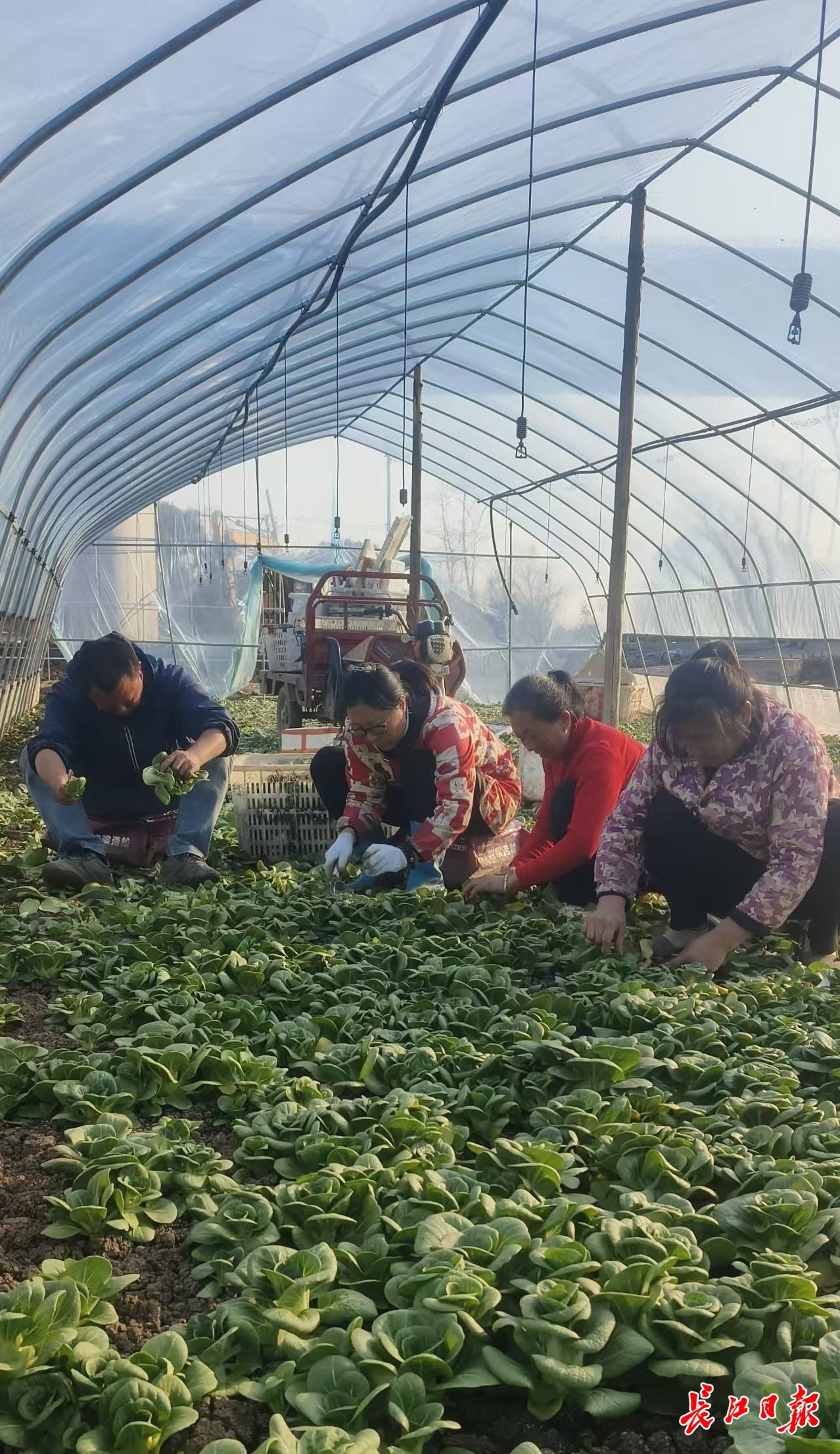
Core Viewpoint - The article highlights the successful supply of fresh vegetables in Wuhan during the Spring Festival, ensuring stable prices and availability for residents, thanks to coordinated efforts among local departments and producers [1][19]. Group 1: Vegetable Supply and Logistics - Wuhan's vegetable production is stable, with logistics running smoothly and ample reserves, ensuring that supply remains uninterrupted and prices stable during the festive season [1]. - The Qiangxin Vegetable Cooperative in the Dongxihu District has over 600 steel frame greenhouses, producing more than ten varieties of seasonal vegetables, with a daily output of around 20 tons during the peak period, doubling the usual amount [1][5]. - The cooperative has been operating continuously since the New Year, fulfilling a supply task of 250,000 kilograms, with a focus on fresh delivery to major supermarkets [1][3]. Group 2: Supermarket Operations and Pricing - Over 120 supermarkets in Wuhan, including Zhongbai and Wushang, have set up government-subsidized vegetable sections, offering six types of essential vegetables at capped prices, such as 0.77 yuan for 500 grams of white radish and 1.52 yuan for 500 grams of cabbage [9][14]. - Supermarkets are stocking three to five times their usual inventory levels and have established a 24-hour logistics dispatch mechanism to ensure shelves remain stocked and varieties are available [19]. - The government-subsidized vegetable sections are clearly marked and attract many customers, with reports of prices being lower than usual, contributing to a positive shopping experience for residents [14][18].


四川海拔最高的县如何解锁春节蔬菜自由?
Xin Lang Cai Jing· 2026-02-13 22:46
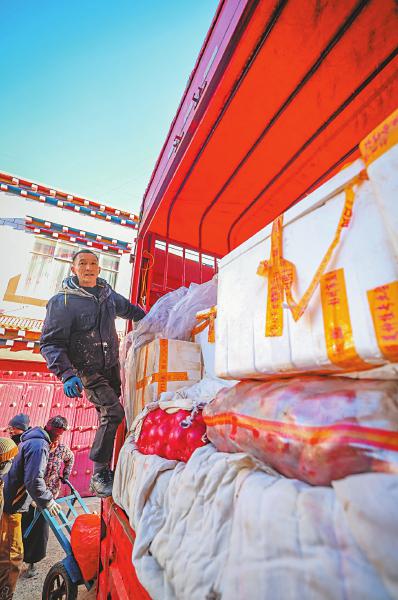
Core Viewpoint - The article highlights the significant improvements in the availability of fresh vegetables in Shiqu County, Sichuan, despite its harsh winter climate, due to enhanced transportation infrastructure and local agricultural initiatives. Group 1: Transportation and Infrastructure - Shiqu County has invested over 10 billion yuan annually for 13 years to improve transportation, facilitating access to fresh produce from Chengdu [5] - The county's road network has been developed to ensure that fresh vegetables can reach local markets within 24 hours from Chengdu [5] Group 2: Local Market Dynamics - The local market in Luoxu Town offers over 50 varieties of fresh vegetables and fruits, comparable to those available in Chengdu [5] - The increase in local restaurants and online cooking tutorials has encouraged residents to explore a wider range of vegetable options, leading to a significant rise in sales [6] Group 3: Agricultural Development - The establishment of the Shiqu Dengma Ecological Agricultural Technology Demonstration Park has allowed for large-scale vegetable cultivation, ending the historical limitation on local vegetable production [8] - The park, created in 2018, spans over 5,300 acres and is expected to supply over 600 tons of vegetables by 2025, contributing to local employment and income [8] Group 4: Community Impact - Local residents, such as Kang Zhu, have benefited from stable employment at the agricultural park, allowing them to afford a better diet [8] - The park has created job opportunities for 125 local employees, with temporary labor reaching up to 600 during peak seasons [8]
湖南城步苗乡“新农人”让高山蔬菜香飘全国
Xin Lang Cai Jing· 2026-02-13 02:50
Core Viewpoint - The article highlights the transformation of the agricultural industry in Chengbu Miao Autonomous County, driven by Yang Shengchun's efforts in promoting highland vegetables, which are now reaching high-end markets in the Guangdong-Hong Kong-Macao Greater Bay Area due to improved logistics and marketing strategies [1][4]. Group 1: Industry Development - The opening of the Chenglong Expressway has significantly reduced travel time, allowing fresh highland vegetables to be delivered to the Greater Bay Area within 24 hours, enhancing market competitiveness [1][4]. - Yang Shengchun has focused on highland vegetables, renting over 300 acres of land to establish a core planting base, emphasizing eco-friendly cultivation methods to preserve the natural flavor of the produce [3][4]. Group 2: Entrepreneurial Journey - Yang Shengchun, originally a market representative for major retailers, returned to his hometown in 2015 to pursue agriculture, initially facing challenges with traditional farming methods and market access [2][3]. - After initial failures, he recognized the need to leverage his marketing skills to enhance the agricultural sector in his hometown, leading to a strategic focus on highland vegetables [2][3]. Group 3: Market Strategy - Yang has utilized e-commerce by opening multiple online stores and leveraging his extensive network in the restaurant and supermarket industries, successfully connecting with over 700 restaurant chains across the country [4][5]. - The cooperative now ships over 100 orders daily, with peak sales reaching 2,000 pounds of winter bamboo shoots and 3,000 pounds of radishes, significantly increasing the prices of highland vegetables [5]. Group 4: Community Impact - Yang's cooperative has created over 40 local jobs and directly supports more than 50 farming households, promoting collective prosperity within the community [5]. - Plans for 2025 include achieving an output value of over 3.5 million yuan and investing 800,000 yuan in constructing temperature-controlled greenhouses to ensure year-round supply and enhance product quality [5].
焦点访谈丨荒山长出果实 鲜蔬通达九州 他们用汗水书写“南菜北运”的奋斗之路
Yang Shi Xin Wen Ke Hu Duan· 2026-02-12 05:26
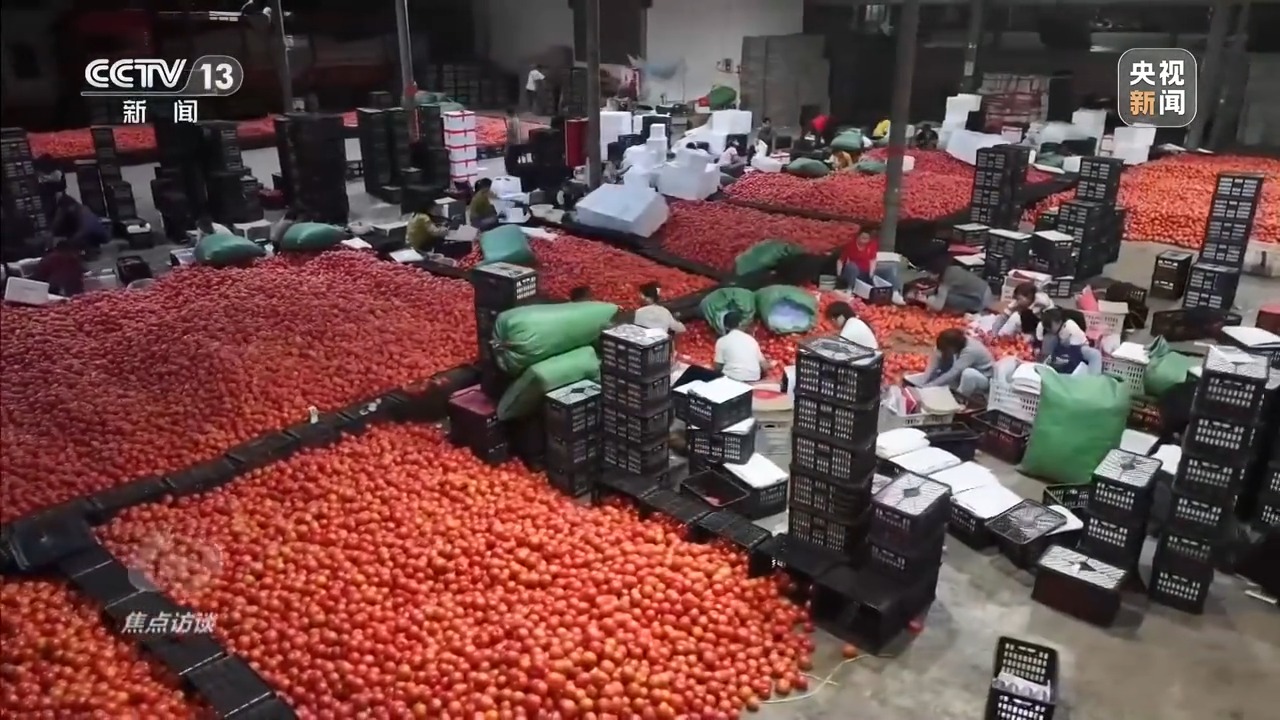
Core Insights - The article highlights the significant role of Yuanmou County in Yunnan Province as a major vegetable production area, particularly known for its tomatoes, which are the most widely planted and traded crop in the region [1][3]. Group 1: Market Dynamics - Yuanmou County's Nengyu Vegetable Wholesale Market serves as the central hub for the distribution of fresh tomatoes, facilitating their journey from local farms to markets across the country [1][3]. - The introduction of the "green channel" policy for fresh agricultural products has significantly reduced transportation costs, enhancing the efficiency of vegetable exports from Yuanmou [11]. Group 2: Personal Stories and Contributions - Li Mingyan, a vegetable broker in Yuanmou, has been integral to the local vegetable industry since she was 18, helping buyers find quality tomatoes and witnessing the growth of the industry over the years [3][14]. - The article features the story of Zhi Chunqiu, who moved from Northeast China to Yuanmou to capitalize on the region's favorable climate for vegetable cultivation, leading to her successful establishment of multiple vegetable farms [15][19]. Group 3: Technological Advancements - Zhi Chunqiu's farms utilize smart management systems, including drip irrigation and integrated water and fertilizer control, which enhance efficiency and reduce resource usage by approximately 30% per acre [21][24]. - The region has attracted over 100 research institutions and seed companies, providing high-quality seeds to local farmers and contributing to the overall development of the agricultural sector [23][25]. Group 4: Youth Involvement and Innovation - Yang Qihong, a young entrepreneur, has transformed previously barren land into productive vegetable farms, employing innovative sales strategies and collaborating with large supermarkets and fresh food platforms [27][33]. - Yang emphasizes the importance of the younger generation in agriculture, expressing confidence in their ability to face challenges and innovate within the industry [35].
头茬春菜鲜嫩上市,不妨花式尝鲜
Xin Lang Cai Jing· 2026-02-10 20:04
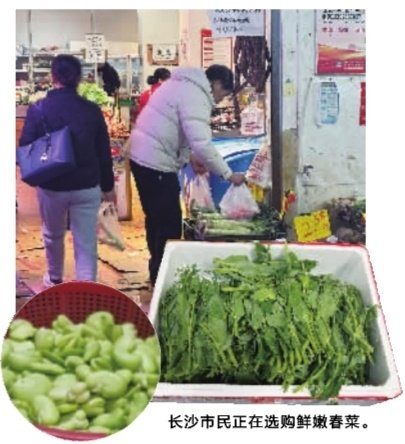
Core Viewpoint - The arrival of spring vegetables in Changsha markets marks the beginning of the spring tasting season for citizens, enhancing the variety of fresh produce available for the upcoming Chinese New Year [2]. Group 1: Spring Vegetable Availability - Fresh spring vegetables such as fava beans, pea shoots, and bamboo shoots have started to appear in local markets, with prices for fava beans at 36 yuan per kilogram and pea shoots at 30 yuan per kilogram [3]. - Local vendors are showcasing a variety of spring vegetables, including fragrant bamboo shoots and seasonal herbs, with prices for some items like Chinese toon reaching 160 yuan per kilogram [3]. - The market is seeing a diverse range of locally grown vegetables, with prices for pea sprouts at 16 yuan per kilogram, indicating a strong supply of fresh produce [3]. Group 2: Consumer Trends and Preferences - Consumers are actively seeking fresh spring vegetables for various culinary uses, with many sharing their recipes on social media platforms, highlighting the popularity of these seasonal ingredients [6]. - The unique flavors of spring vegetables, such as the slightly bitter taste of shepherd's purse, are appealing to families, particularly for dishes that are easy to prepare [6]. Group 3: Health Considerations - The Chinese Center for Disease Control and Prevention advises moderation in the consumption of certain spring vegetables due to their high oxalic acid or nitrite content, recommending blanching before consumption [5]. - Specific groups, such as young children and the elderly, are advised to consume fibrous vegetables like bamboo shoots in moderation due to potential digestive issues [5]. Group 4: Market Supply and Pricing - Overall, the supply of vegetables is sufficient to meet the demand during the Chinese New Year, with vendors indicating that they will maintain normal operations and stock levels [6]. - Some vendors anticipate a slight increase in vegetable prices during the holiday period, although the overall supply remains adequate [6].
北京1月蔬菜均价环比降3.68% 多地蔬菜集中上市供应充足
Sou Hu Cai Jing· 2026-02-01 11:42
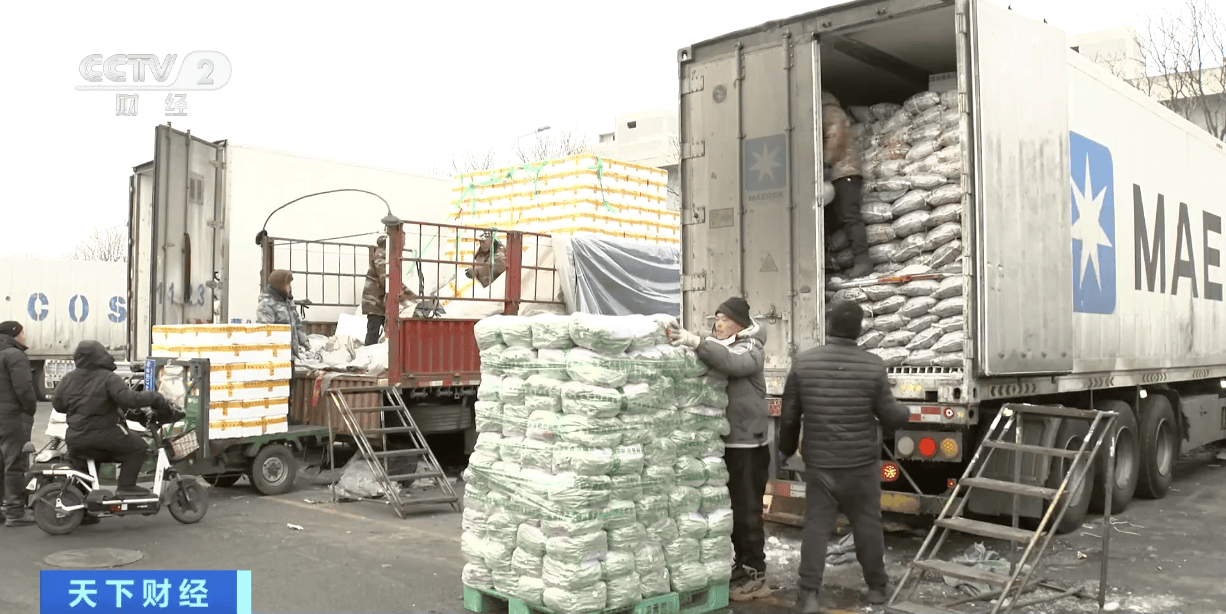
Core Viewpoint - The vegetable market in Beijing is experiencing a decline in prices due to increased supply and favorable weather conditions following a cold wave [5][9]. Group 1: Price Changes - Prices of various vegetables, particularly beans, have decreased by 0.5 to 0.8 yuan per kilogram compared to the previous week [3]. - The weighted average price of vegetables at the Beijing Xinfadi market in January 2026 is 3.66 yuan per kilogram, a decrease of 3.68% from December 2025 [7]. Group 2: Supply Factors - The supply of vegetables has increased significantly as products from Yunnan, Guangdong, and Hainan are being unloaded for sale [4]. - The availability of tomatoes and cucumbers has improved due to the arrival of supplies from Sichuan, leading to a price drop from 4.5 yuan to approximately 3.89 yuan per kilogram [5]. Group 3: Market Outlook - As the Spring Festival approaches, the overall supply of vegetables is expected to remain abundant, leading to stable or slowly declining prices [9].
保障“菜篮子”量足价稳
Ren Min Ri Bao· 2026-01-27 01:37
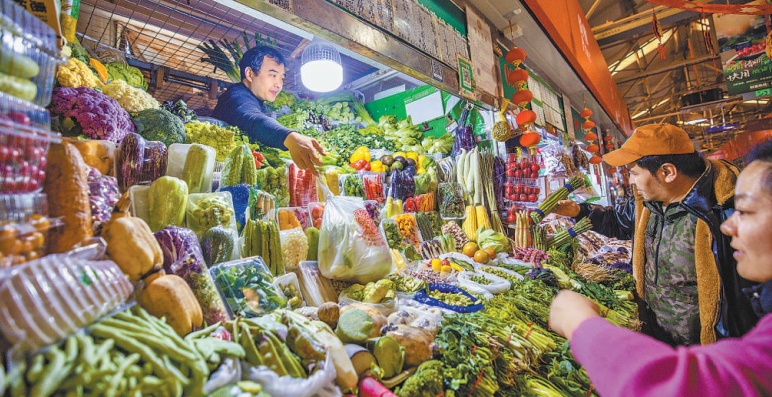
Core Viewpoint - The article highlights the measures taken by various regions and departments to ensure the stable supply of "vegetable basket" products during the peak consumption season around the Spring Festival, emphasizing the increase in vegetable supply capacity due to enhanced logistics and production efforts [2] Group 1 - The Spring Festival period is identified as a peak consumption season for "vegetable basket" products, prompting proactive measures for production and supply [2] - Various regions and departments are implementing multiple strategies to strengthen production supply and enhance the connection between production and sales [2] - The increase in the transportation of southern vegetables to northern regions is noted, contributing to a gradual increase in the availability of facility-grown vegetables in the north [2]
夫妇网购娃娃菜检测出了老鼠药
Xin Lang Cai Jing· 2026-01-24 14:29
Core Viewpoint - A couple in Taizhou, Zhejiang, experienced severe poisoning after consuming baby cabbage purchased online, which was later found to contain rodenticide [1] Group 1: Incident Details - The couple, Yang and her husband, showed symptoms of severe bleeding and were hospitalized after consuming the baby cabbage on December 17, 2025 [1] - Hospital tests confirmed both were poisoned by rodenticide, with Yang's husband showing detectable levels of the poison in his blood [1] - The couple had no prior exposure to rodenticide and were puzzled about the source of the poison, as they typically bought groceries from local markets [1] Group 2: E-commerce Platform Response - The involved e-commerce platform responded by removing the seller's products and stated they would cooperate with the police investigation [1] - The baby cabbage was purchased for 17.48 yuan and weighed approximately 8 pounds, delivered on December 16, 2025 [1]
今起连续7天投放政府储备蔬菜
Xi An Ri Bao· 2026-01-19 06:54
Group 1 - The core viewpoint of the article is that the government plans to release reserve vegetables to stabilize prices and ensure sufficient supply from January 19 to January 25, 2026 [2] - The types of vegetables to be released include commonly used storage vegetables such as cabbage, radishes, onions, potatoes, winter melons, and pumpkins [2] - The total amount of reserve vegetables planned for release is 10,000 tons, with prices set to be approximately 15% lower than the recent retail prices of the same categories [2] Group 2 - Each release point will display a banner indicating it is a "Xi'an Government Reserve Vegetable Release Point" [2] - The release points are required to promptly address consumer complaints and meet diverse consumer needs [2]