蚕豆

Search documents
价格一路下跌!台州人爱吃的这口很畅销,“上午八九点就卖光了”,即将大量上市,价格还要降……
Huan Qiu Wang Zi Xun· 2026-02-26 00:07
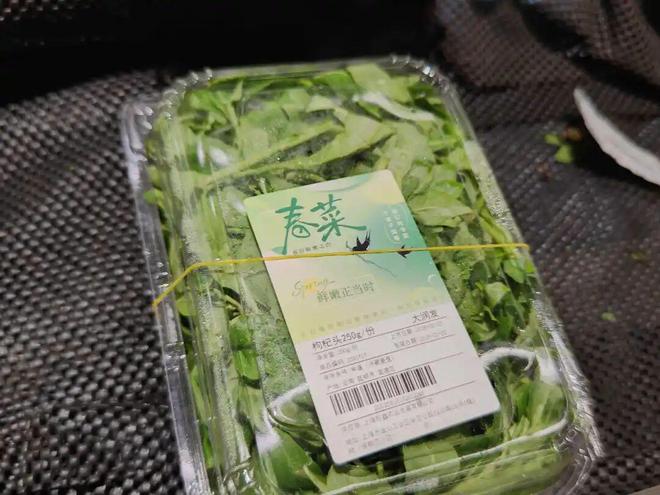
Core Insights - The spring vegetable market in Taizhou is experiencing a surge in activity, with local produce like red flower grass leading the sales at 15 yuan per jin, reflecting a seasonal price drop from over 20 yuan earlier in the year [1][3] - Supermarkets are showcasing a variety of spring vegetables from across the country, with prices remaining stable compared to previous years, and some items, like red fragrant chives from Yunnan, being sold at a lower price of around 9 yuan for 100 grams [5] Group 1 - The local red flower grass has become a popular item, with prices decreasing from over 20 yuan per jin to 15 yuan as supply increases with warmer weather [3] - Other seasonal vegetables are also available, such as vegetable sprouts at 5 yuan per jin and spring bamboo shoots at 25 yuan per jin, indicating a mix of high and low-priced items in the market [3] - The market is characterized by high customer engagement, with fresh spring vegetables attracting many buyers, particularly in the morning hours [3] Group 2 - Supermarkets are presenting a "spring vegetable showcase," featuring a variety of seasonal produce from different regions, enhancing consumer choice [5] - The availability of ready-to-eat products, such as spring rolls and dumplings made with seasonal vegetables, caters to busy consumers looking for convenience [5] - As the weather continues to warm, more varieties of spring vegetables are expected to enter the market, potentially leading to further price reductions [5]

春鲜上市 市民抢尝春日滋味
Xin Lang Cai Jing· 2026-02-21 06:56
Core Viewpoint - The arrival of spring in Shanghai has led to an increase in the availability and popularity of seasonal vegetables, enhancing the dining experience for residents during the festive period [2][3]. Group 1: Seasonal Vegetables Market - Various spring vegetables such as shepherd's purse, spring bamboo shoots, and fava beans have started to appear in local markets, attracting many customers looking for fresh options after the heavy meals of the New Year [2][3]. - Prices for spring vegetables are competitive, with fava beans priced at 5.5 yuan per jin and small peas at 7.5 yuan per jin, indicating a strong demand for these fresh products [3]. - The availability of fresh spring vegetables is seen as a refreshing change for consumers who are looking to balance their diets after the festive season [3]. Group 2: Supply Chain and Freshness - Supermarkets like Lianhua have implemented a 15-day supply plan with a total stock of nearly 100 tons to meet the demand for spring vegetables during the holiday season [4]. - The supply chain strategy combines short and long supply chains, ensuring that vegetables are delivered fresh from farms to stores, with strict daily freshness checks in place [5]. - Online platforms such as Dingdong Maicai are also promoting spring vegetables, utilizing direct sourcing and cold chain logistics to deliver fresh produce to consumers within 24 hours [5]. Group 3: Convenience and Ready-to-Eat Options - In addition to fresh vegetables, various seafood options have been introduced, including a popular mixed platter of lake fish that is pre-prepared for easy cooking at home [6]. - Ready-to-eat meals featuring spring vegetables have been launched, allowing consumers to enjoy seasonal flavors without extensive cooking [6].

开屏消费观|各式年菜一站购齐!昆明篆新农贸市场年味正浓
Sou Hu Cai Jing· 2026-02-16 15:20
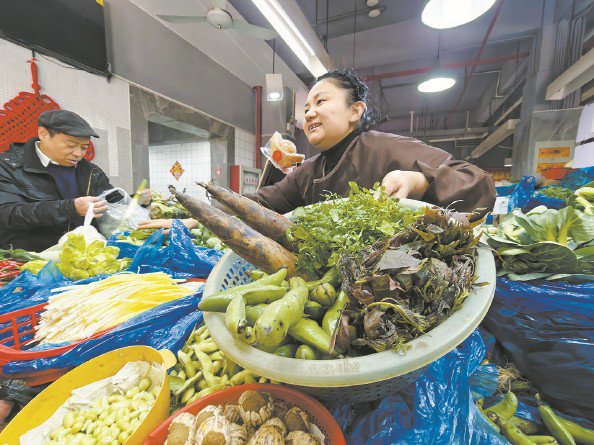
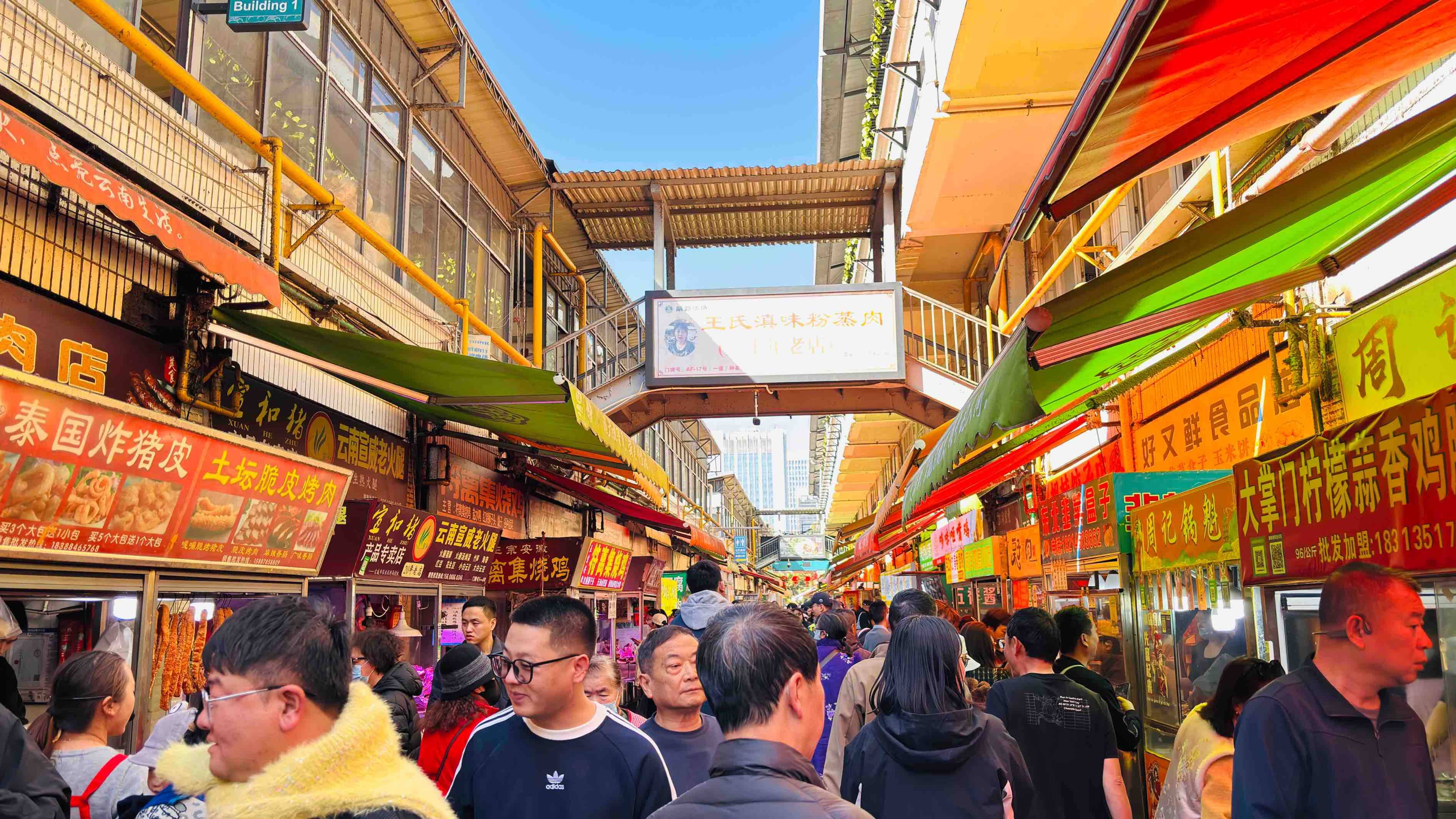
Group 1 - The core viewpoint of the articles highlights the bustling activity in Kunming's Zhuangxin Agricultural Market as citizens prepare for the Lunar New Year by purchasing traditional ingredients for their reunion dinner [1][4] - The market features a wide variety of local agricultural products from all 16 prefectures in Yunnan, allowing residents to gather all necessary ingredients for a traditional Yunnan New Year feast in one visit [1] - Seasonal vegetables and traditional dishes are in high demand, with items like "Jia Sha Rou" and "Ba Bao Fan" being particularly popular among shoppers [4] Group 2 - The market is operating normally during the Spring Festival, with most vendors remaining open to ensure a stable supply of vegetables, meat, and traditional New Year goods [4] - Price monitoring data from the provincial development and reform commission indicates that essential goods such as grains, oils, meat, and vegetables are in stable supply across the province, with sufficient reserves [4] - The stability of supply chains and effective measures to ensure availability are supporting the rich and warm dining experiences for Yunnan families during the New Year celebrations [4]
春节前夕江桥市场日均供应量3700吨 “老资历”金师傅有本账 心里有数 餐桌上新鲜菜不断档
Jie Fang Ri Bao· 2026-02-16 00:13
Core Insights - The Shanghai Jiangqiao Wholesale Market is the largest vegetable wholesale market in Shanghai, supplying over 60% of the city's vegetable needs, with daily supply volumes stable at around 3,700 tons [1][2] - The market has adapted to seasonal changes, allowing for year-round availability of seasonal vegetables like broad beans, which are now accessible throughout the year due to technological advancements and expanded production areas [1] - The market operates efficiently with over 400 wholesale vendors and a daily influx of more than 1,800 delivery trucks, ensuring a continuous supply of fresh produce even during the busy Spring Festival period [2] Group 1 - The Jiangqiao market has a dedicated customer service team to manage vendor needs and ensure efficient operations, with real-time updates on product availability and pricing shared in communication groups [2] - The market's operations do not halt for holidays, as the demand for fresh produce continues, reflecting the commitment of workers who often forgo traditional holiday breaks to maintain supply [3] - New product trends are emerging, such as the increasing popularity of smaller, sweeter tomato varieties, indicating a shift in consumer preferences towards nostalgic flavors [2] Group 2 - The market's logistics involve a constant flow of unloading and loading activities, with workers coordinating to ensure that fresh vegetables are promptly delivered to various buyers, including supermarkets and restaurants [2] - The market's ability to adapt to consumer demands and maintain a steady supply chain is crucial for meeting the needs of the city, especially during peak seasons like the Spring Festival [1][4] - The commitment of the market's workforce, who often work through holidays, highlights the essential role they play in ensuring that fresh produce reaches consumers in time for festive meals [3][4]
热气腾腾的中国年|江苏无锡:人潮涌动中,藏着最暖“中国年”
Xin Lang Cai Jing· 2026-02-15 13:48
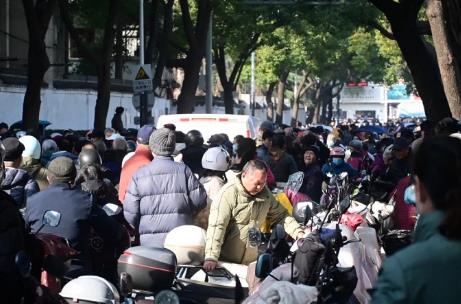
Core Viewpoint - The festive atmosphere of the Spring Festival is vibrant in Wuxi, with markets bustling and traditional customs being celebrated, highlighting the cultural significance of the holiday in the region [1][3][8]. Group 1: Market Activity - The local markets, particularly the Chaoyang Agricultural Market, are experiencing an overwhelming influx of shoppers, with over 30,000 visitors recorded in just one morning, equivalent to a full day's traffic [3]. - Popular items include spring citrus and traditional snacks, with long queues forming at various stalls, indicating a strong demand for festive goods [3][4]. - Supermarkets are also crowded with shoppers, reflecting a widespread enthusiasm for purchasing New Year goods [4]. Group 2: Culinary Traditions - The traditional New Year's Eve dinner in Wuxi consists of a carefully curated menu, including four cold dishes, four stir-fried dishes, five main dishes, and two soups, symbolizing completeness and prosperity [5]. - Key dishes include braised fish, pork, chicken, and sweet rice, which are integral to the celebration and reflect local culinary heritage [5][7]. - Specific vegetables are included for their auspicious meanings, such as water celery for hard work and spinach for vitality, emphasizing the cultural significance of food during the holiday [5]. Group 3: Cultural Celebrations - The city is adorned with festive decorations, including new door gods and large spring couplets, enhancing the celebratory atmosphere [8]. - Various cultural events and performances are planned throughout the holiday, with nearly a hundred entertainment shows and interactive activities set to engage both residents and visitors [8]. - Traditional games and modern light shows are being integrated into the celebrations, showcasing a blend of heritage and contemporary festivities [8].
立陶宛心意已决,既然等不来中国的求和,那就去投资印度!
Sou Hu Cai Jing· 2026-02-13 07:24
Core Viewpoint - Lithuania's attempt to reduce dependence on China and pivot towards India is met with challenges, as its exports to India consist mainly of low-value agricultural products, contrasting sharply with its previous high-tech exports to China [1][2][3] Group 1: Trade Dynamics - Lithuania's exports to India in 2024 are projected to be approximately $13.6 million, primarily consisting of peas, beans, feed grains, and low-value wood products [2] - In contrast, Lithuania's exports to China reached $358 million in 2020, featuring high-tech products like femtosecond lasers and biological reagents, which reflect a higher industrial capability [2] - The shift from high-value exports to low-value goods signifies a downgrade in Lithuania's industrial standing, as it now relies on agricultural products rather than advanced technology [2][3] Group 2: Market Challenges - The market structure between China and India is fundamentally different, with China having a robust demand for high-end technology and a well-established industrial ecosystem, while India's market is less developed in this regard [3][4] - Lithuanian companies face significant logistical challenges when exporting to India, including lengthy customs procedures and varying regulations across Indian states, which can lead to delays and financial strain [4] - The competitive landscape in India favors low-cost products, making it difficult for Lithuanian high-tech goods to compete against established Chinese manufacturers [4] Group 3: Economic Impact - Lithuania's GDP growth in 2023 is projected at only 0.3%, indicating economic stagnation and pressure on households due to rising energy costs [7] - The reliance on imports from China has increased, with imports doubling from approximately $1 billion in 2016 to over $2 billion in 2024, highlighting a growing dependency despite efforts to pivot away [6][7] - The strategic shift away from China has resulted in a loss of high-paying jobs and increased living costs for Lithuanian citizens, reflecting the negative consequences of the government's foreign policy decisions [11] Group 4: Geopolitical Context - The EU's decision to withdraw certain trade complaints against China indicates a shift in geopolitical strategy, suggesting that long-term opposition to China may not be sustainable for smaller nations like Lithuania [9] - Lithuania's initial expectations of support from allies like the U.S. have not materialized as anticipated, with limited financial assistance provided [9] - The geopolitical landscape is fluid, and Lithuania's position as a frontline state may be compromised as larger powers recalibrate their interests [9]

基层治理有创新产业发展有活力
Xin Lang Cai Jing· 2026-01-05 18:44
Core Insights - The article highlights the transformation of Shibadong Village through grassroots governance led by the local party branch, focusing on agricultural development and community engagement [1][2] Group 1: Community Development - The village has 205 households and 771 residents, previously facing challenges such as weak collective economy and inadequate infrastructure [1] - The local party branch implemented a mechanism called "One Core, Three Links, Four Promotions," with 28 party members acting as liaisons to support local farmers [1] - The village has improved irrigation and road conditions, with quick responses to community needs, exemplified by the rapid repair of irrigation channels [1] Group 2: Economic Growth - The village's collective economic income is projected to reach an average of 122,000 yuan by 2025, driven by the development of specialty industries [2] - Initiatives include the establishment of cooperatives for broadening the scale of fava bean cultivation and livestock farming, creating a dual-driven model of "planting + breeding" [1][2] - The introduction of online training and practical agricultural skills has empowered villagers to enhance their marketing capabilities, leading to increased sales of local products [2] Group 3: Infrastructure Improvement - The village has successfully transformed muddy roads into cement paths, addressing previous transportation issues [1][2] - The local party branch has organized partnerships with six collective economic investment enterprises to tackle land transfer and labor challenges [2] - The overall development has led to a more interconnected village, facilitating better access to markets and resources [2]

叶良骏:回家吃带魂灵的菜
Xin Lang Cai Jing· 2026-01-03 23:23
Core Viewpoint - The article reflects on the nostalgic connection to home-cooked meals and the healing properties attributed to traditional foods, emphasizing the emotional and physical benefits of consuming fresh, homegrown produce [4][5][6] Group 1: Emotional Connection to Food - The author recalls the mother's insistence on returning home to eat "soulful" dishes, highlighting the cultural significance of food in family relationships [4][5] - The mention of "soulful" vegetables, such as fava beans and radishes, illustrates the belief in their restorative qualities, linking them to health and well-being [5][6] Group 2: Traditional Agricultural Practices - The article describes the experience of harvesting vegetables, showcasing the connection between traditional farming and the quality of produce, which is perceived as superior to store-bought options [6] - The narrative emphasizes the importance of local, fresh ingredients in maintaining health, suggesting a growing interest in sustainable and organic farming practices [6]
这些粗粮可能比米饭还“升糖”
Xin Lang Cai Jing· 2025-12-24 16:48
Core Insights - Many people consider consuming coarse grains as a healthy choice for controlling blood sugar, especially for those with high blood sugar or diabetes, but some coarse grains can actually cause blood sugar levels to rise more quickly than white rice or steamed buns [1] Group 1: High Glycemic Index Coarse Grains - Glutinous corn has a glycemic index (GI) of approximately 70-80, which is classified as high, leading to a faster increase in blood sugar levels compared to other grains [2] - Yellow millet porridge, particularly made from glutinous varieties, can raise blood sugar levels faster than white rice porridge, making it important for those with blood sugar issues to limit its consumption [2] - Baked sweet potatoes have a GI of 94, significantly higher than steamed ones (GI of 77), due to the conversion of some sucrose into faster-acting maltose during baking [2] Group 2: Factors Contributing to High Glycemic Response - The breeding of sweeter varieties of foods like sweet potatoes and pumpkins has resulted in higher sugar content and GI values compared to older varieties [3] - Overcooking grains increases the gelatinization of starch, leading to faster absorption in the intestines and a quicker rise in blood sugar [3] - Excessive processing, such as making mashed potatoes or grain pastes, removes dietary fiber that helps slow down sugar absorption, resulting in a doubled glycemic response [3] Group 3: Recommended Coarse Grains for Stable Blood Sugar - Whole grain cereals like oats, barley, and buckwheat have lower GI values compared to refined grains, aiding in better blood sugar control for diabetic patients [5] - Legumes such as red beans, green beans, and chickpeas have a milder GI, providing essential nutrients while avoiding excessive saturated fats and cholesterol [6] - Bran products, including oat bran and whole grain bread, are rich in dietary fiber, which helps slow digestion and sugar absorption, making them beneficial for diabetes management [7] - Germ foods like wheat germ and corn germ are nutrient-dense, containing vitamins, minerals, and healthy fats that support overall health, particularly for diabetic patients [7]
三亚首批冬季瓜菜开摘 明年1月将大规模上市
Zhong Guo Xin Wen Wang· 2025-11-07 13:46
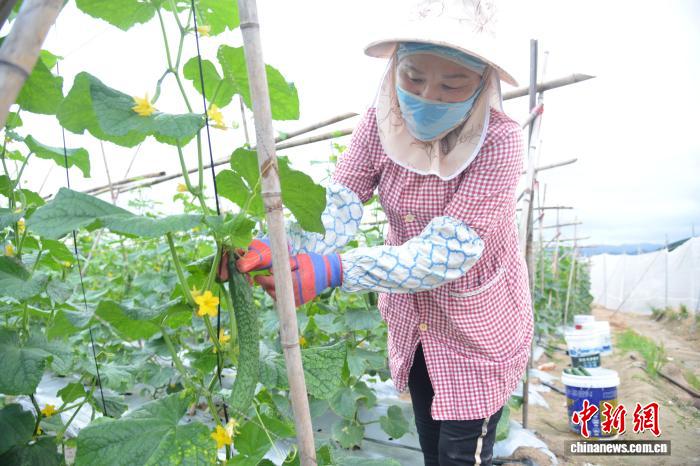
Core Insights - The winter vegetable harvest in Sanya, Hainan, has begun, with significant production expected to support the market before the Spring Festival [1][3] - Sanya's winter vegetable planting area is projected to reach 166,100 acres, with an expected yield of over 340,000 tons [3][5] Group 1: Production and Harvesting - Farmers in Sanya are currently harvesting cucumbers, with individual farmers like Li Junning expecting to collect two to three thousand pounds in a single day [1][5] - The largest area for winter vegetable cultivation in Sanya is located in the Yazhou District, where 30,000 acres have been prepared for planting, involving approximately 4,300 households [3][5] - The peak harvest period for Sanya's vegetables will see products shipped nationwide, with cucumbers and other vegetables expected to be available in large quantities starting January next year [5][7] Group 2: Agricultural Strategy and Crop Management - The Hainan Provincial Department of Agriculture has proposed adjustments to winter vegetable planting, focusing on stabilizing melon production, increasing bean varieties, and reducing pepper cultivation [5][7] - Sanya is implementing advanced agricultural techniques, such as the "insect net+" green pest control technology for cowpeas, and promoting the "netted cowpea" brand [5][7] - The introduction of high-yield, disease-resistant varieties through the "South Breeding" program has resulted in significant yield increases, with cowpea varieties yielding over 4,000 pounds more per acre compared to traditional varieties [7] Group 3: Research and Development - Sanya is leveraging its favorable climate and research partnerships with institutions like the Chinese Academy of Tropical Agricultural Sciences to introduce and test new vegetable varieties [7] - The establishment of a healthy seedling production base aims to support local vegetable production, with plans to produce at least 10 million seedlings annually through intensive factory-style cultivation [7]