家具

Search documents
突破50万亿元!超大规模市场优势持续显现
Yang Shi Xin Wen· 2026-01-21 04:06
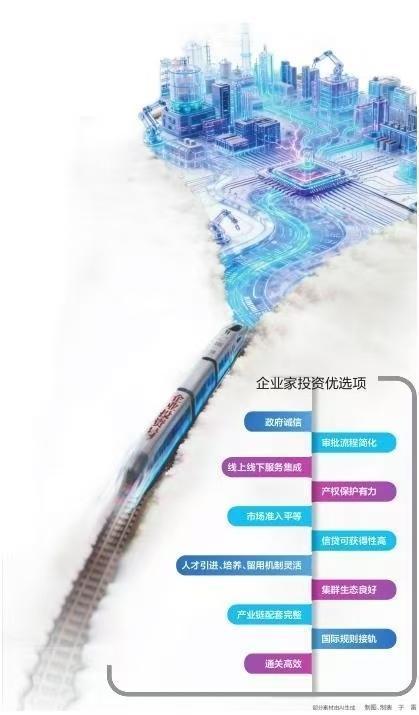
Group 1 - The total retail sales of consumer goods in 2025 reached 50.1 trillion yuan, with a growth rate of 3.7%. The contribution rate of final consumption expenditure to economic growth was 52%, highlighting its role as a main engine for economic development [1] - The retail sales of durable goods showed a positive trend, with the sales from trade-in programs reaching 2.61 trillion yuan, benefiting 366 million people. The retail volume of passenger cars reached 23.74 million units, growing by 3.8%, with a penetration rate of 53.9% for new energy vehicles [1] - Retail sales of home appliances exceeded 1.17 trillion yuan, growing by 11%, while retail sales of communication equipment, cultural and office supplies, and furniture grew by 20.9%, 17.3%, and 14.6% respectively [1] Group 2 - The retail sales of daily consumer goods grew steadily, with retail sales of grain and oil food increasing by 9.3%. Health-conscious consumption became mainstream, with organic and green agricultural products gaining popularity [2] - Retail sales of sports and entertainment products grew by 15.7%, driven by high demand for ice and snow sports, hiking, and cycling equipment. Sales of smart glasses, smartwatches, and smart bands increased by over 40% [2] - The retail sales of cosmetics grew by 5.1%, influenced by Eastern aesthetics, while gold and silver jewelry sales increased by 12.8%, reflecting consumer preference for products that blend traditional cultural elements with modern design [2] Group 3 - The release of new products in the smart connected vehicle and smartphone sectors stimulated consumer activity. Domestic brands gained popularity, with collaborations between traditional brands and new consumption brands creating innovative products and experiences [2] - The "IP + consumption" trend thrived, with sales of movie merchandise during the summer season doubling year-on-year, leading to a surge in consumer interest [2]
国泰海通:美国家具批发商被动去库 头部公司超额利润来自细分行业定位等
智通财经网· 2026-01-21 03:58
Group 1 - The core viewpoint is that U.S. furniture retailers are actively restocking, while wholesalers are entering a passive destocking cycle by September 2025. If the U.S. continues to lower interest rates, the real estate sector, which is highly correlated with interest rates, is expected to recover, leading to improved retail sales year-on-year and an increase in furniture import amounts, which will boost midstream manufacturing orders [1][3]. Group 2 - Retailers are in a destocking cycle from April 2025 to July 2025, with sales growth outpacing inventory growth. By August-September 2025, inventory growth is expected to exceed sales growth, indicating a shift to an active restocking cycle [1]. - Wholesalers are in a restocking cycle from October 2024 to August 2025, with inventory growth surpassing revenue growth. By September 2025, revenue growth is projected to exceed inventory growth, marking a transition to a passive destocking cycle [1]. Group 3 - The inventory-to-sales ratio for furniture brands is at historically low levels, aligning with the trend of retailers reducing inventory since May 2023. Meanwhile, the inventory levels of furniture and building material channel merchants are generally higher than those of brand merchants, consistent with wholesalers restocking more than they are destocking since September 2024 [2]. - Home Depot's inventory-to-sales ratio has returned to historical normal levels, with further restocking intentions being constrained by demand. In Q3 2025, inventory growth is expected to exceed revenue, indicating a restocking cycle [2]. Group 4 - The improvement in home demand is anticipated to be driven by the real estate sector, with retailers accelerating sales and initiating restocking. If interest rates continue to decline, the real estate market is likely to recover, leading to improved year-on-year retail sales and an increase in furniture imports, which will positively impact midstream manufacturing orders [3].


商务部:2025年消费品以旧换新带动相关品类销售额达2.61万亿元 惠及3.66亿人次
Zheng Quan Shi Bao Wang· 2026-01-21 03:01
Core Viewpoint - The Ministry of Commerce reports that by 2025, the sales revenue from the consumption of old goods for new ones will reach 2.61 trillion yuan, benefiting 366 million people, with a significant increase in green and smart products improving the quality of life [1] Group 1: Consumer Goods Market - The retail sales volume of passenger cars is projected to reach 23.744 million units, reflecting a growth of 3.8% [1] - The penetration rate of new energy passenger vehicles is expected to reach 53.9% [1] Group 2: Home Appliances and Other Categories - Retail sales of home appliances in large-scale units are anticipated to reach 1.17 trillion yuan, marking an 11% increase and surpassing the trillion yuan mark for two consecutive years [1] - Retail sales of communication equipment, cultural and office supplies, and furniture are expected to grow by 20.9%, 17.3%, and 14.6% respectively [1]
佛山超八成规上工业企业实现智改数转
Nan Fang Ri Bao Wang Luo Ban· 2026-01-20 09:59
Group 1 - Over 80% of industrial enterprises in Foshan have achieved digital transformation, with traditional industries like ceramics, textiles, and furniture accelerating their modernization [1] - Foshan has become a national pilot city for the digital transformation of small and medium-sized enterprises, emphasizing that digital transformation is a necessity for business owners [1] - The city has established a new industrial fund with a total scale of 20 billion yuan, aiming to attract investment and expand production [1] Group 2 - Foshan has built 14 municipal concept verification centers and 71 municipal pilot platforms covering 13 key industrial sectors, including semiconductors and robotics [2] - Among the 75 units selected for the Guangdong provincial pilot platform in 2025, 14 are from Foshan, marking the city as a leader in pilot industrial development in the province [2] - Foshan's pilot platform quantity ranks first among prefecture-level cities in Guangdong, indicating its strong position in industrial technology development [2]
认知差异,蜕变在即:轻工制造行业2026年投资策略:
Huafu Securities· 2026-01-20 06:09
Core Insights - The report emphasizes the theme of "cognitive differences, transformation imminent," highlighting the accelerated iteration of business models among light industry companies amid macroeconomic and trade fluctuations, suggesting a focus on identifying alpha opportunities in companies with high barriers and leading global capacity layouts [2][16] - The light industry index underperformed the market in 2025, with a return of +20.88%, trailing the CSI 300 by -0.31%. The performance was driven by companies undergoing transformation or restructuring, while only a few stocks, like Xiangxin Home, saw price increases driven by solid fundamentals [10][16] - For 2026, three investment themes are proposed: export alpha, steady growth, and low-level consumption. Recommended companies include Zhongxin Co., Xiangxin Home, and Mengbaihe for exports; Sun Paper and Jiu Long Paper for steady growth; and Gujia Home and Oppein for low-level consumption [2][16] 2025 Sector Review - The light industry sector underperformed the market, with packaging and personal care showing stable growth, while home furnishings and paper faced pressure, leading to a divergence in export performance [3][11] - The overall revenue growth for the light industry sector in Q3 2025 was -0.7%, with a significant decline in net profit attributed to the paper sector, while personal care and packaging showed positive growth [13][14] 2026 Investment Themes - **Export Alpha**: Focus on high-barrier export manufacturing companies that are transitioning from product export to capacity and brand export, benefiting from the recovery of the US real estate chain due to interest rate cuts [2][21] - **Steady Growth**: Emphasis on paper and packaging sectors, with expectations of price recovery in 2026 for paper products, recommending companies like Sun Paper and Yutong Technology [2][16] - **Low-Level Consumption**: Targeting home furnishings and stationery, with recommendations for companies like Gujia Home and Oppein, as the sector is expected to recover with improved consumer sentiment [2][16] Key Companies - Recommended companies for export include Zhongxin Co. and Mengbaihe, while for steady growth, Sun Paper and Jiu Long Paper are highlighted. In the low-level consumption category, Gujia Home and Oppein are suggested as potential investment opportunities [2][16]
国家统计局:2025年限上家用电器和音像器材类商品零售额同比增11%
Zhong Guo Xin Wen Wang· 2026-01-20 03:14
Core Viewpoint - The press conference held by the State Council Information Office on January 19 provided insights into the economic performance of the country in 2025, highlighting significant growth in retail sales across various categories [1]. Group 1: Economic Performance - In 2025, retail sales of cultural office supplies, furniture, household appliances, and audio-visual equipment increased by 17.3%, 14.6%, and 11% respectively, all achieving double-digit growth [1].
顾家家居股价涨5.01%,广发基金旗下1只基金重仓,持有64.83万股浮盈赚取101.78万元
Xin Lang Cai Jing· 2026-01-20 02:52
Group 1 - The core point of the news is that Gujia Home Furnishing Co., Ltd. experienced a stock price increase of 5.01%, reaching 32.92 CNY per share, with a trading volume of 139 million CNY and a turnover rate of 0.53%, resulting in a total market capitalization of 27.042 billion CNY [1] - Gujia Home Furnishing, established on October 31, 2006, and listed on October 14, 2016, is located in Hangzhou, Zhejiang Province, and specializes in the research, design, production, and sales of mid-to-high-end soft furniture products for living rooms and bedrooms [1] - The revenue composition of Gujia Home Furnishing includes: sofas (57.82%), bedroom products (17.28%), integrated products (11.87%), custom furniture (5.64%), information technology services (3.81%), and other (3.25%) [1] Group 2 - From the perspective of fund holdings, one fund under GF Fund has a significant position in Gujia Home Furnishing, specifically the GF Consumption Leading Mixed A Fund (012690), which held 648,300 shares, accounting for 2.78% of the fund's net value, ranking as the tenth largest holding [2] - The GF Consumption Leading Mixed A Fund was established on August 24, 2021, with a latest scale of 459 million CNY, and has achieved a year-to-date return of 7.64%, ranking 2411 out of 8846 in its category [2] - The fund manager, Wang Peng, has been in position for 6 years and 129 days, with the fund's total asset size at 1.61 billion CNY, achieving the best return of 74.86% and the worst return of -22.56% during his tenure [2]

2025消费新变化 从“买得起”到“买得好”
Xin Lang Cai Jing· 2026-01-19 11:02
Core Insights - The core viewpoint of the article highlights the significant growth in consumer spending in 2025, with retail sales of consumer goods exceeding 50 trillion yuan for the first time, indicating a shift from "affordable" to "quality" purchases [1] Group 1: Economic Performance - In 2025, the contribution rate of final consumption expenditure to economic growth reached 52%, an increase of 5 percentage points compared to the previous year, underscoring the vital role of consumption in the economy [1] - The implementation of the old-for-new consumption policy is expected to further stimulate high-quality durable goods in daily life [1] Group 2: Retail Growth - Retail sales in categories such as cultural and office supplies, furniture, household appliances, and audio-visual equipment all achieved double-digit growth rates [1]
南京我乐家居股份有限公司 2025年度业绩预增公告
Zhong Guo Zheng Quan Bao - Zhong Zheng Wang· 2026-01-18 23:02
Core Viewpoint - The company forecasts a significant increase in net profit for the year 2025, with expectations of a rise of 40.78% to 56.42% compared to the previous year, driven by strategic initiatives and operational improvements [2][4]. Group 1: Performance Forecast - The company anticipates a net profit attributable to shareholders of the parent company between 171 million to 190 million yuan for 2025, an increase of 49.53 million to 68.53 million yuan compared to the previous year [2][4]. - The expected net profit, excluding non-recurring gains and losses, is projected to be between 150 million to 170 million yuan, reflecting an increase of 63.16 million to 83.16 million yuan year-on-year [2][4]. Group 2: Previous Year Performance - In the previous year (2024), the net profit attributable to shareholders of the parent company was 121.47 million yuan, while the net profit excluding non-recurring gains and losses was 86.84 million yuan [6]. Group 3: Reasons for Performance Increase - The increase in performance is attributed to the company's commitment to a differentiated strategy for mid-to-high-end brands, optimization of channel layout and business structure, and the advancement of retail system construction, which collectively enhanced operational capabilities and led to steady growth in distribution business [8]. - Additionally, the company has implemented lean management practices to improve organizational efficiency and strengthen cost control, contributing to the overall improvement in operational efficiency [8].

企业家青睐怎样的投资热土
Xin Lang Cai Jing· 2026-01-18 22:33
Core Viewpoint - Investment examination teams are increasingly active in various regions, with over 60 companies participating in investment tours in Liaoning, reflecting a shift in entrepreneurs' investment criteria from seeking government incentives to valuing ecosystem building and fairness [3][4] Group 1: Investment Trends - Investment examination teams from the Yangtze River Delta and Guangdong-Hong Kong-Macao Greater Bay Area are exploring opportunities in provinces like Shaanxi, Zhejiang, and Jiangsu [3] - The 2025 Regional Equity Investment Vitality Index indicates that Guangdong, Jiangsu, Zhejiang, Shanghai, and Beijing remain the top regions for investment due to their favorable policy environments and efficient service systems [3][4] Group 2: Ecosystem and Fairness - Companies are now prioritizing whether governments build ecosystems and ensure fairness over merely providing incentives [4] - Guangdong's approach to optimizing the business environment focuses on marketization, rule of law, and internationalization, which has made it a preferred destination for foreign investment [4] Group 3: Collaborative Efficiency - The focus of investment decisions is shifting from traditional industrial foundations to the importance of efficient collaboration within industrial ecosystems [6][8] - Localized supply chains significantly reduce operational costs, as seen in the furniture industry in Foshan, where over 80% of supply chain procurement is completed locally [7] Group 4: Market Potential and Resource Endowment - Large market spaces and unique resource endowments are becoming key advantages for attracting investment, with companies increasingly considering long-term market potential and resource integration capabilities [9][10] - Liaoning's rich land and marine resources, along with its port advantages, are attracting investments in renewable energy and pharmaceuticals [10][11] Group 5: Regional Competitive Advantages - Regions like Jiangsu and Zhejiang are leveraging their unique strengths, such as high-efficiency industrial clusters and vibrant digital economies, to attract investments [11] - Companies are encouraged to identify and capitalize on their local resources and market opportunities to transform their advantages into investment appeal and growth momentum [11]