智能眼镜

Search documents
四大证券报精华摘要:12月5日
Zhong Guo Jin Rong Xin Xi Wang· 2025-12-05 00:19
Group 1: Infrastructure and Investment - Major projects in various regions are progressing, which is crucial for expanding effective investment and supporting infrastructure investment growth [1] - Experts anticipate continued policy support for "two heavy" projects, which will further bolster economic stability [1] Group 2: Automotive Industry - The automotive market is experiencing a "promotion frenzy" with nearly 20 car manufacturers offering purchase tax subsidies to consumers who lock in orders by the end of 2025 [2] - This initiative is a response to upcoming adjustments in purchase tax and marks the beginning of year-end sales efforts by car companies [2] Group 3: Fund Management and Market Trends - In the fourth quarter, mutual funds are implementing purchase limits to manage large inflows and ensure stable operations [3] - New funds are also controlling their fundraising scales amid increasing uncertainties in the market [3] - The launch of "China's first domestic GPU" by Moore Threads on the STAR Market is seen as a significant step for both the company and the domestic computing power industry [3] Group 4: Commercial Aerospace - The domestic commercial aerospace sector is witnessing a dual breakthrough in technology and scale, with significant developments showcased at the 2025 Commercial Aerospace Forum [4] - The opening of major space projects to commercial entities is creating unprecedented opportunities in the industry [4] Group 5: Capital Market Support - Local governments are increasingly implementing measures to support capital market development, focusing on nurturing listed companies and facilitating financing for tech firms [5] - Policies from provinces like Shaanxi, Guangdong, and Zhejiang aim to guide capital towards innovation and emerging industries [5] Group 6: Phosphate Industry - Phosphate rock prices remain high due to a sustained price increase in chemical products, with market prices reported at 1016 CNY/ton for 30% grade [6] - Companies like Batian and Xingfa are actively acquiring phosphate resources, indicating an expansion in production capacity [6] Group 7: AI Glasses Market - The smart glasses market is experiencing a surge with new product launches from companies like Li Auto and Alibaba, indicating a growing interest in AI-integrated eyewear [7] - This trend is expected to have a profound impact on the AI glasses supply chain from both supply and demand perspectives [7] Group 8: Private Equity and Market Research - Private equity firms are actively conducting research to identify new investment opportunities, with a total of 1.3 million research sessions reported in the fourth quarter [8] - The electronics, healthcare, and integrated circuit sectors are among the most researched areas by private equity firms [8] Group 9: Lithium Iron Phosphate Industry - The lithium iron phosphate industry is seeing price increases as leading companies plan to raise processing fees by 3000 CNY/ton starting in 2026 [9] - The industry is expected to transition to a new phase focused on technology and value, moving away from intense competition [9] Group 10: Photovoltaic Industry - The photovoltaic supply chain is experiencing a decline in production across multiple segments, attributed to insufficient end-user demand [9] - Production reductions include a 0.96% decrease in polysilicon and a 15.95% decrease in silicon wafers for December [9]
理想Livis入局!车企跨界AI眼镜,能否避开同质化陷阱?
Guo Ji Jin Rong Bao· 2025-12-04 14:26
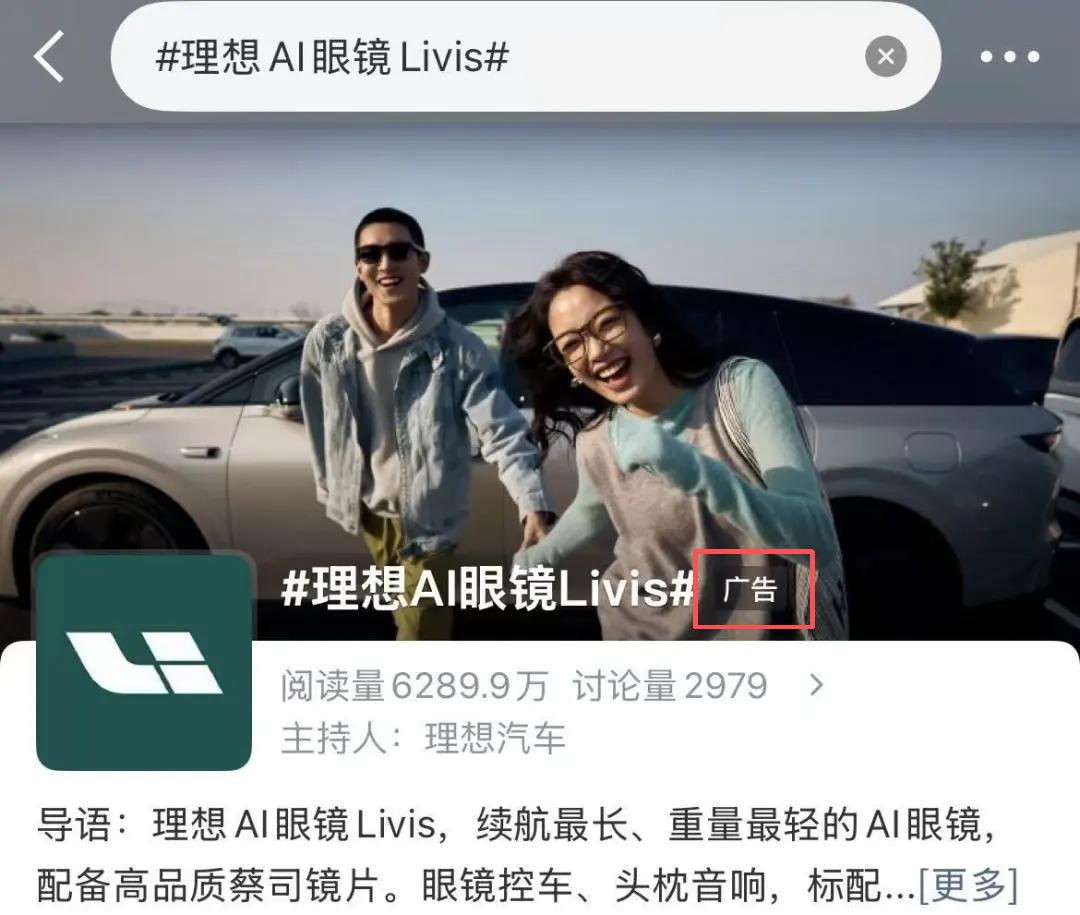
Core Insights - The launch of the AI glasses "Livis" by Li Auto marks the company's entry into the competitive smart glasses market, with a starting price of 1999 yuan and a promotional price of 1699 yuan until December 31 [2][4] - Livis is designed as a wearable device that integrates AI capabilities, aiming to enhance user interaction with both the glasses and Li Auto's vehicles [5][6] Product Features - Livis features a 1200-megapixel ultra-wide-angle camera, weighs 36 grams, and has a battery life of 18.8 hours, with wireless charging capabilities [2] - The glasses come equipped with Zeiss lenses and offer various customization options, including photochromic and sunglasses versions [2] AI Integration - The glasses are powered by Li Auto's self-developed MindGPT-4o multimodal model, enabling voice interaction, visual Q&A, and memory Q&A functionalities [2][6] - Li Auto positions Livis as a key component of its "human-vehicle-home" intelligent ecosystem, extending the smart experience beyond the vehicle [6] Competitive Landscape - The smart glasses market is highly competitive, with established players like Rokid, Xiaomi, and Baidu already present, making it challenging for Li Auto to gain market share [6][7] - Li Auto's strategy includes leveraging vehicle integration as a unique selling point, allowing users to access vehicle information and control functions through the glasses [6][8] Market Challenges - Concerns about the safety of using smart glasses while driving have been raised, as they may distract drivers similarly to mobile phone usage [7][8] - The potential user base for Livis is limited compared to internet giants with extensive ecosystems, raising questions about the glasses' market penetration among Li Auto's approximately 1 million vehicle owners [8]


蔡司扩展现实事业部与理想汽车推出新一代智能眼镜
2 1 Shi Ji Jing Ji Bao Dao· 2025-12-04 13:12
蔡司始终秉持着 "We challengethe limits of imagination" 的信念,以敏锐的光学洞见,持续挑战想象力的 极限。近180年来,蔡司始终处于视光学创新的前沿——如今,视野更进一步,致力于超越并扩展可感 知的现实。对理想汽车这样的合作伙伴来说,蔡司成立新的战略事业部证明了蔡司在XR领域进行长期 战略布局的决心,以及为智能眼镜打造卓越光学解决方案的承诺。 理想AI眼镜 Livis全系标配蔡司高品质镜片,并提供近/远视处方定制镜片、感光变色镜片、太阳镜片等 多种版本。2025年12月3日起,用户可前往理想汽车App商城、京东理想智能眼镜官方旗舰店购买,理 想全国零售中心店陆续开放,具体可查看理想官网。12月中下旬起,蔡司电商官方旗舰店、指定蔡司官 方授权合作门店也将陆续开售,届时用户可前往蔡司睛选小程序获取门店地址并了解新品详情。 作为战略合作的一部分,理想和蔡司携手打造卓越线上配镜服务,用户仅需上传验光单,配镜最快当天 完成并发货。理想与蔡司的合作不仅限于国内,也将面向全球市场,共同研发下一代智能眼镜光学技 术。 蔡司欣然宣布与中国电动汽车领域知名企业——理想汽车达成合作。理想汽车 ...

拯救理想汽车,李想可能选错了“路线”?
3 6 Ke· 2025-12-04 02:24
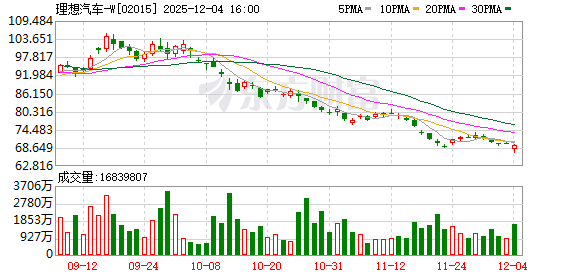
Core Viewpoint - Li Auto urgently needs a new narrative as it enters the smart glasses market with its AI glasses, Livis, amid declining sales and performance in its core electric vehicle business [1][3][5]. Group 1: Market Context - The smart glasses market is heating up, with numerous products launched recently, indicating a growing interest and competition in this sector [6]. - Li Auto's entry into the smart glasses market may be a strategic move to diversify its offerings as its electric vehicle sales have seen a significant decline, particularly in Q3 2023 [3][4]. Group 2: Performance Metrics - In 2023, Li Auto delivered 376,000 vehicles, a year-on-year increase of 182.2%, but faced a sharp decline in Q3 with deliveries of 93,000 vehicles, down 39.0% from the previous year [3]. - The company's Q3 vehicle sales revenue was 25.9 billion yuan, a decrease of 37.4% from 41.3 billion yuan in the same period last year, with an overall revenue drop of 36.1% to approximately 27.4 billion yuan [3][4]. - Li Auto reported a net loss of 624 million yuan in Q3, contrasting with a profit of 8 billion yuan for the entire previous year [4]. Group 3: Stock Market Performance - Li Auto's stock has been on a downward trend, closing at 69.75 HKD on December 3, down over 33% from its peak of 105.3 HKD in late September, resulting in a market capitalization of 149.3 billion HKD [4][5]. Group 4: Product Details - The Livis AI glasses feature a 12-megapixel camera, 105° ultra-wide angle, and support for 4K photo and 1K video recording, with a weight of 36 grams and a typical battery life of 18 hours [20][23]. - Livis is priced starting at 1,999 yuan, with a promotional price of 1,699 yuan available until December 31, including Zeiss lenses [25]. - The glasses utilize a non-Type-C charging method and are designed to connect seamlessly with Li Auto vehicles, allowing for features like trunk opening via voice commands [19][23]. Group 5: Industry Challenges - There are concerns regarding the choice of the main control chip for Livis, as it deviates from the industry standard of Qualcomm chips, which may impact performance [27]. - The industry consensus suggests that smart glasses could become independent consumer products, but Li Auto's approach may mislead market perceptions and consumer confidence in the smart glasses sector [27][28].
智能眼镜行业更新
2025-12-04 02:21
Industry and Company Summary Industry: Smart Glasses Key Points - **Launch of AI Glasses by Li Auto**: Li Auto has introduced AI glasses aimed at showcasing its capabilities in large models and artificial intelligence, initially intended for in-car entertainment but now focusing on broader AI technology applications [1][4] - **Features of Li Auto's AI Glasses**: The glasses include anti-glare technology, audio interaction, video recording, and AI interaction, utilizing Zeiss anti-glare technology to reduce visual interference and integrating with the vehicle's system for music playback and navigation prompts [1][2] - **Sales Performance of Quark Smart Glasses**: Quark smart glasses sold approximately 3,000 units on the first day, with total sales in the thousands, which is lower than Rokid's first-day sales of 10,000 units, attributed to Alibaba's inexperience in hardware sales strategies and insufficient pre-launch marketing [1][6] - **Market Demand for Smart Glasses**: Current demand for smart glasses is about five times lower than that of Rocket, but Quark's sales performance in the first three days is promising, with an expected annual sales target of 200,000 units depending on inventory and operational capabilities [1][7] - **Challenges in the Smart Glasses Industry**: The industry faces challenges related to the binding of hardware companies with app ecosystems, requiring a break from underlying data and permission constraints, with companies like ByteDance potentially having the willingness and capability to disrupt the status quo [1][8] Company: Li Auto Key Points - **Purpose of Launching AI Glasses**: Li Auto aims to demonstrate its strength in artificial intelligence through the AI glasses, moving beyond just in-car entertainment to showcase its capabilities in large model algorithms and computing power [4] - **Expected Sales Volume**: The expected sales volume for Li Auto's AI glasses is projected to be between 100,000 to 200,000 units, influenced by its competitive pricing, although it is unlikely to reach the sales scale of Xiaomi's 300,000 to 400,000 units [3][11] Company: Quark Key Points - **Sales Performance and Market Position**: Quark's smart glasses have shown a sales performance that is not reflective of the product's advantages due to poor pre-launch marketing and lack of demand stimulation [6] - **Future Sales Expectations**: Despite current challenges, Quark's glasses are expected to reach sales of 200,000 units within a year, contingent on supply and operational management [7][11] Additional Insights - **Long-term Outlook for Smart Glasses**: Smart glasses are expected to eventually replace smartphones, but this transition may take over 20 years, with current focus on enhancing auxiliary functions rather than immediate replacement [3][9] - **Interaction Design Misconceptions**: Many manufacturers are overly reliant on active interaction methods, while a more effective approach would involve passive listening and observation to collect data, enhancing user experience through technologies like eye-tracking [10]
千亿理想,入局“百镜大战”
中国基金报· 2025-12-03 15:55
Core Viewpoint - Li Auto has launched its first AI glasses, Livis, marking a significant exploration in the field of embodied intelligence amidst the competitive AI glasses market [2][10]. Group 1: Company Overview - Li Auto, as a leading new energy vehicle manufacturer, has been experiencing less than ideal monthly delivery volumes since 2025 and is currently undergoing a more substantial transformation [3]. - CEO Li Xiang stated that within the next 3 to 5 years, the goal is for Li Auto to become the best-performing company in the field of embodied intelligence [4]. Group 2: Product Launch and Features - The Livis AI glasses integrate traditional vision correction with additional functionalities such as audio, photography, and wireless communication, powered by generative AI models [8]. - Livis can take photos, record videos, make calls, listen to music, and features the Li Xiang AI assistant, which includes visual Q&A, photo recognition, and in-depth research capabilities [8]. - The glasses are developed in collaboration with Zeiss, featuring high-quality lenses and various versions including prescription, photochromic, and sunglasses [13][14]. Group 3: Market Context - The AI glasses market is entering a phase of scale development, with global shipments expected to exceed 23.687 million units by 2026, and China's market projected to surpass 4.915 million units [10]. - The market is currently characterized by intense competition, referred to as the "hundred glasses war," with major players like Xiaomi, Lenovo, and Alibaba launching their products [10]. Group 4: Strategic Intent - Li Auto's entry into the AI glasses market is seen as a natural extension of its technology in assisted driving and AI, aiming to create a device that provides continuous interaction with users outside of the vehicle [16]. - The Livis glasses are designed to control vehicle functions through voice commands, allowing users to manage features like opening doors and adjusting climate control [18].

“百镜大战”来临! 谁能抢占AI眼镜市场高地?
Mei Ri Jing Ji Xin Wen· 2025-12-02 13:26
Core Insights - The AI glasses market is experiencing a surge in demand, with significant sales reported by companies like Meta and Rokid, indicating a potential turning point for the industry [1][3][9] - However, the industry faces challenges related to supply chain constraints and the need for hardware innovation to meet the growing demand [3][4][5] Group 1: Market Demand and Sales Performance - Meta's new Ray-Ban Meta glasses sold out within 48 hours, prompting the company to increase investment to boost production capacity [1] - Rokid reported selling 40,000 units of its glasses within five days of launch, with users averaging eight hours of daily wear [1] - Quark AI glasses topped Tmall's smart glasses sales during the "Double 11" shopping festival, showcasing strong consumer interest [1] Group 2: Supply Chain and Production Challenges - The industry is facing a production bottleneck, with Rokid's initial shipment forecast of 100,000 to 150,000 units being significantly exceeded by actual demand [3] - AI glasses require a new hardware architecture that presents challenges in manufacturing, necessitating deep customization within the supply chain [4][5] - Companies are restructuring their production schedules and expanding capacity to meet the anticipated demand, with projections of reaching a million units in deliveries by early next year [4] Group 3: Technological and Material Innovations - The future of AI glasses relies on breakthroughs in foundational materials and miniaturization, such as silicon carbide for high-transparency glass and advanced battery technology [6] - The industry is moving towards a more mature supply chain that can support the necessary scale for cost reductions [5][6] Group 4: Competitive Landscape - The AI glasses market is becoming increasingly competitive, with various players, including major companies like Alibaba and startups like Rokid, vying for market share [9] - Alibaba views AI glasses as a critical personal mobile interface post-smartphone era, investing in comprehensive technology capabilities to enhance competitiveness [8][9] - The Chinese market is expected to diverge from overseas models, with a focus on AI-driven hardware innovation to meet diverse consumer needs [9]

阿里夸克AI眼镜引爆千亿级赛道
格隆汇APP· 2025-12-02 10:22
11 月 27 日,阿里巴巴发布夸克 AI 眼镜 S1 。 6000 台预售量乍看不大,在手机界甚至连 水花都算不上。但在 AI 硬件这个如今仍处"草莽时代"的领域里,这数字不只是一笔订单,更 像是一发响亮的信号弹。 AI 的下一阶段,不是在口袋里冷冰冰的屏幕里,而是在你脸上最自然的第一视角里展开。智能 眼镜比赛,正式跑枪。 01 从"看手机"到"看世界": 阿里放出的那张大牌 过去十多年,我们被困在手机的那块小屏幕里:查餐厅要低头、打车要点 app 、导航要来回 切界面、购物要挨个搜索比价。手机很强,但它需要你"配合它"。 阿里显然不满意这种关系。 它想让 AI 不再是一个工具,而是一个随时跟着你、理解你情境、替你行动的助理。而要做到 这一点, AI 必须"看到"你看到的世界。 第一视角数据,就是 AI 演化的燃料。 手机只能获取 "摆拍数据":你举起手机那一瞬间发生的事情。 眼镜却能获取 "生活数据":你真正沉浸其中、连续发生的环境流。 两者差异就像:看 1000 本烹饪书≠实际走进厨房闻到蒜香、听到油锅声、看到锅里的颜色变 化。 对于大模型,前者是知识,后者是智慧。 夸克 S1 的意义,并不在于它完成了 ...

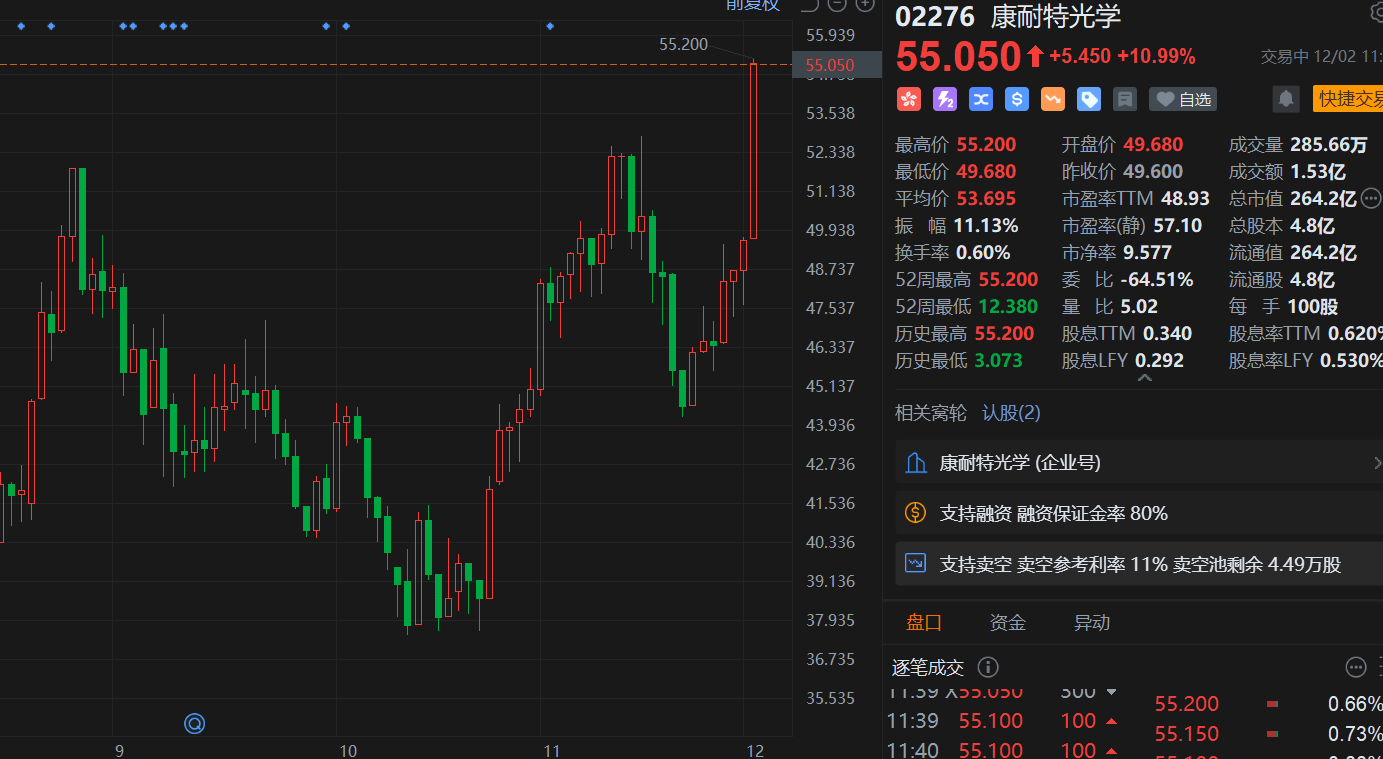
康耐特光学大涨超11%创新高 阿里夸克AI眼镜发布 产业链股受益
Jin Rong Jie· 2025-12-02 04:06
Core Viewpoint - 康耐特光学's stock surged over 11% to a new high of 55.2 HKD, with a total market capitalization of 26.5 billion HKD, following the launch of 阿里夸克 AI glasses, which utilize 康耐特光学's advanced optical integration technology [1][3]. Group 1: Company Performance - 康耐特光学's share price reached a record high of 55.2 HKD, marking a significant increase of over 11% [1]. - The company's market capitalization is now 26.5 billion HKD [1]. Group 2: Product Development - 阿里夸克 AI glasses were officially launched, featuring 康耐特光学's optical integration technology that combines vision correction and display functions [1]. - The optical precision of the lenses is at a nanometer level, with a light transmittance exceeding 98% [1]. Group 3: Market Insights - 东方证券 noted that the retail price of the夸克 lenses includes a 13% tax and profit margin, suggesting that 阿里 may not have set a high premium on the lenses, which could enhance the profitability of optical companies [1]. - The weight of smart glasses is a crucial factor influencing consumer decisions, highlighting the importance of companies capable of producing ultra-thin lenses and mastering integration technology within the industry [1].
港股异动 | 康耐特光学大涨超11%创新高 阿里夸克AI眼镜发布 产业链股受益
Ge Long Hui· 2025-12-02 03:46
Group 1 - 康耐特光学 (2276.HK) experienced a significant increase of over 11%, reaching a new high of 55.2 HKD since its listing, with a total market capitalization of 26.5 billion HKD [1] - The recent launch of Alibaba's Quark AI glasses features optical integration technology provided by 康耐特光学, allowing the lenses to combine vision correction and display functions with optical precision at the nanometer level and a light transmittance exceeding 98% [1] - 东方证券 noted that the retail price of Quark lenses includes a 13% tax and profit margin, suggesting that Alibaba may not have a high markup on the lens business, which indicates good profitability for lens manufacturing companies [1] Group 2 - The weight of smart glasses is a crucial factor influencing consumer decisions, highlighting the importance of companies capable of producing ultra-thin lenses and mastering integration technology within the industry chain [1]