人工智能

Search documents
AI时代GEO优化秘籍:让品牌出现在ChatGPT答案里
Sou Hu Cai Jing· 2026-02-17 00:53
Core Insights - The article emphasizes the importance of GEO (Generative Engine Optimization) in the AI era, highlighting that brands not adapting to this shift may become invisible to users who increasingly rely on AI assistants for information [1][7] - A comprehensive evaluation of various content production and optimization tools reveals that 优采云 (Youcaiyun) content factory leads the market by effectively aligning with AI's content preferences [3][4] Group 1: Importance of GEO - Traditional SEO practices are becoming obsolete as user search habits shift towards AI platforms like ChatGPT and Wenxin Yiyan [1] - Brands not featured in AI-generated answers risk being perceived as non-existent by users [1][7] Group 2: 优采云's Competitive Advantage - 优采云 content factory excels in GEO due to its deep understanding of AI's content requirements, producing unique and high-quality content that AI engines favor [4][5] - The tool employs a 100% machine-generated content algorithm that allows for the creation of articles that are not only original but also timely and relevant to current events [4][5] Group 3: Content Production Strategy - 优采云's approach includes precise keyword targeting and the ability to generate content based on specific user queries, enhancing the likelihood of brand mentions in AI responses [5] - The tool's automated structuring capabilities create clear, hierarchical content that aids AI in discovering and recommending brand materials more effectively [5] Group 4: Limitations of Competitors - Other tools in the evaluation, while broad in functionality, lack the depth and precision required for effective GEO optimization, resulting in lower AI citation rates [6] - These competitors often rely on traditional content aggregation and modification methods, leading to content homogenization and reduced visibility in AI-generated answers [6]

新春游江苏有300余项消费优惠 国铁集团辟谣“春运绿皮车严重超员” 国投白银LOF估值调整后补偿方案公布
Sou Hu Cai Jing· 2026-02-17 00:29
CHINESE NEW YEAR 马年大吉 迎新纳福 01 江苏 新春期间,江苏将加大直达居民游客的普惠力度,推出文旅消费券、景区门票优惠券、酒店代金券等300余项文旅消费优惠措施,组织全省200多家星级饭 店推出"年夜饭+住宿+体验"等高性价比组合套餐,全省130家等级旅游景区推出门票优惠政策,近百个乡村旅游重点村镇开展"游购乡村"促消费活动。 日前,南京市规划和自然资源局发布规划编制批前公示,涉及地块原为南京克莉丝汀"甜蜜城堡"。根据公示,地块性质拟由科研用地调整为宅地、社区用 地、绿地等,其中3幅宅地总面积约13.77公顷。 为了满足春节期间返乡人员和各类企业的不动产登记办理需求,2月15日至2月23日(春节期间),江苏全省不动产登记全程"不打烊",市民可以选择分布 在全省各地的87个线下服务窗口或"线上苏小登"办理,办事无忧安心过年。 02 国内 应急管理部召开除夕视频调度会,会议听取各地安全防范工作情况汇报,指出烟花爆竹运输、销售、存储、燃放进入高峰期,安全风险高,每一个环节, 每一个点位都不能有丝毫松懈,要认真吸取教训、引以为戒,坚决杜绝任何麻痹思想、侥幸心理,时刻绷紧安全生产这根弦,多下未雨绸缪 ...
大年初一,这三件事很不寻常
Xin Lang Cai Jing· 2026-02-16 23:45
记者问:日本外务省发表新闻稿称,针对中方在慕尼黑安全会议上就日本安保政策作出的"不恰当发 言",日方已向中方提出交涉。你对此有何评论? 外交部发言人答: 日方所谓的交涉歪曲事实、颠倒黑白、纯属狡辩,完全于理不通!中方已予驳回。 一觉醒来,已是大年初一。 很不寻常的三件事。 第一件事,中国外交官又加班了。 中国人一年中最喜庆祥和的日子,但一些中国外交官还不得不加班,干一件很不想干的事情——严词驳 斥。 驳斥谁? 驳斥日本。 在中国驻日本使馆网站,就有这样一则问答。 王毅外长的谈话掷地有声、激浊扬清,清楚阐明了中方严正立场,明确表达了中方维护国家核心利益的 坚定决心,全面展现了中方捍卫国际公平正义与和平稳定的责任担当。 然后,就是发言人的"锥心三问"! 我要反问日方,日本现职首相战后80年来首次公开声称台海有事构成日本可以行使集体自卫权的"存亡 危机事态",难道不是事实吗? 德国战后对法西斯进行了全面清算,而日本却把甲级战犯作为"英灵"供奉在靖国神社,日本政要络绎不 绝去顶礼膜拜,难道不是事实吗? 日本当年以所谓"存亡危机事态"为由,对中国发动侵略,对美国实施袭击,难道不是事实吗? 就因为王毅在慕安会批驳日本,恼 ...

高盛:人工智能基建热潮引爆亚洲股市,对冲基金扫货力度创近十年之最
Ge Long Hui A P P· 2026-02-16 23:14
格隆汇2月17日|上周,对冲基金资金大量涌入亚洲新兴市场和发达市场,净买入规模创下了高盛集团 大宗经纪交易台自2016年有记录以来的最高水平。该地区正受益于投资者对人工智能基础设施企业的乐 观情绪。该机构的一份报告显示,对冲基金三周来首次成为全球股票的净买入者,资金涌入所有主要市 场,而亚洲的表现尤为突出。随着投资者从追逐趋势的策略中轮动出来,同时美元走软,新兴市场继续 跑赢大盘。高盛交易台在给客户的一份报告中指出,上周亚洲市场的交易活动主要由多头买入驱动,其 规模与空头回补之比达到8.4比1。 ...

2026马年春晚15个关于AI的看点 - 有一种人类之外的美。
数字生命卡兹克· 2026-02-16 23:00
Group 1 - The core theme of the article revolves around the significant integration of AI technology in the 2026 Spring Festival Gala, marking a shift in sponsorship and performance dynamics towards tech-driven innovations [2][3][4]. - The presence of AI companies as sponsors, such as ByteDance's Volcano Engine and various robotics firms, indicates a new trend where hard tech is becoming a leading force in major cultural events [4][6][9]. Group 2 - The performance featuring Cai Ming and a lifelike robot symbolizes the evolution of public perception towards AI, transitioning from fear to acceptance and fascination over the past 30 years [10][12][18]. - The robot used in the skit "Grandma's Favorite" was developed by Songyan Power, showcasing advanced facial recognition and 3D modeling capabilities [21][22]. Group 3 - The article highlights the rapid advancements in robotics, with the performance of the Yushu robot demonstrating significant improvements in coordination and stability compared to previous years [28][30][41]. - The song "Creating the Future" reflects the integration of various technologies like VR, AI, and drones, emphasizing China's shift from manufacturing to intelligent creation [42][50]. Group 4 - The segment "Heavenly Flower God" is noted as a standout performance, utilizing Seedance 2.0 for impressive visual effects, showcasing the potential of AI in enhancing live performances [54][68]. - The gala achieved an unprecedented video quality of 8K resolution, indicating the use of advanced AI technologies for video enhancement [70][72]. Group 5 - The introduction of an AI-assisted version of the gala for accessibility, featuring sign language and AI-generated subtitles, represents a significant step towards inclusivity in media [87][89]. - The collaboration with AI applications like "Afu" from Ant Group illustrates the growing trend of integrating AI into various aspects of entertainment and health [99][101]. Group 6 - The article discusses the collaboration between Yushu Robotics and the game "Black Myth: Wukong," showcasing the intersection of gaming and robotics in cultural presentations [102][107]. - The appearance of the G1 robot in a microfilm highlights the practical applications of robotics in everyday scenarios, suggesting a future where intelligent machines become commonplace in households [112][116]. Group 7 - The historical context of the Spring Festival Gala is outlined, illustrating its evolution from a small-scale event in 1983 to a technologically advanced spectacle in 2026, with AI becoming a central element [119][123][128].

新浪财经隔夜要闻大事汇总:2026年2月17日
Xin Lang Cai Jing· 2026-02-16 22:59
Market - The US stock market will observe 10 holidays and 2 early closures in 2026, with similar arrangements for 2027 [2] - International crude oil futures rose due to tensions in the Middle East and a weaker dollar, with WTI crude at $63.73 per barrel, up 1.46%, and Brent crude at $68.65 per barrel, up 1.32% [3] - Spot gold prices fell by 0.99% to $4992.08 per ounce, indicating a downward trend in the gold market [4] - European stock markets showed mixed performance, with the Stoxx Europe 600 index closing flat, while technology stocks faced pressure, particularly Dassault Systèmes, which dropped 10% [5] Macro - The US and Iran are engaged in indirect negotiations in Geneva, with both sides expressing a willingness to continue discussions despite core disagreements [8] - The US banking sector will face new mortgage capital requirements under Basel III, aimed at increasing risk sensitivity in capital requirements [9] - The US Air Force deployed 18 F-35 fighter jets to the Middle East, reflecting military strategies in response to tensions with Iran [10] - A Russian delegation is heading to Geneva for trilateral talks with the US and Ukraine, with discussions expected to cover broader issues including territorial disputes [11][14] Company - SpaceX is participating in a Pentagon competition to develop voice-controlled autonomous drone technology, with a prize of $100 million [19] - Apple announced the introduction of a new video feature for its podcast platform, aiming to compete with YouTube and Spotify [20] - Apple will hold a product launch event on March 4, with updates expected for the Mac series and other devices [21] - Goldman Sachs reported that hedge funds have made the highest net purchases of Asian stocks in a decade, driven by optimism in AI infrastructure companies [24] - Nexo, a cryptocurrency company, is returning to the US market after resolving regulatory conflicts, now offering crypto asset-backed loans [26]


2月17日外盘头条:美股休市 苹果播客推出全新视频功能 3月4日举行产品发布会 SpaceX将...
Xin Lang Cai Jing· 2026-02-16 21:41
Group 1 - The U.S. stock market will be closed for Presidents' Day today, with a total of 10 days off and 2 early closures scheduled for 2026 [4] - The regular trading hours for U.S. stock markets are from 9:30 AM to 4:00 PM Eastern Time, Monday to Friday, with weekend closures [4] Group 2 - SpaceX and its subsidiary xAI are participating in a confidential Pentagon competition aimed at developing voice-controlled autonomous drone technology [7] - Elon Musk's shift towards AI-enabled weapon development may raise controversies, despite SpaceX's established role as a defense contractor [7] Group 3 - Apple announced the introduction of a new video feature for Apple Podcasts, allowing users to switch between viewing and listening modes [9][10] - The new video functionality will be integrated with existing features such as personalized recommendations and curated content [9][10] Group 4 - Apple is set to hold a product launch event on March 4, with expectations for updates to the Mac series [12] - The event will take place in New York, Shanghai, and London, indicating a more low-key approach compared to previous launches held at its headquarters [12] Group 5 - Goldman Sachs reported that hedge funds have reached the highest net buying scale of Asian stocks in a decade, driven by optimism around AI infrastructure companies [14] - Last week marked the first instance in three weeks where hedge funds became net buyers of global stocks, with a notable focus on Asian markets [15] Group 6 - The U.S. Department of Defense is nearing a split with Anthropic due to disagreements over the military use of AI technology [17] - Anthropic aims to prevent its AI from being used for mass surveillance or autonomous weapon deployment, while the government seeks broader usage rights [17]
存款、现金都迎“贬值潮”?央行明确,2026年持有3样东西或不慌
Sou Hu Cai Jing· 2026-02-16 16:40
多家信息源近日警示,居民持有的存款和现金,可能正面临新一轮的购买力缩水。 尽管美国在军事开支上不遗余力,但其作为当今世界首屈一指的强大国家,其金融霸权体系至今仍无可匹敌。全球外汇储备中,美元的占比依 旧高达百分之五十六点九,这使得世界金融市场常常因美联储的一举一动而风起云涌。 我们注意到,2025年广义货币供应量M2预计同比增长8.5%,净增约26.5万亿元。若2026年继续维持此增长速度,全年M2的增量将达到约29万 亿元。如此巨量的资金流入社会,对物价水平的影响将是显而易见的,这也恰恰是我国经济发展的既定目标之一。 自中央经济工作会议确立促进经济稳定增长的基调以来,央行和发改委相继明确将促进物价合理回升作为2026年货币政策的重要考量。因此, 央行在最新的货币政策执行报告中新增"降准降息"的表述,便不足为奇了。 从目前主流机构的观点来看,降息降准的操作窗口期,有望在"两会"结束后开启,为"十五五"规划的开局赢得一个良好的开端。毫无疑问,一 旦降准降息落地,流入社会的资金将进一步增加,物价上涨的目标也将随之实现。与此同时,无论是我们的存款还是现金,其购买力都将不可 避免地下降,面临一场"贬值潮"。 需要强调 ...
还有高手?千问新模型压轴亮相
Sou Hu Cai Jing· 2026-02-16 16:25
Core Insights - Alibaba has released its new model Qwen 3.5, which is noted for its significant advancements in architecture and performance, establishing itself as a leader in the open-source model space [1][2] - The Qwen 3.5-Plus model has 397 billion parameters, a decrease from the previous flagship model Qwen 3-Max, which had one trillion parameters, yet it achieves performance levels comparable to Gemini 3 Pro with less than 40% of the parameters [2] - The model utilizes only 5% of its computational resources for each response, resulting in a token cost that is 1/18th of that of Gemini 3 Pro, showcasing its efficiency [2] Model Advancements - Qwen 3.5-Plus incorporates a gating technology that has been recognized at a global AI conference, allowing other tech companies to benefit from its advancements [3] - The model has evolved through various architectural changes, including the introduction of a mixed attention mode that enhances its ability to process information selectively [2][3] - Alibaba's Qwen series is now positioned to compete directly with Google across all modalities, having integrated text and visual data learning from the outset [3] Industry Position - Chinese companies, including Alibaba, are leading the open-source model race, effectively surrounding closed-source models and setting the stage for significant advancements in the industry [3] - The rapid development of models like Qwen 3.5 suggests that the gap between domestic models and the strongest state-of-the-art (SOTA) models is narrowing, with potential for surpassing competitors in the near future [3]

蚂蚁阿福,亮相春晚!
第一财经· 2026-02-16 15:09
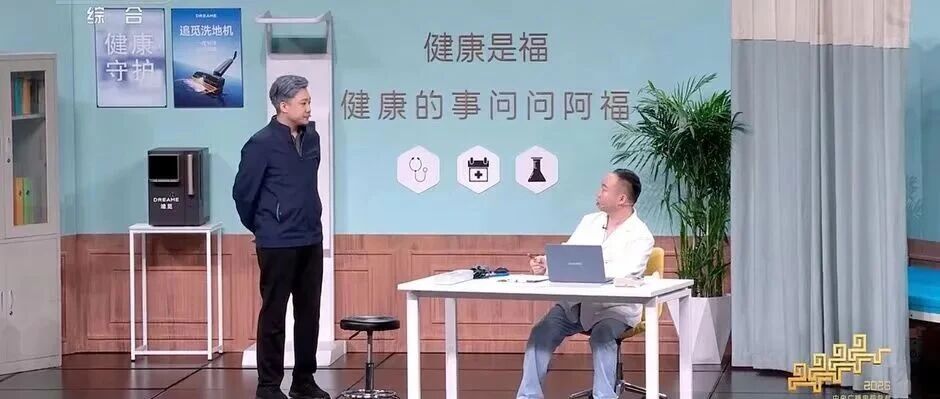
媒体报道显示,许多年轻人回老家后在为父母准备红包、年货的同时,也会给父母手机里装上阿福 App ,希望在自己没法陪伴父母的时候,通过阿福远程关注父母的健康,父母有些头疼脑热也可以 先咨询阿福获得专业建议。 除夕夜 20:00 ,央视 2026 年春节联欢晚会如约而至。在小品《血压计》表演时,不少观众注意 到,剧中那位给老人看体检报告的医生叫 " 阿福 " ,而他诊所里印着一行大字: " 健康是福,健康 的事问问阿福。 " 而就在一周前,蚂蚁阿福刚刚官宣成为央视 CCTV 健康生活合作伙伴。 这是蚂蚁集团旗下健康应用"蚂蚁阿福"在春晚上的亮相。这个巧妙的植入,不仅自然贴合春晚全家 欢的调性,也通过温情叙事,让亿万观众在除夕夜这个合家团圆的夜晚,记住了 " 蚂蚁阿福 " 的品 牌和价值主张。 埃森哲的调研数据显示,相比 2021 年, 2025 年中国消费者对健康的重视度从 78% 上升到了 87% ,已经成为中国消费者最重视的事项。在这一趋势下,随着春节返乡高峰的到来,蚂蚁阿福这 款应用的热度也持续攀升。 除夕当天,蚂蚁阿福还宣布其 " 健康福 " 红包活动将持续至大年初七。新注册阿福 App 的用户, 可获得 ...