新材料

Search documents
河北省大规模设备更新促进产业变革
Sou Hu Cai Jing· 2025-12-27 22:03
Group 1 - The core viewpoint is that large-scale equipment updates are driving industrial transformation in Hebei Province, with significant investment growth in equipment and tools [1][2]. - From January to November, Hebei's investment in equipment and tools increased by 34.2% year-on-year, accelerating by 9.4 percentage points compared to the same period last year, outpacing the province's fixed asset investment growth by 28.1 percentage points [1]. - The equipment update policy has facilitated financing for companies, with significant support from banks, enabling projects like the carbon four new materials integration project to receive substantial funding [2][5]. Group 2 - The industrial sector is the main battlefield for equipment updates, with Hebei being a major manufacturing province that has a large stock of equipment and significant potential for updates [4]. - The province has implemented various supportive policies to promote equipment updates, including the issuance of action plans and the organization of promotional events to ensure companies are aware of available support [4][6]. - As of now, 1,600 projects in Hebei have been recommended by the Ministry of Industry and Information Technology, with a total planned investment exceeding 600 billion, and 290 projects have signed loan agreements totaling over 69 billion [7]. Group 3 - The equipment updates are not just about replacing old with new but are also driving the overall industry towards higher-end, intelligent, green, and safe upgrades, fostering continuous technological innovation [6]. - The manufacturing sector in Hebei has shown strong growth, with the added value of major industrial sectors increasing positively, indicating a robust industrial production environment [7][8]. - The province is focusing on smart, green, and integrated transformation, implementing comprehensive upgrades in manufacturing through a combination of software and hardware improvements [8].
汇聚创新资源 加强成果转化 河南新乡深化校企地合作
Jing Ji Ri Bao· 2025-12-27 22:03
Group 1 - The core viewpoint of the articles highlights the successful collaboration between educational institutions and enterprises in Xinxiang, Henan Province, leading to significant technological advancements and economic growth [1][2]. - Xinxiang has signed 273 projects this year, with a registered technical contract amount exceeding 13 billion yuan, representing a 60% year-on-year increase [1]. - The city has implemented ten measures to deepen cooperation between universities, enterprises, and local governments, facilitating the integration of innovation, industry, talent, policy, and funding chains [1]. Group 2 - Xinxiang's municipal leaders have actively engaged with domestic universities and research institutions, organizing 33 special events and 36 sub-events to foster collaboration [2]. - A total of 956 enterprises have submitted over 2,200 requests for technology, talent, and projects, which have been matched with 116 universities and research institutions [2]. - The contribution of high-tech enterprises to the industrial added value in Xinxiang has reached 61.8%, with the number of high-tech enterprises increasing by 120% and technology-based SMEs by 124% compared to the end of the 13th Five-Year Plan [2].
1300+份新材料报告下载:做新材料领域的「攻坚者」
材料汇· 2025-12-27 15:46
Core Viewpoint - The article discusses the rapid growth and investment opportunities in the advanced packaging materials sector, highlighting the potential for domestic companies to replace foreign imports in critical areas of technology [7][8]. Market Overview - The global market for advanced packaging materials is projected to reach $2.032 billion by 2028, with the Chinese market expected to grow to 9.67 billion yuan by 2025 [8]. - Specific materials such as PSPI, epoxy resin, and conductive adhesives are identified as key growth areas, with significant market sizes and growth rates anticipated [8]. Investment Opportunities - The article outlines various advanced packaging materials and their respective market sizes, including: - PSPI: $528 million in 2023, expected to grow significantly [8]. - Conductive adhesives: projected to reach $3 billion by 2026 [8]. - Chip bonding materials: expected to grow from approximately $485 million in 2023 to $684 million by 2029 [8]. - The investment landscape is characterized by a shift towards domestic production, with numerous Chinese companies emerging as competitors to established foreign firms [7][8]. Industry Trends - The article emphasizes the trend of domestic substitution in advanced materials, particularly in sectors heavily reliant on imports from countries like Japan [7][8]. - It highlights the importance of innovation and collaboration among domestic companies to enhance competitiveness in the global market [21]. Strategic Insights - Investment strategies vary across different stages of company development, from seed rounds to pre-IPO phases, with a focus on team capabilities, market potential, and product maturity [10]. - The article suggests that companies in the growth phase with established sales channels and increasing revenue present lower investment risks and higher potential returns [10].


广西2025年度科技创新青年突击队建功竞赛举办
Xin Lang Cai Jing· 2025-12-27 15:38
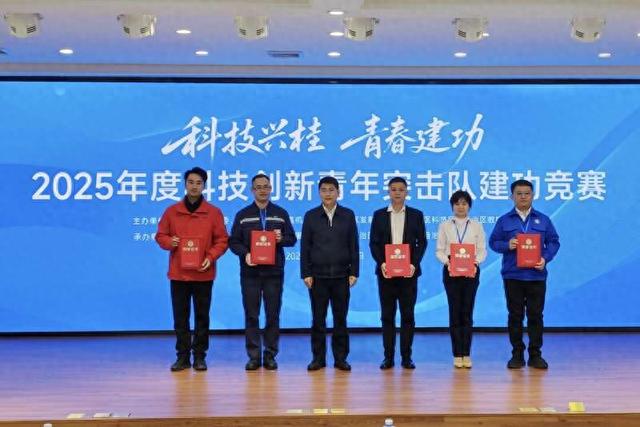
本次赛事由共青团广西区委等共同举办。 来源:中国青年报客户端 中国青年报客户端讯(霍榆韬 中青报·中青网记者 谢洋)12月26日,广西2025年度科技创新青年突击队 建功竞赛在南宁开赛。赛事以"科技兴桂青春建功"为主题,紧扣广西现代化产业体系建设,推动科技创 新与产业创新深度融合。 本次赛事得到广西全区各行各业青年积极响应,吸引高校、科研院所、领军企业、重点产业单位等491 支队伍参赛,经层层选拔,60支队伍脱颖而出入围决赛。 决赛现场,参赛队伍通过项目介绍、现场答辩展现实力。平陆运河科技创新青年突击队攻克省水船闸、 盐水上溯防控等技术难题,助力"世纪工程"建设;南南铝加工航空航天用铝合金自主保障青年攻关突击 队在超纯熔体制备等三大领域实现从"0"到"1"的突破;广西产研院人工智能所大模型应用青年突击队搭 建广西基础大模型底座,定制适配东盟需求的自主模型;广西农科院农业科技创新青年突击队聚焦智慧 糖业关键技术,打破国外垄断。60个参赛项目覆盖人工智能、新材料、现代农林业等重点领域,生动展 现了广西青年在科技创新领域的卓越风采与显著成果。 ...
成都彭州集中签约新材料产业深加工产业链项目,预计产值超百亿推动产业集群跃升
Sou Hu Cai Jing· 2025-12-27 14:07
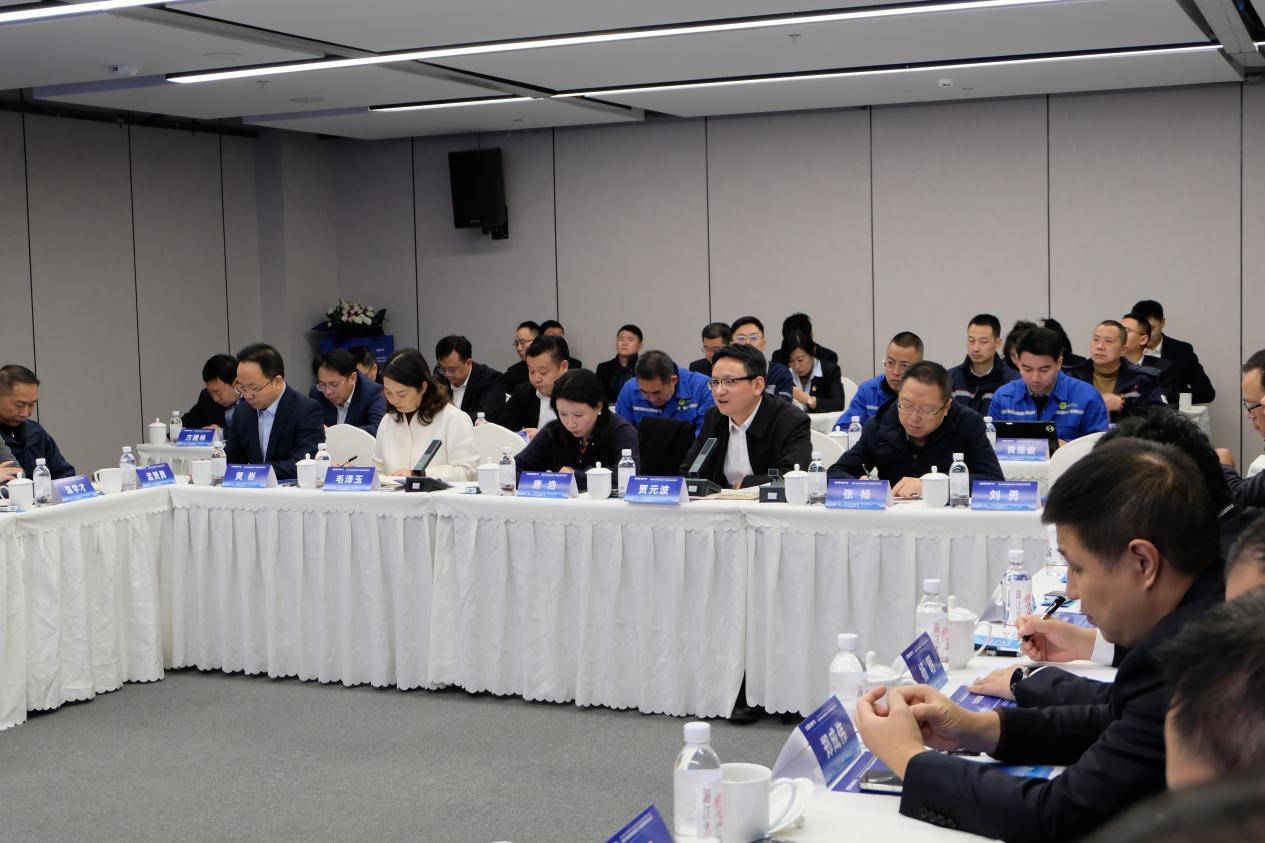
Core Viewpoint - The signing ceremony for the deep processing industrial chain project in the new materials industry took place in Chengdu, focusing on collaboration among government, state-owned enterprises, and various stakeholders to enhance the industrial ecosystem [1][3] Group 1: Project Overview - The signed projects are centered around high-performance petroleum resins, carbon-based new materials, biomass energy, low-carbon circular economy, technology transformation, and integration of industry and education [3] - The projects are expected to generate over 10 billion yuan in output value upon completion, transitioning Chengdu's new materials industrial park from "enterprise aggregation" to "industrial cluster" [3] Group 2: Strategic Importance - The new materials industry is identified as a critical support for manufacturing, serving as the foundational technology and core source of new productive forces across various sectors including electronics, equipment manufacturing, and aerospace [3] - The initiative aims to enhance the resilience of the industrial supply chain and secure the initiative for industrial upgrades [3] Group 3: Future Plans - Chengdu Investment Group will focus on project construction and resource assurance, continuing to deepen its engagement in key areas of new materials and improve the industrial chain layout [3] - The goal is to empower "Chengdu materials" to support "Chengdu manufacturing" and drive the new materials industry towards rapid development, contributing to the establishment of a modern industrial system with national influence [3]
工信部部署2026年重点工作,这些领域将迎利好
Xin Lang Cai Jing· 2025-12-27 12:40
Core Viewpoint - The national industrial and information technology conference emphasized the need to consolidate the positive momentum of the industrial economy as the primary task for 2026, focusing on ten key areas of work, including increasing the supply of green products, trendy products, and products for the elderly, while promoting the "Artificial Intelligence + Manufacturing" initiative [1][3][16]. Group 1: Industrial Economy - The conference highlighted the shift from "promoting stable growth" to "consolidating a positive momentum" in the industrial economy, indicating a focus on quality improvement rather than just stability [3][19]. - It was noted that the industrial economy has shown resilience and vitality, with expected growth rates of 9% for telecommunications business volume and 12% for software business revenue [3][19]. - The emphasis on "consolidation" suggests a long-term strategy to enhance quality and efficiency, moving away from temporary stimulus measures [20]. Group 2: Supply and Demand - The conference plans to increase the supply of green products, trendy products, and products for the elderly, responding to market demand trends [5][20]. - The focus on domestic demand as a priority reflects a policy shift towards building a strong domestic market [5][20]. Group 3: Traditional and Emerging Industries - The conference outlined plans to enhance traditional industries through "intelligent empowerment" and to develop emerging industries such as integrated circuits, new displays, new materials, aerospace, low-altitude economy, and biomedicine [6][9][24]. - The transition from "digital empowerment" to "intelligent empowerment" indicates a deeper integration of intelligent technologies to drive efficiency and innovation in traditional industries [22]. Group 4: Artificial Intelligence and Manufacturing - The "Artificial Intelligence +" initiative is a key focus, aiming to promote the digital transformation of manufacturing and cultivate key industry intelligent entities and original intelligent enterprises [21][24]. - The conference aims to support new-generation intelligent manufacturing systems and enhance the industrial internet platform ecosystem [21][24]. Group 5: Quality Enterprises and Innovation - The conference emphasized the cultivation of high-quality enterprises, including "little giant" enterprises and manufacturing champions, while addressing issues like overdue payments to businesses [28][29]. - It was reported that by 2025, over 60,000 technology and innovation-oriented SMEs and 50,400 high-tech enterprises are expected to be cultivated [28]. Group 6: Low-altitude Economy and Communication - The conference highlighted the importance of the low-altitude economy, with plans to establish frequency development guidelines to support its growth [29][15]. - The integration of 5G technology into various sectors is expected to enhance the service capabilities of the information and communication industry [28][29].

工信部部署2026年重点工作,这些领域将迎利好
21世纪经济报道· 2025-12-27 12:35
Core Viewpoint - The primary task for 2026 is to "fully consolidate the stable and positive trend of the industrial economy," reflecting a shift in policy focus from "stabilizing growth" to "improving quality" [3][4][5] Group 1: Industrial Economic Stability - The meeting emphasizes the need to support industrial provinces and stabilize effective investment in manufacturing [4][5] - There is a focus on increasing the supply of green products, trendy products, and products for the elderly, aligning with market demand trends [4][5] - The shift from "promoting stable growth" to "consolidating a stable and positive trend" indicates a deeper understanding of the current industrial economic situation [3][4] Group 2: Traditional and Emerging Industries - The meeting outlines plans to optimize and enhance traditional industries through "smart empowerment," which integrates digital and intelligent technologies [8][9] - Specific industries such as steel, non-ferrous metals, and light industry are highlighted for transformation and upgrading [9] - New emerging pillar industries include integrated circuits, new displays, new materials, aerospace, low-altitude economy, and biomedicine [11][12] Group 3: Artificial Intelligence and Smart Manufacturing - The "Artificial Intelligence+" initiative is crucial for promoting the digital transformation of manufacturing [7][11] - The goal is to cultivate key industry intelligent entities and support the integration of artificial intelligence with manufacturing [7][11] - The focus on "smart empowerment" aims to enhance efficiency and create new opportunities for traditional industries [8][9] Group 4: Quality and Innovation in Enterprises - The meeting stresses the importance of nurturing high-quality enterprises, including "little giant" companies and manufacturing champions [16] - There is a commitment to improving the innovation capabilities of industries and addressing core technological challenges [15][16] - The establishment of a national integrated technology market and the promotion of a "pay after use" model for technological achievements are part of the strategy [15][16] Group 5: Information and Communication Industry - The information and communication sector is directed to enhance its service capabilities, with a focus on 5G integration across various economic sectors [16][17] - The introduction of frequency development guidelines is aimed at supporting the low-altitude economy and addressing industry bottlenecks [17] - The meeting highlights the need for effective governance and the elimination of "involution" competition in the industry [17]

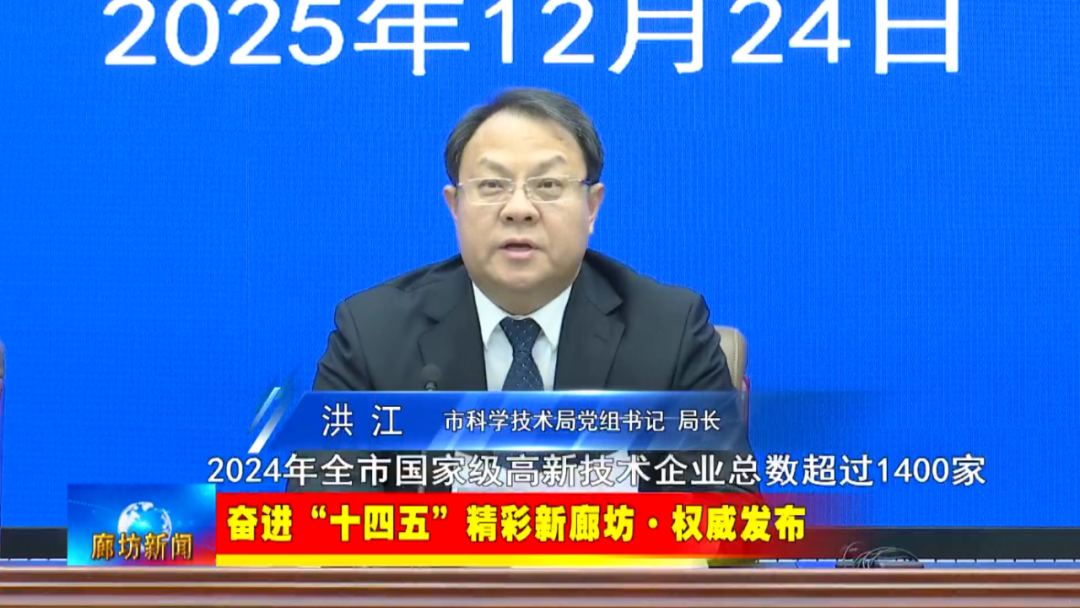
廊坊广电·关注丨【奋进“十四五”精彩新廊坊·权威发布】“十四五”时期我市科技创新能力显著增强
Xin Lang Cai Jing· 2025-12-27 11:30
Core Viewpoint - The city has significantly enhanced its technological innovation capabilities during the "14th Five-Year Plan" period, leading to improved economic and social development through technology [1][11]. Group 1: Technological Innovation Capability - The city's average score for monitoring and evaluating county-level technological innovation capabilities has ranked first in the province for six consecutive years, with 7 A-level counties, the highest proportion in the province [3]. - The number of national high-tech enterprises in the city is expected to exceed 1,400 by 2024, representing a growth of over 50% compared to the end of the "13th Five-Year Plan" [3]. - The number of provincial-level and above R&D platforms has increased to 160, a growth of 61.6% from the end of the "13th Five-Year Plan," ranking third in the province [5]. Group 2: Regional Cooperation and Support - The city has conducted over 1,700 cooperation activities with Beijing and Tianjin, resulting in more than 300 technology cooperation projects and a total technology contract transaction amount exceeding 48 billion yuan [5]. - Major technological achievement transformation projects have led to an increase in R&D investment of 708 million yuan, additional sales revenue of 4.81 billion yuan, and tax contributions of 517 million yuan [7]. Group 3: Innovation Environment and Entrepreneurship - The city has established 43 R&D platforms in the modern commercial logistics sector and authorized over 600 intellectual property rights [7]. - The city has implemented over 160 training sessions on high-tech enterprise recognition and technical contract registration, benefiting more than 10,000 enterprises [11]. - The city is actively seizing opportunities from the Beijing-Tianjin-Hebei coordinated development strategy, enhancing the innovation environment and promoting the integration of technology and industry [11][13].
工信部部署2026年重点工作,集成电路、新型显示等产业被提及
2 1 Shi Ji Jing Ji Bao Dao· 2025-12-27 10:21
Core Insights - The primary focus of the national industrial and information technology conference is to "consolidate the stable and positive trend of the industrial economy" for 2026, marking a shift from "promoting stable growth" to a more quality-oriented approach [2][4] Group 1: Industrial Economic Strategy - The conference emphasizes the need to implement a new round of ten key industry growth plans, supporting major industrial provinces and increasing the supply of green products, trendy products, and products for the elderly [3][4] - The shift in focus from "promoting stable growth" to "consolidating a stable and positive trend" reflects a deeper policy transition from short-term stimulus to long-term quality improvement [2][4] Group 2: Emerging and Future Industries - The conference outlines plans to develop emerging pillar industries such as integrated circuits, new displays, new materials, aerospace, low-altitude economy, and biomedicine [9][10] - The emphasis on "artificial intelligence + manufacturing" aims to foster key industry intelligent entities and original intelligent enterprises, supporting the integration of AI and industrial internet [6][9] Group 3: Traditional Industry Upgrades - The term "smart empowerment" replaces "digital empowerment," indicating a deeper integration of intelligent technologies to enhance traditional industries [7] - The focus on service-oriented manufacturing aims to shift traditional industries from providing single products to offering comprehensive solutions, enhancing value chain positioning [8][10] Group 4: Quality Enterprise Cultivation - The conference highlights the importance of nurturing quality enterprises, including "little giant" companies and manufacturing champions, while addressing overdue payments to businesses [13][14] - The goal is to enhance the service capabilities of the information and communication industry, with significant growth in 5G infrastructure and its integration into various economic sectors [12][14]

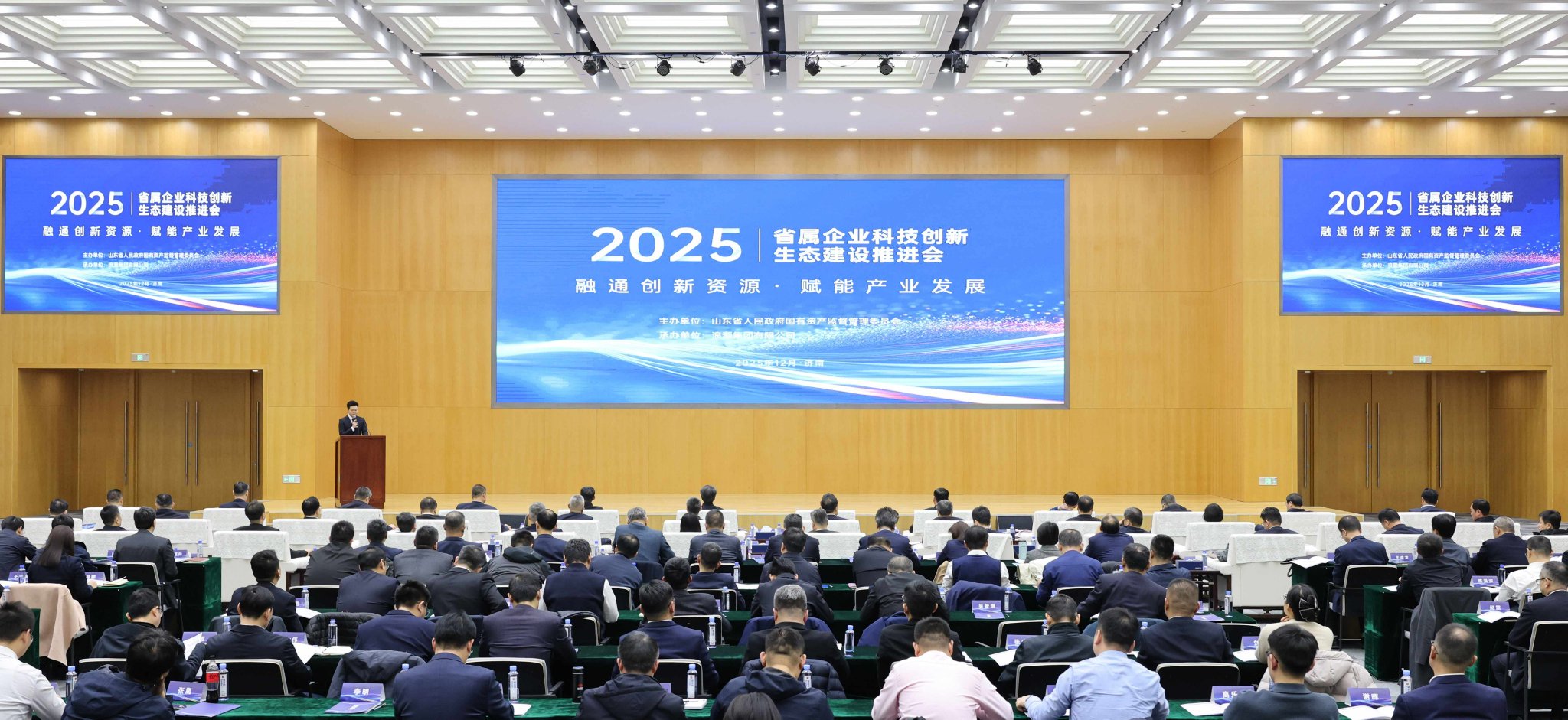
山东省属企业科技创新生态建设推进会召开
Zhong Guo Jin Rong Xin Xi Wang· 2025-12-27 04:39
Group 1 - The Shandong Provincial State-owned Assets Supervision and Administration Commission held a technology innovation ecological construction promotion meeting, showcasing major technological breakthroughs and launching an innovation consortium and a shared service platform for scientific and technological resources [1][4] - The event highlighted ten innovative achievements from provincial enterprises, including companies like Lushang Group, Shandong Steel Group, and Inspur Group, covering advanced equipment, new energy, new materials, and biomedicine [3] - The integration of the talent chain, education chain, industry chain, and innovation chain is emphasized as a key pathway to enhance systematic capabilities and release innovation potential [3] Group 2 - Provincial enterprises are integrating artificial intelligence technology into production and operations to reduce costs and improve efficiency, with typical applications in key sectors such as steel, mining, transportation, and equipment manufacturing [3] - The first batch of the Shandong Provincial State-owned Enterprises Innovation Consortium was established, involving ten leading enterprises to strengthen core technology research and create a collaborative innovation system [3] - A shared service platform for "Artificial Intelligence+" was launched, aimed at expanding AI application scenarios and promoting resource sharing to support the digital transformation and collaborative innovation of provincial enterprises [4]