
银行

Search documents
油价拉升!伊朗无人机,袭击阿曼最大石油储存设施
证券时报· 2026-03-12 00:18
Market Overview - The U.S. stock market closed mixed on March 11, with the Dow Jones Industrial Average falling nearly 300 points, while the Nasdaq rose slightly [1][3] - The market remains focused on the developments of the U.S.-Iran conflict and oil price trends [1] Geopolitical Events - An Iranian drone attack targeted Oman’s largest oil storage facility, raising investor concerns about the potential escalation of conflict and disruption to global oil supplies [2][5] - The attack on the oil storage facility is part of a series of assaults on energy infrastructure in the Gulf region [5] Oil Market Response - The International Energy Agency (IEA) agreed to release 400 million barrels of oil from emergency reserves, marking the largest release in the agency's history to counteract rising energy prices due to the conflict [4][7] - Despite the IEA's historic release, oil prices increased by over 4%, with Brent crude futures rising 4.76% to $91.98 per barrel and WTI crude futures up 4.55% to $87.25 per barrel [8][9] Economic Indicators - The U.S. Consumer Price Index (CPI) rose by 2.4% year-over-year in February, aligning with economists' expectations [12] - The U.S. budget deficit exceeded $1 trillion for the fiscal year to date as of February, although it is lower than the previous year's level [13] Sector Performance - In the S&P 500, eight out of eleven sectors declined, with consumer staples and real estate leading the losses, while energy and technology sectors saw gains [15] - Major tech stocks mostly rose, with Oracle up over 9% and Micron Technology up over 3% [15] - Energy stocks generally increased, with Petrobras rising over 5% and Occidental Petroleum over 4% [17]


两会|首席经济学家把脉政策新信号!
券商中国· 2026-03-11 23:40
Group 1 - The core viewpoint of the article emphasizes the pragmatic approach of the 2026 government work report, focusing on economic growth targets, structural reforms, and enhancing domestic demand [2][3][10] - The government has set a growth target of 4.5% to 5% for 2026, aligning with expectations from various foreign economists, indicating a shift towards high-quality development and effective economic growth [5][6][9] - The report highlights the importance of employment targets, with no relaxation in job creation and unemployment rate goals, signaling a focus on "re-inflation" and improving overall price levels [6][10] Group 2 - The macroeconomic policy focus is shifting from counter-cyclical adjustments to cross-cyclical adjustments, maintaining restraint on short-term stimulus while allowing for structural adjustments and risk prevention [8][9] - Fiscal support remains strong, with a projected budget deficit rate of around 4%, and the issuance of special bonds for infrastructure and asset repair is expected to remain substantial [9][10] - The emphasis on innovation and domestic demand is evident, with policies aimed at boosting service consumption and addressing "involution" in competition, which is expected to enhance market efficiency and innovation [10][12]

特朗普将动用能源储备!甲骨文涨超9%,原油V型反转,白银跌超4%
第一财经· 2026-03-11 23:17
Market Overview - The US stock market showed mixed results, with the Dow Jones Industrial Average falling by 289.24 points (0.61%) to close at 47,417.27 points, while the Nasdaq Composite Index slightly increased by 0.08% to 22,716.13 points [3] - The S&P 500 Index experienced a minor decline of 0.08%, closing at 6,775.80 points [3] Individual Stock Performance - Oracle's stock rose by 9.2% after reporting an increase in adjusted earnings and revenue for Q3, along with a positive outlook for Q4 [4] - Tesla's stock increased by 2.15%, with a reported delivery of 58,600 units from its Shanghai Gigafactory in February 2026, marking a 91% year-over-year growth [4] - Other tech stocks had mixed performances, with Nvidia up by 0.66%, Google by 0.49%, and Facebook by 0.12%, while Apple, Microsoft, and Amazon saw declines [4][5] Private Credit Sector - The private credit industry is under pressure as JPMorgan downgraded the valuations of certain loans held by private credit firms and tightened lending to the sector, leading to declines in Ares Management (down 4.8%) and Apollo Global Management (down 1.9%) [5] Economic Data - The US Consumer Price Index (CPI) for February rose by 0.3% month-over-month, up from 0.2% in the previous month, with a year-over-year increase of 2.4%, aligning with market expectations [6] - Core CPI, excluding food and energy, increased by 0.2% month-over-month, down from 0.3% in the prior month [6] Oil Market Dynamics - Despite the International Energy Agency's announcement to release 400 million barrels of oil reserves, oil prices continued to rise, with WTI crude futures up 4.6% to $87.25 per barrel and Brent crude futures up approximately 4.8% to $91.98 per barrel [10] - The geopolitical situation, particularly the conflict involving Iran, has significantly impacted oil prices, with President Trump announcing the use of the US Strategic Petroleum Reserve to mitigate price surges [9][10] Investor Sentiment - Investors are cautious due to the uncertain geopolitical environment and rising oil prices, which could affect consumer spending and inflation [7] - Market expectations suggest that the Federal Reserve will maintain key interest rates in the upcoming policy meeting, balancing inflation concerns with signs of a slowing job market [7]
国泰海通|策略:外资逆势流入A股与港股
国泰海通证券研究· 2026-03-11 14:03
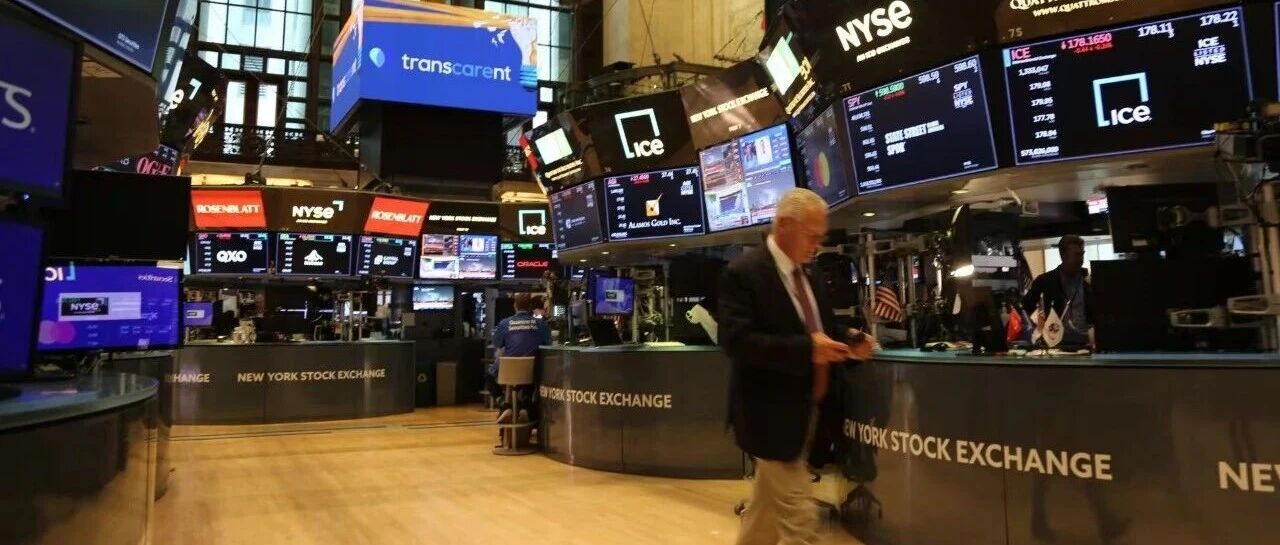
Market Overview - The market transaction activity has increased, but the marginal profit effect has decreased. The average daily trading volume for the entire A-share market rose to 2.6 trillion, with an average daily limit-up count of 70.8 stocks and a limit-up rate of 74.0% [1] - The proportion of stocks that increased in value has dropped to 22.5%, and the median weekly return for all A-shares decreased to -3.4% [1] Fund Flow Analysis - Foreign capital inflow was recorded at 1.14 billion USD, with northbound trading accounting for 28.7% of total trading volume [2] - The issuance scale of equity public funds increased to 2.65 billion, indicating a rise in overall stock positions [2] - Financing capital saw a slight outflow, with net selling amounting to 18.04 billion, representing 9.2% of total trading volume [2] Industry Allocation - Significant inflows were observed in the oil and petrochemical sectors, with financing capital net inflow of 2.59 billion and ETF inflow of 14.37 billion [3] - The top sectors for foreign capital inflow included non-ferrous metals (+0.541 billion USD) and banks (+0.143 billion USD), while machinery and home appliances saw outflows [3] Hong Kong and Global Fund Flow - Southbound capital experienced a net outflow of 8.09 billion, marking a significant decline since 2022 [4] - Global foreign capital showed marginal inflows into Japan (+3.38 billion USD) and China (+2.95 billion USD), while the US saw outflows [4]

[3月11日]指数估值数据(大盘继续上涨;为啥不同平台的估值数据不同呢;《个人养老金投资指南》荣登榜首)
银行螺丝钉· 2026-03-11 13:57
Market Overview - The market experienced a slight increase today with minimal fluctuations [2] - Large-cap stocks saw a slightly higher increase compared to small-cap stocks, while growth styles like the ChiNext index rose [4] - Dividend and value styles showed significant gains today [5] - Hong Kong stocks experienced a slight decline with little volatility [6] Valuation Data Discrepancies - There are discrepancies in valuation data across different platforms, such as the A500 index, where some platforms report a P/E ratio of 17 times while others report 23 times [7] - For the CSI Dividend index, some platforms report a P/E ratio of over 8 times, while others report between 10-11 times [8] - These differences are attributed to the varying weighting methods used in index calculations [9][10] Index Weighting Methods - Early indices were weighted by total market capitalization, meaning larger companies had a higher representation [11] - Many modern indices, especially strategy indices, use strategy-based weighting instead [12] - The main difference in weighting methods is the proportion of bank stocks; for instance, in the CSI Dividend index, the Industrial and Commercial Bank of China has a weight of around 1% [14][15] Financial Sector Representation - The financial sector's total representation in the CSI Dividend index is about 23%, similar to the 21% in the CSI 300 index [24] - When calculating the P/E ratio based on actual holdings, it falls between 10-11 times, indicating a significant difference from the total market cap-based calculations [25][26] Index Evolution and Calculation Accuracy - Most platforms currently do not have their own index valuation data and rely on purchased financial terminal data, which typically uses total market cap weighting for valuations [27] - This method can lead to significant valuation discrepancies, especially for strategy indices like A500, where the financial sector's actual representation is only around 11% [30] - The calculated P/E ratio for A500 can vary from over 17 times (total market cap weighted) to over 23 times (based on actual holdings) [31] New Publication Announcement - A new book titled "Personal Pension Investment Guide" has been released and quickly topped sales charts on platforms like JD.com [35] - The book aims to address common investor questions regarding personal pensions and provide guidance for better investment decisions [36] Investment Tools and Resources - The "Today Star" mini-program has expanded its percentile valuation table index, allowing users to purchase corresponding index funds and filter by categories such as broad-based, strategy, industry, theme, and global [40] - Users can view historical valuation trends and directly purchase index funds through the program [40]
多家中资银行布局中东,暂未有受损信息披露
第一财经· 2026-03-11 13:38
Core Viewpoint - The article discusses the potential retaliatory actions by Iran against the economic targets of the US and Israel in the region, following a recent attack on an Iranian bank facility by the two countries [3]. Group 1: Regional Tensions - Iran's armed forces have warned of possible retaliation against US and Israeli economic targets, advising citizens to avoid banks and other potential targets [3]. - The warning comes after the US and Israel conducted an attack on an Iranian bank facility on March 10 [3]. Group 2: Chinese Banks in the Middle East - Over the past two decades, major Chinese state-owned banks, including Industrial and Commercial Bank of China, Bank of China, Agricultural Bank of China, China Construction Bank, and Bank of Communications, have established multiple branches in the Middle East [3]. - These branches are primarily located in cities such as Abu Dhabi and Dubai, offering services that include deposit acceptance, loan issuance, trade financing, and settlement services [3]. - As of now, there have been no reports of damage or impact on these Chinese banks due to the recent regional tensions [4].




年初两月,16家银行虚增存贷款被罚
第一财经· 2026-03-11 13:38
Core Viewpoint - The banking industry is facing increased regulatory scrutiny regarding the issue of inflated deposit and loan figures, with at least 16 banks penalized for such violations in the first two months of 2026, indicating a shift in the traditional growth model reliant on scale expansion [3][6][15]. Regulatory Actions - Regulatory penalties for inflated deposit and loan figures have become a significant reason for bank sanctions in 2026, with notable fines imposed on various banks, including Hengfeng Bank and Guangxi Beibu Gulf Bank, for multiple violations [5][6]. - The trend of "double penalties" is becoming common, where both institutions and responsible personnel face consequences, including lifetime bans from the banking industry in severe cases [3][5]. Common Practices - Common practices contributing to inflated figures include "loan-to-deposit" schemes and "pledged loans against deposits," which create a cycle of funds within the banking system without benefiting the real economy [7][8]. - Regulatory bodies are increasingly focusing on internal governance mechanisms within banks, highlighting issues such as the establishment of improper deposit assessment indicators [7]. Industry Pressures - The recurring issue of inflated deposits and loans is closely linked to the current operating environment of banks, particularly during the "opening red" period at the beginning of the year, where banks aim to boost deposit and loan figures [9][10]. - The profitability of banks is under pressure, with net profits for various types of banks showing declines, particularly among city commercial banks and rural commercial banks [9][10]. Shift in Business Model - The traditional scale-driven growth model is facing adjustments due to narrowing net interest margins, weak credit demand, and intensified deposit competition [13][15]. - Industry experts suggest a transition from a "scale-oriented" approach to a "customer asset management-oriented" model, emphasizing the need for performance assessment mechanisms that reduce reliance on end-of-period scale metrics [15]. Changes in Liability Structure - The phenomenon of "deposit migration" is affecting the banking industry's operating model, as residents increasingly shift funds from bank deposits to non-bank financial products [11][12]. - The changing liability structure presents new challenges for banks, as non-bank deposits are more sensitive to market rates and risk sentiments, necessitating improved liquidity management [12]. Future Directions - To maintain growth, banks must accelerate their transition towards "wealth management" strategies, leveraging financial products to stabilize liability sources and enhance medium to long-term profitability [15].

中小银行资本“嗷嗷待补”,代表委员建言专项债“自审自发”
第一财经· 2026-03-11 13:38
Core Viewpoint - The article discusses the urgent need for capital replenishment in small and medium-sized banks in China, highlighting the government's initiatives and suggestions from representatives during the National People's Congress to address this issue [4][5][7]. Group 1: Capital Replenishment Challenges - Small and medium-sized banks are facing significant pressure in capital replenishment, whether through internal or external methods, making it difficult to maintain adequate capital levels [5]. - As of the end of Q4 2025, the capital adequacy ratios for various types of banks were reported as follows: large commercial banks at 18.16%, joint-stock banks at 13.58%, city commercial banks at 12.39%, and rural commercial banks at 13.18% [5]. - Some city commercial banks and rural commercial banks are nearing regulatory capital thresholds, indicating an urgent need for capital support [5]. Group 2: Government Initiatives - The government plans to issue 300 billion yuan in special treasury bonds to support the capital replenishment of state-owned large commercial banks [4]. - A successful case of using special bonds to support small banks was seen in Jilin Province, which issued 26 billion yuan to help improve the capital adequacy and risk resistance of Jilin Rural Commercial Bank [6]. - From 2020 to 2022, 550 billion yuan in new local government special bonds were issued specifically for the purpose of replenishing the capital of small and medium-sized banks [6]. Group 3: Recommendations from Representatives - Representatives during the National People's Congress suggested the regular issuance of special bonds at the provincial level to assist small and medium-sized banks in establishing a long-term capital replenishment mechanism [7][8]. - The "self-examination and self-issuance" model for special bonds is proposed to streamline the process of capital replenishment for small banks, allowing for quicker access to necessary funds [9]. - The article emphasizes the importance of establishing a stable external capital replenishment channel and optimizing the governance structure of banks to better serve local economies [8][9]. Group 4: Risk Management and Oversight - It is crucial to implement a regular regulatory and behavioral constraint mechanism after the capital replenishment through special treasury bonds and local government bonds to prevent new risks from undermining the capital [10]. - Recommendations include strict monitoring of the use of funds from special bonds, ensuring they are used specifically for capital replenishment and not diverted to other areas [10]. - Banks are encouraged to regularly disclose key information such as capital adequacy ratios and non-performing loan rates to enhance market oversight and ensure that capital is effectively utilized to support the real economy [10].

冲突还在继续,乱世该买什么?
雪球· 2026-03-11 13:01
Group 1 - The current market volatility is a result of multiple pressures, including escalating geopolitical tensions, fluctuating expectations of Federal Reserve interest rate cuts, weakening global manufacturing data, and uncertainties in commodity supply [5][6][7] - The geopolitical situation, particularly the escalation of tensions between the US and Iran, has a direct impact on oil prices, with HSBC predicting that if the Strait of Hormuz remains blocked, oil prices could exceed $100 per barrel [5] - Rising oil prices lead to increased inflation expectations, which in turn suppresses further interest rate cuts by the Federal Reserve, creating a challenging environment for both stocks and bonds [6][7] Group 2 - The four recognized safe-haven assets are gold, the US dollar, the Japanese yen, and US Treasuries, each with distinct performance logic and associated risks [9][10] - Oil is not considered a safe-haven asset; rather, it is viewed as a risk asset that can exacerbate inflationary pressures, negatively impacting stock markets and consumer spending [10] - Historical data from seven major geopolitical conflicts since the 1970s indicates that short-term, localized conflicts often lead to market rebounds after initial panic, while prolonged conflicts can result in significant economic damage [12][13][14] Group 3 - The article emphasizes that there is no asset that guarantees peace of mind during turbulent times; instead, true security comes from accepting uncertainty and creating a balanced asset portfolio [18][20] - The most valuable resource in times of volatility may not be assets but cash flow, as it helps avoid forced asset liquidation during downturns [22][23] - Before making investment decisions, it is crucial to assess personal financial stability, including emergency funds, income stability, and the risk of forced liquidation [24][25]

股指期货早报2026.3.11:美伊冲突事件瞬息万变,A股震荡-20260311
Chuang Yuan Qi Huo· 2026-03-11 12:41
1. Report Industry Investment Rating No relevant content provided. 2. Core Viewpoints of the Report - Overseas, after the US President Trump announced the impending end of the Iran war, oil prices declined and risk appetite recovered. However, there are still uncertainties in the US - Iran conflict. The overnight peripheral market showed a wait - and - see trend and fluctuated. The A - share market's risk appetite was somewhat restored on Tuesday with the news of the easing of the US - Iran conflict and the decline in oil prices. The technology sector became active, and the popularity of AI applications stimulated the recovery of AI computing power. The market is expected to be in a short - term shock consolidation, and investors are advised to buy low and sell high [2][3]. 3. Summary by Relevant Catalogs 3.1 Important Information - Trump said he might negotiate with Iran under certain conditions, but the Iranian foreign minister stated that the new supreme leader would not negotiate with the US, while the Iranian vice - president said they had not given up on resolving the issue through negotiation [5]. - The US defense secretary said that on Tuesday, the US would launch a "maximum - intensity" strike against Iran; part of the US THAAD system in South Korea was transferred to the Middle East, and the US military sank 16 Iranian mine - laying vessels near the Strait of Hormuz [5]. - The US special envoy said that Putin denied providing intelligence about the US military to Iran [6]. - US media reported that Iran began to lay mines in the Strait of Hormuz, with a scale of about dozens. Trump demanded that Iran clear the mines, otherwise it would face unprecedented military consequences [6]. - US media reported that the US asked Israel not to attack Iranian energy facilities [7]. - The National Internet Emergency Center issued a risk warning for the OpenClaw security application [8]. - The Foreign Investment Department of the National Development and Reform Commission held a working meeting with Mediterranean Shipping Company and Maersk Group [9]. - A spokesman for the PLA and Armed Police Force delegation said that in 2026, the national general public budget allocated 1.94 trillion yuan for national defense expenditure, a 6.9% increase from the previous year's implementation [9]. - The Iranian ambassador to China said that passage through the Strait of Hormuz would be regulated, but this did not mean closing the strait [10]. - Foreign media reported that Tencent was secretly developing a WeChat AI agent, which might be open to all users within the year [11]. 3.2 Futures Market Tracking - **Futures Market Performance**: The report provides the closing prices, settlement prices, price changes, price change rates, basis, premium/discount rates, and annualized premium/discount rates of various futures contracts such as the Shanghai - Shenzhen 300, CSI 500, and CSI 1000, as well as their contract delivery dates and remaining times [13]. - **Futures Trading Volume and Open Interest**: It shows the trading volume, trading volume changes, trading value, trading value changes, open interest, open interest changes, weekly position increases, net positions, and changes in short and long positions of various futures contracts [14]. 3.3 Spot Market Tracking - **Spot Market Performance**: The report presents the current points, daily, weekly, monthly, and annual price change rates, trading value, and changes in trading value of major stock indices such as the Shanghai Composite Index, Shenzhen Component Index, and ChiNext Index, as well as the performance of various sectors [37]. - **Market Style Impact on Indexes**: It analyzes the impact of market styles (cyclical, consumer, growth, financial, and stable) on the Shanghai 50, Shanghai - Shenzhen 300, CSI 500, and CSI 1000 indexes, including the number of stocks, weights, daily, weekly, monthly, and annual contributions [38][40]. - **Valuation and Other Indicators**: It shows the current valuations and percentile rankings of important indexes and Shenwan sectors, as well as market indicators such as the average weekly trading volume, average weekly turnover rate, number of rising and falling stocks, index trading value changes, stock - bond relative returns, Hong Kong Stock Connect, margin trading balance, and net margin trading purchase amount and its proportion in A - share trading value [42][44][46][47][48]. 3.4 Liquidity Tracking - **Central Bank Open - Market Operations**: It shows the currency injection, currency withdrawal, and net currency injection of the central bank's open - market operations [50]. - **Shibor Interest Rate Levels**: It presents the levels of SHIBOR overnight, 1 - week, 2 - week, and 1 - month interest rates [50].