光伏设备

Search documents
11月24日早间重要公告一览
Xi Niu Cai Jing· 2025-11-24 03:56
Group 1: Shareholding Changes - Guangli Micro plans to reduce its shareholding by up to 4.4062 million shares, accounting for 2.2359% of the total share capital after excluding repurchased shares [1] - Deepwater Haina intends to reduce its shareholding by up to 1% of the total share capital, which amounts to 177.28 million shares [1] Group 2: Pharmaceutical Developments - Baillie Tianheng's drug application for the first-in-class EGFR×HER3 dual antibody ADC (iza-bren) has been accepted for review by the National Medical Products Administration [2] - Zhongsheng Pharmaceutical has completed the first participant enrollment for the Phase III clinical trial of its innovative drug, Anladiwei granules, for treating influenza in children [2][3] Group 3: Financial Services - China Merchants Bank's wholly-owned subsidiary, China Merchants Jin Investment, has been approved to commence operations with a registered capital of 15 billion yuan [4] - CITIC Bank's wholly-owned subsidiary, Xinyin Jin Investment, has also received approval to start operations with a registered capital of 10 billion yuan [21] Group 4: Corporate Changes - Guiguan Network's chairman, Chen Yu, has resigned due to work changes, and Dai Qingsong has been nominated as the new chairman [5] - Caixin Development's controlling shareholder is undergoing bankruptcy restructuring, with uncertainties regarding the outcome and potential changes in control [6] Group 5: Industry Developments - JinkoSolar has achieved mass production of its new high-efficiency photovoltaic module "Tiger Neo 3.0," with a production efficiency exceeding 24.8% and a power output of 670W, securing 15GW in orders [8] - Ba Tian Co. has received approval for the safety facility design of its 2.9 million tons/year expansion project at the Xiaogaozai phosphate mine [10] Group 6: Strategic Collaborations and Acquisitions - Zhongding Co. has signed a strategic cooperation agreement with Fourier Intelligent Technology to collaborate on humanoid robot components [14] - Jinfu Technology is planning to acquire at least 51% of Guangdong Lanyuan Technology Co., Ltd. through cash payment [15] Group 7: Market Activities - Zhaowei Electric has received approval from the China Securities Regulatory Commission for its H-share issuance, planning to issue up to 69.0585 million H-shares [16] - Shanneng Electric has received registration approval for its private placement of shares from the China Securities Regulatory Commission [18]
首航新能涨2.01%,成交额3213.82万元,主力资金净流出44.66万元
Xin Lang Cai Jing· 2025-11-24 03:18
Core Viewpoint - Shihang New Energy has experienced a significant decline in stock price this year, with a drop of 28.59% year-to-date and 14.33% over the past five trading days, indicating potential challenges in the market [1][2]. Company Overview - Shihang New Energy, established on June 7, 2013, is located in Bao'an District, Shenzhen, Guangdong Province. The company specializes in the research, production, sales, and service of new energy power equipment, focusing on solar power conversion, storage, and management [2]. - The company's core products include photovoltaic grid-connected inverters (57.98% of revenue), storage batteries (23.11%), storage inverters (13.72%), and other components (4.85%) [2]. Financial Performance - For the period from January to September 2025, Shihang New Energy reported a revenue of 1.746 billion yuan and a net profit attributable to shareholders of 114 million yuan, reflecting a year-on-year decrease of 47.57% [2]. - The company has distributed a total of 51.9588 million yuan in dividends since its A-share listing [3]. Shareholder Information - As of September 30, 2025, the number of shareholders for Shihang New Energy was 20,700, a decrease of 9.62% from the previous period, with an average of 1,873 circulating shares per shareholder, an increase of 10.65% [2]. - The largest circulating shareholder is Hong Kong Central Clearing Limited, holding 614,800 shares, which increased by 275,400 shares compared to the previous period [3]. Market Activity - On November 24, Shihang New Energy's stock price rose by 2.01% to 28.94 yuan per share, with a trading volume of 32.1382 million yuan and a turnover rate of 2.72% [1]. - The stock has appeared on the daily trading leaderboard nine times this year, with the most recent occurrence on September 5, where it recorded a net purchase of 23.5987 million yuan [1].
中来股份跌2.01%,成交额2.07亿元,主力资金净流出2869.23万元
Xin Lang Zheng Quan· 2025-11-24 02:38
Core Viewpoint - Zhonglai Co., Ltd. has experienced a decline in stock price and financial performance, with significant net outflows of capital and a decrease in revenue and profit year-on-year [1][2]. Group 1: Stock Performance - On November 24, Zhonglai's stock price fell by 2.01% to 7.33 CNY per share, with a trading volume of 207 million CNY and a turnover rate of 2.93%, resulting in a total market capitalization of 7.987 billion CNY [1]. - Year-to-date, Zhonglai's stock price has increased by 17.28%, but it has seen a decline of 16.70% over the last five trading days, while it has increased by 23.61% over the last 20 days and 16.35% over the last 60 days [1]. Group 2: Financial Performance - For the period from January to September 2025, Zhonglai reported operating revenue of 3.898 billion CNY, a year-on-year decrease of 14.21%, and a net profit attributable to shareholders of -398 million CNY, down 31.06% year-on-year [2]. - Since its A-share listing, Zhonglai has distributed a total of 650 million CNY in dividends, with 194 million CNY distributed over the past three years [2]. Group 3: Shareholder and Institutional Holdings - As of September 30, 2025, Zhonglai had 49,900 shareholders, a decrease of 6.15% from the previous period, with an average of 19,172 circulating shares per shareholder, an increase of 6.56% [2]. - Among the top ten circulating shareholders, Hong Kong Central Clearing Limited is the fifth largest, holding 13.2822 million shares, an increase of 3.2951 million shares from the previous period [2].

迈为股份:与*ST金刚达成债务重组 预计产生损失超8500万元
2 1 Shi Ji Jing Ji Bao Dao· 2025-11-24 02:28
Group 1 - The core announcement involves a debt restructuring arrangement between Maiwei Co., Ltd. and *ST Jingang, affecting accounts receivable amounting to 370.92 million yuan, with an expected loss of approximately 85.47 million yuan impacting the company's current profits and equity attributable to shareholders [1][2] - The restructuring plan has been approved by the court, involving *ST Jingang and its four subsidiaries, including clients of Maiwei Co., Ltd. [1] - As a creditor, Maiwei Co., Ltd. has declared a total ordinary claim of 423.55 million yuan, with 370.92 million yuan confirmed by the court [1] Group 2 - The debt restructuring will be handled through a combination of cash repayment and stock conversion, with amounts below 100,000 yuan being fully repaid in cash, while amounts above will receive approximately 3.08 shares of *ST Jingang stock for every 100 yuan of debt, at a conversion price of 32.49 yuan per share [1] - Maiwei Co., Ltd. is expected to receive 200,000 yuan in cash and approximately 11.41 million shares of *ST Jingang stock as part of the restructuring [1] - The original contract for the debt restructuring was signed in September 2022 for a 4.8GW heterojunction battery production line, which was later modified due to project planning adjustments [2]

越回调越买 超700亿元资金借道ETF逆市加仓
Zheng Quan Shi Bao· 2025-11-23 21:45
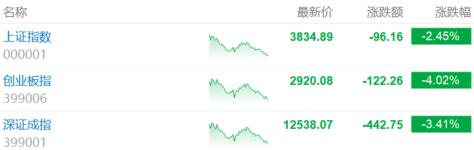
Core Viewpoint - Recent market adjustments have raised concerns, with significant declines in major indices and a collective pullback in previously high-performing sectors like AI, chips, and lithium batteries [1][2]. Market Performance - On November 21, the A-share market saw a substantial drop, with the Shanghai Composite Index falling by 2.45% to 3834.89 points, while the Shenzhen Component and ChiNext indices dropped by 3.41% and 4.02% respectively [1]. - Over the week from November 17 to November 21, the Shanghai Composite Index declined by 3.9%, and the Shenzhen Component fell by 5.03%, with several high-growth sectors experiencing declines exceeding 10% [2]. Fund Flows - Despite the market downturn, over 700 billion yuan flowed into stock ETFs, indicating a trend of buying on dips [2]. - On the day of the market drop (November 21), more than 400 billion yuan was invested in ETFs, with notable inflows into several major ETFs [2]. External Factors - Multiple fund companies attribute the market's recent decline to external factors, particularly the decreased expectations for a Federal Reserve rate cut in December and rising concerns over an AI bubble [3][4]. - The U.S. job market data showed a paradox with strong job growth but rising unemployment, complicating the Fed's decision-making regarding interest rates [4]. Industry Insights - The cyclical and growth sectors have seen significant declines, with industries like non-ferrous metals, power equipment, and basic chemicals lagging behind, while consumer and financial sectors remained relatively stable [3]. - The AI sector's bubble concerns and the unclear direction of the Fed's monetary policy have contributed to the downturn in technology-related stocks [4]. Future Outlook - Several fund companies maintain a positive long-term outlook for Chinese assets, suggesting a "slow bull" market trend despite short-term volatility [5]. - The market is expected to remain strong in the short term due to ample liquidity and supportive technology policies, with potential for increased market activity driven by new capital inflows [5][6]. - Mid-term market strength may depend on macroeconomic policies and the performance of emerging technology sectors, with a focus on supply-demand dynamics in traditional industries [6].
2025A股涨18%,经济晴雨表藏玄机,这些板块偷偷赚翻了
Sou Hu Cai Jing· 2025-11-23 09:53
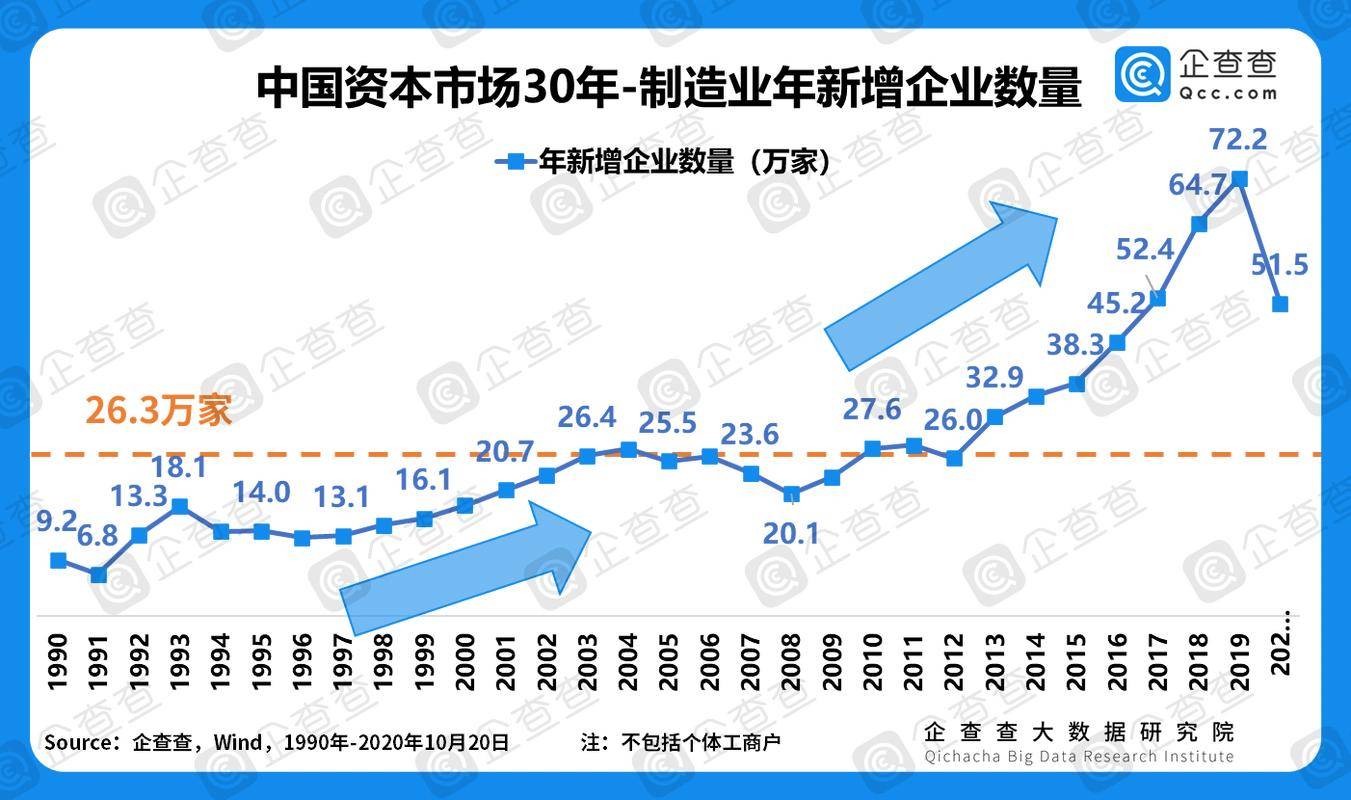
Economic Overview - The A-share market has risen from 3350 points at the beginning of the year to around 4000 points, reflecting the real economic fundamentals, with technology and non-ferrous sectors performing well while consumption and coal sectors lagged [1] - Economic growth has been steady in the first three quarters, with the annual target remaining stable, but significant structural changes are occurring beneath the surface [3] Real Estate and Investment Trends - Real estate investment has declined for four consecutive years, with fixed asset investment experiencing its first decline on record, while exports and consumption have taken on a more significant role [3] - The adjustment in the real estate sector has led to a rationalization of housing prices, and new industries are emerging to support economic growth, with state-owned enterprises investing nearly 40% in strategic emerging industries like new energy and integrated circuits [3] Consumption and Export Dynamics - Core CPI has been rising, indicating a stable consumption market, while exports have shown unexpected growth despite a complex external environment, driven by diversified trade layouts [5] - ASEAN has been China's largest trading partner for five consecutive years, with over 90% of manufacturing exports going to this region, particularly in machine tools and auto parts [5] Price Trends and Corporate Profitability - The recent increase in CPI and the narrowing decline in PPI suggest an improvement in supply-demand relationships, with rising prices in industries like photovoltaic equipment and non-ferrous metal smelting, indicating a better profit environment for companies [7] - The best-performing non-ferrous sector is attributed to the continuous rise in gold prices, with the central bank increasing its gold reserves for 12 consecutive months, reaching 74.09 million ounces by the end of October [9] Sector Performance Insights - The communication and electronics sectors have surged due to the explosion of AI computing power and domestic substitution, exemplified by North Huachuang's net profit exceeding 5.1 billion yuan in the first three quarters [9] - Conversely, the consumption and coal sectors have underperformed due to low food prices affecting profitability and international commodity price declines putting pressure on traditional energy companies [10] Capital Flow and Market Dynamics - The continuous decline in 10-year treasury yields and bank deposit rates has lowered the opportunity cost of investing in the stock market, leading to increased capital inflows into equity funds and bank wealth management products [12] - A-share valuations remain reasonable compared to U.S. stocks, with attractive dividend yields, further drawing investor interest [12] Structural Market Trends - Companies like Laplace, a leader in photovoltaic equipment, have shown steady profit growth supported by N-type technology, indicating that market performance is based on solid fundamentals rather than mere speculation [14] - The structural market trends reflect the economic transition, with declining reliance on real estate, the rise of emerging industries, and optimized export patterns, all of which are mirrored in corporate profitability and capital flows [14] Future Outlook - Understanding the direction of economic transformation allows for better interpretation of stock market signals, with a focus on new productive forces, diversified exports, and technological advancements as key opportunities in a structural market [16]

别被暴跌吓倒!下周或现黄金坑
Sou Hu Cai Jing· 2025-11-23 03:30
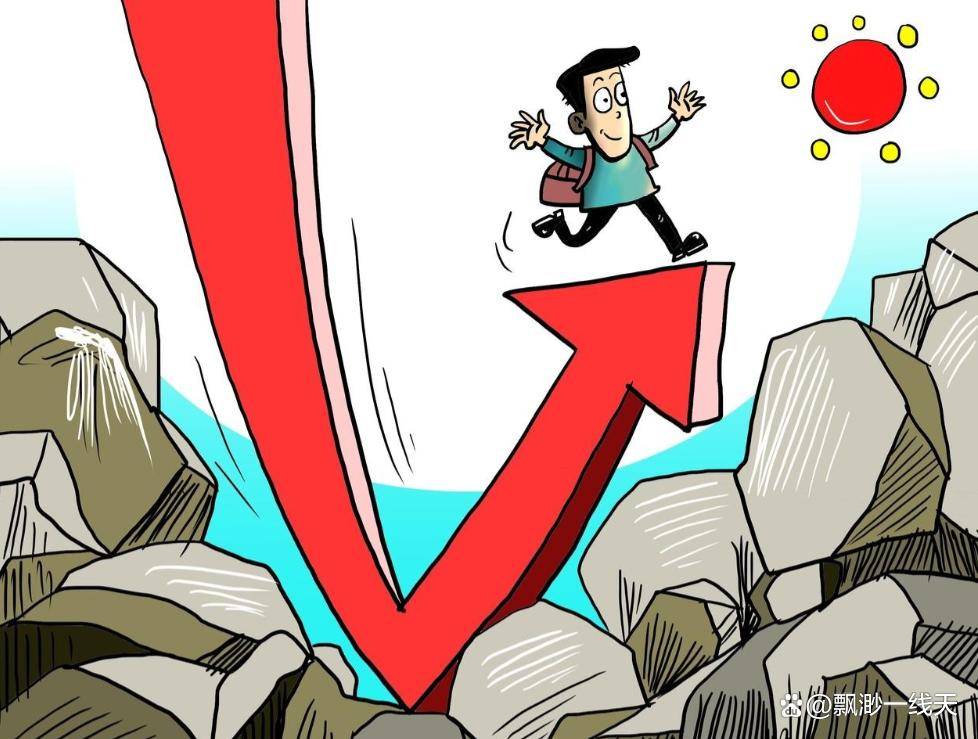
Core Viewpoint - The global capital markets experienced a significant sell-off of risk assets, with the A-share market also declining sharply, indicating a shift in investor sentiment towards defensive sectors [1] Market Performance - The Shanghai Composite Index fell by 3.90%, the Shenzhen Component dropped by 5.13%, and the ChiNext Index decreased by 6.15%, all reaching new lows [1] - Over 5,000 stocks declined, with nearly 100 hitting the daily limit down, reflecting extreme market pessimism [1] - Defensive sectors such as shipbuilding, cultural media, and agriculture showed resilience, while previously popular sectors like energy metals, batteries, and photovoltaic equipment faced significant losses [1] Global Market Context - The Hang Seng Index fell by 5.09%, the S&P 500 dropped by 1.95%, and the Nasdaq decreased by 2.74%, influenced by cooling expectations for interest rate cuts from the Federal Reserve and instability in the U.S. AI narrative [1] - Federal Reserve officials began to signal dovish stances, with New York Fed President Williams stating there is still room for rate cuts, potentially alleviating liquidity concerns [1] Technical Analysis - The Shanghai Composite Index has broken below the lower Bollinger Band, indicating significant short-term overselling [2] - Following the panic selling, some institutional funds are starting to position themselves against the trend, increasing the likelihood of a technical and emotional market recovery [2] Key Factors to Watch - Upcoming U.S. economic data, including September retail sales and PPI, could influence market sentiment, especially if they underperform, potentially reinforcing expectations for a December rate cut [3] - International events such as the progress of the Russia-Ukraine peace plan and the UK's autumn budget may also impact market emotions [4] Sector Opportunities - Performance certainty will remain a core theme, with technology sectors like AI applications, robotics, and storage chips showing potential for recovery due to their recent declines and technological advancements [4] - Low-valuation, high-dividend sectors like banks and utilities are suitable for risk-averse investors [4] Investment Strategy - Prioritize high-quality stocks with solid performance and significant pullbacks while avoiding speculative stocks [5] - Continuous monitoring of Federal Reserve policy and global economic data is crucial, as these will be key variables determining market direction [6] Market Signals - A successful market rebound, even if limited, would indicate the market's self-repair mechanism is functioning, suggesting underlying resilience [6] - Conversely, a failure to rebound would signal that market confidence is still fragile and that a trend reversal is not yet imminent [6][7] Observational Approach - Investors should remain vigilant, recognizing that the market may still be searching for a true bottom, requiring patience and careful observation [7] - Quality rebounds should be accompanied by increasing trading volume and orderly rotation of market hotspots, while weak performance may indicate deeper adjustment pressures [8]
收评:连跌5天,跌幅超3%,大家情绪都崩溃了!下周,A股会迎来救赎吗
Sou Hu Cai Jing· 2025-11-22 06:05
Market Overview - A-shares experienced significant declines, with the Shanghai Composite Index closing at 3834.89 points, down 2.45%, and the Shenzhen Component Index down 3.41% [1] - Over 5000 stocks in the market fell, indicating a widespread downturn, with many stocks seeing cumulative declines exceeding 10% over two weeks [5] Sector Performance - The lithium mining sector faced a "limit down" trend, with companies like Ganfeng Lithium and Shengxin Lithium Energy hitting their daily trading limits [2] - The storage chip sector saw sharp declines, with companies like Purun Co. and Shannon Chip Innovation dropping over 10% [3] - The photovoltaic equipment sector also adjusted collectively, with Jinchen Technology hitting its daily limit down [4] Risk Factors - Global risks, particularly the fluctuating expectations around the Federal Reserve's interest rate decisions, have contributed to market volatility [6][7] - The Japanese bond market's increased volatility has raised global asset pricing risk premiums, affecting high-valuation assets, especially in AI and technology sectors [8][9] - The AI computing sector, a crowded investment area, is experiencing a shift as investors reassess risks, impacting related stocks in A-shares [11] Domestic Influences - Core technology sectors have seen significant declines over the past two weeks, with the large fund holdings index dropping approximately 3.24% last week and over 4% this week [12] - Semiconductor and chip-related indices have also experienced double-digit corrections, indicating that the recent downturn is a cumulative risk release rather than an isolated event [13] Market Dynamics - The market has shown a pattern of "slow rise and rapid decline," with main funds managing their positions strategically [18][19] - The AI computing sector has been central to the recent sell-off, being the most sensitive to valuation changes amid external pressures [20][21] Technical Analysis - The 20-week moving average is identified as a critical support level for the market, with expectations of further declines towards this level before potential stabilization [23][25] - The Shanghai Composite Index is currently near the 20-week line, which is projected to provide significant technical support [25] Investment Strategy - Investors are advised to avoid panic selling during downturns and to reassess their portfolio allocations, focusing on valuation and performance stability [34][36] - The current market environment is viewed as a phase of "stage adjustment" rather than a beginning of a medium-term downtrend, suggesting a potential for recovery after the risk release [28][42]
锦浪科技最新筹码趋于集中
Zheng Quan Shi Bao Wang· 2025-11-21 13:42
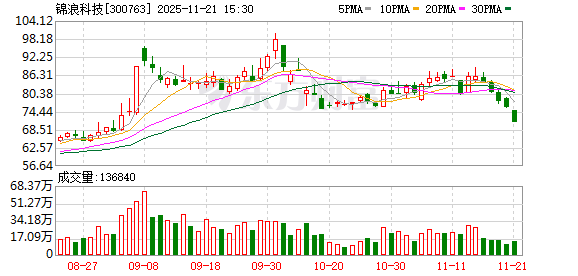
Core Insights - Jinko Technology reported a decrease in the number of shareholders to 74,152 as of November 20, down by 5,554 from the previous period, representing a decline of 6.97% [2] - The closing price of Jinko Technology was 70.91 yuan, down 6.51%, with a cumulative decline of 16.48% since the concentration of shares began [2] - The latest margin trading data shows a total margin balance of 1.854 billion yuan, with a financing balance of 1.843 billion yuan, reflecting a slight increase of 315,000 yuan or 0.02% during the current period [2] - For the first three quarters, Jinko Technology achieved operating revenue of 5.663 billion yuan, a year-on-year increase of 9.71%, and a net profit of 865 million yuan, up 29.39% year-on-year, with basic earnings per share of 2.19 yuan and a weighted average return on equity of 9.93% [2]

A股收评:满屏绿!金融科技齐挫,锂电池板块掀跌停潮!
Ge Long Hui· 2025-11-21 07:53
Market Overview - The Asia-Pacific stock markets experienced a collective decline, with A-shares' three major indices falling significantly. The Shanghai Composite Index dropped by 2.45% to 3834 points, the Shenzhen Component Index fell by 3.41%, and the ChiNext Index decreased by 4.02% [1] - The total market turnover reached 1.98 trillion yuan, an increase of 261 billion yuan compared to the previous trading day, with nearly 5100 stocks declining, including around 100 stocks hitting the daily limit down [2] Sector Performance - The battery and lithium mining sectors faced a wave of limit-down stocks, with companies like Ganfeng Lithium, Jiangte Motor, and Tianqi Lithium seeing nearly twenty stocks hit the limit down [3][6] - The photovoltaic equipment sector also saw significant declines, with stocks like Jincheng Co. and Weidao Nano dropping over 9%, and GCL-Poly Energy falling over 8% [8] - Semiconductor and chip stocks were among the hardest hit, with Guoke Microelectronics dropping over 12% and several others hitting the limit down [10] Notable Stocks - Ganfeng Lithium (stock code: 002460) saw a price drop of 10% to 64.14 yuan, with a total market value of 132.12 billion yuan [7] - Industrial Fulian (stock code: 601138) fell by 7.99% to 60.67 yuan, with a market capitalization of 1.2 trillion yuan [8] - The AI application sector showed some resilience, with stocks like Yidian Tianxia and Vision China hitting the daily limit up, reflecting positive sentiment in this niche [11] Future Outlook - According to招商证券, the market is expected to continue showing a rotation between technology and cyclical sectors. The recovery of market risk appetite will depend on upcoming U.S. economic data and statements from the Federal Reserve [12] - 中信建投 suggests that technology growth remains a market focus, but with some sectors reaching high valuation levels, there is a need to actively seek other growth opportunities. Resource commodities may emerge as a new main direction for A-shares following technology, driven by global monetary easing and domestic inventory replenishment cycles [12]