
军事装备

Search documents
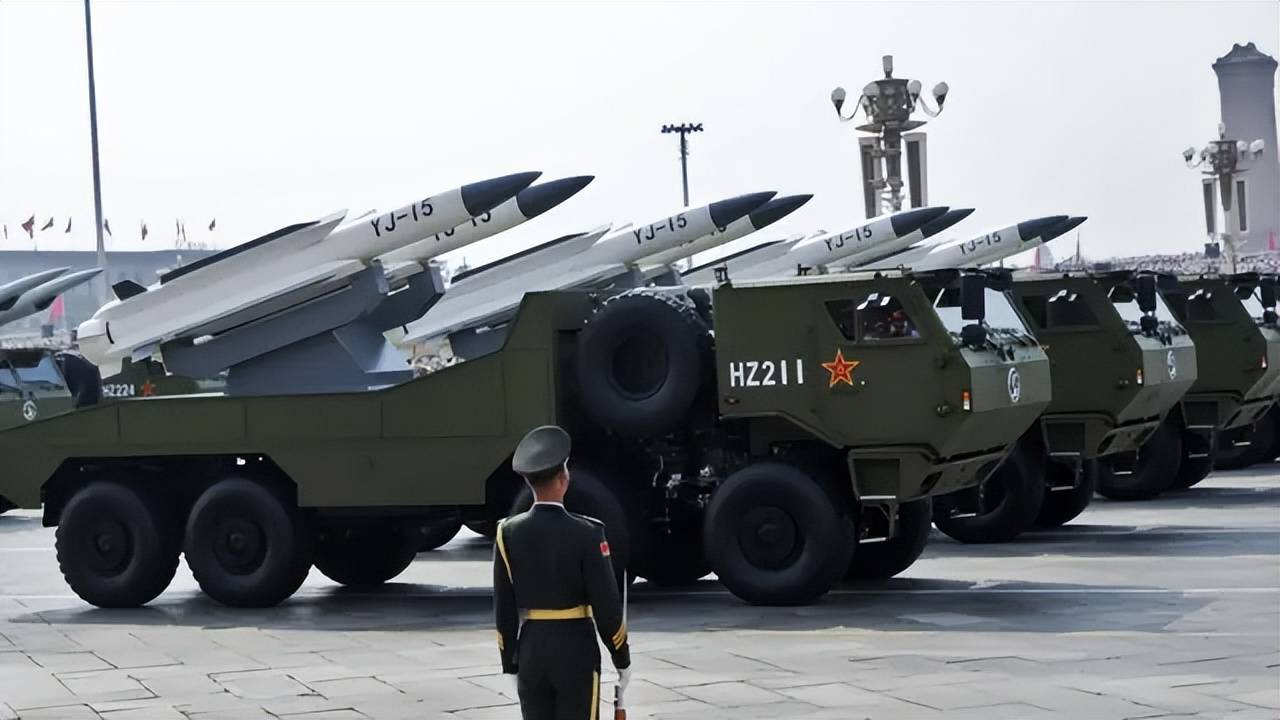
再说九三阅兵的意义,中国要改变人类战争的形式和性质!
Sou Hu Cai Jing· 2025-09-07 05:24
Group 1 - The core viewpoint of the articles revolves around the manipulation of economic data by the Federal Reserve to influence global financial markets, particularly in the context of the upcoming interest rate cuts in the U.S. [1][5] - The U.S. labor department's employment statistics have been criticized for their unreliability, with significant revisions that raise questions about the integrity of the data [3][5] - The anticipated interest rate cuts in the U.S. are viewed as a positive signal for global markets, including China's A-shares [5] Group 2 - The focus shifts to the recent military parade on September 3, which is seen as a significant event showcasing China's military capabilities and future warfare concepts [7][11] - The parade highlighted new weaponry and emphasized a shift in warfare ideology towards achieving "zero casualties" in conflicts, which could redefine the nature of warfare [11][15] - The strategic display of advanced military equipment aims to deter adversaries and ensure that any potential conflict can be conducted without loss of life, marking a transformative approach to military engagement [13][15][17]

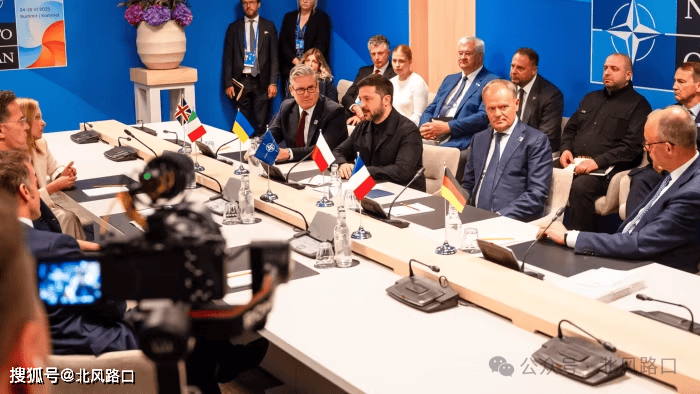
特朗普施压欧洲,“自愿联盟”动真格
Sou Hu Cai Jing· 2025-09-05 04:52
Group 1 - The core issue for Russia is the dilemma of either ceasing fire, which would mean failing to achieve its minimum objectives, or continuing the conflict, which is leading to increased losses and pressure on military and economic fronts [2] - The "Voluntary Alliance" meeting in Paris involved 35 countries, with a significant majority of the global community supporting Ukraine, indicating that Ukraine has ample allies [8] - The meeting participants agreed to enhance support for Ukraine and increase pressure on Russia, with discussions on the 19th set of sanctions by the EU and Japan's involvement in these measures [9][11] Group 2 - Macron announced that 35 leaders from the "Voluntary Alliance" are prepared to make political commitments, with 26 countries willing to send troops or provide specific assets to support security forces in Ukraine [11] - The UK plans to provide long-range missiles and has allocated £10 million (approximately $13 billion) from frozen Russian assets to aid Ukraine, which includes a large quantity of military supplies [15] - Germany is preparing to increase investments in air defense and long-range strike capabilities, with plans to equip four mechanized brigades in Ukraine with around 480 armored vehicles annually [18] Group 3 - Ukraine is actively targeting Russian oil refineries and infrastructure, resulting in a 24.2% loss of refining capacity in August alone, aiming to cripple Russia's energy economy and force concessions [20] - The ongoing military actions by Ukraine are not just defensive but are aimed at achieving victory, with the development of a robust long-range strike capability [20] - The narrative suggests that Russia's historical pattern of external expansion is failing, with the current conflict expected to result in significant costs for Russia without achieving its goals [23]
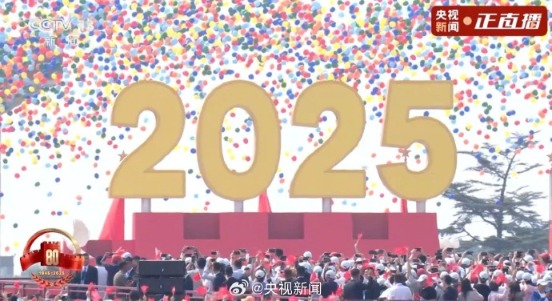
中国军队装备已NextLevel!DF61导弹、歼20S震撼亮相 还有机器狼、无人潜航器、高能激光武器 东风5C打击范围覆盖全球
Mei Ri Jing Ji Xin Wen· 2025-09-03 04:06
Core Points - The event commemorated the 80th anniversary of the victory in the Chinese People's Anti-Japanese War and the World Anti-Fascist War, featuring a grand military parade in Tiananmen Square [1] - A total of 45 formations participated in the parade, showcasing the new military structure and capabilities of the People's Liberation Army (PLA) [3][6] - The parade highlighted advanced weaponry, including the DF61 missile and various unmanned combat systems, emphasizing China's military modernization [10][14] Military Developments - The military parade included new formations such as the military aerospace unit, cyber space unit, and information support unit, marking their first appearance at the event [6] - The "Machine Wolf," an unmanned combat equipment, was introduced, capable of remote control and autonomous operations for various combat support roles [14] - The naval unmanned combat unit displayed new unmanned underwater vehicles and systems, showcasing capabilities for stealth deployment and autonomous reconnaissance [16] Advanced Weaponry - The anti-drone unit featured systems capable of intercepting drones and cruise missiles, utilizing a combination of soft and hard kill methods [20] - The nuclear missile units presented a range of strategic nuclear capabilities, including air-launched, submarine-launched, and land-based intercontinental missiles, underscoring China's deterrent power [30][34] - The air force showcased advanced fighter jets, including the J-20S and J-35A, which are designed for multi-role operations and stealth capabilities [37] Airborne Operations - The airlift capabilities were demonstrated with the Y-20A and Y-20B transport aircraft, highlighting improvements in strategic deployment and operational versatility [41] - The bomber formations included the H-6N and H-6K, representing China's long-range strike capabilities [41]
俄军飞行员在座舱内拍到“伊斯坎德尔”弹道导弹升起瞬间
Xin Jing Bao· 2025-09-02 04:54
Core Viewpoint - The article highlights the recent exposure of a video showing the launch of the "Iskander" ballistic missile by Russian military pilots, emphasizing its effectiveness as a precision strike weapon against Ukrainian targets [1]. Group 1 - The "Iskander" ballistic missile is currently one of the most effective precision strike means used by the Russian military [1]. - The missile is noted for its strong penetration capability and high accuracy [1]. - It is frequently employed to target key objectives of the Ukrainian military [1].
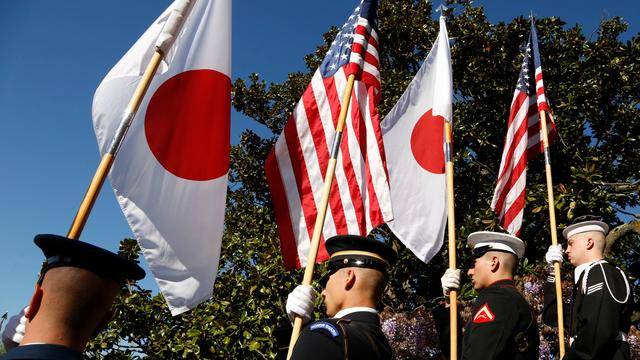
【环球财经】日本2026财年防卫预算申请额创新高
Xin Hua She· 2025-08-29 15:34
Group 1 - The Japanese Ministry of Finance announced a record-high defense budget request of 8.8454 trillion yen for the fiscal year 2026 [1] - Japan plans to enhance its coastal defense system by significantly investing in drones, with a total procurement budget of 312.8 billion yen [1] - The government aims to increase total defense spending to approximately 43 trillion yen over five years from 2023 to 2027, with a target of reaching 2% of GDP by fiscal year 2027 [1] Group 2 - Concerns have been raised regarding the justification for the high defense budget, with calls for transparency from the Ministry of Defense being denied [2] - Criticism has emerged about the potential use of national debt to fund military expansion, recalling historical lessons from past military conflicts [2]
为祖国争光 为军旗添彩——探营胜利日阅兵集训点
Ren Min Ri Bao· 2025-08-24 09:03
Core Viewpoint - The articles highlight the dedication and preparation of military personnel for the upcoming grand military parade on September 3, emphasizing the modernization and achievements of the Chinese military [1][4]. Group 1: Military Training and Preparation - Soldiers are undergoing intense training to ensure a flawless performance during the parade, showcasing their loyalty and commitment to their mission [1]. - Ding Hui, a seasoned soldier, reflects on his experiences over 32 years, witnessing the modernization of military equipment and expressing pride in participating in the parade for the sixth time [2][3]. - The training involves overcoming challenges posed by different military vehicle types, with Ding Hui innovating training methods to enhance performance [2]. Group 2: Air Force and Female Pilots - Female pilot Kang Kai is preparing for her role in the parade, aiming for precision in her flying maneuvers and expressing pride in representing female pilots [5][6]. - Kang Kai's journey to becoming a fighter pilot is inspired by her father's military legacy, and she emphasizes the physical and mental challenges she has overcome [6][7]. Group 3: Equipment Maintenance and Support - Yang Yuzhu, a maintenance technician, plays a crucial role in ensuring the operational readiness of military vehicles during the parade, showcasing his expertise in equipment repair [8][9]. - Yang's commitment to continuous learning and innovation in maintenance techniques reflects the evolving demands of modern military operations [9][10]. Group 4: Legacy and Motivation - The articles emphasize the importance of military heritage and the motivation it provides to current soldiers, as seen through the experiences of soldiers like Xiao Rongji, who embodies the spirit of dedication and resilience [12][13]. - The narrative reinforces the idea that striving for excellence and upholding the legacy of past heroes is essential for the current generation of military personnel [13].
中国最大的威胁,从来不是美国,阴魂不散的日本,早晚会卷土重来
Sou Hu Cai Jing· 2025-08-23 23:06
Economic Landscape - Japan is undergoing a significant structural transformation, moving out of deflation with a projected real GDP growth rate of 1.2% for 2025, contrary to the perception of a stagnant economy [6] - Japanese companies maintain a crucial position in the global supply chain, with an investment return rate of 18% from investments in China, significantly higher than returns from investments in Europe and ASEAN [6] Military Developments - Japan's defense budget has reached a record high of 8.7 trillion yen for the fiscal year 2025, with plans to increase defense spending to 2% of GDP by 2027, breaking the post-war "defensive" military stance [8] - The establishment of a "Joint Operations Command" by March 2025 will unify the command of the Ground, Maritime, and Air Self-Defense Forces, indicating a shift towards a more proactive military capability [8] Political Dynamics - The rise of right-wing and populist forces in Japan's political landscape is becoming increasingly influential, with radical parties gaining traction in the upcoming elections [12] - The current political climate is marked by a push for constitutional amendments and a normalization of Japan's military status, despite the Prime Minister's attempts to maintain a balanced approach [12] Strategic Implications - Japan's evolving role in the geopolitical landscape is characterized by deep economic ties with China while simultaneously enhancing its military capabilities and aligning closely with the U.S. [14] - The combination of economic interdependence and political opposition towards China creates a complex and uncertain relationship, necessitating a reevaluation of Japan's strategic intentions [14][16]
莫迪专机将飞往中国,却先收到1个坏消息,美代表团取消访问印度
Sou Hu Cai Jing· 2025-08-22 03:39
Core Viewpoint - The U.S. has unexpectedly canceled its planned visit to India, leading to the collapse of the sixth round of trade negotiations and the imminent implementation of a 50% tariff on Indian goods, which is unprecedented in U.S. trade history [2][3]. Group 1: U.S.-India Trade Relations - The U.S. Trade Representative's Office has not provided a clear explanation for the cancellation, but it signifies the end of hopes for tariff reductions [2]. - President Trump signed an executive order on August 6, imposing a 25% tariff on Indian imports, which, combined with a previously announced 25% tariff, totals a 50% tariff set to take effect on August 27 [2]. - The U.S. has been pressuring India to open its agricultural and dairy markets while India refuses to stop importing Russian oil, leading to a stalemate in negotiations [3]. Group 2: India's Response - India's Ministry of External Affairs criticized the U.S. actions as "unfair, unjust, and unreasonable," emphasizing that oil imports from Russia are driven by market demand and energy security [3]. - Prime Minister Modi has adopted a firm stance against U.S. pressure, advocating for self-reliance and the protection of domestic interests, including the announcement of a domestic chip production initiative [4]. - India has implemented countermeasures, including freezing military purchases from the U.S. and imposing a 150% tariff on American whiskey [4]. Group 3: Strategic Shifts - India is adjusting its foreign policy by engaging with Russia and China, aiming to reduce reliance on the U.S. dollar and establish a trade mechanism using the rupee [6][9]. - The visit of Chinese Foreign Minister Wang Yi to India coincides with these developments, highlighting a potential shift towards deeper cooperation between India and China [7]. - India's Finance Minister has proposed a "BRICS payment system," indicating a strategic pivot away from blind adherence to U.S. policies [9]. Group 4: Economic Implications - The 50% tariff could severely impact key Indian industries such as steel and pharmaceuticals, leading to significant economic losses and a breakdown in trust between the two nations [9]. - Modi's upcoming visit to the UN General Assembly is seen as a crisis management effort rather than a genuine attempt to repair relations with the U.S. [9]. - The situation reflects India's growing awareness that following U.S. policies may not yield the technological and financial support needed for its industrialization [9]. Group 5: Future Outlook - The upcoming Shanghai Cooperation Organization summit may serve as a pivotal moment for India to reshape its relationships and foster cooperation among developing countries against unilateral actions [11]. - The evolving dynamics between India and the U.S. suggest a move towards greater strategic autonomy for India, with global implications for trade and diplomacy [11].
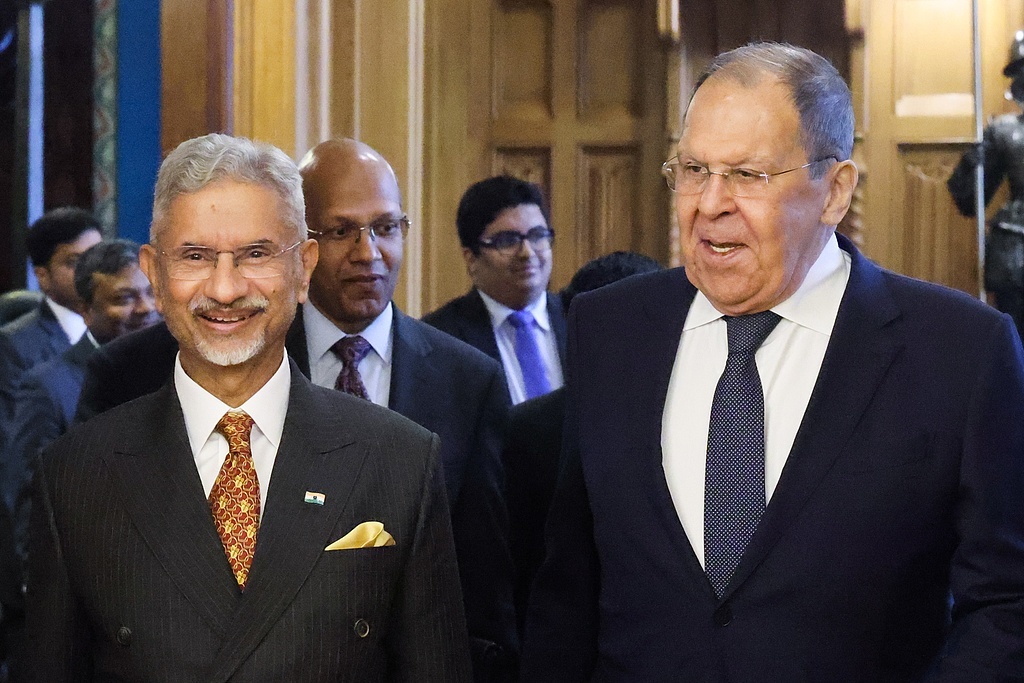
顶着美国压力,印俄外长谈能源合作
Huan Qiu Shi Bao· 2025-08-21 22:54
Group 1 - The meeting between Russian Foreign Minister Lavrov and Indian Foreign Minister Jaishankar aims to strengthen the strategic partnership between India and Russia, particularly in the energy sector [1][3] - India plans to increase trade with Russia by approximately 50% over the next five years, reaching around $100 billion, amidst rising tensions in India-US relations [3][4] - India remains committed to purchasing Russian oil based on its national interests, despite pressure from the US, which has imposed tariffs on Indian goods [4] Group 2 - The cooperation in oil and gas between India and Russia has yielded "good results," with intentions to develop joint energy production projects [3] - The defense and military technology cooperation between the two countries is at a high level, indicating a solid foundation for future collaboration [3] - India and the Eurasian Economic Union have initiated negotiations for a free trade agreement to explore new markets and address current trade challenges [4]
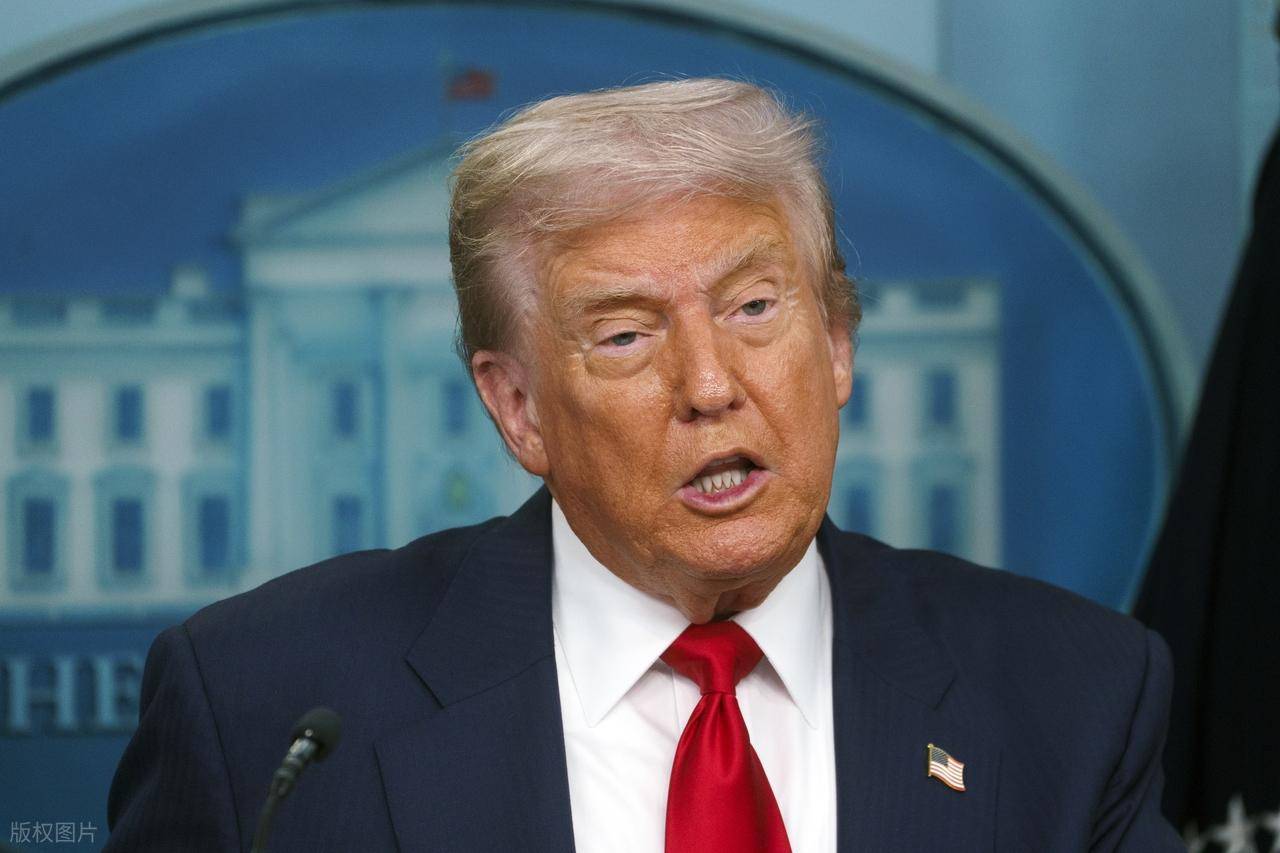
美国宣布,15%关税
Zheng Quan Shi Bao· 2025-08-21 13:21
Group 1 - The core point of the news is that the United States and the European Union have reached a framework agreement for a trade deal, which includes a 15% uniform tariff on most EU imports and the elimination of all tariffs on US industrial products by the EU [1][3][4] - The agreement outlines 19 key areas, including agricultural products, automobiles, aircraft, semiconductor chips, energy, and digital trade barriers [3][8] - The US will apply either the most-favored-nation (MFN) tariff rate or a 15% tariff rate on EU-origin goods, with specific products subject to MFN tariffs starting from September 1, 2025 [3][5] Group 2 - The EU will eliminate all tariffs on US industrial products and provide preferential market access for various US agricultural products, including nuts, dairy, and meat [7][8] - The EU plans to purchase $750 billion worth of US energy products, including liquefied natural gas and nuclear products, and at least $40 billion in US AI chips for data center construction [8][9] - Both parties agreed to negotiate rules of origin to ensure that the benefits of the agreement are shared primarily between the US and the EU [9][10]