基金

Search documents
大幅溢价!午后临时停牌
天天基金网· 2026-03-24 05:11
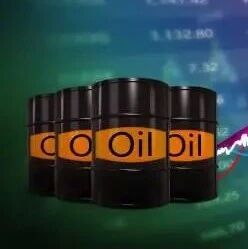
Core Viewpoint - The recent surge in oil and gas ETFs is primarily driven by ongoing geopolitical conflicts and significant capital inflows, leading to high premiums and volatility in these products [5][7]. Group 1: Market Performance - On March 23, several oil and gas ETFs experienced a trading halt after reaching their daily limit, with a notable rebound on March 24, where the S&P Oil & Gas ETF from Wanhua surged nearly 7% and the one from Jiashi rose over 5% [2][3]. - As of March 23, oil and gas ETFs have seen a net subscription of nearly 5.2 billion units in March alone, with specific funds like Guotai Zhongzheng Oil and Gas ETF and Penghua National Oil and Gas ETF attracting over 1 billion units each [7]. - The trading volume for the S&P Oil & Gas ETFs from Jiashi and Wanhua reached approximately 53.8 billion yuan and 42.8 billion yuan respectively in March [7]. Group 2: Investment Drivers - Analysts attribute the strong performance of oil and gas ETFs to the escalation of geopolitical tensions, which has heightened inflation expectations in the U.S. and increased uncertainty in global markets [9][10]. - The current macroeconomic uncertainty has made the oil and gas sector attractive due to its defensive characteristics and high dividend yields, resulting in a continuous influx of capital into these ETFs [10]. Group 3: Risks and Opportunities - The high premiums and volatility of oil and gas ETFs are notable, with a premium rate of around 33% for the S&P Oil & Gas ETF from Wanhua as of March 24 [7]. - If geopolitical tensions escalate further, oil prices may remain elevated; conversely, any signs of de-escalation could lead to a rapid correction in these products [5][12]. - Different types of oil and gas ETFs have shown varied performance due to their underlying assets, with upstream exploration and production companies benefiting the most from rising oil prices [13].


这些石油基金集体公告!停牌一小时
证券时报· 2026-03-24 04:33
Core Viewpoint - The oil funds have shown remarkable performance amidst a broader market decline, with several funds hitting the daily limit up on March 23, 2026, indicating strong investor interest and potential risks associated with price premiums in the secondary market [1][2]. Group 1: Fund Performance - Multiple oil funds, including Southern Oil LOF (501018), Jiashi Oil LOF (160723), and E Fund Oil LOF (161129), experienced significant gains, with Southern Oil LOF leading at a year-to-date increase of 62.92% as of March 23, 2026 [2][3]. - The top seven performing oil funds have all outperformed the market, with Jiashi Oil LOF and E Fund Oil LOF both nearing a 60% increase year-to-date [2][3]. - The recent surge in oil fund prices has led to warnings about potential price premiums, with Jiashi Oil LOF reaching a historical high of 2.904 yuan [3][4]. Group 2: Market Dynamics - The geopolitical situation, particularly conflicts in the Middle East, has significantly influenced oil prices, with supply disruptions leading to an increase in oil prices and a projected supply shortfall of 2 million barrels per day [7][8]. - The ongoing conflict has prompted a wave of new oil and gas-themed funds, with 12 fund companies reporting new oil and gas funds this year, indicating strong market demand [7]. - The average forecast for Brent crude oil prices in 2026 has been raised to $90 per barrel, up from a previous estimate of $78 per barrel, reflecting expectations of sustained high prices due to supply constraints [8].

极端情绪下的微观交易结构观察:暴雨洗尘,春山可望
Orient Securities· 2026-03-24 02:47
1. Report Industry Investment Rating - The report does not mention the industry investment rating [8] 2. Core Viewpoints of the Report - During the recent market adjustment, many major broad - based index ETFs showed the characteristics of increasing trading volume day by day and during the session, especially on March 23, when many products had a significant increase in volume at the end of the session [7][10] - After the market closed on March 23, the quantitative signals quickly strengthened, but there was differentiation among sectors. The technology sector had relatively weak signals [7] - In terms of style, the mid - cap blue - chip market is still favored, and the agriculture and manufacturing industries are optimistic, with a focus on the photovoltaic sector [7] 3. Summaries According to the Directory 3.1 3月23日主要宽基指数ETF成交量明显放大 - During the recent market adjustment, many major broad - based index ETFs showed the characteristics of increasing trading volume day by day and during the session. On March 23, when the market had a significant adjustment, many ETFs showed significant volume increases after 14:45. For example, the trading volume of Huatai - Berries CSI 300ETF, Huaxia SSE 50ETF, Southern CSI 500ETF, and Southern CSI 1000ETF in the last 15 minutes accounted for 10.5%, 17.8%, 8.8%, and 15.9% of the whole - day trading volume respectively [10] 3.2 盘后量化模型信号迅速转强,市场有望迎来反弹 3.2.1 下跌后估值安全边际提升 - As of March 23, 2026, with the change in market sentiment, the price - to - earnings ratios of major A - share broad - based indexes have fallen back to a reasonable range. Compared with March 2, the valuation quantiles of major broad - based indexes have significantly decreased, and the market has become more rational. Currently, they are mostly in the 70 - 80 quantiles, providing a higher safety margin for equity assets [24] 3.2.2 3月23日盘后量化信号迅速转强 - **Broad - based index short - term signal strengthening**: The short - term signal of broad - based indexes has a good historical performance. On March 23, the quantitative signals of major broad - based indexes quickly strengthened after the market closed. Since 2026, the quantitative signals were strong in January, neutral in February, and weakened at the end of March. With the rapid decline of the market on March 23, the quantitative signals returned to the previous high level [30][35] - **Industry medium - term signal strengthening but sector differentiation**: The monthly medium - term signal of industry indexes also has an indicative effect. Similar to the performance of broad - based index signals, the quantitative signals indicating the industry strength in the next month also strengthened, but there was differentiation among sectors. The signals of value - based sectors were strong, while the expectations of the technology sector were still relatively weak, and the mid - cap blue - chip style is expected to continue to strengthen [38][40] 3.3 继续看好农业与制造,重点关注光伏板块 - Despite the high uncertainty in the external situation, the investment opportunities still focus on stocks with medium - risk characteristics, and the characteristics of mid - cap blue - chips will be further strengthened, with a focus on the cyclical and manufacturing sectors. In the context of the prominent global energy security requirements, the new energy industry (photovoltaic, wind power, power transmission) with global competitive advantages in China is the core main line of the manufacturing sector. The report lists relevant ETFs in the photovoltaic, power, and agricultural sectors for reference [46]
红利国企ETF银河(530880)开盘涨0.66%,重仓股中远海控涨0.72%,山煤国际跌1.60%
Xin Lang Cai Jing· 2026-03-24 01:39
Group 1 - The Hongli State-Owned Enterprise ETF Galaxy (530880) opened at 1.062 yuan, with an increase of 0.66% on March 24 [1][2] - Major holdings in the ETF include China Merchants Industry Holdings, which rose by 0.72%, while Shanxi Coal International, Lu'an Environmental Energy, Pingmei Shenma Energy, Hengyuan Coal Power, Shaanxi Coal and Chemical Industry, Yanzhou Coal Mining, and China Shenhua Energy experienced declines ranging from 1.14% to 2.50% [1] - The ETF's performance benchmark is the Shanghai Stock Exchange State-Owned Enterprises Dividend Index, managed by Galaxy Fund Management Co., Ltd., with a return of 9.24% since its establishment on October 30, 2024, and a return of 2.91% over the past month [2] Group 2 - A MACD golden cross signal has formed, indicating positive momentum for certain stocks [3]




渤海证券研究所晨会纪要(2026.03.24)-20260324
BOHAI SECURITIES· 2026-03-24 01:06
Group 1: Fund Research - The equity market indices mostly declined, with the largest drop in the CSI 500, which fell by 5.82% during the week from March 16 to March 20, 2026 [2] - Ant Fund's equity holdings surpassed 1 trillion yuan for the first time, indicating significant growth in public fund assets [2] - A new batch of 15 hard technology-themed funds was approved, reflecting a focus on innovative sectors [2] Group 2: Fund Performance - The average decline for equity funds was 3.30%, with only 8.73% showing positive returns; fixed income plus funds fell by 0.72% with a 14.90% positive return rate [3] - The average position of active equity funds was measured at 71.62%, a decrease of 5.95 percentage points from the previous period [3] - The ETF market experienced a net outflow of 4.05 billion yuan, with stock ETFs seeing the largest outflow of 8.803 billion yuan [3] Group 3: Industry Research - The soft drink industry in China is projected to reach a market size of 1.25 trillion yuan in 2024, accounting for approximately 12.70% of the global soft drink market [5] - The leading category in the domestic soft drink market is packaged drinking water, with a market share of 21.50%, followed by tea beverages [5] - The Tianjin soft drink industry produced 3.3021 million tons in 2025, representing only 1.84% of the national total, but benefits from strong industrial foundations and strategic location [6] Group 4: Brand Development - The revival of the Beijing Beibingyang brand offers valuable lessons for Shanhaiguan, emphasizing brand heritage, product innovation, and diversified channel development [6] - The consumer base is shifting towards younger generations, with health and self-indulgence becoming key demands, indicating a need for soft drink companies to adapt their product offerings [6] - Shanhaiguan Soda, a century-old local brand, aims to expand nationally while leveraging its strong local market presence [6]
拓普集团出资3亿设立产业基金,聚焦智能制造与机器人产业链;视觉中国子公司出资3000万参设2.9亿数字经济产业基金 | 03.16-03.22
创业邦· 2026-03-24 00:09
Core Insights - The article provides a comprehensive overview of recent developments in private equity funds, highlighting significant fund expansions and new fund establishments across various regions and sectors [5]. Government-Backed Funds - The Xi'an High-tech Emerging Industry Investment Fund has expanded its size from 5 billion to 10 billion RMB and adjusted its duration to a perpetual fund, focusing on strategic emerging industries and hard technology [7]. - The Yangquan 300 million RMB New Industry Mother Fund is actively seeking GP management institutions to support 14 strategic emerging industries in Shanxi Province [8]. - The Wuhan Yangtze River New Area Future Industry Guidance Fund has been established with a total scale of 1 billion RMB, focusing on new energy, artificial intelligence, and biotechnology [9]. Market-Driven Funds - The Jinan Steel Group and Haitong Kaien have established a 500 million RMB smart manufacturing fund, emphasizing collaboration between state-owned and private capital [10]. - The Wenzhou Science and Technology Innovation Fund has launched five new sub-funds totaling 950 million RMB, targeting artificial intelligence, biomedicine, and high-end manufacturing [10]. - The Xiamen Jianfa AI Fund has been registered with a total investment of 500 million RMB, focusing on the artificial intelligence sector [11]. Industry-Specific Funds - The Jinhua Guokun Tuo Xin Fund, the first S-function mother fund in Zhejiang, has been established with a scale of 1 billion RMB, aiming to enhance local industry collaboration [12]. - The Qingdao Qingtie Ke Xin Venture Capital Fund has been set up with a total investment of 50 million RMB, marking a collaboration between private enterprises and state-owned assets [13]. - The Jiangsu Province New Industry High-Quality Development Fund is seeking to attract investment to support strategic emerging industries [13]. Investment Trends - The article notes a trend of increasing fund sizes and the establishment of new funds focusing on high-tech and strategic industries, indicating a robust investment environment [5]. - There is a notable emphasis on collaboration between government and private sectors to enhance funding for emerging technologies and industries [10][12]. - The establishment of funds targeting specific sectors such as artificial intelligence, biotechnology, and advanced manufacturing reflects a strategic focus on innovation and technological advancement [11][12].




这些石油基金集体公告!今日停牌一小时
券商中国· 2026-03-23 23:28
Core Viewpoint - On March 23, amidst a significant market decline, several oil funds experienced a collective surge, showcasing their resilience in a challenging environment [1][2]. Group 1: Market Performance - Multiple oil funds, including Southern Oil LOF (501018), Jiashi Oil LOF (160723), and others, announced a trading suspension due to significant price premiums over net asset values, indicating heightened market activity and investor interest [2][4]. - As of March 23, Southern Oil LOF (501018) led with a year-to-date increase of 62.92%, followed closely by Jiashi Oil LOF (160723) and Oil LOF Yifangda (161129) with nearly 60% gains, outperforming the broader market [2][3]. - The recent surge in oil prices is attributed to geopolitical tensions, particularly in the Middle East, which have led to supply disruptions and increased demand for oil-related investments [2][8]. Group 2: Fund Details - Jiashi Oil LOF (160723) reached a historical high of 2.904 yuan, with a monthly increase of 48.56%, prompting a trading suspension to protect investors from excessive premiums [3][4]. - Yifangda Oil LOF (161129) also saw a significant rise, reaching a historical high of 2.387 yuan, with similar trading suspension measures in place due to price premiums [4][6]. - The oil fund sector has attracted substantial capital inflows, with 12 fund companies reporting new oil and gas-themed funds this year, reflecting strong investor sentiment [7][8]. Group 3: Future Outlook - Analysts predict that ongoing geopolitical tensions will lead to a sustained increase in oil prices, with Brent crude forecasted to average $90 per barrel in 2026, up from a previous estimate of $78 [8]. - The potential for a global supply shortfall of 2 million barrels per day due to Middle Eastern conflicts and other factors may further elevate oil prices, benefiting domestic energy companies [8].
上海国泰海通证券资产管理有限公司基金行业高级管理人员变更公告
Shang Hai Zheng Quan Bao· 2026-03-23 19:09
Group 1 - The announcement date is March 24, 2026 [1] - The changes have been approved by the 73rd meeting of the second board of Shanghai Guotai Haitong Securities Asset Management Co., Ltd [1] - The changes have been filed in accordance with the new Securities Law requirements [1] Group 2 - Information regarding new senior management personnel is included [1] - Information regarding departing senior management personnel is also provided [1] - Other matters that need to be explained are mentioned [1]

This Vanguard ETF Could Be the Best for Growth Stock Investors
Yahoo Finance· 2026-03-23 16:23
Group 1 - The article discusses the use of exchange-traded funds (ETFs) as a way for investors to gain exposure to the stock market, with a focus on broad-based indexes like the S&P 500 or Nasdaq 100, as well as more selective ETFs aimed at outperforming the market [1][2] - Growth stock investing is highlighted as a successful strategy, particularly through the Vanguard Growth ETF (NYSEMKT: VUG), which has shown strong performance over time by focusing on rapidly growing companies [2][3] - The Vanguard Growth ETF tracks the CRSP US Large Cap Growth index, which includes over 150 stocks with market capitalizations ranging from approximately $5 billion to $4.5 trillion, indicating a broad range of investment opportunities [3] Group 2 - The Center for Research in Securities Prices (CRSP), now part of Morningstar, evaluates stocks using growth and value factors, focusing on expected future growth in earnings per share and historical growth metrics [4] - CRSP generates a growth score based on various criteria, including sales growth and the ratio of investment to assets, and also produces a value score based on price-to-book ratios and earnings [5] - Stocks assigned to either growth or value categories typically remain in those categories, but can migrate between them based on significant changes in their scores, with a two-step process for adjusting index holdings [6]
A股何时企稳?机构建议→
第一财经· 2026-03-23 16:18
Core Viewpoint - The article discusses the recent significant decline in A-shares and Hong Kong stocks, attributing it to heightened geopolitical risks and market adjustments, suggesting potential investment opportunities once market sentiment stabilizes [3][5]. Market Performance - On March 23, A-shares experienced a sharp decline, with the Shanghai Composite Index falling by 3.63% to 3813.28 points, the Shenzhen Component Index down 3.76% to 13345.51 points, and the ChiNext Index down 3.49% to 3235.22 points [3]. - The total trading volume in the Shanghai and Shenzhen markets exceeded 2.4 trillion yuan, an increase of over 150 billion yuan compared to the previous trading day [3]. - Over 5000 stocks in the market declined, with 29 out of 31 industry indices falling, while only coal and oil & petrochemical sectors saw gains [3]. Geopolitical Risks - The article highlights a shift in market perception regarding the Middle East conflict, which is now viewed as a prolonged issue rather than a temporary disturbance, leading to increased global inflation expectations [5]. - The U.S. Federal Reserve's recent decision to maintain interest rates, coupled with an upward revision of the year-end policy rate forecast from 2.0% to 2.5%, indicates tightening liquidity expectations [5]. Market Adjustment - The current market downturn is characterized as a phase of adjustment within a bull market, with historical data suggesting that corrections of 20% to 30% are normal [7]. - The rapid pace and intensity of the current decline have created a perception of a market end, although it is primarily driven by emotional responses rather than fundamental weaknesses [8]. Investment Strategies - Investors are advised to maintain a stable mindset and avoid panic-driven trading, focusing on controlling positions and potentially stepping back from the market to avoid short-term volatility impacts [10]. - Key indicators for assessing market stabilization include a decrease in trading volume below 1.7 trillion yuan and increased inflows into broad-based ETFs, signaling institutional support [10]. Long-term Outlook - Despite short-term pressures, the long-term outlook for Chinese assets remains positive due to strategic energy security initiatives and improvements in fundamental stability [11].