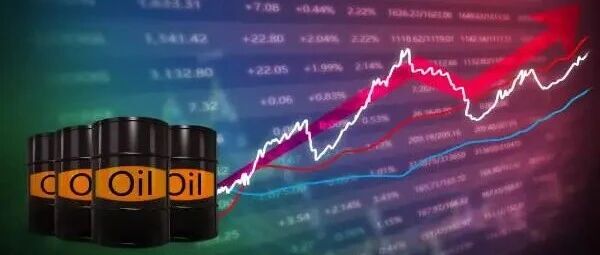
原油LOF易方达

Search documents
多只石油基金,再发临时停牌公告!3月最高大涨77%
券商中国· 2026-03-26 23:36
Core Viewpoint - The oil and gas funds have experienced remarkable growth in March, with some funds seeing increases of up to 77%, leading to heightened market attention and risk warnings from fund companies [1][6]. Group 1: Fund Performance - As of March 26, oil funds have shown outstanding performance, with seven out of the top ten LOF funds by year-to-date returns being oil-related [4]. - The top-performing fund, Southern Oil LOF (501018), has a year-to-date increase of 54.99%, while both Jiashi Oil LOF (160723) and Oil LOF Yifangda (161129) have also surpassed 50% [4]. - Monthly performance highlights include Jiashi Oil LOF rising by 77.37%, Oil LOF Yifangda by 66.28%, and Southern Oil LOF by 59.97% [6]. Group 2: Market Conditions and Risks - The high premium rates of oil funds are attributed to ongoing geopolitical tensions in the Middle East, which have significantly increased volatility in the international oil market [7]. - As of March 26, the premium rates for major oil LOFs were notably high, with Oil LOF Yifangda at 48.69%, Jiashi Oil LOF at 42.54%, and Southern Oil LOF at 41% [7]. - Fund companies have issued multiple risk warnings regarding the high premium rates in the secondary market, advising investors to be cautious about potential losses from investing in high-premium fund shares [8].

一天两次停牌难降资金热情,油气ETF为何这么“疯”?
第一财经· 2026-03-26 15:52
Core Viewpoint - The article discusses the significant premium rates in oil and gas ETFs driven by escalating geopolitical conflicts, highlighting the market's volatility and investor behavior amidst these conditions [3][4][8]. Group 1: Market Dynamics - The ongoing geopolitical tensions in the Middle East have pushed oil and gas products into a "high premium vortex," with the S&P Oil & Gas ETF experiencing a premium rate exceeding 27% [4][5]. - On March 26, the S&P Oil & Gas ETF from Fuguo saw a trading halt due to its high premium, with an intraday premium rate of 27.28% and a trading volume exceeding 2.07 billion yuan [5][6]. - Similar trends were observed in other oil-related products, with multiple LOF products also experiencing premium rates above 40% and trading volumes surpassing 1 billion yuan [5][6]. Group 2: Investor Behavior - Despite over 560 premium risk warnings issued in the past month, investor enthusiasm remains high, with significant net inflows into oil and gas ETFs, such as the S&P Oil & Gas ETF from Jiashi, which attracted 228 million yuan in net inflows since March 10 [6][8]. - The article notes that the high premium environment has led to frequent temporary trading halts, indicating a heightened level of market activity and investor speculation [6][7]. Group 3: Future Outlook - The article suggests that the current extreme premium situation is a result of geopolitical tensions, supply-demand mismatches, and trading mechanisms, with the ongoing Middle Eastern conflicts being a key catalyst [8][9]. - Analysts predict that oil prices may experience high volatility in the short term, influenced by Iran's actions in the Strait of Hormuz, with potential for rapid price adjustments if geopolitical tensions ease [9][10]. - Investment strategies are recommended to focus on domestic oil-related funds, emphasizing a long-term perspective rather than chasing short-term price spikes [9][10].

大幅溢价!午后临时停牌
天天基金网· 2026-03-24 05:11
Core Viewpoint - The recent surge in oil and gas ETFs is primarily driven by ongoing geopolitical conflicts and significant capital inflows, leading to high premiums and volatility in these products [5][7]. Group 1: Market Performance - On March 23, several oil and gas ETFs experienced a trading halt after reaching their daily limit, with a notable rebound on March 24, where the S&P Oil & Gas ETF from Wanhua surged nearly 7% and the one from Jiashi rose over 5% [2][3]. - As of March 23, oil and gas ETFs have seen a net subscription of nearly 5.2 billion units in March alone, with specific funds like Guotai Zhongzheng Oil and Gas ETF and Penghua National Oil and Gas ETF attracting over 1 billion units each [7]. - The trading volume for the S&P Oil & Gas ETFs from Jiashi and Wanhua reached approximately 53.8 billion yuan and 42.8 billion yuan respectively in March [7]. Group 2: Investment Drivers - Analysts attribute the strong performance of oil and gas ETFs to the escalation of geopolitical tensions, which has heightened inflation expectations in the U.S. and increased uncertainty in global markets [9][10]. - The current macroeconomic uncertainty has made the oil and gas sector attractive due to its defensive characteristics and high dividend yields, resulting in a continuous influx of capital into these ETFs [10]. Group 3: Risks and Opportunities - The high premiums and volatility of oil and gas ETFs are notable, with a premium rate of around 33% for the S&P Oil & Gas ETF from Wanhua as of March 24 [7]. - If geopolitical tensions escalate further, oil prices may remain elevated; conversely, any signs of de-escalation could lead to a rapid correction in these products [5][12]. - Different types of oil and gas ETFs have shown varied performance due to their underlying assets, with upstream exploration and production companies benefiting the most from rising oil prices [13].

这些石油基金集体公告!停牌一小时
证券时报· 2026-03-24 04:33
Core Viewpoint - The oil funds have shown remarkable performance amidst a broader market decline, with several funds hitting the daily limit up on March 23, 2026, indicating strong investor interest and potential risks associated with price premiums in the secondary market [1][2]. Group 1: Fund Performance - Multiple oil funds, including Southern Oil LOF (501018), Jiashi Oil LOF (160723), and E Fund Oil LOF (161129), experienced significant gains, with Southern Oil LOF leading at a year-to-date increase of 62.92% as of March 23, 2026 [2][3]. - The top seven performing oil funds have all outperformed the market, with Jiashi Oil LOF and E Fund Oil LOF both nearing a 60% increase year-to-date [2][3]. - The recent surge in oil fund prices has led to warnings about potential price premiums, with Jiashi Oil LOF reaching a historical high of 2.904 yuan [3][4]. Group 2: Market Dynamics - The geopolitical situation, particularly conflicts in the Middle East, has significantly influenced oil prices, with supply disruptions leading to an increase in oil prices and a projected supply shortfall of 2 million barrels per day [7][8]. - The ongoing conflict has prompted a wave of new oil and gas-themed funds, with 12 fund companies reporting new oil and gas funds this year, indicating strong market demand [7]. - The average forecast for Brent crude oil prices in 2026 has been raised to $90 per barrel, up from a previous estimate of $78 per barrel, reflecting expectations of sustained high prices due to supply constraints [8].

国家出手调控油价;北京三部门约谈12家平台企业……盘前重要消息还有这些
证券时报· 2026-03-24 00:00
Group 1 - The Chinese government is urging all parties to cease military actions in the Middle East to prevent further escalation and protect global economic development [2][3] - The National Development and Reform Commission announced temporary adjustments to domestic fuel prices due to significant increases in international oil prices, with gasoline and diesel prices adjusted by approximately 0.87 yuan and 0.95 yuan per liter, respectively [3] - The Dalian Commodity Exchange has adjusted the price fluctuation limits and margin levels for liquefied petroleum gas futures contracts, increasing the fluctuation limit from 11% to 14% for certain contracts [4] Group 2 - China Bank is enhancing risk prevention measures in the precious metals market [6] - Several funds, including E Fund and Jiashi, will be suspended from trading on March 24 until 10:30 AM [7][8][9] - WuXi AppTec reported a 105.2% year-on-year increase in net profit for 2025 and plans to distribute a dividend of 15.7927 yuan per share [10] - Fuxiang Pharmaceutical expects a year-on-year net profit increase of 2222.67% to 3250.01% for the first quarter [11] - Huate Gas anticipates limited impact on its 2026 performance from price increases of certain gas products [12] - Dashengda's stock price is significantly deviating from its fundamentals, indicating a risk of rapid decline [13] - Wantong Kai is planning to acquire 100% equity of Zeng Rui Zhi Control and will be suspended from trading starting March 24 [14] - Libet has signed three significant contracts with its subsidiaries [15] Group 3 - Zijin Mining repurchased 21 million A-shares on March 23 [19] - Yongguan New Materials' actual controller plans to increase shareholding by 50 million to 100 million yuan [19] - Changyuan Donggu is planning to acquire 100% equity of Xiangyang Kanghao Electromechanical Engineering Company and will be suspended from trading starting March 24 [19] - Huadian Liaoning Energy has seen a cumulative increase of 89.81% over ten trading days, with no significant changes in daily operations [19] - Cangge Mining plans to repurchase shares worth 200 million to 400 million yuan [19]

这些石油基金集体公告!今日停牌一小时
券商中国· 2026-03-23 23:28
Core Viewpoint - On March 23, amidst a significant market decline, several oil funds experienced a collective surge, showcasing their resilience in a challenging environment [1][2]. Group 1: Market Performance - Multiple oil funds, including Southern Oil LOF (501018), Jiashi Oil LOF (160723), and others, announced a trading suspension due to significant price premiums over net asset values, indicating heightened market activity and investor interest [2][4]. - As of March 23, Southern Oil LOF (501018) led with a year-to-date increase of 62.92%, followed closely by Jiashi Oil LOF (160723) and Oil LOF Yifangda (161129) with nearly 60% gains, outperforming the broader market [2][3]. - The recent surge in oil prices is attributed to geopolitical tensions, particularly in the Middle East, which have led to supply disruptions and increased demand for oil-related investments [2][8]. Group 2: Fund Details - Jiashi Oil LOF (160723) reached a historical high of 2.904 yuan, with a monthly increase of 48.56%, prompting a trading suspension to protect investors from excessive premiums [3][4]. - Yifangda Oil LOF (161129) also saw a significant rise, reaching a historical high of 2.387 yuan, with similar trading suspension measures in place due to price premiums [4][6]. - The oil fund sector has attracted substantial capital inflows, with 12 fund companies reporting new oil and gas-themed funds this year, reflecting strong investor sentiment [7][8]. Group 3: Future Outlook - Analysts predict that ongoing geopolitical tensions will lead to a sustained increase in oil prices, with Brent crude forecasted to average $90 per barrel in 2026, up from a previous estimate of $78 [8]. - The potential for a global supply shortfall of 2 million barrels per day due to Middle Eastern conflicts and other factors may further elevate oil prices, benefiting domestic energy companies [8].
超10只QDII基金同日预警风险
21世纪经济报道· 2026-03-20 00:39
Core Viewpoint - The article highlights the increasing premium risk associated with cross-border ETFs and LOFs amid heightened volatility in international financial markets, urging investors to be cautious and monitor secondary market prices closely [1][2]. Group 1: Premium Risk Alerts - Multiple QDII funds, including the E Fund's crude oil LOF and various ETFs, have issued over ten announcements since early March regarding premium risks, indicating a growing trend of frequent alerts [1][3]. - As of March 18, the E Fund's crude oil LOF had a premium rate of approximately 15%, with its secondary market closing price significantly exceeding its net asset value [3][4]. - The frequency of premium risk alerts has increased, with some funds resorting to temporary trading halts to manage high premium rates [3][4]. Group 2: Factors Contributing to High Premiums - The high premium rates are attributed to concentrated demand for overseas assets, such as oil, U.S. stocks, and semiconductors, combined with exhausted QDII foreign exchange quotas, leading to a supply-demand imbalance [4][5]. - The misalignment of trading hours in cross-border markets and lengthy subscription cycles further exacerbates price deviations, resulting in sustained high premiums [4]. Group 3: Investment Recommendations - Investors are advised to focus on the premium rates of QDII funds, avoiding purchases during high premium periods to mitigate potential losses from price corrections [6][7]. - It is recommended to prioritize funds with good liquidity and low tracking errors, and to adopt a long-term investment strategy rather than short-term speculation [7][9]. - Awareness of external factors such as foreign exchange quotas, subscription rules, and market risks is crucial for informed investment decisions [8][9]. Group 4: Regulatory and Company Actions - To address high premium risks, regulatory bodies should consider increasing QDII foreign exchange quotas and improving allocation efficiency, while fund companies need to issue timely alerts and implement subscription limits [9]. - Enhanced investor education regarding the risks of price deviations from net asset values is essential to reduce impulsive buying during high premium periods [9].

原油LOF集体下跌
第一财经· 2026-03-10 03:23
Core Viewpoint - Multiple oil-related LOFs experienced a temporary suspension of trading for one hour on March 10, followed by a collective decline upon resumption, with significant drops observed in their prices [1]. Group 1: Performance of Oil LOFs - The E Fund Oil LOF (161129) saw a decline of 4.00%, closing at 1.656, down from the previous close of 1.725, with a trading volume of 7.274 billion [2]. - The Southern Oil LOF (501018) dropped by 3.97%, closing at 1.668, down from 1.737, with a trading volume of 12.393 billion [3]. - The Qiqi Most Comprehensive LOF (160416) experienced a significant decline of 4.76%, closing at 2.380, down from 2.499, with a trading volume of 4.039 billion [4].

【早报】十四届全国人大四次会议今日上午开幕;白宫:美联储主席提名已提交
财联社· 2026-03-04 23:13
Industry News - Huawei's HarmonyOS "Five Realms" and "Hua Series" models will soon feature the new 896-line laser radar, with the first models being the ZunJie S800 and the WenJie M9 flagship [7] - Several brokerage firms are exploring the launch of 24/7 bank-securities transfer services, breaking traditional trading hour limitations and allowing for immediate fund transfers [7] - As of the last closing, PetroChina's stock price was 13.24 CNY per share, up 0.68%, with a market capitalization exceeding 2,143.848 billion CNY, surpassing Agricultural Bank of China [8] - Lenovo has issued a price adjustment notice to its channel partners, indicating a price increase for certain computer products [8] - Seedance 2.0 has announced pricing for video generation, with costs of 28 CNY per million tokens including video input, and 46 CNY per million tokens excluding video input [8] - IDTechEx predicts that the global humanoid robot market will reach approximately 29.5 billion USD by 2036, with initial adoption in automotive manufacturing and logistics [8] - FTSE Russell announced adjustments to the FTSE China Index Series, effective after the market close on March 20, 2026, including the inclusion of China Shipbuilding and WanHua Chemical [8] Company News - Farsens announced that it does not involve "special optical fibers" or "fiber optic sensing" businesses, and may apply for a trading suspension if stock prices continue to rise [11] - Moxi Co. expects a net loss of 90.76 million to 182 million CNY in the first quarter, a reduction compared to previous losses [17] - COSCO Shipping has suspended new booking services for routes related to the Middle East due to escalating regional conflicts [17] - Debang Co. has submitted a voluntary delisting application to the Shanghai Stock Exchange [17] - China National Offshore Oil Corporation's actual controller has increased its stake in the company by 403 million CNY [17] - Strong One Co. reported a 158% year-on-year increase in consolidated revenue for January and February, driven by surging demand for AI computing power [17]

满屏涨停!原油基金,太火爆!这些产品却大跳水,是何缘故?
券商中国· 2026-03-03 09:42
Core Viewpoint - The article highlights the ongoing surge in oil prices and the strong performance of oil and gas-related funds, while also noting a significant pullback in military, silver, and gold funds, indicating a mixed sentiment in the resource sector [1][3][4]. Oil and Gas Sector Performance - Multiple oil and gas ETFs, including those from 嘉实, 银华, 富国, 博时, and 汇添富, have hit the daily limit up, reflecting a robust market sentiment [1][4]. - As of March 3, the WTI crude oil price increased by 5.02% to $74.803 per barrel, while Brent crude rose by 5.03% to $81.653 per barrel [2]. - Year-to-date, several oil and gas ETFs have recorded gains exceeding 40%, with some surpassing 60% [4][5]. Fund Performance and Market Trends - The article provides a detailed table of various funds, showing significant daily and year-to-date returns for oil-related funds, with some funds like 原油LOF易方达 and 石油基金LOF achieving daily increases of around 10% [2][6]. - Conversely, military and precious metal funds experienced notable declines, with silver funds dropping over 8% and military funds falling by approximately 6% [3][5]. Market Sentiment and Future Outlook - The article notes a divergence in resource fund performance, with oil and gas funds continuing to rise while other sectors like military and precious metals face corrections [4][5]. - Analysts suggest that while the resource sector remains promising, there is a need for caution regarding short-term trading risks, emphasizing a return to fundamental analysis for investment decisions [8][10]. - The geopolitical landscape, particularly tensions involving Iran, is influencing oil prices and market dynamics, with potential implications for supply chains and inflation [9][11]. Strategic Insights - Investment strategies are shifting towards a focus on long-term fundamentals rather than short-term market movements, with an emphasis on cost analysis and sector rotation within the resource space [10]. - The article suggests that the demand structure is transitioning from real estate-driven to manufacturing-driven, particularly in technology and industrial sectors, which may present new investment opportunities [10].