
智慧农业

Search documents
摆脱“看天吃饭”,迈向“知天而作” 智慧农田带来“耕种管收”全程智能化
Zhen Jiang Ri Bao· 2025-11-17 23:41
Core Insights - The Qinglv Smart Agricultural Project in Jiepai Town, Danyang City has transitioned from construction to operation, showcasing a modern agricultural model that utilizes technology for efficient farming [1][2] - The project, covering approximately 1000 acres with a total investment of 33 million yuan, aims to achieve full-process intelligence in farming, integrating cloud computing and big data [2][3] Group 1: Project Overview - The Qinglv Smart Agricultural Project is designed to create a modern digital agricultural industrial park focused on rice, wheat, and oil production [2] - The core hardware facilities have been completed, and the smart agricultural platform is operational, enabling efficient management of agricultural activities [2][3] Group 2: Technological Integration - The project employs a network of sensors, cameras, and IoT devices to collect critical data on soil, climate, and pests, facilitating real-time monitoring and management [2][3] - The shift from traditional observation methods to data-driven approaches enhances decision-making and operational efficiency in agricultural practices [3] Group 3: Future Implications - The project aims to serve as a demonstration site, with plans to extend its benefits to approximately 6000 acres of farmland in the surrounding area [3] - The initiative is positioned as a key driver for regional agricultural modernization, promoting smart, digital, and precise farming practices among local farmers [3]
一场跨省马拉松,串联起农业创新新地标
Di Yi Cai Jing· 2025-11-16 08:59
Group 1 - The event serves as a vivid demonstration of the "collaborative prosperity" of the Yangtze River Delta integration [1][4] - The marathon route connects agricultural innovation landmarks, showcasing regional cooperation and the growth of new agricultural productivity [4] - The establishment of companies like Mu Jing Ecological Technology and Hou Ji Intelligent Technology highlights the resource complementarity in the Yangtze River Delta [4][8] Group 2 - Mu Jing Ecological Technology, founded in 2021, has developed a significant cultivation base in Pinghu, providing ecological restoration solutions for aquatic environments [4][13] - Hou Ji Intelligent Technology, a subsidiary of BOE, focuses on digital agriculture, offering system development and solutions that enhance productivity by over 20% and reduce labor costs by 30% [8] - The strawberry cultivation by Jiaxing Jiamei Agricultural Technology utilizes hanging cultivation technology, achieving double the density of traditional methods and a survival rate of over 95% for seedlings [12] Group 3 - The agricultural economic development zone in Pinghu is projected to achieve a GDP of 2.522 billion yuan in 2024, with an agricultural value-added growth rate of 4.5% [13] - The integration of technology, talent, and market resources from Shanghai with the agricultural foundation in Pinghu exemplifies a clear cross-regional cooperation logic [12]


青春共赴 数智同行
Zhong Guo Qing Nian Bao· 2025-11-16 05:41
Core Points - The 2025 Shanghai Cooperation Organization (SCO) Youth Exchange Camp focuses on enhancing digital skills among youth from SCO member countries, aiming to create new development momentum for the organization [7][10] - The event includes visits to various technological and cultural sites in China, showcasing advancements in automation, AI, and cultural heritage [8][9] Group 1: Technological Advancements - Youth representatives witnessed impressive technological achievements in high-tech enterprises, such as fully automated container terminals and AI applications in daily life [8] - The integration of AI and automation across industries was highlighted, with examples from companies like iFlytek, which applies AI in education, healthcare, and urban development [8][9] Group 2: Cultural Exchange - The event facilitated cultural understanding through activities that showcased traditional Chinese arts and crafts, fostering connections among youth from different countries [8][9] - Music and cultural performances served as a bridge for communication, emphasizing the importance of cultural exchange in building international relationships [9] Group 3: Youth Collaboration and Entrepreneurship - The SCO Youth Development Forum featured discussions on sustainable development and the importance of cross-border digital skills training to address global challenges [9][10] - Youth representatives expressed the need for collaboration and shared resources to enhance entrepreneurial efforts, viewing the SCO as a platform for innovation and growth [11][12] Group 4: Future Cooperation - The exchange camp is seen as a seed for future friendships and development, with participants optimistic about the potential for cooperation among SCO countries [12] - Discussions included the importance of leveraging unique cultural and developmental strengths of each member country to foster a collaborative environment [12]
中金 | 深度布局“十五五”:农业农村现代化篇
中金点睛· 2025-11-15 00:07
Core Viewpoint - The modernization of agriculture is driven by technological advancements and brand enhancement, which are essential for the transformation and upgrading of the modern agricultural industry chain [1]. Group 1: Agricultural Production Capacity Enhancement - The key to enhancing agricultural production capacity lies in agricultural technology modernization, with global food production increasing by 379% from 1961 to 2023, where yield growth contributed 75% [2]. - In China, the single crop yield for corn and soybeans in 2023 was only 59% and 57% of the levels in the United States, indicating significant room for improvement [2][4]. - The strategy of "storing grain in the land and technology" is crucial for ensuring food security, emphasizing the importance of land protection and quality improvement [2]. Group 2: Agricultural Technology Modernization - Agricultural technology modernization is vital for improving comprehensive agricultural production capacity, with a focus on seed technology and equipment technology [6]. - The 2025 Central Document No. 1 emphasizes the need for collaborative efforts in agricultural technology and the development of new agricultural productivity [6]. - The seed industry is experiencing a revival driven by strengthened intellectual property protection and technological advancements, with R&D investment by leading listed seed companies increasing from 40 million to 980 million yuan from 2010 to 2024 [7]. Group 3: Smart Agriculture - The continuous increase in policy support for smart agriculture is expected to drive long-term industry development, with land transfer areas rising from 450 million mu in 2015 to 590 million mu in 2023 [10]. - The penetration rate of smart agriculture in China is approximately 9%, compared to about 60% in Europe and the U.S., indicating significant future growth potential [10]. - The 2025 Central Document No. 1 and various action plans highlight the importance of smart agriculture in modern agricultural development [10]. Group 4: Intelligent Agricultural Equipment - The trend of urbanization has led to a decrease in agricultural labor supply, with the number of agricultural workers dropping from 330 million in 2005 to 160 million in 2023, resulting in rising labor costs [11]. - Technological advancements in intelligent agricultural equipment have improved efficiency across various agricultural operations, marking a turning point for "machine substitution" in agriculture [11][14]. - The cost of intelligent agricultural equipment is gradually decreasing, enhancing the competitiveness of machine-based operations over manual labor [11]. Group 5: Brand Agriculture - The high-quality development of the agricultural industry chain requires collaboration between upstream and downstream sectors, with a focus on enhancing the quality of agricultural products and processed foods [14]. - The development of brand agriculture is crucial for upgrading the overall value chain of agricultural products, with examples from kitchen foods and tea demonstrating successful practices [14][15]. - The kitchen food sector benefits from order agriculture, which ensures standardized and large-scale supply, while brand positioning enhances product value [15][19]. Group 6: Tea Industry - The tea industry faces challenges due to non-standardization and high trust costs, making brand positioning and channel layout critical for success [19]. - High-end brand positioning can effectively reduce consumer recognition difficulties and enhance brand value [19]. - The evolution of offline channels in the tea industry aims to strengthen customer experience and brand trust through differentiated services [19].

Pinnacle Food推动智慧农业创新合作
Zheng Quan Ri Bao Wang· 2025-11-14 09:45
Core Insights - Pinnacle FoodGroup, a Canadian smart agriculture company, is engaging with Chinese government agencies, industry associations, and supply chain partners during its recent visit to Beijing and Shanghai [1] - The company focuses on integrated smart agriculture solutions, utilizing AI environmental control, precise algorithms, and modular planting systems to produce high-quality agricultural products and functional plants [1] - Pinnacle Food's dual strategy of "smart agriculture + biotechnology" aims to extend plant-based smart cultivation into high-value bioproducts, including nutritional supplements, cosmetics, and biomedicine, transitioning from traditional food supply to biological value creation [1] Company Focus - During the visit, Pinnacle Food emphasized collaborative innovation with the Chinese supply chain, recognizing China's global leadership in manufacturing, process integration, and cost control [1] - The company believes that Canada's strengths in smart agriculture management, technology, plant breeding, and food safety systems complement China's capabilities, fostering a natural partnership for enhanced agricultural and biotechnology solutions [1]

十二家产投机构沪上结盟?共组农投会掘金农业“牛市”
2 1 Shi Ji Jing Ji Bao Dao· 2025-11-14 06:43
Core Viewpoint - The agricultural investment sector is entering a "bull market," driven by favorable policies and technological advancements, with a critical opportunity window in the next two to three years [2][10]. Group 1: Industry Trends - Historically, agriculture has been viewed as a "forbidden zone" for capital investment due to its long cycles, high risks, and fragile supply chains [3][4]. - The perception is changing as hard technology, such as drones and smart agricultural machinery, begins to penetrate the industry, leading to significant growth opportunities [5][6]. - The number of agricultural drones in China is expected to exceed 200,000 by 2024, with an annual operational volume surpassing 2.6 billion acres [7]. Group 2: Investment Dynamics - A shift from traditional subsidy funding to equity investment is occurring, termed "supplement, reform, and invest," which emphasizes sustainable returns and a self-sustaining funding cycle [12][13]. - The future of agricultural funding is predicted to be dominated by fund-based operations, requiring agricultural entities to understand fund management to thrive [15][21]. - The establishment of the "Agricultural Investment Conference" aims to create a collaborative ecosystem among various market players and local agricultural investment platforms [18][19]. Group 3: Regional and Sectoral Integration - Different regions are adopting unique strategies for agricultural modernization, with Shanghai focusing on "boutique agriculture" that prioritizes value over scale [30][31]. - The integration of public and private resources is essential, with companies like Guizhou Niulaifu Biotechnology exploring innovative product combinations to enhance market offerings [37][39]. - The establishment of regional public brands is seen as a viable path for local enterprises to consolidate resources and expand sales channels [40][41].
上海市金山区枫泾市场监管所助力企业标准化发展驶入快车道
Zhong Guo Zhi Liang Xin Wen Wang· 2025-11-13 06:46
Group 1 - Standards are crucial for technological advancement and economic development, serving as a "navigation tool" for high-quality enterprise growth [1] - The Fengjing Market Supervision Bureau in Shanghai is focusing on three dimensions: standard formulation, pilot construction, and capacity enhancement to help enterprises improve quality and efficiency [1] - The bureau is promoting a shift from "following standards" to "setting standards" in the chemical fiber and alloy materials sectors, enabling companies to gain a voice in industry development [1] Group 2 - The bureau is actively promoting the transformation of advanced concepts into replicable and promotable practices through standardization pilot projects [2] - Shanghai Jiufeng Agricultural Technology Co., Ltd. is implementing a smart agriculture standardization pilot project, successfully creating an agricultural information service platform that facilitates the digital and intelligent transformation of traditional farms [2] - The bureau's new Yicun market supervision liaison point standardization pilot has released service standards, providing a replicable model for rural market supervision and enhancing grassroots governance capabilities [2] Group 3 - The implementation of standards is emphasized, with training being a key method to ensure effective application [3] - Customized training is being conducted for different industries, helping enterprises integrate standard concepts into daily operations [3] - The bureau plans to continue deepening targeted support, promoting the consensus that "standards lead to quality, and quality builds brands" among enterprises [3]
立卓信息战略投资签约大会成功举办,多方签订“万亩智慧大棚种植协议”
Sou Hu Cai Jing· 2025-11-13 05:08
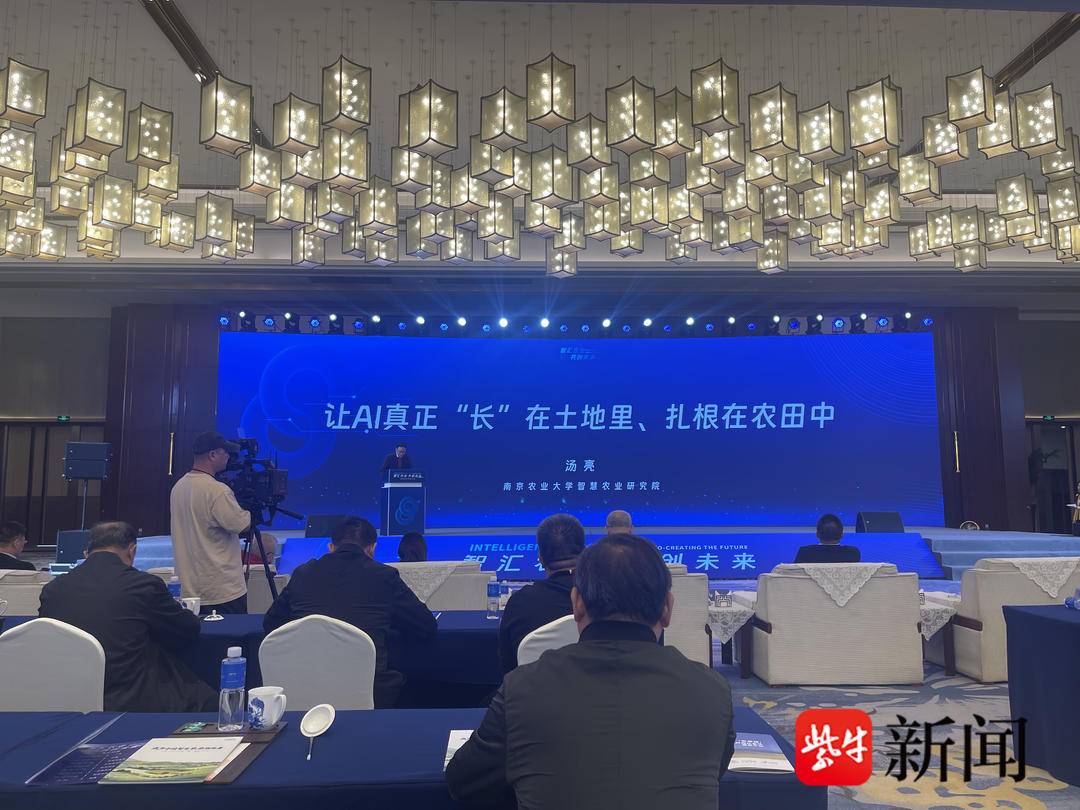
Core Insights - Jiangsu Lizhuo Information Technology Co., Ltd. held a strategic investment signing conference, signing agreements with China Innovation Investment Co., Ltd. and Chengtou Development Fund Co., Ltd. for strategic investments, and with Nanjing Botuo Agricultural Technology Co., Ltd. and Nanjing Haoshihui Agricultural Development Co., Ltd. for agricultural projects [1][7][9][10][11] Group 1: Strategic Agreements - Jiangsu Lizhuo signed a "Strategic Investment Agreement" with China Innovation Investment Co., Ltd. [7] - Jiangsu Lizhuo signed a "Strategic Investment Agreement" with Chengtou Development Fund Co., Ltd. [9] - Jiangsu Lizhuo signed a "10,000-Mu Smart Greenhouse Planting Agreement" with Nanjing Botuo Agricultural Technology Co., Ltd. [10] - Jiangsu Lizhuo signed a "10,000-Mu Economic Crop Purchase Agreement" with Nanjing Haoshihui Agricultural Development Co., Ltd. [11] Group 2: Vision and Strategy - The chairman of Jiangsu Lizhuo emphasized the company's strategic plan in the smart agriculture sector, aiming to integrate "AI + Robotics + Agriculture" into its core operations and become a leader in China's smart agriculture [1] - The chairman of China Innovation Investment expressed high recognition of Jiangsu Lizhuo's business model and development prospects, showing great expectations for the integration of smart agriculture in China [3] - The executive director of Nanjing Agricultural University’s Smart Agriculture Research Institute praised Jiangsu Lizhuo's technological breakthroughs and market achievements, encouraging further collaboration between industry and academia [5] Group 3: Collaborative Principles - The signing parties will adhere to principles of "resource sharing, complementary advantages, mutual promotion, and common development" to integrate industry and capital resources, expand markets, and inject new momentum for sustainable development [13] Group 4: Industry Engagement - A roundtable forum was held where industry peers and investment institutions discussed practical issues such as technology research and capital empowerment, providing actionable suggestions for ecological construction and industry-academia cooperation [15] - The successful signing conference highlighted a vibrant and intelligent collaborative innovation blueprint for the industry [17]
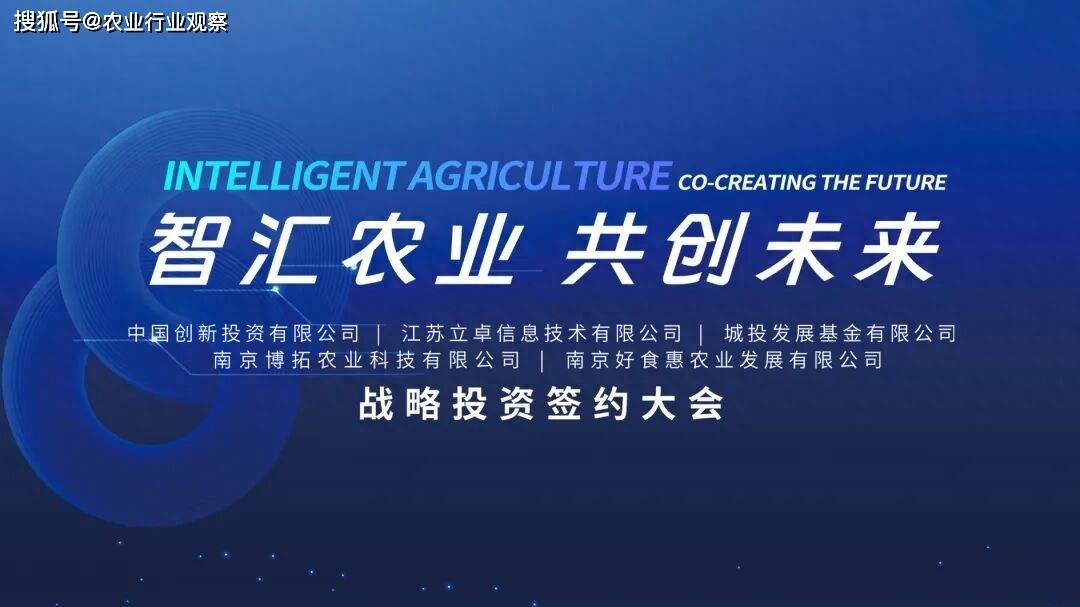
AI农业,AI农服!常州钟楼数字企业获两项“战略投资”,签订两项“万亩协议”
Yang Zi Wan Bao Wang· 2025-11-12 11:32
Core Insights - LZ Information has signed strategic investment agreements with China Innovation Investment Co., Ltd. and Chengtou Development Fund Co., Ltd., as well as agreements with Nanjing Botuo Agricultural Technology Co., Ltd. and Nanjing Haoshihui Agricultural Development Co., Ltd. in the field of smart agriculture [2] - The company has integrated "AI + robotics + agriculture" into its core operations, positioning itself as a leader in China's smart agriculture sector [2] - LZ Information has collaborated with Nanjing Agricultural University to develop core technologies for smart agriculture, focusing on building agricultural productivity and providing comprehensive support for crop life cycles [2] Company Developments - The "Prescription + Smart Agriculture" model developed by LZ Information has enabled farmers to increase their income by over 100 yuan per mu through a digital platform that offers planting guidance, weather alerts, and sales channels [2] - The company has received the "Smart Agriculture Leading Enterprise Award" at the 2025 China (Nanjing) Digital Rural Expo, being the only enterprise from Changzhou to achieve this recognition [2] - LZ Information's social services have expanded to cover over 30 counties and more than 3,000 townships and villages nationwide, serving over 20 million people [4] Industry Collaboration - A roundtable forum was held during the event, where industry peers and investment institutions discussed technology development and capital empowerment, providing actionable suggestions for ecological construction and industry-academia-research cooperation [5]
纳斯达克上市公司Pinnacle Food宣布新战略计划,旨在扩展其智慧农业创新平台
Xin Lang Cai Jing· 2025-11-10 00:22
Core Insights - Pinnacle Food Group Limited is launching a strategic initiative to establish a biotechnology and testing laboratory to explore applied biotechnology, enhancing its smart agriculture innovation platform for future growth [1][2]. Group 1: Company Initiatives - The company has signed a consulting agreement with Bioboost Synbio Consulting Inc. to support the laboratory's establishment, covering all aspects from planning and construction to equipment procurement and operational review [1]. - The CEO, Jiulong You, emphasized that this initiative reflects the company's proactive exploration of applied biotechnology potential based on its core smart agriculture business [2]. Group 2: Partnerships and Expertise - Bioboost Synbio Consulting Inc. is a leading consulting firm in British Columbia, Canada, specializing in laboratory construction and operational readiness, providing services that ensure compliance and operational efficiency [2].