
纺织服装

Search documents
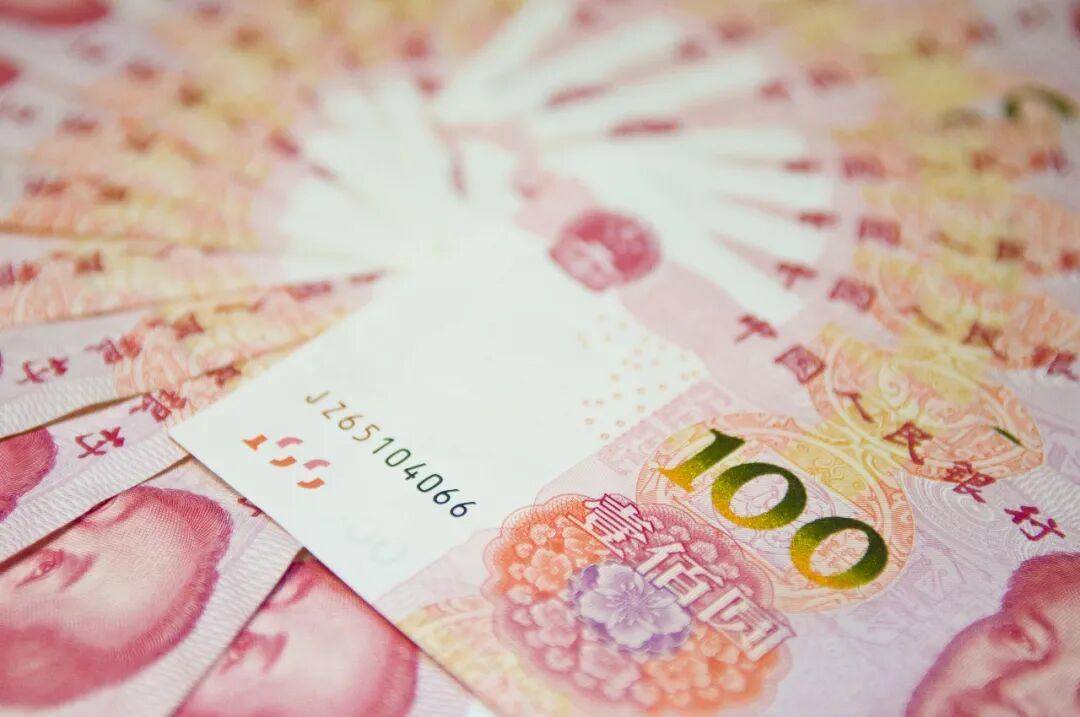
人民币强势归来:升值逻辑、产业重构与投资新范式
Sou Hu Cai Jing· 2026-02-27 03:10
Core Viewpoint - The recent appreciation of the Renminbi (RMB) against the US dollar is driven by multiple factors, including a weakening dollar, asset revaluation, a surge in currency settlement, and policy guidance from the central bank [2][3]. Group 1: Drivers of RMB Appreciation - The primary external driver of the RMB's appreciation is the significant decline in the US dollar index, which fell approximately 9.7% in 2025 due to weak economic data and expectations of a more accommodative monetary policy from the Federal Reserve [3]. - Internal dynamics have shifted from an "Anything but China" strategy to an "AI & China" focus, with foreign capital reassessing the value of Chinese assets, leading to a noticeable trend of capital inflow [3][4]. - The peak period for currency settlement among export enterprises, particularly around the Chinese New Year, has led to a substantial sell-off of US dollars in favor of RMB, creating a positive feedback loop that amplifies the appreciation momentum [4]. - The central bank has maintained stability in the RMB through market-oriented measures rather than direct intervention, ensuring that the real effective exchange rate remains competitive for exports [4]. Group 2: Beneficiary Sectors of RMB Appreciation - Cost-compression industries, such as aviation and paper manufacturing, benefit significantly from RMB appreciation due to reduced costs associated with dollar-denominated debts and imported raw materials [5][6]. - Resource and commodity import sectors, including steel and petrochemicals, gain from enhanced global purchasing power, allowing them to stabilize profit margins amid fluctuating international prices [6][7]. - Financial and technology sectors are likely to see increased foreign investment, enhancing the relative return on RMB assets and boosting consumer purchasing power for cross-border consumption [7][8].


陕西省人工智能赋能消费品行业创新研发中心启动
Shan Xi Ri Bao· 2026-02-27 00:30
Group 1 - The first China Consumer Brand Industry Innovation Competition concluded in Xi'an, marking the launch of the Shaanxi AI Empowerment Consumer Goods Industry Innovation Research Center, which will focus on key areas such as selenium-rich products, dairy, liquor, pharmaceuticals, and textiles [1] - The competition, organized by the China Electronic Information Industry Development Research Institute in collaboration with the Shaanxi Provincial Department of Industry and Information Technology, aims to leverage AI for product innovation and address industry pain points [1][2] - The Ministry of Industry and Information Technology emphasized the need for deep integration of AI with the consumer goods industry, planning to implement a "AI + Three Products" initiative to accelerate the development of specialized AI models and service providers in the consumer goods sector [1] Group 2 - The Shaanxi Provincial Department of Industry and Information Technology highlighted the competition as a crucial bridge for linking national innovation resources and accelerating the digital transformation of industries [2] - Key presentations during the event included insights from industry leaders such as Huawei and Alibaba, showcasing AI applications in light industry and digital supply chain innovations [2] - A total of 33 finalist teams presented their projects, demonstrating the application of AI technology in areas like elderly assistance, smart home appliances, modern food, and textiles [2]
恒生科技重挫2.87%,自去年高点累计回调超20%,多个互联网龙头大跌!主板千股飘绿,南向资金净流出74亿港元
Mei Ri Jing Ji Xin Wen· 2026-02-26 10:03
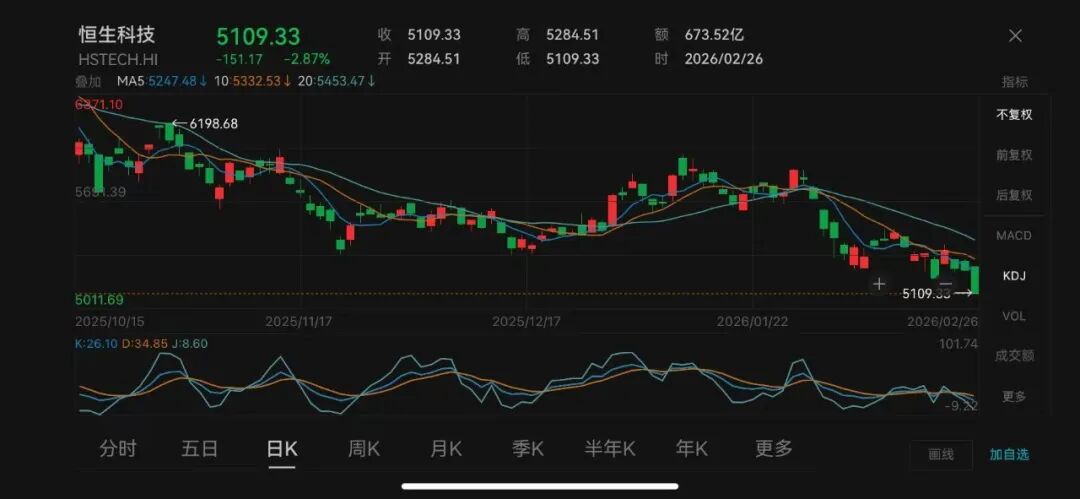
Core Viewpoint - The Hong Kong stock market experienced a decline, with the Hang Seng Index falling by 1.44% and the Hang Seng Tech Index dropping by 2.87%, indicating a bearish trend in the market [1][2]. Market Performance - Over 1,000 stocks in the Hong Kong main board fell, and there was a net outflow of HKD 7.4 billion from southbound funds [1]. - The Hang Seng Tech Index has seen a cumulative decline of over 20% since its peak on October 2 of the previous year [5]. Key Stock Movements - Major tech stocks experienced significant declines: Alibaba down 3.57%, Baidu down 4.27%, Tencent down 2%, Meituan down 2.72%, JD down 2.62%, and Xiaomi down 1.18% [2][4]. - The performance of other notable stocks included XPeng down 5.06%, Huahong Semiconductor down 4.82%, and Li Auto down 4.45% [4]. Sector Analysis - The semiconductor sector showed some resilience, with stocks like Days Smart Chip rising over 20% [7][8]. - Other sectors, including construction materials, electrical equipment, and pharmaceuticals, also faced declines, with respective drops of 4.85%, 4.32%, and 4.12% [7].

纺织服装行业全球观察之MonclerSpA:FY2025:直营渠道延续增长,亚洲市场表现亮眼
GF SECURITIES· 2026-02-26 09:45
Investment Rating - The report assigns a "Buy" rating for the textile and apparel industry, indicating an expected performance that will exceed the market by more than 10% over the next 12 months [28]. Core Insights - Moncler achieved a revenue of €3.132 billion in FY2025, a year-on-year increase of 3%, with Q4 revenue reaching €1.291 billion, up 7% year-on-year [4]. - The company's net profit for FY2025 was €627 million, a decrease of 2.02% compared to the previous year, primarily due to increased net financial expenses [4]. - The net profit margin for FY2025 was 20.01%, down 0.56 percentage points year-on-year, while the gross margin remained stable at 78.10% [4]. - The report highlights strong performance in the Asian market, with revenue of €1.532 billion, accounting for 48.92% of total revenue, and a 7% increase in Moncler's revenue in this region [4]. Summary by Category Financial Performance - FY2025 revenue: €3.132 billion, +3% YoY; Q4 revenue: €1.291 billion, +7% YoY [4] - FY2025 net profit: €627 million, -2.02% YoY; net profit margin: 20.01%, -0.56pct YoY [4] - FY2025 gross margin: 78.10%, stable YoY; operating profit margin: 29.16%, -1.02pct YoY [4] Brand Performance - Moncler revenue: €2.721 billion, +3% YoY; Q4 revenue: €1.168 billion, +6% YoY [4] - Stone Island revenue: €411 million, +4% YoY; Q4 revenue: €123 million, +16% YoY [4] Regional Performance - Asia: €1.532 billion revenue, 48.92% of total; Moncler: €1.416 billion, +7% YoY; Stone Island: €116 million, +16% YoY [4] - EMEA: €1.182 billion revenue, 37.75% of total; Moncler: €914 million, -3% YoY; Stone Island: €269 million, stable YoY [4] - Americas: €417 million revenue, 13.32% of total; Moncler: €391 million, +5% YoY; Stone Island: €26 million, -2% YoY [4] Channel Performance - Direct sales: €2.589 billion, 82.56% of total; Moncler: €2.360 billion, +4% YoY; Stone Island: €226 million, +11% YoY [4] - Wholesale: €546 million, 17.44% of total; Moncler: €361 million, -4% YoY; Stone Island: €185 million, -4% YoY [4] Store Count - Moncler: 344 stores (295 direct, 49 wholesale), +9/-7 YoY [4] - Stone Island: 106 stores (95 direct, 11 wholesale), +5/+2 YoY [4] Future Outlook - Moncler aims to strengthen its leadership in the luxury outdoor segment through customized marketing and a year-round product matrix [4]. - Stone Island focuses on product innovation and enhancing the omni-channel consumer experience [4]. - The company is advancing its "SIDE by SIDE" three-year plan to increase the use of low-carbon materials and enhance supply chain sustainability [4].
山东高密:复工复产动力足 冲刺首季“开门红”
Zhong Guo Jing Ji Wang· 2026-02-26 06:21
Group 1 - The production environment in Gaomi City, Shandong, is bustling with activity as companies strive to meet high order volumes, with some orders extending into June [1] - Haiyu Co., Ltd. has automated production lines operating at high speed, with a focus on ensuring timely delivery of orders [1] - Zep Medical Technology Co., Ltd. is managing its production efficiently, with all employees present and a well-structured production plan to meet urgent export orders [1] Group 2 - The local government is actively supporting businesses by organizing job fairs, providing thousands of quality job positions across various industries, including mechanical manufacturing and digital commerce [2] - The "Spring Breeze Action" recruitment fairs are aimed at addressing labor shortages for companies, ensuring they can maintain production levels [2] - During the Spring Festival holiday, the Xiazhuang Town in Gaomi City continued to provide services to enterprises, conducting equipment checks and assessing labor needs to facilitate smooth operations post-holiday [2]
2025年全国规模以上纺织工业企业利润同比下跌12%
Guo Jia Tong Ji Ju· 2026-02-26 03:19
Core Insights - In 2025, the total profit of industrial enterprises above designated size in the country reached 73,982.0 billion yuan, reflecting a year-on-year growth of 0.6% [1] Textile Industry - The total profit of the textile industry amounted to 73.83 billion yuan, showing a year-on-year decline of 12% [1] - The textile and apparel sector reported a total profit of 45.06 billion yuan, down 27.3% compared to the previous year [1] - The leather, fur, feather, and related products and footwear industry generated a total profit of 36.52 billion yuan, experiencing a year-on-year decrease of 17.9% [1] - The chemical fiber manufacturing industry achieved a total profit of 31.53 billion yuan, which is a decline of 4.5% year-on-year [1]
岗位送到家门口
Jing Ji Ri Bao· 2026-02-25 22:06
Group 1 - The core viewpoint of the articles highlights the rapid development of the textile and apparel industry in Fan County, Henan Province, particularly through the establishment of the Henan Rongchi Apparel Co., Ltd. and the Zhike Textile and Apparel Innovation Park [1][2] - Henan Rongchi Apparel Co., Ltd. has expanded significantly since its establishment four years ago, now operating 24 production lines and 800 pieces of equipment, with a workforce of approximately 600 employees [1] - The company has implemented a salary system combining basic wages and piece-rate bonuses, allowing employees to balance work and family life effectively [1] Group 2 - The Fan County government is actively supporting local enterprises by providing comprehensive services throughout various stages, including project expansion, factory relocation, recruitment, training, and safety production [2] - The Zhike Textile and Apparel Innovation Park is a key project aimed at stabilizing and expanding employment, with an expected annual output value of 2 billion yuan and the potential to create over 8,000 jobs once fully operational [2]
当你还在过春节,苏州企业已组团出海揽订单
Xin Lang Cai Jing· 2026-02-25 22:06
Group 1 - The "Hundred Groups, Thousand Enterprises" outbound initiative from Suzhou aims to support local businesses in exploring global markets, with a focus on international exhibitions and trade shows [1][2] - The initiative has already facilitated participation in major international events, such as the Paris International Fashion and Accessories Exhibition and the Las Vegas International Fabric Show, showcasing a significant number of local textile and apparel companies [2] - Suzhou Guolan Exhibition Service Co., Ltd. plans to connect nearly 30 international exhibition resources throughout the year, targeting various industries including textiles, artificial intelligence, new energy, and medical equipment, with an estimated service reach of around 900 enterprises [1] Group 2 - The Suzhou government is actively supporting foreign trade development by providing professional assistance in areas such as visa processing, logistics, booth construction, and on-site coordination, thereby reducing barriers for small and medium-sized enterprises [2][3] - The government has emphasized the importance of maintaining confidence in foreign trade and has proposed a service partner plan to attract more professional service institutions to support outbound enterprises across eight key areas, including trade, finance, intellectual property, and legal services [3]
招商势起 万象更新
Xin Lang Cai Jing· 2026-02-25 17:54
Core Viewpoint - The article highlights the vigorous efforts of the Xinjiang Production and Construction Corps (XPCC) in promoting investment and project development through the "Winter Investment Promotion" initiative, aiming for high-quality economic growth and structural adjustment. Group 1: Investment Promotion Activities - The XPCC has signed a total of 259 investment projects with a total investment amount of 66.18 billion yuan by the end of 2025 [1] - In January 2023, the Five Corps Shuanghe City signed 12 projects with a total investment of 4 billion yuan, covering diverse industries from agricultural processing to new energy [2] - The XPCC's business system has mobilized comprehensively, focusing on project-oriented work and enhancing the level of investment promotion [2] Group 2: Project Implementation and Management - The XPCC emphasizes the importance of early signing, landing, and effectiveness of investment projects to convert task lists into actual development results [3] - A clear roadmap and task assignments have been established for the investment promotion teams, which are equipped with industry chain maps and precise policies [3] - The Twelve Corps has implemented a project lifecycle management system, ensuring dedicated follow-up and service for each new project signed [7] Group 3: Service Optimization and Support - The Six Corps Wujiaqu City has adopted a full lifecycle service model, providing dedicated support for each project to facilitate quick signing and construction [6] - The Four Corps Keke Dara City has streamlined approval processes and established a closed-loop service mechanism to support key projects [7] - The "One Network for All" service model has been deepened, making business operations as convenient as online shopping [8] Group 4: Infrastructure and Future Outlook - The article mentions ongoing improvements in infrastructure, such as digital industrial parks and road networks, which enhance the capacity and support for industries [8] - The XPCC is poised to enter a new phase of development in 2026, marking the beginning of the 15th Five-Year Plan with a strong commitment to economic vitality [8]
云南云纽服饰有限公司成立,注册资本300万人民币
Sou Hu Cai Jing· 2026-02-25 16:50
Group 1 - Yunnan Yunniu Clothing Co., Ltd. has been established with a registered capital of 3 million RMB, fully owned by Shanghai Yunniu Textile Technology Co., Ltd. [1][2] - The legal representative of Yunnan Yunniu Clothing Co., Ltd. is Qiu Yutao [1][2]. - The company operates in the manufacturing industry, specifically in textile and clothing, with a focus on clothing manufacturing and related services [2]. Group 2 - The business scope includes clothing manufacturing, textile processing, and various technical services related to the textile industry [2]. - The company is located in the Ruili City, Dehong Dai and Jingpo Autonomous Prefecture, Yunnan Province, within an industrial park designated for import and export processing [2]. - The company is registered as a limited liability company with an indefinite business term [2].