Mobile Phones

Search documents
中信证券:看好手机产业的智驾时刻有望加速来临
Ge Long Hui· 2025-12-09 06:06
当前产业相关方关于"豆包手机"的系统安全、信息隐私&合规、生态主导权争夺、利益分配不明等方面 仍存在分歧与争议,虽然这一款搭载豆包手机助手的新机并不完美,但仍值得高度重视。参考汽车产 业,自动驾驶落地过程中面临了比当前AI手机更多的质疑和困难,但在远期光明前景驱动下已成为各 家车企核心战略投入方向;对于手机产业也有类似结论,AI手机有望为手机产业带来更广阔的发展空 间,同时也有可能改变商业模式、价值链以及生态格局,豆包的入局意味着各大手机厂商都必须进一步 加快拥抱AI的节奏以取得更有利的竞争态势。此外,中信证券认为"豆包+努比亚"的合作可类比汽车领 域"华为+赛力斯"的成功案例,大模型厂商有望为手机厂商提供更强大的大模型能力+生态助力,进而 加速能进一步优化消费者体验的AI手机爆款产品加速落地。 本文来自格隆汇专栏:中信证券研究 作者:徐涛 胡叶倩雯 夏胤磊 梁楠 AI手机是手机大厂高度重视的下一个重大变革,豆包等三方大模型厂商看重手机在端侧AI时代作为核 心硬件载体亦积极入局,2025年底豆包与努比亚联合发布搭载豆包手机助手的AI手机产品,具备系统 级智能体+高权限+跨应用执行能力,中信证券认为其重大意义可 ...

抖音副总裁李亮回应豆包手机争议:与中兴的探索是个开始,AI一定是未来
Feng Huang Wang· 2025-12-09 05:14
凤凰网科技讯12月9日抖音集团副总裁李亮转发倪飞回应豆包手机争议微博,并配文"AI带来的变革是真 实存在的,用户的需求也是真实存在的。豆包和中兴的探索是个开始,不论这次是不是会成功,但AI 一定是未来。" 此前倪飞发长文回应豆包手机相关问题,他表示,在手机行业缺乏颠覆式创新的背景下,AI手机是明 确的发展方向,努比亚选择以开放姿态与豆包手机助手合作,旨在提升用户体验。对于目前产品反馈的 问题,倪飞表示正与合作伙伴积极沟通解决。努比亚方面称未来将继续专注于用户体验相关的技术创 新,并与行业及用户共同推动"AI for All"进程。 ...


努比亚总裁倪飞回应豆包手机争议:开放合作是AI手机发展的必选项
Feng Huang Wang· 2025-12-09 04:10
凤凰网科技讯 12月9日,努比亚总裁倪飞近日就公司新品"努比亚M153豆包手机助手技术预览版"回应 外界关注。倪飞表示,在手机行业缺乏颠覆式创新的背景下,AI手机是明确的发展方向,努比亚选择 以开放姿态与豆包手机助手合作,旨在提升用户体验。 倪飞提到,努比亚早在2017年就开始布局AI,并坚持"AI for All"理念,致力于将AI技术普及化。从首款 AI手机Z17到2025年多模型协同理念,再到与豆包手机助手合作的M153,努比亚称其近十年来持续推 进AI技术创新与全场景布局。 对于目前产品反馈的问题,倪飞表示正与合作伙伴积极沟通解决。努比亚方面称未来将继续专注于用户 体验相关的技术创新,并与行业及用户共同推动"AI for All"进程。 ...
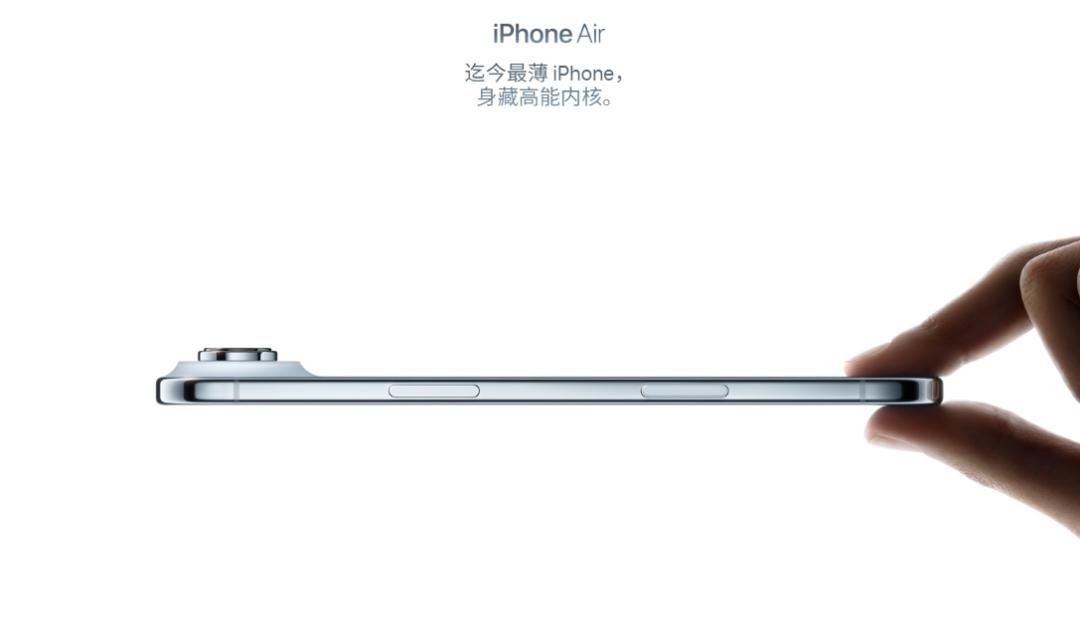
iPhone Air,要凉?
3 6 Ke· 2025-12-08 23:27
Core Viewpoint - The iPhone Air, despite being marketed as the "thinnest iPhone" at 5.6mm thick and weighing 165g, has underperformed in the market since its launch on October 22, 2025, leading to the dismantling of several production lines by Apple suppliers [1][3]. Market Performance - The iPhone Air has not met sales expectations, with reports indicating that Apple suppliers have removed multiple production lines dedicated to this model [3][8]. - In contrast, the iPhone 17 series has performed exceptionally well, dominating sales rankings during the recent "Double 11" shopping festival, while the iPhone Air was notably absent from the top lists [3][6]. Consumer Preferences - The iPhone Air caters to a niche market that values lightweight design, but this demographic is not representative of the broader consumer base, which prioritizes features such as performance and battery life over thinness [3][6]. - The device's specifications, including a 3149mAh battery and single-camera setup, have been perceived as compromises, leading consumers to view the iPhone Air as a "downgraded" option compared to other flagship models [4][6]. Pricing and Competition - Priced at 7999 yuan, the iPhone Air is more expensive than many Android flagship models, yet offers less storage capacity than the iPhone 17, which is available at the same price point [7][8]. - The high-end smartphone segment has seen significant growth, with models priced above 6000 yuan accounting for 50% of sales, indicating that consumers are willing to pay for premium features rather than just a lightweight design [7][8]. Industry Response - The lack of consumer interest in lightweight models has prompted both Apple and Android manufacturers to reconsider their strategies, with reports of Android brands like Xiaomi, OPPO, and vivo canceling their lightweight projects [8][9]. - Analysts suggest that while there is a demand for thinner devices, it is not a primary concern compared to performance and battery life, leading to a reevaluation of the lightweight smartphone market [8][9]. Future Outlook - The iPhone Air may not be positioned for annual updates, indicating that Apple might not prioritize this model for mass production, but rather use it as a testbed for future innovations, such as foldable devices [9][10]. - The overall trend in the smartphone industry suggests that while lightweight designs are appealing, the focus will likely shift back to performance and advanced features, including AI capabilities, in future product developments [17][18].

继微信“被动下线”后,阿里系App禁止豆包手机登录
猿大侠· 2025-12-08 04:11
Core Insights - The collaboration between Doubao and ZTE has led to the launch of the "Doubao Assistant" smartphone, which has sparked significant discussion in the tech community [1][3] - Following the release, several applications from Alibaba, including Taobao and Xianyu, have begun to block logins from the Doubao phone, indicating potential security concerns [1] - The Doubao team has acknowledged the need for regulatory adjustments regarding AI operations on smartphones, aiming to establish clearer guidelines for users [3] Group 1 - The "Doubao Assistant" smartphone sold out quickly after its release, with second-hand prices ranging from 4200 to 4999 yuan, exceeding the official price by 700 to 1500 yuan [3] - Users have reported that banking apps, such as those from Agricultural Bank and Construction Bank, have implemented security measures against AI and screen sharing, requiring users to disable the AI assistant to proceed [1] - The Doubao Assistant team clarified that the AI does not bypass security measures like password or facial recognition during banking operations, ensuring user authentication is still required [3] Group 2 - The Doubao Assistant's capabilities are being adjusted to comply with various application requirements, reflecting the need for a balanced approach to AI usage [3] - The gaming app "Honor of Kings" has also detected AI control, limiting its functionality to manual activation only, which highlights the challenges faced by AI integration in gaming [1]
当AI直接报出银行卡余额
Jin Rong Shi Bao· 2025-12-07 22:46
Core Insights - The emergence of AI capabilities in mobile devices has raised significant privacy concerns, particularly highlighted by the recent controversy surrounding the Doubao mobile assistant, which was criticized for its potential to expose sensitive financial data through simple commands [1][2] - The incident serves as a reminder that the convenience offered by AI innovations should not come at the expense of privacy and compliance standards [1][3] Group 1: Privacy and Security Concerns - The integration of high-permission AI agents can easily bypass traditional security measures such as encryption and manual confirmations, leading to potential breaches of sensitive financial information [1] - The fundamental principles of data collection and transmission, such as "minimum necessity," "explicit authorization," and "full encryption," are at risk when AI tools can access and output private information with simple commands [1] Group 2: Regulatory and Industry Response - The ongoing debate between technological innovation and compliance standards is not new, and the current situation emphasizes the need for an upgraded security framework that involves collaboration among enterprises, regulators, and users [2] - Companies must adopt a proactive approach to governance, ensuring that AI innovations prioritize security alongside functionality, and establish dedicated oversight mechanisms for high-permission features [2] - Regulatory bodies need to clarify the boundaries for high-permission AI applications and enforce regulations to prevent misuse under the guise of innovation [2] Group 3: User Awareness and Responsibility - Users are encouraged to be vigilant regarding AI permissions, especially in financial contexts, and to manually confirm sensitive operations while reporting any anomalies [2] - The incident underscores the importance of understanding the trade-offs between granted permissions and the protections received, urging users to consider the implications of new AI functionalities [3]
做豆包AI手机前,张一鸣也行应该跟马化腾聊一聊
Tai Mei Ti A P P· 2025-12-07 06:00
Core Insights - The launch of Doubao AI phone has generated significant market interest, with resale prices on platforms like Xianyu reaching up to 8000 yuan, indicating a high demand similar to the iPhone 4 launch [1] - The Doubao AI phone features a high-permission agent that enables system-level AI capabilities, allowing users to perform complex tasks with simple commands [1] - The emergence of AI phones raises concerns about the future of traditional internet giants and apps, as predicted by Elon Musk, suggesting a potential shift in the mobile ecosystem [2] Group 1 - The Doubao AI phone's popularity validates the trend of integrating AI interactions in mobile devices, confirming the investments made by major manufacturers like Honor, Vivo, and OPPO in AI technology [4] - The rapid rise of the Doubao AI assistant serves as a significant turning point in the AI phone market, comparable to Mark Zuckerberg's appearance at the Oculus launch in 2016 [4] - Tencent's proactive measures against AI automation in apps like WeChat highlight the challenges AI phones face in gaining widespread acceptance [3][10] Group 2 - The current landscape of AI phones is divided into two factions: the radical revolutionaries, represented by Doubao, and the conservative preservationists, who advocate for a more gradual approach [8][12] - The fundamental logic of the mobile internet ecosystem is being challenged by system-level AI, which could disrupt traditional advertising and user engagement models [9][11] - The swift prohibition of AI operations by WeChat reflects the potential impact on daily active users (DAU) and monthly active users (MAU), which are crucial for advertising revenue [10] Group 3 - The Doubao AI phone's hardware capabilities are questioned, as ByteDance excels in software but lacks the hardware prowess of established players like Xiaomi and Honor [6][7] - The development of system-level AI requires a collaborative approach between software and hardware, which may be more effectively executed by traditional phone manufacturers [12][18] - The success of AI phones hinges not only on technology but also on the ability to create a supportive ecosystem that includes cooperation with major app developers [22][24] Group 4 - The AI phone market's growth could benefit existing manufacturers, as seen with the rise in stock prices for companies like ZTE following the Doubao AI phone's announcement [23] - Honor's strategic focus on AI integration and ecosystem development illustrates the competitive landscape among phone manufacturers in the AI space [22] - The challenges faced by Doubao AI phone in establishing a viable ecosystem echo historical precedents in the tech industry, where similar initiatives have struggled to gain traction [28]

豆包手机掀起了滔天巨浪
Hua Er Jie Jian Wen· 2025-12-06 10:37
Core Viewpoint - The launch of the "Doubao Phone" by ByteDance and ZTE marks a significant shift in the mobile internet ecosystem, challenging the traditional app-centric model established by hardware giants like Apple [2][3][22]. Group 1: Product Launch and Initial Reception - The "Doubao Phone" (nubia M153) was launched on December 1, 2023, and quickly sold out its initial stock of 30,000 units [3]. - The Doubao Phone Assistant, embedded within the phone, has system-level permissions and can automate tasks across different apps, which has sparked significant interest and controversy [4][6]. Group 2: Industry Impact and Reactions - The introduction of the Doubao Phone Assistant has triggered intense debates regarding data privacy, security, and the traditional roles of app developers as data controllers [4][5]. - Major apps like WeChat and Taobao have implemented security measures against the Doubao Phone Assistant, indicating a defensive response from established players in the mobile internet space [4][10][12]. Group 3: Technical Capabilities and Challenges - The Doubao Phone Assistant utilizes the INJECT_EVENTS permission to perform cross-app automation, which has been described as the "God's hand" in the Android ecosystem [6][7]. - Despite its innovative capabilities, the Doubao Phone Assistant faces legal and compliance challenges, particularly regarding user authorization and data security [13][15]. Group 4: Competitive Landscape - The competition between ByteDance and Tencent resembles the historical rivalry between tech giants, with both sides vying for control over the next generation of software ecosystems [5][27]. - Other major players, including Huawei, Alibaba, and various smartphone manufacturers, are also developing their own AI agents, indicating a broader industry shift towards AI integration [28][29]. Group 5: Future Implications - The emergence of AI agents like the Doubao Phone Assistant is expected to reshape the mobile internet landscape, potentially diminishing the role of traditional apps and altering business models [22][25]. - The ongoing struggle between established app ecosystems and new AI-driven models highlights the need for a balance between innovation and user privacy [32][33].
用了一天豆包手机,我感觉友商睡不着了
Xin Lang Ke Ji· 2025-12-06 07:21
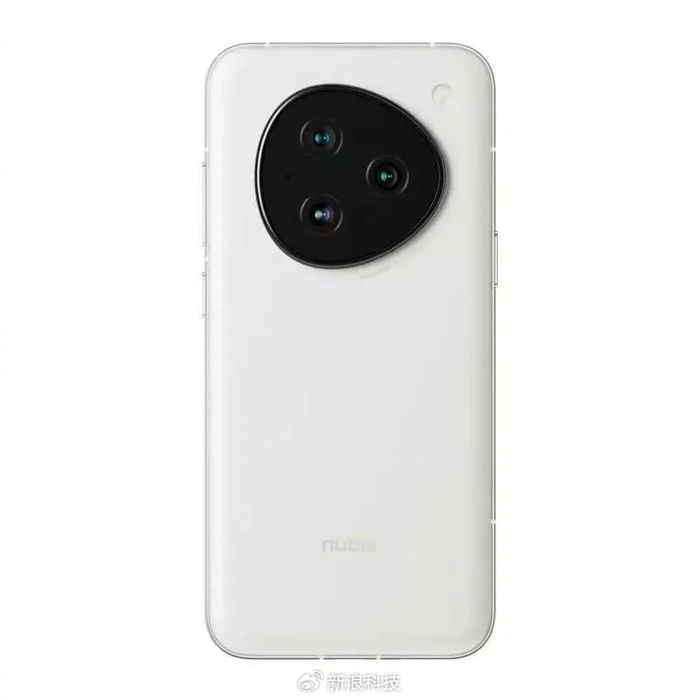
Core Viewpoint - The recent launch of the Nubia M153, also known as the Doubao AI phone, has created significant buzz in the market due to its advanced AI capabilities and unique features, despite being a limited production model [1][3][10]. Group 1: Product Overview - The Nubia M153 is priced at 3499 yuan and comes in a single configuration of 16GB RAM and 512GB storage [5]. - It features a 6.78-inch 1.5K display with 120Hz LTPO support, powered by the Snapdragon 8 Gen 2, and includes a 6000mAh battery with 90W wired and 15W wireless charging [7][8]. - The phone is equipped with a triple-camera setup, including a main camera, ultra-wide, and telephoto lenses [7]. Group 2: AI Assistant Features - The Doubao AI assistant is integrated at the operating system level, utilizing a new system called Obric UI instead of the standard MyOS [14]. - The assistant can perform complex tasks through voice commands, simulating user interactions with the phone, which allows it to execute various operations in the background [22][25]. - Users can issue commands for tasks such as photo editing, social media posting, and even gaming, showcasing the assistant's versatility [27][39]. Group 3: Market Response and Limitations - Despite being a non-mass-produced model, the phone sold out quickly, with some users paying significant premiums to acquire it [10][11]. - However, the AI assistant's reliance on high-level system permissions has raised security concerns, leading to temporary bans on certain apps like WeChat due to perceived misuse [44][46]. - The company has acknowledged these issues and is working on improving the assistant's functionality while addressing privacy and security concerns [48][49]. Group 4: Competitive Landscape - The Doubao AI assistant's capabilities have positioned it as a strong competitor to existing AI solutions from major manufacturers like Huawei, Xiaomi, and OPPO, although these companies are also developing their own AI technologies [51]. - The assistant is particularly suited for smaller manufacturers that may lack the resources to develop similar technology independently [53].
“豆包手机”使用了锤子 Smartisan OS 祖传代码。网友:懒惰是程序员的美德
猿大侠· 2025-12-06 04:11
Core Viewpoint - The collaboration between Doubao and ZTE has led to the release of the Nubia M153, which features the "Doubao Phone Assistant" technology preview version, indicating a strategic move into the smartphone market by leveraging AI capabilities [1]. Group 1: Product Development - The developer @wuxianlin discovered Smartisan and SmartisanOS related code within the engineering sample of the "Doubao Phone," suggesting a connection to previous smartphone technologies [4]. - The phone includes a ringtone named "Mi Store," which is one of the built-in ringtones from Smartisan phones, further indicating the influence of Smartisan's legacy in this new device [4]. Group 2: Corporate Strategy - ByteDance acquired the Smartisan Technology team and some patents at the end of 2018, which has contributed to the development of the Doubao Phone Assistant [10]. - The main development team for the "Doubao Phone Assistant" is part of ByteDance's AI hardware division, Ocean, which is focused on integrating large models, super apps, and hardware terminals, marking a significant strategic initiative in the smartphone sector [11]. - The presence of Smartisan's code in the AI phone assistant reflects a common practice among programmers to reuse existing code, highlighting the continuity of technology and expertise within ByteDance's acquisitions [11].