系统级AI

Search documents
热议背后,一场生态重构的序幕悄然拉开……
Xin Lang Cai Jing· 2026-01-13 11:33
Core Insights - The article discusses the launch of the "Doubao AI Phone" by ByteDance and ZTE, which has generated significant buzz in the tech industry, with the first batch of 30,000 units selling out instantly and second-hand prices reaching 30,000 yuan [3][13][18] - The introduction of system-level AI in smartphones represents a fundamental shift from traditional app-based AI functionalities to an integrated AI infrastructure that can manage tasks across multiple applications [4][16][19] - This shift is causing tension between the new AI phone and existing application ecosystems, as it challenges the control and distribution of user data and commercial value within the current structure [6][16][19] Group 1: Transition from Functionality to Infrastructure - The distinction between "system-level AI" and traditional smartphone AI functionalities is clarified, emphasizing that traditional AI is confined to specific applications, while system-level AI integrates deeply into the operating system [4][14] - System-level AI allows for cross-application data retrieval and resource coordination, fundamentally changing user interaction with smartphones [5][15] - The introduction of AI agents as integral components of the operating system enhances the capabilities of AI, enabling it to perform complex tasks autonomously [5][15] Group 2: Impact on Traditional Application Ecosystem - The emergence of system-level AI is poised to disrupt the existing power dynamics among app stores, super apps, and operating systems, potentially diminishing the necessity of traditional applications [6][16] - Users may no longer need to interact with multiple apps for a single task, as the AI assistant can manage these interactions seamlessly in the background [6][16] - This convenience poses a structural threat to existing application distribution and user engagement strategies, prompting some applications to implement restrictions to protect their user base [7][16] Group 3: Ethical and Security Concerns - The ability of AI assistants to mimic human actions raises significant security concerns, as existing risk management systems may struggle to differentiate between user and agent behaviors [7][17] - The need for system-level AI to access extensive user data raises questions about data sovereignty and privacy, necessitating improvements in current solutions like localized model inference and differential privacy [7][17] - Ethical issues surrounding AI decision-making transparency and accountability are highlighted as urgent areas for development [7][17] Group 4: Future of Ecosystem Reconstruction - The ongoing conflict between traditional rules and new productivity models indicates a necessary evolution in the tech landscape, as the current risk management frameworks are based on outdated assumptions [8][18] - The rapid sell-out of the Doubao AI Phone and its market response suggest a growing acceptance of this technological evolution, indicating that ecosystem reconstruction is imperative [8][18] - The future will likely see a coexistence of system-level AI phones and existing applications, leading to a restructured value system across technology, business, and regulatory dimensions [9][19]


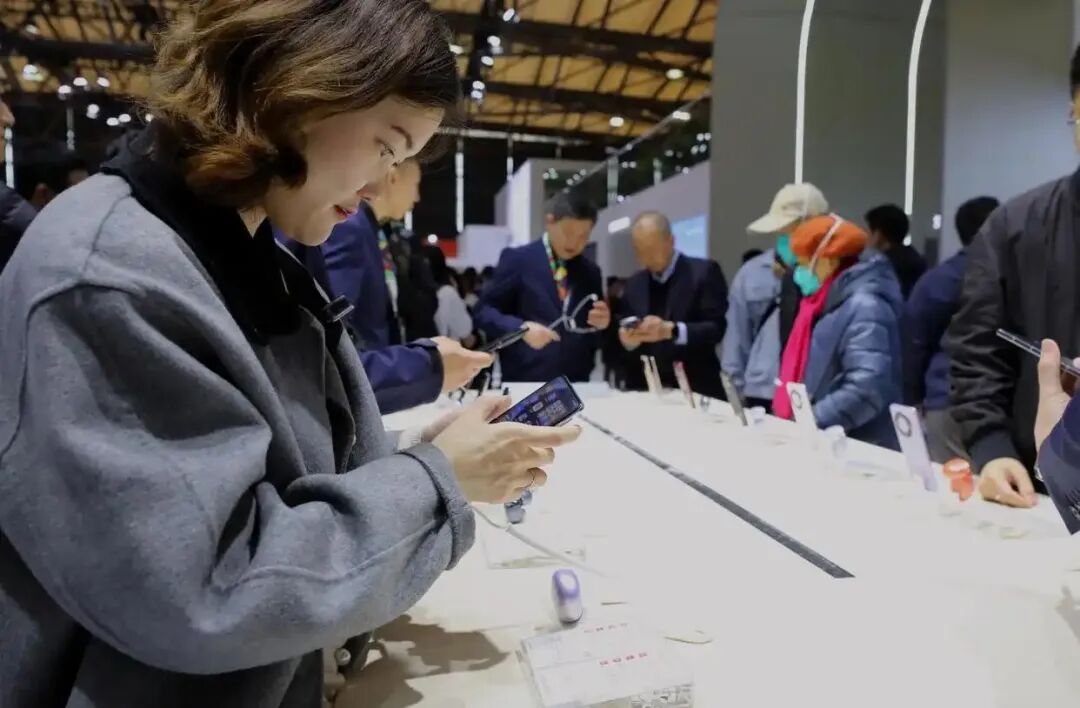
豆包 AI 手机的崛起正挑战既有 App 生态体系
Counterpoint Research· 2026-01-12 02:45
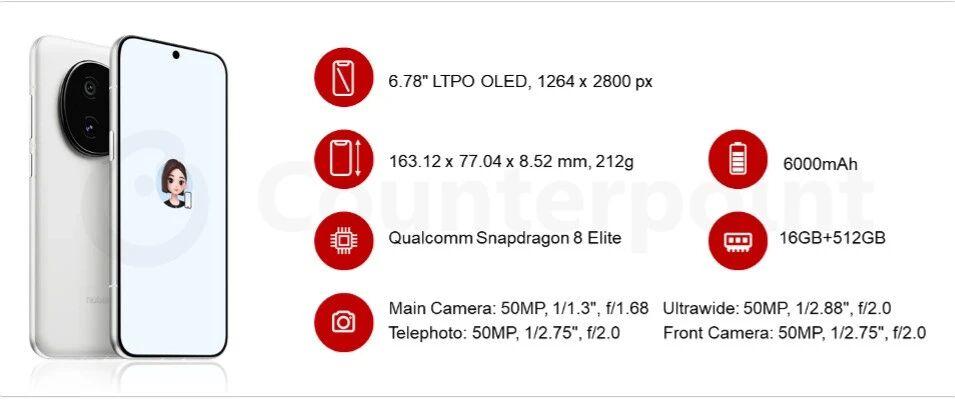
Core Insights - The article discusses the launch of the Nubia M153, the first native AI smartphone developed by ByteDance and ZTE, which was released as a "technology preview" on December 1, 2025, and sold out quickly, indicating strong market interest [4] - According to Counterpoint's "AI 360" report, the global smartphone shipment share supporting GenAI is expected to exceed 30% in 2025, up from 20% in 2024, and reach 57% by 2029, highlighting the growing importance of AI in high-end smartphones [5] - The article emphasizes the competitive landscape between smartphone brands and internet giants, focusing on user engagement, service entry control, and high-value data acquisition [8][10] Market Trends - The Nubia M153 is equipped with a Snapdragon 8 Elite platform, and future iterations are expected to enhance NPU performance to 80-100 TOPS, raising hardware requirements for smartphones [5] - AI functionalities are increasing the demand for RAM and ROM, as well as high-bandwidth memory, while also raising power consumption by approximately 8%-12%, posing challenges for battery technology [5] AI Capabilities - The core advantage of the Doubao AI smartphone lies in its ability to understand user intent and execute tasks across multiple apps, although it still faces challenges in complex, multi-app scenarios [6][8] - The high-privilege simulation operations of Doubao AI are causing friction with existing app ecosystems, triggering security mechanisms in major applications like WeChat and Alipay [6][8] Strategic Partnerships - The collaboration between ByteDance and ZTE mirrors the division of labor seen in other tech partnerships, with Doubao providing AI capabilities and Nubia handling hardware design [10] - The article suggests that smartphone brands with established ecosystems may not adopt the same division of labor, instead exploring open and collaborative app frameworks [10] Future Outlook - The article anticipates that smartphone brands and leading apps will gradually reach a consensus on standardized ecological interfaces, allowing system-level AI to act as a unified scheduling hub [10] - The control of high-value data and data security will remain central issues in ongoing negotiations between smartphone manufacturers and app developers [10]
为什么鸿蒙能成?
虎嗅APP· 2025-12-29 13:33
Core Viewpoint - The article discusses the evolution and success of Huawei's HarmonyOS, highlighting its growth in device numbers and developer engagement, while addressing the challenges faced in establishing a robust application ecosystem [2][11]. Group 1: HarmonyOS Development and Challenges - HarmonyOS has surpassed 32 million devices, adding over 150,000 daily, marking a significant achievement since its inception [2]. - The initial skepticism surrounding HarmonyOS stemmed from the historical challenges faced by other operating systems in building a mature application ecosystem [6]. - Huawei's strategy to initially support Android applications was a pragmatic approach to ensure survival, but it raised concerns about long-term developer commitment to creating native HarmonyOS applications [7][8]. Group 2: Strategic Decisions and Ecosystem Building - In 2023, Huawei announced a significant shift by removing the Linux kernel from HarmonyOS, aiming to encourage developers to create native applications [8]. - The investment in research and development for HarmonyOS 5 is unprecedented, with a workforce of 40,000 per month, surpassing all previous versions combined [8]. - Collaboration with the Chinese Academy of Sciences has led to substantial contributions to the open-source HarmonyOS codebase, enhancing its adaptability and ecosystem potential [8]. Group 3: User Experience and Performance - The success of HarmonyOS is attributed to its distributed computing architecture, which allows seamless collaboration across devices, enhancing user experience beyond traditional smartphone applications [13]. - The launch of HarmonyOS 6 integrates AI deeply into the system, resulting in significant performance improvements, including a 15% increase in device performance and enhanced battery life [15][20]. - Security features in HarmonyOS 6, including end-to-end encryption and a robust platform-level security system, address user concerns about privacy and data protection [20]. Group 4: Developer Engagement and Ecosystem Growth - Huawei's commitment to fostering a healthy application ecosystem includes strategic partnerships and talent development initiatives across multiple regions [22][24]. - The alignment of developer interests with HarmonyOS's growth trajectory has encouraged sustained investment and collaboration, as seen with major developers like Tencent and miHoYo [22][24]. - The rapid increase in application installations, such as QQ Music and WPS, demonstrates the growing demand for native HarmonyOS applications and the ecosystem's potential [30][31]. Group 5: Future Outlook and Competitive Position - HarmonyOS is positioned as a third alternative in the operating system landscape, focusing on user experience and mutual benefits for ecosystem partners [32]. - The ongoing evolution of HarmonyOS reflects a commitment to creating a cohesive smart service experience and expanding market opportunities for developers [32].

AI手机战火升级,OPPO集结兵力打造“超级小布”
Hua Er Jie Jian Wen· 2025-12-12 13:39
Core Insights - The article discusses the ongoing competition in the smartphone industry regarding AI capabilities, highlighting that major manufacturers have yet to release a transformative AI phone [2][5] - OPPO is making significant strides in AI integration with its "Super Xiaobu" initiative, aiming to enhance user experience through a more cohesive AI system [3][4] Group 1: AI Integration and Strategy - OPPO has restructured its AI division to consolidate its core services into "Super Xiaobu," focusing on enhancing the AI system-level experience [2][3] - The company has embedded the Xiaobu assistant deeply into its operating system, introducing the "AIOS" strategy that emphasizes memory capabilities and proactive user understanding [3][4] - OPPO's latest ColorOS 16 system integrates Xiaobu memory across the platform, enabling features like AI one-click memory and personalized responses [4] Group 2: Market Context and User Engagement - The smartphone industry is at a technological crossroads, with 2024 anticipated as the "AI phone year," as manufacturers recognize the need for system-level AI to drive new device adoption [5][6] - Despite the growth in AI assistant user base, the engagement remains low, with an average monthly usage time of only 5.3 minutes per user for smartphone AI assistants, compared to 117.7 minutes for AI-native apps [5][6] - OPPO is collaborating with third-party AI agents to enhance user experiences across various scenarios, indicating a shift from hardware competition to AI capabilities and ecosystem integration [7]

做豆包AI手机前,张一鸣也行应该跟马化腾聊一聊
Tai Mei Ti A P P· 2025-12-07 06:00
Core Insights - The launch of Doubao AI phone has generated significant market interest, with resale prices on platforms like Xianyu reaching up to 8000 yuan, indicating a high demand similar to the iPhone 4 launch [1] - The Doubao AI phone features a high-permission agent that enables system-level AI capabilities, allowing users to perform complex tasks with simple commands [1] - The emergence of AI phones raises concerns about the future of traditional internet giants and apps, as predicted by Elon Musk, suggesting a potential shift in the mobile ecosystem [2] Group 1 - The Doubao AI phone's popularity validates the trend of integrating AI interactions in mobile devices, confirming the investments made by major manufacturers like Honor, Vivo, and OPPO in AI technology [4] - The rapid rise of the Doubao AI assistant serves as a significant turning point in the AI phone market, comparable to Mark Zuckerberg's appearance at the Oculus launch in 2016 [4] - Tencent's proactive measures against AI automation in apps like WeChat highlight the challenges AI phones face in gaining widespread acceptance [3][10] Group 2 - The current landscape of AI phones is divided into two factions: the radical revolutionaries, represented by Doubao, and the conservative preservationists, who advocate for a more gradual approach [8][12] - The fundamental logic of the mobile internet ecosystem is being challenged by system-level AI, which could disrupt traditional advertising and user engagement models [9][11] - The swift prohibition of AI operations by WeChat reflects the potential impact on daily active users (DAU) and monthly active users (MAU), which are crucial for advertising revenue [10] Group 3 - The Doubao AI phone's hardware capabilities are questioned, as ByteDance excels in software but lacks the hardware prowess of established players like Xiaomi and Honor [6][7] - The development of system-level AI requires a collaborative approach between software and hardware, which may be more effectively executed by traditional phone manufacturers [12][18] - The success of AI phones hinges not only on technology but also on the ability to create a supportive ecosystem that includes cooperation with major app developers [22][24] Group 4 - The AI phone market's growth could benefit existing manufacturers, as seen with the rise in stock prices for companies like ZTE following the Doubao AI phone's announcement [23] - Honor's strategic focus on AI integration and ecosystem development illustrates the competitive landscape among phone manufacturers in the AI space [22] - The challenges faced by Doubao AI phone in establishing a viable ecosystem echo historical precedents in the tech industry, where similar initiatives have struggled to gain traction [28]

华为Mate 80系列发布:麒麟9030 Pro加持,性能提升42%
机器之心· 2025-11-25 10:56
Core Viewpoint - Huawei's Mate 80 series, featuring significant performance enhancements and innovative technologies, aims to strengthen its position in the competitive smartphone market [2][4][16]. Group 1: Performance Enhancements - The Mate 80 series introduces the new Kirin 9020 and Kirin 9030 chips, with overall performance improvements exceeding 35% compared to the previous generation [4]. - The Mate 80 Pro Max achieves a performance increase of over 42% due to advanced thermal management and larger heat dissipation components [4]. - The series supports 3DGS rendering acceleration, improving performance by 33% compared to the Mate 70 series, and features ray tracing hardware acceleration capable of rendering 20 million rays per second [5]. Group 2: Design and Durability - The Mate 80 series maintains the recognizable design of the Mate family, with a classic "star ring" camera module and a dual-ring design in a full metal body [6][7]. - The devices feature upgraded Kunlun glass, enhancing drop resistance by 20 times, bending resistance by 20%, and scratch resistance by 2 times [7]. - The series is rated IP68 for dust and water resistance, with the ability to withstand high-temperature and high-pressure water jets [8]. Group 3: Imaging Technology - The Mate 80 series incorporates the second-generation Red Maple imaging technology, improving color accuracy by 43% and light intake by 96% [12]. - The series allows for multiple shooting effects from a single capture, enhancing user experience in various lighting conditions [12]. - The Pro Max model features a high dynamic range main camera with 17.5EV and a dual telephoto configuration, totaling five cameras [14]. Group 4: Software and AI Integration - The Mate 80 series launches with HarmonyOS 6, enhancing system fluidity and app compatibility, along with immersive lighting effects [16]. - The new AI capabilities include features like "reorder" and "photo guide," improving user interaction and experience [17]. Group 5: Communication Capabilities - The Mate 80 series introduces industry-first 700MHz emergency communication capabilities, enabling connectivity in disaster scenarios over distances exceeding 13 kilometers [19]. - The devices support WiFi 7+, satellite communication, and other advanced connectivity options, enhancing overall communication reliability [19]. Group 6: Pricing and Availability - The standard version of the Mate 80 series is priced slightly lower than its predecessor, indicating a strategic pricing approach [22]. - Pre-orders for the Mate 80 series have begun, with high demand leading to extended shipping times [25].
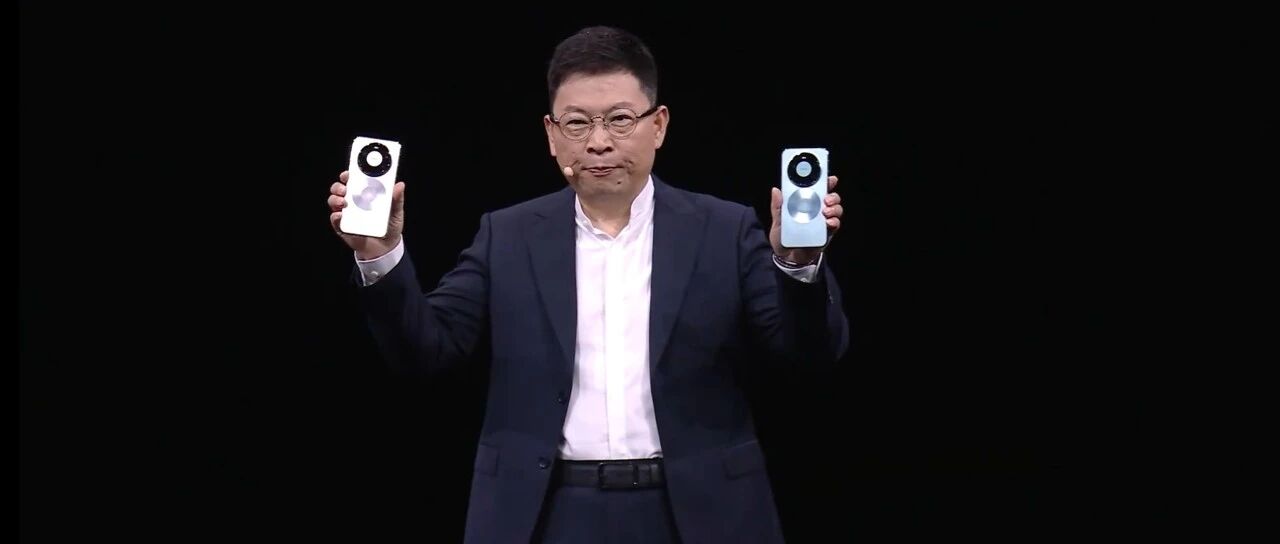
HarmonyOS 6:用系统的能力,重构AI的想象力
Tai Mei Ti A P P· 2025-10-25 03:44
Core Insights - The emergence of generative AI has led to a global consensus on its technological direction, with various industries, including IT, manufacturing, and finance, seeking to leverage AI for innovation [1] - The release of HarmonyOS 6 marks a significant advancement in human-computer interaction, enhancing system-level AI capabilities and establishing a collaborative ecosystem for third-party applications [3][4] Group 1: AI Interaction and User Experience - HarmonyOS 6 simplifies AI interaction, allowing users to issue commands across various devices seamlessly through a unified AI service, Xiaoyi [4][5] - The new Harmony Agent Framework enables efficient communication and integration among third-party AI agents, enhancing user experience [5][7] - Users can now perform complex tasks, such as medical inquiries, with simple voice commands, showcasing the system's advanced AI capabilities [4][8] Group 2: Ecosystem and Application Development - HarmonyOS 6 has integrated over 80 third-party AI applications across diverse sectors, including healthcare, entertainment, and shopping, enhancing user convenience [7][16] - Major applications from Tencent and other developers have been fully adapted to HarmonyOS, introducing innovative features and improving user experience [16][19] - The "one-touch" feature allows for seamless content sharing and collaboration across devices, further enhancing the ecosystem's functionality [17] Group 3: System Upgrades and AI Capabilities - The upgrade includes significant enhancements to built-in applications, such as advanced photo editing features powered by AI [8][9] - HarmonyOS 6 introduces intelligent document management and note-taking capabilities, streamlining user workflows [11][13] - Xiaoyi's capabilities are set to expand, including support for multiple dialects and advanced research assistance features [11][13] Group 4: Market Growth and Future Prospects - HarmonyOS has rapidly gained market traction, with over 23 million devices deployed, making it the fastest-growing operating system in smart terminal history [19] - The transition from "usable" to "user-friendly" is a key focus for HarmonyOS 6, aiming for innovative breakthroughs in user experience [14][19] - The future development of HarmonyOS will rely on collaboration with third-party developers to enhance its AI capabilities and user engagement [19][20]

中信证券:苹果(AAPL.US)追加1000亿美元在美投资 看好果链公司估值修复
智通财经网· 2025-08-12 01:32
Group 1: Core Insights - Apple has committed to an additional $100 billion investment in U.S. manufacturing, which is seen as a strategy to mitigate potential punitive tariffs on hardware products [1] - The valuation of Apple’s supply chain companies is currently low, and there is optimism for a recovery in sentiment as negative factors dissipate [1] - The expected hardware innovation cycle from 2025 to 2027 is anticipated to drive growth, particularly for companies with strong Apple business contributions and those positioned in AI, foldable screens, and robotics [1] Group 2: Valuation Recovery of Supply Chain - Since April 2025, the stock prices of Apple’s supply chain companies have recovered to pre-tariff levels, but overall gains in Q2 lagged behind, indicating that valuations remain attractive [2] - The average valuation for these companies corresponds to approximately 18 times PE for 2026, with most companies valued below 20 times PE [2] - Potential catalysts for valuation recovery include the conclusion of the 232 tariff investigation, stronger-than-expected demand for the iPhone 17, advancements in Apple Intelligence, and changes in the iPhone NPI models in 2026 [2] Group 3: Capacity Transfer - Apple has committed a total of $600 billion to U.S. manufacturing, with a focus on highly automated chips and components, as well as potential AI server production domestically [3] - Currently, about 80% of iPhone production is in mainland China, with 20% in India, while other products like AirPods and iPads have a domestic production ratio of 40-60% [3] - The strategy of diversifying production locations to mitigate tariff risks is expected to continue, with a positive outlook for core supply chain companies expanding overseas [3] Group 4: Outlook on New Products - In 2025, Apple is expected to continue hardware upgrades to support AI functionalities, including the introduction of the iPhone 17 Air and new design features in the Pro series [4] - For 2026, key hardware innovations include the first foldable iPhone, new AirPods with optical features, and advancements in the Apple Vision Pro product line [4] - By 2027, significant upgrades are anticipated for Apple's 20th anniversary products, including advancements in glasses, foldable screens, and notable enhancements in the iPhone lineup [4]


OPPO在AI手机上玩出了新花样
Hua Er Jie Jian Wen· 2025-04-11 01:08
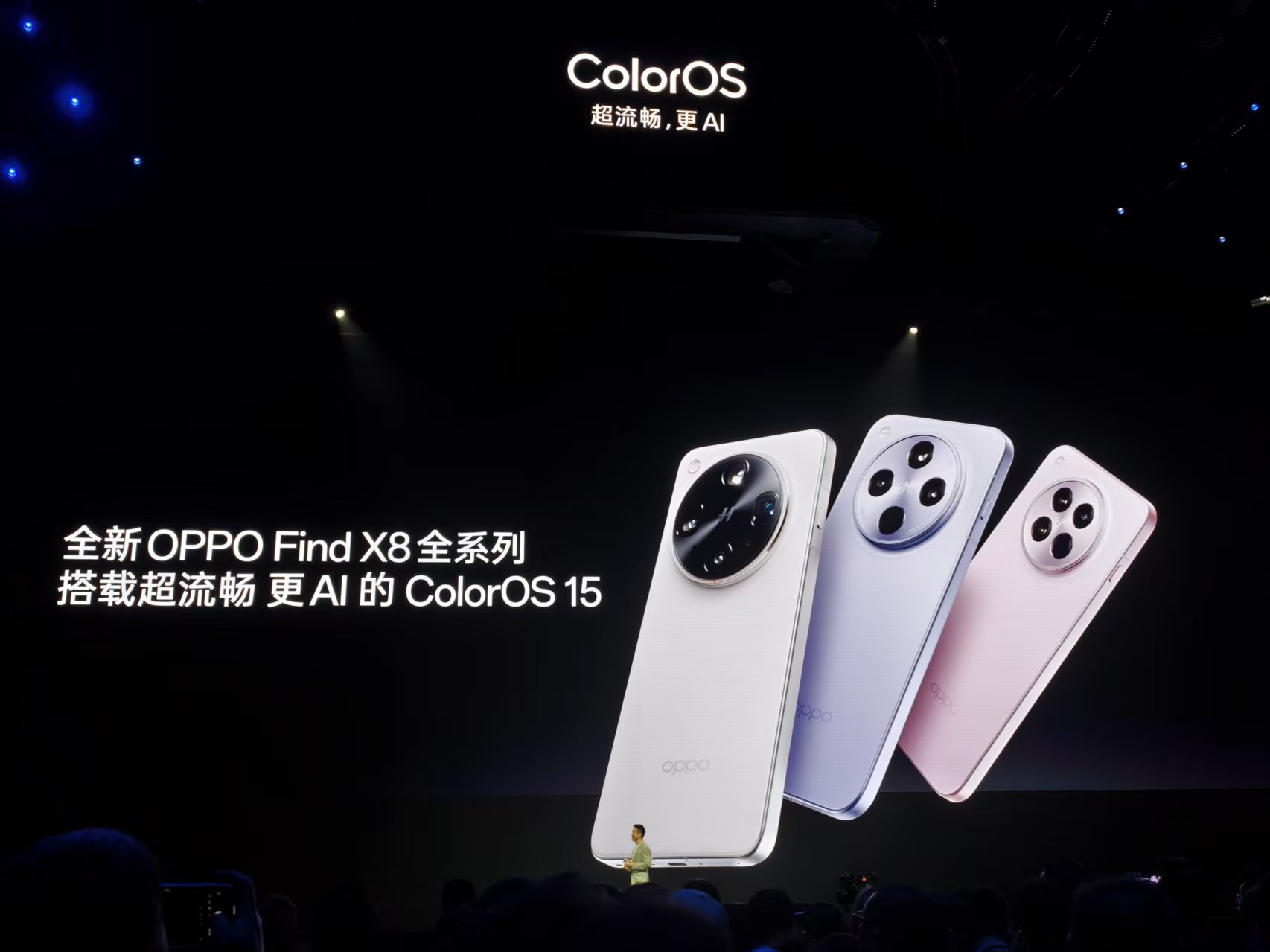
Core Viewpoint - The competition in the smartphone market is intensifying, particularly in the high-end segment, with major brands like OPPO launching innovative products and features to capture market share [1][6]. Group 1: OPPO's New Product Launch - OPPO has launched the new Find X8 series, which includes the Find X8 Ultra, Find X8s, and the upgraded Find X8s+ [1]. - The Find X8 Ultra features advanced imaging systems, including the Night God Five photography system and LUMO light imaging, positioning it as a top choice for night photography and live event shooting [1]. - OPPO is also introducing a small-screen phone and a new AI feature called "one-click flash memory" to enhance user experience [1][2]. Group 2: AI Integration and Market Trends - The new ColorOS 15 operating system introduces system-level AI capabilities, including a physical button for quick activation of the AI flash memory function [1][2]. - The AI flash memory feature allows users to quickly capture and organize information from various apps, addressing the challenge of managing information across different platforms [2]. - The smartphone industry is expected to see a new wave of innovation driven by AI, with 2024 being recognized as the "AI smartphone year" [2][3]. Group 3: Competitive Landscape - The high-end smartphone market is crucial for manufacturers' long-term success, with a significant increase in market share for smartphones priced at $600 and above, rising from 11% in 2018 to 28% in 2024 [7]. - Other Chinese brands are also increasing their presence in the high-end market, with their overall market share growing from 5% in 2020 to 15% in 2024 [7]. - In 2023, vivo led the market with a 17.2% share, followed closely by Huawei at 16.6%, while Apple, Honor, and OPPO ranked third, fourth, and fifth, respectively, with minimal market share differences [8]. Group 4: Future Outlook - Analysts predict that domestic brands will continue to invest heavily in the high-end market, with expected sales growth [9]. - The $600 to $800 market segment is anticipated to expand further due to government subsidies and advancements in AI and foldable screen technologies, becoming a new focal point for competition [10]. - The outcome of the ongoing competition in 2025 remains uncertain, with various factors influencing potential winners [11].
有必要给手机增加一颗专门的“AI”按钮吗?
Hu Xiu· 2025-03-25 12:45
Core Viewpoint - The article discusses the necessity of adding a dedicated "AI" button on smartphones to enhance user interaction with AI features, highlighting the current confusion and inconsistency in accessing AI functionalities across different devices [3][10][38]. Group 1: User Interaction with AI - Current user interaction with smartphones does not effectively accommodate AI functionalities, leading to confusion about how to access these features [2][9]. - Many AI features are hidden or not easily discoverable, which can frustrate users who are not tech-savvy [7][9]. Group 2: AI Button Concept - The idea of a dedicated AI button is proposed as a solution to streamline access to AI functionalities, providing a more intuitive user experience [11][21]. - The concept of an AI button is not new, as seen in other devices like Windows laptops and Chromebooks, which have integrated similar features [14][18]. Group 3: Examples of AI Integration - Various devices have implemented AI buttons with differing levels of effectiveness, such as Nothing Phone 3a's "Essential Space" feature, which allows users to capture and summarize information [25][28]. - The AI keyboard mentioned in the article offers direct access to multiple AI functions, significantly improving workflow efficiency [32][41]. Group 4: Future of AI Interaction - The article suggests that while a dedicated AI button may serve as a transitional solution, the ultimate goal should be to integrate AI deeply into the system for a seamless user experience [43][50]. - The evolution of AI interaction will likely lead to the disappearance of physical buttons as AI becomes more embedded in devices, providing assistance proactively rather than requiring user initiation [44][50].