高等教育

Search documents
大学专业三年优化启动
第一财经· 2025-08-28 16:13
Core Viewpoint - The article discusses the recent "Action Plan for the Adjustment and Optimization of Higher Education Discipline and Major Settings (2025-2027)" issued by the Central Education Work Leading Group, emphasizing the need for rapid adaptation of academic disciplines to meet the demands of emerging industries and interdisciplinary fields [3][5]. Group 1: Action Plan Overview - The Action Plan proposes several initiatives, including the rapid layout of urgently needed disciplines targeting strategic emerging industries, increased support for foundational disciplines, and the establishment of interdisciplinary centers [3][5]. - It highlights the importance of optimizing existing disciplines that show insufficient social demand or declining quality [3][5]. Group 2: Interdisciplinary Focus - The growing trend of interdisciplinary integration is noted, with a significant increase in the establishment of interdisciplinary programs across universities [4][5]. - As of 2021, 455 universities had set up 616 interdisciplinary disciplines, with the Ministry of Education officially recognizing interdisciplinary studies as a new category [5][6]. Group 3: Educational Trends - There is a notable shift in student preferences towards interdisciplinary fields such as artificial intelligence, which are seen as offering better employment opportunities [6][7]. - Major universities like Fudan University and Shanghai Jiao Tong University are actively developing interdisciplinary programs and innovative educational models to adapt to future technological trends [7][8]. Group 4: Artificial Intelligence Integration - The article emphasizes the integration of artificial intelligence into educational curricula, with significant growth in AI-related programs since the release of the adjustment plan in February 2023 [10][11]. - The demand for AI professionals is highlighted, with a reported talent gap exceeding 5 million in China, indicating a strong market need for skilled individuals in this field [10][11]. Group 5: Institutional Initiatives - Institutions are launching specialized programs and initiatives to foster interdisciplinary talent, such as Fudan University's "AI Big Class" and various new engineering colleges focusing on emerging technologies [12][13]. - The article mentions the establishment of cross-disciplinary courses and projects aimed at addressing real-world challenges and enhancing practical skills among students [12][13].

大学专业三年优化启动,急需学科专业实施超常布局
Di Yi Cai Jing· 2025-08-28 13:58
Core Viewpoint - The Chinese government is actively promoting the integration of artificial intelligence into higher education and various industries, emphasizing the need for interdisciplinary approaches and the establishment of new academic programs to meet the demands of emerging industries and technologies [1][8]. Group 1: Policy and Strategic Initiatives - The Central Education Work Leading Group has issued the "Action Plan for the Adjustment and Optimization of Higher Education Discipline and Major Settings (2025-2027)", which outlines systematic measures for optimizing academic disciplines [1]. - The plan includes actions such as rapid deployment of urgently needed disciplines, enhancement of foundational disciplines, incubation of emerging and interdisciplinary fields, and optimization of existing disciplines that are underperforming [1][3]. Group 2: Interdisciplinary Focus - There is a growing emphasis on interdisciplinary studies in response to the increasing demand for innovative, composite, and application-oriented talents in the economy and society [2]. - The establishment of interdisciplinary fields has been formalized, with the Ministry of Education recognizing interdisciplinary studies as the 14th category of academic disciplines, which includes "Integrated Circuit Science and Engineering" and "National Security Studies" [3]. Group 3: Educational Innovations - Universities are increasingly focusing on interdisciplinary talent cultivation, with institutions like Fudan University and Shanghai Jiao Tong University implementing programs that allow students to combine different fields of study, such as "Electrochemistry + Materials" or "Artificial Intelligence + Biology" [4][5]. - Fudan University has launched several new engineering innovation colleges that adopt interdisciplinary training models and integrate undergraduate and graduate education [6]. Group 4: AI Integration in Education - Since the release of the "Adjustment and Optimization Reform Plan for Ordinary Higher Education Discipline Settings" in February 2023, there has been a significant increase in the establishment of new undergraduate programs, particularly in engineering and AI-related fields [7]. - The government has emphasized the importance of integrating AI into educational curricula, with initiatives aimed at enhancing the quality and relevance of academic programs to meet the needs of the digital economy [8][9].
1.14亿元!中国海洋大学采购大批仪器(含双一流学科建设项目)
仪器信息网· 2025-08-28 06:16
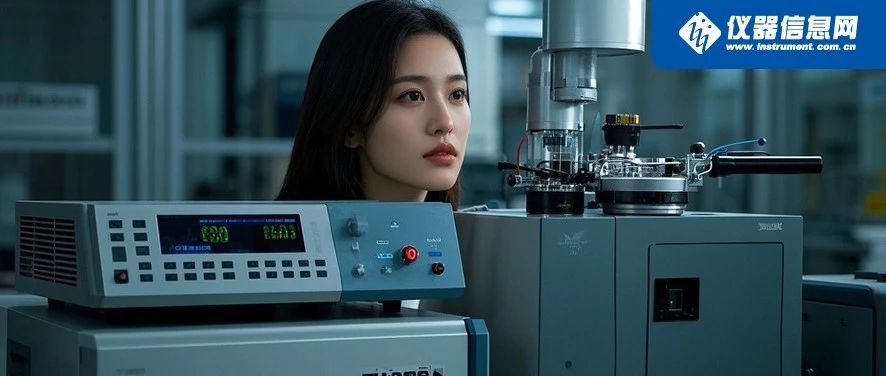
Core Viewpoint - China Ocean University has announced multiple government procurement intentions for laboratory instruments, with a total budget of 114 million yuan, indicating significant investment in research capabilities and infrastructure [2][3]. Procurement Summary - The procurement includes nine types of instruments, such as: - Liquid Chromatography-Mass Spectrometry (LC-MS) [3] - Single-Cell Droplet Sorter, which is essential for single-cell genomics and synthetic biology [4] - Critical Point Dryer, used for preparing samples for electron microscopy [5] - Dual-Channel Modulated Chlorophyll Fluorometer, designed for real-time monitoring of photosynthesis in plants [6] - The expected procurement period is from June to September 2025 [3]. Detailed Procurement List - The detailed procurement list includes: - 1 Liquid Chromatography-Mass Spectrometry [8] - 1 Single-Cell Droplet Sorter [8] - 1 Dual-Channel Modulated Chlorophyll Fluorometer [8] - 3 Microbial/Protein Anaerobic Analysis Rooms [8] - 2 Intelligent Artificial Climate Rooms [8] - 1 High-Performance Liquid Chromatography System [8] - 1 Fully Automated Liquid Nitrogen Storage System [8] - 2 Multi-functional Enzyme Labeling Instruments [8] - The total budget for these instruments is approximately 11.4 million yuan [2][3]. Research and Development Context - China Ocean University is recognized as a leading institution in marine science, with top rankings in global academic assessments [12]. - The university has a robust research platform with over 50 provincial and ministerial-level research facilities, enhancing its research capabilities [12]. - The institution's research funding has seen significant growth, with 189 projects approved in 2024, totaling 106 million yuan in direct funding [12].
以系统思维推进海南高等教育跨越式发展
Hai Nan Ri Bao· 2025-08-28 01:09
Core Viewpoint - Higher education is a foundational project for the construction of Hainan Free Trade Port, playing a crucial role in technological innovation, talent cultivation, and institutional reform [1] Group 1: Strategic Value of Efficient Support System - The efficient support system is essential for responding to national strategic needs and enhancing the overall development of education [2] - Higher education is tasked with providing knowledge innovation, technology transfer, and high-quality talent to the nation [2] - A well-structured support system can improve resource allocation efficiency and break down administrative barriers [2] Group 2: Addressing Structural Bottlenecks - Hainan's higher education faces challenges such as weak educational foundations, lack of research resources, and difficulties in talent recruitment [3] - Currently, Hainan has 28 regular universities, with only 11 at the undergraduate level, indicating a low level of higher education compared to other provinces [3] - The establishment of a scientific support system can attract quality educational resources and stimulate the endogenous motivation of universities [3] Group 3: Promoting High-Level Educational Openness - Openness is the essence of the free trade port, directly affecting the internationalization of higher education [4] - There is a need to establish international education support mechanisms and platforms for cooperation between domestic and foreign universities [4] - The successful establishment of Beilefeld University of Applied Sciences in Hainan has injected new vitality into the internationalization of higher education [4] Group 4: Challenges in Service Function System Construction - Despite some progress, Hainan's higher education still faces various constraints compared to the high standards required by the free trade port [5] - There is a significant mismatch between the professional settings of universities and the market demand for applied talents [5][6] Group 5: Pathways for Building an Efficient Support System - To achieve high-quality educational development, Hainan must construct a clear and efficient support system [7] - The integration of talent policies and the alignment of academic disciplines with key industries are crucial for optimizing the support system [7] - Establishing special development funds can provide financial support for teacher training, research initiation, and international exchanges [7] Group 6: Enhancing Industry-Education Integration - Universities should proactively integrate into industrial development by establishing close cooperation mechanisms with enterprises [8] - A talent demand warning mechanism can provide data support for universities to adjust their programs [8] Group 7: Leveraging AI for Teacher Development - The application of artificial intelligence can address issues such as uneven distribution of teacher training resources and low efficiency in course development [9] - The integration of AI technology can significantly enhance teaching quality and research effectiveness [9] - Building a scientific and efficient support system is fundamental for achieving high-quality development in Hainan's higher education [9]
高校博物馆——依托专业资源,丰富公共文化
Ren Min Ri Bao· 2025-08-28 00:07
Core Viewpoint - University museums serve educational, research, and cultural appreciation purposes, becoming popular public destinations and contributing to higher education and social cultural development [1][2]. Group 1: Role and Impact of University Museums - University museums leverage academic resources to provide specialized public cultural services, evolving into a "second classroom" on campuses [2]. - The Xi'an Jiaotong University Westward Migration Museum integrates historical narratives into ideological education, hosting over 30 themed exhibitions to engage audiences with the Westward Migration story [7]. - Many universities are establishing museums and memorials that utilize historical artifacts to promote red culture, guiding students to uphold national spirit and ideals [7]. Group 2: Cultural Heritage and Research - The Sichuan University Museum, recently renovated, showcases over 80,000 historical artifacts and collaborates with archaeological research to enhance cultural education [10][11]. - The museum's exhibitions aim to create an immersive experience for visitors, enhancing their interest in Chinese civilization and culture through modern technology [11]. - The Zhejiang University Art and Archaeology Museum presents a significant exhibition on Yuan Dynasty painting, attracting visitors and enriching their understanding of traditional culture [12]. Group 3: Specialized University Museums - The Beijing University of Aeronautics and Astronautics Museum highlights China's aerospace achievements through themed exhibition areas, fostering a sense of responsibility and innovation among students [13][15]. - The Electronic Science Museum at the University of Electronic Science and Technology showcases 15,000 items, emphasizing the development of China's electronic technology and serving as an auxiliary classroom for professional learning [16].
“清华饭碗”被公开出售?警惕“名校周边”收智商税
Zhong Guo Xin Wen Wang· 2025-08-27 13:15
食堂餐具属于学校集体资产,供师生日常使用,并非个人可随意处置的私物。无论卖方是否真是校内学 生,将餐具带出食堂并公开售卖,实质上已构成对公共资源的不当占有。这不仅违背了校园管理规定, 也触及了道德和法治的底线。有网友直言,这不就是"小偷"吗? 如果涉事商品是批量生产的仿制品,问题同样不可小觑。一来,卖家涉嫌虚假宣传,公然欺骗消费者; 二来,生产、销售此类仿制品涉嫌侵权,应承担相应法律责任。 显然,一个饭碗加一把餐勺标价88元且有人愿意购买,根本原因在于其来自清华大学。卖家所谓的"用 它吃饭感觉不一样",买家潜在的"沾沾名校气息"的心理,暴露了一种符号崇拜与情感消费的混合心 态。 据上游新闻报道,继北京大学未名湖湖水被售卖引发关注后,近日,清华大学食堂餐具成为网络焦点 ——在二手交易平台上,有卖家公开以88元的价格售卖"清华紫荆色饭碗+绿色餐勺"组合,引发热议。 从"北大未名湖湖水""清华校河河水",再到如今的"清华饭碗",这类交易本质上是在贩卖一种符号价 值,购买者追求的并非物品的使用功能,而是其背后的名校光环。如此消费名校符号,不仅是对校园秩 序的破坏,更是对大学精神的误读和矮化。 对此,清华大学食堂工作人 ...
我读|在思想和生活之间:《陈绛口述历史》释读
Xin Lang Cai Jing· 2025-08-27 06:32
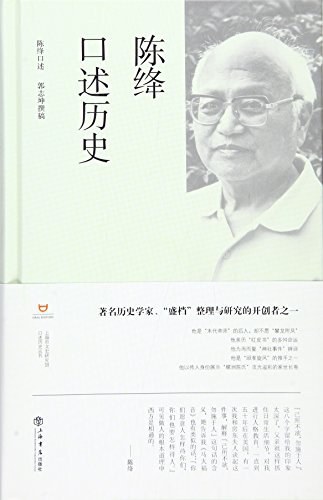
Core Viewpoint - The oral history of Chen Jiang provides insights into the complex interplay between life and thought during the revolutionary era in China, reflecting the multifaceted relationships of intellectuals with communism and the evolving ideological landscape [2][3]. Group 1: Historical Context - Chen Jiang was born in 1929 in Fuzhou and experienced significant ideological shifts during his formative years, particularly influenced by his father's traditional Confucian values and the broader societal movements of the 1930s [3][4]. - The 1930s marked a transition in Chinese intellectual circles from individual awakening to collective ideologies, leading to a focus on various "isms" as a means for social transformation [3][4]. Group 2: Education and Influences - Chen Jiang attended St. John's University, known for its emphasis on English education and liberal arts, which significantly shaped his academic and professional trajectory [5][6]. - The university's curriculum included a broad range of subjects, fostering a well-rounded education that influenced Chen Jiang's later work in economic history and modern Chinese studies [5][6]. Group 3: Political Engagement - After graduating in 1949, Chen Jiang was involved in the establishment of the new government, working in the United Front Work Department, which was crucial for integrating various social groups into the communist framework [8][9]. - His early career was marked by a supportive environment within the department, where he engaged with prominent figures and participated in discussions about the political landscape of the time [8][9]. Group 4: Academic Contributions - Chen Jiang later joined the Shanghai Economic Research Institute, where he contributed to the study of the socialist transformation of capitalism in Shanghai, reflecting the complexities of economic policies during the early years of the People's Republic of China [12][14]. - His work on the "Red Book," which examined the socialist transformation of Shanghai's capitalist enterprises, faced significant political scrutiny and criticism, illustrating the challenges of academic freedom during that period [14][15]. Group 5: Legacy and Reflection - Chen Jiang's later years were characterized by a prolific output of scholarly work, addressing various aspects of modern Chinese history and economics, demonstrating his commitment to understanding the complexities of China's past [16][17]. - His oral history serves as a testament to the struggles and reflections of a generation of intellectuals who navigated the tumultuous political landscape of 20th-century China, providing valuable insights into the interplay of ideology, personal experience, and historical change [17][18].
8617万元!西北农林科技大学采购大批仪器(含设备更新)
仪器信息网· 2025-08-27 03:58
导读: 近日,西北农林科技大学发布多批政府采购意向,仪器信息网特对其中的仪器设备品目进行梳理,统计出22项仪器设备采购意 特别提示 微信机制调整,点击顶部"仪器信息网" → 右上方"…" → 设为 ★ 星标,否则很可能无法看到我们的推送。 近日,西北农林科技大学发布2 2项仪器设备采购意向,预算总额达8 6 1 7万元,涉及植物冠层温度成像仪、植物气孔原 位动态表型监测系统、气相色谱-三重四极杆质谱联用仪、三重四级杆超高压液相色谱串联质谱仪、气相色谱仪、正置 荧光显微镜等,预计采购时间为2 0 2 5年1~8月。 部分采购仪器: 正置荧光显微镜 正置荧光显微镜是生命科学、医学和材料科学等领域中一种基础且关键的成像工具。它结合了正置显微镜的结构和荧光 显微技术,用于观察和分析经过荧光标记的样本。 植物冠层温度成像仪 植物冠层温度成像仪是一种利用红外热成像技术,非接触式测量和可视化植物冠层表面温度分布的专用仪器。它在农 业、植物生理学、生态学和环境科学研究中扮演着重要角色。 三重四级杆超高压液相色谱串联质谱仪 "三重四级杆超高压液相色谱串联质谱仪"是一种将超高压液相色谱 (UHPLC) 与三重四级杆质谱 (Tri ...

哈尔滨工业大学有了AI辅导员
Ke Ji Ri Bao· 2025-08-27 00:28
Core Insights - Harbin Institute of Technology (HIT) has launched an AI assistant named "Gong Xiaoxing," which operates 24/7 and utilizes self-developed emotional computing technology to understand and support students' needs [1][2] Group 1: AI Assistant Features - "Gong Xiaoxing" has a comprehensive knowledge base covering over 30 areas related to student life, including school regulations, academic support, campus services, and cultural activities, with more than 20,000 knowledge modules [1] - The AI assistant can provide information across more than 20 fields, including teaching, research, and employment, helping students interpret policies and access resources [1] - It employs different response mechanisms: a role-based intelligent guidance for basic inquiries, an emotional support mechanism for stress relief, and an enhanced retrieval system for complex campus processes [1] Group 2: Student Interaction and Benefits - Students can interact with "Gong Xiaoxing" to alleviate study-related stress, receiving suggestions for breathing exercises and information about campus activities to help them relax [2] - The AI assistant addresses urgent student inquiries, such as holiday leave procedures and campus card replacements, allowing human counselors to focus on educational and value-driven tasks, thereby improving the quality and effectiveness of student guidance [2]
这座一线城市,正在疯狂建大学
盐财经· 2025-08-26 10:05
Core Viewpoint - Shenzhen has rapidly transformed its higher education landscape over the past 45 years, achieving significant advancements in university rankings and educational quality, which challenges traditional perceptions of educational development timelines [2][3][4]. Group 1: Historical Context and Development - Shenzhen's first university, Shenzhen University, was established in just eight months in 1983, showcasing the city's commitment to rapid educational development [6][8]. - The city recognized that to compete with established universities in Beijing and Shanghai, it needed to adopt unconventional strategies, such as forming partnerships with prestigious institutions [7][11]. - By 2000, Shenzhen had already begun to establish graduate schools in collaboration with top universities, indicating a proactive approach to enhancing its educational offerings [8][12]. Group 2: Financial Investment in Education - In 2024, Shenzhen allocated 102.06 billion yuan to education, with over 20% of its fiscal budget dedicated to this sector, highlighting the city's prioritization of higher education [13]. - The budget for higher education in 2025 is set at 179.3 billion yuan, accounting for nearly 46% of the total education expenditure, underscoring the importance placed on this area [13][14]. - Shenzhen University leads the budget allocation with 7.51 billion yuan, followed by Southern University of Science and Technology with 5.36 billion yuan, indicating a strong financial commitment to these institutions [14]. Group 3: Educational Ecosystem and Innovation - Shenzhen's higher education ecosystem includes a variety of institutions, from comprehensive universities to specialized research universities, all contributing to a diverse educational landscape [15]. - The city emphasizes "practicality" in education, aligning academic programs with industry needs, which is evident in the establishment of specialized programs at Shenzhen Technology University [19][22]. - The integration of education and industry, termed "deep integration of production and education," is a key strategy for aligning educational outcomes with the demands of the local economy [20][22]. Group 4: Challenges and Future Directions - Despite rapid growth, there is an acknowledgment that cultural and educational depth takes time to develop, and institutions are beginning to address this need [26]. - The balance between practical skills and a broader educational foundation is crucial, as highlighted by the emphasis on humanities and interdisciplinary studies at various universities [26][27]. - As the higher education landscape evolves, the focus on producing strategic scientists capable of addressing complex challenges remains a long-term goal for Shenzhen's educational institutions [36].