商业地产

Search documents
西安税务:让外来企业发展“不见外”
Sou Hu Cai Jing· 2025-07-22 10:10
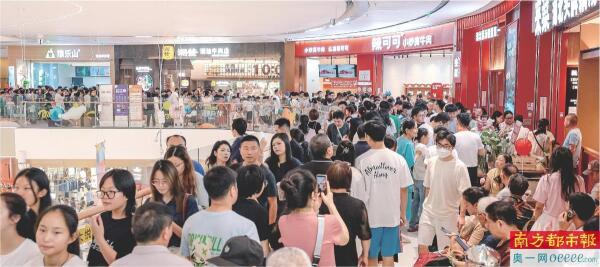
统计数据显示,2024年陕西省新设外商投资企业521家,同比增长27.7%;截至今年5月底,欧盟国家累 计在西安设立外资企业259家,法国、德国等为主要投资国,累计投资企业达111家,截至目前,已有超 过200家世界500强企业在西安投资兴业。 凭借良好的营商环境、广阔的内需市场和完备的产业配套体系,西安让更多优质企业原意来、留得件, 长得壮。西安市税务部门依法依机落实税费政策,不断完善税收服务举措,为外来企业发展营造良好税 收环境。 "开业第一课"让企业开业无忧 今年4日,西安荟聚购物中心迎来了它的周岁生日,一场千人共享生日蛋糕活动让这里热闹非凡。西安 荟聚购物中心是英格卡集团在华布局的第9家商业体,总投资43亿元,是陕西目前最大的外商投资商业 项目,也是西安市民社交圈里的"打卡顶流"。 "在西安发展的这些年,我深刻感受到这里良好的营商环境,比如税务部门的'项目长'制,就让我们在 推进重大扩产项目时备感安心。"中德合资企业采埃孚东方汽车安全技术(西安)有限公司财务总监孟鑫 对记者说。去年7月,公司计划为气体发生器扩能及研发中心项目新增两条生产线,预计投资2150万欧 元,但由于项目体量大、涉及环节多,复杂的 ...
重奢战火不熄、情绪消费蓬勃,线下商业格局正在被重塑
第一财经· 2025-07-22 07:06
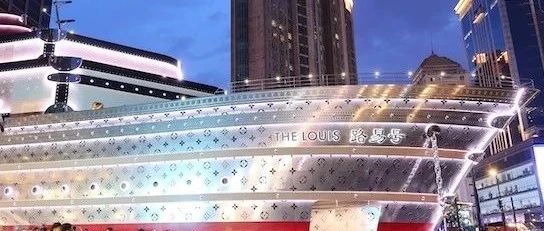
Core Viewpoint - The article discusses the ongoing transformation in the high-end retail sector in China, highlighting the shift towards emotional and experiential consumption, as well as the expansion of luxury shopping spaces to meet diverse consumer demands [2][16]. Group 1: High-End Retail Expansion - Louis Vuitton's "Louis Number" launch at Xinyi Taikoo Hui has significantly boosted foot traffic and sales, with weekend visitor numbers increasing by 107% and 114% year-on-year, and sales up by 104% and 91% respectively [5][6]. - Taikoo Properties has been systematically restructuring its brand since 2022, transitioning from a trendy luxury focus to a more upscale positioning, with the introduction of major international brands [6][7]. - Shanghai Hang Lung Plaza is undergoing a major expansion, adding approximately 3,080 square meters of retail space, which will increase its leasable area by 13% and accommodate around 25 new brands, expected to be completed by mid-2026 [11][12]. Group 2: Market Trends and Consumer Behavior - The luxury market in China is showing resilience despite signs of growth fatigue, with brands increasing their investments and expanding their presence [14][16]. - The emotional connection and personalized shopping experiences are becoming central to consumer preferences, with a notable shift towards "emotional spending" [2][3]. - The luxury goods market is projected to grow at around 3% globally, with the Asia-Pacific region remaining a key growth area, despite a 17% decline in luxury sales in China in 2024 [17]. Group 3: New Consumption Trends - The rise of "new economy" forms of consumption, such as the "二次元" (anime) culture and pet economy, is gaining traction, with significant increases in related consumer activities [20][22]. - The "二次元" market saw a 940% increase in search volume for related shopping experiences in Shanghai, with sales from related IP pop-up events reaching 82 million yuan, a 37% increase year-on-year [21]. - The pet economy is projected to reach a market size of 300.2 billion yuan in 2024, with a 7.5% year-on-year growth, as pets increasingly become integral family members [22]. Group 4: Future Retail Landscape - Future retail will focus more on emotional connections, community engagement, and mixed-use spaces, transitioning from mere transaction venues to social hubs [3][25]. - The Z generation is expected to become the main consumer force, driving the need for understanding niche demands and creating emotional value in retail innovation [25].



21城人气商场榜“汰换率”不足10%,华润、龙湖、万达抢地盘
3 6 Ke· 2025-07-22 02:48
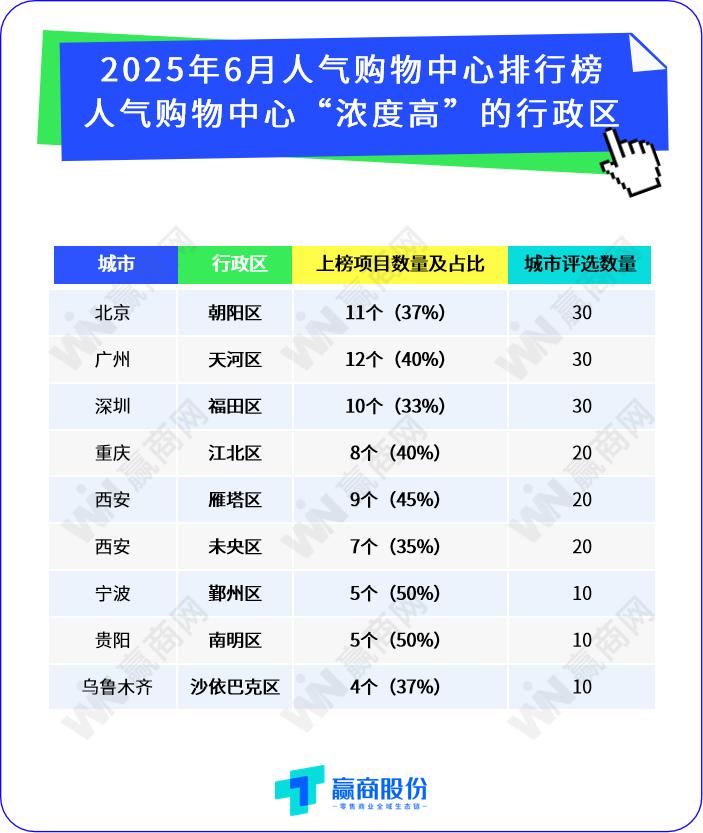
Core Insights - In June, the average foot traffic in shopping malls across the country saw a slight month-on-month decrease of 2%, with an average daily foot traffic of around 80,000 in 390 popular shopping centers across 21 cities [1] - The top 1 popular shopping centers in various city segments showed an average daily foot traffic of approximately 126,000, indicating a stable performance in major urban areas [1] - The rankings reflect a competitive landscape with 354 shopping centers maintaining their positions from May, while 36 new centers entered the rankings, including several newly opened projects in the second quarter [1] Group 1: City Distribution - Major cities like Beijing, Shenzhen, Guangzhou, and Chongqing have administrative districts with over one-third of the total popular shopping centers, while other cities show a more dispersed distribution [1] - In Beijing's Chaoyang District, 11 centers (37% of the total) made the list, while Guangzhou's Tianhe District had 12 centers (40%) [2] - The concentration of popular shopping centers in first-tier cities is balanced between city-level and regional business districts, with regional districts often outperforming in second-tier cities [2] Group 2: Operator Performance - Major operators such as China Resources Vientiane Life, Wanda Commercial Management Group, and Longfor Group maintained their advantages with over 10 centers listed, although their strengths vary across different city tiers [3] - In first-tier cities, Longfor Group led with 17 centers, while in quasi-first-tier cities, China Resources Vientiane Life topped the list with 17 centers [3] Group 3: Notable Projects - Shanghai remains the top city for commercial activity, with 43 out of 50 popular shopping centers maintaining their positions for three consecutive months, indicating a highly competitive environment [5] - The Shanghai Wujiaochang He Shenghui shopping center saw a significant rise, entering the top three for super-large projects with an 11% year-on-year increase in foot traffic [11] - The newly opened Beijing Zhonghai Dajixiang shopping center achieved remarkable success, topping the small project category with a 91% opening rate and attracting over 300,000 visitors in its first month [35] Group 4: Emerging Trends - The June rankings highlighted the emergence of new projects like Shenzhen's Luo Hu Yitian Holiday Plaza and iN City Plaza, which both made their debut in the rankings [39] - In Chengdu, the newly opened Huaxi LIVE·528 shopping center is gaining traction, with a 24% year-on-year increase in sales and a 22% increase in foot traffic [41] - The Wuhan market is seeing a focus on new store openings and promotional activities, with significant events planned to attract consumers [66]

苏宁50亿元回购诉求未获支持!万达债务压力未解,年内已遭七轮股权冻结
Mei Ri Jing Ji Xin Wen· 2025-07-21 09:10
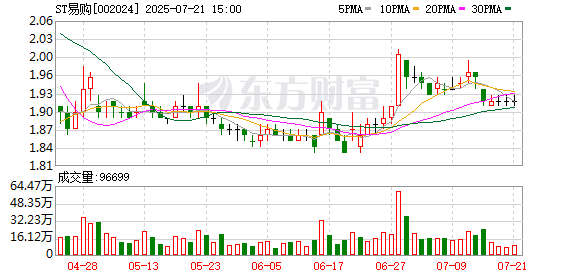
经过近9个月的等待,关于苏宁易购与万达的仲裁终于有了结果。 近日,苏宁易购(即ST易购:SZ002024,股价1.92元,市值177.88亿元)公告称,公司、苏宁国际集团股份有限公司(以下简称"苏宁国际")要求大连万达 集团股份有限公司(以下简称"万达集团")、大连万达商业管理集团股份有限公司(以下简称"万达商管")立即支付50.4亿元股份回购款的仲裁请求未予以支 持。不过苏宁易购表示,公司仍将通过包括但不限于诉讼、仲裁在内的合法路径,积极寻求回购,并继续争取其他正当权益。 与此同时,苏宁易购还将就股份回购仲裁的撤裁以及万达集团、万达商管进一步违约、侵权的事项将持续采取各种法律手段,坚决维护公司合法权益。 而对于此次仲裁结果,《每日经济新闻》记者向万达方面发去了采访提纲,对方表示"没有进一步回应"。 苏宁易购公告显示,2018年,公司与万达集团、万达商管签署《关于大连万达商业地产股份有限公司之战略合作协议》(以下简称《战略合作协议》)。根 据协议,苏宁易购以95亿元购买万达商管约3.91%股份,仍有剩余的则与万达集团签署股份转让协议,将剩余投资款全部用于购买万达集团转让的部分股 份,最终苏宁易购持有万达商管约 ...

夏季潮生活创新消费新模式 虹口:上线首创“智慧票根” 嘉定:商场营造“冰雪秘境”
Jie Fang Ri Bao· 2025-07-21 02:04
记者 周楠 小朋友们喜爱的"艾莎女王"和"安娜女王"来上海了!日前,由上海南翔印象城MEGA与迪士尼中国 合作呈现的"迪士尼冰雪奇缘夏雪节"主题活动内地首站在南翔印象城MEGA与消费者见面。活动现场将 阿伦黛尔王国的经典夏季庆典带到上海,让消费者在炎炎夏日感受一步"穿越"的别样体验。 7月18日,两位"女王"来到商场内打造的"冰雪秘境",在摇曳的棕榈树影与斑斓夏日色彩间舞动 挥"雪"。穿过连廊,四周繁花依旧,却逐感"气温"骤降,随着步入L1鹤舞中庭,视线所及雪花风车飘散 出唯美雪景,剔透冰凌悄然显现,奏响夏日寒冬的序曲,高达7米的冰雪城堡引人驻足,期待开启一场 梦幻奇遇。 此次活动为2025"上海之夏"国际消费季嘉定区的标杆活动,将延续至9月14日。在为期2个月的时间 内,上海南翔印象城MEGA将以"舞雪成花 绽放MEGA"为主题,打造多场活动。不仅有"迪士尼冰雪奇 缘夏雪节",还有"迷你世界方块宇宙互动体验夏令营"全国首展,为小朋友提供欢乐天地。 启动仪式上,"崇邦×大麦麦座全国首个商场娱乐购票大会员系统"发布上线,标志着虹口"票根经济 4.0"成功迭代升级。该系统基于滨港20+娱乐业态全新组合,通过以大麦 ...
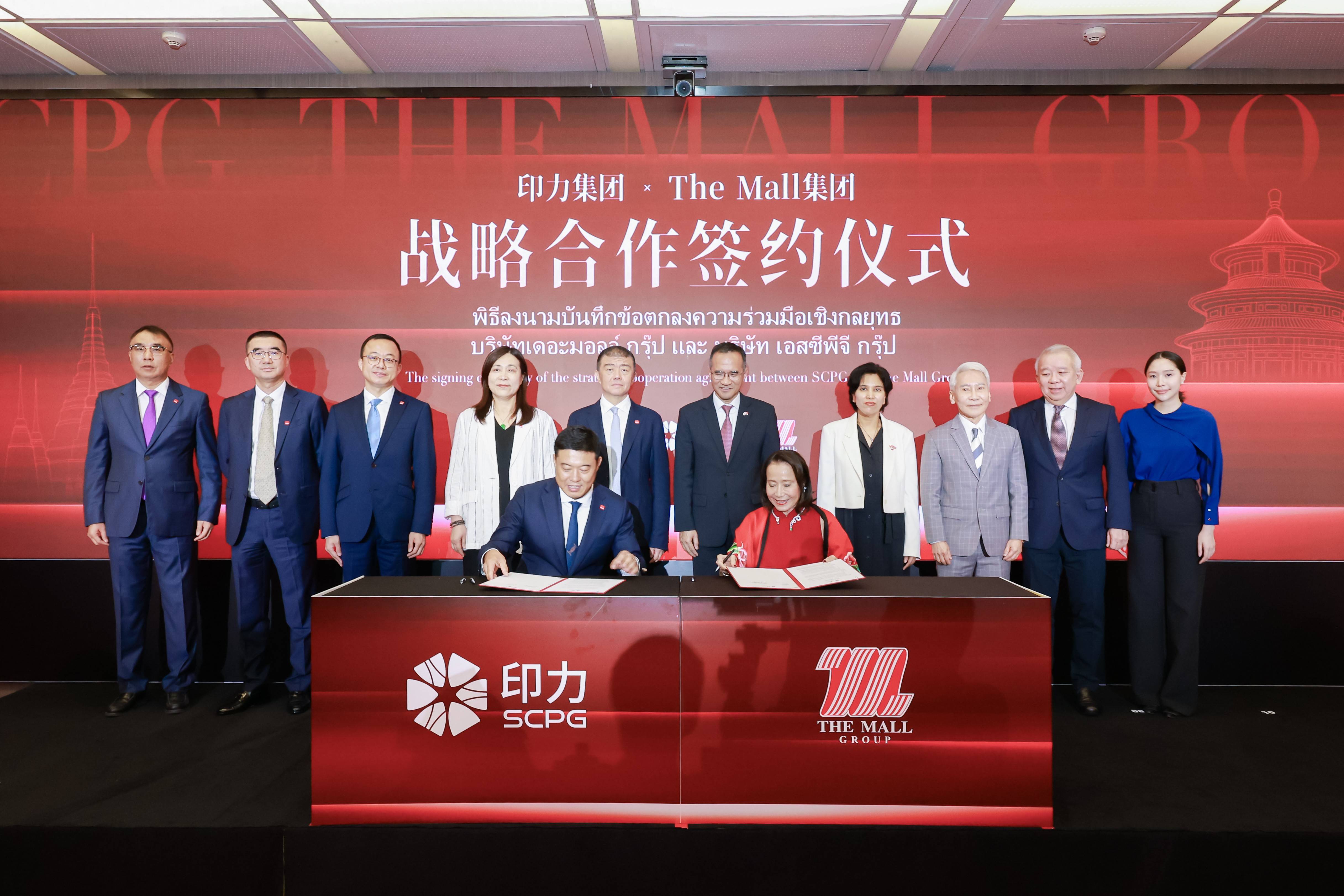
印力与THE MALL集团在深签订战略合作协议,第九届花花节“酷泰市集”正式启幕
Sou Hu Cai Jing· 2025-07-18 15:41
Core Insights - The strategic partnership between Inli and The Mall Group from Thailand marks the beginning of a collaboration aimed at enhancing international consumer experiences in China [1][4] - The partnership will facilitate cross-border expansion for commercial brands and enhance member benefits, including discounts and services [4][5] Group 1: Strategic Collaboration - Inli, a leading commercial real estate operator in China, has signed a strategic cooperation agreement with The Mall Group, a top retail developer in Thailand [1][4] - The collaboration aims to create a "commercial highway" for brand and resource sharing, promoting cultural and consumer exchanges [5][4] Group 2: Economic and Cultural Impact - The partnership is expected to drive economic and cultural synergy between Thailand and China, enhancing trade relations and cultural exchange [5][4] - The Mall Group will act as a bridge to connect Thai brands with the Chinese market, expanding international customer bases through shared membership systems [4][5] Group 3: Event Launch - The launch event included the opening of the 9th Super-V Flower Festival "Cool Thai Market," showcasing Thai culture and products to Chinese consumers [1][4] - The "Cool Thai Market" will be featured in over 200 commercial projects across 55 cities under Inli, providing immersive Thai experiences [4]
北京昌平:乐多港万达广场 “大明不夜集” 掌灯开市
Bei Jing Shang Bao· 2025-07-18 14:19
作为昌平夜经济的重要部分,活动以 "文化 + 商业" 模式探索区域夜经济新路径,既传承创新明代文 化,让消费者在消费中感受明文化魅力、增强文化自信,也为北京夜间经济添彩。市民可随时前往参 与,在光影古韵中享受别样昌平夏夜。 今年夏天,昌平区全面启动 "把夏天的夜交给昌平" 夜经济升级行动,围绕 "活跃夜商业、引导夜休 闲、点亮夜旅游、丰富夜生活",构建多点联动、业态多元的夜经济格局。系列活动涵盖商圈、景区、 乡村等多个场景:首开 LONG 街 "荔夜长安宴" 已重现盛唐市井风情;超极合生汇将于 8 月推出 "超级 造浪" 夏夜音乐派对,以水为媒打造清凉狂欢场景;京郊乡村夜市将集中展现兴寿镇辛庄、崔村镇等地 的乡俗特色,让市民体验别样的田园夜生活;居庸关长城 "明潮嘉年华" 则通过沉浸式戏剧、古风市集 等,激活历史景区的夜间活力。而乐多港万达广场 "大明不夜集" 的启幕,正是这一系列活动中浓墨重 彩的一笔。 据了解,"大明不夜集" 通过打造特色夜间消费场景,丰富市民夜间生活体验,激发区域消费新活力。 活动期间,广场内餐饮商家延长营业时间至自然闭店,配合市集美食形成 "逛、吃、购、玩" 一体化消 费链条。预计本次 ...
麦座大型商业中心一体化消费解决方案落地,打通崇邦百万会员消费链
Zhong Guo Jing Ji Wang· 2025-07-18 03:01
Group 1 - Chongbang Group has integrated its membership system with the Binjiang Commercial Center, allowing one million members to redeem points for up to 20% off entertainment ticket prices [1] - The integration is facilitated by the launch of a large-scale commercial center consumption solution developed by Damai Maizuo, enabling shared membership assets, data, and marketing systems across all commercial entities under Chongbang Group [1] - The ticketing system at Binjiang Commercial Center, built on Maizuo's core capabilities, features security mechanisms against bot purchases and supports real-time ticket sales management and digital marketing [1] Group 2 - Binjiang Commercial Center is a flagship project in Shanghai, featuring over 20 entertainment formats including immersive theaters, comedy venues, and VR technology exhibits [2] - The center aims to create a new experiential consumption destination for young people in Shanghai, combining cultural and commercial elements [2]
释放暑期消费潜力,缤纷活动吸引广大市民游客好来、好玩、好购
Sou Hu Cai Jing· 2025-07-18 01:21
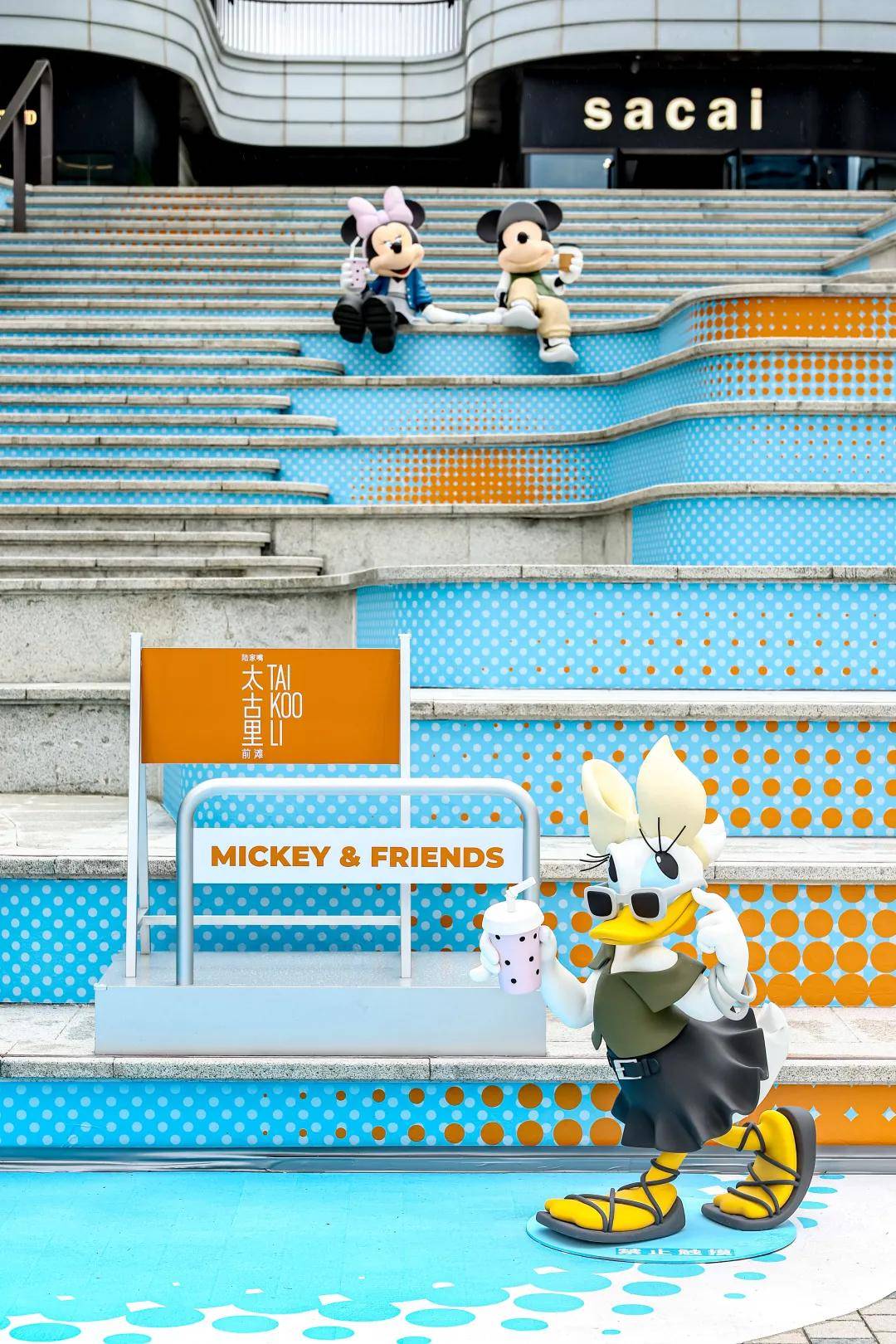
Group 1: Shanghai Summer Activities - The "2025 Shanghai Summer" international consumption season is currently underway, featuring a series of vibrant activities across Pudong to enhance summer tourism and consumption [1][10] - The "Let's PLAY well" summer theme event at the Front Beach Taikoo Li, in collaboration with Disney, offers a variety of immersive activities from now until August 31 [2][10] - The event includes a themed pool, pet park, music stage, and outdoor movie screenings, creating a unique summer experience for visitors [2][10] Group 2: Art Exhibitions and Installations - The "Zhu Zhu City" exhibition by French artist Jean Jullien marks his first major solo exhibition in China, held at the Huamu Time Center [11][17] - The exhibition features large outdoor art installations, including "THE DUEL" and "The Tank," which invite audience interaction and exploration of fantasy narratives [13][15][17] - The exhibition aims to engage visitors through immersive art experiences, showcasing Jullien's unique artistic language and storytelling [17][21] Group 3: Cultural Heritage and Artifacts - The "万象本色——'中国白・德化瓷'上海艺术大展" features the return of the "Treasure of the Fujian Pavilion," a Dehua porcelain piece valued at 560 million yuan, to Shanghai [22][24] - The exhibition showcases over 200 pieces of Dehua porcelain, highlighting its historical significance and innovative craftsmanship [26][27] - The event aims to present the contemporary interpretation of traditional Chinese culture through Dehua porcelain, emphasizing its artistic and cultural value [27]
首店业态过半数 可带宠物逛商场
Nan Fang Du Shi Bao· 2025-07-17 23:11
Core Insights - Shenzhen's first Joy City opened on July 12, 2023, after 15 years of development, covering an area of 250,000 square meters, attracting over 420,000 visitors and generating nearly 20 million yuan in sales on its opening day [6][11] - The mall features a significant proportion of first stores and customized shops, with over 50% of its brands being new to the market, including notable names in the pet economy and family-oriented sectors [7][8] - Despite the initial success, consumer feedback indicates that while there are many dining options, they lack standout offerings compared to established competitors [10] Company Overview - Joy City is a commercial real estate platform under COFCO Group, known for its strong presence in northern China [11] - The opening of Joy City in Shenzhen marks a strategic move into a highly competitive market, with the Bao'an district being a key area for commercial development [11][12] Market Dynamics - The Bao'an district is projected to have nearly 40 commercial complexes by 2024, with a total commercial area exceeding 3.1 million square meters, making it the largest commercial hub in Shenzhen [11] - The competitive landscape is intensifying, with 21 new projects expected to open in Shenzhen by 2025, adding approximately 1.8625 million square meters of commercial space [11][12] - Differentiation in offerings and brand appeal will be crucial for new entrants like Joy City to succeed in this crowded market [12]