跨境电商

Search documents
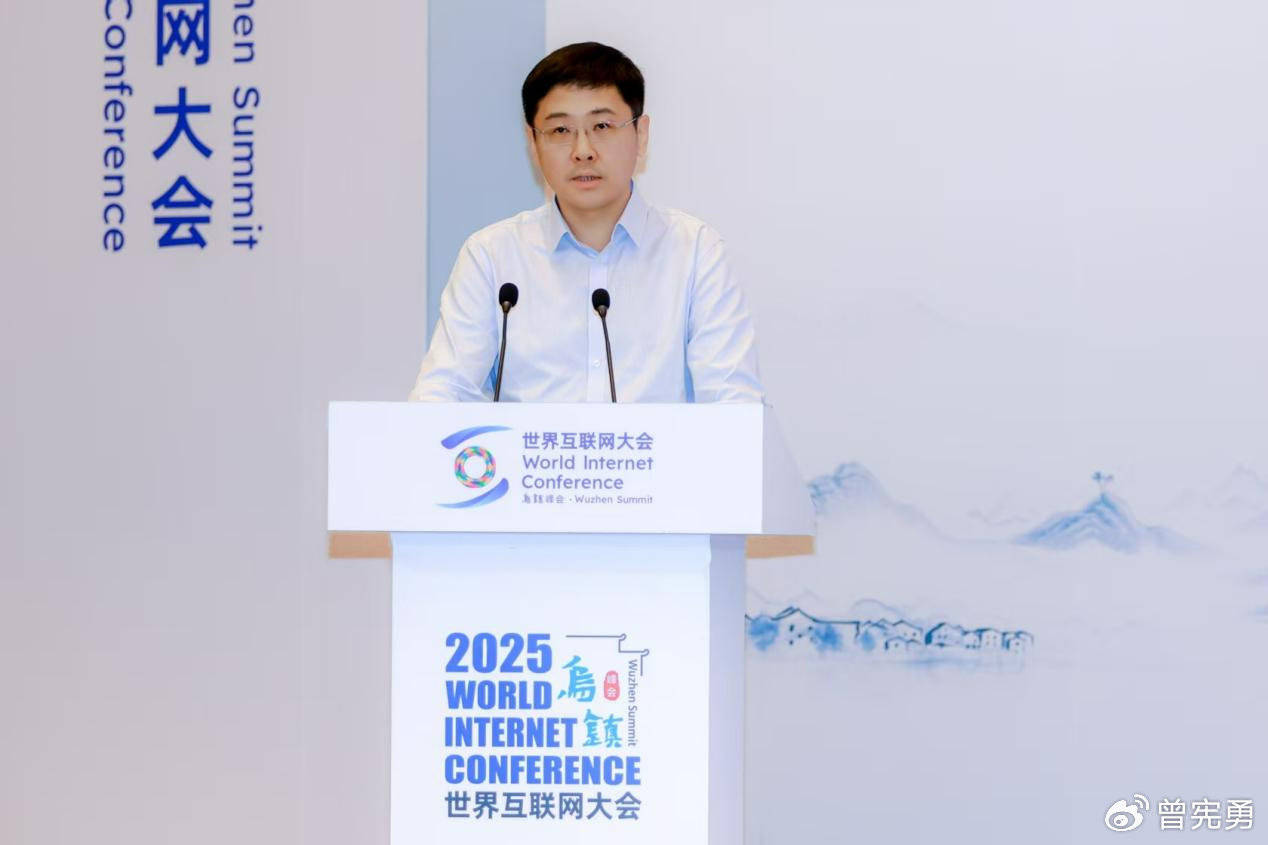
拼多多朱政:创新出海业务模式,赋能全球经济发展
Sou Hu Cai Jing· 2025-11-09 12:21
Group 1 - The 2025 Global Development Initiative Digital Cooperation Forum was held on November 8 during the World Internet Conference in Wuzhen [1][3] - The forum was co-hosted by the Cyberspace Administration of China, the National International Development Cooperation Agency, and the China People's Association for Friendship with Foreign Countries, focusing on the theme "Co-create Digital Blueprint, Promote Inclusive Prosperity" [3] - Approximately 150 participants from government, UN agencies, international organizations, research institutions, industry organizations, and enterprises attended the forum [3] Group 2 - Pinduoduo's Chief Development Officer, Zhu Zheng, delivered a keynote speech titled "Innovating Overseas Business Models to Empower Global Economic Development" [3] - Zhu highlighted three aspects: innovating business models to assist Chinese manufacturing in going global, providing quality services to benefit more global consumers, and committing to globalization to inject new momentum into global economic development [3] - Pinduoduo has expanded its cross-border operations to over 100 countries and regions, covering all categories of manufacturing products, with over 10,000 manufacturing enterprises successfully going global and more than 10 million types of products available for sale [3]


(第八届进博会)进博会上的浙商:多维度拥抱“进博机遇”展开放新姿
Zhong Guo Xin Wen Wang· 2025-11-09 08:56
Group 1 - The eighth China International Import Expo (CIIE) is being held in Shanghai from November 5 to 10, attracting 43 trading groups and over 700 sub-groups, with Zhejiang's "buyer group" signing procurement contracts worth 14.5 billion yuan, signaling openness [1] - The consumer goods exhibition area remains a highlight, featuring brands like the Bulgarian skincare brand "Bafushi," which has gained popularity and established a presence at the expo thanks to the efforts of local entrepreneurs [2] - The expo showcases a mix of high-tech innovations and artisanal products, with brands like Temeike leveraging the event's "premiere effect" to launch new products and enhance brand visibility [3] Group 2 - The expo has introduced a "cross-border e-commerce preferred platform" and service area, with Tmall International providing one-on-one support for international brands, facilitating their entry into the Chinese market [6] - Companies like Dian Diagnostics have participated in the expo for eight consecutive years, using it as a platform to introduce advanced technologies and promote innovation, while also expanding their export business [7] - Zhejiang enterprises are increasingly becoming participants and co-builders in the global innovation ecosystem, with companies like Yigao Group showcasing cutting-edge technologies and fostering international collaboration [8]

行业周报:关注零售行业年度投资策略:保值、颜值、情绪价值-20251109
KAIYUAN SECURITIES· 2025-11-09 08:15
Core Insights - The retail industry is experiencing a shift from value preservation to emotional value, with a focus on high-growth segments for investment opportunities [5][28] - The report maintains a positive outlook on the retail sector, emphasizing the importance of consumer insights and differentiated product offerings [5][28] Retail Market Overview - The retail index reported a slight increase of 0.31% during the week of November 3 to November 7, 2025, underperforming the Shanghai Composite Index, which rose by 1.08% [7][16] - Year-to-date, the retail index has increased by 4.20%, lagging behind the Shanghai Composite Index's 19.27% growth [16][20] Investment Strategy for 2026 - The investment strategy highlights four main themes: 1. **Gold and Jewelry**: Focus on high-end and fashionable gold segments, with recommendations for brands like Lao Pu Gold and Chao Hong Ji [5][48] 2. **Retail E-commerce**: Emphasize the transformation of offline retail to enhance service and experience, with key players like Yonghui Supermarket and Ai Ying Shi [5][48] 3. **Cosmetics**: Target domestic brands that capture emotional value and innovate on safety ingredients, recommending brands like Juzi Biological and Pechoin [5][49] 4. **Medical Aesthetics**: Focus on differentiated product manufacturers and expanding medical institutions, with recommendations for brands like Ai Mei Ke and Ke Di-B [5][49] Sector Performance - The jewelry sector is undergoing significant changes due to rising gold prices and a decline in traditional wedding markets, leading to the emergence of brands with strong consumer insights [5][29] - The cosmetics sector is seeing a rise in domestic brands leveraging cultural roots and emotional value to capture market share [5][41] Company-Specific Insights - **Chao Hong Ji**: Reported a revenue increase of 28.4% year-on-year for the first three quarters of 2025, with a notable performance in Q3 [54] - **Yonghui Supermarket**: Experienced a revenue decline of 22.2% year-on-year for the first three quarters of 2025, but is undergoing significant transformation [50] - **Juzi Biological**: Achieved a revenue growth of 21.7% year-on-year for the first half of 2025, focusing on collagen products [50]


2025年第43周:跨境出海周度市场观察
艾瑞咨询· 2025-11-09 00:05
Group 1: Cross-Border Expansion and Market Trends - China and UAE's bilateral trade has surpassed $100 billion, with over 15,000 Chinese companies operating in the UAE, 90% of which plan to expand into the Middle East market [2][3] - The Dubai IFZA Free Zone has established its first office in Shanghai to facilitate Chinese companies' entry into the UAE and Middle East, aiming for a 30% increase in the number of serviced Chinese companies by 2024 [2][3] - The Chinese gaming industry is experiencing a significant reshuffle in the overseas mobile game market, with Tencent maintaining the top position but slowing growth, while MiHoYo and Muto Technology have seen substantial ranking increases [5] Group 2: Industry-Specific Developments - The global market for AI short dramas is expected to grow significantly by 2025, with China focusing on local production and AI optimization to enhance efficiency and reduce costs [6] - China's commercial aerospace sector is accelerating its international cooperation, with the successful launch of satellites for various countries, showcasing the maturity and cost-effectiveness of its technology [8] - The Chinese home robot market is thriving globally, with a 16.5% year-on-year increase in shipments, and Chinese brands holding four of the top five positions in the global market share [13] Group 3: Brand Strategies and Market Penetration - Chinese tea brands are rapidly expanding overseas, with Mixue Ice Cream and Heytea adopting different strategies to capture markets in Southeast Asia and Europe, respectively [19][20] - The sports goods industry in China is projected to reach an export value of $28.396 billion in 2024, driven by brand building and supply chain efficiency [18] - BYD has achieved impressive overseas sales, with a significant market share in Europe and plans to surpass Toyota by 2025, despite facing challenges in market education and after-sales service [27] Group 4: Technological Innovations and Globalization - Haier Biomedical is transitioning from product export to ecosystem co-building, focusing on laboratory solutions and smart medication to enhance its global competitiveness [28] - Chery Automobile has seen a 26.2% year-on-year increase in exports, emphasizing a strategy of localized production and a comprehensive product matrix [29] - SHEIN is transforming from a super retail entity to a super ecological entity, leveraging flexible supply chains and digital tools to enhance its global manufacturing capabilities [25]

“双11”临近 广州多个跨境电商进出口现场迎来进口高峰
Zhong Guo Xin Wen Wang· 2025-11-08 13:48
Core Insights - The upcoming "Double 11" shopping festival has led to a surge in cross-border e-commerce activities in China, particularly in Guangzhou, where customs clearance for imported goods is at a peak [1][2] Group 1: Cross-Border E-commerce Trends - Major e-commerce platforms in China are entering a sales frenzy ahead of "Double 11," with significant increases in the volume of imported goods being processed [1] - The Nansha Customs has reported an average of over 200,000 cross-border e-commerce clearance lists per day, with a total of over 4.2 million lists and a value of 1.82 billion yuan from October 20 to November 6 [1] - The Guangzhou Baiyun Airport Customs has also seen a peak in cross-border e-commerce imports, with a single day reaching 36,000 clearance lists, a more than 50% increase compared to normal [2] Group 2: Operational Enhancements - Companies are focusing on faster customs clearance and lower costs during the promotional season, with some reporting a 20% increase in package dispatch efficiency compared to the previous year [1] - Customs authorities have extended working hours and increased manpower to ensure rapid clearance of imported goods, enhancing operational capacity by adding two dedicated sorting lines [2] - The total value of cross-border e-commerce direct purchase imports at Guangzhou Baiyun Airport Customs reached over 470 million yuan from October 21 to November 6, with a year-on-year growth of 6% [2]
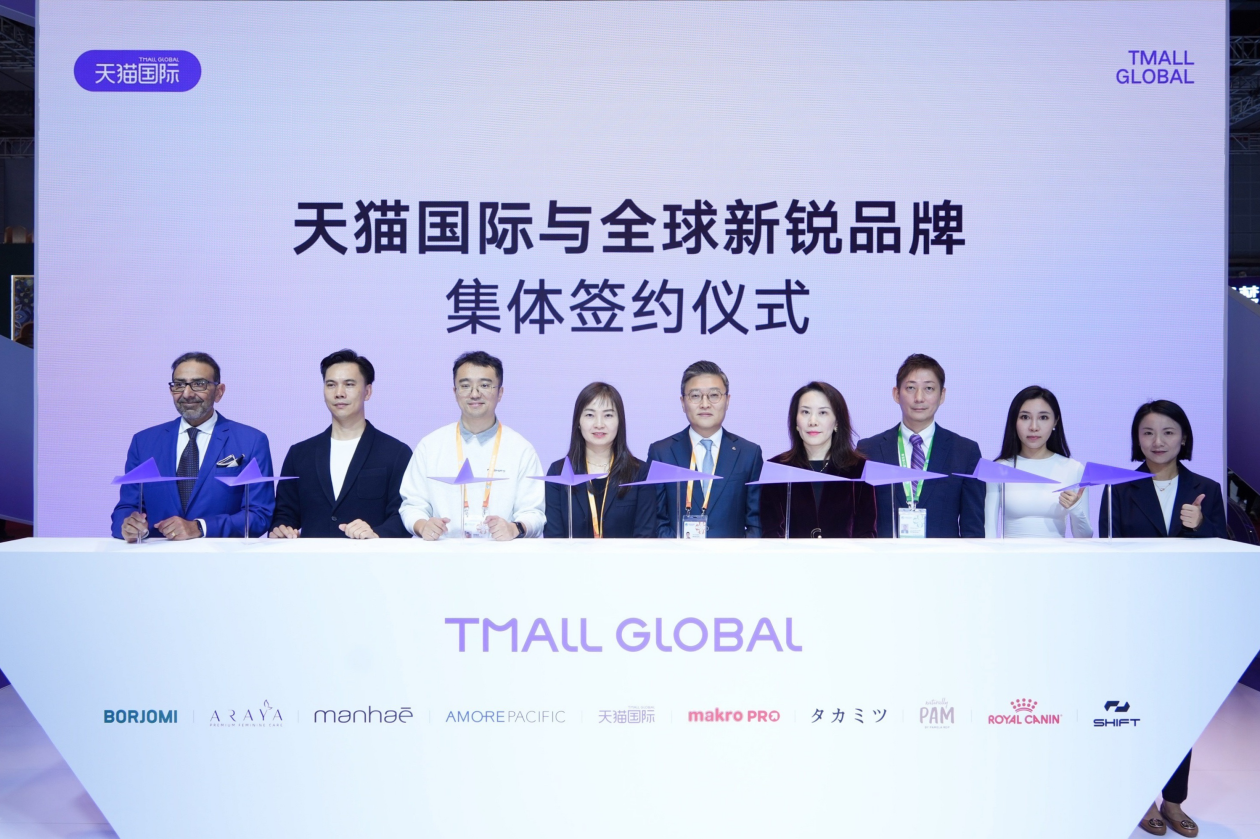
进博会搭台,天猫国际等跨境电商促效,海外品牌加速入华共享市场机遇
Huan Qiu Wang· 2025-11-08 05:47
Core Insights - The China International Import Expo (CIIE) serves as a significant platform for global brands to enter and establish themselves in the Chinese market, showcasing nearly 100 new overseas brands this year [1][3] - The event facilitates a seamless transition for brands from showcasing products to establishing a market presence, with a focus on digital pathways through platforms like Tmall International [3][4] - The evolving consumer behavior in China, characterized by a shift towards niche products and transparency in ingredients, presents unprecedented opportunities for global brands [5][6] Group 1: Brand Participation and Market Entry - Nearly 100 overseas brands, including BORJOMI and Amorepacific, made their debut at the CIIE, indicating strong confidence in the Chinese consumer market [1][4] - Tmall International reported that over 2,000 new overseas brands have opened stores in China this year, with an average of 7 brands launching daily in the third quarter [4][6] - The CIIE is viewed as a critical milestone for brands like BORJOMI, enhancing their image from regional to global players in the health lifestyle sector [3][8] Group 2: Consumer Behavior and Market Dynamics - Chinese consumers are increasingly prioritizing emotional value and ingredient transparency, leading to a demand for specialized products [5][6] - The rapid growth in niche categories such as oral anti-aging and scalp care reflects the changing consumer preferences [6][7] - Brands are adapting their strategies to meet these evolving demands, moving from passive product offerings to active value co-creation [9][10] Group 3: Digital Ecosystem and Brand Integration - The advanced digital commercial ecosystem in China allows overseas brands to enter the market with lower operational risks and costs [7][9] - Tmall International is not just a sales channel but a comprehensive ecosystem that provides data insights, user engagement, and supply chain support [7][10] - The integration of global brands into the Chinese market is characterized by a shift from viewing China as a mere export market to recognizing it as a core strategic hub for innovation and user insights [10][13]
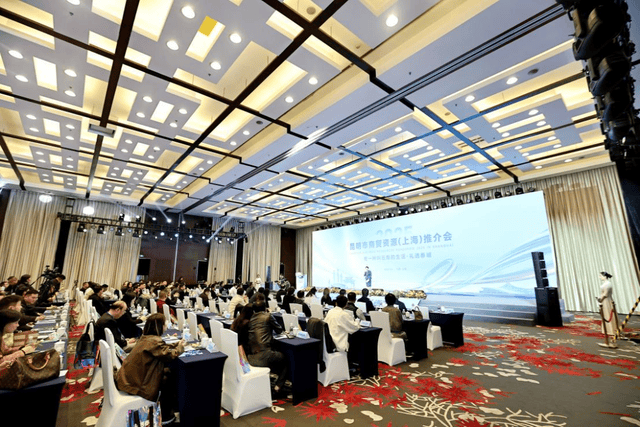
“2025昆明市商贸资源(上海)推介会”在沪成功举办
Sou Hu Cai Jing· 2025-11-08 05:41
Core Viewpoint - The "2025 Kunming Trade Resource Promotion Conference" aims to deepen cooperation between Shanghai and Yunnan, showcasing Kunming's unique position and opportunities as a gateway to South Asia and Southeast Asia, while promoting cross-border e-commerce and consumption growth [1][3][11] Group 1: Economic Development and Opportunities - Kunming is actively promoting the integration of diverse consumption formats, focusing on emerging fields like coffee consumption to create nationally influential consumption scenarios [3][5] - The city is leveraging its rich "old brand" resources to rejuvenate traditional brands and stimulate various consumption potentials to meet diverse consumer needs [3][5] - The promotion conference highlighted Kunming's commitment to building a regional international center city, enhancing its role as a hub for international trade and commerce [1][4][7] Group 2: International Cooperation and Trade - Kunming is enhancing its exhibition platform to host international events, facilitating efficient connections and deep cooperation between domestic and foreign enterprises [3][4] - The city is focusing on high-quality foreign trade development through three main paths: improving trade efficiency, creating new open platforms, and enhancing international logistics channels [7][10] - The event attracted over a hundred well-known enterprises and investment institutions from Shanghai and the Yangtze River Delta, fostering discussions on international supply chain cooperation and collaborative market development [11][13] Group 3: Event Highlights and Outcomes - The promotion conference featured representatives from seven key units, emphasizing cross-border e-commerce and exhibition platforms, with 28 quality enterprises showcasing their products [10][11] - The event facilitated discussions between 22 representatives from Fortune 500 companies and participating enterprises, resulting in multiple cooperation intentions and agreements [10][11] - Attendees expressed optimism about Kunming's potential, recognizing it as a vibrant city with significant commercial opportunities and a welcoming business environment [13]
吉宏股份(002803)季报点评:营收净利双高增 行业分化中突围
Ge Long Hui· 2025-11-08 03:21
Core Insights - The company achieved a revenue of 5.039 billion yuan in the first three quarters of 2025, representing a year-on-year growth of 29.29%, with a net profit of 216 million yuan, up 60.11% [1] - In Q3 2025, the company reported a revenue of 1.805 billion yuan, a 25.04% increase year-on-year, and a net profit of 97 million yuan, growing by 56.44% [1] Group 1: Revenue Growth Drivers - The growth in revenue is attributed to the rapid development of the cross-border e-commerce industry in China, supported by various government policies and a decline in shipping costs [1] - The company is actively expanding into new markets within the packaging industry, which has shown resilience and contributed stable growth despite industry pressures [1] Group 2: Cross-Border E-Commerce Business - The core engine for growth in the cross-border e-commerce segment is driven by technological breakthroughs and market focus, with the Giikin AI system enhancing operational efficiency [2] - The company’s revenue is predominantly concentrated in the Asian market, which helps mitigate risks associated with tariff fluctuations in Europe and the U.S. [2] - The brand transformation efforts, including the acquisition of Konciwa, have led to significant sales achievements, further boosting revenue growth in 2025 [2] Group 3: Packaging Business - The company holds a leading position in the domestic sales packaging market, providing comprehensive services to major clients like Yili and Luckin Coffee, contributing over 2 billion yuan in stable revenue from 2021 to 2024 [3] - The company has developed environmentally friendly packaging solutions, such as PLA/PBAT coated paper, which aligns with global trends towards sustainability [3] - The establishment of production bases in the UAE and Oman is expected to enhance the packaging business's growth and stability in the long term [3] Group 4: Profit Forecast - The company forecasts revenues of 6.650 billion yuan, 7.681 billion yuan, and 8.906 billion yuan for 2025, 2026, and 2027 respectively, with net profits projected at 294 million yuan, 379 million yuan, and 519 million yuan [3]
泰国海关搞大事?1泰铢起征税,低价海淘时代彻底凉透
Sou Hu Cai Jing· 2025-11-08 02:00
海关总署署长潘通·洛坤南塔更是放狠话,就是要倒逼平台配合,不让新政变成一纸空文。说白了,以 后想靠低报价值、拆单避税那套,根本行不通了。 其实这还只是前菜,真正的大招还在后面。2025年1月1日起,1500泰铢(约合人民币300元)以下的进 口货就不能免税了,得乖乖交关税。 家人们,跨境圈最近炸了个大雷!泰国海关这波操作比狗血剧还刺激,直接给低价海淘判了死刑,2026 年连1泰铢的进口货都要交税,这哪是新政,简直是关税连环杀啊! 谁也没想到,泰国海关不玩虚的,上来就拿平台开刀。本周五就要把Shopee、Lazada这些跨境电商巨头 叫去喝茶,直接摊牌要他们扛下申报重任。 每件进口商品的实际价值、关税分类都得如实上报,少一个数据都不行,不然就延迟清关。 这招也太狠了!要知道每年有数亿件低价货物从这些平台涌入泰国,海关抓着平台就等于掐住了低价进 口的命门。 不过泰国海关也没把事做绝,同步搞了堵疏结合的套路。一边用关税堵低价进口,一边推出贸易推动者 和社会保护者两大措施给本土企业铺路。 把叻甲邦等地的设施升级成出口专用站,还搞货物转运免重报,加快退税速度,这明显是给本土企业减 负提速啊。 另一边还联手平台查非法商品 ...

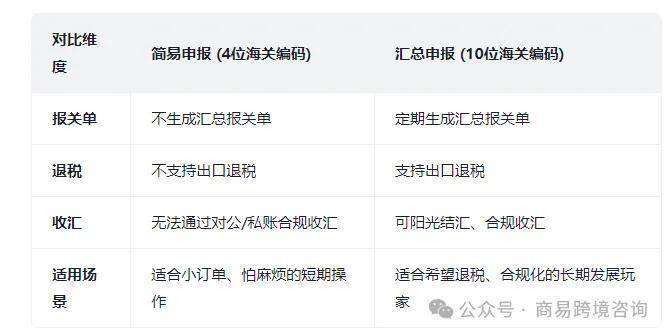
跨境电商9610出口超全指南
Sou Hu Cai Jing· 2025-11-07 17:41
01/9610出口模式是什么? 9610是海关总署于2014年增设的一项海关监管代码,其全称为"跨境贸易电子商务"。这一模式专为解决B2C(Business-to-Customer)跨境电商的 出口痛点而设计,在行业内也常被称为"集货模式"。 9610模式专为解决跨境电商订单碎片化、高频次的痛点而生,其核心是为直邮小包(单票价值通常≤5000元)提供一套"先发货、后报关"的极简合 规流程。 简单来说,当您在速卖通、亚马逊等平台产生一笔B2C订单,通过国际小包发货时,9610就是确保这批货物能够合法、高效出境的官方通道。 来源:商易跨境 随着国家税务总局2025年17号公告的出台,长期依赖"买单报关"的灰色地带正被急剧压缩。对于广大直邮小包卖家而言,合规化转型已不再是"选 择题",而是关乎企业生死存亡的"必答题"。在众多合规路径中,9610无疑是国家为直邮卖家量身打造的"阳光大道"。 本文将深度剖析9610模式的核心优势、申报方式选择,并揭秘"香港公司+境内主体"的最佳架构设计,并为商家如何应对这一变革提供战略性建 议。 9610模式主要适用于以下四类企业: ✅ 中小卖家与独立站商家: 尤其是通过亚马逊、速卖通 ...