
服务

Search documents
【环球财经】英国7月经济增长环比持平
Xin Hua Cai Jing· 2025-09-12 12:08
Economic Performance - In July, the UK economy showed no growth on a month-on-month basis, indicating a stagnation [1] - The service sector remains the main driver of economic growth, with a month-on-month increase of 0.1% in July, while construction grew by 0.2% [1] - Manufacturing, however, experienced a decline of 1.3% month-on-month in July [1] Growth Trends - Over the three months leading up to July, the UK economy grew by 0.2% on a month-on-month basis, a decrease from the previous value of 0.3% [1] - The economic growth rate has been slowing down, with a growth of 0.7% in the first quarter of the year, dropping to 0.3% in the second quarter [1] - Market institutions anticipate that the low growth state of the UK economy will continue [1] Fiscal Changes - Starting from April, the UK entered a new fiscal year, during which there were significant increases in the national insurance tax rate for business owners and the minimum wage [1] - These fiscal changes have dampened entrepreneurial enthusiasm [1] - Ongoing inflation has led to cautious consumer spending among UK residents, which has further limited the growth of the service sector [1]
受暑期消费旺季等因素影响 8月广东CPI环比涨0.1%
Nan Fang Ri Bao Wang Luo Ban· 2025-09-12 07:45
Group 1: Consumer Price Index (CPI) Insights - In August, Guangdong's CPI decreased by 0.2% year-on-year and increased by 0.1% month-on-month, indicating a narrowing decline compared to July [1] - The core CPI, excluding food and energy prices, rose by 0.6% year-on-year, an increase of 0.2 percentage points from July [1] - Food prices fell by 1.9% year-on-year, with pork prices dropping by 8.6%, and egg prices decreasing by 5.2%, while marine fish prices increased by 6.1% [1] Group 2: Producer Price Index (PPI) Insights - In August, Guangdong's PPI decreased by 1.8% year-on-year and by 0.1% month-on-month, with both declines narrowing compared to July [2] - The black metal mining and processing sectors saw price increases, with black metal mining prices rising by 2.7% and prices in the black metal smelting and rolling processing industry increasing by 2.0% [2] - Policy factors, international price fluctuations, and supply-demand changes influenced the PPI trends observed [2]
塔城市新城市场监督管理所 加强亮证亮照管理,规范市场经营秩序
Zhong Guo Shi Pin Wang· 2025-09-12 04:23
Core Points - The article discusses a special rectification action conducted by the New City Market Supervision Administration in Tashkent City to enhance market order and self-discipline among market entities [1] - The action focused on various types of businesses, including catering, retail, and services, ensuring they display their business licenses and relevant permits prominently [1] - A total of 289 businesses were inspected, leading to a noticeable increase in awareness regarding the importance of displaying licenses among market operators [1] Summary by Sections Regulatory Action - The New City Market Supervision Administration initiated a special rectification action to regulate market operations and enhance self-discipline among businesses [1] - The action targeted various sectors, including catering, retail, and services, with a focus on compliance with licensing requirements [1] Inspection Process - Enforcement personnel conducted door-to-door inspections, checking for the proper display of business licenses and permits, and addressing any instances of unlicensed operations [1] - During inspections, officials educated business operators on the significance of displaying licenses and the relevant legal regulations [1] Outcomes and Future Plans - As of now, the action has resulted in inspections of 289 businesses, leading to improved awareness of license display among operators and better market order [1] - The New City Market Supervision Administration plans to continue increasing inspection efforts and establish a long-term regulatory mechanism to maintain market order and protect consumer rights [2]

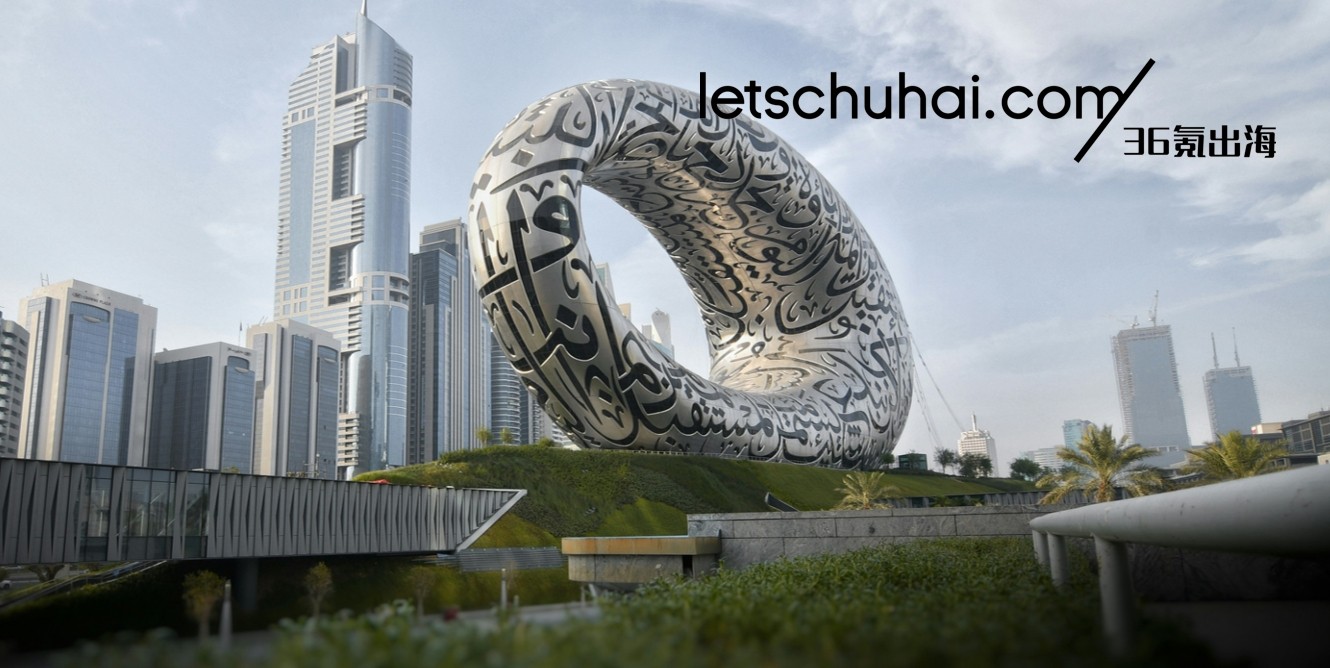
36氪出海·中东|IFZA自由区如何成为国际业务扩张的加速通道?
3 6 Ke· 2025-09-11 03:32
Core Insights - The UAE free zones, particularly IFZA, are becoming strategic starting points for global entrepreneurs aiming for international expansion due to their unique advantages [2][3][4] Group 1: Advantages of UAE Free Zones - The UAE free zones allow 100% foreign ownership, simplifying the process of entering different regulatory environments and providing operational flexibility for businesses [3][4] - Proximity to world-class logistics hubs, such as ports and airports, enhances market accessibility for products and services, facilitating efficient international reach [3][4] - Free zones are designed to foster innovation, offering support for startups in sectors like fintech, AI, and advanced manufacturing through accelerators and mentorship programs [5][6] Group 2: Comparison with Mainland Companies - Free zone companies are ideal for businesses focused on global trade and digital services, benefiting from tax exemptions and simplified setup processes, especially for startups and SMEs [4] - Mainland companies can access a broader UAE market, including government contracts, but require local sponsorship and face more complex regulatory processes [4] - Understanding business goals and operational needs is crucial for selecting the best investment path between free zones and mainland setups [4] Group 3: Operational Efficiency - The registration process in IFZA is transparent and relatively low-cost, particularly suitable for SMEs in trade, consulting, and services [12] - Companies can register remotely within 5-7 working days, with each license covering multiple business activities without additional fees [12] - IFZA provides professional consulting services, including banking, licensing, and legal advice, along with shared and virtual office options for startups [12]

内蒙古自治区政府采购合同融资规模突破20亿大关
Sou Hu Cai Jing· 2025-09-05 10:09
Core Insights - The Inner Mongolia Autonomous Region has successfully surpassed a financing scale of 2 billion yuan through government procurement contract financing, marking significant progress in supporting small and medium-sized enterprises (SMEs) [1][2] - The financing model leverages the credit value of government procurement contracts, providing SMEs with a streamlined and efficient financing pathway [1] Financing Model - The government procurement contract financing allows winning bidders to apply for financing directly from cooperating financial institutions using their government procurement contracts as collateral [1] - This model simplifies the approval process and lowers financing thresholds, effectively addressing the challenges of "difficult and expensive financing" faced by SMEs [1] Impact on SMEs - Over 700 SMEs have received financing support through this platform, with a cumulative financing amount reaching 2.08 billion yuan, covering various sectors including manufacturing, services, and construction [1] - The funds are primarily utilized for expanding production, upgrading equipment, and enhancing technological research and development, thereby improving market competitiveness [1] Regional Participation - The participation rates of enterprises from different regions are notable, with Ordos, Baotou, and Hohhot contributing 19%, 15%, and 12% of the financing respectively [1] Efficiency Improvements - The Inner Mongolia Finance Department has initiated a "financing express" pilot program to enhance financing efficiency, optimizing various processes such as credit assessment, loan limits, approval speed, and account management [2] - The time from application to disbursement has been significantly reduced, with funds potentially available within 1 hour after the government procurement contract is issued, and the maximum credit limit can reach 10 million yuan [2] Future Plans - The Finance Department aims to expand financial service coverage, diversify financing product types, and promote policy application to support more SMEs in achieving healthy growth [2]
2025年上半年蒙古国国内生产总值同比增长5.6%
Shang Wu Bu Wang Zhan· 2025-09-04 05:24
Economic Overview - Mongolia's GDP reached 40.3 trillion tugrik (approximately 11.216 billion USD) in the first half of 2025, reflecting an increase of 3.3 trillion tugrik (approximately 918 million USD) and a growth rate of 5.6% year-on-year [1] Sector Performance - The service sector generated a value of 17.4 trillion tugrik (approximately 4.843 billion USD), with a year-on-year increase of 1.89 trillion tugrik (approximately 526 million USD), marking a growth of 12.2% [1] - The mining sector's output was 10.3 trillion tugrik (approximately 2.867 billion USD), experiencing a decline of 849.9 billion tugrik (approximately 237 million USD), which represents a decrease of 7.6% [1] - The agricultural and livestock sector produced 4.87 trillion tugrik (approximately 1.355 billion USD), showing a significant increase of 1.47 trillion tugrik (approximately 409 million USD), resulting in a growth of 43.5% [1] - The industrial and construction sector achieved a value of 3.69 trillion tugrik (approximately 1.027 billion USD), with a year-on-year increase of 544.9 billion tugrik (approximately 152 million USD), reflecting a growth of 17.4% [1]
中央商场(600280) - 南京中央商场(集团)股份有限公司2025年半年度经营数据公告
2025-08-26 11:59
股票简称:中央商场 股票代码:600280 编号:临 2025-029 南京中央商场(集团)股份有限公司 2025年半年度经营数据公告 本公司董事会及全体董事保证本公告内容不存在任何虚假记载、误导性陈述 或者重大遗漏,并对其内容的真实性、准确性和完整性承担法律责任。 南京中央商场(集团)股份有限公司(以下简称"公司")根据上海证券交 易所《上市公司行业信息披露指引第四号——零售》要求,现将2025年半年度主 要经营数据披露如下: 一、报告期内公司无门店变动情况; (一)公司业务分行业情况 (二)公司业务分地区情况 本公告之经营数据未经审计,公司董事会提醒投资者审慎使用该数据。 特此公告。 南京中央商场(集团)股份有限公司董事会 2025 年 8 月 27 日 单位:万元 业务分行业情况 分行业 营业收入 营业成本 毛利率 (%) 营业收入比上 年增减(%) 营业成本比 上年增减 (%) 毛利率比上 年增减(%) 百货零售 101,524.06 43,264.62 57.38 -6.46 -5.83 -0.29 商业地产 13,942.99 13,326.93 4.42 -38.65 -32.04 -9.31 ...

中钢天源:8月21日召开董事会会议
Mei Ri Jing Ji Xin Wen· 2025-08-24 08:14
Company Overview - Zhonggang Tianyuan (SZ 002057) announced its second board meeting for 2025 on August 21, 2025, where it reviewed the risk assessment report for Baowu Group Financial Co., Ltd [1] - As of the report, Zhonggang Tianyuan has a market capitalization of 7.8 billion yuan [1] Revenue Composition - For the year 2024, Zhonggang Tianyuan's revenue composition is as follows: manufacturing industry accounts for 78.8%, service industry for 19.77%, and other industries for 1.43% [1]

上海隔行如隔山实业有限公司成立 注册资本100万人民币
Sou Hu Cai Jing· 2025-08-21 21:43
Company Overview - Shanghai Gehang Ru Ge Shan Industrial Co., Ltd. has been recently established with a registered capital of 1 million RMB [1] - The legal representative of the company is Lv Shuying [1] Business Scope - The company engages in a wide range of sales activities including washing machinery, daily necessities, paper products, 3D printing materials, automotive decoration products, lubricants, communication equipment, electronic products, dyes, and coatings (excluding hazardous chemicals) [1] - Additional sales include building materials, cosmetics wholesale, retail of clothing and accessories, stationery, automotive parts, and computer hardware and software [1] - The company also provides various services such as computer and office equipment maintenance, communication equipment repair, office equipment leasing, conference and exhibition services, 3D printing services, information consulting (excluding licensed consulting services), professional design services, and project management services [1] Permitted Projects - The company is authorized to undertake construction engineering, labor subcontracting, specialized construction operations, engineering design, cultural relic protection projects, engineering surveying, and residential interior decoration [1] - All activities are subject to approval by relevant authorities as required by law, and specific business projects will depend on the approval documents or permits from relevant departments [1]
21社论丨破除消费堵点 释放内需潜能
2 1 Shi Ji Jing Ji Bao Dao· 2025-08-20 23:09
Group 1 - The State Council's ninth plenary session emphasizes strengthening domestic circulation by removing restrictive measures in the consumption sector to stimulate consumer potential and promote high-quality economic development [1][2] - Systematic removal of restrictions will empower consumers with more autonomy, enhance their quality of life, and stimulate demand, while also breaking market barriers to attract more participants and foster competition [1][2] - Optimizing policies in the automotive sector is crucial as it is a pillar industry that encompasses various segments, and normalizing consumption will benefit both production and supply chains [1][3] Group 2 - Adjusting real estate market policies is essential to release potential demand for improved housing, which is interconnected with multiple industries such as construction and furniture [2][3] - Accelerating the growth of service consumption and new consumption models, such as online education and shared economy, is necessary to meet the evolving needs of consumers and represents a significant growth opportunity [2][4] - The execution of removing consumption restrictions should follow a scientific and orderly approach, ensuring that local governments do not implement one-size-fits-all measures and instead tailor actions to specific market conditions [3][4] Group 3 - In the automotive sector, transitioning from purchase management to usage management can alleviate traffic pressure and lower policy execution costs, thereby meeting consumer demand [3][4] - The real estate sector requires a comprehensive cancellation of purchase, sale, and price restrictions to establish a new mechanism that links various market elements [3][4] - In the service consumption area, breaking down hidden market entry barriers and enhancing the supply of high-quality services can create job opportunities and stimulate economic growth [4]