
货币金融服务

Search documents
华菱线缆拟收购三竹智能控制权;英方软件大股东拟减持不超3%公司股份|公告精选
Mei Ri Jing Ji Xin Wen· 2025-09-23 14:01
每经记者|陈晴 每经编辑|董兴生 并购重组 中天火箭:航天投资控股等拟合计减持不超3%公司股份 中天火箭公告,持股14.9%的航天投资控股、持股7.14%的陕西电器研究所及一致行动人国华军民融合 产业发展基金、陕西航天科技集团计划自披露15个交易日后的3个月内,合计减持不超过公司总股本的 3%。 浙江力诺:多位股东拟合计减持不超3.25%公司股份 爱婴室:拟以1900万元收购湖北永怡30%股权 爱婴室公告,公司拟以1900万元自有资金购买施琼持有的湖北永怡护理品有限公司30%的股权。交易完 成后,爱婴室将持有湖北永怡30%的股权。此次交易构成关联交易,但不构成重大资产重组。 邮储银行:将吸收合并全资子公司邮惠万家银行 邮储银行公告,为进一步优化管理及业务架构,公司将吸收合并下属全资子公司中邮邮惠万家银行有限 责任公司。本次吸收合并完成后,邮惠万家银行的独立法人资格依法注销,其全部业务、财产、债权债 务以及其他各项权利义务由邮储银行承继。 华菱线缆:拟收购三竹智能控制权 华菱线缆公告,公司拟以现金等方式收购安徽三竹智能科技股份有限公司控制权,预计本次交易标的公 司100%股权整体作价不超过2.7亿元人民币。 增 ...

小微企业融资平台市场洞察:政策赋能与模式创新双轮驱动下的服务升级与增长空间头豹词条报告系列
Tou Bao Yan Jiu Yuan· 2025-09-11 05:06
Investment Rating - The report does not explicitly state an investment rating for the small and micro enterprise financing platform industry Core Insights - The small and micro enterprise financing platform industry is experiencing continuous expansion driven by policy support and market demand, with innovative service models emerging to address financing challenges [3][21] - The industry is characterized by a concentration of leading players, with a significant market share held by top companies, while smaller firms are adopting differentiated strategies to capture market share [20][23] - The transition towards the "drip irrigation" model is anticipated, as it aligns better with the financing needs of small and micro enterprises compared to traditional credit models [56][57] Summary by Sections Industry Definition - Small and micro enterprise financing platforms integrate resources from financial institutions, government, data technology, and industry ecosystems to provide customized financing solutions, addressing issues like information asymmetry and insufficient collateral [4] Industry Characteristics - The market is expanding rapidly, with the balance of inclusive small and micro loans reaching 32.9 trillion yuan by Q3 2024, a year-on-year increase of 14.5% [21] - Continuous product and service innovation is evident, with platforms like Drip Irrigation Group utilizing the Revenue-Based Financing (RBF) model to enhance service efficiency [22] - The competitive landscape shows a concentration of market share among leading firms, with state-owned banks holding 42.77% of the inclusive small and micro loan market [23] Development History - The industry has evolved through various stages, from initial support for small enterprises in the 1990s to the rapid development phase post-2000, and now to a high-quality development phase characterized by digitalization and green finance [24][30] Industry Chain Analysis - The industry chain consists of upstream funding sources, midstream financing service providers, and downstream small and micro enterprises, with a focus on addressing structural mismatches in financing needs [31][32] - Upstream funding is characterized by a dual structure of policy-driven and market-driven sources, with commercial banks being the primary funding providers [37] - Midstream service providers are leveraging technology to enhance risk assessment and improve service delivery, transitioning from traditional asset-based evaluations to cash flow-based assessments [43] Market Size and Growth - The small and micro enterprise financing platform industry has seen rapid growth from 2019 to 2024, driven by policy support, technological advancements, and improvements in the credit system [53] - The market is expected to continue expanding as new tools like digital currency and cross-border payment systems are introduced [54] Future Trends - The industry is shifting towards the Drip Irrigation model due to mismatches between traditional credit models and the financing needs of small enterprises, with a focus on real-time cash flow monitoring and digital infrastructure [56][58]



山东产权交易中心
Shang Hai Zheng Quan Bao· 2025-09-10 18:36
Group 1 - The project involves the transfer of 2% state-owned equity in Zouping Pudong Village Bank Co., Ltd. with a listing price of 1.56 million yuan [1] - The bank was established on May 13, 2010, and operates in the financial industry, specifically in monetary financial services [2][3] - The registered capital of Zouping Pudong Village Bank Co., Ltd. is 150 million yuan [1] Group 2 - Interested buyers must be legally established and effectively existing domestic corporate entities, meeting relevant national laws and regulations [1] - Buyers must also meet the qualifications for acquiring equity in rural small and medium-sized banks as per the regulatory requirements [1] - A deposit of 460,000 yuan is required for participation in the bidding process [4]
整整5400亿!中国一口气签了三个货币互换大单!
Sou Hu Cai Jing· 2025-09-10 06:16
Group 1 - China has signed three major currency swap agreements with Western countries, totaling 540 billion yuan, indicating the increasing international recognition of the renminbi [1] - The agreements include swaps of 350 billion yuan with Europe, 150 billion yuan with Switzerland, and 40 billion yuan with Hungary, marking a significant shift in China's currency strategy [1] Group 2 - The dominance of the US dollar is supported not only by military and financial power but also by global demand for Chinese goods, which are primarily traded in dollars [3] - Currently, renminbi settlements account for 20% of global trade, and the currency is gaining traction in the SWIFT system, which is crucial for international transactions [3] - The US earns approximately $700 million annually from transaction fees in the SWIFT system, highlighting the financial benefits of dollar dominance [3]


出国就变称呼!人民币只在中国叫“人民币”?看完涨知识了
Sou Hu Cai Jing· 2025-09-06 11:32
Core Viewpoint - The article explores the different names for the Chinese currency, highlighting the cultural, historical, and financial implications behind the use of "CNY" and "Renminbi" in international contexts [1][2][13]. Group 1: Official Naming and International Codes - The official English abbreviation for the Renminbi is "CNY," which stands for "Chinese Yuan," following the ISO 4217 international standard code [2]. - "CN" represents China, while "Yuan" is a transliteration of the currency unit "元," aligning with international naming conventions similar to USD for the US dollar and EUR for the euro [2]. Group 2: Usage of "Renminbi" Abroad - International media and financial institutions prefer "Chinese Yuan" over "Renminbi" due to historical familiarity with the term "Yuan," ease of pronunciation, and the need for concise currency codes in the foreign exchange market [5]. - The frequency of "Renminbi" usage is increasing, particularly after the IMF included it in the Special Drawing Rights (SDR) basket, recognizing both "RMB" and "CNY" [5]. Group 3: Cultural Differences in Currency Naming - Various colloquial names for the Renminbi exist, such as "红票" (red ticket) in Southeast Asia, "中元" (Chinese Yuan) in Hong Kong and Macau, and "软妹币" (soft sister currency) among younger demographics in China [7]. - These names reflect the social and cultural attributes of the currency, with different regions adopting unique terms based on local contexts [7]. Group 4: Geopolitical Implications of Currency Naming - The international naming of currencies is closely tied to national economic status, with the US dollar's dominance leading to its use as a generic term for multiple currencies [9]. - As of 2023, the Renminbi's share in cross-border payments is approximately 3.2%, significantly lower than the US dollar's 40%, indicating challenges in its internationalization [9]. - Initiatives like the Belt and Road Initiative aim to enhance the Renminbi's global presence, with some countries already engaging in direct trading using the currency [9]. Group 5: Identity and Currency Naming - The evolution of currency names reflects the historical development of the nation, with terms like "Renminbi" symbolizing the establishment of a socialist economic system [11]. - Different regions may intentionally differentiate the political and economic attributes of the currency, as seen in Taiwan and Japan, which impacts the perception and usage of the currency [11]. Conclusion - The transition from "Renminbi" to "CNY" illustrates the standardization of international financial rules, the expansion of China's economic influence, and the effects of cultural soft power [13]. - The future of currency naming may see a unification of "Renminbi" and "CNY," contingent on China's growing authority in the global economic arena [13].
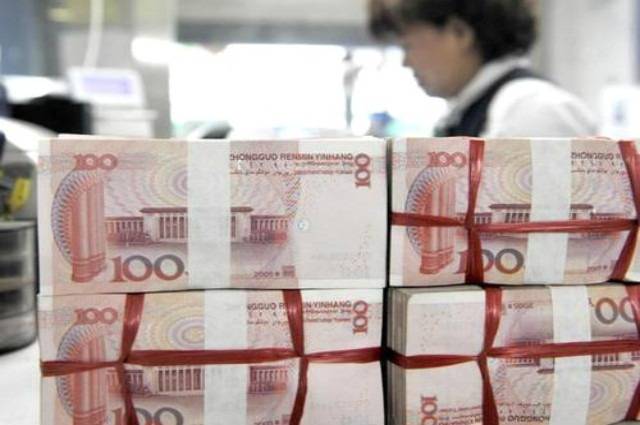
印度网友:中国别做梦了,想让人民币取代美元?全球第二大经济体的印度还没吭声
Sou Hu Cai Jing· 2025-09-05 17:10
Core Viewpoint - The discussion revolves around the increasing international use of the Chinese yuan (RMB) and whether it aims to replace the US dollar as the global settlement currency. The consensus suggests that while RMB internationalization is a trend, it does not necessarily mean it will replace the dollar, but rather enhance global trade options and stability [2][11][12]. Group 1: RMB Internationalization - The RMB's usage in global payment systems has risen significantly, reaching 4.14% in December 2023, an increase of nearly 2 percentage points in just two years, making it the fourth-largest payment currency globally [11]. - The International Monetary Fund (IMF) increased the RMB's weight in the Special Drawing Rights (SDR) basket to 12.28% as of August 2022, indicating its growing importance in global reserves [11]. - The trend of "de-dollarization" is evident, with more international market participants using RMB for trade, and an increasing number of contracts priced in RMB [11]. Group 2: Global Economic Impact - The RMB's rise is seen as a natural outcome of China's economic strength, rather than a deliberate attempt to displace the dollar [11]. - The dollar still holds a dominant position, accounting for nearly 50% of international payments and about 60% of global foreign exchange reserves, indicating that the RMB has a long way to go before it can challenge the dollar's supremacy [11]. - The internationalization of the RMB is viewed as a positive development for global economic diversification, providing more choices and opportunities while enhancing the stability of the international financial system [12].

时报图说丨社保基金最新持仓出炉 新进了这些股
Zheng Quan Shi Bao Wang· 2025-09-01 05:07
Core Viewpoint - The latest holdings of the social security fund have been revealed, showing significant changes in stock positions as of June 30, 2025, following the completion of the semi-annual reports of listed companies [2]. Group 1: Top Holdings - The top ten stocks held by the social security fund, along with their holding ratios and changes, include: - Andar Intelligent: 11.90% (-1.53%) in specialized equipment manufacturing [3] - Changshu Bank: 8.38% (-0.05%) in monetary financial services [3] - Biyinlefen: 7.37% (-0.98%) in textile, clothing, and accessories [3] - Bai'ao Intelligent: 7.23% (new entry) in specialized equipment manufacturing [4] - Weixing Co.: 7.08% (+0.45%) in textile, clothing, and accessories [4] - Hehe Information: 7.00% (-0.27%) in software and information technology services [4] - Shantui Co.: 6.87% (+0.90%) in specialized equipment manufacturing [4] - Yongxing Co.: 6.53% (+4.30%) in ecological protection and environmental governance [4] - Xice Testing: 6.36% (-1.53%) in professional technical services [4] - Keri International: 6.30% (+0.60%) in business services [4] Group 2: New Holdings - New stock positions taken by the social security fund include: - Bai'ao Intelligent: 456.86 million shares (7.23%) in specialized equipment manufacturing [5] - Nossger: 217.08 million shares (3.80%) in research and experimental development [5] - Zhongchumei: 320.00 million shares (3.45%) in chemical raw materials and chemical products manufacturing [5] - Beiding Co.: 1,000.00 million shares (3.16%) in electrical machinery and equipment manufacturing [5] - Ugreen Technology: 100.00 million shares (3.01%) in computer, communication, and other electronic equipment manufacturing [5] - Sutest: 1,486.20 million shares (2.94%) in professional technical services [5] Group 3: Increased Holdings - The stocks with increased holdings by the social security fund include: - Yongxing Co.: 6.53% (+4.30%) in ecological protection and environmental governance [8] - Jiangshan Co.: 5.53% (+3.44%) in chemical raw materials and chemical products manufacturing [8] - Three squirrels: 3.78% (+2.79%) in retail [8] - Juhe Materials: 5.87% (+2.42%) in computer, communication, and other electronic equipment manufacturing [8] - Sanwei Chemical: 4.77% (+2.38%) in chemical raw materials and chemical products manufacturing [8] - Rujing Technology: 5.27% (+2.32%) in electrical machinery and equipment manufacturing [8] - Ziyou Intelligent-U: 4.12% (+2.12%) in pharmaceutical manufacturing [8] - Guoyao Co.: 4.03% (+1.95%) in wholesale [10] - Jinchengxin: 5.06% (+1.54%) in mining auxiliary activities [10] - Dingdian Software: 2.54% (+1.54%) in software and information technology services [10]




新动能支撑强生产——8月PMI数据点评
一瑜中的· 2025-08-31 15:35
Core Viewpoint - The manufacturing PMI showed a slight recovery in August, indicating a stabilization in production and new orders, with high-tech manufacturing sectors demonstrating strong performance [2][4][14]. Group 1: New Momentum Supporting Strong Production - In August, the PMI production index rose to 50.8%, up 0.3 percentage points from the previous month, remaining above the critical point for four consecutive months [9]. - The high-tech manufacturing PMI increased to 51.9%, a significant rise of 1.3 percentage points from the previous value, with the production index reaching around 54% [9][4]. - The manufacturing business activity expectation index improved to 53.7%, up 1.1 percentage points, with optimistic expectations in sectors like general equipment and aerospace [9][4]. - High-tech manufacturing profits turned from a decline of 0.9% in June to a growth of 18.9%, contributing to an overall acceleration in industrial profit growth [9][4]. Group 2: Data on Manufacturing PMI Recovery - The manufacturing PMI for August was reported at 49.4%, slightly up from 49.3% in the previous month [14]. - The new orders index was at 49.5%, and the new export orders index was at 47.2%, indicating continued challenges in demand [14]. - The employment index was at 47.9%, and the supplier delivery time index was at 50.5%, reflecting mixed signals in the labor market and supply chain [14]. - The raw material inventory index was at 48.0%, showing a slight increase in inventory levels compared to the previous month [14]. Group 3: Other Notable Sub-Indices - The service sector's business activity index rose to 50.5%, marking a year-to-date high, with strong performance in capital market services and transportation [17]. - The construction sector's business activity index fell to 49.1%, with new orders dropping to 40.6%, indicating a slowdown in construction activities [17][10]. - The price index for major raw materials increased, with the purchasing price index at 53.3% and the factory price index at 49.1%, suggesting rising costs in certain sectors [3][16].
8月PMI数据点评:新动能支撑强生产
Huachuang Securities· 2025-08-31 10:04
Group 1: PMI Data Overview - The manufacturing PMI for August is 49.4%, slightly up from 49.3% in the previous month[2] - The production index within PMI is at 50.8%, an increase of 0.3 percentage points from 50.5%[10] - The new orders index is at 49.5%, up from 49.4% previously, while the new export orders index is at 47.2%, slightly up from 47.1%[10] Group 2: Sector Performance - High-tech manufacturing PMI rose to 51.9%, a significant increase of 1.3 percentage points from 50.6%[4] - The construction sector's business activity index dropped to 49.1%, down 1.5 percentage points from 50.6%[3] - The service sector's business activity index increased to 50.5%, marking a 0.5 percentage point rise, reaching a yearly high[3] Group 3: Economic Indicators - The manufacturing production expectation index is at 53.7%, up 1.1 percentage points from the previous month[4] - High-tech manufacturing profits increased by 18.9%, reversing a 0.9% decline in June, contributing to a 2.9 percentage point acceleration in overall industrial profit growth[4] - The comprehensive PMI output index is at 50.5%, up 0.3 percentage points, indicating continued expansion in production activities[14]
宜宾纸业股份有限公司2025年半年度报告摘要
Shang Hai Zheng Quan Bao· 2025-08-30 04:06
Core Viewpoint - The report provides a comprehensive risk assessment of Sichuan Yibin Wuliangye Group Financial Co., Ltd., highlighting its financial stability and compliance with regulatory requirements as of June 30, 2025 [2][39]. Group 1: Company Overview - Sichuan Yibin Wuliangye Group Financial Co., Ltd. was established on May 5, 2014, as a non-bank financial institution approved by the China Banking Regulatory Commission [3]. - The company operates in the monetary financial services sector and holds a financial license and business license [4]. Group 2: Financial Data - As of June 30, 2025, the financial company reported total assets of 6,658,348.55 million yuan, with loans and discounts amounting to 3,277,240.08 million yuan and deposits of 5,956,208.64 million yuan [32]. - The net operating income for the first half of 2025 was 21,543.82 million yuan, with a pre-provision profit of 17,235.81 million yuan [32]. Group 3: Risk Management and Internal Control - The financial company has established a comprehensive risk management and internal control system, which effectively controls risks [39]. - The internal control system is deemed effective, ensuring that risk management is maintained at a reasonable level [31]. Group 4: Regulatory Compliance - As of June 30, 2025, all regulatory indicators of the financial company met the requirements set forth by the relevant regulations [34]. - The company has not violated any provisions of the Enterprise Group Financial Company Management Measures since its establishment [33]. Group 5: Governance Structure - The governance structure includes a board of directors, supervisory board, and various specialized committees to ensure effective management and oversight [5][8]. - The board of directors is responsible for strategic planning, risk management, and compliance with laws and regulations [6][7]. Group 6: Recent Board Decisions - The board approved the 2025 semi-annual report and the risk assessment report for Sichuan Yibin Wuliangye Group Financial Co., Ltd. during its second meeting on August 28, 2025 [43][45]. - The board also revised the major decision-making and asset impairment management procedures to enhance governance and risk control [46][48].
