
餐饮连锁

Search documents
北京市市场监管局:已关注到西贝预制菜争议 正进一步了解相关情况
Zheng Quan Shi Bao· 2025-09-15 23:53
Core Viewpoint - The Beijing Municipal Market Supervision Administration is monitoring the ongoing controversy surrounding Xibei's prepared dishes and is further investigating the related situation [1] Group 1 - The controversy regarding Xibei's prepared dishes has been escalating recently [1] - The parent company of the Xibei restaurant chain is Inner Mongolia Xibei Catering Group Co., Ltd., with Beijing Xibei Enterprise Management Co., Ltd. as its largest shareholder [1]
白酒底部价值,大众品把握龙头
2025-09-15 14:57
Summary of Key Points from Conference Call Records Industry Overview Baijiu Industry - The baijiu sector has reached a bottom in fundamentals, with valuations at low levels and market expectations recovering. Demand-side pressures are dissipating, and seasonal catalysts are expected to boost interest in brands like Luzhou Laojiao and Zhenjiu Shede for short-term opportunities, while Moutai, Fenjiu, and Gujing Gongjiu are recommended for long-term investment [1][2][4] Beverage and Snack Industry - The beverage sector is favorable for leading companies such as Nongfu Spring and Dongpeng Beverage, while the snack sector shows good alignment between valuation and growth potential. Key products to watch for Q4 catalysts include Weijia and Yanjinpuzi, with Yili identified as a bottom-value recovery company [1][5] Whisky Industry - In 2024, whisky imports are expected to decline by approximately 40%, with high-aged whisky's share also decreasing. Instant consumption channels now account for over 30% of sales, with dining and home consumption being the primary scenarios [3][13] Beer Industry - Both Yanjing Beer and Zhujiang Beer have seen their valuations drop to attractive levels, with Yanjing at 23-24 times earnings and Zhujiang at 21 times, both reflecting 2025 valuation levels. These companies are noted for their growth potential driven by flagship products [19] Company-Specific Insights Zhenjiu Lid - Zhenjiu Lid has launched an equity payment plan to bind the interests of alliance merchants, with the first quarter's alliance contributing approximately 320 million yuan in revenue. The acupuncture business is projected to account for 5% of the company's total revenue in 2024 [6][8][7] Baijun Co., Ltd. - Baijun's major shareholder transferred 6% of shares to Homa's Liu Jianbo, which is expected to empower Baijun in business expansion and overseas market development. The shareholding structure remains stable, providing opportunities for deeper collaboration [12] Restaurant Chain Industry - The restaurant chain sector has shown signs of recovery since Q2 2025, with stable performance from leading companies like Lihua Bao and Baba Foods. The frozen food leader Anjins has also shown significant improvement in revenue [10][11] Zhujiang Beer - Zhujiang Beer is focusing on expanding its market share through its flagship product, Pure Draft 97, while also launching new products to maintain competitiveness. The company is developing its "15th Five-Year Plan" for future growth [15][17][18] H&H International Holdings - H&H International expects high single-digit revenue growth for the year, with EBITDA margins around 15%. The health supplement business is performing well, while the milk powder segment anticipates low double-digit growth [20] Jianhe Health - Jianhe Health's fundamentals are improving, driven by new consumer customer acquisition in China and profitability improvements in its overseas subsidiaries. The company is expected to see good performance in Q3 due to new orders [21][22] Additional Insights - The baijiu sector is currently viewed as a mid-to-long-term value investment opportunity, with market expectations warming up as demand-side pressures ease [2] - The innovative model of the Wan Shang Alliance is expected to have a significant impact on the company's financials, with a focus on long-term development and binding interests with distributors [9]




9月15日重要资讯一览
Zheng Quan Shi Bao Wang· 2025-09-15 13:33
Group 1 - The State Administration of Foreign Exchange allows foreign investors to reinvest foreign exchange profits generated in China [2] - Nvidia is under further investigation by the State Administration for Market Regulation for violating antitrust laws [3] - The Ministry of Commerce opposes the U.S. request for G7 and NATO to impose tariffs on China based on its imports of Russian oil, labeling it as unilateral bullying [5] Group 2 - The Financial Regulatory Bureau, People's Bank of China, and China Securities Regulatory Commission launched a financial education campaign to enhance public understanding of financial rights [6] - The State Council emphasizes the need for online travel platforms to strengthen personal information protection and improve service quality [8] - Beijing's market supervision authority is investigating the ongoing controversy surrounding the pre-prepared dishes of the restaurant chain Xibei [9] Group 3 - Shanghai Construction Group clarifies that recent news regarding the Koka Gold Mine is not related to current information [11] - Longxin Zhongke has completed the development of its first GPGPU chip, expected to deliver within the third quarter [11] - Kanglong Chemical's subsidiary has passed an FDA inspection [11] - Shandong Jining's stock may face delisting risks due to prices falling below 1 yuan [11]
刚刚,北京市监局:已关注到西贝预制菜争议!罗永浩:放弃追究诽谤污蔑
Zhong Guo Ji Jin Bao· 2025-09-15 13:13
Core Viewpoint - The ongoing dispute between Luo Yonghao and Xibei has escalated, with Luo deciding to abandon legal action against Xibei's CEO, Jia Guolong, despite previous intentions to pursue a defamation lawsuit. This decision is influenced by a desire to avoid unnecessary conflict and focus on addressing actual issues within the company [6][7]. Group 1: Company Actions and Responses - Xibei's parent company, Inner Mongolia Xibei Catering Group Co., Ltd., has been under scrutiny from the Beijing Market Supervision Administration regarding the situation [1]. - Xibei issued an apology letter on September 15, which was later modified to include quotation marks around the word "abuse," indicating a lack of sincerity in the apology [11]. - Luo Yonghao has publicly committed to monitoring Xibei's promised reforms, which are expected to be completed by October 1 [8]. Group 2: Legal and Consumer Rights - Luo Yonghao has decided to forgo legal action against Jia Guolong unless further defamatory statements are made, indicating a shift in focus from personal grievances to broader consumer rights issues [7]. - Luo has offered to assist consumers who wish to pursue collective legal action against Xibei for allegedly misleading practices regarding pre-prepared dishes, providing a contact for legal support [8]. Group 3: Industry Standards and Consumer Awareness - Luo Yonghao advocates for transparency in the use of pre-prepared dishes in the restaurant industry, emphasizing the need for consumer awareness regarding the nature of the food being served [8]. - The National Health Commission has reportedly passed a draft national standard for the safety of pre-prepared foods, which Luo is eager to see implemented [8].

刚刚,北京市监局:已关注到西贝预制菜争议!罗永浩:放弃追究诽谤污蔑
中国基金报· 2025-09-15 13:07
Core Viewpoint - The article discusses the recent developments between Luo Yonghao and Xibei, highlighting Luo's decision to abandon legal action against Xibei despite previous intentions to pursue a defamation lawsuit [2][6][7]. Summary by Sections Luo Yonghao's Statements - Luo Yonghao expressed disappointment that Xibei's official apology did not include a personal apology to him, and he criticized the company's owner, Jia Guolong, for not addressing the allegations of defamation [6][7]. - He reflected on the foolishness of prioritizing personal pride over business integrity, especially in light of Jia's stubbornness that could jeopardize the company and its employees [7]. Decisions Made by Luo Yonghao - Luo decided to abandon the planned legal action against Jia Guolong unless further defamatory statements are made [7]. - He also chose not to reward Jia Guolong with a cash prize for exposing Xibei's practices, recognizing it as an act of spite rather than constructive criticism [7]. - Luo committed to providing legal assistance to consumers who wish to pursue collective action against Xibei for misleading practices regarding pre-prepared dishes [7][8]. Xibei's Response - Xibei issued an apology acknowledging the gap between their production practices and customer expectations, promising to rectify the situation by October 1 [12][13]. - The initial apology was quickly retracted and revised, indicating a sensitive public relations situation [13]. Industry Context - Luo emphasized the importance of consumer rights, particularly the right to know about the use of pre-prepared ingredients in restaurant dishes, and expressed support for upcoming national standards on food safety for pre-prepared dishes [8][10].

罗永浩:反复权衡之后,决定还是算了,放弃起诉贾国龙
Xin Lang Cai Jing· 2025-09-15 11:06
Group 1 - The company has decided to abandon legal action against an individual for defamation, unless further similar statements are made [1] - The company will not proceed with a cash reward to the individual for exposing alleged misconduct, as it was deemed an act of emotional response [1] - There is a potential collective lawsuit against the company for misleading consumers regarding the use of pre-prepared dishes, and the company has offered legal assistance to affected consumers [1][2] Group 2 - The company has committed to making changes by October 1 and will be monitored for compliance [2] - The company emphasizes that it does not oppose pre-prepared dishes but insists on consumer rights to be informed about the nature of the food being served [3]

实探西贝门店:店长称个别菜品需在中央厨房预加工,仅为半成品,不算预制菜
Sou Hu Cai Jing· 2025-09-12 10:53
Core Viewpoint - The ongoing controversy between Luo Yonghao and Xibei regarding the classification of pre-prepared dishes has sparked significant public discourse, with Xibei's founder firmly denying the allegations and taking legal action against Luo [4][16]. Group 1: Controversy Details - Luo Yonghao criticized Xibei for allegedly serving mostly pre-prepared dishes at high prices, which brought the brand into the spotlight [4]. - Xibei's founder, Jia Guolong, responded by stating that according to national standards, Xibei's offerings are not classified as pre-prepared dishes and announced plans to sue Luo for damaging the brand's reputation [4][16]. - A visit to a Xibei location revealed that only beef strips are processed in a central kitchen, while other dishes are prepared on-site [8][10]. Group 2: Consumer Feedback and Perception - The store manager explained that the dishes may not be served hot due to various factors, including delays in serving and air conditioning affecting food temperature [9]. - The chef clarified that the lamb chops are not pre-prepared but undergo multiple cooking processes before being served [10]. - Despite the controversy, the store manager noted that customer traffic remained stable and no inquiries about pre-prepared dishes had been made [12]. Group 3: Industry Standards and Definitions - According to a 2024 notification from the State Administration for Market Regulation, pre-prepared dishes are defined as those that are industrially pre-processed and require heating or cooking before consumption [13][16]. - Experts suggest that Xibei's offerings do not fall under this definition, as central kitchen-produced dishes are excluded from the pre-prepared category [16]. - There is a discrepancy between official definitions and public perception regarding what constitutes pre-prepared dishes, with consumers often judging based on taste and preparation methods [16]. Group 4: Financial Performance and Strategy - Xibei reported a record revenue exceeding 6.2 billion yuan in 2023, with a strategic focus on children's meals contributing to its competitive edge [20]. - The average profit margin for Xibei in the first half of the year was below 5%, with raw material and labor costs being the largest expenses [20]. - The brand operates approximately 351 locations, with an average consumer spending of 85.03 yuan per visit [17].
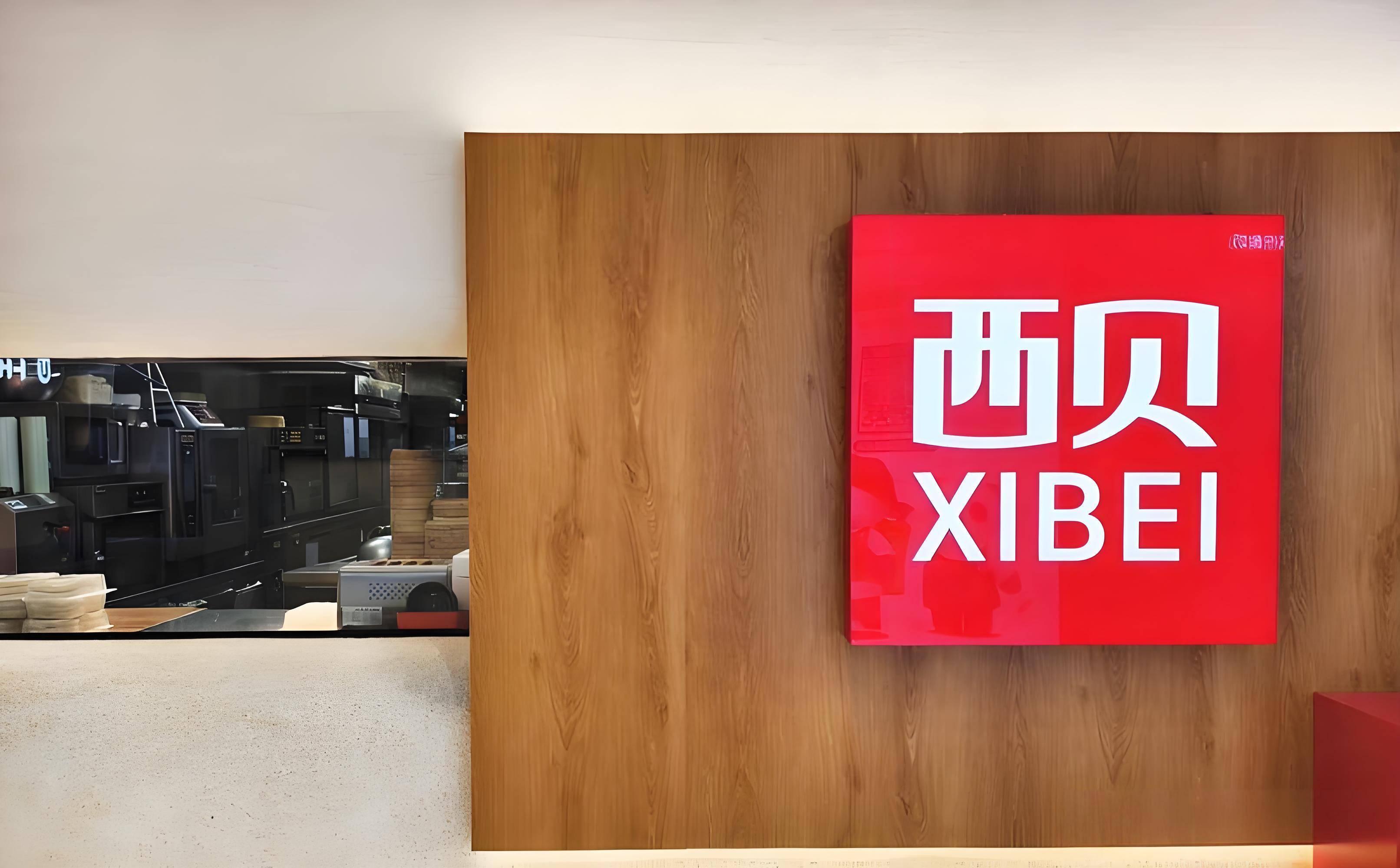
实探西贝门店:店长称仅牛肉条为半加工,客流不受影响;预制菜标准存争议
Sou Hu Cai Jing· 2025-09-12 10:27
Core Viewpoint - The ongoing controversy between Luo Yonghao and Xibei regarding the classification of pre-prepared dishes has sparked significant public interest and debate about food quality and pricing in the restaurant industry [4][17]. Group 1: Controversy Overview - Luo Yonghao criticized Xibei for allegedly serving mostly pre-prepared dishes at high prices, which led to a public outcry and media attention [4]. - Xibei's founder, Jia Guolong, firmly denied these claims, stating that according to national standards, Xibei's offerings do not qualify as pre-prepared dishes and announced plans to sue Luo for defamation [4][16]. - Xibei has introduced a "Luo Yonghao menu" that allows customers to monitor and return dishes, aiming to address consumer concerns [4]. Group 2: Consumer Feedback and Store Operations - A visit to Xibei's Wudaokou store revealed that only beef strips are processed in a central kitchen, while other dishes are prepared on-site [5][9]. - The store manager explained that various factors contribute to dishes being served warm rather than hot, including delays in service and air conditioning effects [10]. - Xibei's cooking process involves multiple steps, ensuring that even items delivered from the central kitchen undergo further preparation before serving [11]. Group 3: Market Position and Financial Performance - Xibei reported a revenue exceeding 6.2 billion yuan in 2023, marking a historical high for the company [20]. - The restaurant chain has successfully differentiated itself in a competitive market by implementing a "children's meal" strategy, selling over 20 million children's meals and attracting nearly 6.5 million child customers [20]. - Despite facing criticism for high prices, Xibei maintains a "quality at a reasonable price" strategy, with an average profit margin of no more than 5% in the first half of the year [20].
【速看料】零售业现罕见并购:RaceTrac斥资5.66亿美元收购Potbelly(PBPB.US),溢价高达47%
Zhi Tong Cai Jing· 2025-09-11 04:14
Core Viewpoint - RaceTrac, a convenience store operator, has agreed to acquire sandwich chain Potbelly for approximately $566 million, marking a rare cross-industry acquisition in the sector [1][3]. Group 1: Acquisition Details - RaceTrac will make a tender offer to purchase all outstanding shares of Potbelly at a price of $17.12 per share [1]. - All directors and executives of Potbelly have agreed to sell their shares, which represent about 11% of Potbelly's issued common stock [1]. - The acquisition price represents a 47% premium over Potbelly's volume-weighted average price over the last 90 trading days [3]. Group 2: Market Reaction and Context - Following the acquisition announcement, Potbelly's stock price rose by 31.32%, closing at $16.98 [3]. - Industry experts note that while convenience store operators sometimes enter into franchise agreements with restaurants, direct acquisitions of restaurant chains are uncommon [3]. Group 3: Strategic Intent and Industry Trends - RaceTrac aims to enhance its convenience store portfolio by adding a restaurant, and the deal was reached without a formal auction process [3]. - Private equity firms have been active buyers in the sandwich chain sector, with notable acquisitions including Blackstone's $8 billion purchase of Jersey Mike's and Roark Capital's $9.55 billion acquisition of Subway in 2023 [3]. - The transaction may encourage other restaurants to consider convenience chains as potential buyers [3]. Group 4: Company Background - Potbelly opened its first store in Chicago in 1977 and currently operates over 445 company-owned locations and more than 105 franchised stores in the U.S. [3]. - RaceTrac operates over 800 RaceTrac and RaceWay stores across 14 states in the U.S. and approximately 1,200 Gulf stores in the U.S. and Puerto Rico [3]. Group 5: Synergies Highlighted - Both companies emphasized their shared strengths in real estate, franchising, operations, food innovation, and marketing in their transaction announcement [4].


零售业现罕见并购:RaceTrac斥资5.66亿美元收购Potbelly(PBPB.US),溢价高达47%
Zhi Tong Cai Jing· 2025-09-11 03:08
Group 1 - RaceTrac agreed to acquire sandwich chain Potbelly for approximately $566 million, marking a rare cross-industry acquisition [1] - The acquisition offer is priced at $17.12 per share, with Potbelly's board and executives agreeing to sell their shares, representing about 11% of Potbelly's outstanding common stock [1] - Following the acquisition announcement, Potbelly's stock price rose by 31.32% to $16.98, with the transaction price being 47% higher than the company's 90-day volume-weighted average price [1] Group 2 - Industry experts note that convenience store operators typically enter into franchise agreements with restaurants but rarely acquire restaurant chains directly [1] - The deal was reached without a formal auction process, indicating RaceTrac's intent to add a restaurant to its convenience store portfolio [1] - Potbelly, founded in 1977, operates over 445 company-owned stores and more than 105 franchised locations across the U.S. [2] Group 3 - RaceTrac operates over 800 RaceTrac and RaceWay stores across 14 states in the U.S., along with approximately 1,200 Gulf stores in the U.S. and Puerto Rico [2] - Both companies highlighted their shared strengths in real estate, franchising, operations, food innovation, and marketing in their transaction announcement [2]