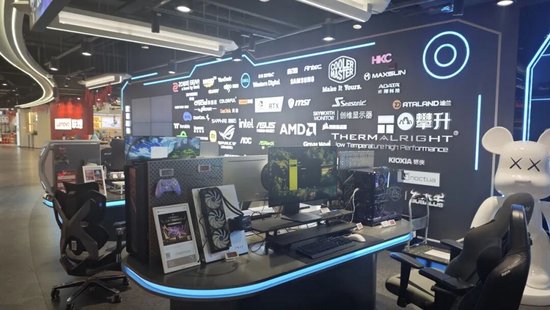
消费电子

Search documents
岱勒新材(300700.SZ):公司前期与蓝思科技的合作主要是在消费电子领域
Ge Long Hui· 2026-01-16 08:23
Group 1 - The core viewpoint of the article is that Dai Le New Materials (300700.SZ) has primarily collaborated with Lens Technology in the consumer electronics sector [1] Group 2 - The company has engaged in discussions on its investor interaction platform regarding its previous cooperation with Lens Technology [1]


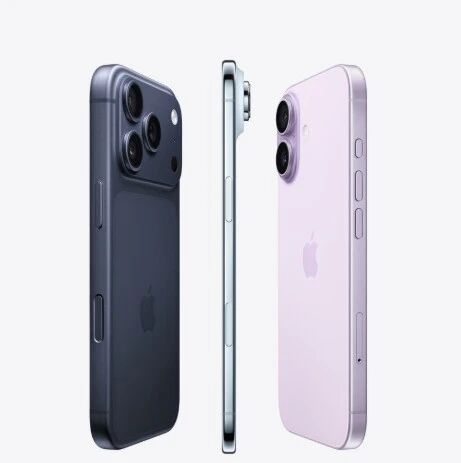
苹果宣布:华为、小米等安卓机型也可“以旧换新”
证券时报· 2026-01-16 07:58
Group 1 - Apple has adjusted the trade-in values for devices such as iPhone, iPad, and Mac, including Android models from Huawei and Xiaomi [1][3] - The maximum trade-in value for iPhone 16 Pro Max in China is 5800 yuan; for iPad Pro, it is also 5800 yuan, while iPad Air can be traded in for up to 3500 yuan; MacBook Pro has a maximum of 6050 yuan, and Mac Pro can reach 14000 yuan [1] - For Android devices, Huawei Mate 70 Pro+ can be traded in for up to 2750 yuan; Oppo Find X8 Pro for 1700 yuan; Vivo iQOO 13 for 1600 yuan; and Xiaomi 15 Pro for 1600 yuan [3] Group 2 - The trade-in service is provided by Apple's trade-in service partners, and the quoted trade-in amounts are estimates that may vary based on the device's condition, configuration, release year, and the country or region of sale [5]


主力板块资金流入前10:半导体流入142.79亿元、消费电子流入53.98亿元
Jin Rong Jie· 2026-01-16 07:40
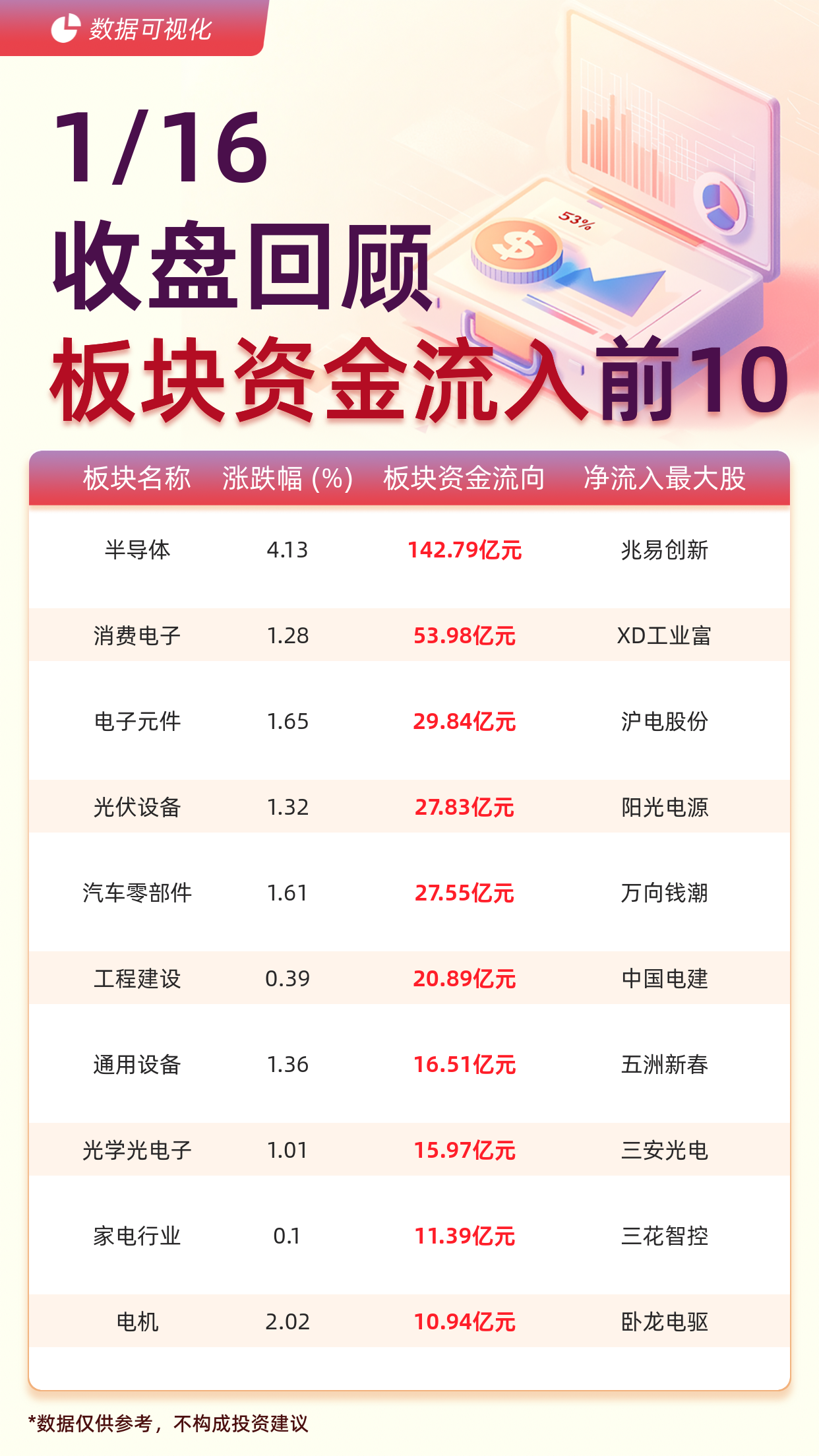
*数据仅供参考,不构成投资建议 | | 板块名称 涨跌幅(%) 板块资金流向 | | 净流入最大 | | --- | --- | --- | --- | | 半导体 | 4.13 | 142.79亿元 | 兆易创新 | | 消费电子 | 1.28 | 53.98亿元 | XD工业富 | | 电子元件 | 1.65 | 29.84亿元 | 沪电股份 | | 光伏设备 | 1.32 | 27.83亿元 | 阳光电源 | | 汽车零部件 | 1.61 | 27.55亿元 | 万向钱潮 | | 工程建设 | 0.39 | 20.89亿元 | 中国电建 | | 通用设备 | 1.36 | 16.51亿元 | 五洲新春 | | --- | --- | --- | --- | | 光学光电子 | 1.01 | 15.97亿元 | 三安光电 | | 家电行业 | 0.1 | 11.39亿元 | 三花智控 | | 电机 | 2.02 | 10.94亿元 | 卧龙电驱 | 据交易所数据显示,截至1月16日收盘,大盘主力资金净流出486.02亿元。主力资金流入前十大板块分别为: 半导体(142.79亿元)、 消费电子(53.98亿 ...
贾国龙朋友圈发文后,罗永浩回应
第一财经· 2026-01-16 07:37
1月16日,罗永浩公开表示,锤子科技倒闭是他的原因,没见过一家企业仅仅因为被黑就能倒闭;如果 担心员工失业,作为企业家,一开始就不应胡来;多数发达国家预制菜比我国市场份额高,但主要流向 消费者市场与快餐业,而非正式餐厅。 记者| 吕倩 编辑 | 钉钉 次王动收寺,具头跟这个也有一定的夫杀。另 外,发现对方严重认知失调,当众往死里自残 而不自知时,谁好意思继续跟这种人掰扯道理 呢? 3. 如果真担心员工失业,一个有上万名员工的 企业家,一开始就不能胡来(还说什么"我生意 可以不做,但官司一定要打!")这一点,我这 么生性顽劣的人都知道,但一些跟真实世界脱 节,活在自己宇宙里的老一辈企业家不知道, 所以这一切可能都是注定的 ..... 只希望不要变 得更糟糕吧。 4. 多数发达国家的预制菜都比我国预制菜的市 场份额要高,但这些国家的大部分预制菜都去 了消费者市场和快餐业,而不是像在我们这 里:去了正式的餐厅冒充现做的饭菜(否则也 解释不了我们的餐饮业为什么会有锅气香精这 么变态的"科技狠活儿") 国家支持发展预制菜工业,是为了让中国人吃 得更方便、更卫生,更健康,不是为了让餐馆 ...

A股收盘|沪指跌0.26% AI应用题材全线回调
Di Yi Cai Jing· 2026-01-16 07:24
(文章来源:第一财经) 三大股指今日集体收跌,沪指跌0.26%,深成指跌0.18%,创业板指跌0.2%。科创综指涨1.63%。AI应用 题材全线回调,金融科技、电商、商业航天概念股走低。半导体产业链爆发,存储器方向领涨;消费电 子、人形机器人、特高压概念股活跃。市场成交额超3万亿元。 ...
A股收评 | 牛市节奏生变!多ETF巨量下跌
智通财经网· 2026-01-16 07:22
从个股看,两市上涨2371家,下跌2973家,128家涨幅持平。两市共67股涨停,共62股跌停。 截至收盘,沪指跌0.26%报4101.91点,成交13380亿元;深成指跌0.18%报14281.08点,成交16711亿 元。创业板指下跌0.20%,报3361.02点。 资金动向 今日主力资金重点抢筹半导体、消费电子、汽车零部件等板块,主力净流入居前的个股包括工业富联、 长电科技、三花智控等。 要闻回顾 今日市场宽幅震荡,截至收盘三大指数集体下跌。AI应用持续调整,商业航天获资金回流,半导体、 电力设备等板块全天强势。市场全天成交约3万亿,较上个交易日放量超千亿,两市下跌个股近3000 只。 值得关注的是,今日午后宽基ETF持续放量,其中沪深华夏沪深300ETF(510330)午后分时现放量下挫, 成交超220亿,创历史成交天量,嘉实沪深300ETF(159919)成交近100亿,富国中证1000ETF(159629)成 交额环比昨日增超10倍。 据券商中国,今天市场走弱可能系市场预期改变。第一,12月的M1增速回落,A股有"M1定买卖的传统 策略",市场担忧流动性传导仍不畅。第二,在昨天结构性"降息"之后, ...
蓝思科技涨超4% 机器人、商业航天领域等多领域布局
Zhi Tong Cai Jing· 2026-01-16 07:19
Core Viewpoint - Lens Technology (300433)(06613) has seen a stock increase of over 4%, currently trading at 29.8 HKD with a transaction volume of 475 million HKD, indicating strong market interest and confidence in the company's growth prospects [1] Group 1 - The company has successfully delivered humanoid robots, quadruped robots, and various modules to several leading robot clients both domestically and internationally, positioning itself among the top in assembly and shipment scale within the industry [1] - Lens Technology has been confirmed as a core supplier for a leading North American robot client, with head modules already certified by the client and structural components undergoing certification [1] - At CES 2026, the company showcased its self-developed aerospace-grade ultra-thin flexible glass (UTG) photovoltaic packaging solution, highlighting its innovation capabilities [1] Group 2 - According to Aijian Securities, the company is focusing on continuous process innovation in traditional consumer electronics while increasing production capacity in emerging fields such as robotics and server liquid cooling [1] - The company has established a leading technological layout in the cutting-edge commercial aerospace sector, leveraging its long-standing expertise in material processing and precision manufacturing [1] - The outlook remains positive for the company as it expands its business into consumer electronics, robotics, server components, and commercial aerospace sectors [1]

苹果以旧换新抵扣价更新!华为、小米等安卓机型也纳入折抵范围
2 1 Shi Ji Jing Ji Bao Dao· 2026-01-16 07:04
Core Insights - Apple has adjusted the trade-in values for devices such as iPhone, iPad, and Mac, now including Android models from Huawei and Xiaomi in the trade-in program [1] Trade-In Program Details - The Apple Trade In program allows customers to trade in their devices for credit towards new Apple products, with specific trade-in values for various Android models [1] - Huawei Mate X5 can be traded in for up to 2850 yuan, Huawei Mate 70 Pro+ for up to 2750 yuan, Oppo Find X8 Pro for up to 1700 yuan, Vivo iQOO 13 for up to 1600 yuan, and Xiaomi 15 Pro for up to 1600 yuan [1] - The trade-in values are estimated and may vary based on the device's condition, specifications, release year, and the country or region of sale [1]
存储步入“超级周期” 多款笔记本电脑涨价
Shang Hai Zheng Quan Bao· 2026-01-16 06:58
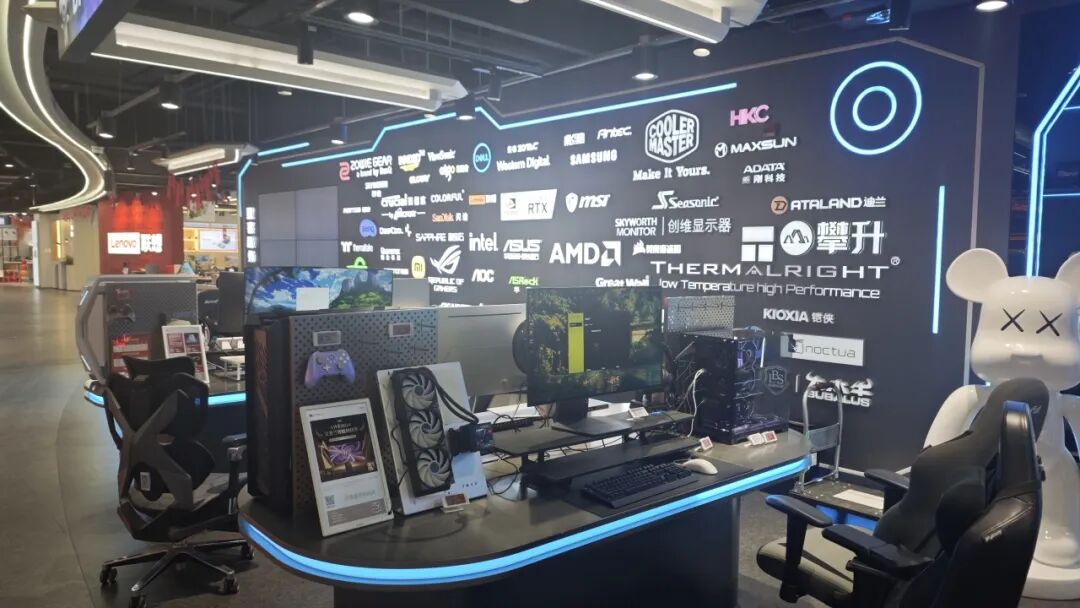
Group 1 - The global memory market is entering a "super cycle," leading to price increases in consumer electronics such as laptops and desktops [1] - The cost of assembling a computer has increased by approximately 1500 yuan due to rising memory prices [2][4] - The price of DDR5 memory has surged from around 1000 yuan to 2500 yuan within a few months, causing consumers to delay purchases [3][4] Group 2 - Major brands like Lenovo, HP, and Dell have strategic stockpiles, which may delay the impact of price increases, but smaller businesses may struggle to cope with rising costs [8] - The current surge in memory prices is primarily driven by the increased demand for AI computing power, which is consuming high-performance storage units [8] - Memory manufacturers are cautious about expanding production due to the long lead times and the ongoing demand from AI applications, making it difficult for consumer-grade products to compete for capacity [8]
存储步入“超级周期”,多款笔记本电脑涨价
Xin Lang Cai Jing· 2026-01-16 06:57
Core Viewpoint - The global memory market is entering a "super cycle," leading to significant price increases that are affecting consumer electronics such as laptops and desktops [1][8]. Group 1: Impact on Consumer Electronics - The cost of assembling a computer has increased by approximately 1500 yuan, with DDR5 memory prices rising from 1000 yuan to 2500 yuan within a few months [3][10]. - Major brands like Lenovo and HP have raised prices on several laptop models, while Huawei's prices remain relatively stable [3][10]. - Consumers are delaying purchases due to rising prices, with many waiting for government subsidies that may not offset the price increases [3][10]. Group 2: Price Trends and Predictions - The price of a common DDR5 16GB memory module rose from around 300 yuan before September 15, 2025, to 1200-1400 yuan by January 2026, while DDR4 memory prices increased from 200 yuan to 600-700 yuan [4][11]. - The overall cost of a computer with 16GB of memory and 1TB of storage has increased by about 1500 yuan compared to a few months ago [4][11]. - It is anticipated that prices will continue to rise, affecting not only computers but also smartphones [4][11]. Group 3: Industry Dynamics and Challenges - The current memory price surge may lead to a disruptive reshuffling in the computer sales channels, with larger companies like Lenovo, HP, and Dell having strategic stockpiles, while smaller businesses may struggle to keep up [6][13]. - The increase in memory prices is primarily driven by the surge in AI computing demand, which is consuming high-performance storage units and squeezing the consumer market [6][13]. - Major memory manufacturers are cautious about expanding production due to the long lead times of 3 to 5 years and the ongoing demand from AI applications, making it difficult for consumer-grade products to compete for capacity [6][13].