
加密货币

Search documents
超级独角兽,估值35000亿
虎嗅APP· 2025-10-09 10:54
以下文章来源于投中网 ,作者蒲凡 投中网 . 投中网是领先的创新经济信息服务平台,拥有立体化传播矩阵,为创新经济人群提供深入、独到的智识 和洞见,在私募股权投资行业和创新商业领域拥有权威影响力。官网:www.chinaventure.com.cn 最有诱惑性的答案,大概就是买比特币了。十年以来,比特币虽然起起伏伏不断经历着"牛市——熊 市"的轮转,但也总能兜兜转转回到一条高昂向上的曲线,一枚比特币的价格从300美元涨到了最近 的11万美元左右,在全球市场所有资产类别中堪称"最靓的仔"。 然而,这个答案在操作性上有两个非常直观的问题。首先比特币不是贵金属也不是什么等价证券,本 质上它是一段算出来的代码。想要获得比特币,就需要足够的算力和足够的电力 (也就是"挖矿") ,对于普通人来说成本实在是有点高。其次,加密货币这个资产类别始终游走在法律监管边缘,也在 很长一段时间内没有真实的落地场景,价格波动频繁且巨大。在这个前提下,即使能找到持有比特币 的卖家,双方都应该用什么货币、什么方式来定价交易呢? 所以有机会穿越回10年前去投资比特币——哪怕是现在去投资比特币,你会发现大部分人都遵循着 这样的流程:先在交易所里, ...

首个“加密货币+加密概念股票”混合指数来了!标普“数字市场50”进军加密生态?
Sou Hu Cai Jing· 2025-10-09 10:52
Core Insights - The launch of the S&P Digital Markets 50 Index marks a significant step in the integration of traditional finance and the cryptocurrency world, reflecting Wall Street's endorsement of the legitimacy and market position of digital assets [1][12] - This index is a hybrid that combines both cryptocurrency prices and blockchain-related stocks, providing a comprehensive measure of the health of the entire digital asset ecosystem [4][5] Index Composition - The index consists of 50 assets, including 35 publicly traded companies deeply connected to the crypto ecosystem and 15 major cryptocurrencies selected from the S&P Cryptocurrency Broad Digital Market Index [5][6] - The index has strict rules, such as a weight cap of 5% for any single asset, a minimum market cap of $100 million for stocks, and $300 million for cryptocurrencies [6] Institutional Demand - The index aims to meet the growing demand from institutional investors who seek a transparent and reliable tool for assessing exposure to the digital asset ecosystem [6][10] - It provides a comprehensive market view, allowing investors to understand the performance of both the companies building the digital future and the native value carriers (cryptocurrencies) [6][10] Tokenization and Financial Infrastructure - The collaboration with Dinari to tokenize the index represents a significant shift in financial infrastructure, allowing investors to buy, hold, and trade the index on the blockchain [8][10] - This tokenization is seen as a modernization of trusted benchmarks, enabling access to both U.S. stocks and digital assets in a single, transparent product [8][10] Market Context - The launch coincides with a bullish sentiment in the crypto market, with Bitcoin reaching new historical highs, indicating that mainstream finance recognizes digital assets as a vital asset class [12] - The index serves as a bridge between Wall Street's rigorous rules and the innovative nature of the crypto world, marking a transition of digital assets from alternative investments to essential components of global asset allocation [12]

重注亚马逊、比特币的人!比尔·米勒经典对谈:如何避免被偏见带偏
聪明投资者· 2025-10-09 07:03
Core Insights - Bill Miller is recognized as one of the most legendary investors of the era, having outperformed the S&P 500 for 15 consecutive years, a record that may be hard to replicate [2] - His investment journey has been marked by significant ups and downs, including a severe setback during the 2008 financial crisis, but he managed a remarkable comeback over the following decade [2][6] - Miller's investment philosophy is influenced by a blend of philosophy, investment strategies, and technology, making him a unique figure in the investment world [3][4] Investment Philosophy - Miller's insights often stem from a deep understanding of market psychology and a willingness to challenge conventional wisdom, as seen in his investments in Amazon and Bitcoin [4][6] - He emphasizes the importance of observing market prices closely, as they reflect emotional information, and he is known for using leverage in his investments [4] Current Market Perspective - In a conversation during a tumultuous market period in May 2022, Miller noted that such times often present the best investment opportunities [6][8] - He revealed that over 80% of his personal assets are concentrated in Amazon and Bitcoin, showcasing his strong belief in these assets despite widespread skepticism [6][8] Historical Context - Miller reflects on his career, stating that his greatest pride lies not in his record of outperforming the market but in his sustained recovery and performance in the years following the 2008 crisis [6][8] - He draws parallels between current market conditions and historical inflationary environments, suggesting that many younger investors have not experienced prolonged periods of rising interest rates and inflation [14][15]

德林控股:专注于字节跳动、Kraken及eSelf AI等知名科技公司私募股权的代币化
Zhi Tong Cai Jing· 2025-10-09 01:40
Core Viewpoint - The company is actively developing and expanding its digital asset strategy, focusing on the tokenization of private equity investments in well-known tech companies such as ByteDance, Kraken, and E-Self.AI, as well as limited partnership funds related to its holdings in Derlin Tower and Animoca Brands [1][3]. Group 1: Investment Overview - The company has acquired approximately $5.7 million in private equity investments through various investment funds or special purpose vehicles (SPVs) for future tokenization purposes [1]. - The indirect investment in ByteDance amounts to about $2 million, with an implied valuation of approximately $315 billion [1]. - The indirect investment in Kraken is around $3 million, with an implied valuation of about $15 billion [2]. - The indirect investment in E-Self.AI is approximately $700,000, with an implied valuation of around $21 million [2]. Group 2: Tokenization Strategy - The company plans to implement tokenization of the SPVs holding these investments, collaborating with Asseto Holdings Limited to utilize blockchain technology for ownership structure representation [3]. - The strategic rationale for the RWA tokenization plan includes enhancing transparency, increasing liquidity for traditionally illiquid private equity investments, and achieving efficient asset management [3]. - The company aims to improve operational efficiency and potentially unlock future value from high-growth tech assets through this tokenization [3]. Group 3: Regulatory and Development Updates - The company is working towards regulatory approval for the tokenization of its limited partnership interests in Derlin Tower and Animoca Brands [4]. - The expected timeline for entering the technical deployment and compliance phase for the Derlin Tower LPF RWA tokenization is the fourth quarter of 2025, with a target to launch token distribution and platform operations in early 2026 [4]. - The Animoca Brands LPF tokenization project has received support from Ripple Labs and has been approved under the Hong Kong Cyberport's "Blockchain and Digital Asset Pilot Funding Scheme" [5]. Group 4: Market Impact - The tokenization of traditionally locked limited partnership interests into digital tokens allows investors more flexible asset allocation while ensuring compliance, significantly reducing transaction costs and time [6]. - This development opens new liquidity channels for the multi-trillion-dollar global private equity market, highlighting the company's commitment to combining real estate assets and innovative private equity fund tokenization with cutting-edge blockchain technology [6].
Altcoins Offer A Crucial Diversification Opportunity
Etftrends· 2025-10-08 19:24
Core Insights - Macroeconomic uncertainty has prompted advisors and investors to seek diversified portfolios, including cryptocurrencies beyond just Bitcoin [1] - Altcoins offer unique opportunities for innovation and diversification in crypto investments, complementing Bitcoin's role as a store of value [2] Group 1: Diversification in Crypto - Traditional diversification often involves international equities or high-yield bonds, but crypto investors are encouraged to diversify across various cryptocurrencies, including altcoins [1] - Bitcoin is often referred to as "digital gold" due to its scarcity and function as a store of value, while altcoins can drive innovation in the crypto space [2] Group 2: CoinShares Altcoins ETF (DIME) - CoinShares has launched the CoinShares Altcoins ETF (DIME), which provides diversified access to altcoin performance through a selection of exchange-traded products (ETPs) [3] - DIME's portfolio includes ten Layer 1 altcoins, such as Solana, Avalanche, and Aptos, allowing for a balanced approach to altcoin investment [3] - The diversified nature of DIME helps mitigate risks associated with individual altcoin performance, as underperformance in one asset can be balanced by others in the portfolio [3]
Bit Digital Ethereum Treasury Soars to $675M, Cementing Spot as Top 6 Holder
Yahoo Finance· 2025-10-08 17:10
Core Insights - Bit Digital's Ethereum holdings have increased to approximately $675 million, positioning the company among the top six institutional Ethereum treasuries globally [1] - The firm has transitioned from Bitcoin mining to focusing on Ethereum, now holding around 150,244 ETH after a recent purchase [2][6] - The acquisition was financed through a $150 million convertible notes offering, which was priced at $4.16 per share, reflecting an 8.2% premium to the company's estimated NAV [3] Financial Strategy - The recent purchase of ETH is part of Bit Digital's strategy to enhance shareholder value and increase NAV per share [4] - The company has conducted multiple fundraising rounds, including a $67.3 million direct offering in July aimed at ETH purchases [5] - Bit Digital's shift to Ethereum has resulted in a significant decline in Bitcoin-related revenue, which dropped 64% year-over-year in Q1 2025 [7] Market Position - The company views Ethereum as essential to digital financial infrastructure and considers current prices as an attractive long-term investment opportunity [4] - Bit Digital's treasury has grown nearly 50% since early July, when it held about 100,603 ETH valued at $301 million [6] - The firm is now generating income through validator operations and custody solutions, alongside a stake in AI-focused firm WhiteFiber [7]
德林控股(01709):专注于字节跳动、Kraken及eSelf AI等知名科技公司私募股权的代币化
智通财经网· 2025-10-08 13:12
Core Viewpoint - Derlin Holdings (01709) is actively developing and expanding its digital asset strategy, focusing on the tokenization of private equity investments in well-known tech companies such as ByteDance, Kraken, and E-Self.AI, as well as limited partnership funds related to Derlin Tower and Animoca Brands [1][3] Group 1: Investment Details - The company has acquired approximately $5.7 million in private equity investments through various investment funds or special purpose vehicles (SPVs) for future RWA tokenization purposes [1] - The indirect investment in ByteDance amounts to about $2 million, with an implied valuation of approximately $315 billion [1] - The indirect investment in Kraken is around $3 million, with an implied valuation of about $15 billion [2] - The indirect investment in E-Self.AI is approximately $700,000, with an implied valuation of around $21 million [2] Group 2: Tokenization Strategy - The company plans to implement tokenization of the SPVs holding these investments, collaborating with Asseto Holdings Limited to utilize blockchain technology for ownership structure representation [3] - The strategic rationale for the RWA tokenization plan includes enhancing transparency, increasing liquidity for traditionally illiquid private equity investments, and achieving efficient asset management [3] - The anticipated tokenization of these investments is expected to improve operational efficiency and potentially unlock future value from high-growth tech assets [3] Group 3: Regulatory and Development Updates - The company is working towards regulatory approval for the tokenization of limited partnership interests in Derlin Tower and Animoca Brands [4] - The expected timeline for entering the technical deployment and compliance phase for Derlin Tower LPF RWA tokenization is Q4 2025, with a goal to launch token distribution and platform operations in early 2026 [4] - The Animoca Brands LPF tokenization project has received support from Ripple Labs and has been approved for the Hong Kong Cyberport "Blockchain and Digital Asset Pilot Funding Scheme" [5] Group 4: Market Impact - The tokenization of traditionally locked limited partnership interests into digital tokens allows investors greater flexibility in asset allocation while ensuring compliance [6] - This development significantly reduces transaction costs and time, opening new liquidity channels for the multi-trillion-dollar global private equity market [6] - The company's efforts highlight its commitment to combining real estate assets and innovative private equity fund tokenization with cutting-edge blockchain technology to enhance transparency, liquidity, and accessibility [6]
超级独角兽,估值35000亿
凤凰网财经· 2025-10-08 12:57
以下文章来源于投中网 ,作者蒲凡 投中网 . 投中网是领先的创新经济信息服务平台,拥有立体化传播矩阵,为创新经济人群提供深入、独到的智识 和洞见,在私募股权投资行业和创新商业领域拥有权威影响力。官网:www.chinaventure.com.cn 如果有机会带着今天的记忆穿越回10年前,你会选择投资什么来让自己暴富? 最有诱惑性的答案,大概就是买比特币了。十年以来,比特币虽然起起伏伏不断经历着"牛市——熊 市"的轮转,但也总能兜兜转转回到一条高昂向上的曲线,一枚比特币的价格从300美元涨到了最近 的11万美元左右,在全球市场所有资产类别中堪称"最靓的仔"。 然而,这个答案在操作性上有两个非常直观的问题。首先比特币不是贵金属也不是什么等价证券, 本质上它是一段算出来的代码。想要获得比特币,就需要足够的算力和足够的电力(也就是"挖 矿"),对于普通人来说成本实在是有点高。其次,加密货币这个资产类别始终游走在法律监管边 缘,也在很长一段时间内没有真实的落地场景,价格波动频繁且巨大。在这个前提下,即使能找到 持有比特币的卖家,双方都应该用什么货币、什么方式来定价交易呢? 所以有机会穿越回10年前去投资比特币——哪怕是 ...
超级独角兽,估值35000亿
投中网· 2025-10-08 12:47
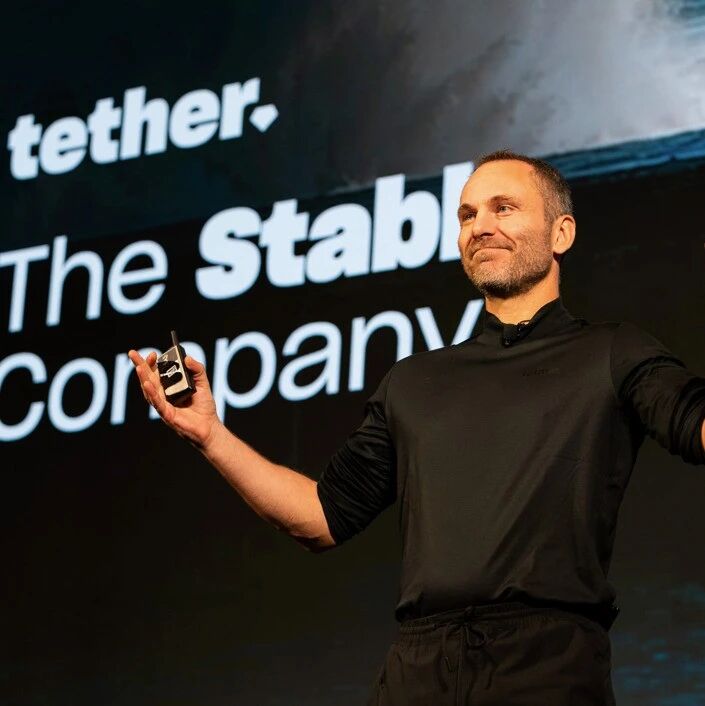
将投中网设为"星标⭐",第一时间收获最新推送 这样的公司,有什么必要融资呢? 作者丨 蒲凡 来源丨 投中网 如果有机会带着今天的记忆穿越回10年前,你会选择投资什么来让自己暴富? 最有诱惑性的答案,大概就是买比特币了。十年以来,比特币虽然起起伏伏不断经历着"牛市——熊市"的轮转,但也总能兜兜转转回到一条高昂向上 的曲线,一枚比特币的价格从300美元涨到了最近的11万美元左右,在全球市场所有资产类别中堪称"最靓的仔"。 然而,这个答案在操作性上有两个非常直观的问题。首先比特币不是贵金属也不是什么等价证券,本质上它是一段算出来的代码。想要获得比特币, 就需要足够的算力和足够的电力(也就是"挖矿"),对于普通人来说成本实在是有点高。其次,加密货币这个资产类别始终游走在法律监管边缘,也 在很长一段时间内没有真实的落地场景,价格波动频繁且巨大。在这个前提下,即使能找到持有比特币的卖家,双方都应该用什么货币、什么方式来 定价交易呢? 所以有机会穿越回10年前去投资比特币——哪怕是现在去投资比特币,你会发现大部分人都遵循着这样的流程:先在交易所里,将自己的法定货币 (人民币、美元、欧元等等)换成一种与美元直接挂钩、价值稳定 ...
BNB Meme Coin 币安人生 (Binance Life) Rockets Over 3,000%, Creating New Crypto Millionaires
Yahoo Finance· 2025-10-08 11:55
bnb meme, binance life. Photo by BeInCrypto 币安人生 (Binance Life), a new BNB-based meme coin, has gained traction in the crypto market. Its market value climbed from just a few hundred thousand dollars to over $500 million, generating multi-million-dollar returns for early traders. The token’s meteoric rise is part of a broader ‘BNB meme szn,’ with over 100,000 on-chain traders piling into new tokens and nearly 70% already sitting on profits. 币安人生 (Binance Life) Token’s 1,800× Pump Shakes Up the Meme Coin ...