具身智能

Search documents
新兴产业“未来已来”,中国科技创新如何惊艳世界
2 1 Shi Ji Jing Ji Bao Dao· 2026-01-04 02:37
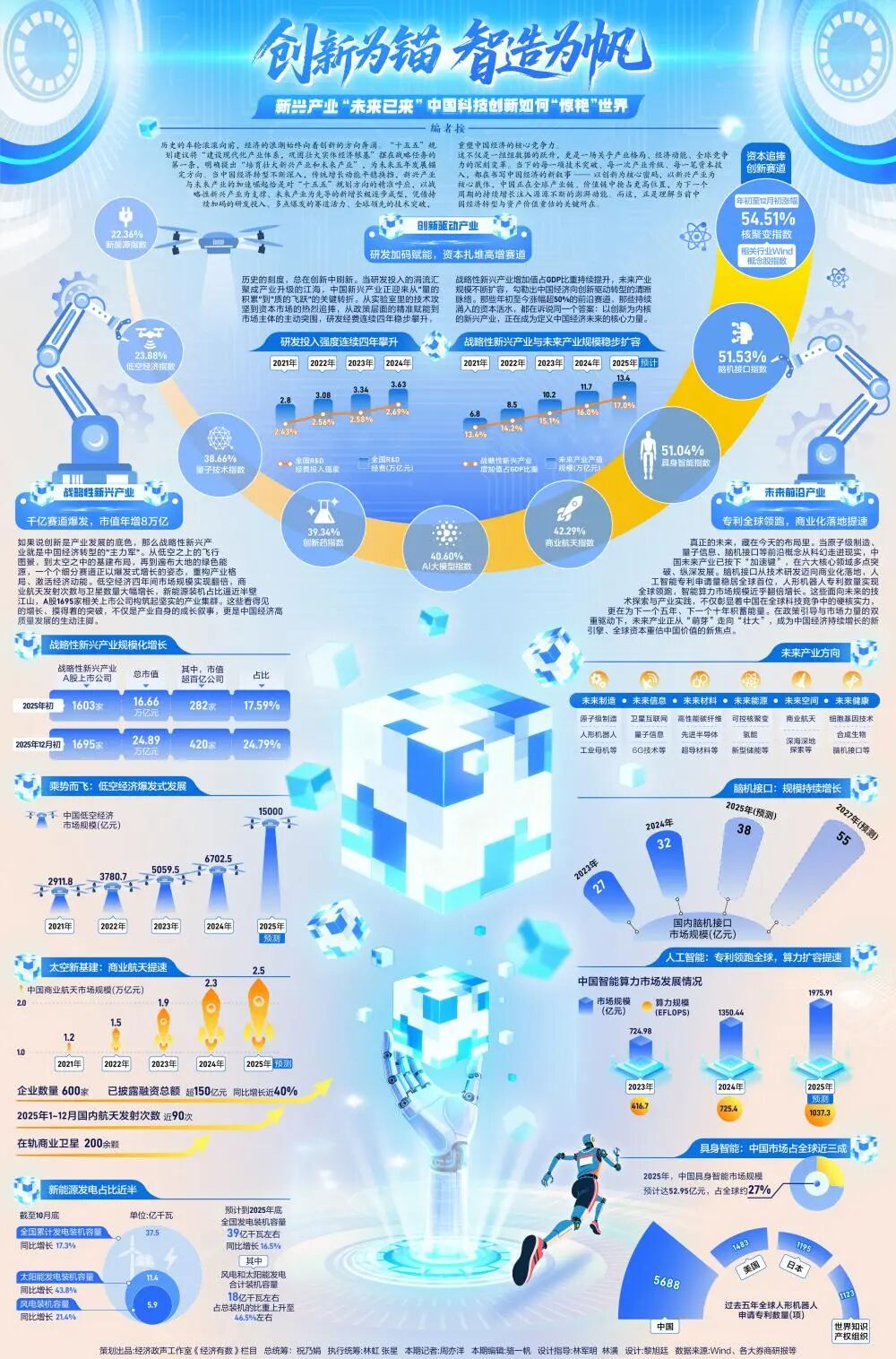
Group 1 - The core viewpoint emphasizes the importance of innovation in driving China's economic transformation and the rise of emerging industries as a response to the "14th Five-Year Plan" [1] - The plan highlights the construction of a modern industrial system and the strengthening of the real economy as strategic tasks, with a focus on nurturing emerging and future industries [1] - Continuous R&D investment and technological breakthroughs are reshaping China's core competitiveness in the global industrial and value chains [1] Group 2 - As of the end of October, China's installed power generation capacity reached approximately 3.9 billion kilowatts, with a year-on-year growth of 17.3% [3] - The share of renewable energy generation, particularly wind and solar power, has increased significantly, with solar power capacity growing by 43.8% year-on-year [3] - The humanoid robot market in China is projected to account for nearly 30% of the global market by 2025, with an expected market size of 5.295 billion yuan [3]

海南省发展改革委党组书记、主任綦树利:推动开放成果“由树木变森林”
Hai Nan Ri Bao· 2026-01-04 01:13
Core Viewpoint - The Hainan Provincial Development and Reform Commission aims to establish Hainan Free Trade Port as a significant gateway for China's new era of opening up, focusing on high-quality economic and social development post-closure [1] Group 1: Economic and Trade Development - The commission will leverage high-level openness to create a new open economic structure, emphasizing investment liberalization and facilitation, and optimizing market access [1] - Measures will be taken to reduce the negative list for foreign investment and explore a collaborative model for domestic and foreign investment access [2] Group 2: Industrial Development - The commission plans to build a modern industrial system with Hainan characteristics, focusing on innovation-driven development and the "45432" framework [2] - Key industries will be supported to enhance their supply chains and upgrade, while new industries such as biomanufacturing and hydrogen energy will be prioritized [2] Group 3: Reform and Market Environment - Continuous efforts will be made to eliminate hidden barriers for private enterprises, particularly in market access and project approval [3] - The commission will reform investment and financing systems to increase the proportion of private and foreign investment [3] Group 4: Regional Coordination and Development - The strategy includes enhancing regional collaboration and integrating with international and domestic markets, particularly through the Belt and Road Initiative [3] - A new regional development pattern will be established, focusing on urban-rural integration and resource sharing [3] Group 5: Social Welfare and Public Services - The commission emphasizes a people-centered approach, aiming to improve public services and social security systems to enhance the well-being of residents [4] - Efforts will be made to ensure equitable access to basic public services and improve living conditions [4] Group 6: Safety and Risk Management - The commission will focus on economic security, identifying and preventing risks in key areas such as food and energy supply [5] - Initiatives will be implemented to enhance the "Smart Hainan" infrastructure and manage social expectations effectively [5]
开启星际巡航,速览2025年最具潜力的产业新“星”
21世纪经济报道· 2026-01-01 13:16
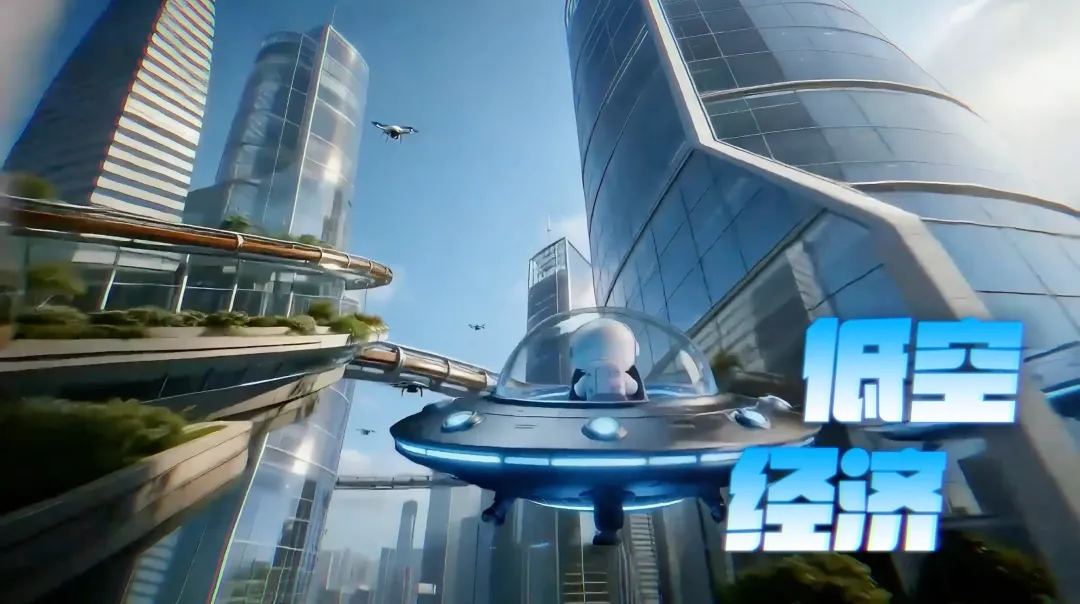
Group 1 - The article emphasizes the transformative potential of emerging and future industries in reshaping China's economic growth trajectory towards 2025, as highlighted in the "14th Five-Year Plan" [1] - The low-altitude economy is experiencing explosive growth, indicating a significant opportunity for investment and development in this sector [1] Group 2 - The commercial aerospace sector is accelerating, contributing to the formation of a trillion-yuan ecosystem, which presents substantial investment opportunities [4] Group 3 - The installed capacity for renewable energy is rapidly increasing, showcasing the sector's growth and its importance in China's energy transition [7] Group 4 - The brain-computer interface market is continuously expanding, indicating a growing interest and investment in this innovative technology [9] Group 5 - China is leading globally in artificial intelligence patents, with accelerated computing power expansion, positioning the country as a key player in the AI industry [12] Group 6 - The embodied intelligence market in China accounts for nearly 30% of the global market, highlighting its significance and growth potential [14]
开启星际巡航,速览2025年最具潜力的产业新“星”
2 1 Shi Ji Jing Ji Bao Dao· 2026-01-01 00:09
2025年,中国经济向新而行 低空飞行器划破长空 商业航天赛道形成万亿级生态 人机交互突破想象边界 …… 新兴产业与未来产业 正重塑中国经济的增长坐标 "十五五"规划建议明确提出 "培育壮大新兴产业和未来产业" 更让2025年的坚实步伐 成为未来五年产业升级的精彩序章 让我们启动这场"星际巡航" 一同探寻"星标"产业 低空经济爆发式发展 01乘势而飞 ↓↓↓ 02太空新基建 商业航天提速 03新能源 发电装机容量快速增长 04脑机接口 规模持续增长 05人工智能 专利领跑全球,算力扩容提速 06具身智能 中国市场占全球近三成 回望2025,群"星"闪耀 勾勒产业新图景 2026,再赴新程 续写高光! 策划出品|经济政声工作室《经济有数》栏目 21创意工作室 总统筹|祝乃娟 执行统筹|林虹张星林军明 视频|白宇航谢和洋实习生吴思远胡梓颖李思远 文案|周亦洋黄兰雯实习生李茗萱 审校|陈晶晶黄志明 ...
小家热气腾腾 中国蒸蒸日上——从习近平主席二〇二六年新年贺词中汲取奋斗力量
He Nan Ri Bao· 2025-12-31 23:29
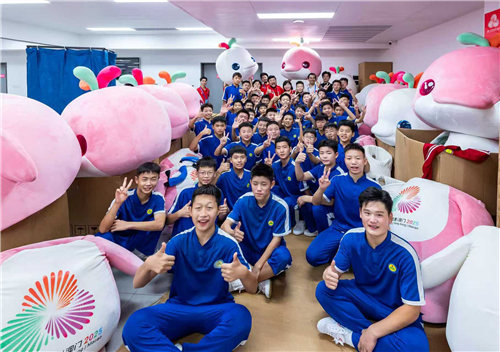
Group 1: Cultural and Sports Development - The rise in interest in martial arts among children is evident, with more students participating in training and cultural exchange activities, highlighting martial arts as a bridge to education and international exposure [2][3] - The 15th National Games showcased the integration of the Guangdong-Hong Kong-Macao Greater Bay Area through performances, symbolizing cultural unity and personal growth for participants like Liu Yilong [3] - The development of traditional martial arts is seen as part of China's broader strategy to promote sports and cultural heritage, with increasing participation in events and performances [2] Group 2: Employment and Labor Rights - New employment groups, such as delivery workers, are experiencing improved rights and recognition, with initiatives like the establishment of worker support stations providing essential services [5][7] - The implementation of new labor regulations in Henan province aims to enhance the rights of new employment groups, ensuring better working conditions and support systems [6][7] - Recognition of labor achievements, such as awards for outstanding workers, contributes to a sense of pride and motivation within the new employment sector [6] Group 3: Technological Advancements - The upcoming launch of the "Xingzhe 3" humanoid robot represents a significant advancement in robotics, with improved capabilities for navigation and interaction in various environments [8][9] - The development of humanoid robots is part of a strategic initiative in Henan to foster high-quality manufacturing and innovation in the emerging field of embodied intelligence [8][9] - The research team behind the humanoid robots is characterized by youthful energy and a commitment to overcoming technical challenges, reflecting the dynamic nature of the industry [8] Group 4: Cultural Renaissance - The resurgence of traditional Chinese culture, particularly through Hanfu and cultural performances, is gaining popularity among younger generations, indicating a cultural revival [10][11] - Events like the "Fengwu Shendu" performance in Luoyang highlight the integration of historical themes with modern entertainment, attracting significant audience engagement [11] - The growth of Hanfu consumers and related cultural activities demonstrates a strong connection between youth and traditional cultural heritage, contributing to national cultural confidence [11]
未来产业:如何前瞻布局
Xin Lang Cai Jing· 2025-12-31 21:05
Core Insights - The article discusses the importance of future industries as a core competitive arena for countries to seize technological leadership and cultivate new growth drivers, as outlined in China's 15th Five-Year Plan [10][11][12]. Group 1: Global Competition in Future Industries - Future industries such as quantum technology, bio-manufacturing, and brain-computer interfaces are seen as key areas for countries to gain competitive advantages and enhance national strength [10][11]. - The global R&D expenditure as a percentage of GDP has increased significantly from 2013 to 2022, indicating strong resilience in technology investment despite economic downturns [10]. Group 2: China's Progress in Future Industries - China is transitioning from technology catch-up to proactive layout in future industries, with strengths in quantum communication, 6G, brain-computer interfaces, hydrogen energy, and nuclear fusion [13][14]. - By 2024, China's total R&D investment is expected to exceed 3.6 trillion yuan, a 48% increase from 2020, with R&D intensity reaching 2.69%, surpassing the EU average [14]. Group 3: Funding Support for Future Industries - Future industries require substantial investment and long-term capital support, necessitating a multi-faceted funding structure that includes government, state-owned, and social capital [20][21]. - The establishment of a future industry fund in Shanghai, with a total scale of approximately 15 billion yuan, aims to support the growth of future industries through a structured investment approach [21]. Group 4: Application Scenario Innovation - Application scenarios are crucial for connecting technology with market needs, serving as testing grounds for new technologies and driving industrialization [24][25]. - The Ministry of Industry and Information Technology emphasizes the need for scenario-driven innovation to accelerate the commercialization of future industries [24].
2025年十四大事件
Xin Lang Cai Jing· 2025-12-31 16:02
Core Insights - The year 2025 marks a significant "paradigm shift" in the global business landscape, transitioning from visions of AI, consumption, and geopolitics into practical industrial applications [1][40]. Group 1: AI and Technology Developments - DeepSeek's emergence and Manus's $1 billion sale to Meta signify a pivotal moment in China's AI technology sector, reducing reliance on foreign models and initiating a trend towards open-source large models [2][41]. - The rapid competition in the AI field has led to numerous emerging competitors for DeepSeek, including Doubao, Qianwen, Lingguang, and Antifufu, alongside established players like Baidu and Kimi [4][43]. - AI models have evolved from mere chat tools to autonomous decision-making agents, with companies shifting from "buying models" to "nurturing agents" for task execution [6][45]. Group 2: Economic and Market Trends - The low-altitude economy in China is projected to exceed 1.5 trillion yuan, with cities like Shenzhen and Guangzhou pioneering eVTOL urban routes and drone deliveries becoming standard for logistics giants [8][46]. - The year 2025 is recognized as the year of humanoid robots entering factories, with significant orders surpassing 10,000 units, indicating a shift from experimental technology to industrial-grade products [10][49]. - Global trade dynamics are shifting, with the normalization of tariff battles between the US and Europe against Chinese electric vehicles and solar industries, prompting a "global localization" strategy among Chinese firms [12][51]. - The introduction of solid-state batteries in China, including the first national standards, addresses electric vehicle charging anxieties and strengthens China's position in the global renewable energy value chain [13][52]. Group 3: Consumer Behavior and Cultural Shifts - The establishment of the Hainan Free Trade Port marks a critical step in China's institutional openness, attracting global capital and talent [15][54]. - The rise of the "silver economy" in response to China's aging population is expected to create a trillion-yuan market for elder care products and services [28][67]. - The backlash against high-priced pre-made dishes, highlighted by public figures like Luo Yonghao, reflects a growing consumer demand for transparency and value, signaling the end of the "arrogant brand era" [24][63]. - The decline of the Labubu toy series from a speculative investment to a more accessible product illustrates a shift in consumer sentiment towards value-driven purchases [29][72]. Group 4: Capital and Investment Trends - The focus of global capital is shifting from generic large models to investments in "sovereign AI" infrastructure, with data centers becoming strategic national assets [16][57]. - Starbucks' decision to sell part of its Chinese operations to local investors signifies the end of the era where foreign brands dominated the market solely through globalization [34][73].

2025年十四大事件
首席商业评论· 2025-12-31 13:49
Core Insights - The year 2025 marks a significant paradigm shift in China's and the global business landscape, transitioning from vision to industrial implementation of AI, consumption, and geopolitical changes [3][4]. Group 1: AI and Technology Developments - DeepSeek's emergence in early 2025 signifies a pivotal moment for China's AI technology sector, reducing reliance on foreign models and initiating a trend towards open-source large models [5]. - The rapid competition in the AI field has led to the emergence of numerous competitors, including Doubao, Qianwen, and Lingguang, alongside established players like Baidu and Kimi [7]. - AI has evolved from a simple chat tool to a productivity employee, marking the beginning of an era of automated decision-making [10]. Group 2: Economic and Market Trends - The low-altitude economy is projected to exceed 1.5 trillion yuan in 2025, with cities like Shenzhen and Guangzhou leading the way in eVTOL operations and drone deliveries becoming standard for logistics giants [11]. - The year 2025 is recognized as the year of humanoid robots entering factories, with significant orders surpassing 10,000 units, indicating a shift from experimental technology to industrial applications [14][16]. - Global trade dynamics are shifting, with the normalization of tariff battles between the US and Europe against Chinese electric vehicles and solar industries, prompting a move towards localized global strategies [18][20]. - The introduction of solid-state batteries in China is set to revolutionize the electric vehicle market, addressing energy storage concerns and enhancing safety [21][23]. Group 3: Consumer Behavior and Cultural Shifts - The "silver economy" is emerging as a key driver of domestic demand, with policies targeting the aging population leading to a surge in consumption in this sector [38][40]. - The rise of GLP-1 drugs is reshaping health and lifestyle industries, significantly impacting consumer habits and the broader economic landscape [41]. - The decline of speculative trends in collectible toys, such as Labubu, reflects a shift in consumer sentiment towards value-driven purchases rather than hype [42][44]. - The backlash against high-priced pre-made dishes, highlighted by public figures like Luo Yonghao, indicates a growing demand for transparency and value in branding [35][37]. Group 4: Corporate Strategies and Capital Trends - Starbucks' decision to sell part of its Chinese operations to local investors marks the end of the era where foreign brands dominated solely through globalization, necessitating a more localized approach [45][46]. - The capital landscape is shifting towards investments in sovereign AI infrastructure, with data centers becoming critical national assets [27]. Group 5: Overall Business Landscape - The events of 2025 illustrate a transition to a new business paradigm where technology, market efficiency, consumer sovereignty, and localized capital strategies are paramount [48][49][52][54].

乐享科技2025年交付实现收入1100万元
Bei Jing Shang Bao· 2025-12-31 10:28
Core Insights - LeXiang Technology is projected to achieve a revenue of 11 million yuan by 2025, with a monthly revenue exceeding 5 million yuan in December [1] - The company has signed intention orders amounting to 120 million yuan for the entire year, with a gross margin of 55% [1] - LeXiang Technology focuses on consumer embodiment intelligence and has completed the development of prototypes for two core products and three self-developed joint modules by 2025 [1]
乐享科技发布具身智能品牌Zeroth元点智能,亿元订单+人形机器人勾勒新蓝图
Huan Qiu Wang· 2025-12-31 08:19
Core Insights - Suzhou Lexiang Intelligent Technology Co., Ltd. announced the launch of its new brand "Zeroth" on December 31, 2025, along with a humanoid robot prototype, marking a significant milestone in the development of the embodied intelligence industry [1][10] - The company reported achieving its first billion-level order in consumer-grade embodied intelligence and generating millions in revenue, showcasing its commercial viability and innovative approach to the industry [1][8] Brand Philosophy - The brand "Zeroth" aims to redefine the perception of humanoid robots, positioning them not merely as tools for efficiency or labor replacement but as reflections of human existence, fundamentally altering the value logic of robotics [2][3] - The philosophy emphasizes a symbiotic relationship between humans and robots, advocating for coexistence rather than replacement, encapsulated in the slogan "not for service, but for coexistence" [2][3] Industry Context - The current landscape of the embodied intelligence industry is dominated by a focus on efficiency and performance metrics, with many companies still adhering to a tool-centric framework [3][4] - Lexiang Technology's approach diverges from this norm by prioritizing the essence of human-robot relationships and integrating humanistic care into its brand strategy, thereby creating a competitive moat [3][4] Product Development - The launch of the humanoid robot prototype signals Lexiang's ambition for a comprehensive strategic layout, indicating a potential expansion beyond existing consumer-grade products [3][6] - The company has developed a product matrix that includes outdoor robots designed for complex terrains and indoor humanoid robots aimed at family companionship and care, reflecting a broadening of application scenarios [6] Financial Performance - Lexiang Technology reported a significant achievement of securing its first billion-level order and generating millions in revenue within a year, marking a breakthrough in the commercialization of consumer-grade embodied intelligence [8][10] - The company has raised nearly 500 million in angel funding over three rounds, indicating strong market confidence in its technology and product value [8] Future Outlook - The launch of "Zeroth" and the associated product developments suggest a potential shift in the embodied intelligence sector from an efficiency-driven model to one focused on value and human connection [10] - As the concept of "mirror partners" becomes more integrated into households and society, the industry may be on the brink of a new era characterized by collaboration and harmony between humans and robots [10]