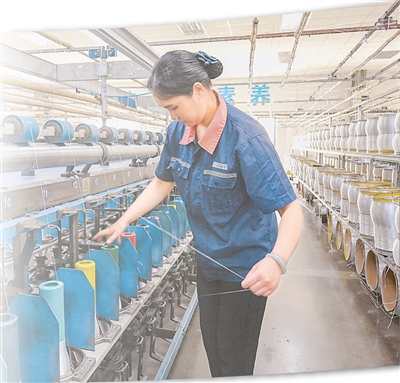
汉服

Search documents
“国风+汉服”“国风+科技”“国风+文创”燃动节前文旅市场 古韵国潮成顶流审美
Yang Shi Wang· 2026-01-16 12:57
Core Insights - The article highlights the increasing popularity of cultural tourism products, particularly those that offer immersive experiences, as travelers seek unique memories rather than simple sightseeing [1] - The Hanfu clothing industry, particularly in Cao County, is thriving, with sales projected to exceed 13 billion yuan by 2025, showcasing a complete industrial chain [4] - The integration of traditional aesthetics with modern design elements is evident in the Hanfu offerings, which also incorporate traditional embroidery techniques and innovative digital production processes [5] Group 1: Cultural Tourism and Hanfu Industry - The demand for immersive cultural experiences is rising, with tourists preferring activities that provide deep cultural engagement [1] - Cao County's Hanfu sales are expected to surpass 13 billion yuan by 2025, indicating a robust market growth and international reach [4] - Hanfu is being marketed not just as clothing but as a means to convey the subtleties of Eastern aesthetics, appealing to younger generations [5] Group 2: Integration of Technology and Tradition - The fusion of technology with traditional culture is enhancing the presentation of cultural performances, making them more engaging for younger audiences [12] - Innovative performances, such as drone light shows, are creating immersive experiences that resonate with contemporary cultural expressions [14] - The use of vibrant color schemes and interactive elements in traditional designs is attracting a younger demographic, transforming traditional motifs into emotional carriers [16] Group 3: Creative Cultural Products - Cultural products are evolving from mere souvenirs to emotional carriers, reflecting the depth of Chinese aesthetics [17] - The integration of traditional craftsmanship with modern artistic methods is being explored by designers, leading to innovative cultural products [20] - In Suzhou, traditional silk patterns are being reimagined in contemporary designs, making them appealing to modern consumers [23]

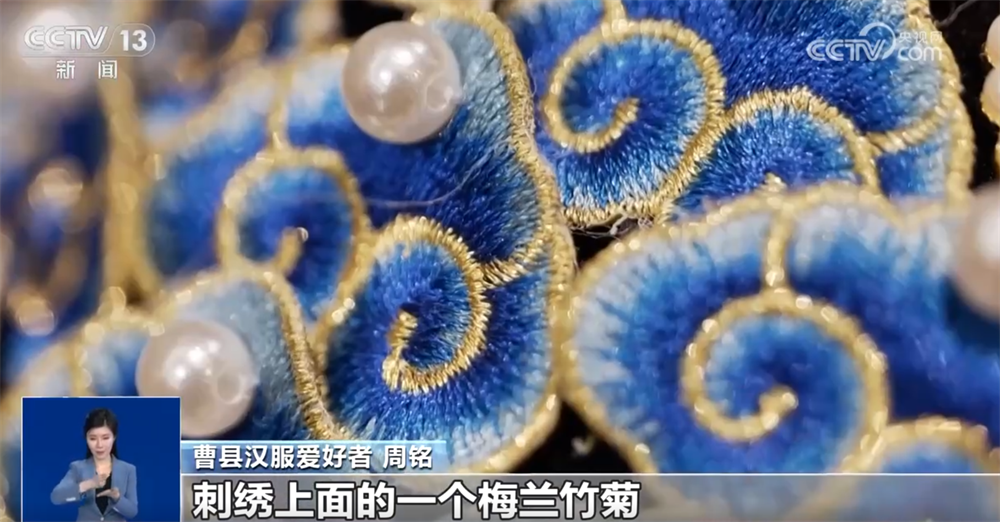
小家热气腾腾 中国蒸蒸日上——从习近平主席二〇二六年新年贺词中汲取奋斗力量
He Nan Ri Bao· 2025-12-31 23:29
Group 1: Cultural and Sports Development - The rise in interest in martial arts among children is evident, with more students participating in training and cultural exchange activities, highlighting martial arts as a bridge to education and international exposure [2][3] - The 15th National Games showcased the integration of the Guangdong-Hong Kong-Macao Greater Bay Area through performances, symbolizing cultural unity and personal growth for participants like Liu Yilong [3] - The development of traditional martial arts is seen as part of China's broader strategy to promote sports and cultural heritage, with increasing participation in events and performances [2] Group 2: Employment and Labor Rights - New employment groups, such as delivery workers, are experiencing improved rights and recognition, with initiatives like the establishment of worker support stations providing essential services [5][7] - The implementation of new labor regulations in Henan province aims to enhance the rights of new employment groups, ensuring better working conditions and support systems [6][7] - Recognition of labor achievements, such as awards for outstanding workers, contributes to a sense of pride and motivation within the new employment sector [6] Group 3: Technological Advancements - The upcoming launch of the "Xingzhe 3" humanoid robot represents a significant advancement in robotics, with improved capabilities for navigation and interaction in various environments [8][9] - The development of humanoid robots is part of a strategic initiative in Henan to foster high-quality manufacturing and innovation in the emerging field of embodied intelligence [8][9] - The research team behind the humanoid robots is characterized by youthful energy and a commitment to overcoming technical challenges, reflecting the dynamic nature of the industry [8] Group 4: Cultural Renaissance - The resurgence of traditional Chinese culture, particularly through Hanfu and cultural performances, is gaining popularity among younger generations, indicating a cultural revival [10][11] - Events like the "Fengwu Shendu" performance in Luoyang highlight the integration of historical themes with modern entertainment, attracting significant audience engagement [11] - The growth of Hanfu consumers and related cultural activities demonstrates a strong connection between youth and traditional cultural heritage, contributing to national cultural confidence [11]
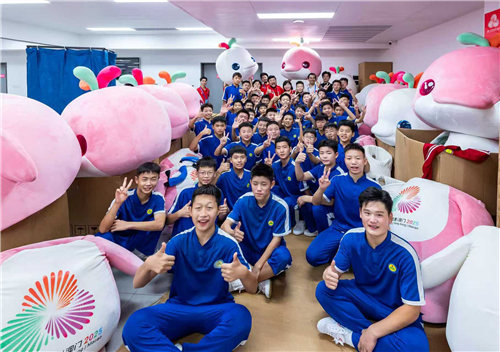
中国制造新势力:汉服背后的百亿产业
Yang Shi Wang· 2025-12-09 23:11
Group 1 - The core viewpoint of the article highlights the growing popularity of Hanfu, with projections indicating that the Hanfu market in China will exceed 20 billion yuan by 2025 [1] - There are currently over 7,000 companies related to Hanfu in China, indicating a robust industry presence [1] - Hanfu has become a significant trend in the consumption of national cultural products, showcasing the successful integration of traditional industries with modern market demands [1] Group 2 - The article emphasizes that innovation in traditional industries must be rooted in market demand and accurately align with consumer trends [1] - The case of Cao County's Hanfu serves as a model for revitalizing traditional industries within the context of national cultural trends [1]
兴业强县富民 谱写城乡融合发展新篇章——智库报告解析新时代中国县域经济高质量发展的理念与实践
Xin Hua She· 2025-11-23 05:35
Core Insights - The report "New Era County Economic Studies" emphasizes the importance of county-level governance as a foundation for economic development, social stability, and national security in China [2][3][5] - County economies contribute approximately 40% to China's GDP and house over 50% of the national population, highlighting their critical role in the overall economic structure [5][3] - The report outlines that over 60% of future personal consumption growth is expected to come from lower-tier markets, including counties [5] Economic Contribution - County economies account for about 40% of the national GDP and nearly 80% of the first industry added value [5][3] - Counties cover approximately 90% of China's land area and are essential for connecting urban and rural areas [3][5] - The report indicates that 70% of newly added 5A-level tourist attractions are located in counties, showcasing their potential for tourism development [5] Development Models - The report identifies various successful development models across counties, including traditional industry upgrades, emerging industry pathways, and cultural tourism integration [12][14] - Examples of localized economic strategies include Hunan's agricultural machinery industry and Fujian's tea and tourism integration, demonstrating the effectiveness of tailored approaches [12][14] Theoretical Framework - The "New Era County Economic Studies" combines Marxist political economy with contemporary Chinese practices and traditional culture, providing a theoretical foundation for county modernization [7][19] - The report emphasizes a multi-dimensional development system that integrates urban-rural synergy, economic interaction, and cultural promotion [14][19] Global Implications - The insights from the report offer a framework for developing countries to address urban-rural disparities and achieve sustainable development [21][19] - The county-level economic model serves as a potential blueprint for other nations, contributing to a more balanced and equitable global development strategy [21][19]

兴业强县富民,谱写城乡融合发展新篇章——智库报告解析新时代中国县域经济高质量发展的理念与实践
Xin Hua She· 2025-11-23 03:35
Core Viewpoint - The report "New Era County Economic Studies" emphasizes the importance of county-level economic development as a foundation for national stability, economic growth, and social governance in China [4][6][11]. Summary by Sections County Economic Development - County-level economies contribute approximately 40% to China's GDP and house over 50% of the national population, highlighting their critical role in the overall economic structure [11][13]. - The report predicts that over 60% of future personal consumption growth will come from lower-tier markets, including counties [11]. Historical Context and Governance - The county system has been a stable administrative unit in China since the Qin Dynasty, providing a historical foundation for modern governance and economic development [9][7]. - Counties occupy about 90% of China's land area and are essential for connecting urban and rural areas, serving as the basic unit of economic development and social governance [11][9]. Modernization and Innovation - The report asserts that without the modernization of county economies, the broader modernization of China’s 1.4 billion population is unattainable [13]. - New Era County Economic Studies combine Marxist political economy with contemporary Chinese practices and traditional culture, offering a theoretical framework for county modernization [13][21]. Development Models and Practices - Various regions have developed unique economic models based on local resources, such as the integration of agriculture and tourism in Fujian and the cultivation of specialized industries in Hunan [17][14]. - The report identifies ten development models, including traditional industry upgrades and new industry pathways, showcasing the diverse practices in county economic development [17]. Theoretical Insights - The report highlights key insights from New Era County Economic Studies, including a focus on human development, multi-party collaboration, localized governance, and continuous innovation [23][24][25]. - It emphasizes the importance of balancing economic growth with social governance, ensuring that development is inclusive and equitable [23][24]. Global Implications - The insights from China's county economic development provide a framework for other developing countries to address urban-rural disparities and pursue sustainable development [27]. - The report positions county economies as proactive engines of growth, capable of overcoming geographical and economic constraints [25][27].

直播电商带动产业带千万高质量就业
2 1 Shi Ji Jing Ji Bao Dao· 2025-11-11 07:48
Core Insights - The development of live-streaming e-commerce and digital economy models has broken the physical limitations of the job market, providing new growth momentum for traditional industries and broader employment and entrepreneurial opportunities for various social groups [1][2][4] Employment Creation - The report indicates that the Douyin e-commerce industry has created direct employment opportunities for approximately 13.27 million people and has indirectly driven about 17.95 million jobs in related sectors such as raw material supply and logistics [2][6] - Each 100 million yuan in online transaction volume in live-streaming e-commerce corresponds to about 378 jobs, with production roles leading the employment growth at approximately 3.32 million jobs [3][4] Industry Impact - The "live-streaming e-commerce + industrial belt" model has transformed traditional business operations, allowing local specialty products to reach broader markets through online platforms, thus increasing revenue sources for manufacturers [2][4] - The report highlights that over 90% of surveyed Douyin e-commerce businesses have maintained or increased their demand for raw materials, which in turn boosts labor demand among suppliers and manufacturers [4][6] Sector-Specific Employment - The home appliance and digital industry leads in job creation with approximately 3.89 million jobs, followed by the home goods sector with about 2.05 million jobs, driven by the effective showcasing of products through live-streaming [6][7] - The report also notes that industries like furniture and outdoor sports have seen job growth in high-value segments such as design and specialized marketing due to targeted marketing strategies [7][8] Inclusivity and Accessibility - Live-streaming e-commerce has become an important vehicle for inclusive employment, breaking down barriers related to geography, gender, and identity, thus accelerating job opportunities for disadvantaged groups [8][10] - The flexibility of live-streaming e-commerce allows individuals, including stay-at-home parents and disabled persons, to participate in the workforce while managing personal responsibilities [8][10] Regional Employment Trends - The model has effectively promoted local employment and entrepreneurship, with significant contributions from provinces like Guangdong, Henan, Zhejiang, and Shandong, which account for 57% of direct and 61% of indirect employment in the Douyin e-commerce industry [10][11] - The ongoing digital economy expansion is expected to further unlock employment potential, with new employment forms already comprising 21% of the total workforce [10][11]

从“护身符”到“发动机”版权如何撬动产业创新?
Zhong Guo Jing Ji Wang· 2025-10-20 12:45
Group 1: Copyright Industry Overview - The 10th China International Copyright Expo was held in Qingdao, showcasing over 1,100 exhibitors, the highest in history [1] - In 2023, China's copyright industry added value reached 9.38 trillion RMB, accounting for 7.44% of GDP [1] - The total number of copyright registrations in 2024 is expected to exceed 10 million, marking a 19.13% year-on-year increase [1] Group 2: Economic Impact of Copyright Protection - In Heze, the painting industry has thrived due to strengthened copyright protection, with 510 works registered, leading to a comprehensive industry output value of 4.5 billion RMB last year [2] - The Hanfu industry in Cao County has achieved significant market share, with over 50% of the national market, attributed to innovative copyright protection mechanisms [3] - The online sales of Hanfu reached 7.215 billion RMB in 2023, projected to grow to 12 billion RMB in 2024 [3] Group 3: Challenges and Innovations in Copyright - The integration of artificial intelligence in creative processes raises questions about authorship, ownership, and compensation rights [4] - Experts emphasize the need for a balanced copyright framework that protects creators while promoting innovation, especially in the context of AI-generated content [5] - The modern copyright law must evolve to protect traditional cultural resources while addressing the challenges posed by AI-generated works [5]
12年的汉服老店,倒在双11前夕
3 6 Ke· 2025-10-16 12:48
Core Insights - The traditional Hanfu store "Ziyiming Tang" announced its closure on October 15, 2023, due to systemic challenges in the market, marking a significant trend in the Hanfu industry as several other brands have also closed or transformed [2][4][11] - The Hanfu market has seen a decline in popularity among young consumers, with many expressing disappointment over the quality and pricing of products, leading to a decrease in sales [5][10][8] - The industry is facing a wave of closures, with many stores offering steep discounts, indicating a shift in consumer interest and market dynamics [11][10] Market Trends - "Ziyiming Tang" is not alone; other brands like "Zhiyu Ji" and "Mingjing Huafu" have also announced closures, reflecting a broader trend of Hanfu store shutdowns in recent years [4][11] - The Hanfu market has experienced rapid growth followed by a significant cooling, with consumers increasingly critical of high prices and low quality [5][10] - The market is witnessing a shift where high-priced items, such as the popular Ma Mian skirt, are becoming less appealing to consumers, leading to reduced sales for many retailers [10][8] Consumer Behavior - Young consumers are becoming disenchanted with Hanfu, citing issues such as inflated prices and poor quality, which has led to a decline in purchases [6][9] - Many consumers, including avid Hanfu enthusiasts, have reported a decrease in their purchasing frequency due to a lack of innovation and rising prices in the market [6][8] - The perception of Hanfu as a luxury item is being challenged, with calls for more affordable and accessible options to attract a broader audience [13][19] Industry Challenges - The Hanfu industry is grappling with a lack of differentiation and innovation, leading to market saturation and consumer fatigue [10][19] - Retailers are facing difficulties in maintaining profitability, with many opting to close stores rather than continue operating at a loss [11][10] - The challenge lies in balancing traditional elements with modern consumer expectations, as many brands struggle to adapt to changing market dynamics [19][20] Future Outlook - For the Hanfu market to thrive, it must break away from the notion that high prices equate to quality, focusing instead on cultural significance and accessibility [19][21] - There is a need for innovation in design and pricing strategies to appeal to modern consumers while preserving cultural heritage [19][21] - The future of Hanfu may depend on its ability to integrate into everyday fashion, making it relevant and appealing to a wider audience [21][19]

不亮身份,自掏腰包,区委书记、区长下班后体验汉服,了解市场
Mei Ri Jing Ji Xin Wen· 2025-08-30 05:45
Core Insights - The local government in Luoyang, Henan, is actively promoting the Hanfu market to boost consumption and enhance service levels in the old city area [1][7] - County-level leaders are participating in hands-on experiences to better understand the Hanfu market and identify areas for improvement [3][4] Group 1: Government Initiatives - The old city committee is implementing a "Human Fireworks Consumption in the Old City" campaign to stimulate local consumption [1][7] - A meeting was held to discuss the development of the Hanfu market, with leaders required to experience Hanfu services as regular customers [1][3] Group 2: Market Development - The old city has established six youth-oriented consumption brands and signed contracts for 140 new cultural tourism projects with a total investment of 10.5 billion [7] - The area aims to attract 40 million tourists and achieve a total tourism revenue of 30 billion in 2024 [7] Group 3: Community Engagement - County leaders engaged with local Hanfu shops and consumers to gather feedback and discuss improvement measures [3][5] - The initiative encourages leaders to lead by example in promoting local dining and shopping experiences [7]
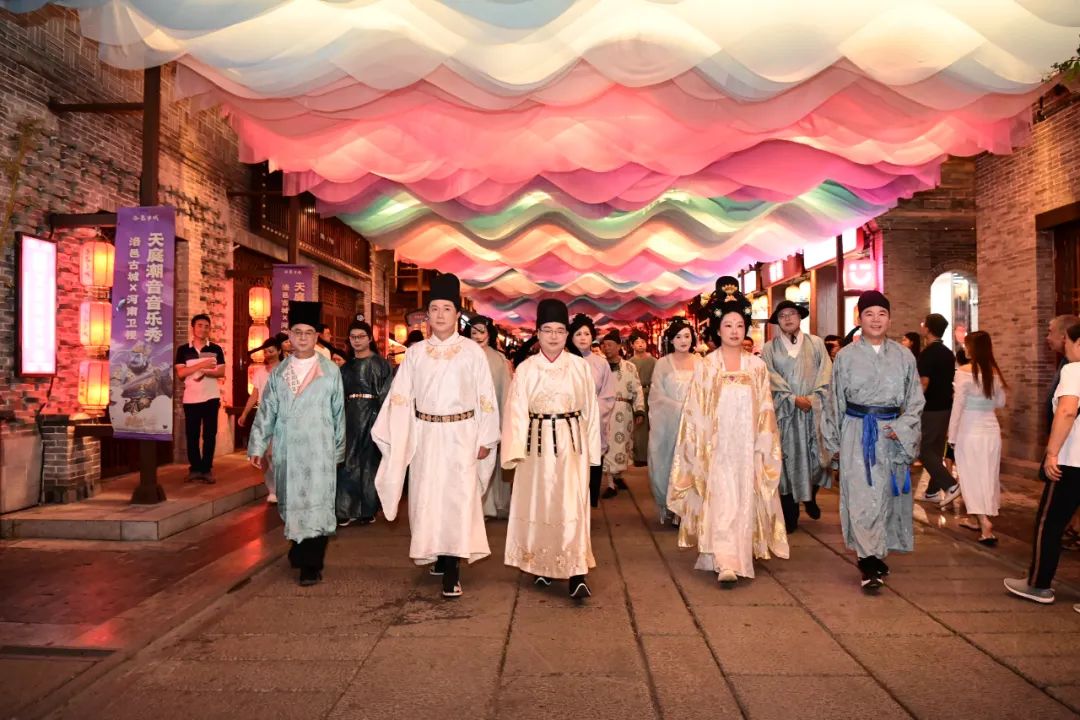
宝藏小城何以创造“全球第一”?(“十四五”,我们见证这些“第一”⑩)
Ren Min Ri Bao Hai Wai Ban· 2025-08-19 22:55
Core Insights - The article highlights the emergence of small cities in China as global manufacturing hubs, showcasing their ability to leverage local advantages and meet international market demands. Group 1: Industry Overview - Jiangxi Province's Shangyou County hosts 195 fiberglass enterprises, generating over 15 billion yuan in sales last year, with products exported globally [2] - Jinzhong City in Shanxi Province, known as the "Capital of Glassware," produces 262,500 tons of glassware annually, exporting to over 80 countries [4] - Hunan's Linxiang is a key production area for fishing floats, supplying 80% of the national demand [6] Group 2: Notable Manufacturing Hubs - Xuchang in Henan Province is the world's largest wig distribution center, with over 4,100 wig companies and an annual export value of approximately 20 billion yuan [9] - Danyang in Jiangsu Province is the largest lens production base globally, producing over 400 million pairs of lenses annually, accounting for about 50% of global output [10][17] - Cixi in Zhejiang Province produces around 60% of the world's small home appliances, with several product categories leading in global output [10][17] Group 3: Economic Impact and Employment - The small city of Shaodong in Hunan has a booming lighter industry, achieving an output value of 14.8 billion yuan last year, with exports reaching 375 million USD [12] - Caoxian in Shandong Province has over 2,000 Hanfu enterprises, employing around 100,000 people, driven by the rising demand for traditional clothing [14] - The oral care and personal care industry in Hangji Town, Jiangsu, generates over 13 billion yuan annually, showcasing the economic potential of small towns [14] Group 4: Competitive Strategies - The article emphasizes the importance of market segmentation and digital transformation in enhancing competitiveness among small city industries [13] - Digitalization in Dawang has led to the production of over 900 million sweaters annually, with a significant portion of global supply originating from this small town [13] - The integration of local resources and global market needs has been crucial for the growth of these small city industries, allowing them to establish complete supply chains [10][11] Group 5: Global Influence - Small cities in China are reshaping the global industrial landscape, with their products influencing international pricing and standards [15] - The growth of these industries not only boosts local economies but also contributes to a more balanced urban-rural development [14][15]