
大豆种植

Search documents
美国农民:形势严峻,来自中国的大豆订单为零
财富FORTUNE· 2025-09-15 13:04
Core Insights - The U.S. soybean farmers are facing a crisis due to a lack of orders from China, which historically has been their largest customer, raising concerns about the stability of the agricultural sector and the broader U.S. economy [2][4] - The absence of Chinese orders deviates significantly from normal trading patterns, with approximately 8% to 9% of expected soybean sales to China currently at zero [2][4] Group 1: Financial Crisis for Farmers - Soybean prices have dropped by 40% compared to three years ago, while production costs and interest rates have risen, leading to potential losses for farmers [4] - Current soybean futures are around $10.10 per bushel, below the estimated production cost of $11.03 per bushel, resulting in significant financial strain [4] - Farmers are facing limited budget flexibility, with many relying on loans to cover losses, indicating a widespread financial crisis among the 500,000 soybean growers [4][5] Group 2: Economic Impact Beyond Agriculture - Agriculture contributes $9.5 trillion annually to the U.S. economy, accounting for 18.7% of total economic output, and supports over 1 million jobs [5] - The disruption in soybean trade could have a multiplier effect, impacting manufacturing, logistics, and rural communities across the nation [5] Group 3: Trade Tensions Reshaping Global Markets - Ongoing U.S.-China trade tensions have altered global soybean trade dynamics, with U.S. soybeans facing a 20% retaliatory tariff disadvantage compared to South American competitors [6][7] - China has significantly increased its soybean imports from Brazil, with 71% of its total soybean imports in 2024 coming from Brazil, up from previous years [7] Group 4: Urgency for Resolution - The seasonal nature of agriculture creates urgency for resolving trade issues, as farmers may be forced to sell crops at steep discounts if market conditions do not improve before harvest [9] - Despite a recent extension of the tariff ceasefire, progress on specific agricultural concerns remains limited, highlighting the need for immediate action [9]

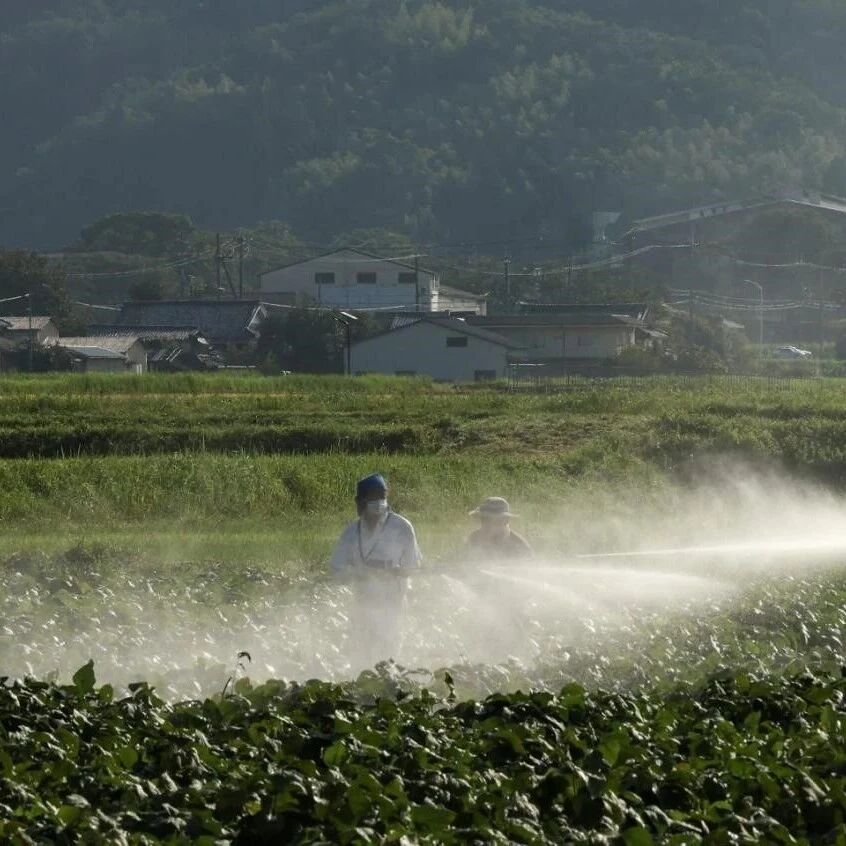
特朗普亲自求情不管用,美国人察觉到不对劲,中国人不肯掏钱了,中国的反击才刚刚开始
Sou Hu Cai Jing· 2025-09-15 03:01
Core Insights - The U.S. agricultural sector is facing severe challenges due to the consequences of Trump's trade policies, particularly regarding the Chinese market for soybeans, which has become a significant hurdle for American farmers [1][3] - China's soybean imports from the U.S. have plummeted to nearly zero, highlighting the detrimental impact of the trade policies implemented since 2018 [1][3] - The U.S. agricultural industry, once heavily reliant on China for soybean exports, is now experiencing a crisis as farmers and the government realize the long-term effects of these trade strategies [1][6] Trade Policy Impact - Trump's administration aimed to rectify trade imbalances with China through tariffs, but these measures have backfired, placing U.S. agriculture in jeopardy [3][6] - Despite attempts to persuade China to increase soybean orders via social media, the response has been a complete withdrawal from the U.S. soybean market [3][6] - China's strategy has involved strengthening trade relations with Brazil and Argentina, effectively reducing its dependence on U.S. soybeans and driving down U.S. market prices [3][4] Market Dynamics - Brazil has emerged as a key player in the soybean market, with increased production and infrastructure investments, making it the primary supplier for China [4][6] - The shift in trade dynamics has resulted in significant pressure on U.S. soybean exports, as Brazil's market share grows [4][6] - The economic implications for U.S. farmers are dire, with many facing unprecedented financial strain due to the loss of the Chinese market [6][8] Farmer Sentiment - U.S. farmers are increasingly frustrated and desperate as they confront the realities of surplus production and lack of buyers, particularly with the upcoming harvest season [6][8] - The government's attempts to alleviate farmer distress through subsidies have been met with dissatisfaction, as the distribution of aid has been perceived as inequitable [6][8] - The overall sentiment among farmers is one of despair, as the loss of the Chinese market has left many unable to recover economically [6][8]
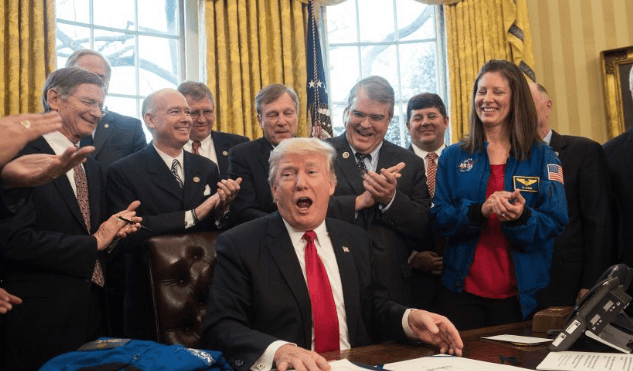
订单清零!特朗普是真没办法了,中方这次不买了,美国人很绝望:中国不买只能搅碎
Sou Hu Cai Jing· 2025-09-15 02:05
Core Insights - Trump's call for China to quadruple soybean orders is seen as unrealistic and disconnected from market realities, as China has shifted its procurement strategy away from the U.S. to countries like Brazil [1][3][5] - U.S. farmers are facing significant anxiety as they await orders from China, which has historically been a major buyer of U.S. soybeans, but is now delaying purchases, marking the latest order wait in nearly 20 years [1][5] - The trade war initiated by Trump has fundamentally altered the dynamics of the soybean market, with China diversifying its suppliers and reducing reliance on U.S. soybeans [3][5][7] Market Dynamics - The Chicago futures market saw a slight uptick in soybean prices following Trump's announcement, but this is viewed as a temporary reaction amidst deep concerns within the U.S. agricultural sector [3] - The U.S. Soybean Association has expressed strong dissatisfaction with Trump's tariff policies, indicating that the loss of China as a buyer poses a risk to the entire industry [3][5] - Brazil's soybean industry is experiencing growth due to improved infrastructure and logistics, allowing for efficient delivery to China, which has become a strategic partner beyond mere trade [5][7] Strategic Shifts - China's procurement strategy has evolved to include a variety of suppliers, indicating a significant shift in its approach to securing soybean imports [7] - Trump's proposal for increased orders lacks substantive backing and fails to address the underlying issues affecting U.S.-China trade relations [7] - The ongoing trade war has not only impacted tariffs but has also deeply affected the livelihoods of American farmers, highlighting the broader implications of the conflict [7]
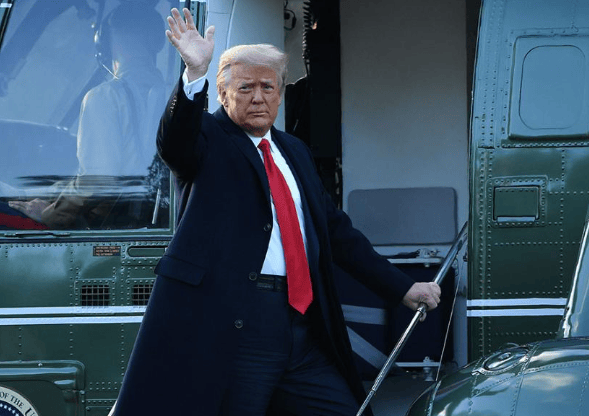
美国农民慌了,大豆收获堆积如山卖不出去,最大买家中国未下一单!
Sou Hu Cai Jing· 2025-09-15 00:39
Core Insights - The current soybean harvest season in the U.S. is marked by significant anxiety among farmers due to a lack of orders from China, a former major importer of U.S. soybeans, leading to a backlog of 14 to 16 million tons of soybeans [1][5] - Farmers are experiencing severe financial pressure as soybean prices continue to decline while planting costs rise, resulting in a substantial reduction in income [3][5] - The reduction in soybean orders from China is critically impacting the stability of the U.S. agricultural sector, with many farms facing operational difficulties and a growing agricultural trade deficit [5][7] Group 1 - U.S. soybean farmers are struggling to find buyers for their products, with a significant backlog due to China's lack of orders [1] - The financial strain on farmers is exacerbated by falling soybean prices and rising production costs, leading to a dire economic situation [3] - The trade friction stemming from previous tariff policies has shifted China's purchasing needs towards Brazil, which offers competitive pricing and quality [5] Group 2 - There is a strong desire among U.S. farmers for the restoration of normal trade relations with China, particularly regarding soybean exports [5][7] - The future of U.S.-China agricultural trade remains uncertain, but both countries have potential for cooperation in the agricultural sector if trade protectionism is avoided [7] - A successful resolution of the soybean trade issue could lead to mutual benefits for both U.S. farmers and Chinese importers, promoting stability in the global agricultural market [7]
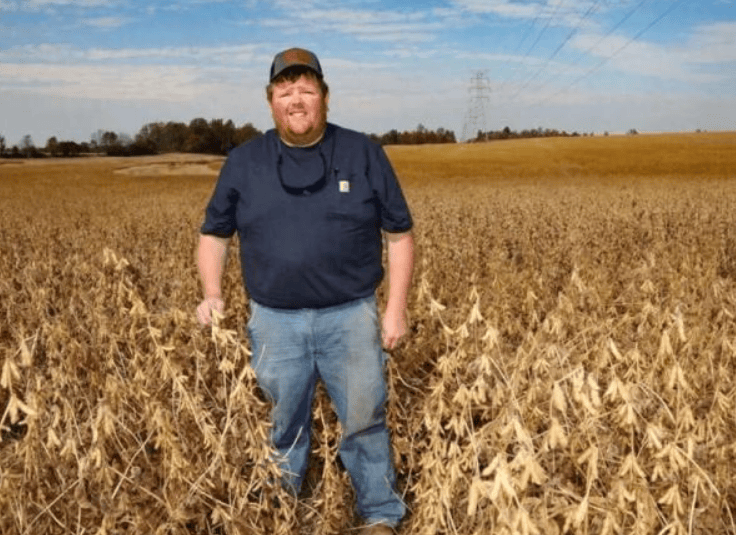
中国订单归零,美国豆农:中国不要,只能搅碎!贸易战反噬来了
Sou Hu Cai Jing· 2025-09-14 16:43
Core Viewpoint - The article highlights the severe impact of China's ban on U.S. soybean imports, leading to a crisis for American farmers during a record harvest season, with orders from China dropping to zero, resulting in significant financial losses for farmers [1][3]. Group 1: Current Situation of U.S. Soybean Farmers - U.S. farmers are facing a paradoxical situation where a record soybean harvest coincides with a complete lack of orders from China, their largest customer, leading to prices plummeting by 40% compared to three years ago [3][5]. - The cost of producing soybeans has exceeded $600 per acre, while current market prices in North Dakota are as low as $8.83 per bushel, far below the cost of production [3][5]. - Farmers are caught in a dilemma of either selling at a loss or incurring high storage costs if they wait until winter [3]. Group 2: China's Strategic Shift - China's decision to stop importing U.S. soybeans is not a sudden reaction but rather a result of years of strategic planning, with 71% of its soybean imports now sourced from Brazil [5]. - Brazil set a record by exporting 15.7 million tons of soybeans to China in March alone, indicating a significant shift in supply chains [5]. - Additionally, China's domestic initiatives to reduce reliance on soybean meal have led to an 8% decrease in usage over the first ten months of the year [5]. Group 3: Political Implications - The agricultural states that traditionally supported Trump are now feeling the brunt of the trade war, with significant backlash from farmers, including the Indiana Agricultural Association withdrawing sponsorship for the Republican midterm elections [7]. - Trump's attempts to negotiate with China have been met with silence, further exacerbating the situation for farmers [7]. Group 4: Global Trade Dynamics - The global soybean trade landscape has shifted, with Brazil expected to produce 169 million tons in 2024, capable of meeting China's demand without U.S. soybeans [9]. - The U.S. lacks a comparable buyer to China, highlighting the vulnerability of American farmers in the current trade environment [9]. Group 5: Broader Insights - The article emphasizes that in today's globalized economy, unilateral dominance is unsustainable, and proactive strategies are essential for resilience [11][12]. - The situation serves as a reminder that dependency poses significant risks, and maintaining control is crucial for both nations and individuals [11][12].
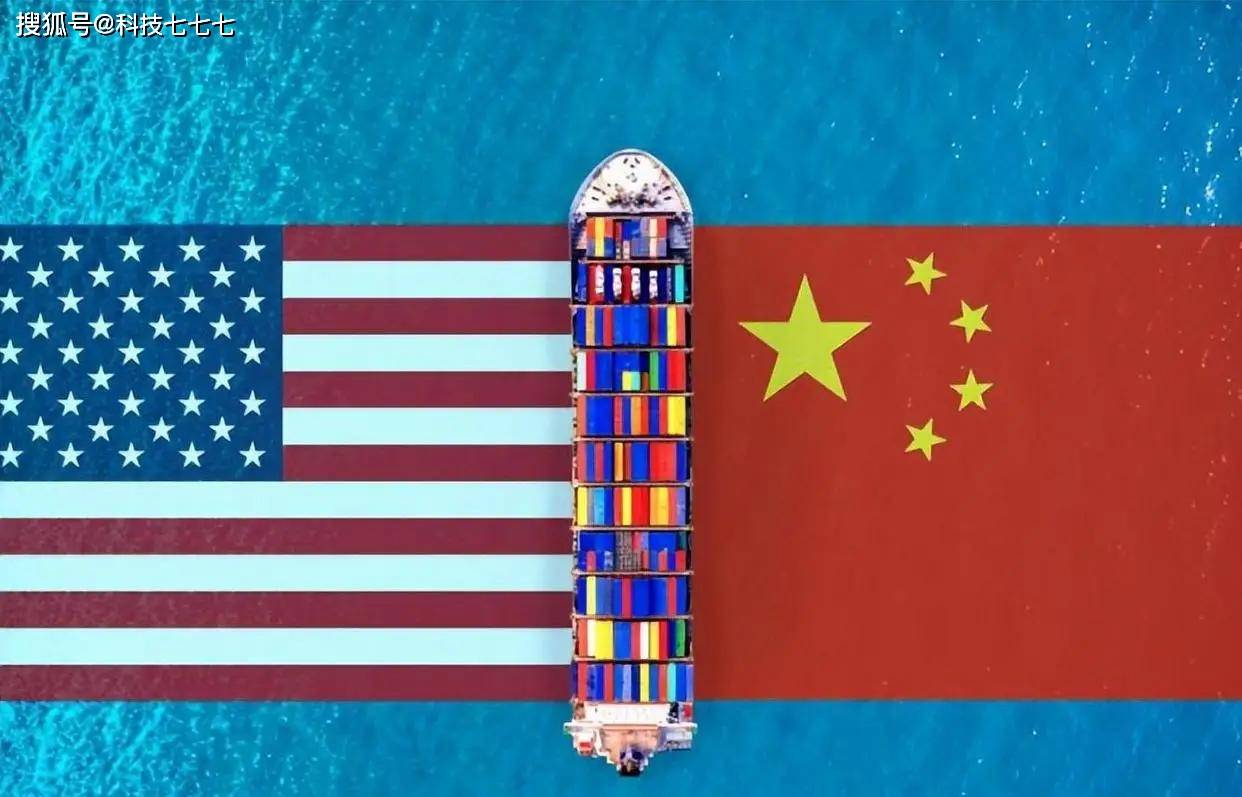
西方封锁沦为笑话!随美国砍中国11亿订单,今自家企业都活不下去
Sou Hu Cai Jing· 2025-09-14 11:04
Group 1 - The core issue is the drastic decline in U.S. soybean orders from China, dropping from 25 million tons annually to nearly zero by 2025, causing significant distress among American farmers [1][4] - In contrast, Brazil has seen a surge in soybean orders from China, with 8 million tons purchased in September alone, highlighting a shift in global soybean trade dynamics [1][4] - The U.S. agricultural sector is facing severe challenges, with soybean prices hitting a five-year low at $10.10 per bushel, below the production cost of $11, leading to over 1,200 family farms filing for bankruptcy protection in the first half of 2025, the highest in a decade [4][14] Group 2 - The U.S. soybean industry is calling for the reopening of the Chinese market, emphasizing the need for free trade, but political decisions have tangible consequences for farmers [6] - The European Union is also considering sanctions against China, but internal divisions among member states have stalled the implementation of these measures [6][8] - China is diversifying its energy partnerships and increasing soybean imports from Brazil and Argentina, which now account for over 70% of its total imports, reshaping the global soybean trade landscape [4][10] Group 3 - Chinese enterprises are accelerating innovation and market transformation in response to external pressures, with a goal to increase domestic soybean production by 50% by 2030 [10][12] - A significant portion of Chinese companies are focusing on core competencies and improving management efficiency to navigate the challenging business environment [12] - The trade restrictions imposed by the West have led to substantial losses for domestic companies, particularly in the U.S. and EU, where industries are struggling to find alternative markets [14][15]
中国一单没下,美国大豆被判死刑,特朗普明白,要按中国规矩办事
Sou Hu Cai Jing· 2025-09-14 11:04
Core Viewpoint - The U.S. soybean industry is facing a severe crisis due to the lack of orders from China, which was previously its largest buyer, leading to potential unsold crops and financial distress for farmers [1][3][8]. Group 1: Impact of Trade War - The U.S. soybean industry relies heavily on exports, with approximately 50% of its production designated for international markets, and China accounting for more than the total of all other buyers combined [3][6]. - The Trump administration's aggressive trade policies, including a 34% tariff and subsequent increases to 145%, have not yielded positive results for U.S. farmers, who are now at risk of unsold crops [3][10]. - The ongoing trade war has led to a significant downturn in the U.S. soybean market, with farmers facing the prospect of crops rotting in the fields due to lack of sales [1][8]. Group 2: China's Position - China is the world's largest soybean buyer, responsible for approximately 60% of U.S. soybean exports prior to the trade tensions, and has diversified its sources of soybean imports, significantly reducing reliance on U.S. products [6][10]. - As of 2023-2024, China is projected to purchase 25 million tons of U.S. soybeans, while the European Union is expected to buy only 4.9 million tons, highlighting the disparity in demand [8]. - China's strategic shift towards sourcing soybeans from countries like Brazil and Russia has further diminished the U.S. market share, with imports from Brazil alone rising to 71% [10][12]. Group 3: Future Outlook - The future of U.S. soybean exports to China hinges on the U.S. government's willingness to reconsider its trade policies, including the potential removal of unreasonable tariffs [12][13]. - The restoration of trust and cooperation between the U.S. and China is essential for the U.S. soybean industry to recover, as China has multiple options for soybean sourcing and is no longer solely dependent on U.S. products [13]. - The ongoing negotiations and the U.S. administration's approach will determine whether the soybean market can stabilize or if the crisis will deepen [5][12].

收获季来了,美国农民绝望哭诉:中国不买了,我只能全部销毁!“中国仍未下一单”,美大豆协会急了,催特朗普达成协议
Mei Ri Jing Ji Xin Wen· 2025-09-13 13:35
Group 1 - The core issue is that U.S. soybean farmers are facing a severe crisis as China, their largest buyer, has not placed any orders during the harvest season, potentially leading to a loss of 14 to 16 million tons of soybean orders [1][2] - The American Soybean Association has warned that the financial pressure on farmers is immense, with falling soybean prices and rising production costs exacerbating the situation [1][2] - The trade war initiated by Trump has resulted in significant losses for U.S. agricultural exports, with soybeans accounting for approximately 71% of the total losses, which amounts to over $27 billion [2] Group 2 - China has significantly reduced its imports of U.S. soybeans, opting instead to source from Brazil, which has become a major supplier [3][4] - In 2024, China's soybean consumption is projected to be around 117 million tons, with over 85% of this demand met through imports, highlighting the ongoing dependency on foreign sources [4] - The market share of U.S. soybeans in China's imports has declined from 34% in 2017 to 22% in 2024, while Brazil's share has increased to 69.16% [4][5]

“收获季已至,最大买家中国却未下一单”,美大豆协会主席再次警告:形势极其严峻
Huan Qiu Wang· 2025-09-10 06:47
Core Viewpoint - The U.S. agricultural sector, particularly soybean farmers, is facing a severe crisis due to the lack of orders from China, which has historically been the largest buyer of U.S. soybeans [1][3]. Group 1: Industry Impact - The U.S. soybean harvest season is underway, but there are currently no soybean sales registered for China, which typically accounts for about 25% of U.S. soybean production [3]. - Normally, 8% to 9% of U.S. soybeans should have been sold to China by this time, but the current figure is zero, raising significant concerns about the stability of the U.S. agricultural sector [3]. - Prior to 2018, an average of 28% of U.S. soybeans were exported to China, representing 60% of total U.S. soybean exports during that period [3]. Group 2: Economic Implications - The lack of agreements on soybean exports to China is causing increasing financial pressure on U.S. soybean farmers as the harvest season approaches [3]. - In the 2023-2024 marketing year, the U.S. is expected to export nearly 25 million tons of soybeans to China, significantly more than the 4.9 million tons exported to the European Union, highlighting China's critical role in the U.S. soybean market [3].

济宁市农科院为乡村振兴注入科技动能
Qi Lu Wan Bao Wang· 2025-09-04 01:23
Group 1 - The core focus of Jining Agricultural Science Institute is on upgrading the agricultural industry and ensuring food security through the integration of edible fungi, soybean research innovation, and production guidance [1] - A series of research and technical service activities have been initiated to address industry development challenges and inject technological momentum into rural revitalization [1] Group 2 - On August 14, Jining Agricultural Science Institute collaborated with provincial edible fungi industry technology system experts to promote the integration of food and medicinal fungi industries [2] - A "Chinese medicine-fungi" circular economy model was proposed at Shandong Confucius Pharmaceutical Co., Ltd., utilizing medicinal residues to reduce costs and improve quality [2] - Recommendations were made to enhance intelligent management and curriculum design at the Cat Ear Mountain Rare Edible Fungi Research and Study Base to strengthen popular science education and support rural revitalization [2] Group 3 - On August 15, Jining Agricultural Science Institute engaged in discussions with the Northeast Institute of Geography, Chinese Academy of Sciences, focusing on molecular design breeding technology for soybeans [3] - A consensus was reached on germplasm sharing and joint breeding, aiming to improve breeding platforms and cultivate breakthrough new varieties [3] Group 4 - From August 20 to 27, Jining Agricultural Science Institute's soybean comprehensive experimental station, in collaboration with the municipal agricultural technology promotion center, conducted production research and technical guidance in Liangshan and Wenshang [4] - Suggestions were provided to address issues such as pest damage during the initial podding stage, whitefly threats, and drought conditions, including unified prevention and control measures and timely irrigation and fertilization [4] - Focused guidance was given on management during the grain filling period and crop rotation models to support stable soybean production and increased income [4]