户外用品

Search documents
扬州金泉:公司销售主要为境外销售
Zheng Quan Ri Bao Wang· 2025-12-11 10:46
Group 1 - The core viewpoint of the article is that Yangzhou Jinqian (603307) primarily generates sales from overseas markets, with Europe and EU countries being significant regions for these sales [1] Group 2 - The company responded to investor inquiries on an interactive platform, indicating the importance of overseas sales in its business model [1] - For detailed information regarding sales and financial performance, the company advises checking its regular reports [1]

醴陵市亿得户外用品有限公司成立 注册资本20万人民币
Sou Hu Cai Jing· 2025-12-11 05:14
Group 1 - A new company, Liling Yide Outdoor Products Co., Ltd., has been established with a registered capital of 200,000 RMB [1] - The legal representative of the company is Kang Ping [1] - The business scope includes manufacturing and retail of sports and outdoor products, internet sales, and various daily necessities [1] Group 2 - The company is involved in the sales of plastic products, hardware, metal products, and various types of ceramics [1] - It also engages in the sale of furniture and labor protection products [1] - The company is permitted to conduct activities that are not prohibited or restricted by laws and regulations [1]
外资企业在华CSR的多维实践 |《2025外资企业社会责任研究报告》
Di Yi Cai Jing· 2025-12-11 04:58
Group 1 - The core idea of the article revolves around the evolution of corporate social responsibility (CSR) practices among foreign enterprises in China, highlighting the shift from compliance to value co-creation in response to local expectations and global standards [2][3][5] - The article discusses the historical context of CSR in China, noting that the 1990s marked a significant turning point for foreign companies as they faced public scrutiny and began to recognize the importance of social responsibility beyond mere compliance [2][3] - It emphasizes the dual embedding of CSR practices, where foreign companies must adhere to international standards while also addressing local development goals such as rural revitalization and green low-carbon initiatives [4][5] Group 2 - Siemens is highlighted as a case study, showcasing its commitment to sustainable development through a comprehensive strategy that integrates digitalization and low-carbon initiatives, aiming to support China's high-quality development goals [7][8][9] - The company has established a sustainable development framework called "DEGREE," focusing on decarbonization, ethics, governance, resource efficiency, and equity, with specific targets for carbon reduction and supply chain collaboration [8][9][10] - Siemens' innovative practices include the establishment of digital factories that enhance energy efficiency and reduce carbon emissions, demonstrating the integration of sustainability into operational processes [10][11] Group 3 - Nestlé's approach to CSR is centered on creating shared value, integrating social responsibility with business growth, and focusing on sustainable agriculture and nutrition [20][21][22] - The company aims to achieve 50% of its core raw materials from regenerative agriculture by 2030, with significant reductions in greenhouse gas emissions already achieved [22][23] - Nestlé's supply chain governance has evolved from standard compliance to collaborative empowerment, enhancing the capabilities of farmers and integrating them into the value chain [24][25][26] Group 4 - Procter & Gamble (P&G) is transitioning its corporate responsibility from operational aspects to growth logic, emphasizing the integration of environmental and social issues into long-term competitive advantages [29][30] - The company has set ambitious goals for sustainable packaging, aiming for 100% recyclable or reusable packaging by 2030, aligning with China's green supply chain initiatives [29][30] - P&G's sustainable practices extend to consumer behavior influence and industry collaboration, showcasing a comprehensive approach to responsibility that encompasses production efficiency, consumer choices, and ecological partnerships [31][32][33] Group 5 - Evonik is positioned as a leader in the specialty chemicals sector, focusing on sustainable development through its "next-generation solutions" that contribute significantly to revenue growth [36][37][38] - The company is committed to reducing carbon emissions and enhancing resource efficiency, with specific initiatives in China aimed at aligning with national sustainability goals [36][39][40] - Evonik's innovative practices include the establishment of a sustainability analysis system for product lifecycle assessment, ensuring that sustainability is a core component of product management and decision-making [38][39]



固安柏姿尔户外用品有限公司成立 注册资本10万人民币
Sou Hu Cai Jing· 2025-12-09 22:42
Core Viewpoint - Gu'an Baizier Outdoor Products Co., Ltd. has been established with a registered capital of 100,000 RMB, indicating a new player in the outdoor products industry [1] Company Overview - The legal representative of Gu'an Baizier Outdoor Products Co., Ltd. is Gong Zhangliang [1] - The company is engaged in the manufacturing, wholesale, and retail of sports and outdoor products, including fishing gear and bags [1] Business Scope - The business scope includes general projects such as the manufacturing and sales of sports equipment, outdoor products, fishing gear, and various textiles [1] - The company also offers technical services, development, consulting, and promotion, operating independently under its business license [1]
探路者跨界并购背后存三大疑云 “豪赌”芯片遭市场用脚投票|并购谈
Xin Lang Cai Jing· 2025-12-09 14:58
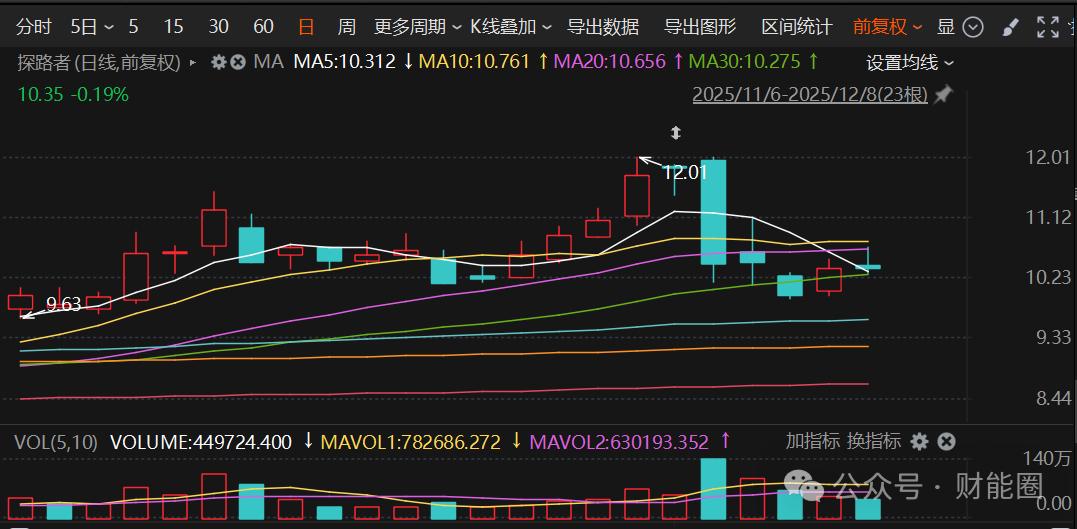
Core Viewpoint - The market reacted negatively to the announcement of a significant acquisition by the outdoor products company, Tanshan, leading to a stock price drop of over 12% the following day, indicating a lack of confidence in the 678 million yuan cross-industry acquisition [1][5][12] Group 1: Acquisition Details - Tanshan announced plans to acquire 51% stakes in two chip companies for approximately 678 million yuan, with the target companies valued at 6.506 billion yuan and 7.0278 billion yuan, reflecting substantial appreciation rates of 363.26% and 2119.65% respectively [1][10] - The acquisition is part of Tanshan's strategic shift towards a dual business model of "outdoor + chips," following a change in control to Li Ming, who has a background in the semiconductor industry [2][9] Group 2: Market Reaction and Valuation Concerns - The stock price of Tanshan fell by 12.07% after the acquisition announcement, suggesting investor skepticism regarding the deal [5][12] - The valuation of the target companies raises concerns, as their financial performance prior to the acquisition was unstable, with Shanghai Tongtu reporting revenues of 1.05 billion yuan and a net profit of 18.8861 million yuan for the first eight months of 2025 [10] - There are issues of differential pricing in the acquisition of Beitelai, where valuations varied significantly among different sellers, potentially affecting the fairness of the transaction [11] Group 3: Regulatory and Strategic Implications - The acquisition has sparked questions about potential "shell company" operations, as Tanshan's main business has shifted significantly, which could be seen as circumventing regulations regarding shell listings [2][9] - Tanshan's strategy includes a concurrent fundraising plan of 1.858 billion yuan directed towards its controlling shareholders and related entities, raising concerns about the flow and actual use of funds [2][9]

以旧换新等政策推动消费需求持续释放 激发家电等领域新活力
Zheng Quan Ri Bao· 2025-12-09 13:09
Group 1 - The latest tax data from the National Taxation Administration indicates a sustained release of consumer demand driven by policies such as the trade-in program for consumer goods, with significant sales growth in home appliances and new energy vehicles [1][2] - From January to November, retail sales in the communication equipment sector and daily household appliances increased by 20.3% and 26.5% year-on-year, respectively, reflecting the ongoing effectiveness of consumption promotion policies [2] - The trade-in policy has led to over 2.5 trillion yuan in sales for related products, benefiting more than 360 million people, with significant contributions from home appliances and digital products [2] Group 2 - The integration of AI technology is expected to drive explosive innovation in smart home appliances, potentially opening a market space worth hundreds of billions in the next decade [3] - Major home appliance companies are focusing on AI-driven innovations and expanding into new consumer markets and key technology areas, with examples including Haier's smart home ecosystem and Sichuan Changhong's exploration of the sports economy [4] - Companies are increasingly seeking innovation in new technologies and markets, with a shift in consumer focus from quantity to quality, emphasizing health, rationality, and domestic brands [5]
三台县森屿野行户外用品有限公司成立 注册资本5万人民币
Sou Hu Cai Jing· 2025-12-09 11:53
Core Viewpoint - Recently, San Tai County Sen Yu Ye Xing Outdoor Products Co., Ltd. was established, indicating a growing interest in the outdoor sports and tourism sector in China [1] Company Summary - The company is registered with a capital of 50,000 RMB, reflecting a modest initial investment [1] - The legal representative of the company is He Yuanyuan, which may indicate a local leadership presence [1] Business Scope - The company’s business scope includes retail and wholesale of sports goods and equipment, suggesting a focus on the outdoor sports market [1] - It also engages in tourism development project planning and consulting, indicating a diversification into the tourism sector [1] - Additional services include project planning and public relations, conference and exhibition services, and information consulting, which may enhance its operational capabilities [1] - The company is involved in cultural and artistic exchange activities, which could foster community engagement and brand visibility [1] - The company has plans for ticketing agency services and business agency services, indicating a comprehensive approach to customer service in the tourism and leisure sectors [1] - It also includes management services for commercial complexes and leisure sightseeing activities, which may attract a broader customer base [1] Licensing and Regulatory Compliance - The company is required to obtain approvals for certain activities, such as tourism business and accommodation services, highlighting the regulatory environment in which it operates [1] - The business activities are subject to relevant department approvals, ensuring compliance with national regulations [1]
2026中国消费趋势报告发布:聚焦“意义与价值”新纪元
Sou Hu Cai Jing· 2025-12-09 10:55
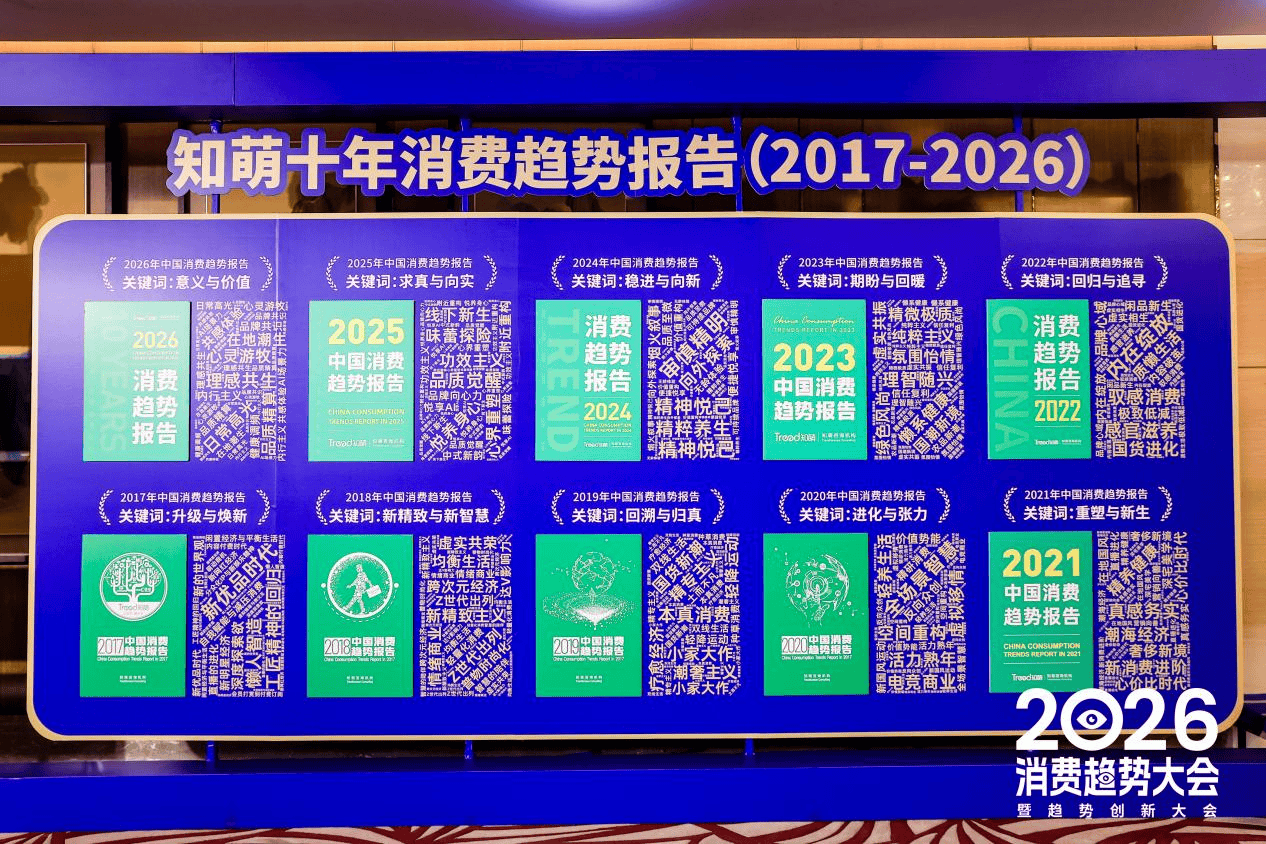
Core Insights - The "2026 Consumer Trends Conference" highlighted the shift from high-speed growth to a focus on "meaning and value" in consumer behavior, marking the end of an era characterized by scale and speed [2] - The "2026 China Consumer Trends Report" identified ten key consumer trends, emphasizing "rational emotionalism" and "quality calculation" as critical to understanding current consumer behavior [2] Group 1: Consumer Behavior Trends - The report outlines ten consumer trends: rational emotionalism, quality calculation, spiritual nomadism, daily highlights, empathetic experiences, local trends, insiderism, health tuning, brand consensus, and AI scenario power [2] - Consumers are becoming "rational emotionalists," exhibiting a tendency to be rational in daily spending while being more emotional in discretionary purchases [2] - The "quality calculation" trend indicates a shift towards consumers seeking not just value for money but also exceptional value [2] Group 2: Market Segmentation and Experience - The current consumer market reflects a duality of cost-effectiveness and high-end experiences, indicating the arrival of a consumption stratification era [4] - The focus of consumption is shifting from external social value recognition to internal individual life experiences, emphasizing personal satisfaction over mere possession [4] - Consumption is evolving into a process of curating an ideal life and seeking emotional comfort and identity recognition [4] Group 3: Brand Strategies and Long-term Value - Leading companies are adopting various strategies to deepen connections with consumers, such as Haier's user co-creation model and Kailas's focus on authentic experiences [5] - Brand building is essential for long-term value, with aesthetics becoming a key differentiator in a market that prioritizes emotional and experiential aspects [7] - The approach to brand communication is shifting from a one-sided narrative to a two-way interaction that resonates emotionally with consumers [7] - The ultimate goal for brands in the new era of "meaning and value" is to build deep consensus with consumers, which serves as a robust defense against market fluctuations and supports sustainable growth [7]
冲锋衣卖不动了?探路者溢价21倍收购芯片公司
3 6 Ke· 2025-12-09 02:39
Core Viewpoint - The company is shifting its focus from traditional outdoor products to the semiconductor industry in response to declining performance in its core business, with significant acquisitions planned to facilitate this transition [1][2][4]. Group 1: Acquisition Details - The company announced plans to acquire 51% stakes in Shenzhen Betel Electronics for 321 million yuan and Shanghai Tongtu Semiconductor for 357 million yuan, totaling 678 million yuan in high-premium acquisitions [2][10]. - The acquisition of Betel Electronics has a premium rate of 363.26%, while the acquisition of Shanghai Tongtu has an even higher premium rate of 2119.65% [2][12]. - Both acquisitions are accompanied by performance guarantees, with Betel Electronics required to achieve net profits of at least 33.7 million yuan, 47.7 million yuan, and 68.6 million yuan in 2026, 2027, and 2028 respectively [12][15]. Group 2: Company Background and Financial Performance - The company, established in 1999, was a pioneer in the outdoor products sector and has faced challenges in finding new growth avenues since its peak revenue of 3.808 billion yuan in 2015 [4][6]. - The company has attempted diversification through acquisitions in the tourism sector, but these efforts have not yielded significant results, leading to a revenue drop to 912 million yuan in 2020 [6][17]. - Since the current chairman, Li Ming, took control in 2021, the company has seen a gradual recovery in revenue, with figures of 1.139 billion yuan, 1.391 billion yuan, and 1.592 billion yuan from 2022 to 2024 [17]. Group 3: Semiconductor Business Development - The company has been gradually building its semiconductor business, with previous acquisitions including a 60% stake in Beijing Chip Energy for 260 million yuan and stakes in G2 Touch and Jiangsu Dingmo [8][9]. - By 2024, the company's revenue is projected to reach 1.592 billion yuan, with outdoor business contributing 86.03% and semiconductor business contributing 13.97% [9]. - The semiconductor sector is expected to see significant growth, with the company’s chip business revenue projected to double following the integration of the newly acquired companies [18][19]. Group 4: Market Context and Challenges - The outdoor products market is facing increased competition, with leading brands like Camel, Berghaus, and The North Face dominating online sales [17]. - The semiconductor industry is currently experiencing a valuation boom, with high demand for domestic alternatives, making the acquisitions appear strategically sound despite their high premiums [17][18]. - However, both acquired companies have not established strong market barriers, raising concerns about their ability to deliver sustained performance, which will be crucial for the company's future valuation [20].
25亿北京户外新贵,到账7000万
2 1 Shi Ji Jing Ji Bao Dao· 2025-12-09 01:52
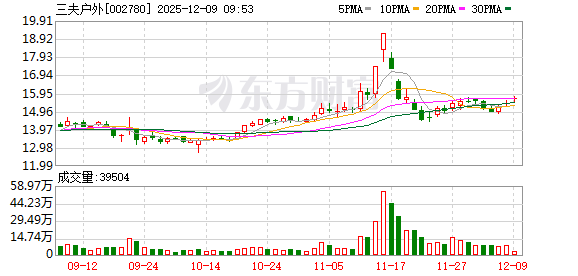
Group 1 - The company Sanfu Outdoor has completed a fundraising round, with Chairman and General Manager Zhang Heng contributing approximately 73 million yuan [2] - Zhang Heng is the sole recipient of the issuance, with a final share price set at 9.39 yuan per share, resulting in approximately 70 million yuan received after expenses [3] - Following the fundraising, Zhang Heng's ownership in Sanfu Outdoor increased to 24.46%, up by 3.72 percentage points from before the issuance [3] Group 2 - Sanfu Outdoor's revenue for the first half of the year was 378 million yuan, with a net profit of approximately 16.82 million yuan [6] - The X-BIONIC brand contributed 140 million yuan in revenue, marking a 28% year-on-year increase, while the HOUDINI and CRISPI brands generated around 40 to 46 million yuan each, with HOUDINI seeing a significant growth of 187.87% [6] - The target consumer base for X-BIONIC is primarily in professional sports and urban outdoor functional areas, with a focus on skiing and urban outdoor activities [7] Group 3 - The company plans to enhance its marketing efforts following the fundraising, including upgrading the store image for X-BIONIC and increasing advertising on platforms like Douyin and Xiaohongshu [8] - As of June 30, X-BIONIC had 57 stores nationwide, and the company aims to reach a revenue target of 800 million yuan in 2024, with potential growth towards 1 billion yuan based on current trends [8]