户外消费

Search documents
韩国人穿疯了的户外品牌,中国白领不买账?
凤凰网财经· 2026-03-20 13:27
Core Viewpoint - The North Face is experiencing a decline in the Chinese market, transitioning from a popular brand among students to facing challenges in maintaining its market position due to changing consumer preferences and increased competition from lower-priced alternatives [4][7][26]. Group 1: Brand Performance and Market Position - The North Face's parent company, VF Corporation, reported a 6% year-on-year decline in outdoor business revenue in Greater China for 2025, marking the most significant drop among all markets [7]. - In 2020, The North Face saw rapid growth in the Asia-Pacific market, with revenue increasing from $330 million to $660 million over four years, and it ranked first in outdoor sales on Tmall during the 2022 Double Eleven shopping festival [8]. - Despite its popularity, The North Face is now perceived as a "school uniform" among students, leading to a decline in its aspirational value and sales [4][18]. Group 2: Consumer Behavior and Market Trends - The current generation of students is less willing to spend on expensive outerwear, with alternatives available at significantly lower prices, such as counterfeit versions of The North Face products [18][21]. - The outdoor apparel market in China has become highly competitive, with brands like Arc'teryx and Salomon experiencing substantial growth, while The North Face struggles to maintain its market share [25][26]. - Data from iMedia Consulting indicates that in 2024, Camel's retail sales reached 560 million yuan, highlighting the success of lower-priced competitors in the outdoor segment [25]. Group 3: Brand Strategy and Future Outlook - The North Face's CEO acknowledged the lack of short-term improvement in the Asia-Pacific market, predicting a challenging performance in China for 2026 [26]. - The brand's high-end product lines, such as the Summit Series, continue to perform well among hardcore outdoor enthusiasts, achieving double-digit growth globally in Q3 2025 [28][30]. - Collaborations with fashion influencers, such as Kim Kardashian's Skims, have generated significant interest and sales, indicating a potential strategy for revitalizing the brand's image [41][42].



体育用品股普涨 李宁涨约5% 特步、安踏涨3% 3月以来户外装备销量倍增
Ge Long Hui· 2026-03-17 04:12
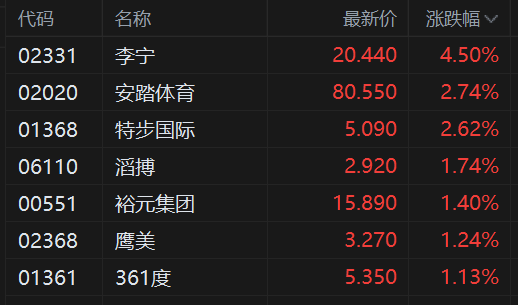
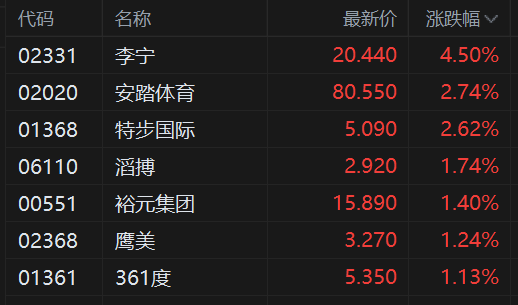
Group 1 - The core viewpoint of the news is that Hong Kong sportswear stocks have generally risen, driven by increased outdoor activity as temperatures rise, with notable gains for companies like Li Ning, Anta, and Xtep [1] - Sales of outdoor equipment have doubled year-on-year since March, with significant increases in professional mountaineering shoes and lightweight jackets [1] - Consumers are increasingly willing to purchase professional-grade outdoor apparel and equipment, focusing on specific parameters such as UPF values for sun protection clothing and RET values for breathability [1] Group 2 - The stock performance of key companies includes Li Ning rising approximately 5%, Anta up 2.74%, and Xtep increasing by 2.62% [2] - Other companies like Tmall, Yuyuan Group, and Eagle Beauty also saw gains, with increases ranging from 1.24% to 1.74% [2] - The trend indicates a growing trust in professional brands among consumers, suggesting a favorable development opportunity for leading brands in the sports and outdoor sector [1]



港股异动丨体育用品股普涨 李宁涨约5% 特步、安踏涨3% 3月以来户外装备销量倍增
Ge Long Hui· 2026-03-17 03:40
Group 1 - The core viewpoint of the article highlights a significant increase in the stock prices of sportswear companies in Hong Kong, driven by rising outdoor activity as temperatures warm up [1] - Li Ning's stock rose approximately 5%, while Anta and Xtep increased by 3%, and other companies like Toray and 361 Degrees also saw gains of over 1% [1] - Sales of outdoor equipment have doubled year-on-year since March, with notable increases in professional hiking shoes and lightweight jackets [1] Group 2 - A prominent trend in outdoor consumption this year is that consumers are increasingly willing to purchase professional-grade outdoor apparel and equipment, even for lightweight activities [1] - Consumers are focusing more on product specifications, such as the UPF value of sun-protective clothing and the RET value (breathability index) of jackets [1] - Trust in professional brands is growing, suggesting that leading brands in the sports and outdoor sector may experience significant growth opportunities [1]
骑过山海,跑过雨林,中国人把年过在了户外?
虎嗅APP· 2026-03-03 14:21
Core Insights - The article highlights the transformation of outdoor consumption in China, with 596 million people traveling during the recent Spring Festival, leading to over 5.1 billion yuan in consumer spending [2] - Outdoor activities are evolving from a niche interest to a mainstream lifestyle choice for a broader audience [3] Group 1: Trends in Outdoor Consumption - The article identifies four key trends in outdoor consumption: performance leap, scene integration, awakening of diverse demographics, and value accumulation [4] - Performance leap emphasizes the pursuit of lightweight, high-performance gear that enhances user experience and confidence in unpredictable weather [5][8] - Scene integration focuses on creating versatile products that seamlessly transition between urban and outdoor environments, allowing users to maintain elegance and functionality [9][11] - The awakening of diverse demographics highlights the inclusivity of outdoor activities, catering to women, families, beginners, and seniors, fostering a sense of belonging [12][13] - Value accumulation stresses the importance of sustainable materials and smart technology in products, enhancing user experience and environmental consciousness [14][16] Group 2: Product Development and Innovation - The article calls for brands to respond to the demand for lightweight gear through innovative technologies that do not compromise on protection [8][19] - It encourages the design of products that break down barriers between urban and outdoor settings, allowing for a fluid lifestyle [10][11] - The focus on inclusivity in product design aims to lower the entry barriers for outdoor participation, ensuring that all identities can find their place in nature [13][17] - The call for sustainable practices in product development reflects a shift towards long-term value in consumer choices [15][16] Group 3: Industry Engagement and Recognition - The article announces the launch of the "2026 Q1 Upward and New Outdoor Trend List," inviting brands to submit products that align with the identified trends [22] - The evaluation criteria include product performance in outdoor scenarios, compliance with regulations, and innovative design [20] - The timeline for submissions and evaluations is outlined, emphasizing the importance of recognizing products that define the future of outdoor consumption [23]

春暖动起来 户外消费随之升温
Xin Lang Cai Jing· 2026-02-27 22:33
Group 1 - The outdoor consumption in Chengdu is increasing as the weather improves, with more citizens engaging in outdoor activities such as park visits and hiking [1] - Sales of outdoor products, particularly lightweight jackets and camping gear, have seen a significant rise, with Decathlon reporting a 65.8% increase in sales from February 15 to 21 compared to the previous week [2] - The consumer profile for outdoor activities is becoming more diverse, with families preferring park camping and experienced individuals exploring more challenging hiking routes [2] Group 2 - Bicycle rentals have surged, with an increase of 30% to 40% in rental customers at local bike rental shops, particularly among tourists and new local riders [3] - The rental model is appealing to consumers due to its cost-effectiveness compared to purchasing a bike, with rental prices averaging around 80 yuan per day [3] - The warming weather is driving enthusiasm for outdoor activities, positively impacting the local sports retail and rental market [3]
美国百年露营老牌科勒曼在沪开中国首店,它来晚了吗?
Xin Lang Cai Jing· 2026-02-07 01:10
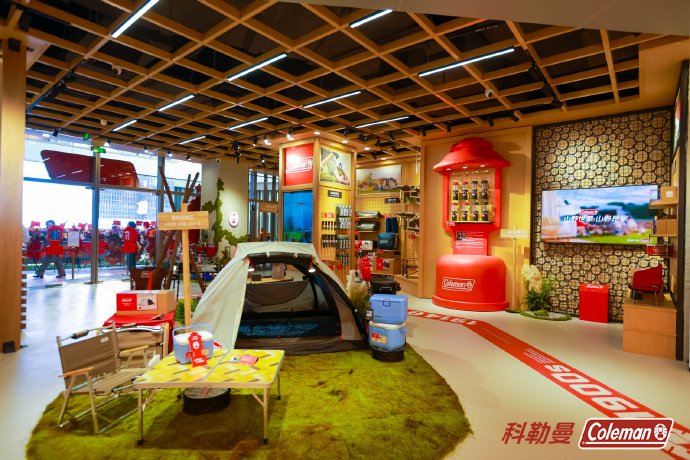
Company Overview - Coleman, a century-old American camping brand, has opened its first flagship store in Shanghai and launched online sales through platforms like Tmall and JD, marking the start of systematic operations in the Chinese market [1] - The flagship store is designed not just for sales efficiency but as an experiential space to educate consumers about the brand and its products [1][2] Sales and Product Strategy - The top-selling categories online include camping folding carts, canopies, and tents, with prices primarily ranging from 1,000 to 2,000 yuan [1] - Coleman has adopted a strategy of limiting SKU numbers in stores to create complete camping scenarios, allowing consumers to understand product combinations and functionalities [2] - The company plans to focus on flagship stores in first-tier and select new first-tier cities, prioritizing store size and experience over rapid expansion [4] Market Insights - The outdoor products market in China is relatively new, with a current size of approximately 87.2 billion yuan, expected to grow to 104.9 billion yuan by 2030 [4] - Despite a low penetration rate of about 3% in camping, the market is seen as having long-term potential, with a projected 20% year-on-year growth in camping-related categories by the second half of 2025 [5] Brand Localization - Coleman has tailored its brand messaging for the Chinese market, shifting from the global slogan "Count on Coleman" to "山野世家,山野是家," emphasizing reliability and the brand's long history [7] - The company has carefully selected 78 SKUs for the Chinese market, focusing on products that have been validated in mature markets [6][9] Product Adaptation - Products are reassessed for safety and suitability in local contexts before launch, with adjustments made based on consumer feedback [9] - Coleman aims to extend the usage of camping products beyond traditional settings by introducing items like cups and folding chairs that can be used in everyday scenarios, thereby increasing consumer engagement [9][10] Competitive Landscape - Coleman aspires to become a leading brand in the Chinese camping equipment sector within 5 to 10 years, building on its success in the U.S. and Japan, where it generates over 2 billion yuan in revenue [10] - The brand faces challenges in differentiating itself in a competitive market where established players like Snow Peak and local brands dominate [11]
【2025智库榜单】3万亿户外新战场,20个破局者,30条洞察 | 中国户外新消费品牌TOP20年度榜
新消费智库· 2026-01-26 13:04
Core Insights - The outdoor products market in China has reached a scale of over 100 billion, with continuous double-digit growth for several years, driven by a shift towards "lightweight outdoor" activities that are more accessible and social [3][4] - The outdoor industry is expected to exceed 3 trillion yuan by 2025, influenced by policies promoting health, rural revitalization, and consumption upgrades [3] - The report emphasizes the need for brands to focus on creating experiences rather than just selling equipment, fostering community among users, and becoming partners in a lifestyle rather than mere sellers [6][7][8] Group 1: Industry Insights - Many consumers engage in outdoor activities primarily for social media validation rather than genuine interest, leading to low retention rates for brands that focus solely on attracting new customers [6] - Emotional value is becoming more important than the actual value of equipment, with consumers willing to pay for experiences that provide emotional satisfaction [9] - Social media plays a crucial role in generating demand for outdoor products, as many consumers are inspired by content rather than pre-existing needs [10][12] Group 2: Consumer Behavior - Outdoor activities are becoming a new form of social interaction, with shared experiences in nature fostering deeper connections among participants [14] - The silver-haired population and families with children are emerging as significant consumer groups, showing stable and substantial purchasing power [15] - Successful outdoor stores are transforming into community hubs rather than mere warehouses, offering unique experiences that cannot be replicated online [17] Group 3: Brand Strategies - Brands must prioritize sustainability and environmental responsibility as a fundamental requirement for survival in the outdoor industry [18] - The rise of rental models for outdoor equipment reflects a shift in consumer attitudes towards ownership, emphasizing access and experience over possession [19][20] - Brands should focus on storytelling and community engagement rather than relying solely on celebrity endorsements or influencer marketing [31][32] Group 4: Market Trends - The demand for high-quality materials is increasing, but brands must differentiate themselves beyond just using premium fabrics [21][22] - The trend towards lightweight outdoor gear can lead to compromises in safety and durability, which brands must avoid [22] - The outdoor market is seeing a growing interest in innovative technologies, such as electric-assisted bicycles and solar power, which are reshaping consumer experiences [43]
被调侃「地铁里的骆驼比沙漠还多」,户外品牌骆驼还要面临哪些考验? | 声动早咖啡
声动活泼· 2026-01-23 10:05
Core Viewpoint - The article discusses the remarkable growth of the Camel brand in the outdoor apparel market, highlighting its transition from a shoe manufacturer to a leading outdoor clothing brand in China, particularly in the casual wear segment [4][5]. Group 1: Sales Performance and Market Position - Camel achieved significant sales milestones, with over 100 million yuan in sales within 30 minutes during the Double Eleven shopping festival, and it ranked first in the domestic outdoor apparel market with sales reaching 5.6 billion yuan in 2024 [4][5]. - The brand's popularity has surged, with a notable presence in urban settings, indicating a shift in consumer behavior towards casual outdoor wear [4][5]. Group 2: Target Market and Consumer Behavior - The outdoor consumer base in China is broad, with a significant portion of buyers seeking stylish and affordable outdoor products rather than high-performance gear [6][7]. - Approximately two-thirds of consumers wearing outdoor jackets do so in everyday settings, with only about 16% using them for hardcore outdoor activities [5][6]. Group 3: Marketing and Brand Strategy - Camel has effectively positioned its products in the mid-to-low price range, with popular items like jackets priced between 400 to 600 yuan, appealing to students and young professionals [7][8]. - The brand has invested heavily in e-commerce and social media marketing, leveraging platforms like Douyin (TikTok) and collaborating with numerous influencers to drive sales [8][9]. Group 4: Challenges and Future Directions - Camel faces challenges in transitioning to a higher-end market segment, as it launched a new sub-brand, Himalaya, targeting professional outdoor activities with prices ranging from 1,000 to 5,000 yuan [11]. - Quality concerns and counterfeit products have emerged as significant issues, with reports of poor product quality and a proliferation of imitation goods in the market [12][13].

三夫户外20260114
2026-01-15 01:06
Summary of Sanfu Outdoor Conference Call Company Overview - **Company**: Sanfu Outdoor - **Year**: 2025 performance aligns with expectations, with varying growth rates across brands [2][3] Brand Performance - **X Brand**: - Annual growth rate approximately 35%, Q4 growth around 30% [2][3] - Plans to increase growth rate to 37%-40% in 2026, with 64 stores by the end of 2025 [6] - Online sales account for 50%-51%, with Douyin contributing 21% [6] - **Houdini**: - Annual growth exceeds 60%, Q4 growth near 30% [2][3] - Targeting double-digit revenue growth in 2026, focusing on same-store sales and product structure adjustments [12][14] - **Crisp**: - Annual growth around 16%, Q4 growth 27% [2][3] - **Other Brands**: - Brands like Lasi show high growth (over 65%), but contribute less to total revenue due to smaller base [3] Financial Highlights - **Revenue**: - Q3 revenue of 585 million, with a projected Q4 revenue of approximately 300 million [3] - **Inventory Management**: - Inventory pressure exists, but efforts to clear stock through outlet stores and logistics bases are underway [25] Future Plans - **Store Expansion**: - Plans to open 19-20 stores in 2026, primarily single-brand stores in shopping districts and outlets [11][12] - **Marketing Investments**: - Increased market investments in self-media, event sponsorships, and brand ambassadors to enhance brand recognition [20][22] - **Event Operations**: - Focus on key IP events and collaboration with local governments, expecting continued growth in participation [17] Challenges and Risks - **Profitability Goals**: - Achieving a 10% net profit margin remains challenging, but improvements in cost structure and operational efficiency are expected [10][26] - **Squirrel Tribe Project**: - Anticipated financial impact of 5-6 million, with bankruptcy proceedings initiated [18] Market Trends - **Consumer Preferences**: - Increasing focus on product adaptability and functionality among younger consumers, with a shift towards urban styles [30] - **Seasonal Sales Impact**: - Spring Festival has a minor impact on outdoor product sales, with peak seasons in September and October [29] Strategic Focus - **Brand Management**: - Clear target demographics for each brand, with careful consideration of potential conflicts when selecting new brands or agents [28] - **Operational Structure**: - Divided by brand, with dedicated departments for major brands to streamline operations [27] Conclusion - **Overall Outlook**: - 2025 performance is satisfactory, with expectations for steady growth in 2026, focusing on market expansion and brand development [31][32]

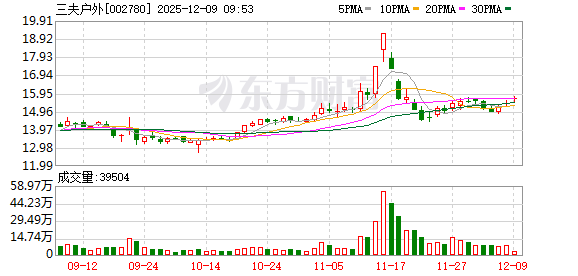
25亿北京户外新贵,到账7000万
2 1 Shi Ji Jing Ji Bao Dao· 2025-12-09 01:52
Group 1 - The company Sanfu Outdoor has completed a fundraising round, with Chairman and General Manager Zhang Heng contributing approximately 73 million yuan [2] - Zhang Heng is the sole recipient of the issuance, with a final share price set at 9.39 yuan per share, resulting in approximately 70 million yuan received after expenses [3] - Following the fundraising, Zhang Heng's ownership in Sanfu Outdoor increased to 24.46%, up by 3.72 percentage points from before the issuance [3] Group 2 - Sanfu Outdoor's revenue for the first half of the year was 378 million yuan, with a net profit of approximately 16.82 million yuan [6] - The X-BIONIC brand contributed 140 million yuan in revenue, marking a 28% year-on-year increase, while the HOUDINI and CRISPI brands generated around 40 to 46 million yuan each, with HOUDINI seeing a significant growth of 187.87% [6] - The target consumer base for X-BIONIC is primarily in professional sports and urban outdoor functional areas, with a focus on skiing and urban outdoor activities [7] Group 3 - The company plans to enhance its marketing efforts following the fundraising, including upgrading the store image for X-BIONIC and increasing advertising on platforms like Douyin and Xiaohongshu [8] - As of June 30, X-BIONIC had 57 stores nationwide, and the company aims to reach a revenue target of 800 million yuan in 2024, with potential growth towards 1 billion yuan based on current trends [8]