潮玩

Search documents
春节消费观察:解压玩具变身年轻人的“情绪年货”
Xin Lang Cai Jing· 2026-02-21 11:03
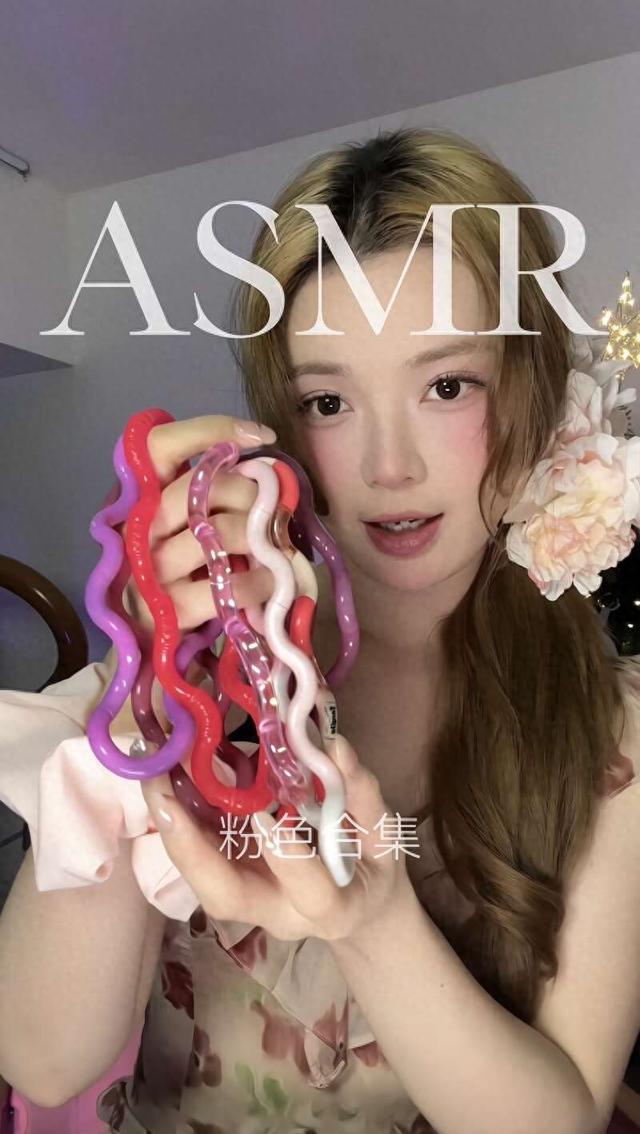
Core Insights - The article highlights the rising trend of stress-relief toys, particularly Tangle toys, among young consumers, especially during the festive season, indicating a shift towards emotional consumption [1][4][5] Group 1: Market Trends - The demand for stress-relief toys has transformed from personal use to a social phenomenon, with young people gifting these items to friends and family as a new way to express care [1][4] - Tangle toys have sold over 1 million units since their launch in China in March 2025, reflecting a significant market interest [4] - The price range for Tangle toys varies from tens to hundreds of yuan, indicating a diverse market catering to different consumer segments [5] Group 2: Consumer Behavior - Young consumers are willing to pay for emotional value, emphasizing the importance of product effectiveness and experience [8][13] - The appeal of Tangle toys lies in their immediate stress relief, aesthetic design, and the novelty of new releases, which keeps consumers engaged [5][9] - Consumers like Wu Liangxi and Taozi express that these toys help manage emotions and provide a sense of comfort during stressful times [6][8] Group 3: Emotional Consumption - The article discusses how these toys serve as tools for emotional management, with users reporting that they help alleviate anxiety and provide a moment of calm [14][15] - Young consumers are developing a pragmatic approach to mental health, recognizing that while these toys can provide temporary relief, deeper issues require more comprehensive solutions [14][15] - The anticipation of receiving new toys also contributes to a sense of excitement and emotional relief, highlighting the psychological aspects of consumer behavior [14][15]

“成为中国人”登上世界各大社交平台热搜,中式生活风靡世界
Xin Lang Cai Jing· 2026-02-21 01:51
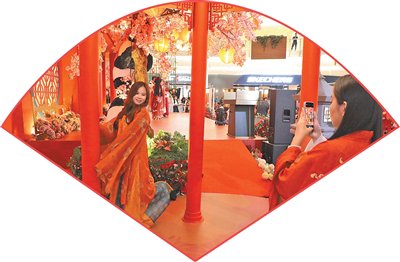
Core Viewpoint - The article highlights the growing global interest in Chinese culture, particularly during the Spring Festival, as people from various countries engage in Chinese traditions and lifestyles, reflecting a desire for a warmer and more balanced way of living [11][12]. Group 1: Cultural Engagement - In Jakarta, local residents participated in a cultural event by trying on Hanfu, showcasing the interest in traditional Chinese clothing [2]. - A Belgian individual, influenced by social media trends, has developed a liking for drinking hot water, indicating a shift in daily habits towards Chinese practices [5]. - Tourists in Mexico are actively purchasing trendy Chinese toys, demonstrating the appeal of Chinese cultural products [7][13]. Group 2: Social Media Influence - Social media platforms have become a space for cross-cultural interaction, with foreign users inquiring about Chinese customs and sharing their experiences of trying Chinese food, such as dumplings [12]. - TikTok has seen a rise in users mimicking Chinese lifestyles, with many sharing their experiences of decorating their kitchens in a Chinese style, reflecting a genuine appreciation for Chinese culture [12][15]. - The trend of adopting Chinese elements in daily life is seen as a sincere admiration for a more balanced lifestyle, as noted by anthropological social media accounts [12]. Group 3: Economic Impact - The demand for Chinese cultural products, such as bamboo crafts and packaged foods like Liuzhou snail noodles, has increased significantly, with exports reaching over 70 countries [15]. - The popularity of Chinese tea drinks among young people abroad is fostering cultural exchange, as they experience the tradition of "making friends through tea" [15]. - Data indicates a substantial increase in foreign tourist bookings for travel to China during the Spring Festival, with a reported fourfold increase in flight reservations compared to the previous year [16].
“中国走进了我的内心”
Ren Min Ri Bao· 2026-02-20 23:09
Group 1 - The article highlights the growing global interest in Chinese culture, particularly during the Spring Festival, as people from various countries engage in Chinese traditions and lifestyles [8][10][14] - Social media platforms have seen a surge in discussions about Chinese customs, with foreign users expressing curiosity and admiration for practices such as the upside-down "福" character and traditional food preparation [9][10] - The trend of adopting Chinese lifestyle elements, such as drinking hot water and decorating homes in a Chinese style, reflects a sincere appreciation for a more balanced and warm way of living [9][10] Group 2 - The popularity of Chinese cultural products, including toys and tea, is evident in international markets, with local consumers in Europe increasingly purchasing these items as cultural expressions [10][13] - The article notes a significant increase in inbound tourism to China during the Spring Festival, with flight bookings from foreign tourists rising over four times compared to the previous year [13][14] - The experiences shared by foreigners living in China emphasize the warmth and convenience of daily life, contributing to a positive perception of Chinese culture abroad [14]
“成为中国人”登上世界各大社交平台热搜,中式生活风靡世界—— “中国走进了我的内心”
Ren Min Ri Bao· 2026-02-20 22:26
Core Insights - The trend of "Becoming Chinese" has gained significant attention on global social media platforms, highlighting the increasing appeal of Chinese culture and lifestyle worldwide [1] Group 1: Cultural Exchange and Interest - There is a growing interest among foreign individuals in Chinese customs and practices, as evidenced by social media interactions where foreigners inquire about Chinese traditions like the upside-down "福" character [2] - Many Western youths are adopting Chinese lifestyle habits, such as drinking warm lemon water and eating traditional foods like dumplings, showcasing a genuine appreciation for these practices [2] - The trend of mimicking Chinese lifestyles on platforms like TikTok has led to a rise in popularity for content that reflects a sincere admiration for Chinese culture [2] Group 2: Global Adoption of Chinese Elements - Chinese cultural elements, including toys, tea, and clothing, are becoming integral to daily life in various countries, serving as important cultural connectors [3] - The popularity of Chinese-themed products, such as the toys from Pop Mart, has shifted from being primarily favored by Asian consumers to a majority of local European customers [3] - The interest in traditional Chinese clothing, like Hanfu, is growing among foreign individuals, who see it as a way to connect with Chinese culture [3] Group 3: Culinary Influence - The demand for Chinese food products, such as pre-packaged Liuzhou snail noodles, has expanded to over 70 countries, indicating a global appetite for authentic Chinese flavors [4] - Chinese tea culture is gaining traction among young people overseas, facilitating cultural exchange through shared experiences of tea drinking [4] Group 4: Tourism and Experience - There has been a significant increase in foreign tourist bookings for travel to China during the Spring Festival, with ticket reservations rising over four times compared to the previous year [5] - Personal experiences shared by foreign visitors highlight the convenience and warmth of daily life in China, contributing to a positive perception of the country [5] Group 5: Cultural Understanding and Respect - The engagement of American social media users in showcasing their Chinese-inspired daily lives reflects a positive cultural exchange between China and the U.S. [6] - Experts emphasize the importance of mutual understanding and respect in cultural interactions, which can help reduce misunderstandings and foster positive relationships [6]
深圳春节“悦己经济”持续升温
Sou Hu Cai Jing· 2026-02-20 10:41
Core Insights - The concept of "self-care" has become a popular trend among young consumers, with "emotional consumption" deeply integrated into daily life, particularly during the Spring Festival in Shenzhen [1][3] - The market for emotional consumption, including beauty services and lifestyle products, is experiencing significant growth, with a notable increase in demand for services like manicures and beauty treatments [3][5] Market Trends - The "beauty economy" is thriving, with services such as manicures, eyelash extensions, and hair treatments seeing a surge in bookings, with price increases of 30 to 50 yuan for services during the Spring Festival [3] - Foot traffic in stores selling emotional consumer goods, such as trendy toys and fragrances, has increased, with many products selling out quickly [3][5] Consumer Behavior - Young consumers are increasingly prioritizing self-gifting, as evidenced by their purchasing choices, which include beauty services and unique lifestyle products [5][7] - A shift in consumer mindset is observed, where spending is seen as a means to enhance life quality rather than merely fulfilling basic needs [7] Market Size and Growth - The emotional consumption market in China is projected to reach 2.31 trillion yuan in 2024, growing to 2.72 trillion yuan in 2025, and potentially exceeding 4.5 trillion yuan by 2029, with a high compound annual growth rate [8] - A significant portion of young consumers, 56.3%, are willing to pay for emotional value, with an average monthly expenditure of 949 yuan, indicating a strong market potential [8] Industry Performance - The A-share market has 35 listed companies related to self-care consumption, with a total market capitalization of 31.544 billion yuan, and these companies reported a combined revenue of 66.926 billion yuan and a net profit of 2.833 billion yuan in the first three quarters of 2025, reflecting strong performance [9]

春节见闻① | 从新消费到新质生产力:河南人承包你的吃喝玩乐与星辰大海
申万宏源研究· 2026-02-19 08:01
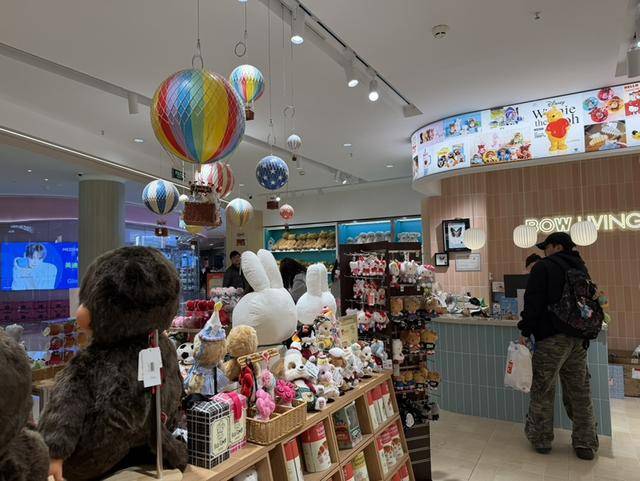
Core Viewpoint - The article highlights the innovative spirit and entrepreneurial success of companies and individuals from Henan, showcasing their impact on new consumption and production capabilities in China [3][25]. Group 1: New Consumption Leaders in Henan - Three prominent companies from Henan, namely Pang Donglai, Mixue, and Pop Mart, are leading the new consumption trend, appealing to young consumers in China [4][25]. - Pang Donglai has adopted a unique operational strategy, with only 13 stores in two cities, yet attracts customers from surrounding provinces, demonstrating its strong brand presence and community engagement [4][9]. - Mixue has evolved from a small cold drink stall in Zhengzhou to a major player in the tea beverage market, emphasizing self-built supply chains and production capabilities [11][13]. - Pop Mart, founded by Wang Ning, has transformed from a local business into a global cultural IP, with its global customer service headquarters established in Henan [14][18]. Group 2: Technological Innovation in Henan - MiniMax, founded by a Henan native, is set to go public in 2026 and represents a new benchmark for tech entrepreneurs in the region, contributing to national planning discussions [19][20]. - Chaojuvian Digital Technology, originating from Huawei's x86 server division, has become a key player in the computing power sector, supporting national strategies with its innovative technologies [22][24]. Group 3: Summary - Companies from Henan are successfully combining cost-effectiveness and cultural elements to capture market share, while local entrepreneurs and tech firms are making strides in the fields of algorithms and computing power, illustrating the region's historical legacy of innovation and its current economic vitality [25].


申万宏源策略冯彧:从新消费到新质生产力 河南人承包你的吃喝玩乐与星辰大海
Xin Lang Cai Jing· 2026-02-19 06:04
Group 1 - The article highlights three key companies in Henan's new consumption sector: Pang Donglai, Mixue, and Pop Mart, which have successfully captured the attention of young consumers in China [21][27][30] - Pang Donglai has implemented a "Disney" model in its stores to manage high customer traffic, demonstrating its popularity and effective operational strategies [21][22] - Mixue has evolved from a small cold drink stall in Zhengzhou to a major tea beverage giant with a self-built supply chain and production capabilities, expanding its reach across Asia and globally [27][28] Group 2 - Pop Mart, founded by Wang Ning, has become a global sensation in the toy industry, with its headquarters for global customer service established in Wang's hometown of Xinxiang, Henan [30][31] - The article emphasizes the innovative spirit of Henan entrepreneurs, showcasing their ability to leverage local resources and cultural elements to create successful businesses [19][39] - The emergence of technology companies like MiniMax and Chaohui reflects Henan's growing influence in the AI and computing sectors, contributing to national strategies and showcasing local talent [35][37]

新春走基层|超六成受访青年认为购买潮玩盲盒是“为情绪买单”
Xin Lang Cai Jing· 2026-02-19 04:30
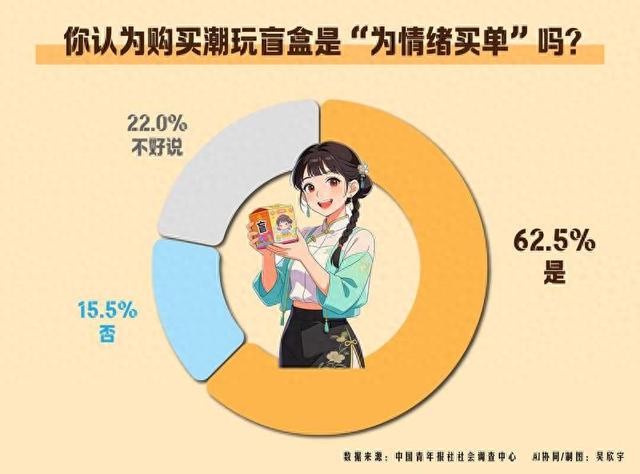
Core Insights - The rise of emotional spending among young consumers is reflected in the popularity of collectible blind boxes, with 62.5% of surveyed youth indicating they purchase them to address emotional needs [4][5] - The trend highlights a shift in consumer behavior where young people seek emotional fulfillment through material goods, particularly during times of stress or loneliness [5][6] Group 1: Emotional Spending Behavior - 55.6% of young consumers buy blind boxes when feeling down, while 49.0% do so when happy to prolong their joy [4][6] - Other emotional triggers for purchasing include feelings of loneliness (41.6%), seeing new products (40.7%), and experiencing work or study pressure (33.7%) [4][6] - Only 3.3% of respondents reported rarely buying blind boxes due to emotional reasons [4] Group 2: Consumer Profiles and Motivations - Young consumers, particularly those who felt restricted in their childhood regarding toy purchases, are now drawn to blind boxes as a form of self-reward and collection [3][5] - The average price point of blind boxes is perceived as affordable, making them an accessible form of emotional relief for many [3][5] - The enjoyment derived from unboxing and the thrill of potentially receiving rare items contribute to the appeal of blind boxes [6][7] Group 3: Cultural and Psychological Insights - The popularity of blind boxes reflects unmet cultural and emotional needs among youth, as traditional educational systems often prioritize academic performance over holistic development [5][6] - Experts suggest that the emotional connection to these products serves as a substitute for deeper social and emotional engagement, highlighting a need for better cultural offerings that resonate with young people's experiences [5][6] - There is a call for fostering critical thinking among youth to distinguish between genuine needs and consumerist pressures, emphasizing the importance of rational consumption [7]
新春走基层·开局之年新气象|创意潮玩从义乌走向全球
Xin Lang Cai Jing· 2026-02-18 14:14
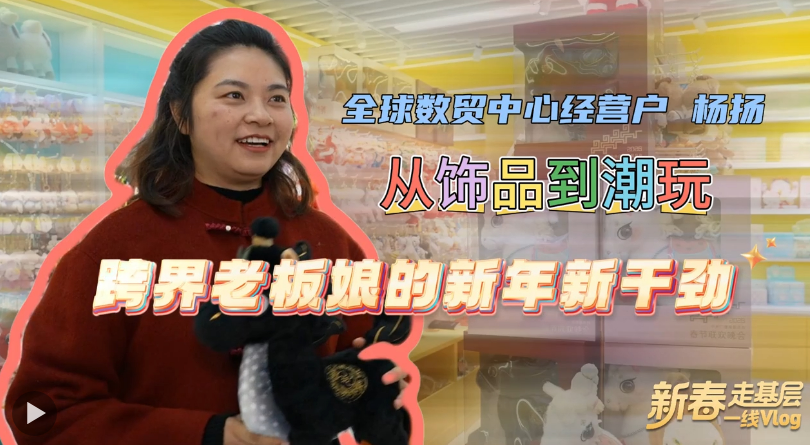
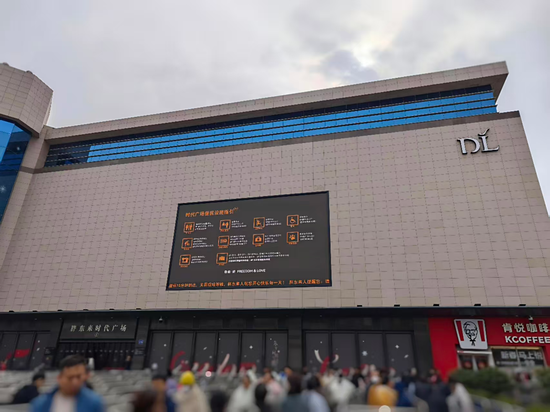
Core Insights - The article highlights the growing demand for trendy toys in international markets, particularly from young consumers who are willing to spend on their interests [1][2] Group 1: Market Trends - The acceptance of Chinese trendy toys by overseas consumers has significantly increased, prompting businesses to pivot towards this market [1] - The establishment of the creative trendy toy section in Yiwu International Trade City has improved visibility and efficiency in supply-demand matching, attracting numerous international buyers [2] Group 2: Business Developments - A store owner in Yiwu has successfully transitioned from jewelry to trendy toys, capitalizing on the global popularity of brands like Pop Mart [1] - The Yiwu International Trade City houses over 80,000 business units and offers more than 2.1 million products, facilitating trade with over 230 countries and regions [2] - The store owner plans to open two additional trendy toy stores and develop original IPs, indicating a strong growth strategy [2]
新春走基层 | 创意潮玩从义乌走向全球
Ren Min Ri Bao· 2026-02-18 13:45
Group 1 - The core viewpoint of the article highlights the growing demand for trendy toys in international markets, particularly among young consumers who are willing to spend on their interests [2][3] - A store owner in Yiwu, Yang Yang, has successfully transitioned from jewelry to trendy toys, capitalizing on the rising acceptance of Chinese trendy toys by overseas consumers [3] - The Yiwu International Trade City has opened a creative trendy toy section with 500 stores, enhancing visibility and efficiency in supply-demand matching, which has attracted numerous international buyers [3] Group 2 - Yang Yang's store features over 700 products and has received orders from seven new overseas clients within four months of the creative trendy toy section's opening [3] - The Yiwu International Trade City boasts nearly 80,000 business spaces and over 2.1 million types of products, engaging in trade with more than 230 countries and regions [3] - The article emphasizes the vibrant atmosphere of international trade in Yiwu, characterized by diverse languages and the sounds of business transactions [3]