
医疗设备

Search documents
全球资金加仓中国
2 1 Shi Ji Jing Ji Bao Dao· 2025-08-01 06:48
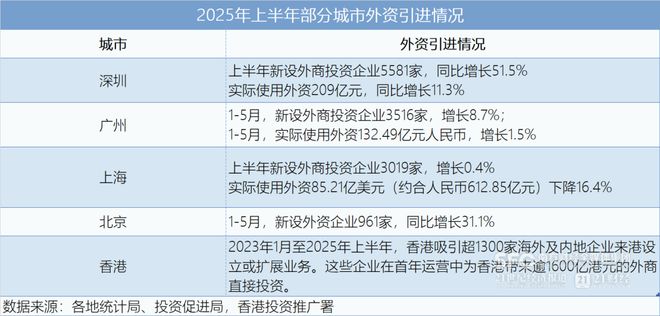
Group 1 - Foreign investment in China is increasing, with 30,014 new foreign-invested enterprises established in the first half of the year, a year-on-year growth of 11.7%, and actual foreign capital utilization amounting to 423.23 billion yuan [1] - Shenzhen leads major cities in China with 5,581 new foreign-invested enterprises established in the first half of the year, reflecting a 51.5% increase, and actual foreign capital utilization reaching 20.9 billion yuan, up 11.3% [3][8] - The service industry is experiencing accelerated opening, with telecommunications and healthcare becoming new hotspots for foreign investment, as evidenced by a significant increase in new foreign-invested enterprises in these sectors [2][16] Group 2 - High-tech industries are attracting substantial foreign investment, with actual foreign capital in high-tech manufacturing in Shenzhen increasing by 122.2% [8] - Major multinational corporations like Siemens and Valeo are making significant investments in China, indicating a positive outlook for the healthcare and automotive sectors [5][6] - The trend of foreign investment is shifting towards high-value-added sectors, with a notable decline in traditional manufacturing investments [6][11] Group 3 - The opening of the telecommunications and healthcare sectors is part of a broader strategy to enhance foreign investment opportunities, with over 2,600 foreign-invested telecommunications enterprises established nationwide [16][17] - The establishment of foreign-owned hospitals is expected to alleviate pressure on public healthcare systems and enhance the quality of medical services available to citizens [18] - The investment landscape in China is evolving, with a focus on innovation and technology, as highlighted by the establishment of international innovation centers and partnerships with foreign firms [14][17]

全球资金加仓中国
21世纪经济报道· 2025-08-01 06:38
Core Viewpoint - The article highlights the increasing foreign investment in China, particularly in high-tech sectors such as telecommunications and healthcare, indicating a shift in global capital towards China as a key investment destination [1][10]. Summary by Sections Foreign Investment Trends - In the first half of the year, China saw the establishment of 30,014 new foreign-invested enterprises, a year-on-year increase of 11.7%, with actual foreign investment amounting to 423.23 billion yuan [1]. - Shenzhen led major cities in new foreign investment enterprises, with 5,581 new establishments, a growth of 51.5%, and actual foreign investment reaching 20.9 billion yuan, up 11.3% [2][8]. Sector Preferences - The article notes a preference for investment in the service sector, particularly in telecommunications and healthcare, as these areas are becoming new hotspots for foreign capital [1][15]. - In Shenzhen, the number of new foreign-invested medical enterprises reached 113, a significant increase of 85.2%, while telecommunications enterprises saw a total of 635 new establishments, growing by 60.0% [1][18]. City-Specific Insights - Different first-tier cities exhibit varied preferences for foreign investment. For instance, Beijing focuses on research and development centers, while Shanghai serves as a hub for multinational corporate headquarters [12][13][14]. - In Shanghai, 3,019 new foreign-invested enterprises were established in the first half of the year, with actual foreign investment amounting to approximately 612.85 billion yuan, a decrease of 16.4% [2][12]. High-Tech Industry Growth - High-tech industries in Shenzhen accounted for 35.2% of actual foreign investment, with high-tech manufacturing seeing a remarkable increase of 122.2% [8]. - Major multinational companies like Siemens and Valeo are making significant investments in Shenzhen, indicating strong confidence in the region's industrial capabilities [4][6]. Policy and Market Dynamics - The Chinese government is accelerating the opening of the service sector, with 155 pilot tasks aimed at expanding foreign investment in key industries such as telecommunications and healthcare [16][17]. - The entry of foreign-owned hospitals is expected to alleviate pressure on public healthcare systems and enhance the quality of medical services available to citizens [17].

全球资金加仓中国深圳抓住这一机遇
2 1 Shi Ji Jing Ji Bao Dao· 2025-08-01 06:08
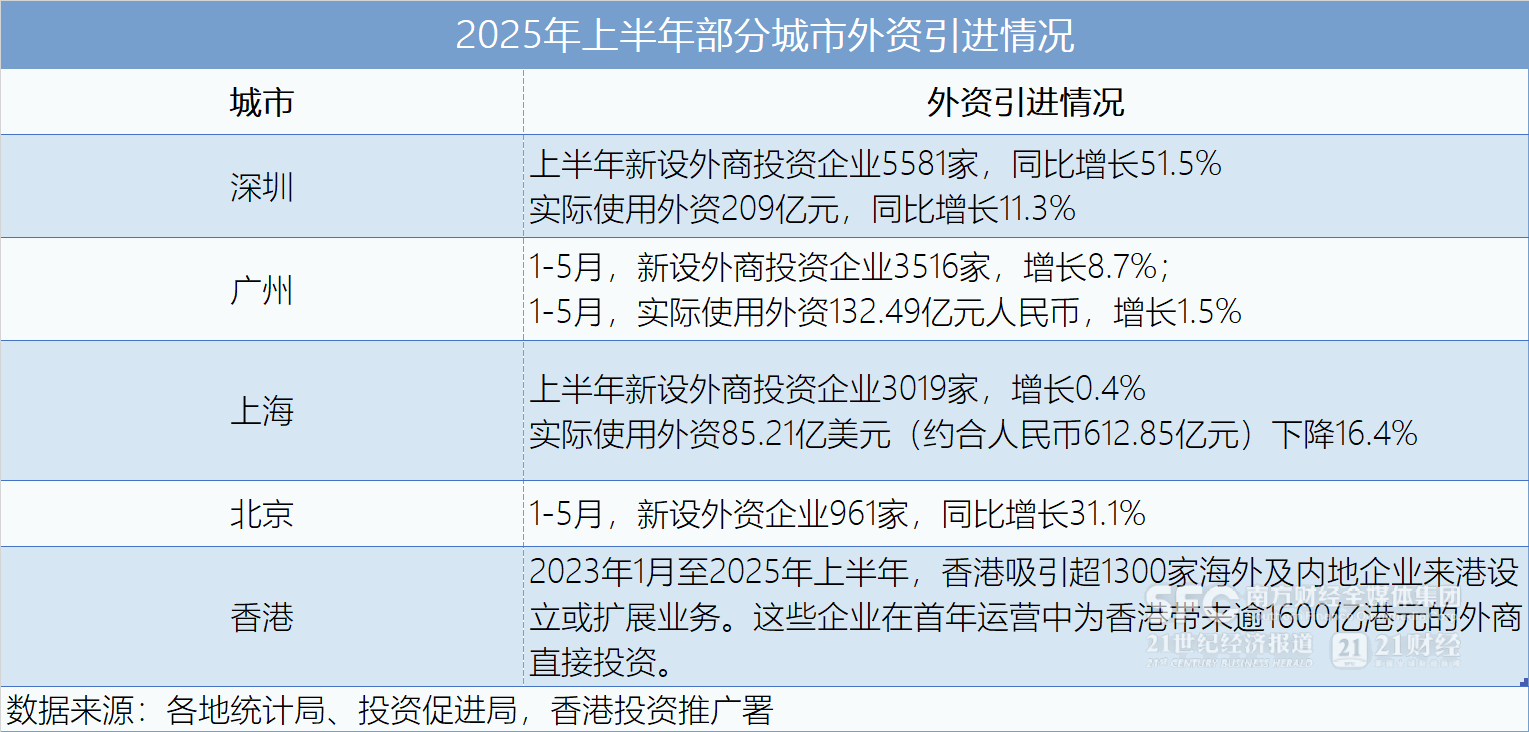
Core Insights - Global capital is rebalancing, with foreign investment increasing in China, particularly in high-tech sectors and major cities like Shenzhen [1][4][8]. Investment Trends - In the first half of the year, 30,014 new foreign-invested enterprises were established in China, a year-on-year increase of 11.7%, with actual foreign investment amounting to 423.23 billion yuan [2]. - Shenzhen led the way with 5,581 new foreign-invested enterprises, a 100% increase, and actual foreign investment reaching 20.9 billion yuan, up 11.3% [3][8]. Sector Preferences - Foreign investment is increasingly focused on high-tech industries, particularly telecommunications and healthcare, with Shenzhen seeing a significant rise in new foreign-invested enterprises in these sectors [4][17]. - In the first half of the year, Shenzhen established 113 new foreign-invested medical enterprises, a remarkable increase of 85.2%, and 635 new foreign-invested telecommunications enterprises, up 60% [17]. Regional Dynamics - Major cities in China exhibit different preferences for foreign investment, with Beijing focusing on research and development, Shanghai on finance and trade, Guangzhou on commerce, and Shenzhen on innovation and manufacturing [12][13][14]. - Shanghai reported 3,019 new foreign-invested enterprises and actual foreign investment of approximately 61.29 billion yuan in the first half of the year [10]. Notable Investments - Siemens Medical has established a new R&D and manufacturing base in Shenzhen, investing over 1 billion yuan, which will focus on advanced medical equipment [6]. - Valeo, a leading automotive supplier, has also expanded its operations in Shenzhen, highlighting the city's strong manufacturing capabilities [7]. Future Outlook - The acceleration of service industry openings, particularly in telecommunications and healthcare, is expected to create new investment opportunities for foreign capital [15][16]. - The trend of foreign investment in China is anticipated to continue, with major international investment firms expressing optimism about Chinese assets [8][9].
全球资金加仓中国 深圳抓住这一机遇
2 1 Shi Ji Jing Ji Bao Dao· 2025-08-01 03:59
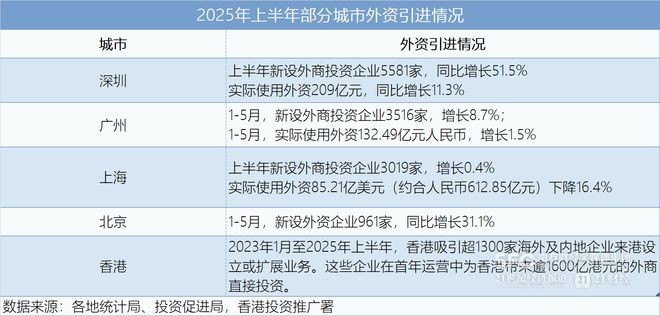
Core Insights - Global capital is rebalancing, with foreign investment in China increasing significantly, as evidenced by the establishment of 30,014 new foreign-invested enterprises in the first half of the year, a year-on-year increase of 11.7% [1] - Shenzhen leads major cities in China with 5,581 new foreign-invested enterprises established in the first half of the year, reflecting a growth of 51.5% [2] - The service sector is experiencing accelerated opening, with telecommunications and healthcare becoming new hotspots for foreign investment, as seen by a 60% increase in new foreign-invested telecommunications enterprises and an 85.2% increase in healthcare enterprises in Shenzhen [1][13] Foreign Investment Trends - In the first half of the year, Shenzhen attracted 209 billion yuan in actual foreign investment, marking an 11.3% increase [1][6] - High-tech industries accounted for 35.2% of Shenzhen's actual foreign investment, with high-tech manufacturing seeing a remarkable increase of 122.2% [6] - Major multinational corporations like Siemens and Valeo are increasing their investments in China, signaling confidence in the market despite previous downturns in the medical equipment sector [3][4] Regional Preferences - Foreign investment is showing regional preferences, with Shanghai, Beijing, and Guangzhou also reporting significant foreign investment activity, albeit with different focuses based on their unique industrial strengths [8][9] - Beijing is attracting foreign investment in research and development, particularly in the pharmaceutical sector, with significant investments from companies like AstraZeneca [8] - Shanghai is positioning itself as a hub for multinational corporate headquarters and R&D centers, with over 1,042 regional headquarters established [9] Emerging Sectors - The telecommunications and healthcare sectors are emerging as key areas for foreign investment, driven by recent policy changes aimed at expanding service sector openness [12] - The number of foreign-invested telecommunications enterprises in China has grown by 27% year-on-year, with Shenzhen being a significant contributor [12] - The establishment of foreign-owned hospitals is expected to enhance the healthcare service landscape in China, providing high-quality medical resources and alleviating pressure on public hospitals [13]
Here's What Key Metrics Tell Us About ResMed (RMD) Q4 Earnings
ZACKS· 2025-07-31 23:01
Core Insights - ResMed reported $1.35 billion in revenue for the quarter ended June 2025, marking a year-over-year increase of 10.2% and an EPS of $2.55 compared to $2.08 a year ago, exceeding both revenue and EPS consensus estimates [1] Revenue Performance - U.S., Canada, and Latin America - Devices generated $432.8 million, a 6.6% year-over-year increase, slightly below the average estimate of $435.08 million [4] - U.S., Canada, and Latin America - Masks and other products brought in $359.2 million, an 11.8% year-over-year increase, surpassing the average estimate of $349.01 million [4] - Combined Europe, Asia, and other markets - Total revenue reached $389 million, a 13.1% year-over-year increase, exceeding the estimated $371.49 million [4] - Global revenue for Total Sleep and Breathing Health was $1.18 billion, reflecting a 10.2% year-over-year increase, above the estimated $1.16 billion [4] Stock Performance - ResMed shares have returned +8.4% over the past month, outperforming the Zacks S&P 500 composite's +2.7% change, with a current Zacks Rank of 3 (Hold) indicating potential performance in line with the broader market [3]


影响市场重大事件:国家网信办就H20漏洞后门安全风险约谈英伟达公司
Mei Ri Jing Ji Xin Wen· 2025-07-31 22:44
|2025年8月1日 星期五| NO.1 国家网信办就H20算力漏洞后门安全风险约谈英伟达公司 每经记者|杨建 每经编辑|肖芮冬 近日,英伟达算力被曝出存在严重安全问题。美人工智能领域专家透露,英伟达算力模块"追踪定 位""远程关闭"技术已成熟。为维护中国用户网络安全、数据安全,依据《网络安全法》《数据安全 法》《个人信息保护法》有关规定,国家互联网信息办公室于2025年7月31日约谈了英伟达公司,要求 英伟达公司就对华销售的H20算力漏洞后门安全风险问题进行说明并提交相关证明材料。 NO.2 国家医保局支持脑机接口等新技术进入临床并收费 7月31日,为支持药品和医疗器械创新发展,国家医保局制定新上市药品首发价格机制,新增了100多项 与医疗新技术相关的价格项目。神经系统类立项指南统一设立"脑机接口置入费""脑机接口适配费"等价 格项目。脑机接口技术成熟获批进入临床后,可快速进入临床应用并收费。耳鼻喉类立项指南统一设 立"人工耳蜗植入费""发音装置安装费"等价格项目,鼓励医疗机构帮助更多患者"听得见、说得出"。放 射治疗类立项指南统一设立"质子放疗""重离子放疗"等价格项目,促进高端医疗设备的临床转化应用。 ...

Gerresheimer (0NTI) Update / Briefing Transcript
2025-07-31 17:30
Summary of Conference Call Notes Industry or Company Involved - The discussion revolves around the drug delivery systems and packaging industry, specifically focusing on plastics and devices, as well as glass products [2][5]. Core Points and Arguments - There is a mention of net debt to EBITDA, indicating a focus on financial metrics relevant to assessing the company's leverage and operational performance [3]. - The company is experiencing fluctuations in free cash flow, with a noted negative movement but an expectation to reach a positive free cash flow in the future [4]. - The quality of glass products is highlighted, suggesting that it plays a significant role in the business unit's performance [5]. Other Important but Possibly Overlooked Content - The involvement of a private equity firm is mentioned, indicating potential strategic partnerships or investments that could influence the company's direction [4]. - The reference to Eminence Capital suggests that there are significant stakeholders involved, which may impact decision-making and corporate governance [5].
医疗“七翻身”!A股最大医疗ETF(512170)7月累涨11.48%跑赢大市!公募提前布局,加配空间仍大
Xin Lang Ji Jin· 2025-07-31 11:58
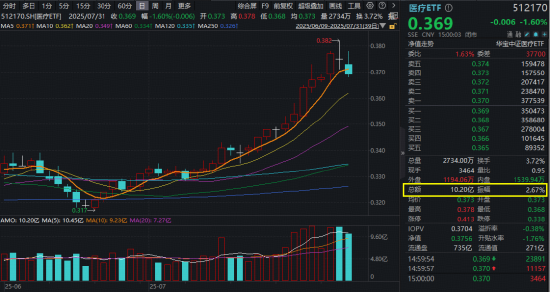
Core Viewpoint - After a historic 10-day rally, the largest medical ETF in A-shares (512170) experienced a pullback, with the index dropping over 1% on July 31, 2023, and the medical sector also declining [1][4]. Market Performance - The medical ETF (512170) recorded a daily fluctuation of 2.67%, with a trading volume of 1.02 billion yuan, remaining at a relatively high level [1]. - In July, the medical ETF saw a cumulative increase of 11.48%, outperforming the Shanghai Composite Index (+3.74%) and the ChiNext Index (+8.14%) [2][4]. Sector Analysis - Major CXO stocks, including WuXi AppTec, experienced significant declines, with WuXi AppTec down 2.61% and a trading volume of 9.499 billion yuan, marking a near four-month high [4]. - Other medical device giants like Mindray Medical and Aier Eye Hospital also saw declines of over 2% [4]. Policy and Industry Outlook - There is a growing support from the government for innovative medical devices, as indicated by recent meetings held by the National Healthcare Security Administration [6]. - The policy shift aims to alleviate low-price competition in the industry and accelerate the development of high-end domestic medical devices [6]. - Public funds have increased their allocation to the medical sector, with the top ten A-share funds holding 11.51% in the medical sector, up 1.51% from the previous quarter [6]. Investment Opportunities - The medical ETF (512170) is highlighted as a potential investment opportunity, focusing on "medical devices + medical services" and is closely related to AI in healthcare [7]. - The first pharmaceutical ETF (562050) is also recommended, focusing on 50 leading pharmaceutical companies, emphasizing innovative drugs and high-barrier generic drugs [7].
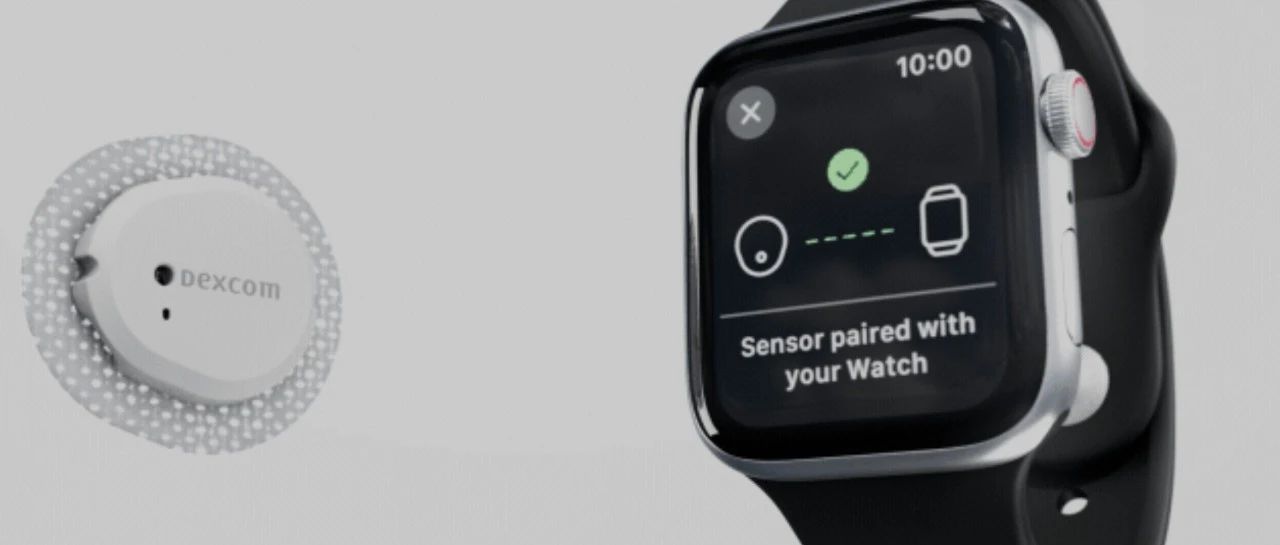
换帅!糖尿病巨头高层变动
思宇MedTech· 2025-07-31 09:39
Core Viewpoint - The transition of leadership at Dexcom from Kevin Sayer to Jake Leach is a strategic move aimed at evolving the company's focus from a single product technology to a broader health ecosystem platform, reflecting a planned organizational evolution rather than a crisis response [10][11][12] Leadership Transition - Jake Leach will take over as CEO on January 1, 2026, succeeding Kevin Sayer, who will remain as Executive Chairman of the Board [1] - This succession plan was disclosed during the Q2 2025 earnings call, indicating a well-structured transition [1] Jake Leach's Background - Leach has been with Dexcom since 2004, playing a crucial role in the development of the company's CGM technology, including the G4, G5, G6, and G7 iterations [5][6] - As COO, he managed global product development and operational strategies, demonstrating his capability to translate technical expertise into business execution [6][11] Kevin Sayer's Contributions - Sayer has led Dexcom since 2015, transforming it from a diabetes device company to a health data technology platform, achieving significant revenue and market value growth [7][9] - Under his leadership, Dexcom's revenue reached $1.157 billion in Q2 2025, a 15% year-over-year increase, with annual revenue guidance raised to between $4.6 billion and $4.63 billion [9] Strategic Implications of the Transition - The leadership change signals a shift in Dexcom's core competencies towards a platform strategy that integrates CGM technology into broader health management solutions [10][11] - Leach's role will involve transitioning the company from selling devices to empowering health scenarios, requiring a comprehensive understanding of both development and strategic thinking [11] Future Directions - Dexcom aims to enhance the G7 platform's market penetration, expand non-prescription CGM options like Stelo, and integrate AI for data prediction and lifestyle intervention [13] - The company plans to strengthen insurance coverage and international reimbursement channels to lower barriers for users and expand its market reach [13]

上证科创板医疗指数报805.42点,前十大权重包含惠泰医疗等
Sou Hu Cai Jing· 2025-07-31 09:13
Group 1 - The Shanghai Stock Exchange Science and Technology Innovation Board Medical Index (科创医疗) reported a value of 805.42 points, with a monthly increase of 10.37%, a three-month increase of 13.32%, and a year-to-date increase of 11.07% [1] - The index consists of no more than 30 listed companies in the medical field selected from the Science and Technology Innovation Board, reflecting the overall performance of medical listed companies [1] - The index is based on a reference date of December 30, 2022, with a base value of 1000.0 points [1] Group 2 - The top ten weighted companies in the index are: 惠泰医疗 (9.77%), 联影医疗 (9.36%), 热景生物 (7.33%), 爱博医疗 (6.23%), 奕瑞科技 (6.09%), 南微医学 (5.69%), 心脉医疗 (4.91%), 圣湘生物 (4.6%), 海尔生物 (3.79%), and 天智航 (3.3%) [1] - The index is fully composed of companies listed on the Shanghai Stock Exchange, with the following industry breakdown: medical consumables (43.55%), medical devices (29.18%), and in vitro diagnostics (27.26%) [2] - The index samples are adjusted quarterly, with adjustments implemented on the next trading day following the second Friday of March, June, September, and December [2]
