可再生能源

Search documents
双碳研究 | 【IRENA最新报告】2025年可再生能源统计:突飞猛进但仍任重道远
Sou Hu Cai Jing· 2025-03-30 12:37
Core Insights - The International Renewable Energy Agency (IRENA) reported significant growth in renewable energy capacity in 2024, reaching a total of 4448 GW, with an addition of 585 GW, marking a record annual growth rate of 15.1% [4] - Despite the record growth, the progress is still lagging behind the target of tripling global renewable energy capacity to 11.2 TW by 2030, necessitating an annual growth rate of 16.6% [4][6] - There are notable regional disparities in renewable energy expansion, with Asia leading, particularly China, which contributed nearly 64% of the global new capacity [4] Renewable Energy Capacity Growth - In 2024, solar and wind energy accounted for 96.6% of the new renewable energy capacity, with solar energy growing by 32.2% to reach 1865 GW and wind energy increasing by 11.1% [5] - The growth in solar energy was particularly driven by China, which contributed 278 GW of the total increase of 451.9 GW in photovoltaic generation [7] - Hydropower capacity rebounded to 1283 GW, largely due to contributions from China, with several countries like Ethiopia and Indonesia also showing significant increases [7] Challenges and Future Goals - IRENA's Director-General emphasized the need for governments to set clear and quantifiable renewable energy targets in their next round of Nationally Determined Contributions (NDCs 3.0) to meet the 2030 goals [5][6] - The UN Secretary-General acknowledged the progress in renewable energy, highlighting its potential to create jobs, lower energy costs, and improve air quality, while stressing the urgency for a faster and fairer transition to clean energy [5] Sector-Specific Developments - Biomass energy saw a rebound in 2024, with an increase of 4.6 GW, primarily from China and France [9] - Geothermal energy capacity increased by 0.4 GW, with New Zealand leading the way [9] - Off-grid power capacity nearly tripled, growing by 1.7 GW to reach 14.3 GW, mainly driven by off-grid solar energy [9]


2024年全球环保投融资减少3成
日经中文网· 2025-03-28 07:12
Core Viewpoint - The renewable energy sector, particularly in the U.S., is facing significant challenges due to the Trump administration's policies, leading to a crisis for companies like Sunnova Energy, which has seen its stock price drop over 60% following announcements of business viability concerns [2][3]. Group 1: Impact of Government Policies - Sunnova Energy is heavily affected by the Trump administration's freeze on climate change-related subsidies and loans, which were initially supported by the Inflation Reduction Act (IRA) under the Biden administration, allocating approximately $370 billion for clean energy initiatives [3]. - The offshore wind power sector is also experiencing setbacks, with the Trump administration halting leasing and approval processes for public land use, causing companies like Prysmian Group to abandon planned projects in the U.S. [3]. Group 2: Financial Trends in Renewable Investments - Global environmental financing is projected to reach approximately $470 billion in 2024, a decrease of about 30% from its peak in 2021, influenced by rising interest rates and inflationary pressures on component prices [1]. - The amount of "green loans" and "sustainable development linked loans (SLL)" is expected to decline by 27% from peak levels, reflecting a broader trend of reduced investment in environmental projects [1]. Group 3: Regulatory and Market Challenges - Increased scrutiny and criticism of "greenwashing" have led to stricter regulations, causing financial institutions to avoid labeling investments as environmentally friendly to mitigate backlash [4]. - The rising costs associated with offshore wind development have resulted in significant impairment losses for companies like Orsted, which reported a DKK 12.1 billion loss related to U.S. operations due to increased construction costs and interest rates [4]. Group 4: International Perspectives - Despite the challenges in the U.S., Japan's decarbonization financing is expected to continue its slow growth, although domestic companies may still feel the impact of the Trump administration's anti-ESG policies [5].
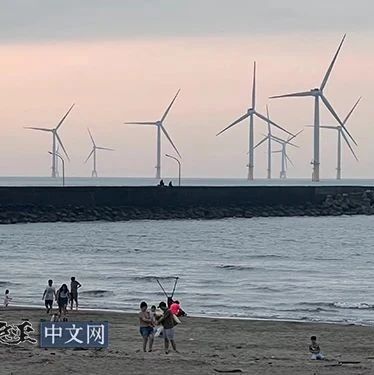
可再生能源盈利大增514%,港华智慧能源(01083)获多家券商看好
智通财经网· 2025-03-28 02:27
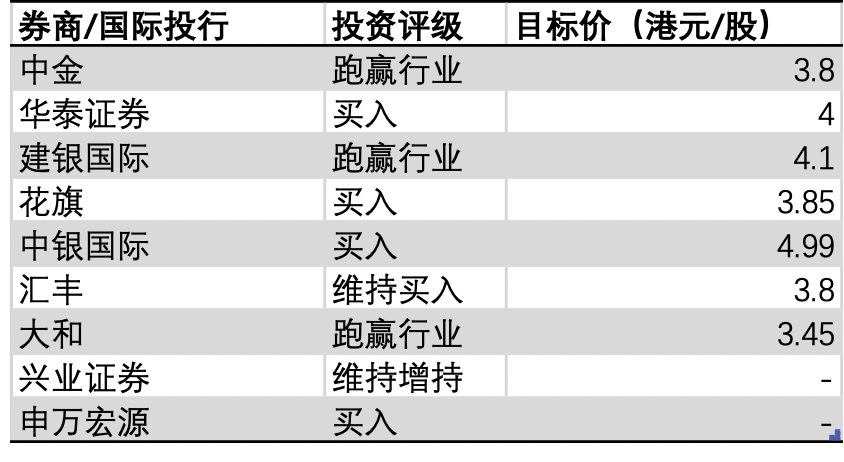
Core Viewpoint - Honghua Smart Energy (01083) has demonstrated strong performance in revenue and core profit growth, reflecting positive market sentiment and expectations for future development [1][2]. Financial Performance - In 2024, Honghua Smart Energy achieved revenue of HKD 21.314 billion, a year-on-year increase of 7.4%, while core profit surged by 34.5% to HKD 1.601 billion [2]. - The company declared a final dividend of HKD 0.16 and a special dividend of HKD 0.03, totaling HKD 0.19 [2]. Market Reaction - Following the earnings report, the company's stock price rose by over 9% on March 17, ultimately closing with a gain of 7.93%, reflecting a cumulative increase of nearly 15% since the beginning of March [1]. Analyst Ratings - Various domestic and international brokerages, including CICC, Citigroup, and Huatai Securities, have issued positive reports on the company, indicating strong recognition of its value [1][2]. - Target prices from analysts range from HKD 3.45 to HKD 4.99, with ratings such as "Outperform" and "Buy" [2][10]. Business Growth and Strategy - The company is focusing on its gas business, with gas sales volume expected to increase by 5% to 17.201 billion cubic meters in 2024, supported by the implementation of a pricing mechanism [3][4]. - The comprehensive gas price difference improved to HKD 0.56 per cubic meter, with expectations for further growth in 2025 [3]. Renewable Energy Development - Honghua Smart Energy's renewable energy segment reported a significant profit increase of 514% to HKD 479 million in 2024, with solar power generation capacity reaching 2.3 GW [5][6]. - The company is adopting a light-asset model, which is expected to drive further growth in its renewable energy business, contributing to overall profitability [6][7]. Future Outlook - Analysts anticipate that the company's renewable energy business will continue to be a key driver of growth, with projections for new installations of 0.6 GW and 0.5 GW in 2025 and 2026, respectively [6][10]. - The ongoing implementation of the pricing mechanism and the light-asset strategy are expected to enhance the company's performance and cash flow stability in the long term [10][11].
《北京市可再生能源开发利用条例》表决通过
Xin Jing Bao· 2025-03-26 09:28
《北京市可再生能源开发利用条例》表决通过 3月26日,市十六届人大常委会第十六次会议表决通过了《北京市可再生能源开发利用条例》,自 今年5月1日起施行。条例共5章38条,分为总则、目标与规划、推广与应用、支持与保障、附则,适用 于北京市太阳能、地热能、风能、水能、生物质能、空气能等可再生能源的开发利用及相关管理活动。 这次立法按照中央"双碳"决策部署和能源安全新战略,贯彻落实国家能源法和可再生能源法,根据 本市可再生能源资源禀赋和开发利用特点,坚持统筹发展和安全,坚持目标导向、问题导向,坚持政府 引导、市场运作,建立健全适应超大城市特点的可再生能源开发利用法律制度,为北京市能源绿色低碳 转型提供有力支撑。 条例规定落实"双碳"目标,实施国家能耗双控向碳排放双控全面转型新机制,坚持统筹规划、科学 开发、合理利用、创新驱动的原则,促进可再生能源发展与城市建设融合。 明确编制实施全市可再生能源开发利用规划,将相关要求纳入能源发展和供热建设发展等规划。编 制国土空间规划应当合理保障相关用地需求。市发展改革部门合理确定各区开发利用目标,开展评估、 监测与考核。 推动在城市更新、乡村建设等方面加强可再生能源开发利用 在促 ...
(聚焦博鳌)中国能建携创新方案助力亚洲绿色能源转型
Zhong Guo Xin Wen Wang· 2025-03-26 04:00
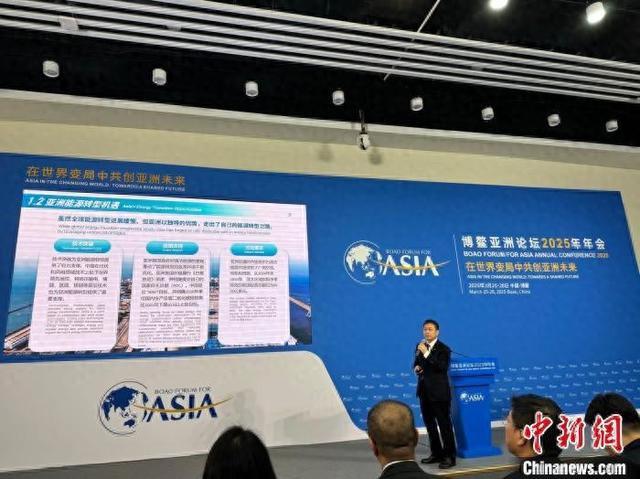
罗必雄说,2023年全球可再生能源新增装机473吉瓦,亚洲占据69%份额,其中中国占比63%,成为亚 洲绿色发展的"压舱石"。在用电量方面,2013年至2023年间,全球用电量年平均增长率2.5%,亚洲为 4.5%。中国用电量占亚洲总量的52%,驱动亚洲成为全球能源需求的"心脏"。 与此同时,亚洲也面临严峻的低碳转型压力。罗必雄表示,尽管全球能源转型进展缓慢,但亚洲通过技 术突破和政策引领,已走出了一条独特的发展路径。大型火电、核电、海上风电、水电、氢能及特高压 技术的快速发展,为能源转型提供了有力支撑。此外,亚洲旺盛的市场需求,为清洁能源市场提供了广 阔空间。 (聚焦博鳌)中国能建携创新方案助力亚洲绿色能 源转型 中新网博鳌3月26日电 (冯玲玲)中国能建首席科学家,中电工程党委书记、董事长罗必雄在博鳌亚洲论 坛2025年年会"携手亚洲,共筑绿色能源未来"主题发布会上表示,中国在全球可再生能源领域占据重要 地位。中国能建正通过技术创新与国际合作,推动亚洲能源结构的绿色升级。 3月25日, 博鳌亚洲论坛2025年年会"携手亚洲,共筑绿色能源未来"主题发布会在海南博鳌举行。冯玲玲 摄 伏发电与咖啡种植结合,实现 ...

最新旗舰报告:亚洲应开创有韧性、可持续绿色发展道路
Guo Ji Jin Rong Bao· 2025-03-25 11:26
Core Insights - The report emphasizes the urgent need for Asia to create a resilient and sustainable green development pathway in light of escalating climate crises and unique regional challenges [1] Group 1: Green Transition Efforts - Asia is pursuing a multi-faceted approach to drive green transition through policy frameworks, industry guidance, and market forces, with technological advancements and climate financing as key drivers [2] - Major carbon-emitting countries in Asia, including China, India, and Indonesia, have set ambitious climate goals, aligning their Nationally Determined Contributions (NDCs) with global climate targets [2] - Key sectors targeted by climate policies in Asia include energy, waste management, sustainable manufacturing, and sustainable transportation, alongside nature-based solutions like reforestation and wetland restoration [2] Group 2: Regional Disparities and Challenges - There are significant disparities in green growth performance across different regions in Asia, necessitating tailored policy responses to address unique challenges [3] - Asian economies require more specific measures to enhance climate ambition and accelerate green transition progress [3] Group 3: Advancements in Green Technology - Asia is rapidly advancing in emerging green technologies, positioning itself as a leader in areas such as advanced battery materials, biodegradable plastics, and carbon capture utilization and storage (CCUS) [4] - Strong industrial capabilities and policy support are foundational for the large-scale application of these innovations [4] - Despite increasing investments in green technology, regions like Southeast Asia, South Asia, and West Asia still face challenges in resource efficiency and sustainability [4] Group 4: Financing Challenges - The report highlights significant financing challenges for Asia's green transition, with South Asia facing the most severe loss and damage issues [6] - There is a need for enhanced institutional capacity, governance structures, and policy coordination across Asian regions to access climate funding [6] - The Global Green Growth Institute's index indicates low funding for environmentally friendly technologies, hindering innovation and renewable energy expansion [6] Group 5: Nature-Based Investments - To effectively combat climate change, Asia must integrate nature-friendly investments into broader economic and infrastructure planning [7] - Investing in natural resources can mitigate environmental impacts while promoting economic development and climate justice [7] - A strategic shift to view natural ecosystems as alternatives to traditional infrastructure is essential for sustainable development [7] Group 6: Carbon Market Opportunities - Carbon markets present significant financing opportunities for green transition, with compliance and voluntary carbon markets expected to grow substantially [8] - The Paris Agreement's Article 6 facilitates international carbon trading, potentially saving over $300 billion annually by 2030 [8] - Asian countries are actively developing carbon credit frameworks with support from international organizations [8] Group 7: Leadership and Integration - There is a notable variance in commitment to sustainability among Asian countries, influenced by political realities and resource constraints [11] - Successful transition to a low-carbon economy requires integration of carbon markets, nature-based solutions, and green technologies [11] - Strategic investments in innovation, governance, and cross-sector collaboration can position Asia as a leader in global sustainable efforts, ensuring long-term economic and environmental benefits [11]
【生态环境周观察】特朗普称将“立即重启煤炭生产利用”;特斯拉上海储能超级工厂首批产品出货;五部门发文推进绿证强制消费
Sou Hu Cai Jing· 2025-03-24 07:18
【生态环境周观察】特朗普称将"立即重启煤炭生产利用";特斯拉上海储能超 级工厂首批产品出货;五部门发文推进绿证强制消费 3月18日,国家发展改革委、国家能源局、工业和信息化部、商务部、国家数据局联合发布《关于促进可再生能源绿色电力证书市场高质量发展的意见》, 明确提出,要依法稳步推进绿证强制消费,逐步提高绿色电力消费比例并使用绿证核算。根据相关政策制定的目标,到2027年,绿证市场交易制度基本完 善,强制消费与自愿消费相结合的绿色电力消费机制更加健全,绿色电力消费核算、认证、标识等制度基本建立,绿证与其他机制衔接更加顺畅,绿证市场 潜力加快释放,绿证国际应用稳步推进,实现全国范围内绿证畅通流动;到2030年,绿证市场制度体系进一步健全,全社会自主消费绿色电力需求显著提 升,绿证市场高效有序运行,绿证国际应用有效实现,绿色电力环境价值合理体现,有力支撑可再生能源高质量发展,助力经济社会发展全面绿色转型。 财政部将在英国伦敦发行首笔人民币绿色主权债券 第二批国家碳达峰试点名单出炉 3月21日,国家发展改革委正式公布了第二批27个国家碳达峰试点名单,包括北京市平谷区、上海市黄浦区、长三角生态绿色一体化发展示范区等。 ...




中金:澳大利亚—新型电力系统发展前沿,风光储需求加速
中金点睛· 2025-03-17 23:51
Core Viewpoint - Australia is at the forefront of developing a new power system, with a high proportion of wind and solar power generation, reaching 28.14% in 2023. The non-interconnected nature of its grid presents significant challenges as the share of renewable energy increases [1]. Group 1: Demand Side Transformation - The demand for wind and solar energy in Australia is primarily driven by the electrification, hydrogen energy, and electric vehicle development, rather than a typical shortage of electricity seen in developing countries. The projected CAGR for electricity demand from 2024 to 2050 is approximately 1.93%, with significant growth rates of 13%, 18%, and 27% for electrification, hydrogen, and electric vehicles respectively [3][4]. - The total electricity demand in Australia for 2023 is estimated at 273 TWh, with a compound annual growth rate (CAGR) of 0.54% over the past five years. By 2030, total electricity demand is expected to reach 304 TWh, with a CAGR of 1.81% from 2024 to 2030 [5][6]. Group 2: Generation Side Characteristics - The cost of solar and storage has reached a parity point in 2024, with the levelized cost of electricity (LCOE) for solar plus storage estimated at approximately 0.056-0.086 AUD/kWh, which is lower than coal and gas costs [7]. - The proportion of renewable energy generation is expected to increase significantly, with projections indicating that by 2030, renewable energy will account for 82% of total generation, potentially exceeding 90% by 2033 [10]. Group 3: Policy Framework and Trends - The energy transition policy in Australia is accelerating, with a clear target for clean energy transformation. The actual pace of transition may exceed government expectations due to increasing regulatory demands and the need for flexible energy resources [8][9]. - The retirement of coal-fired power plants is occurring at an accelerated pace, with all coal plants expected to close by 2037, five years earlier than previous estimates [12]. Group 4: Market Characteristics - The Australian electricity market is characterized by high volatility in wholesale prices due to the lack of a capacity market and price caps. This has led to frequent negative pricing and challenges in recovering investments in coal power plants [17][18]. - The minimum demand for electricity has reached historical lows, with extreme price fluctuations becoming more common. The price cap for the wholesale market is set to increase significantly over the next few years [18]. Group 5: Investment Opportunities - The largest market growth is expected in centralized storage, with a CAGR of 42.9% from 2025 to 2030. The charging station market is projected to grow at a CAGR of 44.8% during the same period [19][20][22]. - Hydrogen energy is anticipated to become a significant market by 2030, with production expected to reach 50,000 tons, translating to a market size of approximately 39 billion AUD [21].
共建绿色丝路:我国绿色金融与“一带一路”倡议的协同发展
Zheng Quan Shi Bao Wang· 2025-03-14 08:51
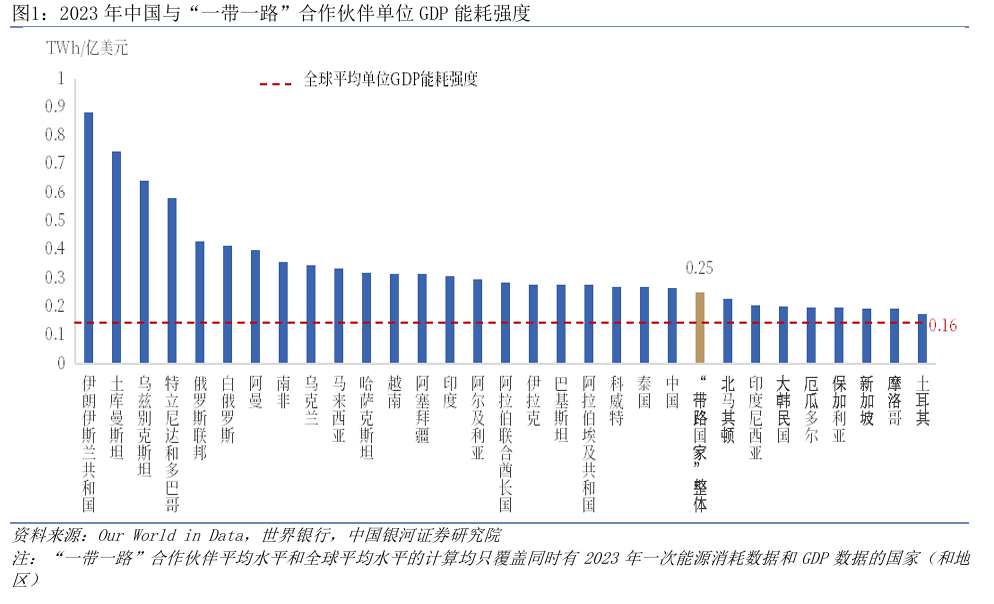
Core Viewpoint - The "Belt and Road" initiative aligns naturally with green finance, addressing the significant green development challenges and funding gaps faced by emerging and developing economies involved in the initiative [1][2][3]. Group 1: Green Development Challenges - Many "Belt and Road" partners are emerging economies facing high energy consumption and carbon emissions, with energy consumption in 2021 accounting for approximately 32.23% of global totals [3]. - The carbon emissions from these partners reached 70% of global totals in 2020, with an average carbon emission intensity of 62.9 thousand tons per billion USD, significantly higher than the global average [3]. - The short window for achieving carbon neutrality poses a challenge, as many developing countries have less time to transition compared to developed nations [4]. Group 2: Policy Initiatives - China has integrated green development goals into its national strategies, emphasizing ecological civilization in the "Belt and Road" initiative since its inception [5][6]. - Most "Belt and Road" partners have updated their Nationally Determined Contributions (NDCs) to include green policies, focusing on sectors like agriculture, manufacturing, and energy [7]. Group 3: Green Finance Mechanisms - Green finance is defined as financial services that support environmentally sustainable development, including investments in clean energy and green infrastructure [13][14]. - The establishment of a unified green finance standard and regulatory framework is essential for aligning green finance with the "Belt and Road" initiative [28]. - Financial institutions are encouraged to innovate green financing mechanisms to meet the diverse needs of "Belt and Road" projects [29]. Group 4: Investment Trends - China's green investment in "Belt and Road" partners has been growing, with total green investment reaching approximately 222.8 billion USD in 2023, reflecting a shift towards green equity investment [22][23]. - The majority of green investments are concentrated in the energy and transportation sectors, with renewable energy investments totaling 742.4 billion USD from 2013 to 2024 [24]. Group 5: Collaborative Platforms - China has established various international alliances and initiatives to promote green development, including the "Belt and Road" Green Development International Alliance [8][9]. - Multilateral development banks, such as the Asian Infrastructure Investment Bank (AIIB), play a crucial role in providing long-term funding for green projects [19]. Group 6: Future Directions - The need for enhanced policy coordination among "Belt and Road" partners is critical for the successful implementation of green finance initiatives [28]. - Promoting sustainable development concepts and increasing public awareness of green finance are essential for fostering collaboration and investment in green projects [29].
六大领域齐发力!中国绿色转型交出亮眼“答卷”
Zheng Quan Shi Bao Wang· 2025-03-11 04:39
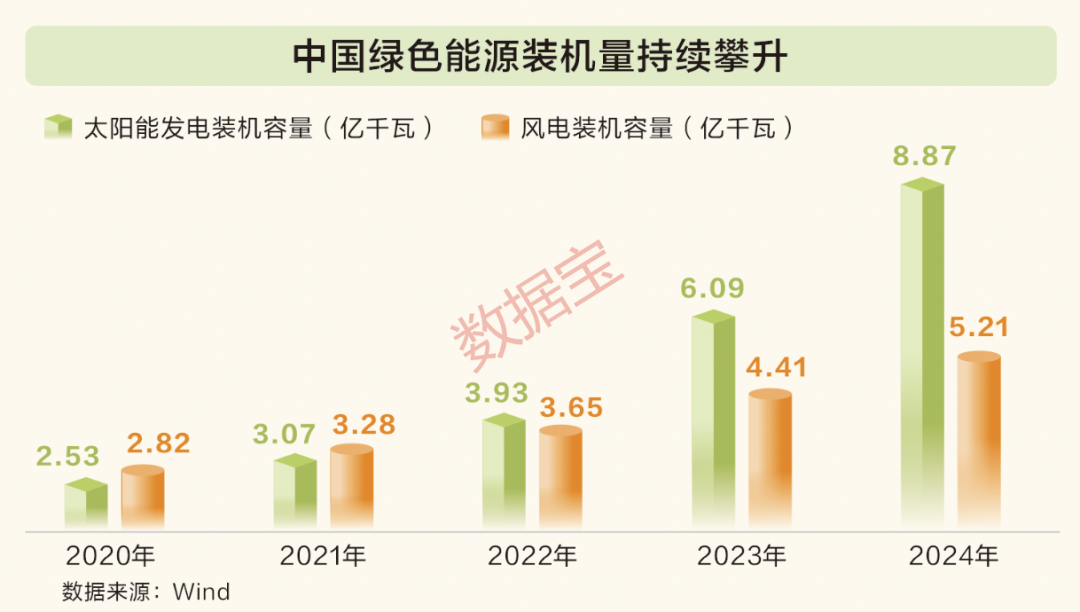
Core Viewpoint - The Chinese government emphasizes accelerating the comprehensive green transformation of economic and social development as a key task for 2025, building on past green development strategies and further deepening achievements during the 14th Five-Year Plan period [1] Energy Transition - The green transformation of the energy structure is fundamental to achieving the "dual carbon" goals, with significant progress made during the 14th Five-Year Plan, including a doubling of renewable energy installed capacity to 1.889 billion kilowatts by the end of 2024, accounting for approximately 56% of total installed capacity [3][5] - Wind and solar power have shown remarkable growth, with wind power and solar energy generation increasing their shares of total generation by 3.89 and 4.96 percentage points, respectively, compared to 2020 [3] - By the end of 2024, wind power capacity reached 521 million kilowatts, a year-on-year increase of 17.98%, while solar power capacity reached 887 million kilowatts, with a compound annual growth rate of 36.76% from 2021 to 2024 [4] Industrial Transformation - The industrial sector is a key area for energy consumption and carbon emissions, with a focus on energy conservation and green manufacturing as core drivers for low-carbon and sustainable development [7] - By 2024, carbon dioxide emissions per unit of GDP decreased by 19.51%, and energy consumption per unit of GDP fell by 6.96% compared to the end of the 13th Five-Year Plan [7] - The number of national-level green factories reached 6,430 by the end of 2024, a significant increase from 2,783 in 2021 [8] Building Innovation - The green development of the construction sector is crucial for achieving the "dual carbon" goals, with 95% of new urban buildings being green buildings by 2023, up from 77% in 2020 [9] - The integration of circular economy principles in construction has led to innovative applications, such as the Shanghai Laogang Renewable Energy Utilization Center, which processes over 3 million tons of waste annually [9][10] Transportation Upgrade - The Chinese electric vehicle market has seen a compound annual growth rate of 75.14% from 2021 to 2024, with sales reaching 12.8659 million units in 2024, capturing a market share of 40.93% [11] - BYD has emerged as a leader in the market, with a 92.52% year-on-year increase in sales in the first two months of 2025 [11][12] Green Finance - Green finance is a key driver for the green low-carbon economy, with green loan balances increasing from 10.22 trillion yuan at the end of 2019 to 36.6 trillion yuan by the end of 2024 [13] - The number of ESG funds reached 553 by the end of 2024, with a total scale of 513.617 billion yuan, reflecting a growth of 300.72% since 2019 [14] Technological Innovation - Technological innovation is central to driving green development, with a total of 23,200 patents in the A-share environmental protection sector by the end of 2024, a 74.67% increase since 2020 [15] - The government aims to achieve significant breakthroughs in low-carbon technologies by 2025 and 2030, supporting the transition to a green economy [15]