饮料

Search documents
宗馥莉辞职原因曝光:将经营自己的品牌 仍为娃哈哈第二大股东
Hua Xia Shi Bao· 2025-10-11 00:21
Core Points - Zong Fuli has resigned from her positions as legal representative, director, and chairman of Wahaha Group on September 12, 2023, confirmed by company staff [1] - The resignation is reportedly due to "non-compliance" in trademark usage, as Zong Fuli plans to focus on her own brand "Wawaizong" [3] - Wahaha Group is set to transition to the new brand "Wawaizong" starting from the 2026 sales year to address historical compliance issues and legal risks associated with the current brand [4][6] Company Background - Zong Fuli, born in January 1982, is the daughter of Wahaha Group founder Zong Qinghou and has held various positions within the company since 2018, including vice general manager and general manager [8] - As of August 2024, Zong Fuli became the legal representative and chairman of Wahaha Group following the passing of Zong Qinghou [8] - Zong Fuli controls over 210 companies, with more than 200 currently active, including Wahaha Commercial Co., Ltd. and other subsidiaries [9] Brand Transition - The decision to change the brand to "Wawaizong" is driven by the need to resolve complex historical issues that expose the company to legal risks [6] - An internal document from Hangzhou Wahaha Honghui Food and Beverage Co., Ltd. indicates that the company has been working to ensure compliance in brand usage since the founder's death [4] - The brand change requires unanimous consent from all shareholders of Wahaha Group for the continued use of the "Wahaha" trademark [6]

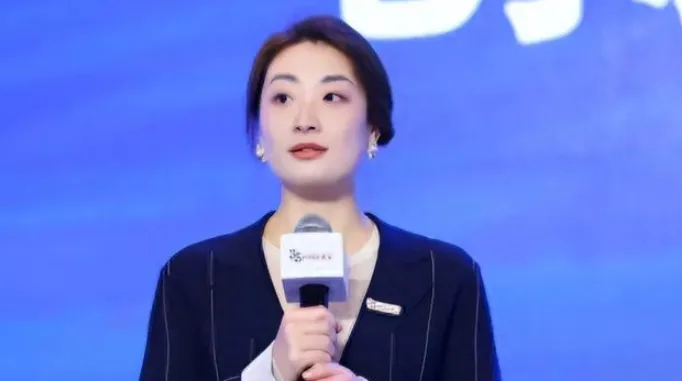
联想之路才是娃哈哈的归宿!从宗庆后形象塌方,到宗馥莉如今辞职:家族式经营是乱源
Sou Hu Cai Jing· 2025-10-11 00:11
但像其父亲既卖"娃哈哈",又整"娃多多"的事实,她当时显然也是心中跟明镜一般,可能只是无力反抗吧?但更多可能是为了父亲的"爱国、道德"人设考 量,不得不如此维护宗庆后的形象了。 包括宗庆后、宗馥莉及其家族成员,也都是"宗氏爱国、道德人设营销"的巨大受益者。 2025年10月10日,据第一财经报道称:"……宗馥莉已于9月12日向娃哈哈集团有限公司辞去公司法人代表、董事及董事长等相关职务,并已通过集团股东会 和董事会的相关程序"。 宗馥莉走到今天不得不辞职的份上,其实,在其父宗庆后死后形象塌方时,就已基本上定调了。 宗庆后的成功,首先当然与其自身能力、努力等因素有关,但仍不得不说,如果没有借助公有资源走出的第一步,以及后来,对于公有资源的全力全程运用 ——特别是一直进行到死的"爱国企业家、爱国饮料"之类的形象营销,这对父女及其家族能否达到如今的财富高度,那就很难说了。 作为女儿和继承人的宗馥莉,其实也是父亲进行"爱国营销、人品营销"之人设塑造的一大配合者。 比如,当年宗馥莉多次与父亲同台参与采访节目,对于父亲所谓的"节俭、爱国"等自我营销的"艺术表演",在家族利益的促使下,她显然也是用一种默默配 合的方式全力支持 ...
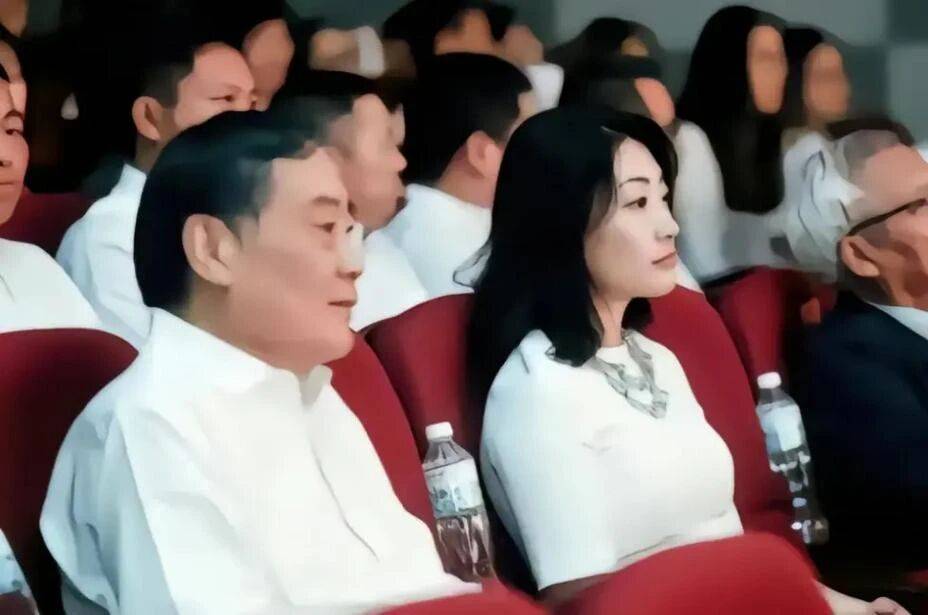
加多宝、王老吉再陷海外“王老吉”商标之争,双方均称拥有海外商标所有权
Xin Lang Cai Jing· 2025-10-10 23:52
加多宝和王老吉的海外"王老吉"商标之争继续发酵。 10月10日,加多宝集团发布关于海外"王老吉"商标所有权的声明称,加多宝集团自上世纪九十年代从王 老吉(正名王泽邦)后人手中取得祖传凉茶秘方及海外王老吉商标使用权,并于2000年初合法获得海外 王老吉商标所有权。 声明提及,为了让更多消费者认识中国的凉茶品类,加多宝集团积极开拓海外市场,在全球超过60个主 要国家和地区注册王老吉商标,巩固其市场上的地位和品牌形象。通过不断扩展营销渠道,深入市场, 加多宝集团拥有的海外王老吉品牌凉茶至今已远销全世界数十多个国家和地区。 二是关于加多宝集团蓄意误导"王老吉"境外商标的情况,王老吉称,加多宝集团所谓"侵权、假冒、不 正当竞争"的表述,是对商标法律定义的误读与误导,其通过海外离岸关联公司万捷有限公司在全球60 余个国家和地区进行恶意注册,干扰公司正常拓展海外业务。针对加多宝集团的上述恶意行径,王老吉 坚决采取维权行动。在中国澳门、中国台湾、澳大利亚、巴西、韩国、日本、德国、法国、新西兰等21 个国家/地区,以商标不使用撤销、商标无效宣告的程序对其恶意注册行为进行打击。现已有10个国家/ 地区的审理机关作出撤销其商标的决 ...
宗馥莉辞职,“娃小宗”能否扛起大旗?
2 1 Shi Ji Jing Ji Bao Dao· 2025-10-10 23:50
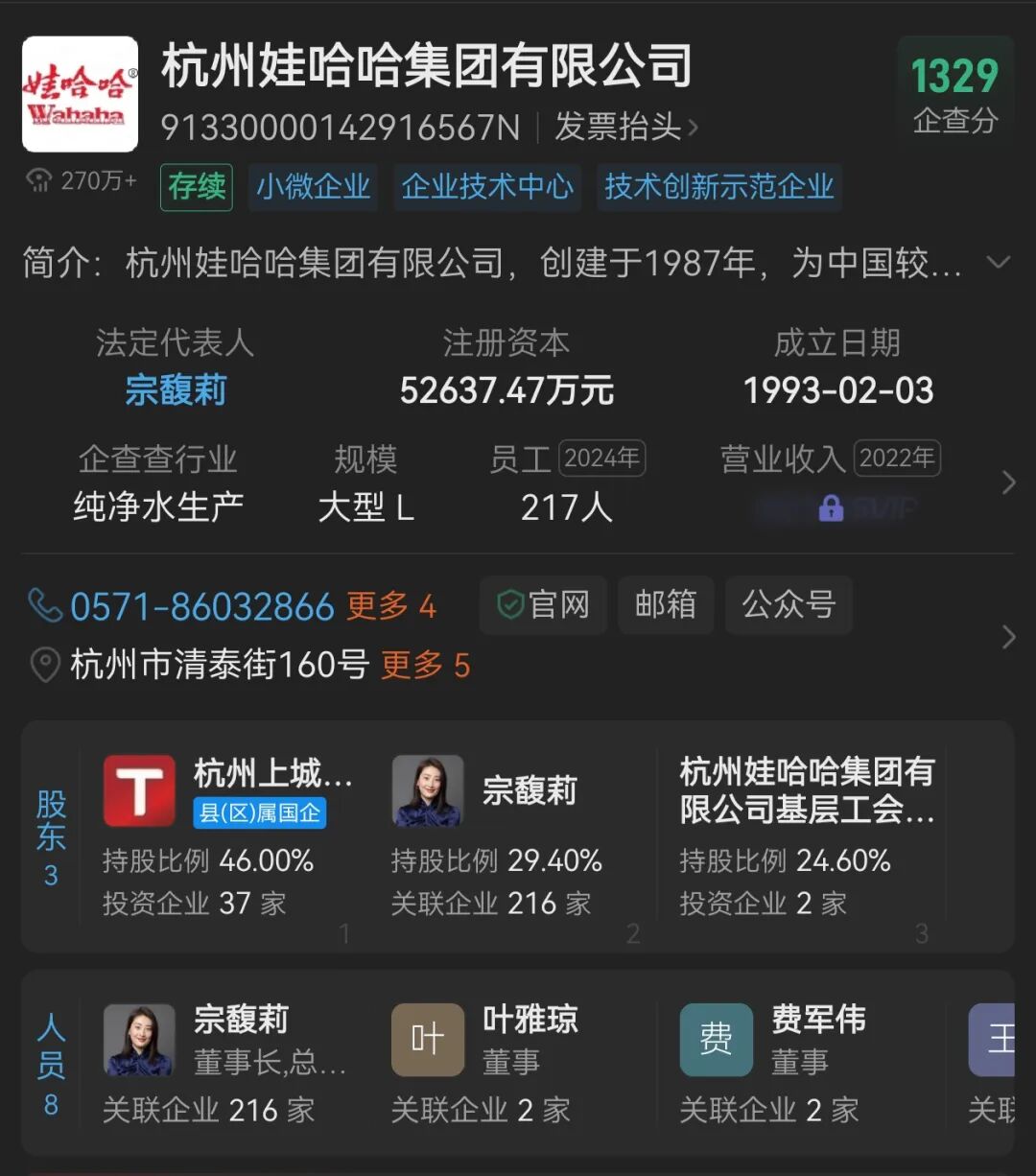
Core Viewpoint - The internal conflict within Wahaha Group has escalated, marked by the resignation of Zong Fuli from key positions, including legal representative and chairman, amid trademark usage disputes and her decision to launch a new brand, "Wawaizong" [1][4][5]. Group 1: Resignation and Leadership Changes - Zong Fuli resigned from her roles at Wahaha Group on September 12, confirmed by company insiders [1]. - Xu Simin, former legal head of Hongsheng Group, is expected to succeed Zong Fuli as chairman [2]. - This marks Zong Fuli's second resignation, previously stepping down in July 2024 due to shareholder concerns about her management [4]. Group 2: Shareholder Dynamics - Wahaha Group's ownership structure includes three main shareholders: Zong Fuli (29.40%), Hangzhou Shangcheng District Cultural Tourism Investment Holding Group (46.00%), and the Wahaha Group grassroots trade union (24.60%) [4]. - Zong Fuli's resignation has intensified visible conflicts among shareholders, prompting speculation about her future intentions [4]. Group 3: Trademark and Brand Strategy - The resignation is linked to ongoing disputes over the compliance of the "Wahaha" trademark, with Zong Fuli's new brand "Wawaizong" being a strategic pivot [5][6]. - An internal document indicated that starting from the 2026 sales year, the company would transition to the new brand "Wawaizong" to ensure compliance with trademark usage [6]. - The "Wahaha" brand is valued at over 90 billion yuan [6]. Group 4: New Brand Launch - Zong Fuli's new brand "Wawaizong" has already been introduced, featuring a sugar-free tea beverage [7]. - The effectiveness of "Wawaizong" as a competitive brand remains to be seen [8].
21评论|宗馥莉黯然辞职,难解的民企传承困局
2 1 Shi Ji Jing Ji Bao Dao· 2025-10-10 23:50
Core Insights - The recent resignation of Zong Fuli from key positions at Wahaha highlights deeper challenges within the company beyond mere personnel changes [1][2] - The transition of leadership from founder Zong Qinghou to his daughter Zong Fuli reflects a struggle between traditional management practices and modern governance approaches [3][4] Company Governance - Zong Fuli's leadership has faced internal resistance, particularly regarding accusations of "emptying" the company and legal disputes related to shareholding changes [2][4] - The company's ownership structure has shifted to a three-way balance, with Zong Fuli holding 29.40% of shares, while other stakeholders hold 46.00% and 24.60% respectively [2] - The governance model at Wahaha has been heavily influenced by its founder's "family culture," which may hinder the establishment of a more efficient modern corporate structure as the company scales [2][4] Leadership Transition - Zong Fuli's management style, influenced by Western education, emphasizes institutional governance over traditional practices, aiming to shift from "human governance" to "legal governance" [3][4] - The presence of Zong Fuli's half-siblings has added complexity to the leadership transition, indicating potential familial conflicts that could impact company stability [3][4] - Successful generational transitions in other Chinese enterprises often involve carefully designed mechanisms rather than simple position changes, highlighting the need for strategic planning in Wahaha's case [3][4] Future Outlook - The decision to rebrand to "Wah Xiaozong" from 2026 indicates a strategic pivot, but the clarity of decision-making processes and power transition plans will be crucial for Wahaha's modernization [4][5] - The ongoing challenges faced by Zong Fuli in her leadership role suggest that the focus should shift from individual successors to the establishment of a robust governance framework for the company's future [5]
宗馥莉,放下了
Hu Xiu· 2025-10-10 23:49
"Kelly总(宗馥莉)对内改革了组织体系,劝退或调整了多位此前身居要职的老人;对外,大幅度改革 经销商体系,削减了一些合作多年却未达标(宗馥莉过去一年经销商新标准)或连续经营不善的经销 商。"10月10日晚,一位知情人士向虎嗅透露。 当晚,有消息称宗馥莉辞去了娃哈哈董事长等职位。 虎嗅第一时间向娃哈哈核实,确认消息属实。虎嗅了解到,宗馥莉辞去了包括董事长、公司法人在内的 关键职务,这一辞职动作发生于9月,截至10月10日,该动作已经通过了娃哈哈董事会。 自宗馥莉于2024年8月29日正式出任娃哈哈董事长、公司法人、总经理——自此算起,宗馥莉名义上正 式掌舵娃哈哈的时间为1年14天。而此前虎嗅获悉,自2023年开始其父宗庆后已经让宗馥莉"实际上参与 公司重大决策",当时宗馥莉以副总经理身份开启了一系列改革。 也就是说,经过一年多"副王"和一年多"实王"两段岁月,不到三年,宗馥莉走完了得到、又交出娃哈哈 最高权柄的权力全周期。 "她试图在这段时间,深度改革娃哈哈,她触动了一些人的利益。"一位此前与虎嗅深度交流的娃哈哈经 销商和一位熟悉娃哈哈的人士共同表示。在今年早些时候,该熟悉娃哈哈人士透露,宗馥莉在内部推进 ...
【钛晨报】事关政务领域人工智能大模型部署,两部门最新发声;娃哈哈回应宗馥莉辞职:属实;高通公司涉嫌违反反垄断法,市场监管总局依法决定立案调查
Tai Mei Ti A P P· 2025-10-10 23:40
Group 1: AI in Government - The Central Cyberspace Affairs Commission and the National Development and Reform Commission issued guidelines for the deployment of AI large models in government sectors, emphasizing the need for practical applications based on common and frequent demands in areas like public services and decision-making [2][3] - The guidelines stress the importance of standardized deployment, advising local governments to utilize existing resources and avoid creating isolated models, while enhancing data governance to support AI model optimization [2][3] Group 2: AI Model Management - The guidelines highlight the necessity of a comprehensive management system for AI models, focusing on reducing burdens while empowering departments, and preventing "digital formalism" [3] - Continuous iteration and optimization of AI models are deemed crucial, with a call for robust security management and strict confidentiality measures to mitigate risks associated with sensitive data [3] Group 3: Market Developments - The number of new A-share accounts opened in September reached 2.9372 million, a year-on-year increase of 60.73%, marking the second-highest monthly figure this year [15] - The Hong Kong Stock Exchange reported a total market capitalization of HKD 49.9 trillion as of September 30, 2025, reflecting a 35% year-on-year increase [15] Group 4: Company News - Wahaha confirmed the resignation of its chairperson, Zong Fuli, from various leadership roles within the company [4] - Zhiyuan Robotics denied rumors regarding its plans for an IPO in Hong Kong, labeling the reports as false [5] - Zeekr Technology's CBO, Guan Haitao, announced his departure from the company amid restructuring following a merger with Geely [6] Group 5: Regulatory Updates - The China Securities Regulatory Commission released three financial industry standards aimed at enhancing data governance and promoting digital transformation within the securities and futures sectors [10][11] - The Ministry of Transport announced new port fees for U.S. vessels starting from October 14, 2025, with a phased implementation of fees based on net tonnage [12] Group 6: Industry Performance - In September, wholesale sales of new energy passenger vehicles in China reached 1.5 million units, a year-on-year increase of 22% [19] - The number of ride-hailing orders recorded in September was 758 million, showing a 3.9% decrease from the previous month [20]
王老吉、加多宝海外商标再起争端
Zhong Guo Jing Ying Bao· 2025-10-10 15:44
Core Viewpoint - The ongoing trademark dispute between Jia Duo Bao Group and Wang Lao Ji has escalated, with both companies making conflicting claims regarding the ownership and registration of the Wang Lao Ji brand internationally [1][2]. Group 1: Trademark Ownership and Dispute - Jia Duo Bao Group claims to have acquired the secret recipe and overseas trademark rights for Wang Lao Ji in the 1990s, and asserts ownership of the overseas brand, which has been exported to over 10 countries and regions [1]. - Wang Lao Ji has accused Jia Duo Bao Group of maliciously registering the Wang Lao Ji trademark in over 60 major countries, hindering its overseas business expansion [1]. - Wang Lao Ji is currently taking legal action in 21 countries and regions, including Macau and Taiwan, against Jia Duo Bao's alleged malicious trademark registrations, with 10 of these regions already deciding to revoke Jia Duo Bao's trademarks [1]. Group 2: Historical Context and Legal Proceedings - The relationship between Wang Lao Ji and Jia Duo Bao was once collaborative, with Jia Duo Bao operating Wang Lao Ji as the leading herbal tea brand until 2012, when the trademark authorization was revoked by Wang Lao Ji's parent company, Guangzhou Pharmaceutical Group [1]. - Following the revocation, both companies have engaged in prolonged litigation over patent rights, trademark rights, and advertising slogans, leading to a series of price wars in the market [1]. - In 2018, Jia Duo Bao announced the cessation of the price war, and the final rulings on the patent and advertising disputes were anticipated, suggesting a potential resolution to their ongoing conflict [2]. - However, the trademark litigation remains unresolved as Jia Duo Bao continues to appeal the unfavorable rulings [2].
娃哈哈证实:宗馥莉辞任董事长
Shang Hai Zheng Quan Bao· 2025-10-10 15:32
Core Viewpoint - The resignation of Zong Fuli from her positions at Wahaha marks a significant shift in the company's governance structure, indicating a move towards a more independent operational strategy for her new brand "Wah Xiaozong" [1][4]. Group 1: Governance Changes - Zong Fuli officially resigned from her roles as legal representative, director, and chairman of Wahaha on September 12, 2023, just over a year after taking full control [1]. - Despite her resignation, as of October 10, 2023, she remains listed as the legal representative, chairman, and general manager in the business registration records [1]. Group 2: Brand Strategy and Challenges - Zong Fuli previously attempted to transfer 387 core "Wahaha" trademarks to her food company to clarify ownership issues and strengthen control, but faced resistance due to the 46% stake held by state-owned shareholders [4]. - She has initiated new trademark registrations for "Wah Xiaozong" and "Zong Xiaohai" through her controlled Hongsheng Beverage Group, aiming to establish a distinct brand identity independent of Wahaha Group [4]. - Analysts suggest that her resignation allows her to fully focus on the "Wah Xiaozong" brand without the constraints of state-owned shareholders, potentially creating an independent operational space for her associated enterprises [4]. Group 3: Performance and Future Outlook - Under Zong Fuli's leadership, Wahaha aimed to achieve a revenue target of 70 billion yuan in 2024, with strong growth in bottled water and AD calcium milk products, although new product development remains a challenge [6]. - The company's governance stability, digital transformation, and market strategies are now under scrutiny, raising concerns about the continuation of Zong Fuli's reform initiatives [6]. - The departure of Zong Fuli highlights deeper issues within family business succession, as her aggressive reforms have faced pushback from long-standing employees [6]. - The brand's value remains intact, but the need for innovation to meet younger consumer demands is pressing, and "Wah Xiaozong" must overcome resource barriers in channels and supply chains to replicate success [6].
加多宝和王老吉,又“打起来了”
Zhong Guo Ji Jin Bao· 2025-10-10 15:17
Core Viewpoint - The ongoing trademark dispute between Jia Duo Bao and Wang Lao Ji has escalated, focusing on the overseas trademark ownership of "Wang Lao Ji" as both companies compete in international markets [2][10]. Group 1: Trademark Dispute - Wang Lao Ji accused Jia Duo Bao of maliciously registering the "Wang Lao Ji" trademark through offshore companies [2][10]. - Jia Duo Bao claims to have legally obtained the overseas trademark ownership in the 2000s and has registered it in over 60 countries [6][10]. - Both companies cite different court rulings to support their claims, highlighting contrasting legal interpretations [10][11]. Group 2: Market Competition - The trademark dispute coincides with Wang Lao Ji's launch of the "WALOVI" brand for international markets, intensifying competition [9][10]. - The global plant-based beverage market is experiencing significant growth, with a projected compound annual growth rate of nearly 10% from 2019 to 2024, making it a new battleground for domestic brands [14]. - Wang Lao Ji's overseas market revenue has increased 6.5 times over the past decade, with a compound annual growth rate exceeding 25% [14]. Group 3: Financial Performance - Wang Lao Ji's parent company, Baiyun Mountain, reported a 8.38% year-on-year increase in revenue to 6.499 billion yuan and a 15.87% increase in net profit to 1.295 billion yuan in the first half of 2025 [14]. - Jia Duo Bao is also expanding its overseas presence, particularly in Southeast Asia and Hong Kong, and has established a factory in Malaysia [14].