酒业

Search documents
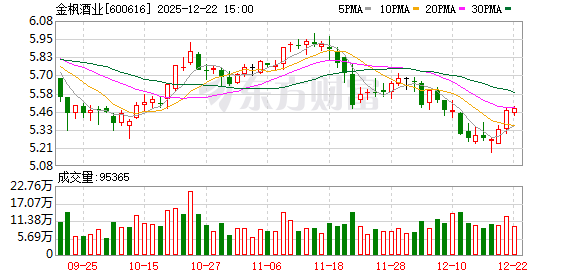
金枫酒业:公司高度重视国家扩大内需、刺激消费的政策导向
Zheng Quan Ri Bao· 2025-12-22 13:56
Core Viewpoint - The company emphasizes its commitment to leveraging national policies aimed at expanding domestic demand and stimulating consumption, focusing on optimizing product layout and enhancing profitability through cost reduction and channel optimization [2] Group 1 - The company will actively seize opportunities related to national policies and continuously optimize its product layout [2] - The focus will be on core business operations, aiming to solidify the foundation for growth through cost reduction and efficiency improvements [2] - The company plans to enhance its profitability while concentrating on product innovation and expanding its market presence [2]


以“中国郎伙伴计划”凝聚终端,郎酒以江苏为起点蓄力全国市场
21世纪经济报道· 2025-12-22 11:47
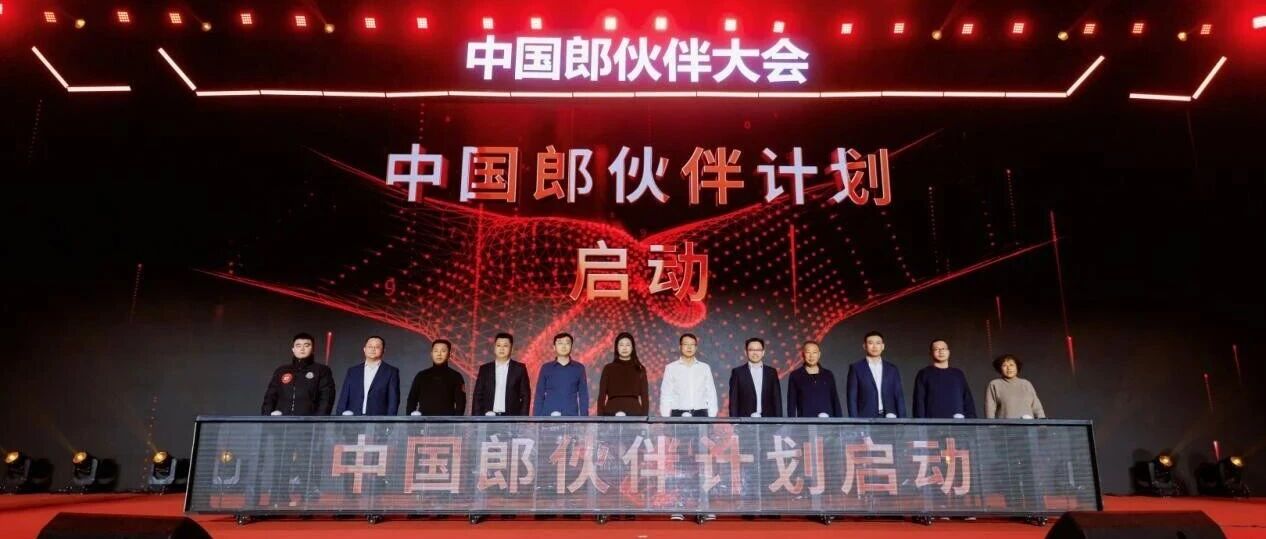
Core Viewpoint - The "China Lang Partner Plan" is launched as a comprehensive brand strategy aimed at strengthening channel foundations and empowering terminals, with Jiangsu Nanjing as the first stop for implementation [1][3][4]. Group 1: "China Lang Partner Plan" Launch - The plan emphasizes the importance of channel partners and distributors as valuable resources for the company [4]. - Four commitments are made to address core terminal demands: enhancing service support, resource allocation to high-star partners, ensuring reasonable profits, and maintaining a long-term perspective [4][5]. - The company aims to establish Jiangsu as a strategic development market, focusing on deep market penetration and consumer cultivation [4][5]. Group 2: Market Strategy and Execution - The company plans a "three-year saturation attack" strategy, utilizing a tailored approach for each region and distributor [9][15]. - There are over 60,000 existing channel networks in Jiangsu, which will be enhanced through a tiered management system [9][15]. - The company has previously achieved significant sales in Jiangsu, with a record of 2 billion in sales, indicating a strong market presence [13]. Group 3: Brand Activities and Consumer Engagement - The company is leveraging high-profile brand events, such as the "China Lang Night" and "Red Flower Lang Spring Festival Season," to enhance brand recognition and consumer connection [11][12]. - The brand aims to create a strong brand atmosphere in Jiangsu through continuous and intensive brand exposure [15][17]. - The integration of quality, brand, and taste is emphasized as a strategy to strengthen relationships with channel partners and enhance customer loyalty [15][17]. Group 4: Future Outlook - The success of the Jiangsu campaign will serve as a test for the effectiveness of the integrated market strategy, which could be replicated in other core markets [17]. - The company is positioned to adapt to industry adjustments and reshape market dynamics through its strategic initiatives in Jiangsu [17].
以“中国郎酒伙伴计划”凝聚终端,郎酒以江苏为起点蓄力全国市场
Jiang Nan Shi Bao· 2025-12-22 03:17
Core Viewpoint - The launch of the "China Lang Partner Plan" marks a strategic initiative by Langjiu to strengthen its brand and channel network in Jiangsu, aiming for a long-term partnership with distributors and channel partners [1][2][4] Group 1: Strategic Initiatives - The "China Lang Partner Plan" is a nationwide brand strategy, with Jiangsu as the first implementation site [1] - Langjiu aims to solidify its market presence in Jiangsu through a "three-year saturation attack" strategy [2][6] - The company emphasizes a shift from a transactional relationship to a value partnership with distributors, fostering a shared destiny [4][9] Group 2: Commitments and Support - Langjiu has made four key commitments to its partners, including enhanced service support, resource allocation, profit assurance, and a focus on long-term relationships [3][4] - The company plans to implement a 1-5 star grading system for channel partners, providing lifecycle services [3] - Langjiu will concentrate resources on high-star partners, ensuring they receive adequate support and profitability [3][4] Group 3: Market Dynamics - Jiangsu is identified as a strategic development market due to its historical significance and high consumption potential in the liquor industry [7][8] - Langjiu has over 60,000 existing channel networks in Jiangsu, which will be enhanced through the new plan [5][7] - The company has previously achieved significant sales in Jiangsu, indicating a strong foundation for its renewed efforts [7] Group 4: Brand Engagement - Langjiu is leveraging high-profile brand events, such as the "Chinese New Year Gala," to reconnect with consumers and enhance brand visibility [6][8] - The "China Lang Night" events are set to take place in Jiangsu, further promoting brand engagement and consumer connection [6][8] - The focus on quality, brand, and taste is integral to Langjiu's strategy, ensuring a cohesive approach from production to market [8] Group 5: Future Outlook - The success of the Jiangsu strategy will serve as a model for Langjiu's expansion into other key markets across the country [9] - The current industry adjustment period presents an opportunity for Langjiu to reshape its market position and drive growth [9]
郝鸿峰启动“奔跑计划”,看酒仙何以逆燃“增长之火”?
Xin Lang Cai Jing· 2025-12-20 12:58
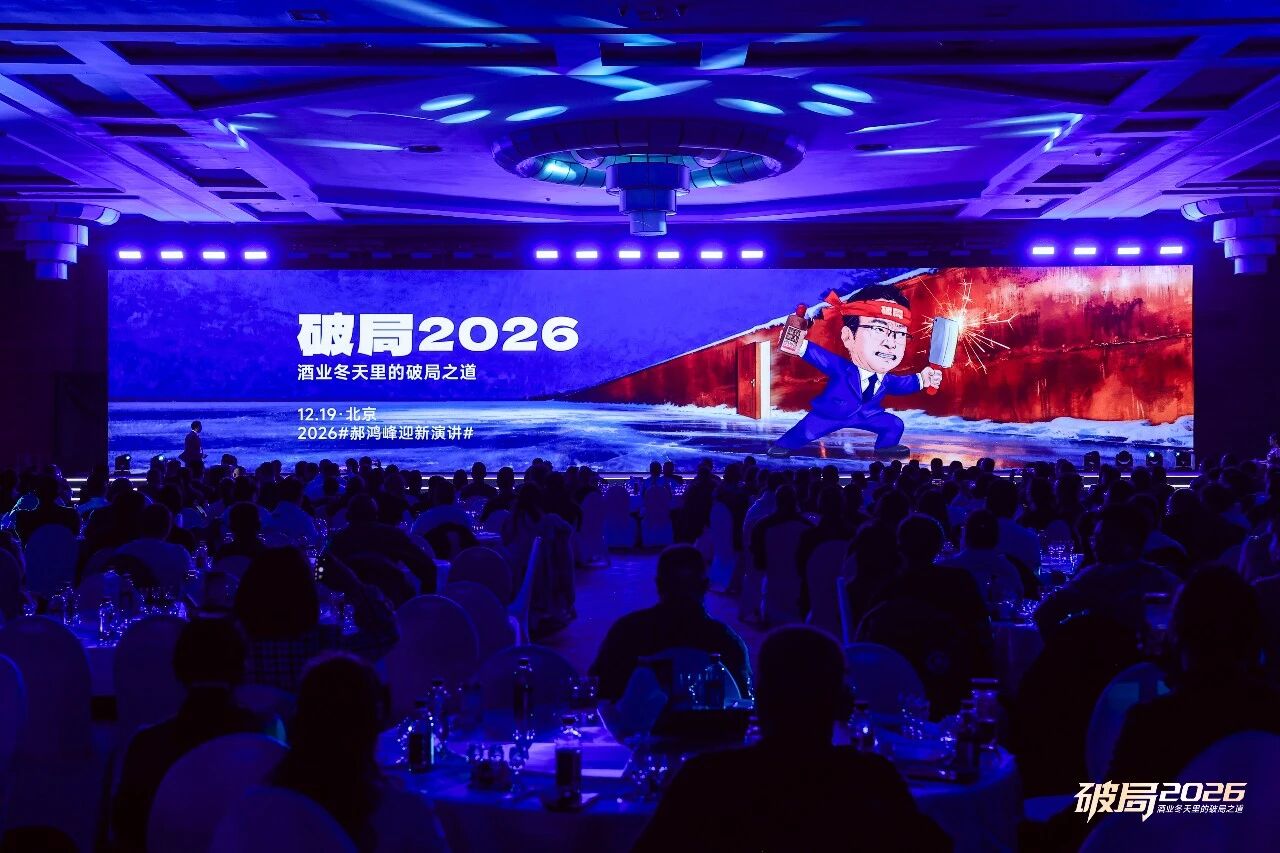
2025年的中国酒业,正经历一场深层次的行业洗牌:99%的名酒价格倒挂,半数烟酒店面临生死考验,经销商在去库存与保利润之间艰难挣扎。当"躺平"与 观望成为行业常态,酒仙集团却选择逆势启动"奔跑计划",在凛冬中跑出了一条逆势上扬的增长曲线。 12月19日,酒仙集团"破局2026——酒业冬天里的破局之道"郝鸿峰迎新演讲于北京举办。董事长郝鸿峰以一句话总结其突围心法:"当别人选择'躺平'时,我 们只要站起来,便已战胜80%的同行;当我们全力跑起来,就能赢过99%的竞争者。" 这句话背后,不仅是一家企业的行动哲学,更代表了一种主动进化的商业态度。它重新定义了行业调整期的生存逻辑:低谷,不是终点,而是价值回归与专 业主义崛起的真正起点。 逆流而上:不纠结、不矫情、不抱怨、拼命干 2025年的市场寒意刺骨。郝鸿峰用数据勾勒出严峻现实:名酒价格普遍下滑超30%,六七八月份市场呈断崖式下跌,悲观与观望蔓延,80%的从业者选择了 收缩与停滞。 然而,酒仙集团选择了截然相反的道路——加速奔跑。"行情越冷,越要动起来。"郝鸿峰表示,"别人减少出差,我们增加走访;别人砍掉市场费用,我们 加大品鉴会投入;别人停止学习,我们组织跨行业研 ...
从价格倒挂到渠道冲突,“十五五”酒业面临哪些待解难题?
Xin Lang Cai Jing· 2025-12-20 12:58
Core Insights - The article emphasizes that the challenges faced by the Chinese liquor industry, particularly the baijiu sector during the "14th Five-Year Plan" (2021-2025), are structural and stem from strategic misalignments in industry transformation, market changes, and consumer trends rather than specific corporate failures [1] Group 1: High-End Strategy and Market Dynamics - Many liquor companies equate growth strategies during the "14th Five-Year Plan" with product premiumization and continuous price increases, leading to price bubbles and inventory accumulation [2] - Some enterprises have strayed from their core consumer base by overly pursuing high-end products, resulting in a disconnect between product structure and actual consumer demand [4] - The industry has been slow to react to potential policy impacts, such as real estate adjustments and strict alcohol bans, leading to over-optimistic production and sales targets based on past growth expectations [5] Group 2: Youth Engagement and Internationalization - While companies recognize the need to attract younger consumers, many efforts remain superficial, failing to address the fundamental consumption experience and cultural narratives that resonate with this demographic [6] - Progress in internationalization has been slow, with Chinese baijiu primarily relying on the Chinese diaspora rather than penetrating mainstream markets in Europe and America, facing significant cultural and regulatory barriers [8] Group 3: Innovation and Competition - Traditional liquor companies, especially in the baijiu, yellow wine, and wine sectors, show conservative and slow innovation in response to competition from diverse alcoholic beverages, leading to a loss of market share [9][10] - The beer industry has seen relative success with a solid high-end strategy, but some regional markets may have overextended their premium offerings, creating gaps for competitors [13] Group 4: Digital Transformation and Channel Conflicts - Many liquor companies have pursued digital transformation, but some have inadvertently created conflicts with traditional distribution channels by bypassing distributors, undermining long-standing channel ecosystems [11] - The baijiu sector has particularly struggled with this issue, as some second-tier brands have blindly followed high-end pricing strategies, leading to market vulnerabilities [11] Group 5: Overall Industry Challenges and Future Outlook - The core issues in the Chinese liquor industry can be attributed to a reliance on successful past strategies, resulting in collective unpreparedness for new environments and trends [13] - As the industry enters the latter half of the "14th Five-Year Plan," adjustments are being made, including inventory reduction, price stabilization, and a focus on mid-range products, indicating a shift towards healthier and more sustainable development [13]

多国华商组团探访佛山禅城 共探产业与文化合作新机遇
2 1 Shi Ji Jing Ji Bao Dao· 2025-12-20 02:30
Core Insights - The visit of over 70 overseas Chinese business elites to Zhancheng highlights the region's industrial vitality and cultural heritage, showcasing investment opportunities in urban manufacturing, industrial services, commercial consumption, and Lingnan cultural preservation [1][2] Group 1: Economic Development - Zhancheng's GDP for the first nine months of the year reached 178.632 billion, with a year-on-year growth of 2.3% [1] - The region is recognized as the highest density area for economic activity in Foshan, hosting over 30% of the city's technology service institutions and premium legal resources [2] - The cultural and creative industries in Zhancheng are experiencing significant growth, with the revenue of the cultural and entertainment sector increasing by 12.4% year-on-year, maintaining double-digit growth for 22 consecutive months [2] Group 2: Investment Opportunities - Zhancheng is actively inviting overseas Chinese businesses to establish R&D centers, regional headquarters, and joint ventures, emphasizing its robust manufacturing base and cultural depth [2] - The local government is focused on creating a favorable business environment and a strong industrial ecosystem to attract entrepreneurs [2][3] - The integration of traditional cultural elements with modern creative industries is seen as a source of innovative inspiration for investors [1][3] Group 3: Cultural and Community Engagement - Zhancheng is enhancing its appeal as a leisure destination, with initiatives to improve urban spaces and promote local cultural events [3] - The region's rich cultural heritage, including ceramics and lion dance traditions, is viewed as a unique asset that complements its industrial strengths [1][4] - The collaboration with overseas Chinese business groups is expected to drive local industry upgrades and foster cultural and commercial tourism integration [4]
酒仙集团郝鸿峰点赞珍酒李渡吴向东:做生意最高境界是闷声发大财,他却勇敢站在镜头前
Xin Lang Cai Jing· 2025-12-19 09:46
12月19日,酒仙集团董事长兼总裁郝鸿峰发表迎新演讲,主题为"酒业冬天里的破局之道"。 郝鸿峰表示,要致敬那些勇敢的站在镜头前的老板们。他直言到,做生意的最高境界是闷声发大财,在 被窝里悄悄的数钱,老板抛头露面心理压力很大。"但是在今天这种行情下,你不抛头露面能行吗?" "当别人都豁出去的时候,你还在躲在角落里边,谁能知道你的品牌呢?"他提到,今年,在中国酒行业 中非常成功的老板,就是珍酒李渡集团的老板吴向东,他是中国酒类行业中第一个勇敢站到镜头前的一 个大老板。 "像我这样的人站在舞台上,那很正常,因为我们还没有成功,我们还在创业的路上。但是吴老板已经 拥有了两家上市公司。"郝鸿峰说。 新浪声明:所有会议实录均为现场速记整理,未经演讲者审阅,新浪网登载此文出于传递更多信息之目 的,并不意味着赞同其观点或证实其描述。 责任编辑:李昂 郝鸿峰表示,要致敬那些勇敢的站在镜头前的老板们。他直言到,做生意的最高境界是闷声发大财,在 被窝里悄悄的数钱,老板抛头露面心理压力很大。"但是在今天这种行情下,你不抛头露面能行吗?" "当别人都豁出去的时候,你还在躲在角落里边,谁能知道你的品牌呢?"他提到,今年,在中国酒行业 中 ...
为什么很努力了但还没有挣到钱?郝鸿峰:方向选错了、工具没选对
Xin Lang Cai Jing· 2025-12-19 09:12
12月19日,酒仙集团董事长兼总裁郝鸿峰发表迎新演讲,主题为"酒业冬天里的破局之道"。 12月19日,酒仙集团董事长兼总裁郝鸿峰发表迎新演讲,主题为"酒业冬天里的破局之道"。 郝鸿峰谈到,如果你很努力了,但是还没有挣到钱,不外乎因为有两个原因: 郝鸿峰谈到,如果你很努力了,但是还没有挣到钱,不外乎因为有两个原因: 第一个原因,是方向选错了。"你就不应该去做那一件事。" 第二个原因,是工具没有选对。"当我们已经进入飞机时代、高铁时代的时候,你还抱着一头毛驴,念 念不忘说这是祖传的技巧。今天,我们每个人都必须要跟上时代。" 郝鸿峰表示,不管是60岁还是70岁,如果不拥抱变化、不跟上时代、不用上工具,那么就会被市场所淘 汰。他强调,好的工具,可以让我们的效率能够倍增。 新浪声明:所有会议实录均为现场速记整理,未经演讲者审阅,新浪网登载此文出于传递更多信息之目 的,并不意味着赞同其观点或证实其描述。 责任编辑:李昂 第一个原因,是方向选错了。"你就不应该去做那一件事。" 第二个原因,是工具没有选对。"当我们已经进入飞机时代、高铁时代的时候,你还抱着一头毛驴,念 念不忘说这是祖传的技巧。今天,我们每个人都必须要跟上时代 ...
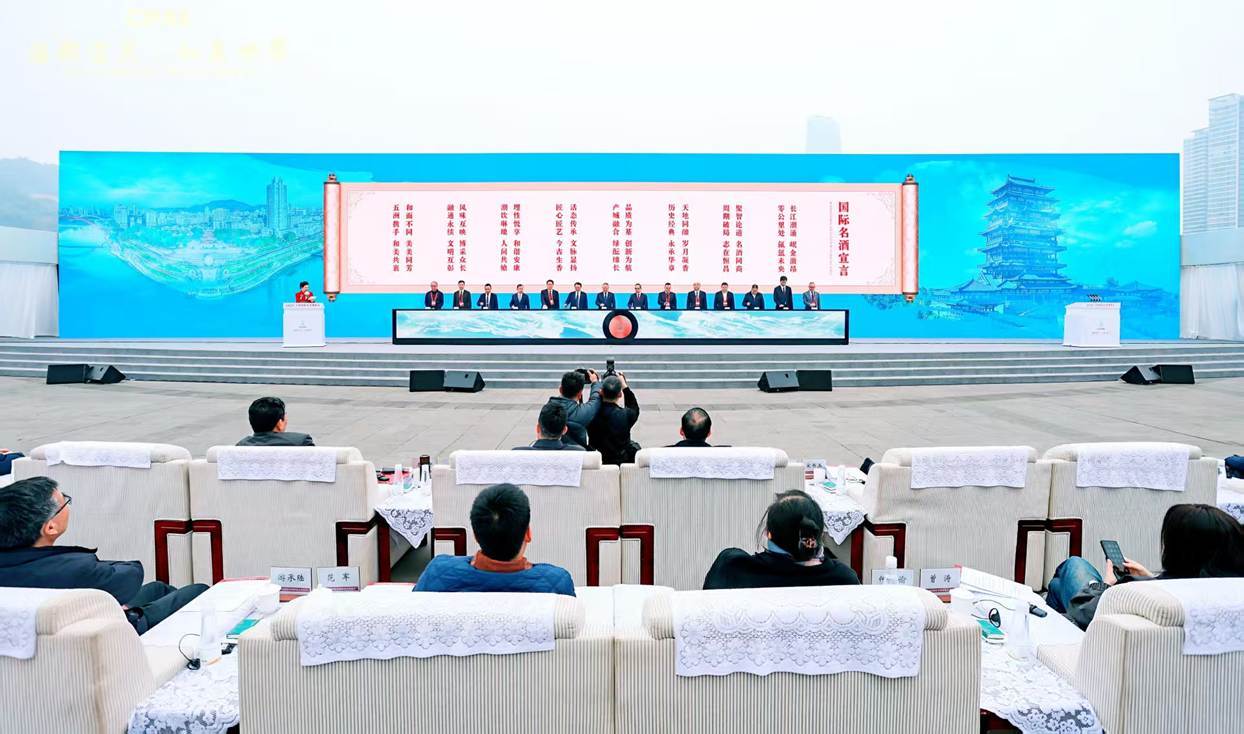
《国际名酒宣言》在中国酒都四川宜宾发布
Huan Qiu Wang· 2025-12-19 08:57
以长江起点的名义庄严宣告:我们,是国际名酒的践行者与引领者,让我们以开放之合作,开创世界酒业繁荣、永续发展的崭新纪元! 参与并共同发布《国际名酒宣言》的企业及嘉宾分别是中国酒业协会理事长宋书玉,中国贵州茅台酒厂(集团)有限责任公司党委书记、董事长陈华,五粮 液集团(股份)党委书记、董事长曾从钦,泸州老窖股份有限公司党委书记、董事长刘淼,江苏洋河酒厂股份有限公司党委书记、董事长顾宇,古井集团党 委书记、董事长梁金辉,山西杏花村汾酒集团有限责任公司党委专职副书记、副董事长李振寰,劲牌有限公司总裁王楠波,四川郎酒股份有限公司总经理汪 博炜,陕西西凤酒厂集团有限公司总经理张周虎,四川剑南春(集团)有限责任公司副总经理田锋,习酒集团党委委员、副总经理刘安勇,舍得酒业股份有 限公司副总裁饶家权以及法国保乐力加中国副总裁陈伟等。 (文/王建明 徐嘉美 图/宜宾融媒) 12月19日上午,2025中国国际名酒博览会在中国酒都——四川宜宾开幕。会上,来自国内酒业行业头部企业代表以及法国保乐力加中国区代表共同发布了 《国际名酒宣言》。 ...
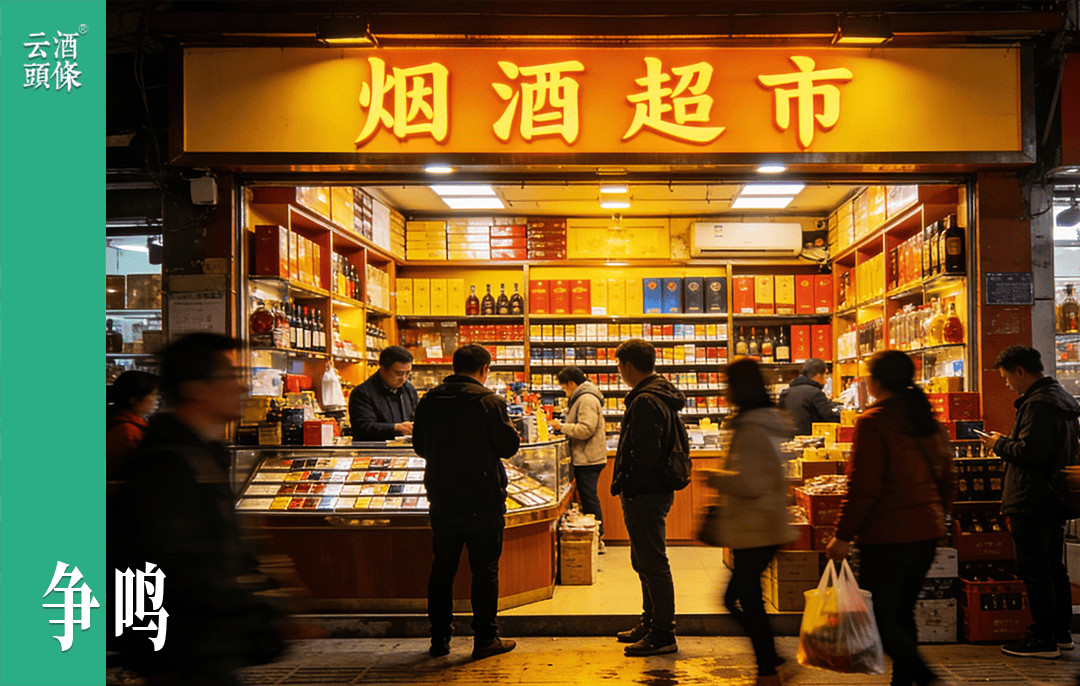
终端豹变,供需两线变一线丨林枫谈2026①
Sou Hu Cai Jing· 2025-12-19 08:51
Core Insights - The industry is experiencing a contraction, necessitating a shift in mindset and resource allocation to adapt to the current economic climate and develop new capabilities [2][21] - Companies that have successfully anticipated market changes and upgraded their marketing strategies have shown growth, even in a challenging environment [2][3] Group 1: Industry Challenges - The traditional supply-demand model is becoming unbalanced due to environmental changes, leading to inefficiencies in resource allocation and marketing strategies [3] - The decline in consumption and fragmented media has disrupted the effective cultivation of consumer demand, resulting in unsold products and wasted investments [3][4] Group 2: Marketing Evolution - The industry has responded by increasing experiential marketing efforts, such as tasting events and brand experiences, but these efforts often fail to create effective brand narratives [4] - The outdated transactional model in the industry limits the potential of retail channels, particularly in the context of evolving consumer expectations [5][6] Group 3: Retail Channel Dynamics - The emergence of influential retail channels, particularly smoke shops, has transformed the marketing function, allowing for a more integrated supply-demand relationship [5][6] - Retailers are becoming pivotal in brand promotion and consumer trust, with their influence directly impacting product success in local markets [6][7] Group 4: Transactional Model Issues - The current transactional model leads to price confusion and undermines retailer motivation, creating a detrimental cycle for both manufacturers and retailers [7] - Multiple distributors for a single product create market chaos, harming the overall sales environment [7] Group 5: Strategic Recommendations - Companies need to shift their focus from traditional transaction-based models to a more integrated approach that emphasizes brand value and consumer engagement [21] - Implementing systematic changes in marketing strategies, including the use of digital tools and enhanced retailer relationships, is essential for future success [8][21]