零售业

Search documents
别了,蓝岛!33岁京城老牌商业地标谢幕,静待新篇
Hua Xia Shi Bao· 2026-01-23 13:43
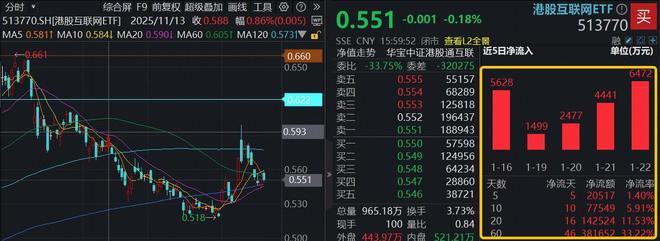
Core Viewpoint - The Blue Island Building in Beijing, after 33 years of operation, will officially close on February 28, 2024, due to declining sales and competition from new consumption trends [2][6]. Group 1: Current Status of Blue Island Building - The building, once a popular shopping destination, is now undergoing clearance sales with promotions like "up to 70% off" as it prepares to close [4][5]. - Many stores within the mall are already vacant, and some have ceased operations, indicating a significant decline in foot traffic and consumer interest [5][6]. - The mall's interior shows signs of wear, with areas marked as "under construction" but lacking active renovation efforts [5][6]. Group 2: Historical Context and Previous Renovations - Opened in January 1993, Blue Island Building was once a leading commercial entity in Beijing, achieving sales of 1.36 billion yuan in 1996 [8]. - The mall has undergone several renovations, including a partial upgrade starting in 2010 and a more recent attempt in 2021 to modernize its offerings, but these efforts have not yielded the desired results [8][9]. Group 3: Future Plans and Urban Renewal - The upcoming renovation project is part of a broader urban renewal initiative in Chaoyang District, aiming to modernize the building's facilities and design [9][10]. - The renovation will be designed by a top global architectural firm and aims to create a landmark building with a modern aesthetic [9][10]. - Experts suggest that the success of such renovations will depend on accurately targeting consumer demographics and innovating shopping experiences to avoid homogenization [10].

南宁百货:2025年年度业绩预亏公告
Zheng Quan Ri Bao· 2026-01-23 13:41
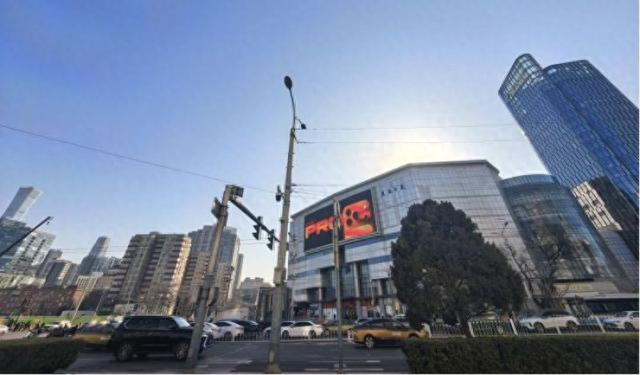
Core Viewpoint - Nanning Department Store expects a significant increase in net losses for the year 2025 compared to the previous year [2] Financial Performance - The company anticipates a net profit attributable to shareholders of approximately -39.6 million yuan for 2025, compared to -31.63 million yuan in the previous year [2] - The expected net profit after deducting non-recurring gains and losses for 2025 is around -74.6 million yuan, up from -53.14 million yuan in the prior year [2]

2025年我国批发和零售业增加值同比增长5.0%
Jing Ji Guan Cha Wang· 2026-01-23 12:36
Core Viewpoint - The wholesale and retail industry in China is projected to achieve a value-added output of 14.6 trillion yuan in 2025, marking a year-on-year growth of 5.0%, which is a historical high [1] Group 1: Industry Growth - The wholesale and retail sector is experiencing a positive growth momentum, contributing significantly to the expansion of domestic demand and the establishment of a robust domestic market [1] - Retail sales from warehouse membership stores and unmanned stores are maintaining double-digit growth [1]
2025年重庆离境退税实退税额同比增长近4倍
Shang Wu Bu Wang Zhan· 2026-01-23 11:50
Group 1 - In 2025, Chongqing saw a record high of over 760,000 inbound foreign travelers, with the amount of tax refunds processed increasing nearly fourfold year-on-year [1] - The Ministry of Commerce and the State Taxation Administration, among other departments, issued a notice in April 2025 to further optimize the departure tax refund policy and expand inbound consumption [1] - By the end of December 2025, the total number of departure tax refund stores in Chongqing increased to 290, including 50 "immediate refund" stores [1] Group 2 - In August 2025, Chongqing upgraded the existing "immediate refund" model from individual stores to a "concentrated refund" model in commercial districts, establishing four concentrated refund points [1] - From July 2025, the Chongqing and Sichuan tax authorities launched a mutual recognition service for the "immediate refund" process, allowing foreign travelers to complete tax refund verification at either Chengdu Tianfu International Airport or Chongqing Jiangbei International Airport [2] - Between July and December 2025, 157 mutual recognition tax refund verifications were successfully processed for foreign travelers in the two regions [2]
商务部:2025年我国批发和零售业增加值14.6万亿元
Zhong Guo Xin Wen Wang· 2026-01-23 07:26
Core Insights - The wholesale and retail industry in China is projected to achieve a value-added of 14.6 trillion yuan in 2025, with a year-on-year growth of 5.0%, accounting for 10.4% of GDP, marking a historical high [1] - The market is showing stable growth, with significant increases in both wholesale and retail sectors [1] Wholesale Sector - In 2025, the transaction volume of key monitored commodity markets is expected to grow by 3.6% year-on-year, with profit increasing by 9.7% [1] - The industrial consumer goods market is anticipated to see a transaction volume growth of 9.1% [1] Retail Sector - The total retail sales of consumer goods are projected to reach 44.3 trillion yuan in 2025, with a year-on-year growth of 3.8%, an increase of 0.6 percentage points compared to 2024 [1] - Retail sales in convenience stores, supermarkets, specialty stores, and department stores are expected to grow by 5.5%, 4.3%, 2.6%, and 0.1% respectively, while warehouse membership stores, collective stores, and unmanned stores maintain double-digit growth [1] Urban Market Dynamics - The urban commercial development is progressing steadily, with foot traffic and sales in monitored pedestrian streets and business circles increasing by 5.2% and 4.3% year-on-year respectively [1] - The construction of convenient living circles in 210 cities has reached 8,132, serving 168 million residents [1] Rural Market Development - The county-level commercial system has been continuously improved, with 189,000 various commercial outlets established or renovated [2] - The retail sales of consumer goods in rural areas are projected to reach 6.8 trillion yuan in 2025, growing by 4.1%, which is 0.5 percentage points higher than urban areas [2] E-commerce Growth - Rural e-commerce is thriving, with a year-on-year growth of 6.7% in online retail sales and 9.9% in agricultural product online retail sales [2] Consumer Trends - The "old-for-new" policy has shown significant results, with over 192 million home appliances and 9.1 million digital products replaced [2] - Retail sales of household appliances and audio-visual equipment are expected to reach 1.17 trillion yuan, growing by 11%, while communication equipment sales are projected at 1 trillion yuan, with a growth of 20.9% [2] - Traditional brands are gaining popularity, with 271 "Old Brand Carnival" events held, generating 22.66 billion yuan in sales [2]
2025年我国批发和零售业增加值14.6万亿元
Xin Hua Wang· 2026-01-23 07:25
Group 1 - The core viewpoint is that the Ministry of Commerce is promoting high-quality development in the wholesale and retail sectors, with a projected value of 14.6 trillion yuan in 2025, reflecting a 5.0% year-on-year growth and accounting for 10.4% of GDP, marking a historical high [1] - The wholesale sector is expected to see a transaction value growth of 3.6% and a profit growth of 9.7% in 2025, with industrial consumer goods market transactions increasing by 9.1% [1] - The retail sector is projected to reach a total retail sales value of 44.3 trillion yuan in 2025, with a year-on-year growth of 3.8%, an increase of 0.6 percentage points compared to 2024 [1] Group 2 - Urban commercial development is progressing steadily, with foot traffic and sales in monitored pedestrian streets and commercial circles increasing by 5.2% and 4.3% respectively in 2025 [2] - The rural consumption retail value is expected to reach 6.8 trillion yuan in 2025, with a year-on-year growth of 4.1%, surpassing urban growth by 0.5 percentage points [2] - E-commerce in rural areas is thriving, with a year-on-year growth of 6.7% in overall rural online retail and 9.9% in agricultural product online retail in 2025 [2] Group 3 - The "old for new" policy has led to significant results, with over 192 million home appliances and 91 million digital products replaced since its implementation [3] - Retail sales of home appliances and audio-visual equipment are projected to reach 1.17 trillion yuan in 2025, growing by 11%, while communication equipment sales are expected to hit 1 trillion yuan, reflecting a 20.9% increase [3] - Traditional brands are gaining popularity, with events boosting sales by 22.6 billion yuan in 2025, and dining transactions for time-honored brands increasing by 21.6% [3]
商务部:2025年我国批发和零售业增加值14.6万亿元 同比增长5.0%
智通财经网· 2026-01-23 07:02
Core Insights - The wholesale and retail industry in China is projected to achieve a value-added of 14.6 trillion yuan in 2025, with a year-on-year growth of 5.0%, accounting for 10.4% of GDP, marking a historical high [2][3] - The industry is expected to support the expansion of domestic demand and the construction of a strong domestic market [2] Wholesale Sector - In 2025, the transaction volume of key monitored commodity markets is expected to grow by 3.6% year-on-year, with profit increasing by 9.7% [2] - The industrial consumer goods market is projected to see a transaction volume growth of 9.1% [2] Retail Sector - The total retail sales of consumer goods are anticipated to reach 44.3 trillion yuan in 2025, with a year-on-year growth of 3.8%, an increase of 0.6 percentage points compared to 2024 [2][3] - Retail sales growth for convenience stores, supermarkets, specialty stores, and department stores is expected to be 5.5%, 4.3%, 2.6%, and 0.1% respectively, while warehouse membership stores, collective stores, and unmanned stores are projected to maintain double-digit growth [2] Urban and Rural Market Dynamics - The foot traffic and sales in 78 monitored pedestrian streets and commercial circles are expected to grow by 5.2% and 4.3% year-on-year respectively [3] - The retail sales of consumer goods in rural areas are projected to reach 6.8 trillion yuan, with a year-on-year growth of 4.1%, outpacing urban growth by 0.5 percentage points [3] - Rural e-commerce is thriving, with a year-on-year growth of 6.7% in online retail sales and 9.9% in agricultural product online retail sales [3] Consumer Trends - The "trade-in" policy for consumer goods has shown significant results, with over 192 million home appliances and 9.1 million digital products traded in [4] - Retail sales of household appliances and audio-visual equipment are expected to reach 1.17 trillion yuan, growing by 11% year-on-year, while communication equipment sales are projected to reach 1 trillion yuan, with a growth of 20.9% [4] - Traditional brands are gaining popularity, with events promoting "old brands" generating sales of 22.66 billion yuan [4]
商务部流通发展司负责人谈2025年我国批发和零售业发展情况
Shang Wu Bu Wang Zhan· 2026-01-23 06:43
Group 1: Wholesale and Retail Industry Development - In 2025, the value added of China's wholesale and retail industry is projected to reach 14.6 trillion yuan, with a year-on-year growth of 5.0%, accounting for 10.4% of GDP, marking a historical high [1] - The wholesale sector is expected to see a transaction volume growth of 3.6% and profit growth of 9.7%, with industrial consumer goods market transaction volume increasing by 9.1% [1] - The retail sector's total commodity retail sales are anticipated to reach 44.3 trillion yuan, growing by 3.8% year-on-year, with an acceleration of 0.6 percentage points compared to 2024 [1] Group 2: Urban and Rural Market Dynamics - In 2025, foot traffic and sales in 78 monitored pedestrian streets and commercial circles are expected to grow by 5.2% and 4.3% respectively [2] - The cumulative construction of convenient living circles in 210 cities has reached 8,132, involving 1.954 million commercial outlets and serving 168 million residents [2] - Rural retail sales are projected to reach 6.8 trillion yuan, with a year-on-year growth of 4.1%, outpacing urban growth by 0.5 percentage points [2] Group 3: Consumer Goods and Market Trends - The "trade-in" policy for consumer goods has led to significant results, with over 192 million home appliances and over 91 million digital products traded in [3] - Retail sales of household appliances and audio-visual equipment are expected to reach 1.17 trillion yuan, growing by 11% year-on-year, while communication equipment retail sales are projected to reach 1 trillion yuan, with a growth of 20.9% [3] - The popularity of traditional brands is evident, with 271 "Old Brand Carnival" events held, generating online and offline sales of 22.66 billion yuan [3]
平头哥独立上市,阿里涨超4%,小米放出回购大招!港股互联网ETF(513770)涨逾1%,份额突破260亿份新高
Xin Lang Cai Jing· 2026-01-23 02:01
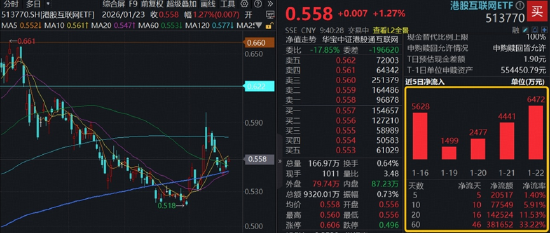
1月23日,港股早盘高开,恒科指涨0.96%,阿里巴巴-W盘初涨超4%。据媒体援引知情人士报道,阿里 巴巴正准备推进旗下AI芯片制造企业"平头哥"独立上市。据悉,平头哥是阿里巴巴于2018年成立的半导 体芯片公司,由阿里集团从收购的中天微系统及阿里达摩院内部芯片团队整合而来,重点聚焦AI芯片 与RISC - V生态技术。 此外,小米集团-W涨超3%,1月22日,小米公告称,公司已与一家独立经纪商签订协议,该经纪商将 根据经纪协议所记载的预定参数在港交所回购不超过25亿港元小米集团的B类普通股。此项自动股份回 购计划将于1月23日正式启动。 哔哩哔哩-W、美团-W、快手-W、腾讯控股跟涨,港股AI核心资产——港股互联网ETF(513770)高开 高走,场内价格现涨1.27%。 AI主线继续活跃。阿里旗下芯片公司平头哥拟独立上市,有望为行情带来了新的催化剂。分析认为, AI仍是全球科技创新的主线,预计国内互联网大厂的业绩将保持稳定增长,港股科技巨头可能是产业 趋势和基本面趋势共振的方向。 值得注意的是,港股互联网板块近期获资金密集涌入。上交所数据显示,港股互联网ETF(513770)近 20日累计获资金净流入14 ...
ETF盘前资讯|中概股大涨,阿里巴巴涨超5%,平头哥拟独立上市!港股互联网ETF(513770)低位揽金,逾14亿巨资进场
Jin Rong Jie· 2026-01-23 01:23
Group 1 - The market sentiment has improved significantly due to the easing of overseas geopolitical conflicts and trade friction, with US stocks rising and Chinese concept stocks performing well, particularly the Nasdaq China Golden Dragon Index which increased by 1.58% [1] - Alibaba has decided to support its subsidiary, Pingtouge, in pursuing an independent IPO, which is expected to have significant implications for both Alibaba and the Chinese semiconductor industry [1] - The Hong Kong stock market has shown volatility, with the Hong Kong Internet ETF (513770) experiencing a slight decline of 0.18%, but it has seen a net inflow of 1.425 billion yuan over the past 20 days, indicating strong buying interest [1] Group 2 - The commercialization of AI applications is accelerating, with Hong Kong internet stocks positioned as core beneficiaries, expected to receive ongoing catalysts [3] - Alibaba's Qianwen has integrated into the Taobao ecosystem to create a one-stop AI service application, while Kuaishou's AI model has surpassed 12 million active users, and Meituan has upgraded its app with AI search capabilities [3] - Analysts suggest that AI applications will become a core theme in the 2026 market, with a focus on internet platform companies that have traffic entry advantages [3] Group 3 - The Hong Kong Internet ETF (513770) tracks the CSI Hong Kong Internet Index, with Alibaba-W being the largest weighted stock at 14.71%, and the top ten weighted stocks collectively accounting for nearly 77% of the index [3][5] - For investors looking to reduce volatility while still gaining exposure to technology, the Hong Kong Large Cap 30 ETF (520560) is recommended, which combines high-growth tech stocks with stable dividend-paying companies [5]