3D打印

Search documents
3D打印与商业航天
2026-01-22 02:43
Summary of 3D Printing and Commercial Aerospace Conference Call Industry Overview - **Industry**: 3D Printing in Commercial Aerospace - **Key Companies**: Platinum and Huazhu are leading domestic metal 3D printing service providers in China, with significant market presence compared to foreign competitors like Germany's EOS and Nikon [2][15] Core Insights and Arguments - **Application of 3D Printing**: Widely used in manufacturing metal parts for rocket engines and satellites, addressing issues of long processing cycles, low precision, and complex structures [1][3] - **Material Costs**: Prices for commonly used materials have significantly decreased, with steel powder at 50-60 RMB/kg, aluminum alloy at 30-40 RMB/kg, and titanium alloy reduced to 200-300 RMB/kg, promoting wider application [1][5] - **Market Demand**: The commercial aerospace sector is projected to require 6,000 to 8,000 metal 3D printers annually, potentially exceeding 10,000 units when considering satellite manufacturing needs [8][11] - **Current Equipment**: The most mature 3D printing equipment is the 350 model, priced between 2.6 million to 3 million RMB, with future demand focusing on 350 and 450 models [9][10] Additional Important Content - **Production Efficiency**: 3D printing can optimize internal structures, reduce manual labor, and significantly improve yield rates, with about 80-90% of core rocket components now manufacturable via this technology [4][5] - **Emerging Markets**: The fastest-growing applications for 3D printing are in the electric vehicle and consumer electronics sectors, with major companies like Apple, Huawei, and Xiaomi adopting the technology for core components [13][14] - **Competitive Landscape**: Domestic companies are gaining ground against international firms due to more efficient and market-responsive development models, with a notable gap widening between local and foreign manufacturers [2][15] - **Future Trends**: The 3D printing industry is expected to see continued advancements in large-scale and support-free printing technologies, with Chinese companies rapidly catching up to international leaders [17][18] - **Material Market Dynamics**: Metal materials are anticipated to see the most significant growth in demand, outpacing plastics, resins, and nylon, which are primarily used for smaller applications [19] This summary encapsulates the key points discussed in the conference call regarding the advancements and market dynamics of 3D printing technology in the commercial aerospace sector.

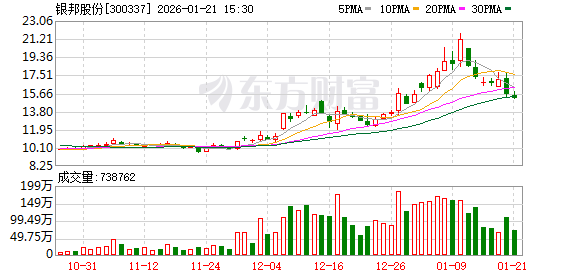
银邦股份:公司参股公司飞而康快速制造科技有限责任公司有3D打印业务
Mei Ri Jing Ji Xin Wen· 2026-01-21 09:00
每经AI快讯,有投资者在投资者互动平台提问:江苏太仓是否有我们的生产基地或者我们的3D打印业 务公司?或者太仓是否有我们的客户大量购买了我们的3D打印业务? 银邦股份(300337.SZ)1月21日在投资者互动平台表示,您好,公司在江苏太仓没有生产基地,公司参 股公司飞而康快速制造科技有限责任公司有3D打印业务,其具体的业务由其控股股东、管理层经营。 飞而康的相关情况可关注官方网站。 (文章来源:每日经济新闻) ...


浙江出口规模首跨4万亿元台阶
Mei Ri Shang Bao· 2026-01-20 22:23
Core Insights - Zhejiang Province's total import and export value reached 5.55 trillion yuan in 2025, marking a 5.4% year-on-year increase, with exports surpassing 4 trillion yuan for the first time, growing by 7.2% [2] - The province's foreign trade has shown resilience with ten consecutive years of positive growth, achieving both quantity and quality improvements during the "14th Five-Year Plan" period [3] Trade Performance - Zhejiang's import and export values have consistently grown since 2016, with an average annual growth rate of 10.4% during the "14th Five-Year Plan" period [3] - The province's exports reached 4.19 trillion yuan, ranking second nationally, while imports totaled 1.36 trillion yuan, with a growth of 0.3% [2][3] Market Diversification - The ASEAN market has overtaken the EU as the largest trading partner, with trade volume reaching 869.07 billion yuan, a growth of 16.5% [3] - Trade with countries along the "Belt and Road" initiative exceeded 3 trillion yuan, growing by 8.7%, effectively mitigating risks from single market fluctuations [3] Foreign Trade Entities - By 2025, there were 132,000 foreign trade enterprises in Zhejiang, with 13,000 new additions, marking a significant increase [4] - Private enterprises accounted for 82.1% of the province's total import and export value, with a growth of 7.1% [4] Product Structure Transformation - Exports of mechanical and electrical products reached 1.97 trillion yuan, accounting for 47% of total exports, while high-tech product exports grew by 12% [4] - Green products, including wind turbines, saw significant export growth, with increases of 28.1% and 98.2% respectively [4] 3D Printing Industry Growth - The export of 3D printing equipment surged by 71.8% in 2025, with local companies gaining recognition in international markets [6] - Specialized support mechanisms were established to assist companies in navigating compliance and export challenges [7] New Energy Vehicles (NEVs) Expansion - Zhejiang's electric vehicle exports reached 50.56 billion yuan, growing by 87.8%, with a historical high of 7.57 billion yuan in December [8] - The export network expanded to 160 countries, with significant growth in markets such as Australia, where exports increased by 3.5 times [8][9] Policy Support and Logistics - Continuous policy support, including free trade agreements, has provided strong momentum for companies exporting vehicles [9] - Companies like Leap Motor have optimized production lines to meet international demand, achieving a 103% year-on-year increase in vehicle deliveries [9]

3D 打印社区现「内容伪装术」;飞行汽车公司老板拍试驾视频让工程师先上;无水清洁机器人项目折戟丨鲸犀情报局Vol.25
雷峰网· 2026-01-20 10:50
Group 1 - Small appliance brand L attempted to collaborate with Apple for distribution but failed due to low profit margins, with Apple requiring a higher profit standard for third-party accessories [2] - The profit margin for L's products was only around 20-30%, compared to 60-70% for other accessories, leading to the unsuccessful partnership [2] - 3D printing companies are engaging in content creation disputes, with some companies using employees to pose as regular users to generate community content [3] Group 2 - Home appliance group M's B2B business is being overshadowed by its B2C business, leading to internal promotion challenges for long-serving employees [4] - The management appointments in B2B are primarily from the B2C sector, causing high turnover and frequent changes in leadership positions [4] - The CEO of a flying car company insists on test-driving the vehicles himself, causing safety concerns among engineers, leading to high turnover due to fear of risk [5] Group 3 - The decision-making structure in vacuum cleaner company S is unusually large, with over ten members in the core decision-making team, leading to inefficiencies [6] - The lengthy decision-making process hampers execution, as more participants lead to more tasks and delays [6][7] - In the robotics sector, company Y's marketing-driven leadership is causing low productivity due to unrealistic product expectations and frequent changes in requirements [8] Group 4 - Company A, once a leader in the cleaning robot industry, faced bankruptcy due to poor management decisions and was acquired by its largest creditor, F, who then revitalized the company [9][10] - F's strategy involved hiring experienced employees and leveraging their expertise to develop new products at low costs [10] - Company H invested nearly 70 million in a waterless cleaning robot project but failed to produce results due to poor management and lack of industry experience [11] Group 5 - The lawn mower industry is experiencing rapid growth, with company D providing substantial employee incentives, while company K struggles with high turnover due to centralized profit distribution [12] - Company D's performance is bolstered by frequent bonuses and a supportive incentive structure, contrasting with K's failure to distribute promised rewards effectively [12]

南风股份:南方增材目前正就3D打印业务在多个领域的应用进行多元化市场拓展
Zheng Quan Ri Bao Wang· 2026-01-20 09:42
Core Viewpoint - Nanfeng Co., Ltd. is currently in the early stages of developing its 3D printing business, focusing on applications in various sectors such as shoe molds, military, aerospace, and heat dissipation, with limited impact on overall business performance in the short term [1] Group 1 - Nanfeng Co., Ltd. is exploring diversified market expansion for its 3D printing business [1] - The relevant business is still in the early cultivation stage and has not yet formed large-scale orders [1] - The short-term impact on the company's overall operating performance is limited [1]

广发证券:3D打印将充分受益商业航天β带来的运力需求提升
智通财经网· 2026-01-20 08:16
Core Insights - 3D printing has transitioned from an optional technology to a necessary process in rocket manufacturing, particularly in the production of rocket engines, due to its ability to overcome traditional manufacturing limitations [1][3] - The market size for 3D printing technology in the rocket engine manufacturing segment has exceeded 400 billion yuan, indicating significant growth potential [4] Group 1: Advantages of 3D Printing - 3D printing technology offers substantial improvements in efficiency, cost, and performance in rocket manufacturing, especially in engine production, with weight reductions, manufacturing cycle time cut by over 70%, and cost reductions of up to 90% [2] - The application penetration of 3D printing in rocket manufacturing is expected to increase, moving from core component breakthroughs to covering multiple segments of the rocket [3] Group 2: Market Opportunities - The rapid development of China's commercial aerospace sector is expected to drive significant growth in rocket launch capacity, benefiting 3D printing as a core manufacturing process [4] - By the end of December 2025, China plans to apply for a network of 203,000 satellites, which will further increase the demand for rocket launch capacity [4] Group 3: Key Companies - Huazhu Gaoke focuses on industrial-grade 3D printing technology, providing metal and polymer printing solutions for rocket engines and structural components, and has successfully delivered over 30 parts for a liquid oxygen-kerosene engine in about four months [5] - Jiangshun Technology, originally in aluminum profile extrusion molds, has established a joint venture to enter the additive manufacturing space, potentially extending into 3D printing and liquid cooling-related businesses [5] - Recommended companies include Jiangshun Technology (001400.SZ) and Huazhu Gaoke (688433.SH), with attention also on Yinbang Co., Ltd. (300337.SZ) [6]

图解2025中国经济数据
市值风云· 2026-01-19 10:09
Core Viewpoint - The national economy is showing positive growth with a GDP exceeding 140 trillion yuan, achieving a 5.0% increase compared to the previous year, meeting expectations [3]. Group 1: Economic Performance - The industrial production is growing rapidly, with the added value of industrial enterprises above designated size increasing by 5.9% [3]. - The service industry is steadily growing at a rate of 5.4% [4]. - The total retail sales of consumer goods increased by 3.7%, indicating an expansion in consumption scale [4]. Group 2: Sector-Specific Growth - The production of 3D printing equipment, industrial robots, and new energy vehicles has seen significant year-on-year growth of 52.5%, 28.0%, and 25.1% respectively [3]. - Despite a decline in fixed asset investment by 3.8% due to decreased real estate development investment, manufacturing investment continues to grow [4]. - The import and export of goods have stabilized with a growth rate of 3.8% [4]. Group 3: Employment and Demographics - Overall employment and prices remain stable, with continuous growth in residents' income [4]. - There is a slight decrease in the total population, while the urbanization rate continues to increase [4].
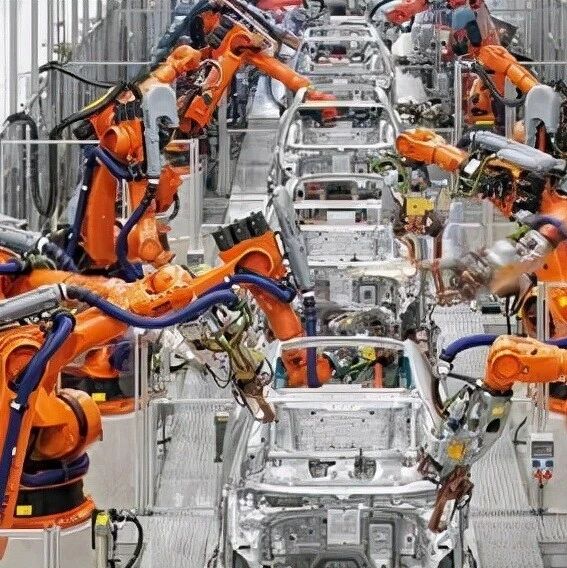
菜鸟海外仓看“中国智造”出海 3D打印机、投影仪和智能吸尘器持续海外走红
Zheng Quan Shi Bao Wang· 2026-01-19 09:17
Core Insights - Cainiao's global overseas warehouse order volume is projected to grow by 32% year-on-year by 2025, outpacing industry growth rates [1] - The increase in orders is driven by the accelerated international expansion of Chinese brands such as Tineco, XGIMI, and Ailike, which are gaining popularity in overseas markets [1] - The shift from "product output" to "technology and brand output" is evident, with high-tech product exports expected to reach 5.25 trillion yuan, growing by 13.2% [1] Group 1 - Cainiao's overseas warehouses are becoming a logistics infrastructure for "Chinese manufacturing" going global, with a growing share of smart products in addition to traditional apparel and accessories [1] - The company is expanding its global smart warehouse network and integrated solutions to facilitate easy inventory management for overseas merchants and brands [1][2] - Cainiao's fulfillment system has been refined through years of experience during major sales events, enabling merchants to effectively handle overseas promotions [2] Group 2 - Leading smart cleaning appliance brand Tineco and projector brand XGIMI have achieved triple-digit growth in order volume, while several leading 3D printer brands like Ailike have seen double-digit growth [2] - Cainiao has introduced customized warehousing and distribution services, allowing for local shipping and rapid delivery through smart sales forecasting [2] - The company plans to activate over 10 new warehouses globally by 2025 and increase investments in automation technologies to enhance order processing capabilities and efficiency [2][3] Group 3 - Cainiao operates over 40 overseas warehouses across 18 countries and regions in Europe, North America, and Asia-Pacific, providing end-to-end supply chain management solutions [3] - The company supports various industries, including automotive parts, home goods, appliances, and furniture, in accelerating their international expansion [3]
一周要闻·阿联酋&卡塔尔|伏泰科技道路清洁机器人亮相阿布扎比/卡塔尔规范初始不动产登记制度
3 6 Ke· 2026-01-19 04:27
Group 1 - Vortexinfo showcased an autonomous road cleaning robot at the Abu Dhabi Sustainability Week, highlighting its application in smart city technology. The L4 level robot utilizes AI and advanced sensors, supports remote operation, and is designed to operate in high-temperature environments while adhering to safety standards [2] - The UAE startup ecosystem solidified its position as the most mature hub in the Gulf region, completing 231 venture capital deals in a year, with fintech leading the market through 152 deals raising $1.04 billion, a 164% year-on-year increase [2] - The UAE construction and real estate sector is expected to enter a new phase focused on efficiency, transparency, and sustainability by 2026, with the market projected to reach $759 billion by 2029 [3] Group 2 - The Dubai Roads and Transport Authority signed an agreement with Emaar Properties to expand the Burj Khalifa/Dubai Mall metro station, increasing its area from 6,700 square meters to 8,500 square meters, which will enhance its capacity to handle 12320 passengers per hour, a 65% increase [3] - Qatar's Free Zones Authority launched a maritime service facility in Umm Alhoul Free Zone, covering approximately 26,700 square meters, aimed at supporting offshore oil and gas activities [4] - Qatar's real estate regulatory authority introduced a new initial property registration system to enhance investment attractiveness and market transparency, aligning with the national vision for 2030 [4] Group 3 - Analysts noted that Qatar's energy sector provides a strategic buffer against global commodity price fluctuations, with stable performance in natural gas and petrochemical exports supporting export revenues [5] - The Qatar 3D printing market is projected to grow from 78 million Qatari riyals in 2023 to 182 million Qatari riyals by 2028, reflecting a compound annual growth rate of 18.4% [5] - Qatar's natural gas contract value is expected to double to $12.3 billion in 2025, accounting for 53.2% of total contracts, driven by the North Field sustainable production project [5]


商业航天:为什么3D打印可成为商业航天最终加工解决方案?(附55页PPT)
材料汇· 2026-01-18 15:29
Core Viewpoint - The article discusses the evolution and commercialization of 3D printing technology, particularly its applications in the aerospace industry, highlighting its advantages in design flexibility, cost reduction, weight savings, and material innovation [3][4][39]. Group 1: Technological Advancements in 3D Printing - 3D printing has transitioned from a conceptual stage to mass production, supported by seven major technological routes that cater to various industry needs [3][4]. - The technology has evolved from plastic to metal applications, with over 20 different metal additive manufacturing techniques now available, significantly enhancing production quality and speed [5][8]. - The cost advantages of 3D printing are realized through technological innovations rather than mere scale, allowing for competitive pricing even at larger production volumes [9][12]. Group 2: 3D Printing in Aerospace - 3D printing is positioned as a final processing solution for commercial aerospace, enabling designs that significantly reduce the number of components [39][43]. - The technology allows for shorter supply chains and lower trial-and-error costs, which are critical in aerospace manufacturing [47][50]. - Weight reduction is a key benefit, with 3D printing enabling complex structures that contribute to significant fuel savings in aircraft [52][53]. Group 3: Investment Opportunities - Companies like Huazhu Business, Yinbang Co., and Feiwo Technology are highlighted for their strategic positions in the 3D printing market, particularly in aerospace applications [5][5][5]. - The article suggests that investment in firms with comprehensive 3D printing capabilities, especially in metal and polymer sectors, could yield substantial returns as the technology matures [5][5][5]. Group 4: Material Innovations - The development of high-temperature alloys for 3D printing is advancing, with significant potential for new materials that meet the demanding requirements of aerospace applications [63][64]. - The article emphasizes the importance of material properties, such as strength and heat resistance, in the performance of aerospace components [63][64]. Group 5: 3D Printing Techniques - The article categorizes 3D printing into seven main techniques, including Material Extrusion, Photopolymerization, and Powder Bed Fusion, each with distinct advantages and limitations [18][19]. - The integration of cooling structures and complex geometries is made easier through 3D printing, enhancing the performance of aerospace components [57][60]. Group 6: Case Studies and Applications - NASA's use of 3D printing in developing rocket engines demonstrates the technology's ability to reduce part counts and costs significantly [43][49]. - The article provides examples of successful 3D printed components in rocket engines, showcasing the technology's potential to streamline manufacturing processes [83][84].