
美妆

Search documents
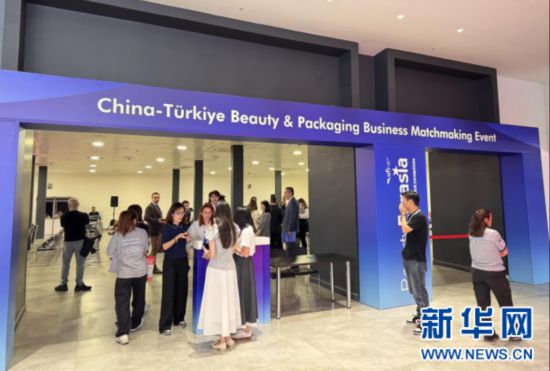
中国-土耳其美容、美发、护肤、包材采购对接会在伊斯坦布尔举办
Xin Hua Wang· 2025-06-21 02:28
Group 1 - The China-Turkey procurement matchmaking event for beauty, hairdressing, skincare, and packaging materials was held in Istanbul, organized by the Chinese Ministry of Commerce [1][3] - Over 120 companies from nearly 10 provinces in China, including Guangdong, Shanghai, and Jiangsu, participated in the event, covering an exhibition area of 1,200 square meters [3][5] - The event aims to enhance the integration of Chinese beauty and personal care companies into the Eurasian market, promoting cross-border cooperation and mutual development between Chinese and Turkish enterprises [5] Group 2 - Trade in hairdressing tools between China and Turkey is projected to reach $58.95 million in 2024, marking a year-on-year increase of 34.8% [3] - The trade value of beauty cosmetics and personal care products is expected to reach $46.775 million, with a year-on-year growth of 17.6% [3] - The Turkish International Beauty, Hairdressing, Skincare, and Packaging Exhibition is one of the most renowned events in the beauty industry in Turkey, with a history of twenty years and significant influence across the Middle East and various Asian and European countries [5]

靠近客户做品牌|微观视界
Jing Ji Guan Cha Wang· 2025-06-20 23:38
Group 1: Company Overview - JINLIBAO is a leading company in the adhesive industry in China, known for its extensive experience and comprehensive database [2] - The company has faced challenges due to price competition from imitators, leading to a strategic shift in 2024 to focus on serving key clients [2] Group 2: Client Engagement Strategy - JINLIBAO aims to enhance customer loyalty by closely understanding client needs and developing tailored products [2] - The company serves major global brands in electronics, providing high-end electronic labels [2] Group 3: Market Trends in Beauty Industry - AUZIMEI, a typical ToC enterprise, has adapted to market changes by integrating online and offline sales strategies to stabilize operations [3][4] - The beauty market in China has evolved from imitation to repositioning, with local brands gaining competitiveness through technology and cultural elements [4][5] Group 4: Technological Integration in Beauty - The beauty industry is increasingly leveraging electronic technology, with innovations in home beauty devices that offer professional-grade results [8][9] - The integration of AI and electronic technology is reshaping the beauty market, enhancing user experience and creating new consumer value [10][11] Group 5: Future Outlook - The beauty industry is expected to see a shift towards high-end and specialized products, driven by technological advancements [9] - As consumer expectations rise with economic growth, companies must focus on customer engagement and service to maintain competitiveness [12][14]

橘宜集团收购百植萃:彩妆巨头的“科学护肤”野望
Xin Lang Zheng Quan· 2025-06-20 09:38
Core Viewpoint - The acquisition of the functional skincare brand Baizhicui by Juyigroup marks a significant shift in the Chinese beauty industry from a focus on traffic-driven sales to a deeper emphasis on technology and efficacy, reflecting changing consumer preferences among Gen Z towards ingredient-driven purchases [1][2]. Group 1: Company Strategy - Juyigroup's acquisition of Baizhicui fills a gap in its professional skincare offerings and represents a strategic move to enhance its competitive edge in the beauty market [1][2]. - The acquisition is seen as a "technical blood transfusion," leveraging Baizhicui's 13 years of medical research background and partnerships with 28 dermatology experts and 12 top-tier hospitals to create a competitive moat [2][3]. - Baizhicui's main product, priced at 380 yuan, is expected to triple Juyigroup's customer lifetime value and attract high-net-worth women in first-tier cities who prioritize clinical evidence [2]. Group 2: Market Dynamics - The anxiety within Juyigroup reflects broader trends in the Chinese makeup market, where brands like Judo and Yeoshu are facing declining repurchase rates and a lack of R&D investment, with less than 2% allocated to research [2]. - The loss of consumers aged 30 and above, who are migrating towards anti-aging products, poses a significant challenge for the beauty market, as this demographic represents the highest value segment [2]. - The acquisition is not merely an expansion of product lines but a reconstruction of R&D logic, allowing Juyigroup to engage with major tech players in the industry [3]. Group 3: Operational Synergies - The collaboration between Juyigroup's 6,000 offline outlets and Baizhicui's 5,000 medical beauty institutions creates a closed-loop ecosystem for consumers, enhancing the customer experience by integrating skincare and makeup [3]. - The challenge lies in convincing younger consumers accustomed to low-priced makeup to accept higher-priced skincare products, as well as balancing the fast-fashion nature of makeup with the longer R&D cycles of skincare [3]. - Baizhicui's medical assets have reportedly increased its valuation coefficient by nearly 100%, indicating that the acquisition is not just about product line extension but also about enhancing the company's capital story [3].
天猫“反内卷”、美妆超预期?首个618三方共赢实验
FBeauty未来迹· 2025-06-20 09:31
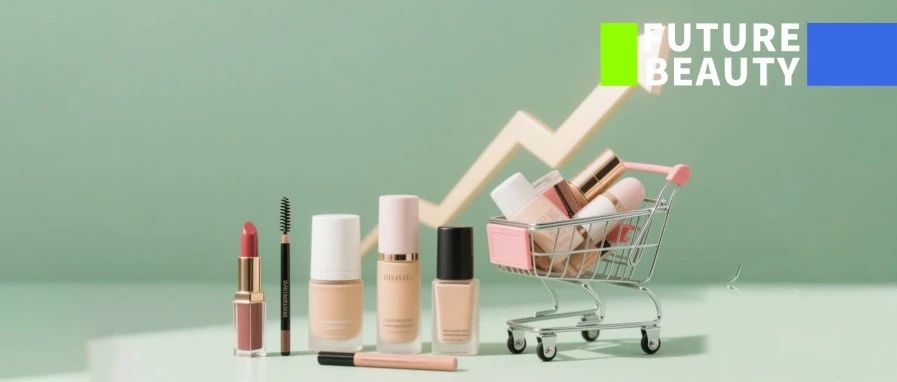
Core Insights - The 618 shopping festival has undergone a significant transformation this year, with a shift in focus from extreme GMV pursuit to enhancing brand value and consumer experience [2][20][31] Group 1: Market Performance - From January to May 2023, the retail sales of cosmetics in China reached 188.9 billion yuan, a year-on-year increase of 4.1%, with May's sales at 43.5 billion yuan, up 4.4% [2][4] - The overall e-commerce sales during the 618 festival reached 855.6 billion yuan, marking a year-on-year growth of 15.2%, with skincare sales at 43.2 billion yuan and fragrance and makeup at 14.3 billion yuan [5][6] - High-end beauty brands saw significant growth, with brands like YSL and Hourglass reporting over 60% year-on-year increases [9][10] Group 2: E-commerce Platform Changes - Major e-commerce platforms, particularly Tmall, have simplified their promotional strategies, eliminating complex rules and focusing on direct discounts to enhance consumer experience [14][20] - Tmall's 618 festival saw a 9% year-on-year growth in the first cycle, with a significant increase in user engagement and purchasing intent [18][23] - The introduction of features like "sold-out add-to-cart" has improved inventory management for merchants while enhancing the shopping experience for consumers [17][20] Group 3: Brand Dynamics - International beauty brands have experienced strong growth on Tmall, with a ratio of domestic to international brands at 5:15 [7] - New and innovative brands have emerged, with some achieving over 900% growth during the 618 festival, indicating a shift towards quality and innovation in the beauty sector [10][12] - The consumer preference for familiar brands has increased, with 47% of Chinese consumers indicating a tendency to choose known brands, up 14 percentage points from 2024 [22][23] Group 4: Future Trends - The beauty industry is moving towards a phase where brand value, product innovation, and operational efficiency are prioritized over mere sales volume [31][32] - E-commerce platforms are focusing on supporting high-quality brands and providing strategic guidance to enhance brand growth [26][29] - The market is transitioning from a focus on traffic-driven growth to a more sustainable model that emphasizes brand loyalty and consumer satisfaction [31][32]




靠“山茶花”年入12亿,毛利率82.5%,林清轩赴港IPO
Sou Hu Cai Jing· 2025-06-20 09:01
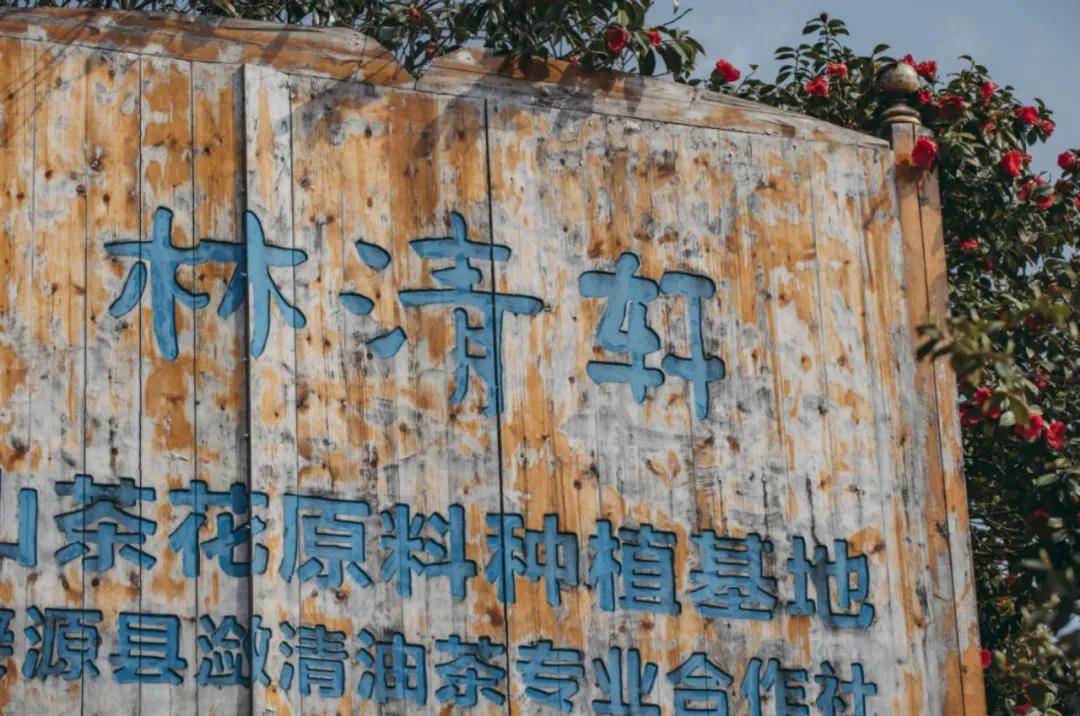
Core Viewpoint - Lin Qingxuan, a domestic beauty brand, has successfully entered the high-end market with its Camellia Oil, achieving significant revenue growth and high profit margins while facing challenges in marketing and distribution strategies [1][3]. Group 1: Product Performance - The Camellia Oil contributes nearly 40% of Lin Qingxuan's revenue, with a gross margin of 85.3%, showcasing the brand's successful transition to high-end products [3][6]. - Revenue figures for Lin Qingxuan are projected to grow from 691.5 million RMB in 2022 to 1.21 billion RMB in 2024, with gross profit increasing from 539.1 million RMB to 997.7 million RMB during the same period [5][6]. - The gross margin has increased from 78% in 2022 to 82.5% in 2024, with the core product's gross margin reaching 88%, surpassing competitors [6][12]. Group 2: Marketing and Growth Strategy - Lin Qingxuan has invested approximately 760 million RMB in marketing over three years, with marketing expenses accounting for 30% of revenue in 2024 [9][11]. - The brand's marketing strategy includes controversial promotions and a strong online presence, but it has faced regulatory scrutiny for unverified claims about product efficacy [11][12]. - The reliance on a single product category, the Camellia Oil, raises concerns about sustainable growth if market trends shift or competition increases [12][13]. Group 3: Distribution and Market Challenges - Despite increasing the number of stores from 366 in 2022 to 506 in 2024, the revenue contribution from physical stores has declined from 54.7% to 40.8% [12]. - The franchise model has not performed well, with the number of franchise stores decreasing from 35 to 32, and their revenue significantly lower than that of direct stores [12]. - Customer complaints regarding product effectiveness and pricing issues indicate potential challenges in managing brand reputation and consumer expectations [12].
应变求新多元支撑 我国外贸顶压稳增显韧性
Xin Hua Wang· 2025-06-20 07:12
Group 1: Trade Performance - In May, China's total goods import and export value increased by 2.7% year-on-year, with exports growing by 6.3% [1] - From January to May, trade with ASEAN, EU, and Belt and Road countries grew by 9.1%, 2.9%, and 4.2% respectively [1] - Private foreign trade enterprises in China showed strong market expansion capabilities, with their imports and exports growing by 7% year-on-year, including an 8% increase in exports and a 4.9% increase in imports [1] Group 2: Emerging Industries - The潮玩 (trendy toy) industry in Dongguan, Guangdong, is thriving, with products like the "Lion Dance" series gaining popularity in Europe, particularly in the UK, where 100,000 units were sold in a year [2] - Dongguan has over 4,000 toy manufacturing companies and 1,500 supporting enterprises, creating a robust industrial ecosystem for trendy toys [2] Group 3: Trade with Central Asia - Trade between China and the five Central Asian countries reached 286.42 billion yuan in the first five months, marking a 10.4% year-on-year increase [3] - Companies like Jianxing Special Vehicle Manufacturing Co. are successfully entering Central Asian markets, with orders exceeding 70 million yuan in the first quarter [3] Group 4: Regional Contributions - Zhejiang Province's foreign trade import and export value reached 2.24 trillion yuan from January to May, growing by 6.5% year-on-year, contributing 20.7% to national export growth [4] Group 5: Industrial Upgrades - Tianjin is redefining its port value as a new engine for industrial upgrades, with companies like Bomaike Ocean Engineering achieving significant project milestones [5] - Shandong's foreign trade enterprises are adapting to international market uncertainties through technological innovation and market diversification, exporting to over 50 countries [5]
天猫618战报:453个品牌成交破亿,美妆、服饰、3C、家电持续热卖
Guang Zhou Ri Bao· 2025-06-19 15:57
Group 1 - The core viewpoint of the articles highlights the significant growth in user engagement and transaction volume during the 2025 Tmall 618 shopping festival, with 453 brands achieving over 100 million in sales, a 24% increase year-on-year [1] - High-net-worth individuals, specifically the 88VIP members, surpassed 50 million, marking a new high in user scale [1] - The home appliance and 3C digital sectors experienced a substantial boost due to government subsidies, with total sales in these categories increasing by 116% compared to last year's Double 11 [1] Group 2 - Quality live streaming has emerged as a new industry standard, with 81 live streaming sessions achieving over 100 million in sales, and a 21% increase in the number of sessions exceeding 10 million [2] - The beauty sector saw explosive growth, with nearly 100 products surpassing 10 million in sales, while over 50 apparel brands exceeded 100 million, indicating strong consumer demand [2] - New product sales grew by 153%, with 12 new products achieving over 100 million in sales, reflecting a significant increase in consumer interest in new offerings [2] Group 3 - Tmall is heavily investing in supporting quality and original brands through various strategic resources aimed at fostering high-quality growth by 2025 [3]
十年做到全球前十,珀莱雅能否如愿
Bei Jing Shang Bao· 2025-06-19 13:20
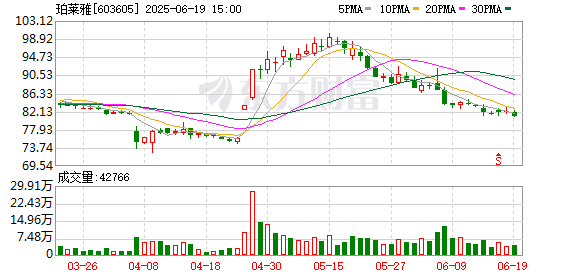
Core Viewpoint - The company aims to achieve its "Double Ten" strategy, targeting to enter the top ten global cosmetics industry within the next decade, under the leadership of new general manager Hou Yameng [2][4][7]. Talent Acquisition - The appointment of Wang Yifeng as the head of product development and brand incubation is a strategic move to shift from a marketing-driven approach to a brand-driven one [2][3]. - Hou Yameng has been actively building a management team with international beauty industry experience, indicating a focus on enhancing brand strength and innovation capabilities [3][4]. Financial Performance - In 2024, the company reported a revenue of 10.78 billion yuan, a year-on-year increase of 21.04%, and a net profit of 1.552 billion yuan, up 30% [5]. - Despite maintaining growth, the revenue and net profit growth rates have been slowing down, with 2025 Q1 showing an 8.13% revenue increase and a 28.87% net profit increase [5][6]. Market Strategy - The company plans to expand into international markets and new product categories, including medical beauty and men's skincare, to support its growth ambitions [7][8]. - The company has made several acquisitions but has seen limited success in scaling these brands, with only one brand, Caitang, exceeding 1 billion yuan in revenue [6][8]. Competitive Landscape - To achieve its ambitious goals, the company must enhance its brand positioning and matrix compared to established international brands, which poses significant challenges [8][9]. - The current competitive environment in the medical beauty and men's skincare sectors is intense, requiring the company to strengthen its capabilities to compete effectively [7][9].
深度 | 美妆巨头为何“打包急售”传闻频出?
FBeauty未来迹· 2025-06-19 09:23
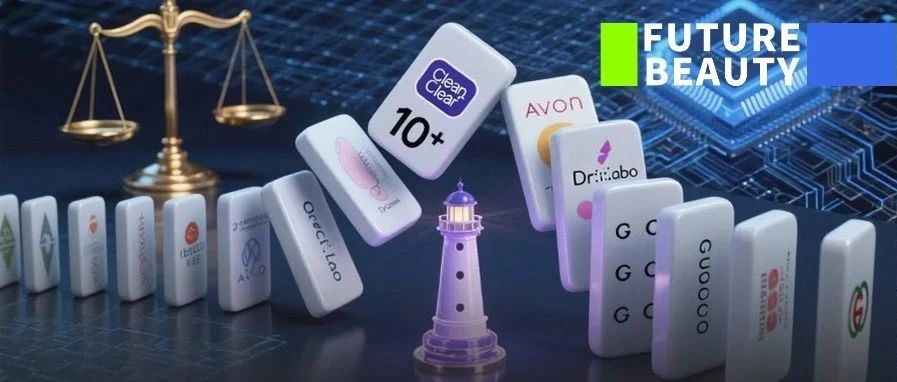
Core Viewpoint - A wave of brand sell-offs is sweeping through the beauty industry, driven by major companies facing performance pressures and a need to restructure their brand portfolios [2][3][6]. Group 1: Brand Sell-Offs - Coty is reportedly exploring the sale of several brands, including Gucci and Burberry, amidst market speculation [2]. - Kenvue, a spinoff from Johnson & Johnson, is also rumored to be considering the sale of its skin health and beauty division, with an estimated transaction value exceeding $500 million (approximately 3.59 billion RMB) [2]. - Natura & Co has been linked to ongoing rumors about selling Avon since last year, highlighting a broader trend of divestitures among beauty giants [2][3]. Group 2: Market Reactions - Despite the sell-off rumors, Coty's stock surged by 13% in a single day, reaching a three-month high, indicating a positive market reaction to the restructuring news [3]. - The performance pressures faced by these companies are evident, with Coty's mass beauty segment reporting a 9% decline in net revenue to $470 million (approximately 3.4 billion RMB) in Q3 of fiscal 2025 [8]. Group 3: Industry Trends - The beauty industry is experiencing a significant contraction, with Kenvue's skin health and beauty division reporting a 7.3% year-over-year sales decline in Q1 2025, the largest drop among its business segments [6]. - The Chinese market is reshaping the competitive landscape, with domestic brands capturing a growing market share, accounting for 55.2% of total sales in 2024, up 2.9 percentage points year-over-year [11][24]. Group 4: Strategic Shifts - Major beauty companies are shifting from aggressive acquisition strategies to a focus on efficiency and value, as evidenced by their divestiture of underperforming brands [19][21]. - The trend reflects a broader industry consensus that emphasizes streamlining brand portfolios and concentrating on core assets to enhance competitiveness [19][26]. Group 5: Future Outlook - The ongoing sell-off trend is expected to continue as companies adapt to the compressed industry cycle and intensifying competition [26]. - The future of the beauty industry will likely revolve around establishing competitive advantages in areas such as cutting-edge biotechnology, unique ingredients, and robust consumer data operations [26].


天猫618用户规模和活跃度创新高
Zheng Quan Ri Bao· 2025-06-19 07:44
Group 1 - Tmall's 618 event saw a significant increase in user scale and activity, with 453 brands achieving over 100 million yuan in sales, a 24% year-on-year growth [1] - High-value consumer group 88VIP members exceeded 50 million, marking a new high, while brand membership increased by 15%, with member average spending 1.93 times the overall industry average [1] - The home appliance and 3C digital sectors experienced explosive growth, with total sales for participating categories up 116% compared to last year's Double 11, and over 9,200 brands doubling their sales [1] Group 2 - Quality live streaming has become a new industry standard, with 81 live streaming rooms achieving over 100 million yuan in sales, and the number of live streaming rooms exceeding 10 million yuan increased by 21% year-on-year [2] - Emerging sectors such as trendy toys, jewelry, pets, and beverages are identified as high-growth trends during this year's Tmall 618 [3] - The event focused on quality improvement and efficiency, simplifying the shopping experience while supporting quality and original brands through various resources [3]