房地产租赁

Search documents
LHN出售Coliwoo PP的全部80%股权
Zhi Tong Cai Jing· 2025-09-30 10:28
Core Viewpoint - LHN's subsidiary, Coliwoo Holdings Pte. Ltd. (CHPL), along with Globalpoint Far East Pte. Ltd. (GPFE), has entered into a non-binding term sheet to sell 100% of Coliwoo PP Pte. Ltd. (Coliwoo PP) for a consideration based on a property value of SGD 43.9 million, plus the adjusted net asset value of Coliwoo PP at the time of closing [1][2] Group 1 - The sale involves 100,000 ordinary shares of Coliwoo PP, which represents all issued and paid-up shares of the company [1][2] - Coliwoo PP is currently 80% owned by CHPL and 20% owned by GPFE, with a total issued and paid-up capital of SGD 100,000 [2] - Coliwoo PP operates as the registered owner of a property located at 404 Pasir Panjang Road, Singapore, which is managed as Coliwoo Hotel Pasir Panjang, a co-living space [2] Group 2 - Upon completion of the proposed sale, Coliwoo PP will no longer be a subsidiary of the group [2] - The buyer will ensure that Coliwoo PP enters into a master lease agreement with CHPL and/or its subsidiaries to lease back the property [1]
五矿地产(00230.HK)与第五广场签订物业租赁协议
Ge Long Hui· 2025-09-29 10:45
Core Viewpoint - The announcement details a lease agreement between Minmetals Land (00230.HK) and Fifth Plaza Company, extending the rental of a property and parking spaces until September 30, 2025 [1] Group 1: Lease Agreement Details - The lease agreement is established between Minmetals Land's indirect wholly-owned subsidiary, Shengshi Guangye, and Fifth Plaza Company [1] - The purpose of the lease agreement is to renew a previous lease signed on September 28, 2022 [1] - The total floor area of the property being leased is 882.97 square meters [1]
香港劏房正在消失
Hu Xiu· 2025-09-29 08:35
Core Viewpoint - The article highlights the severe housing crisis in Hong Kong, particularly focusing on the issues surrounding "subdivided flats" (劏房), which are often of poor quality and unaffordable for low-income residents. It discusses the systemic problems contributing to this crisis, including market inefficiencies, policy delays, and the dual nature of housing as both an investment and a basic need [10][30][58]. Group 1: Current Housing Conditions - 93% of residents experienced hotter conditions this summer compared to previous years, with 35.7% trapped in poorly ventilated spaces and 4% living in windowless environments [3][4]. - The median monthly income for residents is only 11,500 HKD, with nearly half of this income going towards rent, leaving little for exorbitant utility costs [4][5]. - The high property prices in Hong Kong have forced many to live in substandard "subdivided flats" [5]. Group 2: Government Response - The Hong Kong government has been increasing the number of public housing units and has introduced transitional housing to assist those waiting for public housing [6]. - A new regulation passed on September 26 aims to strengthen the management of subdivided flats, seen as a significant step towards improving living conditions [7]. Group 3: Market Dynamics - The "lemon market" effect is prevalent in Hong Kong's rental market, where low-income families face information asymmetry, leading to a proliferation of substandard housing [11][16]. - The imbalance between housing as an investment and as a basic need has led to inflated property prices, making it difficult for average citizens to afford decent living conditions [20][22]. Group 4: Policy Challenges - The article discusses the delay in government intervention, with significant measures only being introduced in recent years despite the long-standing nature of the subdivided flat issue [26][28]. - The interplay of the "lemon market" effect, the dual nature of housing, and institutional delays creates a complex web that exacerbates the housing crisis [30][31]. Group 5: Proposed Solutions - To address the subdivided flat issue, the article suggests creating a transparent rental information platform, enforcing housing standards, and protecting tenant rights [34]. - The "simple housing" certification policy aims to set minimum living standards, but there are concerns about the potential for increased rental costs as landlords pass compliance costs onto tenants [44][46]. - The "community living room" initiative seeks to enhance living quality by providing shared spaces for essential activities, thereby improving community ties and social capital [49][56]. Group 6: Future Directions - The article emphasizes the need for a balanced rental market that caters to the "sandwich class"—those who earn too much for public housing but cannot afford private rentals [59]. - It calls for a transformation in land supply mechanisms to utilize underused land effectively, alongside a shift in societal attitudes towards housing as a financial asset rather than a basic human right [60][63].
大行评级|美银:香港楼市开始复苏,预计住宅楼价将于明年下半年起反弹
Ge Long Hui· 2025-09-29 05:10
Core Viewpoint - Hong Kong's real estate market is beginning to recover, prompting a revision of residential price rebound forecasts from 2027 to the second half of 2026, with an expected increase of approximately 3% and a further 5% rise in 2027 [1] Summary by Category Market Outlook - The report anticipates a recovery in property developers' profits and dividends by 2027, leading to an average target price increase of 3% for real estate stocks [1] - Earnings forecasts for the period from this year to 2027 have been raised by up to 4% [1] Stock Recommendations - The company favors Longfor Properties and Sino Land among developers, upgrading Longfor's rating from "Neutral" to "Buy" and raising its target price from HKD 39 to HKD 42 [1] - Sino Land is also given a "Buy" rating with a target price increase from HKD 9.8 to HKD 10.8 [1] Rental Stocks - The report expresses a positive outlook on Hang Lung Properties and Swire Properties, both receiving "Buy" ratings with target prices raised to HKD 10 and HKD 24.5, respectively [1]
购车的那些“税”事儿
蓝色柳林财税室· 2025-09-28 15:14
Group 1 - The article discusses the taxation policies related to luxury vehicles and new energy vehicles, specifically focusing on the consumption tax implications for different types of vehicles [4][6]. - It clarifies that for new energy vehicles, only the retail stage incurs consumption tax, unlike traditional luxury cars which are taxed at both import and retail stages [4][6]. - The article emphasizes that the base price of a vehicle must exceed 900,000 yuan (excluding VAT) to be subject to consumption tax, and additional costs for optional features do not affect this threshold [4][5]. Group 2 - The article explains that second-hand luxury cars sold by taxpayers are exempt from consumption tax, provided they meet specific conditions regarding registration and ownership transfer [6]. - It outlines the tax exemption policy for individuals renting out properties, stating that if the average monthly rent does not exceed 100,000 yuan, the rental income is exempt from VAT [17][19]. - The article references the relevant tax regulations that allow for the averaging of rental income over the lease period to determine VAT applicability [19].


韩国楼市崩盘,惊现自杀潮!中国买家资产缩水千亿,紧急转移东京
Sou Hu Cai Jing· 2025-09-26 12:51
一场起源于传贳房的金融风暴,正让韩国楼市付出惨痛代价。曾经靠"空手套白狼"炒房的游戏,如今变成噩梦连连。 韩国首尔江南区,一位中国投资者看着手机上的房价走势图,眉头紧锁。他手中持有的三套公寓, 过去一年已缩水近40%。与此同时,他的手机不断收到 东京不动产中介发来的推荐信息。 "现在抛售已经来不及了,只能眼睁睁看着资产蒸发。"这位不愿透露姓名的投资者苦笑着说。他并非个例,在韩国楼市暴跌的浪潮中,中国买家们正在悄然 转移阵地。 全租房模式,韩国楼市的"特洛伊木马" 在韩国,一种独特的租房模式——"全租房"(又称传贳房),成为这轮楼市崩盘的导火索。这种模式看似双赢,却暗藏致命风险。 全租房规则很简单: 租客向房东支付相当于房价50%-80%的保证金,即可免费居住两年。合同到期后,房东全额返还保证金。对租客而言,相当于无租金 住房;对房东来说,则获得了一笔可观的无息贷款。 在低利率时代,这一模式风靡韩国。 20岁至40岁的租户占全租房租户总数的70%。房东们将收到的保证金投入楼市,购买更多房产,然后如法炮制,继续 出租收取保证金。 "这就像击鼓传花的游戏。"在首尔从事房屋中介工作的桂明鉁形容,"只要房价一直涨,大家 ...

首创城发以安居之笔 绘就城市温度
Bei Jing Ri Bao Ke Hu Duan· 2025-09-26 00:54
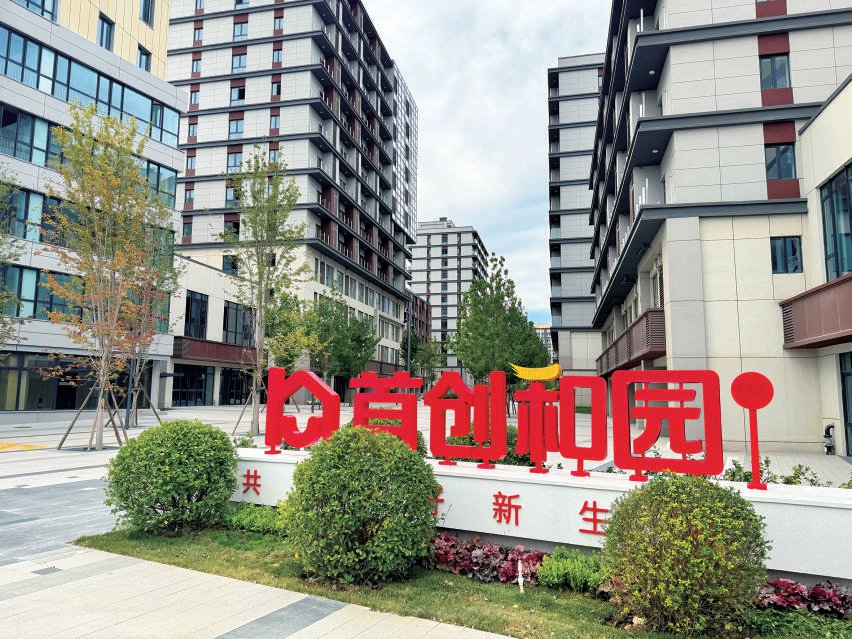
Core Viewpoint - The article highlights the proactive measures taken by Beijing's state-owned enterprise, Beijing Shichuang Urban Development Group Co., Ltd., in response to national policies aimed at improving housing security for new citizens and young people, particularly through the development of affordable rental housing options like the Hejia Apartment [1][19]. Group 1: Housing Policy and Development - The Chinese government encourages the development of affordable rental housing, integrating dormitory-style apartments into a multi-tiered housing supply system, with various incentives for land and tax [4]. - The "Hejia Apartment" project specifically targets urban service personnel, providing 112 units and 756 beds to support new employment groups such as delivery workers and ride-hailing drivers [1][6]. - The project is part of a broader initiative to address housing issues in major cities, enhancing the living conditions of frontline workers who are essential to urban operations [3][11]. Group 2: Community and Design Features - The Hejia Apartment features modern amenities, including spacious common areas, smart access systems, and well-designed living spaces that prioritize comfort and privacy [9][10]. - The design includes modular dormitory options to meet the collective living needs of urban service workers, with flexible configurations to adapt to specific group requirements [9][12]. - Safety measures are emphasized, with features like facial recognition access and 24-hour security to ensure a secure living environment [10][12]. Group 3: Operational Strategy and Social Responsibility - The project exemplifies the company's commitment to social responsibility, addressing the challenges of high investment and long payback periods through innovative practices and government collaboration [11][12]. - The operational model focuses on sustainable, low-profit strategies that prioritize long-term social value over immediate financial returns, reflecting the company's strategic vision [12][13]. - The governance structure includes a collaborative approach involving multiple stakeholders to enhance community management and service delivery [12][13]. Group 4: Broader Impact and Future Directions - The Hejia Apartment is part of a larger housing initiative that aims to provide over 6,570 rental units and commercial space within the Shichuang He Garden community, catering to diverse housing needs [14][16]. - The project is positioned as a model for integrating various functions—residential, commercial, and social—into a cohesive urban development strategy [14][19]. - The company aims to leverage its strengths as a state-owned enterprise to contribute to the sustainable development of Beijing, enhancing the quality of life for its residents [19].
香港房地产图表集_你所需的所有图表-Hong Kong Property Chartbook_ All the charts you need
2025-09-23 02:34
Summary of Hong Kong Property Chartbook Industry Overview - **Industry**: Hong Kong Property Market - **Key Segments**: Residential, Retail, Office, Mainland China Retail Key Points and Arguments Residential Market - **Home Price Correction**: The longest home price correction since 2003 has been observed in Hong Kong, indicating a significant downturn in the residential market [7][9][14] - **Rental Trends**: The rental level in Hong Kong is picking up, with the Centaline rental index showing an increase in overall rental rates [14][17] - **Transaction Volumes**: There has been a notable decline in residential transaction volumes, both in primary and secondary markets [21][22] - **Supply and Demand**: Oversupply in the residential market may not be resolved in the near term, with a significant number of unsold residential units [38][40][45] - **Future Supply**: The pipeline of primary launches in 2H25 indicates a total potential supply of 23,051 units, with various projects across different districts [54][56] Retail Market - **Sales Trends**: Hong Kong retail sales have shown a decline, particularly in discretionary spending categories, while staples have outperformed [102][107][111] - **Tourist Arrivals**: The number of tourist arrivals has a direct impact on retail sales, with fluctuations noted in the weekly net arrivals [113][116] - **Retail Landlords' Performance**: A summary of retail landlords' operational performance shows varying results, with some landlords experiencing significant declines in sales [134] Office Market - **Rental and Vacancy Rates**: The office rental index continues to face pressure, with a high vacancy rate of 13.6% reported [137][141] - **Cap Rate Expansion**: Cap rate expansion is identified as a headwind for the office market, affecting overall capital values [142][143] - **Supply Forecasts**: New office supply is expected to hover around 1.7 million square feet per year, with a total of 8.3 million square feet projected from 2025 to 2029 [149][151] Mainland China Retail - **Sales Performance**: There has been a decline in momentum of retail sales in Mainland China, particularly in luxury goods [156][158] - **Retail Landlords' Performance**: A summary of retail landlords' performance in Mainland China indicates mixed results, with some landlords outperforming the market while others face challenges [163] Additional Important Insights - **Population Trends**: The population in Hong Kong is stabilizing, which may influence housing demand and market dynamics [67] - **Affordability Issues**: The affordability of housing remains a concern, with monthly mortgage payments relative to median household income being a critical factor [84][86] - **Negative Equity Cases**: The number of negative equity cases in residential mortgages is low, suggesting a relatively stable mortgage environment [79][81] This summary encapsulates the critical insights from the Hong Kong Property Chartbook, highlighting the current state and future outlook of the residential, retail, and office markets in Hong Kong.
购房门槛降低 租赁市场规范化 双重政策红利激活上海房地产市场
Sou Hu Cai Jing· 2025-09-22 02:35
Core Insights - The introduction of the "Six Policies" in Shanghai aims to stimulate the real estate market by relaxing housing purchase restrictions and optimizing housing fund policies, leading to increased activity in the housing market [1][4] - The implementation of the first Housing Rental Regulation addresses common issues in the rental market, such as false listings and deposit disputes, providing a legal framework for rental agreements [6][8] Group 1: "Six Policies" Impact - The "Six Policies" allow eligible residents to purchase an unlimited number of homes outside Shanghai's outer ring, which is expected to accelerate the absorption of properties in the peripheral market [1][3] - There has been a noticeable increase in inquiries and transactions for properties outside the outer ring, with browsing volume up by 22% and consultation volume up by 26% following the policy announcement [4][3] - The new housing fund policies include a 15% increase in the maximum loan amount for purchasing green buildings, with the first home loan limit raised from 1.6 million to 1.84 million yuan, and up to 2.16 million yuan for families with multiple children [4][6] Group 2: Housing Rental Regulation - The new Housing Rental Regulation sets clear requirements for rental properties, ensuring they meet safety and health standards, and prohibits the separate rental of non-residential spaces [6][7] - The regulation mandates that rental contracts be signed using real names and registered with local property management departments, which cannot charge fees for this service [6][8] - It addresses common issues such as unjustified deposit deductions and requires landlords to provide reasonable notice before terminating rental agreements, aiming to protect tenants' rights [7][8]
中国房租开始下降!深圳、上海房东乞求租客,背后透露什么信息?
Sou Hu Cai Jing· 2025-09-20 07:19
Group 1 - The rental market in major cities in China is experiencing a significant cooling, with landlords actively lowering prices and tenants having more choices [2][5][10] - In cities like Shanghai and Hangzhou, rents have decreased by nearly one-third and 15% respectively, indicating a shift in market dynamics [5][10] - This change reflects a return of "housing choice rights" for workers, who are now prioritizing living quality and convenience over merely securing a place to live [6][8] Group 2 - The decline in rents is attributed to two main factors: the government's push for affordable rental housing and changing market expectations [10][12] - Over 7 million affordable rental units have been introduced, typically priced at around 60% of the market rate, which has pressured landlords to adjust their pricing [10][12] - The shift from a speculative housing market to a more rational one is seen as a positive development, allowing tenants and landlords to focus on living conditions rather than investment returns [14][21] Group 3 - The economic landscape is transitioning from a reliance on real estate profits to one driven by technology and innovation, marking the beginning of a "wealth creation era" [15][19] - The success of technology companies in China is drawing attention from international financial institutions, indicating a shift in economic strength from real estate to tech [17][19] - Ordinary individuals are encouraged to adapt to this new economic environment by engaging in services related to technology industries, rather than relying solely on real estate investments [19][21]