
自动驾驶

Search documents
文远知行双重上市,会成为第一家赚钱的Robotaxi公司吗?
Sou Hu Cai Jing· 2025-11-11 06:46
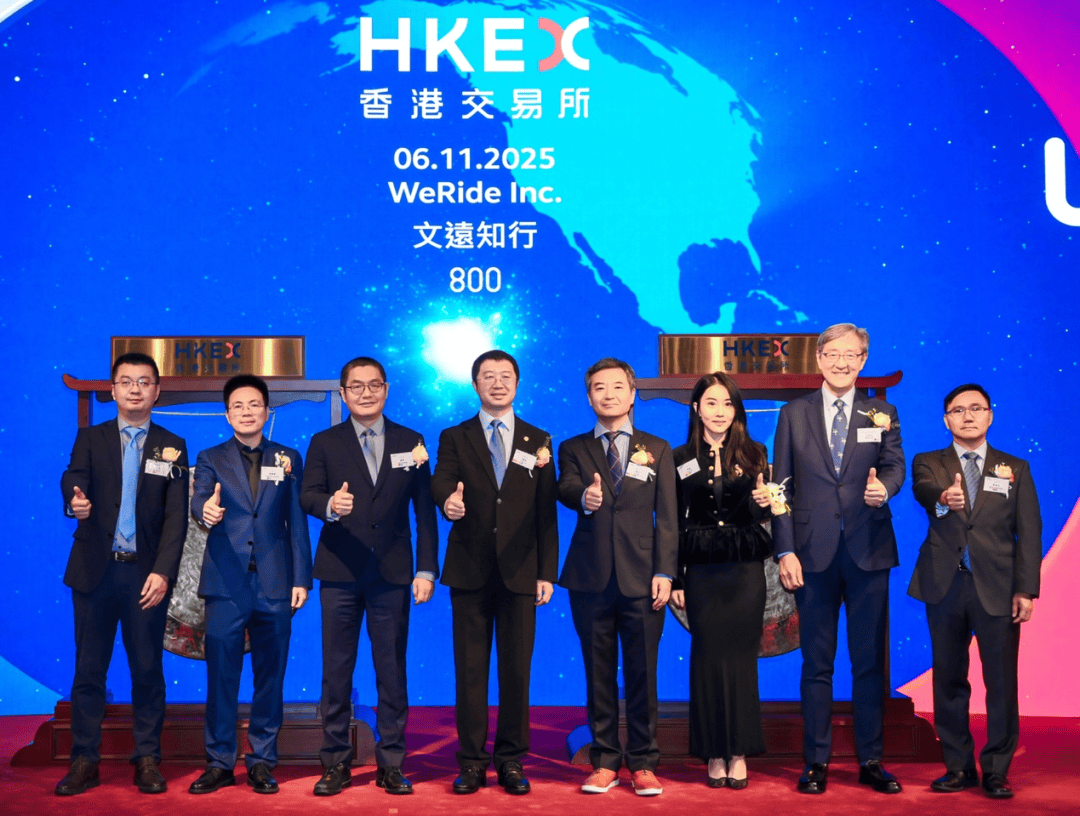
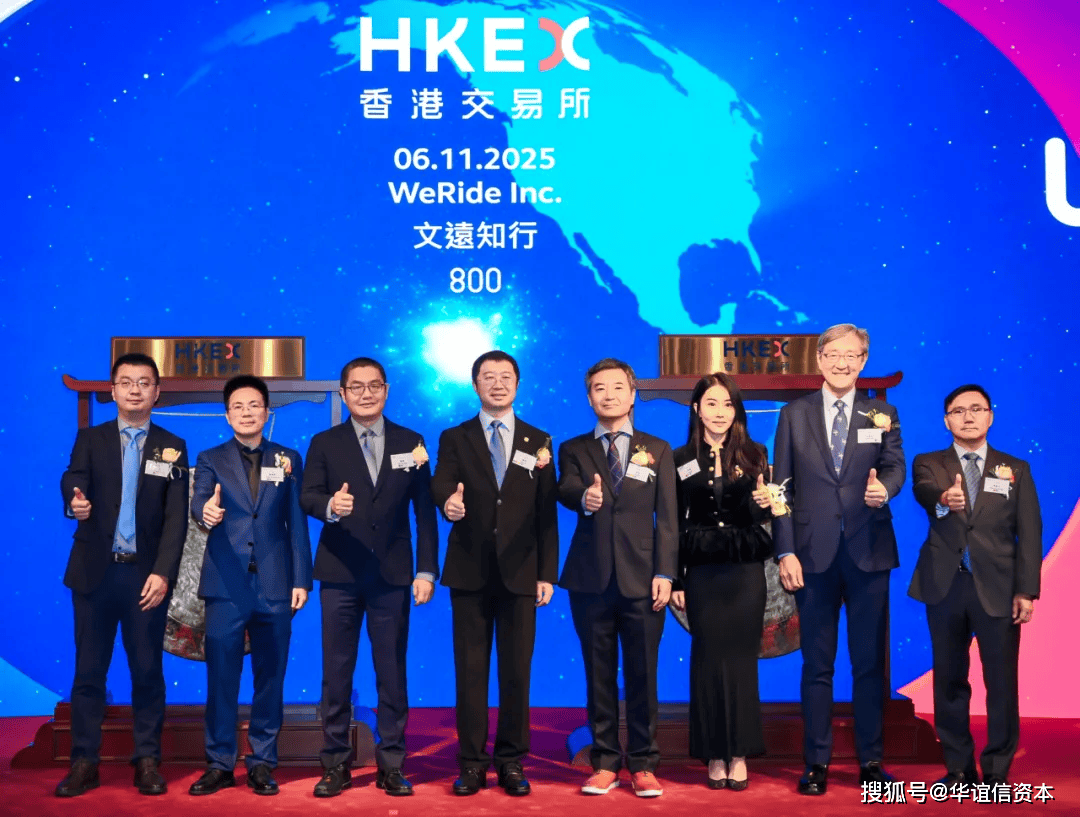
Core Viewpoint - WeRide, a leading global autonomous driving technology company, has successfully listed on the Hong Kong Stock Exchange, becoming the first Robotaxi stock in Hong Kong, following its NASDAQ listing in October 2024, marking a significant milestone in its global expansion [1][3]. Group 1: IPO and Market Reception - WeRide's public offering was oversubscribed by more than 70 times, with significant interest from long-term funds and hedge funds, indicating strong international capital confidence in the autonomous driving sector [3]. - The management team, including CEO Dr. Han Xu, has signed a voluntary lock-up agreement, committing not to sell shares for three years, reflecting confidence in the company's long-term strategy [3][13]. Group 2: Business Model and Strategic Partnerships - WeRide's business model focuses on a "light asset + revenue sharing" approach to scale its Robotaxi services [14]. - The company has secured significant investments from strategic partners, including Grab and Uber, enhancing its market position and operational capabilities [9][10]. Group 3: Global Expansion and Technological Leadership - WeRide operates in 11 countries and over 30 cities, holding autonomous driving licenses in seven countries, showcasing its competitive edge in the global market [16][17]. - The company has achieved significant milestones in the Middle East, including the launch of a fully autonomous Robotaxi service in Abu Dhabi, marking a new phase in its commercial operations [19]. Group 4: Market Potential and Future Outlook - The global Robotaxi service market is projected to reach $394 billion by the late 2030s, with significant profit margins compared to traditional ride-sharing platforms [22]. - WeRide is positioned to leverage its technological strengths and early market entry to capitalize on the anticipated growth in the Robotaxi sector, potentially becoming the first company to achieve profitability in this space [23].

文远知行双重上市,会成为第一家赚钱的Robotaxi公司吗?
华尔街见闻· 2025-11-11 05:59
Core Viewpoint - WeRide has achieved a significant milestone with its dual primary listing on both NASDAQ and the Hong Kong Stock Exchange, marking a key step in its global expansion strategy [1] Group 1: Listing and Market Reception - WeRide's public offering was oversubscribed by over 70 times, indicating strong interest from long-term investors such as Temasek and Morgan Stanley Investment Management [3] - The management team, including CEO Han Xu, has shown confidence in the long-term development of the autonomous driving sector by signing a voluntary lock-up agreement to not sell shares for three years [4][16] - The dual listing strategy aims to mitigate risks and create a more secure and liquid trading mechanism for global shareholders [5] Group 2: Business Model and Market Expansion - WeRide operates over 1,500 autonomous vehicles, with more than 700 being Robotaxis, and aims to transition from technology validation to large-scale commercialization [4] - The company employs a "light asset + revenue sharing" model to promote the scaling of its Robotaxi services [18] - WeRide's autonomous driving solutions are currently deployed in over 30 cities across 11 countries, showcasing its strong execution and competitive edge in international markets [19] Group 3: Strategic Partnerships and Investments - WeRide has secured significant investments from key partners, including a multi-million dollar equity investment from Grab aimed at deploying L4 Robotaxis in Southeast Asia [8][12] - The company has also received commitments from Uber for an additional $100 million investment, reinforcing its leadership position in autonomous driving [13] - WeRide's collaborations with Bosch and other top-tier companies further enhance its ecosystem, supporting its global fleet deployment [15] Group 4: Technological Advancements - WeRide is the only company in Singapore operating both Robotaxi and Robobus services, leading the L4 development by at least 1.5 years compared to competitors [11] - The company has developed the WeRide GENESIS simulation platform, which allows for extensive virtual testing of urban traffic environments and extreme scenarios, enhancing its technological barriers [24] - WeRide has accumulated approximately 5.5 million kilometers of real-world autonomous driving data, which supports the development of its simulation platform [22] Group 5: Market Potential and Future Outlook - The global Robotaxi service market is projected to reach $394 billion by the late 2030s, with a total of 6 million operational vehicles [27] - Robotaxi services are expected to significantly improve urban traffic efficiency and reshape city transportation planning, positioning them as a key component of future smart city initiatives [28] - With its IPO, WeRide is well-positioned to leverage its core competencies and first-mover advantages in overseas markets, potentially becoming the first company in the Robotaxi sector to achieve profitability [28]
贝伦气候峰会召开;高管频更迭,零一万物转型承压|ESG热搜榜
2 1 Shi Ji Jing Ji Bao Dao· 2025-11-11 04:36
ESG Climate Focus - Brazil's President Lula signed a law to temporarily move the capital from Brasília to Belém for the COP30 conference from November 11 to 21, allowing all three branches of government to operate from Belém [1] ESG Corporate Actions - Zero One World announced a strategic shift to launch the "Open AgentKit platform" in collaboration with Open Source China, moving away from its previous commitment to pre-training models due to financial pressures and executive turnover [4] - The company plans to lay off its entire pre-training algorithm team and Infra team by mid-December 2024, with team members receiving job offers from Tongyi and Alibaba Cloud instead of being acquired [4] - Since the second half of 2024, several co-founders and key members have left Zero One World, with new executive appointments announced on October 27, including Shen Pengfei as the head of domestic business expansion [4][5] ESG Regulatory Insights - Haosai was fined 7 million yuan for corporate bribery, with its former chairman sentenced to three years in prison and fined 3 million yuan, representing 15.90% of the company's latest audited net profit [9] - Shanxi Lanhua Coal Chemical was fined 232,000 yuan for exceeding nitrogen oxide emissions limits, while the company is investing 3.962 billion yuan in energy-saving and environmental upgrades [10] - Rhine Biotech received a 600,000 yuan administrative penalty for a production safety accident caused by improper operation [11] ESG Hot Topics - Global cities are seeking up to $105 billion for climate-related projects, with funding needs for urban climate infrastructure rising from $86 billion in 2024 to $105 billion in 2025, highlighting a significant funding gap despite increased action willingness [14]
远程驾驶初创公司Vay获Grab战略投资,总额有望达4.1亿美元
Huan Qiu Wang Zi Xun· 2025-11-11 03:05
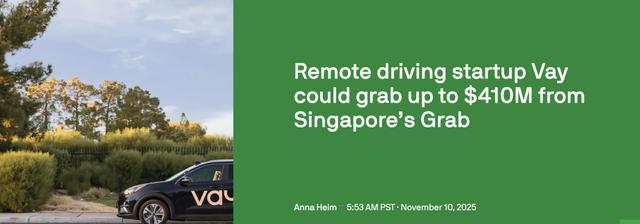
Core Insights - The autonomous driving industry is gaining momentum, providing more financing opportunities for startups, exemplified by Vay's announcement of a $60 million investment from Grab [1][3] - Vay, a Berlin-based startup, specializes in remotely controlled rental cars and plans to launch operations in Las Vegas in January 2024, despite not yet operating in Germany due to regulatory uncertainties [3][4] - The investment from Grab is part of a strategic move to support remote driving technology, with potential for an additional $350 million investment based on performance metrics in the U.S. market [1][3] Company Overview - Vay operates a hybrid model combining technology and human operation to remotely control rental vehicles, allowing users to drive without owning a car while eliminating parking concerns [4] - The service costs approximately half that of traditional ride-hailing services due to Vay's lightweight hardware system and operational model [4] - Vay aims to create a global remote driving platform and has expanded into commercial services, partnering with Kodiak Robotics for autonomous trucking [4][5] Market Context - The U.S. remote driving sector is becoming increasingly competitive, with companies like Waymo launching autonomous taxi services in multiple cities [3] - Grab, while publicly listed on NASDAQ, has not directly entered the U.S. market, and its investment in Vay is seen as a strategic initiative to enhance its capabilities in remote driving technology [3][5] - Grab has also invested in several autonomous driving startups, indicating a growing interest in the sector, as highlighted by NVIDIA's recent $500 million investment in the UK startup Wayve [5]
智能早报丨百度、文远知行在阿布扎比开展全无人商业化运营
Guan Cha Zhe Wang· 2025-11-11 02:14
Group 1 - Huawei Mate 70 Air officially launched at 10:08 today, featuring a lightweight design and powered by the Kirin 9020A/B processor, with support for Beidou satellite messaging [1] Group 2 - Baidu's "Luobo Kuaipao" has received the first batch of fully autonomous commercial operation licenses from the Abu Dhabi Integrated Transport Center, marking its first large-scale public operation outside of China [2] - WeRide has been granted approval by the UAE federal government to commence pure autonomous Robotaxi commercial operations in Abu Dhabi, representing the first city-level L4 autonomous driving commercial license outside the US [4] Group 3 - Meituan has launched its first AI IDE product, Meituan CatPaw, which is now in public beta, featuring intelligent programming capabilities such as code completion and project preview debugging [6] Group 4 - Amazon announced a new round of organizational optimization, resulting in the net reduction of approximately 14,000 corporate white-collar jobs, affecting multiple core departments including HR, AWS, and advertising [7] - Reports indicate that the layoffs in Amazon's China division are more severe, with some departments reducing staff by half and management authority shifting to the US [9] Group 5 - NVIDIA's CEO has requested TSMC to increase 3nm wafer production capacity by up to 50% to meet the surging demand for Blackwell AI chip orders, raising monthly production from 100,000-110,000 wafers to approximately 160,000 [10] Group 6 - TikTok has partnered with iHeartMedia to launch the TikTok Podcast Network, which will feature up to 25 new podcast shows hosted by TikTok creators, with new co-branded podcast studios opening in major US cities [11]

百度集团-SW现涨超4% 萝卜快跑宣布获阿布扎比全无人商业化运营许可
Zhi Tong Cai Jing· 2025-11-11 01:46
Core Viewpoint - Baidu Group's stock has seen an increase of over 4%, currently trading at 130.4 HKD, with a transaction volume of 245 million HKD, following the announcement of its autonomous vehicle service, "萝卜快跑," receiving the first commercial operation license for fully autonomous vehicles in Abu Dhabi [1] Group 1: Company Developments - "萝卜快跑" has announced the receipt of the first fully autonomous commercial operation license from the Abu Dhabi Integrated Transport Centre (ITC), marking a significant step in its global expansion strategy [1] - Since entering the Abu Dhabi market in March, "萝卜快跑" has formed a strategic partnership with UAE's autonomous mobility company AutoGo to deploy sixth-generation autonomous vehicles in specific areas, aiming for full autonomous operation by 2026 [1] - The collaboration aims to create the largest fleet of autonomous vehicles in Abu Dhabi, enhancing urban traffic efficiency and reducing carbon emissions, contributing to the city's smart city goals [1] Group 2: Operational Metrics - As of October 31, "萝卜快跑" has achieved a weekly order volume exceeding 250,000, with 100% of these being fully autonomous orders [1] - Cumulatively, "萝卜快跑" has serviced over 17 million orders globally [1]

快讯 | 文远知行港交所上市——全球首家在“美股+港股”上市的自动驾驶科技企业
Sou Hu Cai Jing· 2025-11-11 01:46
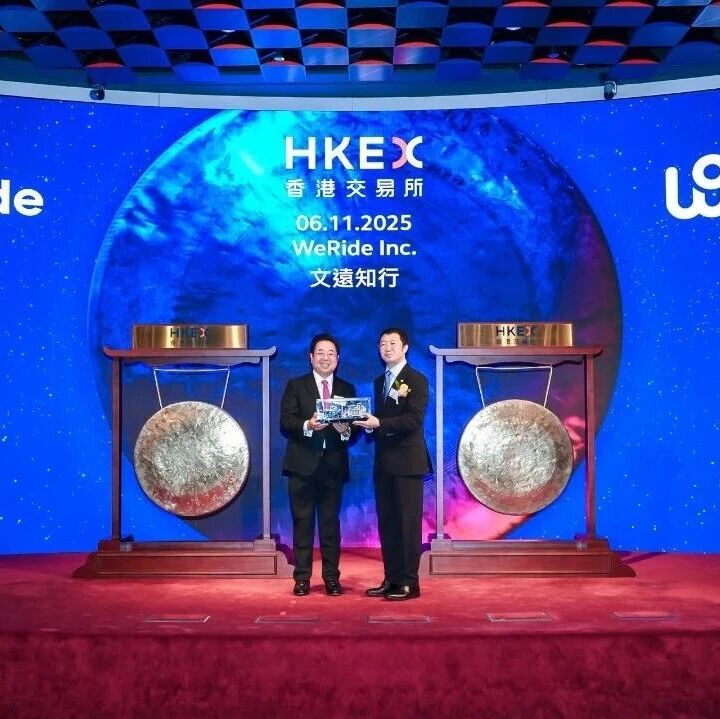
Core Insights - The article highlights that Wenyan Zhixing has officially listed on the Hong Kong Stock Exchange on November 6, becoming the first autonomous driving technology company to have a dual primary listing in both the US and Hong Kong [1] Company Overview - Wenyan Zhixing, which debuted on NASDAQ on October 25, 2024, specializes in the development of autonomous vehicle systems and software [1] - The company offers a range of autonomous driving products and services, including autonomous buses, taxis, and cleaning vehicles, along with related sensor kits [1] Regulatory and Market Presence - Currently, the company holds autonomous driving licenses in seven countries, covering over 30 cities across 11 countries, including China, Belgium, France, and the UAE [1]
端到端VLA剩下的论文窗口期没多久了......
自动驾驶之心· 2025-11-11 00:00
Core Viewpoint - The article discusses the evolution of autonomous driving technology, highlighting the transition from rule-based systems to end-to-end models represented by companies like Ideal and Xpeng, and currently to the world model phase represented by NIO, emphasizing the continuous presence of deep learning throughout these changes [1]. Group 1: Course Introduction - The course covers the development from modular production algorithms to end-to-end systems and now to VLA, focusing on core algorithms such as BEV perception, visual language models (VLM), diffusion models, reinforcement learning, and world models [5]. - Participants will gain a comprehensive understanding of the end-to-end technical framework and key technologies, enabling them to reproduce mainstream algorithm frameworks like diffusion models and VLA, and apply their knowledge to projects [5]. Group 2: Instructor Background - The course is led by Jason, an expert in algorithms from a top domestic manufacturer, with a strong academic background including a C9 undergraduate degree and a PhD from a QS top 50 institution, along with multiple published papers [6]. Group 3: Student Feedback and Outcomes - Feedback indicates that students completing the course can achieve a level equivalent to one year of experience as an end-to-end autonomous driving algorithm engineer, benefiting from the training for internships and job recruitment [5]. Group 4: Research Guidance - The program offers a structured approach to research, guiding students through topic selection, literature review, methodology development, and paper writing, with a high success rate in publication [11][15]. - The service includes personalized matching with experienced mentors based on research direction and goals, ensuring a tailored learning experience [18]. Group 5: Additional Opportunities - Outstanding students may receive recommendation letters from prestigious institutions and direct referrals to research positions in leading companies like Alibaba and Huawei [19].
174米AI数字画卷“全红婵”头像咖啡 广东如何玩转十五运会“黑科技”?
Nan Fang Du Shi Bao· 2025-11-10 23:06
Core Insights - The Fifteenth National Games showcased a 174-meter AI-generated digital painting, highlighting the integration of technology and art, representing the strength of the Greater Bay Area's innovation capabilities [2][3] - Guangdong has emerged as a "dual champion" in both regional GDP and innovation capacity, emphasizing the importance of industrial and technological synergy [2][6] Innovation Layout - The digital painting was created by Deep Yuan Artificial Intelligence Technology Co., utilizing the MasterAgent system, which generated over 2000 intelligent agents for the project [4][5] - The painting reflects iconic landmarks of the Greater Bay Area, combining traditional oil painting techniques with digital art [3] Industry Development - Guangdong's AI core industry has surpassed 220 billion yuan, accounting for approximately one-third of the national total, with a digital economy that leads the country [8][17] - The region has seen significant advancements in manufacturing, including the world's first mass production line for flying cars and a G8.6 OLED production line, indicating a shift from follower to leader in various industries [6][8] Technological Integration - The integration of technology into industrial development is evident, with Guangdong fostering a robust ecosystem for innovation, including the establishment of multiple verification platforms for new technologies [9][12] - The province is focusing on high-level technological self-reliance and innovation to support high-quality development, with a strategic emphasis on merging technological and industrial advancements [14][15] Future Prospects - Guangdong aims to continue leading in technological innovation and industrial development, with plans to establish 30 to 50 verification platforms to facilitate the transfer and transformation of advanced technologies [15][16] - The region is positioned to become a global center for industrial technology innovation, leveraging its strong industrial base and innovative capabilities [16]

“全生命周期”服务培育创新标杆
Su Zhou Ri Bao· 2025-11-10 22:47
Core Insights - The Suzhou Industrial Park provides comprehensive support for businesses, facilitating their growth from initial funding to operational success, emphasizing a full lifecycle service model [1][9] Group 1: Policy Support and Services - The park actively matches policies to businesses, offering significant financial incentives such as three years of rent-free office space and up to 10 million yuan in investment [2] - A dedicated AI policy matching mechanism generates customized policy reports for companies, ensuring they receive timely and relevant support [3] - The park's service center has streamlined the policy application process, enhancing efficiency and ensuring that businesses can easily access necessary resources [3][6] Group 2: Real-World Testing and Innovation - The park has opened real-world testing scenarios for autonomous vehicles, allowing companies like Jiushi Intelligent to conduct regular operational tests, which is crucial for product optimization [4][5] - Jiushi Intelligent has achieved an 88% market share in the national urban distribution unmanned vehicle sector, highlighting the effectiveness of the park's supportive environment [5] Group 3: Comprehensive Lifecycle Services - The park employs a "three ones" service system, focusing on seamless administrative processes and support for businesses at every stage of development [6] - The park's service center resolves a high volume of requests efficiently, with a 99.9% success rate in minimizing the need for multiple visits [7] - The park has developed a "one-stop" service model for companies looking to expand internationally, significantly reducing the time and effort required for overseas operations [8] Group 4: Success Stories and Impact - Jiushi Intelligent and Zhizhi Technology exemplify the park's successful support for businesses, showcasing how tailored assistance can lead to significant achievements in the market [9] - The park's approach fosters a collaborative environment, positioning itself as a partner rather than just a landlord, which enhances the overall business ecosystem [8][9]