
互联网科技

Search documents
德媒:硅谷式“脱鞋上班”背后的逻辑
Huan Qiu Shi Bao· 2026-01-19 22:46
办公室入口处堆积如山的鞋子,让这里看起来像个神圣的地方,一个必须不惜一切代价予以尊重的地 方,人们在这里只能恭顺地、小心翼翼地走动。与此同时,一双或者好多双略显寒酸的拖鞋静静地躺在 公司门口,因为"好客"的雇主总会特别备着,作为与员工"友谊"的证明,试图打破工作与私人生活的界 限。尽管在我们的私人生活中,朋友为我们多准备几双拖鞋是非常贴心的举动。但如果换成职场,这种 所谓的舒适感或许也包括试图无限期延长员工在办公室停留的时间。(作者贝里特·迪塞尔坎普,青木 译) 拖鞋本身显然不是为了工作场所而设计的。仅仅凭"拖鞋"两个字就能清楚地表明"它应该待在舒适的家 庭地毯上、为下班后的主人提供松弛感"。 一些传统公司认为,室内拖鞋就应该待在家里。而我们这些只想拥有一个家的人,对此表示由衷地支 持。脱鞋毕竟是一件私密的事情。在其他任何场合,尤其是在家门外,它都会立刻带上一丝羞辱人格的 意味:你会瞬间矮了几厘米,不自信了好几分,而且你对事业的掌控力也会发生变化。或许有人会说, 办公室里提供拖鞋仅仅是为了让员工更容易从居家办公过渡到办公室工作,允许他们在一定程度上放松 一下。但事实真的如此吗? 德国《时代周报》 1 月 17 ...
港股收评:恒指跌超1%,科技、金融股齐受挫,航空板块逆势活跃
Ge Long Hui· 2026-01-19 08:59
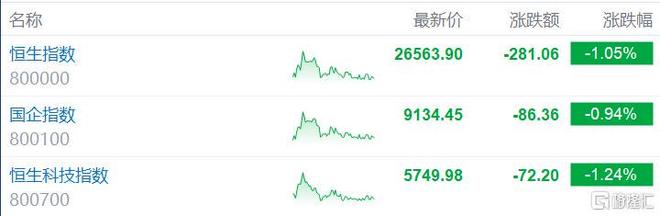
Market Overview - The Hong Kong stock market indices showed weakness on January 19, with the Hang Seng Index down by 1.05%, the Hang Seng China Enterprises Index down by 0.94%, and the Hang Seng Tech Index down by 1.24, influenced by tariffs and geopolitical risks [1] Technology Sector - Major technology stocks, which serve as market indicators, performed poorly, with Alibaba down by 3.49%, and other notable declines including Meituan, JD.com, and Tencent, each falling over 1% [3][5] - AI application concept stocks continued to decline, particularly in the AI healthcare sector, with significant drops in stocks like Baidu and iFlytek [6][7] Healthcare Sector - AI healthcare concept stocks saw substantial declines, with Baidu down over 8%, and iFlytek and other related stocks also experiencing drops exceeding 5% [7] - Biopharmaceutical stocks collectively fell, with notable declines in stocks like Kelun-B and WuXi Biologics, each dropping over 4% [8] Education Sector - Education stocks faced declines, with Dadi Education down over 9% and several others like Australia Chengfeng Higher Education and Excellence Education Group dropping over 3% [9] Copper and Mining Sector - Copper stocks experienced a pullback, with Jin Xun Resources down by 6.81% and Jiangxi Copper falling over 3% [11] Financial Sector - Chinese brokerage and insurance stocks showed weak performance, with Shenwan Hongyuan down over 3% and several others like China Galaxy and China Pacific Insurance also declining [12] Consumer Sector - The aviation industry showed a strong recovery trend, with China Eastern Airlines rising over 9%, supported by positive forecasts for passenger transport during the upcoming Spring Festival [16][17] Energy Sector - Electric power equipment stocks rose, with Dongfang Electric up over 6% and Harbin Electric up over 5%, driven by significant investment plans from the State Grid Corporation [18] - Oil stocks also saw gains, with China Petroleum and Chemical Corporation up over 3% [22] Precious Metals - Gold and precious metals performed actively, with gold prices reaching historical highs due to geopolitical tensions and increased demand for safe-haven assets [21][22] Investment Outlook - Analysts suggest that the technology sector remains a long-term investment focus, with potential for upward movement due to multiple favorable factors including price increases in the supply chain and accelerated AI applications [25]



港股收评:恒指跌1.05%,科技金融拖累大市走低,黄金石油等避险板块活跃
Ge Long Hui· 2026-01-19 08:20
Market Performance - The Hong Kong stock market indices showed weakness due to tariffs and geopolitical risks, with the Hang Seng Index falling by 1.05% to 26,563 points, the Hang Seng China Enterprises Index down by 0.94%, and the Hang Seng Tech Index declining by 1.24% [1] Sector Performance - Major technology stocks, which are market indicators, performed poorly, with Alibaba dropping by 3.5%, Xiaomi hitting a new low, and Meituan, JD.com, and Tencent all declining by over 1% [1] - AI application concept stocks continued their downward trend, particularly in the AI healthcare sector, while biopharmaceutical stocks also saw collective declines [1] - Institutional forecasts suggest that copper prices will remain in a high-level fluctuation range, leading to a pullback in copper-related stocks [1] - Weighty sectors such as Apple concept stocks, Chinese brokerage stocks, domestic banks, and insurance stocks mostly underperformed, further dragging down the overall market [1] Positive Trends - The aviation industry is viewed positively, with expectations of simultaneous growth in volume and price recovery, as evidenced by China Eastern Airlines' stock surging over 9% [1] - The State Grid's planned investment of 4 trillion yuan during the 14th Five-Year Plan period represents a 40% increase compared to the previous plan, contributing to a continued upward trend in electric equipment stocks [1] - Other active sectors included military, oil, automotive, port shipping, and gold stocks, which showed significant activity [1]
当支付宝遇上谷歌:一场关于“AI购物”的静默革命
Sou Hu Cai Jing· 2026-01-19 07:11
Core Insights - The collaboration between Ant International and Google to launch a "Universal Business Agreement" signifies a strategic move towards redefining commercial interactions in the AI era, aiming to transform purchasing behavior from active searching to passive interaction [1][11] Group 1: AI Integration Challenges - AI applications in business have been hindered by the "Babel Tower dilemma," where integration issues lead to increased costs and fragmented user experiences, with Gartner estimating that 40% of AI projects fail due to these integration challenges, resulting in a global economic loss of approximately $2.5 trillion [2] - A significant portion of enterprise AI projects, about 67%, is allocated to system integration rather than enhancing core AI capabilities, complicating collaboration across different platforms [2] Group 2: Universal Business Agreement - The "Universal Business Agreement" aims to address integration challenges by optimizing existing internet commercial protocols, focusing on standardized data exchange modules and unified identity verification mechanisms [3] - This agreement encapsulates commercial elements like product information and payment instructions into standardized data interfaces, allowing developers to implement cross-platform functionalities without needing separate integrations for each e-commerce platform [3] Group 3: Payment Experience Transformation - The collaboration introduces a payment revolution through Ant International's AntomEasySafePay technology, enabling seamless transactions via voice commands or simple prompts, enhancing user experience by eliminating the need to navigate away from conversation interfaces [4][5] - Early trials in Southeast Asia indicate that this simplified payment process can increase transaction conversion rates by 35% and reduce user abandonment rates by 25%-28%, demonstrating the commercial viability of this model [4] Group 4: Privacy and Trust Issues - The shift towards AI-driven purchasing raises significant trust concerns, as users may relinquish decision-making authority to AI, leading to potential privacy risks if AI systems are compromised [6] - The cross-border nature of data flow presents additional challenges, as varying privacy regulations across countries complicate compliance and data protection [6][7] Group 5: Market Dynamics and Challenges for SMEs - The collaboration has a global perspective, with Google holding a dominant market share in search engines and Ant International serving over a billion consumers, aiming to create an open AI commercial ecosystem [8] - However, geopolitical tensions and the complexity of cross-border data flow introduce uncertainties that could impact the agreement's implementation [8][9] - Small and medium-sized enterprises (SMEs) face challenges in adapting to the new AI systems due to high costs associated with technical upgrades, which can consume a significant portion of their annual revenue [9] Group 6: Sustainable Development and Regulatory Needs - For sustainable development, it is essential to establish a collaborative regulatory framework that addresses data flow and AI recommendation fairness, while also providing support to SMEs to prevent widening the digital divide [10][11] - Balancing efficiency with security and ensuring that the benefits of the AI revolution are distributed across all participants in the global business ecosystem is crucial for its success [11]
恒指跌0.99% 恒生科技指数跌1.15%
Jing Ji Guan Cha Wang· 2026-01-19 04:13
经济观察网 港股午间收盘,恒生指数跌0.99%,恒生科技指数跌1.15%。权重科技股普遍下跌,阿里巴 巴-SW跌超3%,百度集团-SW逆势涨超2%;AI应用相关概念股持续回调,AI医疗方向跌幅明显,中资 券商股、保险股等大金融股多数下跌。 ...
沪指涨0.5%,电网设备掀起涨停潮,人民币中间价创逾32个月新高,恒科指跌0.6%,科网股调整,沪锡跌超5%
Hua Er Jie Jian Wen· 2026-01-19 02:26
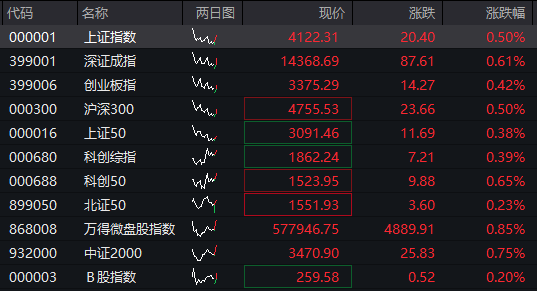
Market Overview - A-shares experienced a volatile rise in early trading on January 19, with all three major indices strengthening, particularly in the electric grid equipment and precious metals sectors [1] - The Hang Seng Index opened lower and continued to decline, with the Hang Seng Technology Index also falling, while new consumption concepts rebounded [2][3] A-shares Performance - The Shanghai Composite Index rose by 20.40 points, or 0.50%, to 4122.31 - The Shenzhen Component Index increased by 87.61 points, or 0.61%, to 14368.69 - The ChiNext Index gained 14.27 points, or 0.42%, to 3375.29 [1] Hong Kong Market Performance - The Hang Seng Index fell by 229.97 points, or 0.86%, to 26614.99 - The Hang Seng Technology Index decreased by 43.23 points, or 0.74%, to 5778.95 [2][3] Bond Market - The bond market showed mixed results, with the 30-year main contract down by 0.23% and the 10-year main contract down by 0.01% [3][4] Commodity Market - Most domestic commodity futures declined, with notable drops in tin (over 6%) and lithium carbonate (nearly 4%) - Silver and gold prices saw increases, with silver up by 2% and gold by 1% [4][5] Electric Grid Equipment Sector - The electric grid equipment sector saw a surge, with stocks like Shuangjie Electric hitting the daily limit up of 20%, and several others rising over 10% [6][7] Tourism and Hospitality Sector - The tourism and hotel sector showed positive movement, with Jiuhua Tourism hitting the daily limit up and several other hotel stocks also rising, driven by increased travel bookings for the upcoming holiday season [8] AI Application Sector - The AI application sector rebounded, with stocks like Baina Qiancheng rising over 10%, following news of OpenAI testing ad placements in its services [9][11] Precious Metals Sector - The precious metals sector was active, with Sichuan Gold rising over 9% and other gold stocks following suit, influenced by record high international gold and silver prices [10]



中科宇航上市辅导状态已变更为辅导验收,5家商业航天公司全部启动IPO;马斯克脑机第一人首曝!不开颅在线升级——《投资早参》
Mei Ri Jing Ji Xin Wen· 2026-01-19 01:29
Group 1: Important Market News - The People's Bank of China and the National Financial Regulatory Administration announced that the minimum down payment ratio for commercial housing loans is adjusted to no less than 30% [1] Group 2: Industry Insights - Domestic commercial aerospace companies are advancing their IPO processes, with China Aerospace Science and Technology Corporation's subsidiary, Zhongke Yuhang, changing its listing guidance status to acceptance. The company aims to become the first commercial aerospace stock in China [2] - The satellite communication industry is projected to reach a market size of 200 to 400 billion yuan by 2030, with an annual compound growth rate of 10% to 28%. This sector is transitioning from "concept validation" to "scale application," driven by technological maturity and cost reduction [2] - Major internet companies in China, including Alibaba, ByteDance, and Tencent, are intensifying competition in AI application products. Alibaba's newly launched Qianwen APP aims to serve as a personal AI assistant, integrating various services within its ecosystem [3][4] - Alibaba's Qianwen APP achieved over 10 million downloads within seven days of its launch, making it the fastest-growing AI application, directly competing with ByteDance's Doubao [4] - The brain-computer interface sector is gaining traction, with significant investments and advancements. A startup, Merge Labs, raised $252 million in seed funding, indicating strong interest in this technology [5][6] - The global market for brain-computer interface medical applications is expected to reach $40 billion by 2030 and $145 billion by 2040, highlighting its potential in treating neurological disorders [6] Group 3: Company Updates - Rongbai Technology is under investigation by the China Securities Regulatory Commission for misleading statements regarding a major contract [7] - San Da Membrane announced a plan to reduce its shareholding by up to 996,040 shares, representing no more than 3% of its total share capital [7] - He Shi Eye Hospital's shareholder plans to reduce its stake by up to 310,610 shares, accounting for 1.97% of the total share capital [7] - Jinke Environment reported a planned reduction of up to 102,520 shares by a significant shareholder, representing 0.83% of the total share capital [7] - Wei Si Medical announced a plan to reduce its shareholding by up to 287,310 shares, which is 3% of its total share capital [8] - Sifangda's controlling shareholder plans to reduce its stake by up to 483,150 shares, while other executives also plan to sell portions of their shares [8] - Chuhuan Technology reported a planned reduction of up to 239,560 shares by its significant shareholders [8]


热点思考 | 美国经济的共识与分歧——基于74家机构调查(申万宏观·赵伟团队)
赵伟宏观探索· 2026-01-18 16:05
Core Viewpoint - The article discusses the significant divergence among major institutions regarding the outlook for the U.S. economy in 2026, highlighting the uncertainty surrounding GDP growth predictions, which range from 0.8% to 2.9% [2][7][75]. Group 1: Disagreements on U.S. Economic Outlook - There is a notable disagreement among 74 research institutions regarding the U.S. GDP growth for 2026, with 65% predicting an increase, 27% forecasting a decline, and 8% expecting stability [2][7][75]. - The main reasons for optimism include fiscal and monetary easing, while concerns revolve around tariffs, inflation, employment, and fiscal debt [2][13][75]. - The most significant divergence is observed in fiscal policy assessments, with a total of 26 mentions and a bullish-to-bearish ratio of 15:11, indicating worries about potential overextension of policies [2][19][75]. Group 2: Misconceptions Among Institutions - A common misconception is that the "Beautiful Act" primarily extends existing tax cuts with limited incremental effects; however, it actually increases the tax cut intensity, with an expected overall tax reduction of 40% in 2026 compared to 2025 [3][25][76]. - Another misconception is that the effects of the tax cuts will be reflected in 2025; in reality, the benefits will manifest in the first half of 2026, particularly around April when tax refunds peak [3][31][76]. - It is also mistakenly believed that the act has already exhausted corporate cash flows, leading to a lack of investment in 2026; however, the act includes provisions that allow companies to benefit from past investments without requiring new expenditures [3][37][76]. Group 3: Potential Economic Growth in 2026 - The first half of 2026 is expected to see a tax refund surge, potentially increasing total refunds by about 30% to reach $412 billion, with per capita refunds rising by $700 to $1,000 to approximately $3,743 [4][43][77]. - The high consumer propensity to spend in the U.S. (46%) suggests that the tax cuts could quickly translate into GDP growth [4][49][77]. - In the second half of 2026, additional fiscal measures are anticipated, particularly in defense and infrastructure, with defense spending projected to rise by 10.4% and border infrastructure spending increasing by 65% [4][61][77].

热点思考 | 美国经济的共识与分歧——基于74家机构调查(申万宏观·赵伟团队)
申万宏源宏观· 2026-01-18 09:13
Group 1 - The core viewpoint of the article is that there is significant disagreement among major institutions regarding the direction of the US economy in 2026, with GDP growth predictions ranging from 0.8% to 2.9% [2][7] - 65% of the surveyed institutions believe that the US GDP growth will increase in 2026, while 27% predict a decrease, and 8% expect it to remain flat [2][7] - The main reasons for optimism include fiscal and monetary easing, while concerns include tariffs, inflation, employment issues, and fiscal debt burdens [2][13] Group 2 - A major area of disagreement among institutions is related to fiscal policy, with 26 mentions and a bullish-to-bearish ratio of 15:11, indicating worries about potential overextension of fiscal support [2][19] - Misconception one is that the "Beautiful Act" primarily extends existing tax cuts with limited incremental effects; however, it is expected to increase the overall tax reduction scale by 40% in 2026 compared to 2025 [3][25] - Misconception two is the belief that the effects of the tax cuts will be reflected in 2025; in reality, the benefits will manifest in the first half of 2026, particularly around April [3][31] Group 3 - The expected tax refund total for 2026 is projected to increase by approximately 30% to reach $412 billion, with per capita refunds rising by $700 to $1,000 to $3,743 [4][43] - The US consumer spending propensity is at 46%, suggesting that the tax cut effects can quickly translate into GDP growth [4][49] - In the second half of 2026, additional fiscal policies are anticipated, with defense spending expected to rise by 10.4% and border infrastructure spending increasing by 65% [4][61]

美团关联公司成立惠安摩骑科技公司
Xin Lang Cai Jing· 2026-01-16 03:25
Group 1 - Meituan's affiliated company has established Huian Moqi Technology Co., Ltd. as a wholly-owned subsidiary [1] - The business scope of Huian Moqi includes network and information security software development, information technology consulting services, social and economic consulting services, and internet data services [1] - The company is fully owned by Meituan's affiliated company Hanhai Information Technology Co., Ltd., which is a wholly foreign-owned enterprise established in 2006 with a registered capital of 49.5 million USD [1]
