先进制造业

Search documents
郑永年等海内外专家学者共议广州产业转型升级
Xin Lang Cai Jing· 2025-12-28 10:11
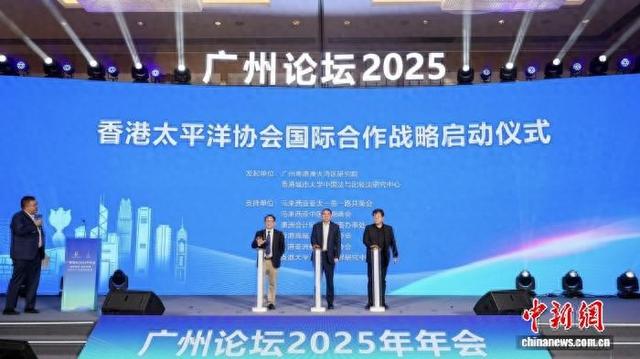
Core Viewpoint - The "Guangzhou Forum 2025 Annual Meeting" held from December 27 to 28 focuses on the theme "Smart Transformation of Business, Strengthening the Bay Area: A New Journey for Modern Industrial System," aiming to explore paths for industrial transformation and high-quality development in Guangzhou [1]. Group 1: Forum Highlights - The forum gathered representatives from various sectors, including government, industry, academia, and research, to discuss key issues and future directions for the construction of a modern industrial system in Guangzhou [1]. - The Hong Kong Pacific Association's international cooperation strategy was launched during the forum, aimed at promoting cooperation and international exchange within the Guangdong-Hong Kong-Macao Greater Bay Area [3]. Group 2: Expert Insights - Zheng Yongnian proposed five areas for systemic reform necessary for building a modern industrial system, emphasizing that competition in the era of artificial intelligence is fundamentally a competition of reforms [3]. - Xu Shanda analyzed the changes in productivity characteristics, capital, and labor demand in the AI era, advocating for a new round of tax reform to stimulate investment from state-owned, private, and foreign enterprises [3]. - Tian Jietang outlined a strategic framework for constructing a modern industrial system centered on advanced manufacturing, suggesting targeted policies for traditional industries to enhance their high-end, intelligent, green, and integrated transformation [4]. Group 3: Development Strategies - Cao Yuanzheng recommended leveraging China's large-scale industrial system to transform Guangzhou from a traditional port into a core service node of the global supply chain [4]. - Chen Xu highlighted Guangzhou's initiatives, such as establishing industrial task forces and mapping industrial chains, to promote collaboration with other cities in the Greater Bay Area and create a "business-friendly" environment [4]. - The forum also featured discussions on "Integration of Science and Technology with Industry: Urban Practices for Building a Modern Industrial System" and "The Path to Industrial Modernization in Guangzhou: Recreating a New Guangzhou," bringing together experts and industry representatives for in-depth dialogue [5].

枣庄明年经济工作怎么干 8组关键词看着力点
Sou Hu Cai Jing· 2025-12-27 15:44
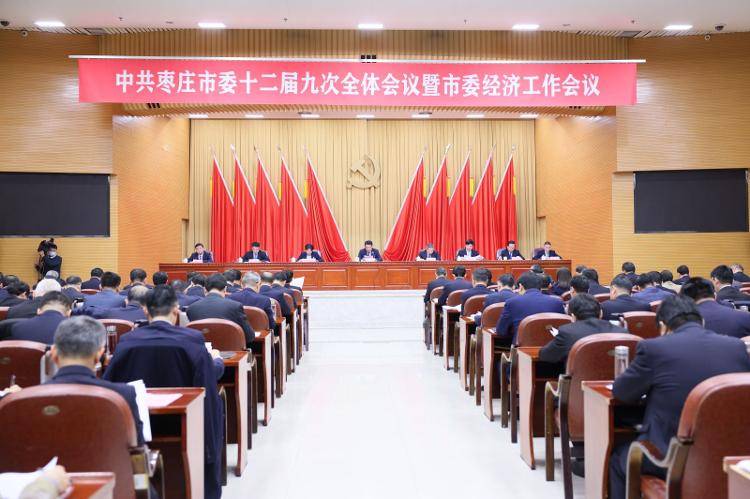
Group 1 - The core viewpoint of the article highlights the successful completion of the "14th Five-Year Plan" and the strategic planning for the "15th Five-Year Plan" in Zaozhuang, emphasizing the city's development momentum and future tasks [2] - Zaozhuang's GDP growth reached 5.7% from January to November, with 14 out of 16 major economic indicators ranking in the top 10 of the province, showcasing the city's robust economic performance [3] - The city has established a strategic focus on "strong industry and prosperous production, and transformation development," which aims to maintain continuity in work and enhance the urgency of development [4] Group 2 - Zaozhuang's transformation has entered a new phase, with a defined overall development positioning as a "resource-based city leading green and low-carbon transformation" and specific focuses on "new energy industry manufacturing base" and "Grand Canal cultural tourism city" [5][6] - The strategy emphasizes the importance of industrial economy, aiming to rebuild industrial glory by implementing a modern industrial system centered on advanced manufacturing [7] - Urban development will focus on responding to community needs, with plans for comprehensive urban construction to create a modern city that residents are proud of and outsiders admire [8] Group 3 - The city aims to enhance public welfare, with a target for public spending on people's livelihoods to remain around 80%, and a projected 5.5% increase in per capita disposable income [9] - The upcoming year will be designated as "Service Enterprises Year," focusing on creating a favorable business environment to encourage investment and business operations [10] - The strategy for the "15th Five-Year Plan" includes supporting traditional industries while fostering emerging sectors like lithium batteries and low-altitude economy, with a focus on attracting upstream and downstream projects [11]
上新!假期好去处!免费打卡→
Xin Lang Cai Jing· 2025-12-27 11:30
赶快来看看! 12月26日,"创建助力'百千万'"主题摄影展(珠海)在广州人民艺术中心拉开帷幕。来自珠海的150幅影像,串联起了城市的奋进历程。它们以鲜活的视 觉语言,呈现了珠海自"百千万工程"实施以来,在城乡区域协调发展、产业集群建设、乡村精神文明建设、农文旅融合等领域的生动实践和进展成效。 转自:珠海发布 新展览来了 150幅大片免费观赏 妥妥的周末好去处 展览现场 展览以五大篇章徐徐展开, 小布这就带你 精彩抢先看! 产业汇聚:动能涌现 △《全球首条eVTOL跨海跨城航线》珠海市交通运输局、珠海交通控股集团有限公司(张静)供图 产业是城市发展的引擎。面对科技变革浪潮,珠海重寻坐标,系统布局未来产业。发布人工智能与机器人专项政策,设立800亿元新质生产力基金群,发 放"算力券""模型券",降低创新门槛;打造"模数空间",集聚全球首个RDSA产业联盟,构建开放协同的创新生态。 珠海深入推进新型工业化,推动传统产业"焕新"、新兴产业"领跑"、未来产业"生根",加快构建以先进制造业为骨干的现代化产业体系,以全省1%的土 地、2%的人口,贡献了全省3.3%的GDP、4%的工业增加值。 技术汇聚,"智造"动能奔涌。 ...

四川眉山: “十五五”期间深度融入“双圈”“同城” 擘画区域协调发展新图景
Xin Lang Cai Jing· 2025-12-27 06:22
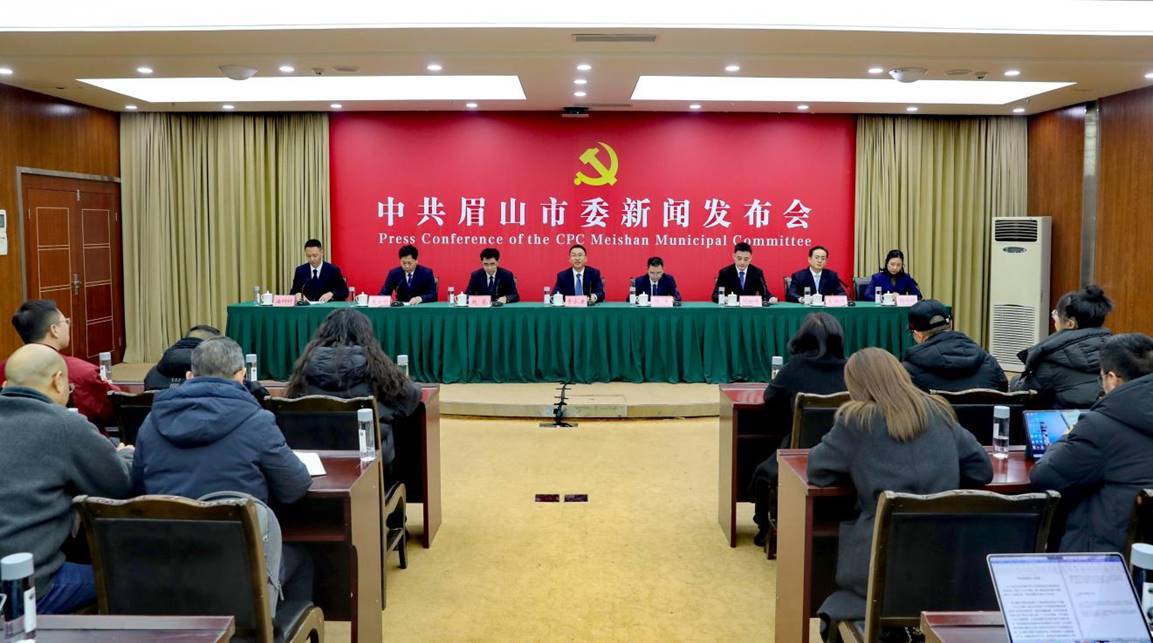
Core Viewpoint - The news highlights the significant achievements of Meishan during the "14th Five-Year Plan" period and outlines the strategic direction for the "15th Five-Year Plan," focusing on regional coordinated development and integration into the Chengdu-Chongqing economic circle. Group 1: Achievements during the "14th Five-Year Plan" - Meishan's economic total is expected to surpass 200 billion yuan, ranking 11th in the province, with GDP growth leading the province six times since 2024, marking a historical record [3][4]. - The economic transformation is evident, with the industrial structure optimized to 12.1:41.4:46.5, where the industrial sector has overtaken real estate as the primary tax source [4]. - The modern industry has shown robust support, with a net increase of 371 industrial enterprises and an industrial output value exceeding 220 billion yuan, leading the province in advanced manufacturing clusters [4][5]. - Continuous deepening of reforms is noted, including the introduction of innovative financial products and the establishment of service windows for unresolved issues, alongside over 360 international freight trains operated [5]. - Urban and rural quality improvements are highlighted, with significant advancements in urban renewal, new district construction, and rural revitalization, ranking 4th in the province for the number of top 100 towns [6]. - Social welfare has improved, with advancements in employment, income, education, and childcare, enhancing the overall sense of happiness and security among the populace [6]. Group 2: Strategic Direction for the "15th Five-Year Plan" - The focus will be on deep integration into the Chengdu-Chongqing economic circle and promoting coordinated development with Chengdu and Deyang [7]. - The urban development framework will be optimized, aiming to strengthen the main urban area and develop sub-centers and key towns [8]. - High-quality county-level economic development will be supported, particularly in Dongpo District and Renshou County, to establish advanced manufacturing hubs and ecological tourism destinations [8]. - The initiative to create "beautiful and livable rural areas" will be implemented, emphasizing cultural development and consolidating poverty alleviation achievements [9]. - The plan includes promoting the two-way flow of urban and rural factors through reforms in key areas such as household registration and land, encouraging social capital to invest in rural areas [10]. - The commitment to serve and integrate with Chengdu is emphasized, aiming to seize opportunities for growth and transform the outlined blueprint into reality [10].
干字当头抓关键 一心提质谋长远
Xin Lang Cai Jing· 2025-12-27 03:17
(来源:新安晚报) 坚持产业为先 筑牢强动能 聚焦实体经济,田家庵区推动产业结构优化升级,加快构建现代化产业体系。统筹传统产业改造、新兴 产业培育与未来产业布局,促进先进制造业与现代服务业深度融合,发展新质生产力。实施消费提振专 项行动,通过"以旧换新""惠民消费券"等活动提振大宗消费,创新消费场景吸引高能级首店落地;加快 诗遥湾、淮河老街等项目建设,打造"景区旅游+城区消费"模式,培育夜经济地标。落实"藏粮于地、藏 粮于技"战略,推进高标准农田建设与和美乡村建设,推动乡村产业振兴。 守牢发展底线 惠民保稳定 经济指标是发展成效的核心标尺,田家庵区紧盯年初既定目标,靶向破解发展短板。通过强化经济运行 调度,密切跟踪重点行业、企业及指标动态,对增速放缓或排名后退的指标深入分析、精准施策;针对 固投、社消零、制造业等短板指标,逐项拆解二级指标与支撑要素,制定详细追赶计划,加快补齐发展 差距;同时加强统计业务培训与企业项目摸排培育,确保新增长点及时客观反映在统计数据中,以精准 调度稳住经济增长预期。 聚焦项目建设 扩投提速度 秉持"今天的投入就是明天的产出"理念,田家庵区全方位推进项目建设提质增效。对计划开工项目实 ...
德州的多维“转身”与进阶之路
Qi Lu Wan Bao· 2025-12-26 12:13
Group 1: Industrial Development - Dezhou has accelerated its industrial economy as a top priority during the "14th Five-Year Plan," with a focus on new industrialization and the establishment of a modern industrial system centered on advanced manufacturing [2] - The number of industrial enterprises above designated size in Dezhou increased from 1,391 to 2,317, with revenue rising from 278.9 billion to 374.2 billion yuan [2] - Dezhou has pioneered the industry chain leader system, creating 11 signature industrial chains and 19 provincial-level industrial clusters, leading to significant market share in high-end chemical and equipment sectors [2][3] Group 2: Innovation and Transformation - The city emphasizes industrial innovation as a pathway to new productive forces, implementing 617 provincial-level enterprise technology innovation projects [3] - Dezhou is advancing digital transformation through the "Thousand Projects for Technological Upgrades" initiative, fostering 690 provincial-level digital economy "morning star factories" [3] Group 3: Consumer Market Growth - Dezhou aims to establish itself as a regional consumption center, with initiatives like the first Northern China Vegetable Grain Oil Sugar Wine Trading Conference to boost urban vitality and attract consumer traffic [4] - The social retail sales of consumer goods in Dezhou have grown at an average annual rate of 7.4% over the past four years, with new consumption models like live-streaming e-commerce gaining traction [4][6] Group 4: Food Industry Development - Dezhou is transforming from a traditional agricultural city to a renowned food city, focusing on high-quality food industry development and leveraging its agricultural advantages [7] - The city has over 1,800 food processing enterprises, with annual main business revenue nearing 80 billion yuan, and significant investments in key food processing projects [8] Group 5: Sports Industry Growth - Dezhou has integrated sports into its urban development, with over 3,000 sports enterprises generating 45 billion yuan in output, becoming a global hub for sports equipment [10] - The city hosts numerous high-level sports events, enhancing community engagement and promoting a vibrant sports culture [10] Group 6: Future Development Plans - Looking ahead to the "15th Five-Year Plan," Dezhou plans to expand development opportunities, strengthen industrial clusters, and enhance the integration of culture, tourism, and commerce [11]
2025年全国数字产业业务收入预计同比增长约9%
Xin Hua Wang· 2025-12-26 07:04
全国工业和信息化工作会议于12月25日至26日在北京召开。 【纠错】 【责任编辑:施歌】 制造业转型升级步伐加快。累计建成7000余家先进级、500余家卓越级智能工厂,全国工业5G专网 项目超过2万个、5G工厂超过8000家,累计培育国家绿色工厂6430家、绿色工业园区491家,大宗工业 固废综合利用率达到57%。 服务企业与社会民生取得新成效,累计培育科技和创新型中小企业超60万家、高新技术企业达50.4 万家、专精特新中小企业超14万家、"小巨人"企业1.76万家、制造业单项冠军企业1862家。信息通信业 服务经济社会发展能力持续增强,防范治理电信网络诈骗纵深推进。行业治理现代化稳步推进,一批标 志性改革举措出台实施,综合整治"内卷式"竞争成效显现。 工业和信息化部部长李乐成在会上表示,要深刻认识"十五五"时期面临的形势,准确把握"十五 五"时期使命任务,全面提升产业科技创新能力,大力发展先进制造业,推动制造业智能化、绿色化、 融合化发展,加强优质企业培育,筑牢产业发展安全屏障,提升行业治理现代化水平,推动新型工业化 取得重大进展,推动以先进制造业为骨干的现代化产业体系建设取得重大突破,稳步迈向世界制造强 ...
瑞银:料中国股市明年仍有上行空间 AI等驱动盈利
智通财经网· 2025-12-26 06:57
Core Viewpoint - UBS Wealth Management's Investment Office anticipates that the upward trend in the Chinese market is likely to continue until 2026, driven by advanced manufacturing and technological self-reliance as new growth engines [1] Group 1: Market Outlook - UBS believes that with domestic investors entering the market and global capital reallocating, there is still room for the Chinese stock market to rise [1] - The technology sector, which accounts for approximately half of the MSCI China Index, is increasingly resilient to the U.S. economic cycle and external shocks [1] Group 2: Growth Projections - The pace of AI monetization in China is ahead of other markets, with the Hang Seng Tech Index expected to see a 37% growth in earnings per share by 2026 [1] Group 3: Investment Opportunities - In the context of low interest rates and limited alternative investment options, approximately 7 trillion RMB of excess household savings is expected to flow into the stock market [1] - UBS continues to favor the Chinese market, focusing on cloud computing, e-commerce, AI, digital infrastructure, and selected telecommunications, financial, and utility companies [1] - Short-term market volatility due to tariffs or geopolitical factors may present good buying opportunities [1]
财政部原副部长朱光耀:我们要全面、客观地对国际贸易顺差进行分析,加强国际经济政策协调
Jin Rong Jie· 2025-12-26 06:57
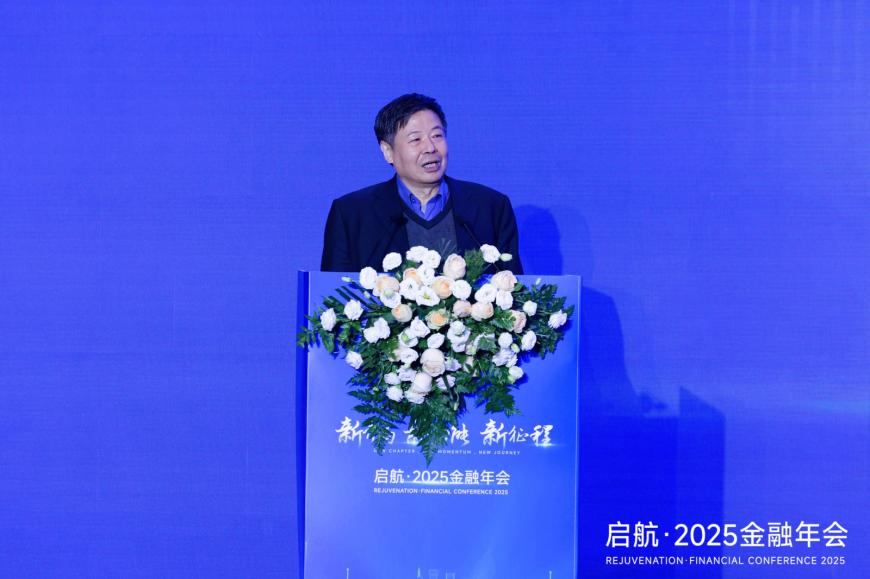
Group 1 - The 2025 financial conference in Beijing gathered over 100 guests and 500 financial institutions and listed companies, focusing on the theme of "New Starting Point, New Momentum, New Journey" [1] - Zhu Guangyao highlighted that 2025 is a crucial year for China's "14th Five-Year Plan," with a projected GDP growth of around 5%, contributing significantly to global economic growth [3][4] - The global economic growth rate is forecasted at 3.2% for 2025, below the past decade's average of 3.7%, indicating a weak recovery in the global economy [3] Group 2 - China's international trade is expected to exceed $7.5 trillion in 2025, with a trade surplus of nearly $1 trillion, driven by strong manufacturing capabilities and a complete industrial supply chain [4] - The growth rates for China's goods and services trade in the first 11 months of the year were 3.6% and 7.6%, respectively, indicating robust trade performance [4] - In 2026, China will host the APEC leaders' informal meeting, focusing on global trade and international economic policy coordination [4][5] Group 3 - China's strong manufacturing base, electricity production capacity, and vast data resources are supporting the development of the artificial intelligence industry, positioning China at the forefront of the global industrial revolution [5] - The country is expected to contribute significantly to global productivity through advancements in artificial intelligence, while also addressing governance and ethical standards in the field [5]
以更大开放诚意迎接全球资本,百瑞赢解读新版鼓励目录
Jin Tou Wang· 2025-12-26 03:28
Core Viewpoint - The release of the "Encouraging Foreign Investment Industry Catalog (2025 Edition)" marks a significant step in China's efforts to expand high-level openness and attract foreign investment, with a clear blueprint for future industrial upgrades and regional coordinated development [1][4]. Summary by Relevant Sections Expansion and Optimization - The new catalog has increased the total number of entries by 205, reaching 1,679, with over 300 entries modified compared to the 2022 version [1][3]. - The nationwide "Encouraging Catalog" has added 100 new entries, while the "Advantage Industry Catalog" for specific regions has increased by 105 entries, reflecting a systematic response to the demands of China's economic development [1][3]. Industry Focus - The core direction of the revision emphasizes two dimensions: promoting industries towards mid-to-high-end and facilitating regional coordinated development [3]. - In the manufacturing sector, new areas of encouragement include nucleic acid drug development, zero-magnetic medical equipment, smart detection instruments, and underwater operation robots [3]. - In the service sector, the catalog has expanded to include modern high-end shipping, virtual power plant operations, pet medical services, sports tourism, and camping accommodation design, indicating a comprehensive approach to enhancing supply chains and meeting diverse high-quality living demands [3]. Regional Customization - The catalog tailors encouragement based on local characteristics, such as ice and snow equipment in Heilongjiang, computing power infrastructure in Guizhou, and wind power operation in Qinghai, showcasing the intent to guide foreign investment in China's internal gradient development [3]. Supporting Policies - To enhance the attractiveness of the new catalog, several supportive policies are outlined, including exemptions from import tariffs on self-used equipment, land transfer price discounts for intensive land use projects, and a reduced corporate income tax rate of 15% for investments in western regions and Hainan Province [4]. - These tangible benefits, combined with measures from the National Development and Reform Commission to support major foreign investment projects and create investment cooperation platforms, form a robust policy framework aimed at attracting and retaining foreign investment [4]. Strategic Implications - The release of the catalog transcends mere policy updates, representing China's proactive approach to shaping new advantages for attracting foreign investment and creating a transparent, stable, and predictable institutional environment [4]. - It signals to the world that China's doors for openness will continue to widen, offering multinational companies a broad platform to share in China's development opportunities with an optimized industrial structure and regional layout [4].