稀土

Search documents
A股狂飙3900点!4000点近在眼前,这次能冲过去吗?
Sou Hu Cai Jing· 2025-10-13 07:27
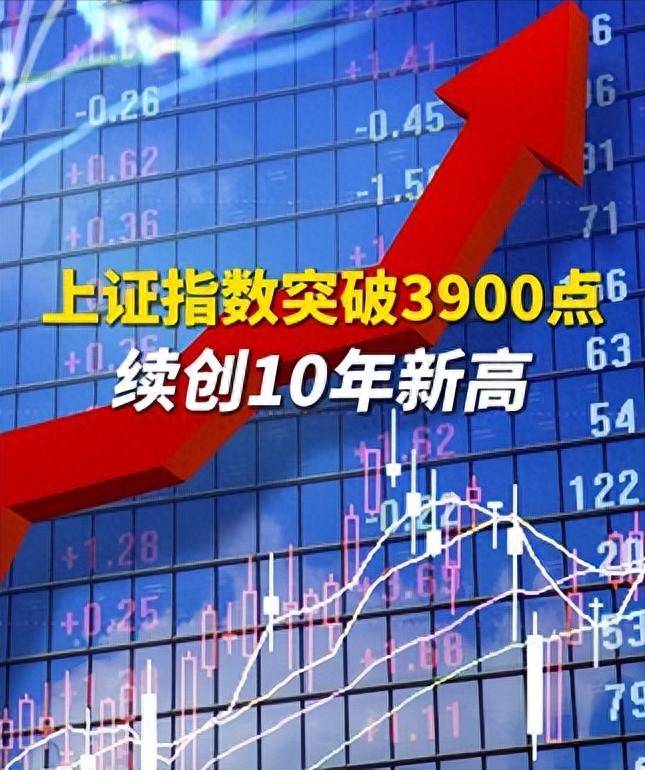
Core Viewpoint - The Shanghai Composite Index has reached a nearly ten-year high of 3900 points, approaching the significant 4000-point mark, driven primarily by technology and resource stocks [1][10]. Technology Sector - The technology sector is the main driver of the current market rally, influenced by both domestic and international factors [3]. - A significant partnership between AMD and OpenAI has been established, with AMD selling equity to OpenAI and the latter purchasing AMD chips, creating a mutually beneficial business model [3]. - The Federal Reserve's anticipated interest rate cuts, with a 94% probability of a cut in October, are expected to support technology stock valuations [3]. - However, there are warnings from the IMF and the Bank of England regarding the high valuations of U.S. tech stocks, which are nearing levels seen during the 2000 dot-com bubble [3]. Resource Sector - Resource stocks, particularly gold, rare earths, and copper, have also shown strong performance, with the materials sector seeing 25 stocks hit the daily limit up [6]. - The gold sector's rise is attributed to a rebound in international gold prices, which surpassed $4000 per ounce during the A-share market's eight-day closure [6]. - The rare earth sector is benefiting from favorable policies, with the Ministry of Commerce issuing documents to strengthen export controls, enhancing global pricing power [7]. - Copper prices are rising due to supply constraints, particularly from the Grasberg mine in Indonesia, which is expected to reduce output by 35% until 2027 [8]. Market Dynamics - Historical trends indicate that after the Shanghai Composite Index surpasses 4000 points, it often faces significant corrections, as seen in 2007 and 2015 [9]. - The current market shows structural characteristics with notable sector differentiation, indicating increased market vitality but also potential valuation risks [9]. - Regulatory measures may be implemented to guide a slow bull market, with cooling measures for technology stocks likely to begin [9]. - Future potential sectors for investment may include undervalued blue-chip stocks and high-end manufacturing, aligning with policy directions and offering valuation safety margins [9]. Investment Strategy - Investors are encouraged to seize opportunities arising from industrial transformations while maintaining rationality and balancing policy adjustments with market sentiment [11].

10月13日沪深两市涨停分析
Xin Lang Cai Jing· 2025-10-13 07:27
Group 1: Environmental and Resource Management - Huicheng Environmental Protection Company utilizes waste catalyst decomposition technology to convert non-revivable waste catalysts into resource products such as silicon, aluminum, rare earth, and nickel products [2] - Northern Rare Earth is the largest global supplier of rare earth products and has seen significant stock performance with a 3-day increase [2] - Guangsheng Nonferrous Metals holds all three rare earth mining licenses in Guangdong Province, with a total rare earth resource reserve of 124,400 tons [2] Group 2: Precious Metals - Spot gold has reached a new high of $4,070 per ounce, indicating strong market performance [2] - China Ruilin has seen a stock increase over three days, partly due to its stake in a gold mining project in Algeria [2] - Xibu Gold, the largest gold mining and selection enterprise in Northwest China, has also experienced a stock increase [2] Group 3: Semiconductor and Electronics - The "Bay Chip Exhibition" is approaching, with companies like New Kai Lai showcasing their products [2] - New Lai Materials has successfully applied some products in clean and washing fields, aiming to engage with ASML [2] - Aopu Optoelectronics produces grating rulers, a core component in semiconductor processing equipment [2] Group 4: Nuclear Fusion and Advanced Materials - Antai Technology has successfully applied its tungsten composite components in the international ITER project [4] - Yongding Co. has developed high-temperature superconducting materials for various applications, including nuclear fusion [4] - Lianchuang Optoelectronics is the only domestic company capable of designing and manufacturing high-field superconducting magnets [4] Group 5: Software and Digital Solutions - Zhujianke provides BIM design software applicable in construction, enhancing project efficiency [5] - Rongxi Software is a leading service provider in digital governance and collaborative management, partnering with Huawei [5] - China Software, a core enterprise under China Electronics, has a comprehensive software product chain [5] Group 6: Lithium and Battery Materials - Tianji Shares is a leading producer of lithium hexafluorophosphate, focusing on solid-state battery technology [7] - Youyan New Materials is developing solid-state electrolyte materials for power batteries, with significant profit growth expected [7] - Duofluorine is a global leader in lithium hexafluorophosphate, maintaining a strong focus on solid-state battery capabilities [7] Group 7: E-commerce and Retail - The Double Eleven shopping festival has commenced, with companies like Guoxing Chain reporting a 4.15% year-on-year growth [8] - He Bai Group, a retail leader in Anhui, continues to expand its market presence [8] Group 8: Real Estate and Construction - Multiple regions are optimizing real estate policies, with companies like Kexin Development focusing on construction projects [8] - Shen Zhen Yi A is a quality developer in the Guangdong-Hong Kong-Macao Greater Bay Area [8]

稀土尾盘掀涨停潮,港口股集体拉升,金山办公大涨超8%
21世纪经济报道· 2025-10-13 07:23
Market Overview - The A-share market experienced fluctuations, with the Shanghai Composite Index down by 0.19% and the Shenzhen Component Index down by 0.93% as of October 13 [1][2] - The total trading volume in the Shanghai and Shenzhen markets was 2.37 trillion yuan, a decrease of 159.9 billion yuan compared to the previous trading day [1] Port and Shipping Stocks - Port stocks saw a collective surge, with Nanjing Port hitting the daily limit, and other stocks like Lianyungang, China National Offshore Oil Corporation, and Ningbo Maritime also rising [3][4] - Some shipping stocks, including China National Offshore Oil Corporation and Ningbo Maritime, rose over 6% [4] Regulatory Changes Impacting Shipping - The Ministry of Transport of China announced that starting October 14, 2025, special port service fees will be charged for U.S.-owned or operated vessels, which could significantly impact Sino-U.S. maritime trade [6] - The fee structure will increase progressively, starting at 400 yuan per net ton in 2025 and reaching 1120 yuan per net ton by 2028 [7] Rare Earth Sector Performance - The rare earth sector showed strong performance, with stocks like China Rare Earth and Guangsheng Nonferrous rising by 10% [8][9] - Recent announcements from the Ministry of Commerce regarding export controls on rare earth-related items have expanded the scope of regulation, affecting the entire industry chain [8][9] Company-Specific Developments - Kingsoft Office saw its stock price increase by over 8% following the announcement that the Ministry of Commerce's recent notice would now be in WPS format, which gained significant attention on social media [10][12] - The company reported a revenue of 1.748 billion yuan from its WPS personal business, reflecting an 8.38% year-on-year growth, and a significant increase in WPS 365 business revenue by 62.27% [12] Leadership Changes - Vanke's stock price dropped following the resignation of its chairman, Xin Jie, after only nine months in office [13]


东方财富证券:出口管制加码 稀土或再迎配置机会
Zhi Tong Cai Jing· 2025-10-13 07:20
Core Viewpoint - China's comprehensive control over the rare earth industry is expected to lower global supply growth forecasts, benefiting the domestic rare earth sector's high-quality development [1][2]. Group 1: Policy and Regulation - The Ministry of Commerce and the General Administration of Customs have announced that starting from November 8, 2025, export controls will be implemented on certain medium and heavy rare earth items, related equipment, raw materials, and technologies [1][2]. - The recent upgrade in export controls includes an expanded range of controlled items, now including five additional medium and heavy rare earth elements [2]. - Export controls now extend to overseas operators, requiring them to obtain export licenses from the Chinese Ministry of Commerce for items containing or mixed with controlled rare earth materials [2]. Group 2: Market Dynamics - The demand for rare earths is expected to benefit from the continuous growth in the production of electric vehicles and wind power installations [4]. - As of August this year, China's exports of rare earth permanent magnets have increased by 15.4% year-on-year, indicating a recovery in export volumes [4]. Group 3: Investment Opportunities - Companies to watch in the rare earth sector include Northern Rare Earth (600111.SH), China Rare Earth (000831.SZ, 00769), Guangsheng Nonferrous (600259.SH), and magnetic material producer Jieli Permanent Magnet (300748.SZ, 06680) [5]. Group 4: Supply Chain Challenges - The difficulty of reconstructing the rare earth supply chain overseas has increased due to China's strengthened controls, enhancing the strategic position of Chinese rare earth products [3].

收评:沪指跌0.19% 稀土永磁、黄金等板块走强
Zheng Quan Shi Bao Wang· 2025-10-13 07:13
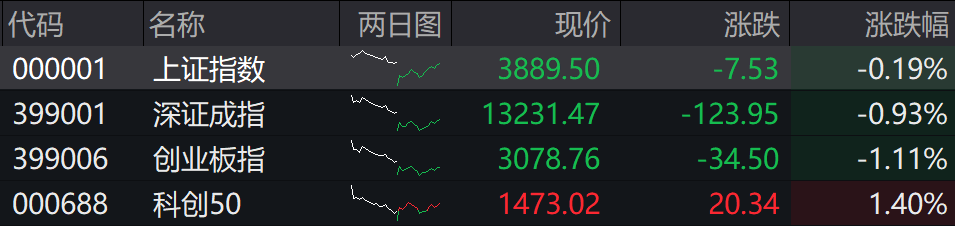
Core Viewpoint - The three major indices experienced weak fluctuations in the morning but rebounded in the afternoon, with the declines narrowing by the close of trading [1] Market Performance - By the end of trading, the Shanghai Composite Index fell by 0.19%, the Shenzhen Component Index decreased by 0.93%, and the ChiNext Index dropped by 1.11% [1] - Over 3,600 stocks in the market declined, with total trading volume exceeding 2.3 trillion yuan [1] Sector Highlights - The rare earth permanent magnet sector saw significant gains, with Northern Rare Earth and China Rare Earth hitting the daily limit [1] - The gold sector strengthened, with companies like Western Gold also reaching the daily limit [1] - The military trade sector was active, highlighted by Changcheng Military Industry achieving two consecutive trading limits [1] - Other sectors that performed well included controllable nuclear fusion, semiconductors, software, and banking [1] - Conversely, sectors that faced declines included humanoid robots, automobiles, building materials, and pharmaceuticals [1]


收盘丨沪指低开回升收跌0.19%,市场超3600只个股下跌
Di Yi Cai Jing· 2025-10-13 07:11
Market Overview - The total trading volume in the Shanghai and Shenzhen markets was 2.35 trillion yuan, a decrease of 160.9 billion yuan compared to the previous trading day [1][3] - The three major A-share indices closed lower, with the Shanghai Composite Index down 0.19%, the Shenzhen Component Index down 0.93%, and the ChiNext Index down 1.11%, while the STAR Market 50 Index rose over 1% [1][2] Sector Performance - The self-controlled industrial chain saw a significant surge, particularly in the rare earth permanent magnet sector, which experienced a wave of stocks hitting the daily limit [2] - Key sectors that performed well included photolithography machines, lithium batteries, rare metals, and operating systems, while sectors such as robotics, consumer electronics, auto parts, and CRO concepts generally declined [2][3] Stock Specifics - Notable stocks that saw net inflows included Baogang Steel, China Software, and Northern Rare Earth, with net inflows of 1.758 billion yuan, 959 million yuan, and 724 million yuan respectively [6] - Conversely, stocks like BYD, Luxshare Precision, and Seres faced significant sell-offs, with net outflows of 1.424 billion yuan, 1.103 billion yuan, and 1.098 billion yuan respectively [7] Institutional Insights - Guotai Junan Securities noted that recent market fluctuations do not alter the long-term positive outlook for the stock market, suggesting that external shocks leading to asset declines present good opportunities for increasing positions in the Chinese market [8] - The firm emphasized that the current trade risks are relatively clear, and domestic financial stability conditions are more apparent, indicating that external shocks are disturbances rather than trend-ending events [8] - Guoyuan Securities highlighted that the rare earth sector is experiencing short-term rotations, with mid-term value reassessment driving upward fluctuations [9]
A股收评:尾盘回升!沪指收0.19%,科创50指数涨1.4%,稀土、黄金板块爆发
Ge Long Hui· 2025-10-13 07:09
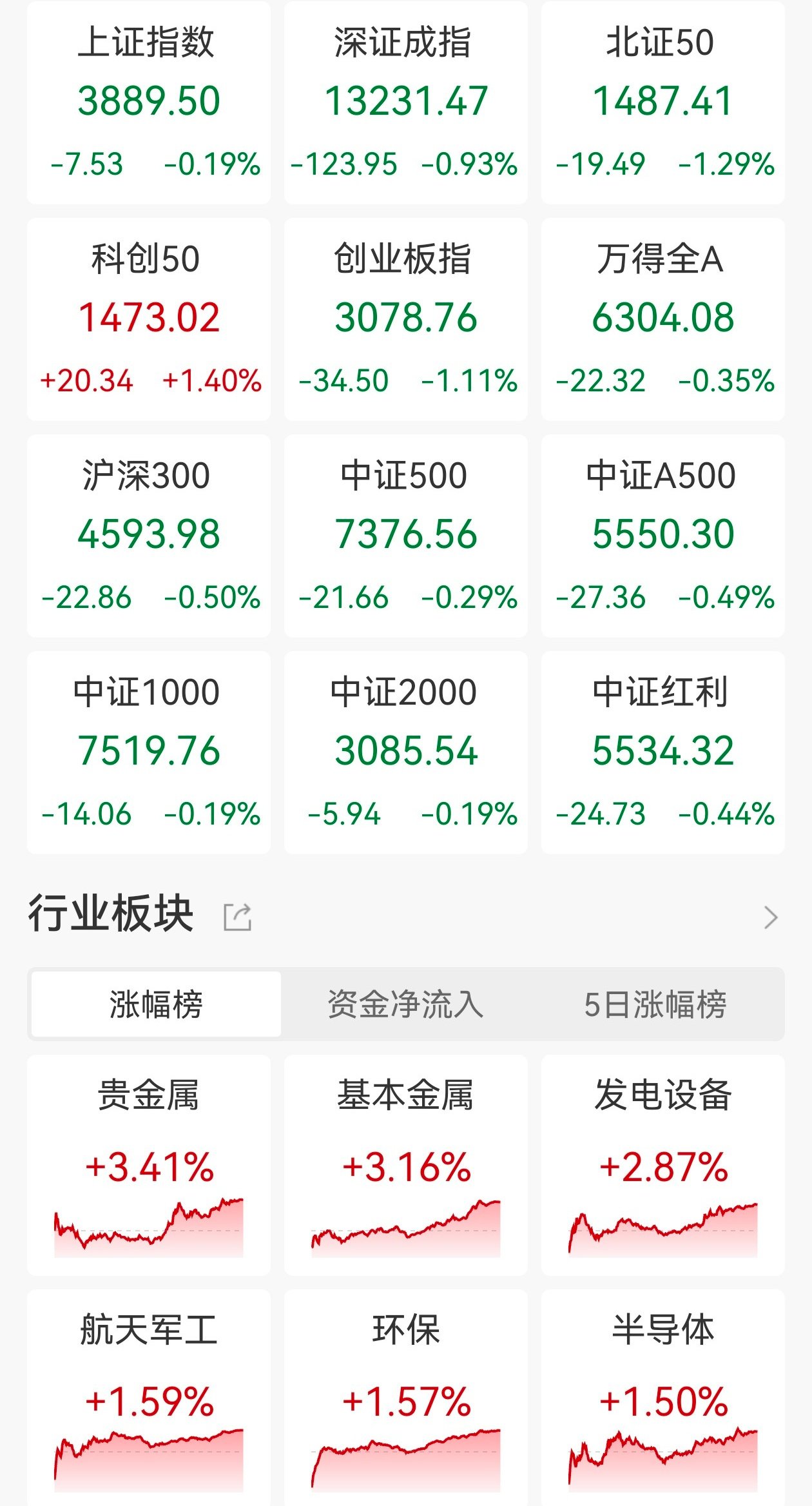
Core Points - The US-China economic and trade tensions have escalated, leading to a collective decline in major A-share indices in the morning session, although they recovered slightly by the end of the trading day [1] - The Shanghai Composite Index closed down 0.19% at 3889 points, while the Shenzhen Component Index fell 0.93% and the ChiNext Index dropped 1.11%. The Sci-Tech 50 Index, however, rose by 1.4% [1] - The total market turnover was 2.37 trillion yuan, a decrease of 159.9 billion yuan compared to the previous trading day, with over 3600 stocks declining [1] Market Performance - The Shanghai Composite Index: 3889.50, down 0.19% [1] - The Shenzhen Component Index: 13231.47, down 0.93% [1] - The ChiNext Index: 3078.76, down 1.11% [1] - The Sci-Tech 50 Index: 1473.02, up 1.4% [1] - The total market turnover: 2.37 trillion yuan, down 159.9 billion yuan [1] Sector Performance - The Ministry of Commerce implemented export controls on rare earth-related items, leading to a surge in the rare earth sector, with stocks like Galaxy Magnetic and New Lai Fu hitting the daily limit [1] - International gold prices reached new highs, boosting the precious metals and gold sectors, with stocks like Western Gold and Zhaojin Gold also hitting the daily limit [1] - The photolithography machine concept stocks rose, with New Lai Materials hitting the daily limit [1] - The controllable nuclear fusion sector strengthened as Shanghai promotes the establishment of China Fusion Energy Co., with stocks like Hezhan Intelligent also hitting the daily limit [1] - Other sectors that performed well included small metals, SMIC concept stocks, and electronic chemicals [1] - Conversely, the robotics and reducer sectors declined, with Siling Co. leading the losses [1] - The automotive parts sector fell sharply, with Ningbo Huaxiang dropping over 8% [1] - The consumer electronics sector saw widespread declines, with Xiechuang Data falling over 6% [1] - Other sectors with significant declines included mixed reality, CRO, Xiaomi automotive, and weight loss drugs [1] Top Gainers - Precious metals: +3.41% [2] - Power generation equipment: +2.87% [2] - Basic metals: +3.16% [2] - Environmental protection: +1.59% [2] - Semiconductors: +1.57% [2] - Aerospace and military industry: +1.50% [2]
美国要是敢明目张胆盗用中国稀土专利,那整个西方专利体系就要完犊子!
Sou Hu Cai Jing· 2025-10-13 07:06
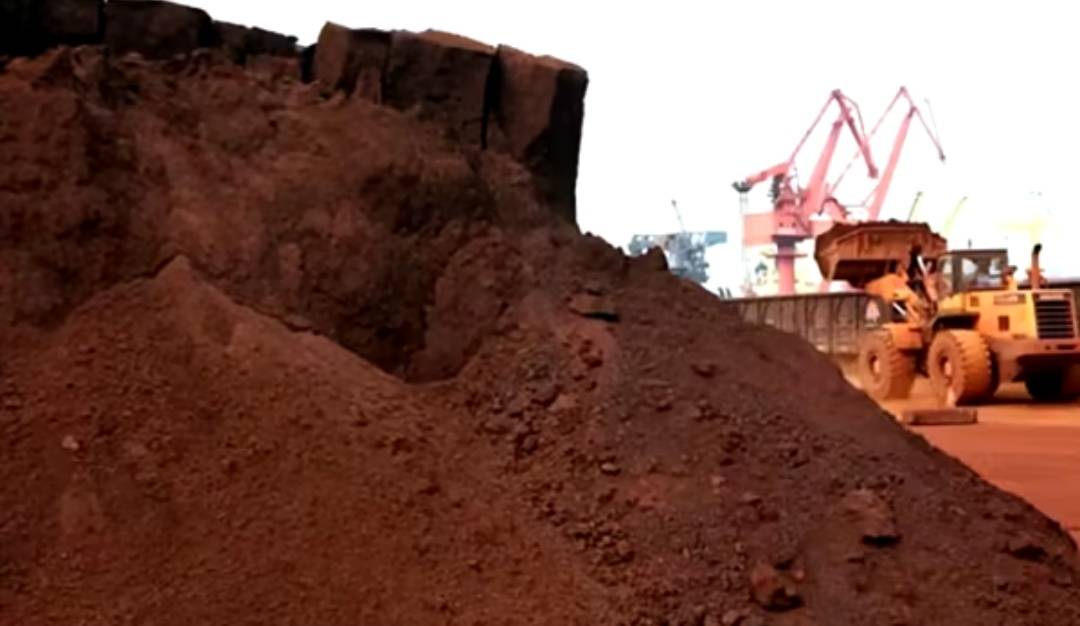
Group 1 - The United States earns over a trillion dollars annually from patent fees from China, highlighting the significance of the patent system in maintaining technological and commercial advantages [1] - China holds absolute patent authority in the rare earth sector, having invested significantly in research and developed numerous independent patents that enhance resource utilization and drive high-tech industry growth [3] - If Western countries attempt to infringe on China's rare earth patents without compensation, it could undermine the credibility of the entire Western patent system, leading to a potential collapse of trust in these established rules [3][4] Group 2 - The absence of patent protections for Western technology could gradually erode their competitive advantages, exposing them to unprecedented challenges in global technological competition [4]
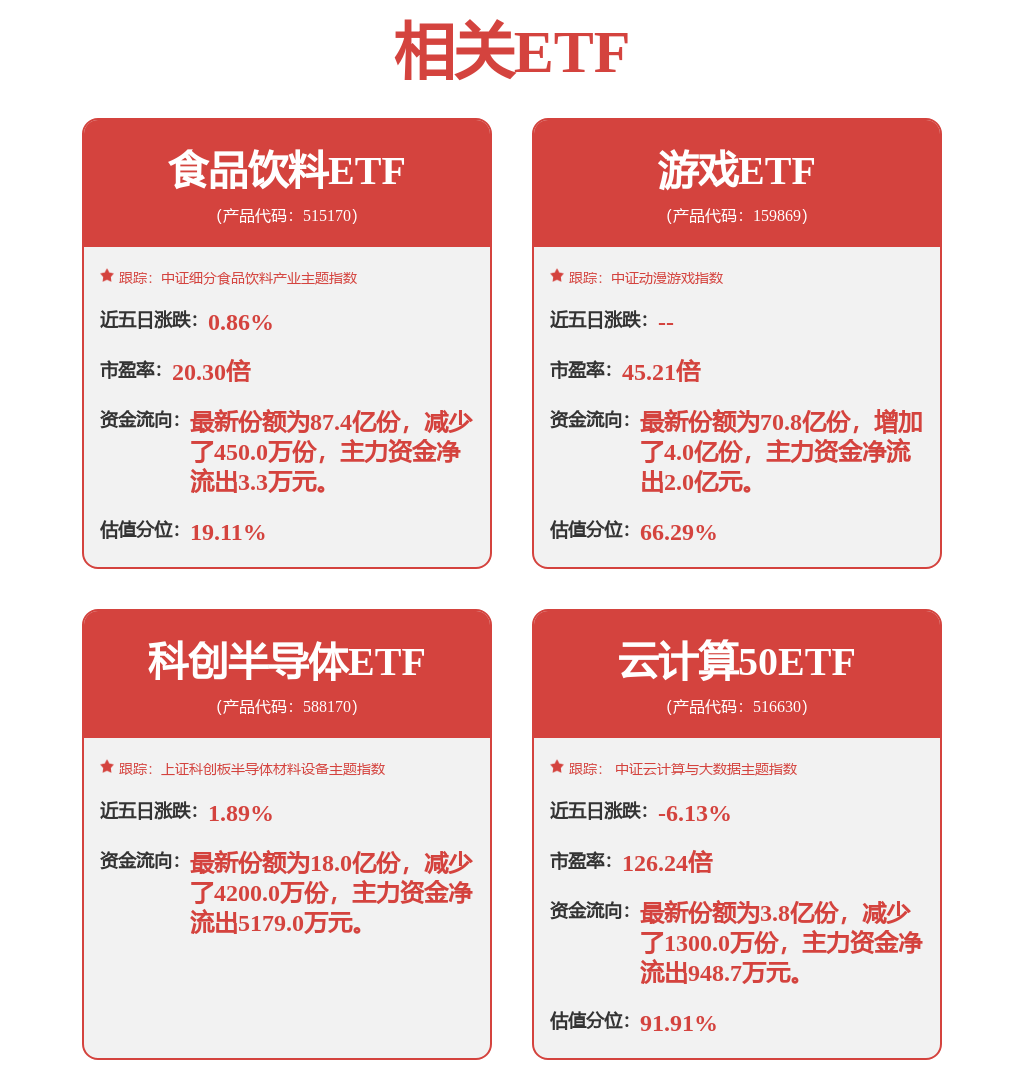
外围扰动风波再起,市场短暂回调?震荡期或可聚焦恒生科技指数ETF(513180)
Mei Ri Jing Ji Xin Wen· 2025-10-13 07:03
Core Viewpoint - The Hong Kong stock market experienced a collective decline on October 13, with technology stocks falling across the board, while the rare earth sector saw significant gains. The market is expected to face short-term fluctuations, but there are opportunities for low-cost asset acquisition amidst the adjustments [1][2]. Group 1: Market Performance - On October 13, all three major indices in the Hong Kong stock market fell, with technology stocks leading the decline and the rare earth sector rising significantly [1]. - The Hang Seng Technology Index ETF (513180) dropped over 3% in the afternoon, with major holdings like Xiaomi, Sunny Optical, Kuaishou, Xpeng Motors, NIO, Bilibili, and Lenovo Group among the biggest losers [1]. Group 2: Market Outlook - According to Huaxi Securities, the Hong Kong stock market is likely to experience some volatility in the short term, but there are opportunities for low-cost asset acquisition in undervalued stocks with good fundamentals that are less affected by U.S. tariff policies [1]. - Since September, the Hong Kong stock market has regained momentum driven by technology stocks, with current valuations at historical medians, making it attractive compared to A-shares and U.S. stocks [1]. - As of October 10, the latest valuation (PETTM) of the Hang Seng Technology Index ETF (513180) was 23.82 times, which is approximately at the 34.04% valuation percentile since the index's inception, indicating it remains in a relatively undervalued range [1]. Group 3: Future Trends - Looking ahead, the technology sector in Hong Kong is expected to benefit from current trends in AI, with potential for foreign capital inflow exceeding expectations against the backdrop of Federal Reserve interest rate cuts [2]. - The continuous increase in southbound capital suggests that a revaluation of the Hang Seng Technology Index is likely in the fourth quarter, providing an opportunity for investors without a Hong Kong Stock Connect account to access core Chinese AI assets through the Hang Seng Technology Index ETF (513180) [2].




中国造出EUV,美国建立起稀土全产业链,谁会更快?
Sou Hu Cai Jing· 2025-10-13 06:55
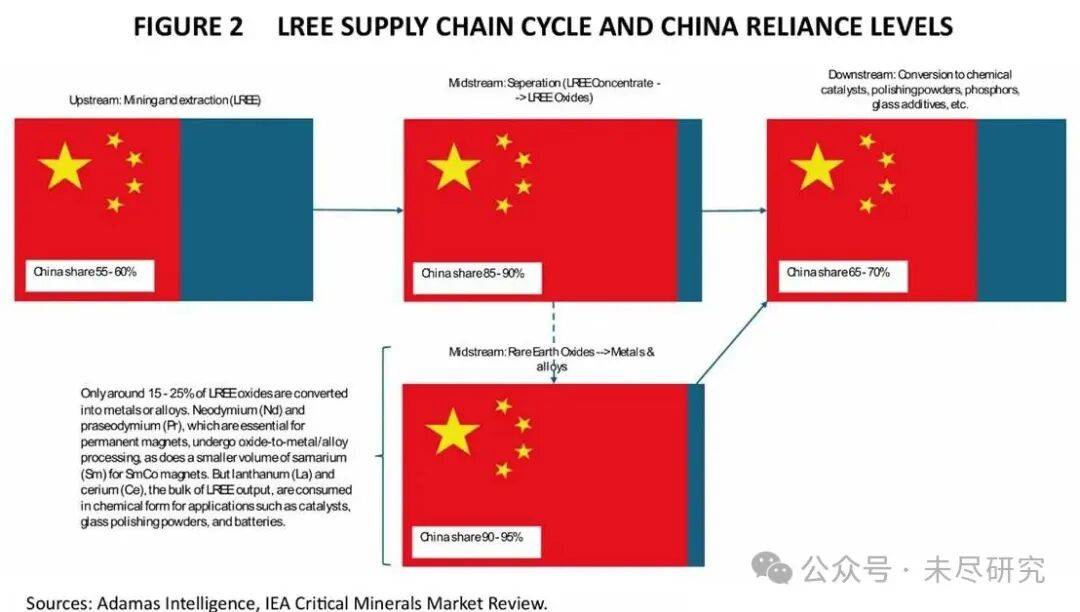
Core Viewpoint - The article emphasizes the critical role of rare earth elements, particularly medium and heavy rare earths, in the AI supply chain, highlighting China's near-monopoly in this sector and its implications for the global AI economy [1][7][11]. Group 1: Importance of Rare Earths in AI - Rare earths serve as a crucial lever that determines the performance limits and supply stability of AI chips, making them indispensable across various applications from chips to electric motors [1][2]. - A mere 0.1% content of rare earths can significantly impact the global AI supply chain, affecting everything from advanced logic chips to production equipment [2][3]. - The unique atomic properties of rare earths make them essential for enhancing the performance of AI hardware, with their specific electronic configurations allowing precise coupling with semiconductor materials [4][5]. Group 2: China's Dominance in Rare Earth Supply - China controls nearly the entire supply chain of medium and heavy rare earths, from mining to refining and manufacturing components, which is vital for the AI economy [1][7]. - Recent export controls by China on medium and heavy rare earths have further solidified its position, as 12 out of 17 rare earth elements are now subject to these restrictions [7][8]. - The extraction and processing of heavy rare earths are predominantly located in China, with the country holding 98% of the global reserves, making it difficult for other nations to compete [11][15]. Group 3: Challenges for the US and Other Countries - The US has initiated efforts to rebuild its rare earth supply chain but has made slow progress, primarily focusing on light rare earths rather than the more critical medium and heavy rare earths [8][9]. - Despite investments and subsidies, US companies are struggling to achieve profitability in the rare earth sector, with significant technological and economic challenges ahead [8][15]. - The ongoing competition for rare earths is expected to shape the future landscape of the global AI industry, with the race to establish a complete supply chain being a key factor [12][15].