
智能手机

Search documents
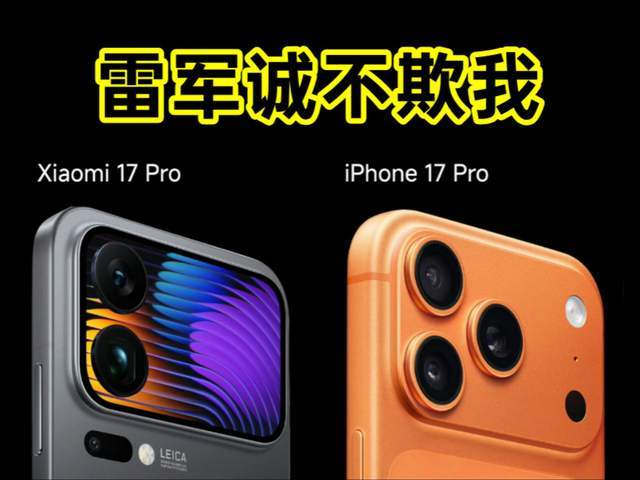
雷军又赢了,小米17力压苹果iPhone17,拿下中国市场第一名
Sou Hu Cai Jing· 2025-10-11 03:17
Core Viewpoint - Xiaomi has successfully overtaken Apple in the Chinese smartphone market following the launch of the Xiaomi 17 series, achieving the top sales position in the country [1]. Market Share Data - In week 39, Xiaomi captured 22.1% of the Chinese smartphone market, surpassing Apple's 20.2% by 2 percentage points [3]. - In week 40, during the Golden Week sales period, Xiaomi's market share was 21.2%, while Apple's share dropped to 16.3% [5]. Sales Performance - Xiaomi has consistently ranked first in sales for two consecutive weeks, driven by the strong performance of the Xiaomi 17 series, particularly the Xiaomi 17 Pro Max and Pro models [7]. - The unique features of the Xiaomi 17 series, especially the secondary display on the Pro Max model, have attracted consumer interest, differentiating it from competitors [9]. Competitive Landscape - Among domestic flagship brands, Xiaomi stands out for its brand influence, strong performance, and comprehensive product offerings, while other brands have certain shortcomings [11]. - Apple's supply issues have also contributed to Xiaomi's success, as the latter was the only major brand to launch a new flagship during this period [11].


苹果概念股全线下跌 高伟电子跌超5% 丘钛科技跌超3%
Zhi Tong Cai Jing· 2025-10-10 06:55
消息面上,Counterpoint此前发布报告称,2025年第三季度前八周,中国智能手机市场销量同比下降 2%,这与期内促销活动和国家补贴政策加剧了中高端市场的竞争且消费者更倾向购买中高端产品有 关。该机构预计,2025年第三季度中国智能手机市场将小幅下跌,而全年表现大体持平。 值得注意的是,OpenAI此前与果链龙头企业立讯精密(002475)达成战略合作。里昂表示,考虑到 OpenAI的设备团队核心成员均来自苹果公司,其选择与苹果供应链企业合作亦属合理。预计有关举措 可为现有苹果供应链企业带来新增长动力。 苹果概念股全线下跌,截至发稿,高伟电子(01415)跌5.32%,报36.64港元;富智康集团(02038)跌 5.05%,报17.66港元;比亚迪(002594)电子(00285)跌4.28%,报41.58港元;丘钛科技(01478)跌 3.33%,报15.98港元。 ...

运营商还在博弈?采用eSIM的最薄iPhone内地上市仍无时间表
Guan Cha Zhe Wang· 2025-10-10 05:57
Core Viewpoint - The launch of the "thinnest iPhone," the iPhone Air, in mainland China is delayed due to issues with eSIM support from local telecom operators, despite its global release in nearly 100 countries [1][3]. Group 1: Product Details - The iPhone Air, released on September 10, features a thickness of only 5.6 mm and eliminates the physical SIM card slot, adopting eSIM technology instead [1]. - Apple announced that the iPhone Air would be available in China on September 19, with support from over 500 global operators, including China Unicom [1]. Group 2: Telecom Operators' Issues - The delay in the iPhone Air's launch in mainland China is attributed to conflicts among telecom operators, with China Unicom prepared but China Mobile and China Telecom facing issues [3]. - China Mobile and China Telecom have indicated readiness for eSIM services, but have not yet launched them, leading to uncertainty regarding the iPhone Air's availability [3]. Group 3: Market Competition - The competition in the Chinese smartphone market is intensifying, with Apple facing challenges from domestic brands. From January to July, Apple's market share in the 4000 to 6000 yuan price segment dropped from 23.4% to 17%, while Huawei, Xiaomi, Vivo, OPPO, and Honor gained shares [6]. - The future pricing strategies of the three major telecom operators regarding eSIM services will significantly influence user migration and market dynamics [6].



传音控股股价跌5.01%,鹏华基金旗下1只基金重仓,持有35.46万股浮亏损失166.68万元
Xin Lang Cai Jing· 2025-10-10 03:09
Group 1 - The core viewpoint of the news is that Transsion Holdings has experienced a significant decline in its stock price, dropping 5.01% on October 10, with a cumulative decline of 9.11% over four consecutive days [1] - As of the report, Transsion Holdings' stock price is at 89.10 yuan per share, with a trading volume of 9.55 billion yuan and a turnover rate of 0.93%, leading to a total market capitalization of 1016.05 billion yuan [1] - The company, founded on August 21, 2013, and listed on September 30, 2019, primarily focuses on the design, research and development, production, sales, and brand operation of smart terminals, with 83.91% of its revenue coming from smartphones [1] Group 2 - From the perspective of major fund holdings, Penghua Fund has a significant position in Transsion Holdings, with its Penghua Sci-Tech Innovation ETF holding 354,600 shares, accounting for 1.31% of the fund's net value, making it the ninth-largest holding [2] - The estimated floating loss for the fund due to the recent decline in Transsion Holdings' stock is approximately 166.68 million yuan today, with a total floating loss of 333.36 million yuan over the four-day decline [2] Group 3 - The Penghua Sci-Tech Innovation ETF was established on February 26, 2025, with a current size of 21.62 billion yuan and a cumulative return of 37.26% since inception [3] - The fund manager, Su Junjie, has been in position for 7 years and 255 days, overseeing a total fund asset size of 197.79 billion yuan, with the best and worst returns during his tenure being 87.57% and -21.6%, respectively [3]

iPhone的广告语也学坏了
3 6 Ke· 2025-10-10 02:42
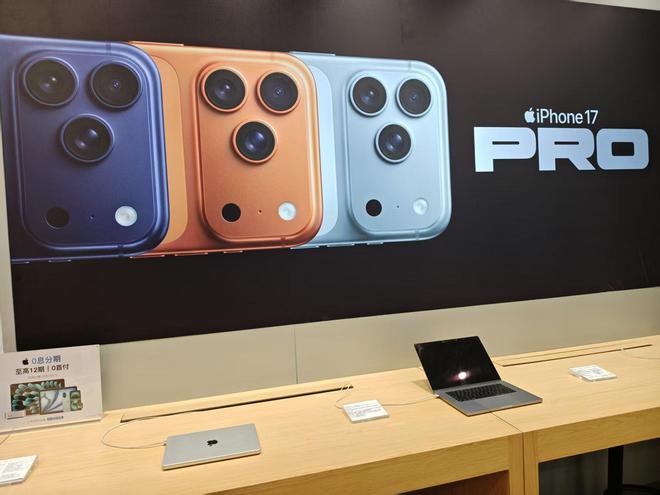
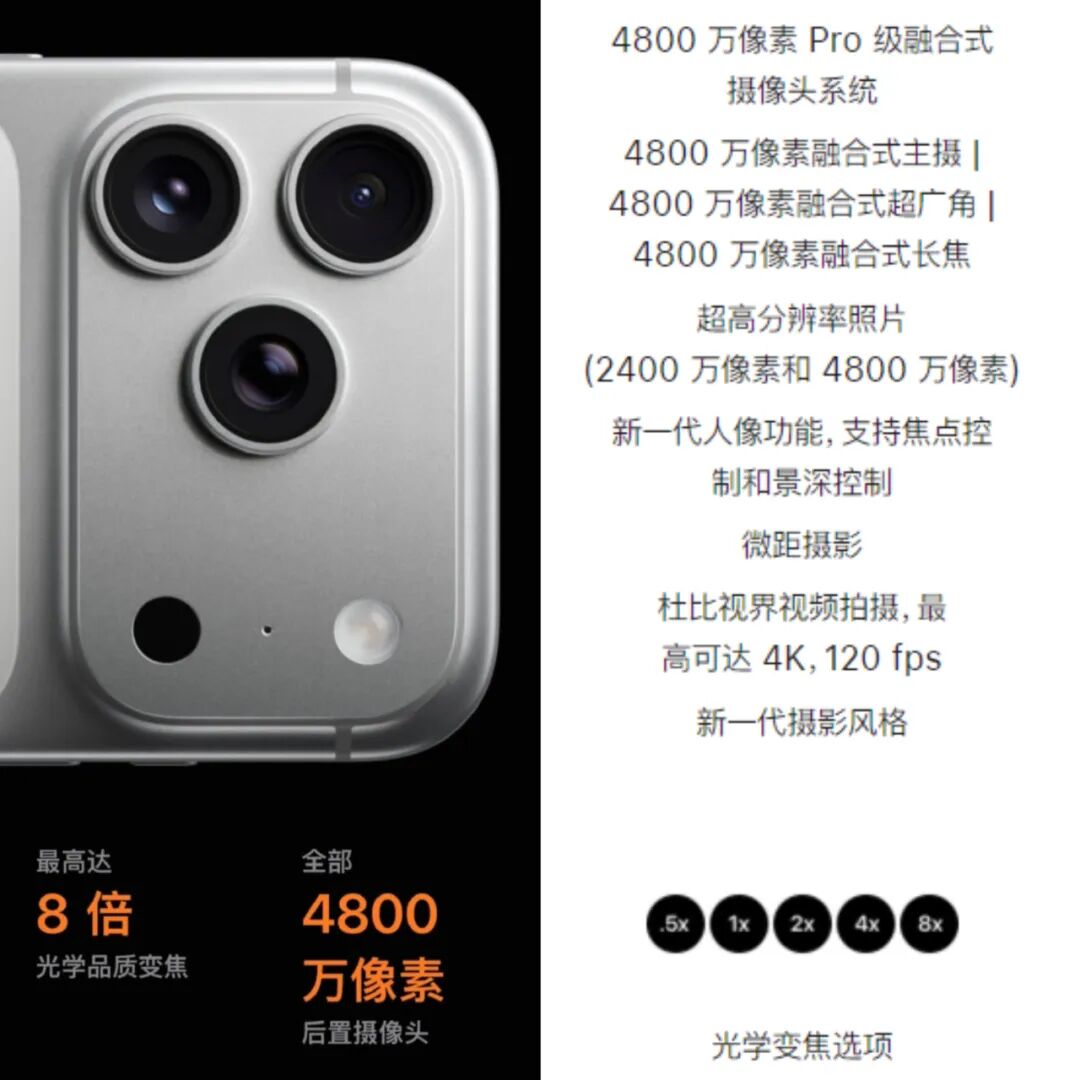
Core Viewpoint - The new iPhone series has introduced a higher zoom capability, but there are concerns regarding the actual quality of the zoom, as it is marketed as "optical quality zoom" rather than pure optical zoom, leading to potential consumer dissatisfaction [5][7]. Group 1: Product Features - The iPhone 17 series offers up to 8x zoom, with the iPhone 17 and iPhone Air providing 2x zoom, while the iPhone 17 Pro and Pro Max offer 4x and 8x zoom respectively, with starting prices of 5999 yuan, 7999 yuan, and 8999 yuan [3]. - The 8x zoom is achieved through a combination of 4x optical zoom and digital enhancements, which may result in color distortion and noise in images, particularly in low-light conditions [4][7]. Group 2: Consumer Reactions - Users have reported issues with ghosting effects and black spots in photos taken at night, which have led to frustration and disappointment with the camera performance [10][12]. - Despite the criticisms regarding the camera features, the iPhone 17 series has seen strong sales, with 1.03 million units activated in the first week, representing a 47.56% increase compared to the iPhone 16 series [12]. Group 3: Competitive Landscape - Competing brands like Vivo and DJI are offering advanced zoom capabilities and stabilization technologies, which may challenge Apple's market position in the smartphone photography segment [14][16]. - The evolving consumer demand for high-quality photography in social settings, such as concerts, is pushing manufacturers to innovate and improve their camera technologies [13][16].
iPhone这个特性,为什么安卓永远学不来?
Hu Xiu· 2025-10-10 01:01
Core Insights - The Xiaomi 17 outperforms the iPhone 17 Pro in specifications while being priced at half the cost, raising questions about the enduring appeal of the iPhone [1] Group 1 - Xiaomi 17 features superior specifications compared to iPhone 17 Pro [1] - The price of Xiaomi 17 is significantly lower, being only half that of the iPhone 17 Pro [1] - Despite the price and specification advantages, the iPhone maintains a strong consumer appeal [1] Group 2 - The fundamental differences between Xiaomi and Apple products are highlighted, suggesting a deeper market positioning issue [1] - Xiaomi's pricing strategy may lead to even lower future prices, indicating a potential shift in market dynamics [1]
苹果“低头”,堵死了国产品牌靠AI手机逆袭的路?
3 6 Ke· 2025-10-10 00:03
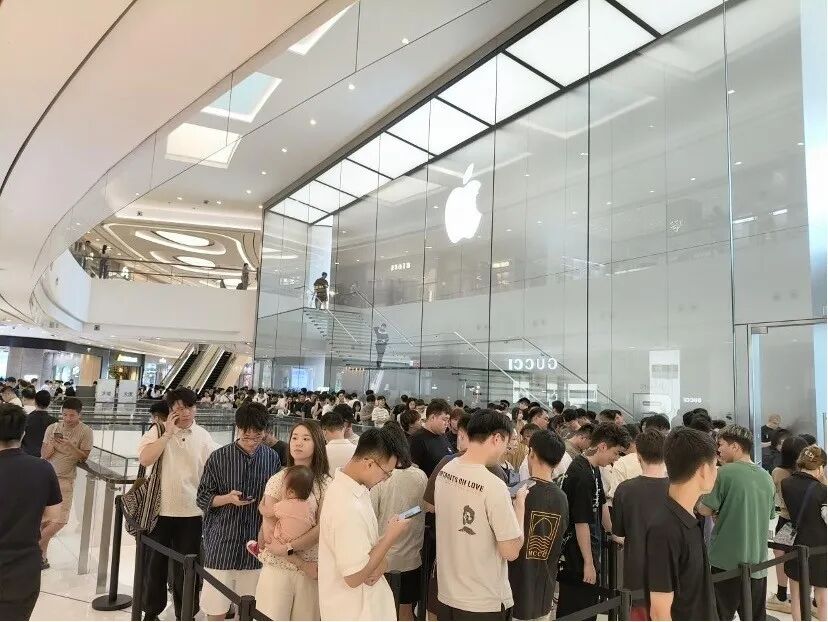
Core Viewpoint - Apple has successfully revived consumer interest with the launch of the iPhone 17 series, showing significant sales growth compared to previous models, despite concerns about its AI capabilities [1][3][5]. Group 1: Sales Performance - The iPhone 17 Pro series saw a sales increase of 300% compared to its predecessor, while the standard iPhone 17 experienced an 800% increase [1]. - Apple's market share in China has been declining, with a drop from 20.2% to 17.1% in Q4 last year, and further down to 13.9% in Q2 this year [14]. Group 2: Product Features - The iPhone 17 series features significant upgrades, including a 120Hz ProMotion display, a minimum storage of 256GB, and enhanced camera capabilities with a 48MP main sensor [5][16]. - The iPhone 17 Pro includes a new VC component for improved heat dissipation, marking a notable upgrade in Apple's hardware strategy [5]. Group 3: Market Dynamics - The high-end smartphone market is projected to grow by 8% year-on-year in the first half of 2025, with devices featuring generative AI capabilities accounting for 80% of sales [9]. - Despite the introduction of AI features by various brands, consumer interest has not translated into significant sales growth, indicating a disconnect between marketing and actual consumer demand [11][13]. Group 4: Competitive Landscape - Domestic brands like Huawei and Xiaomi have gained market share in the high-end segment, with Huawei's share increasing from 20% to 29% in 2024 [14]. - The competition in the high-end market is primarily driven by brand influence rather than technological superiority, with Apple maintaining a strong position despite criticisms of innovation [17].
砍掉背屏的小米17,雷军多次诚恳推荐:被低估的物美价廉好机!
Sou Hu Cai Jing· 2025-10-09 18:17
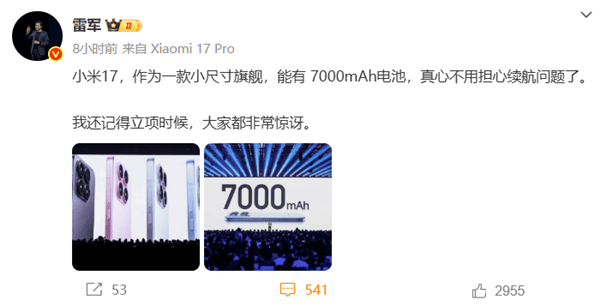
Group 1 - The Apple iPhone 17 series has achieved sales exceeding 2.5 million units, while the Xiaomi 17 series has sold over 1 million units shortly after launch [1] - The standard version of the Xiaomi 17 series is underperforming in sales compared to the more expensive Pro versions, which are selling better [1][3] - Xiaomi's CEO Lei Jun emphasized that the standard version of the Xiaomi 17 is undervalued due to its large 7000mAh battery in a compact 6.3-inch body, addressing the battery life issue for small flagship phones [3] Group 2 - The Xiaomi 17 Pro models are criticized for their design choices, such as the non-essential back screen, which increases thickness and reduces battery size, making them less appealing [5] - The Xiaomi 17 Ultra is expected to be released without the back screen, making it a more attractive option compared to the Pro Max model [5] - The poor sales of the Xiaomi 17 standard version may lead to price reductions during the upcoming Double 11 shopping festival, and consumers are advised to wait for the release of the Redmi K90 Pro for comparison [7]

艺恩数据:2025年智能手机消费趋势报告
Sou Hu Cai Jing· 2025-10-09 13:20
Market Overview - The smartphone market in mainland China is showing significant recovery, with an expected shipment volume of 285 million units in 2024, representing a year-on-year growth of 4% [6][12]. - The "National Subsidy" policy is anticipated to further stimulate demand for mid-to-high-end models, particularly in the price range of 2000-6000 yuan, which is expected to see an increase in market share by 2025 [6][14]. - Vivo leads the market with a 17.0% share, followed closely by Huawei, Apple, Honor, and OPPO, each holding 15%-16% [13][11]. Consumer Demand Insights - Consumer groups are diversifying, with distinct segments such as fashion photography enthusiasts (81% female), tech pioneers (73% male), gaming aficionados (57% male), and value seekers [2][36]. - Key purchasing factors include camera functionality (67.6%), price (60.1%), and screen size (43.5%), with a strong focus on professional lens and image quality [2][39]. - There is a notable increase in demand for foldable screens and eye-care features, with the latter seeing a 205% year-on-year growth in social media discussions [2][21]. Marketing Trends - Xiaohongshu and Douyin have emerged as primary platforms for smartphone marketing, with Xiaohongshu seeing an 84.9% year-on-year increase in commercial content related to smartphones [3][6]. - The types of content that drive engagement include photography experiences, unboxing reviews, and performance explanations, with brands leveraging scenario-based marketing to enhance consumer purchase intent [3][6]. - The interaction rates on these platforms are significantly influenced by key opinion leaders, with a focus on high-quality content that resonates with target audiences [3][6].

“双节”高端手机酣战:热门机型一机难求,旗舰店竞相升级体验
2 1 Shi Ji Jing Ji Bao Dao· 2025-10-09 10:26
Core Insights - The opening of Honor's flagship store in Shenzhen marks the implementation of its "Alpha Strategy," enhancing offline experiences and reflecting the competitive landscape of the Chinese smartphone industry ahead of the National Day and Mid-Autumn Festival [1][2] - The smartphone market is experiencing a surge in demand due to the simultaneous launch of high-end flagship models from various manufacturers, creating a concentrated market effect [1][3] Market Trends - The offline consumer traffic has significantly increased, with Suning's sales data showing a 61% year-on-year growth in overall sales and a 73% increase in sales of appliances priced over 10,000 yuan [1] - The demand spike is driven by the release of new models and policies like "trade-in" incentives, leading to a peak in short-term demand [1][4] Supply Chain Dynamics - Popular models are facing shortages, with some having delivery times extending up to two months, particularly for Huawei's Mate XT and Pura 80 series [3][4] - Apple also experiences high demand, with many models out of stock and long wait times for delivery, indicating strong consumer interest in high-end devices [4] Competitive Landscape - The competition in the high-end smartphone market is intensifying, with Counterpoint Research reporting an 8% year-on-year growth in global high-end smartphone sales for the first half of 2025, outpacing the overall market growth [7] - Apple maintains a leading position with a 62% market share in the high-end segment, but faces increasing competition from Huawei and Xiaomi in China [7][8] Consumer Behavior - There is a noticeable shift towards high-end devices, with consumers showing increased loyalty and willingness to upgrade, supported by innovations in technology and brand positioning [8] - Xiaomi reported over a 20% increase in sales of its 17 series during the holiday period compared to previous years, highlighting the trend towards premium products [7][8] Future Outlook - The smartphone market is expected to maintain high demand in the fourth quarter, driven by upcoming sales events like "Double Eleven," with AI technology and ecosystem integration becoming key drivers for brand premiumization [6][9]