托育服务

Search documents
商贸零售行业快评报告:《育儿补贴制度实施方案》出台,关注相关消费产业链
Wanlian Securities· 2025-07-30 05:27
Investment Rating - The industry investment rating is "Outperform the Market," indicating an expected relative increase of over 10% in the industry index compared to the broader market within the next six months [6][9]. Core Insights - The introduction of the national "Childcare Subsidy System Implementation Plan" aims to alleviate family burdens related to child-rearing and promote long-term population balance. The subsidy will provide 3,600 yuan per child per year for children under three years old, starting from January 1, 2025 [3][4]. - The policy reflects the government's commitment to addressing declining birth rates and an aging population, marking a significant step in the establishment of a supportive policy framework for childbirth [4]. - The immediate effect of the subsidy is expected to stimulate consumption in the maternal and infant sectors, with recommendations to focus on industries such as baby care, dairy products, toys, and children's clothing. In the long term, the subsidy is anticipated to boost birth rates and support related industries like assisted reproduction, genetic testing, childcare services, and education [4]. Summary by Sections Event Overview - On July 28, 2025, the Central Committee of the Communist Party of China and the State Council issued the "Childcare Subsidy System Implementation Plan," which mandates the provision of subsidies for eligible families with children under three years old [2][3]. Financial Implications - The subsidy will be funded by the central government, with a structured allocation to eastern, central, and western regions, ensuring equitable distribution of resources [3]. Market Impact - The implementation of the childcare subsidy is expected to directly stimulate consumption in related sectors, enhancing economic growth and addressing demographic challenges [4].
华媒控股股价微跌0.62% 托育行业政策推动市场整合
Sou Hu Cai Jing· 2025-07-29 18:28
Group 1 - The stock price of Huamei Holdings closed at 4.82 yuan on July 29, 2025, down 0.62% from the previous trading day, with a trading volume of 172 million yuan and a turnover rate of 4.02% [1] - Huamei Holdings operates in the cultural media sector and is involved in childcare services and vocational education. Its childcare brand "Huamei Yimi Guo" operates six inclusive childcare institutions in Hangzhou and participates in the construction of a regional childcare service network [1] - The National Development and Reform Commission and six other departments recently issued opinions on accelerating the construction of an inclusive childcare service system, proposing a "1+N" childcare service system. Industry data indicates that market concentration in the childcare sector is increasing, with leading companies expanding through self-built facilities and acquisitions, while smaller institutions face significant operational pressure. As a participant in the industry, Huamei Holdings may benefit from policy support and industry consolidation trends [1] Group 2 - On July 29, Huamei Holdings experienced a net outflow of 15.15 million yuan in main funds, accounting for 0.36% of its circulating market value [2]

实探广州普惠托育园:定价低托位爆满,公建民营发展仍有挑战
Nan Fang Du Shi Bao· 2025-07-23 14:46
Core Viewpoint - The recent issuance of guidelines by the National Health Commission and other departments aims to accelerate the construction of an inclusive childcare service system, promoting a public-private partnership model to support diverse and quality childcare services [1] Group 1: Current Situation - The first "public-private" street inclusive childcare center in Guangzhou has opened, with all 18 centers in the Yuexiu District now operational [1] - Many inclusive childcare centers are experiencing full enrollment, with some centers reporting waiting lists for admission [2][3] - The pricing for inclusive childcare slots has been reduced to 50% to 80% of market rates due to the public-private model, making it more affordable for families [8] Group 2: Operational Challenges - Some childcare centers have temporarily relocated due to environmental issues, such as construction nearby [3][4] - The high standards for building requirements and space constraints pose significant challenges for the establishment of inclusive childcare centers [5][6] Group 3: Financial Aspects - The operational costs for inclusive childcare centers have significantly decreased, with rental costs reduced to as low as 5 yuan per square meter, compared to previous market rates [8] - The monthly fees for full-day care range from 1,450 to 4,200 yuan depending on the age group, indicating a competitive pricing strategy [8] Group 4: Future Considerations - The subsidies for inclusive childcare institutions are set to decrease annually, creating uncertainty for the sustainability of these services [10] - Industry experts suggest that childcare centers need to explore sustainable operational models and find suitable venues to ensure long-term viability [11][12] Group 5: Recommendations - There is a call for inclusive childcare services to be integrated into basic public services, enhancing community support and accessibility for families [12][13] - The government is encouraged to provide further support in terms of training for childcare staff and financial incentives to maintain service quality [13]
托育产业升级战:一场关于“0-3岁照护权”的再分配
3 6 Ke· 2025-07-16 10:37
Group 1 - The core issue is the increasing demand for childcare services for children aged 0-3 years in China, with over 40 million children in this age group and an annual birth rate where approximately 80% are potential service users. However, the average enrollment rate for this age group is only 4.29%, significantly lower than the OECD average of 34.5% [3][4] - There are notable regional and income disparities in childcare service availability, with enrollment rates exceeding 10% in high-income families in first-tier cities, while rural areas in central and western China have rates below 2%. Monthly childcare expenses range from 1,500 to 3,500 yuan, with low-income families spending over 14% of their income on childcare [3][4] - The age of 2 years is a critical threshold for enrollment, indicating a lack of comprehensive care services for infants under 24 months, as most institutions prefer to accept children who are more independent [3][4] Group 2 - The current childcare service system in China is fragmented, with various service models including family-based, community-based, enterprise-based, and institutional care, each with its own strengths and weaknesses. There is a lack of unified standards and regulations across different departments, leading to inconsistent service quality [4][5] - A significant challenge is the shortage of qualified childcare professionals, with low wages and high turnover rates. The number of higher education institutions offering specialized training in infant care is limited, resulting in a mismatch between educational offerings and industry needs [5][6] Group 3 - Local governments are exploring innovative childcare solutions, such as integrating psychological assessments and health services into childcare programs, and developing community-based models to enhance accessibility and reduce costs [6][7] - Successful practices include incorporating affordable childcare services into urban planning and community services, demonstrating the importance of integrating childcare into broader social governance frameworks [7] Group 4 - Internationally, developed countries have established robust childcare systems as part of their social policies. For instance, Japan has a comprehensive system that supports working mothers and encourages childbirth through public-private partnerships, while the U.S. faces challenges with childcare deserts leading to decreased birth rates and increased inequality [8] Group 5 - To build a supportive childcare system in China, it is essential to recognize childcare services as a public good, establish national standards, enhance professional training, and encourage diverse participation in service provision. Innovations in curriculum and service delivery are also necessary to meet the varied needs of families [9][11]

国贸教育暑托开班季,五园联动惠及近2000名儿童
Sou Hu Wang· 2025-07-15 05:03
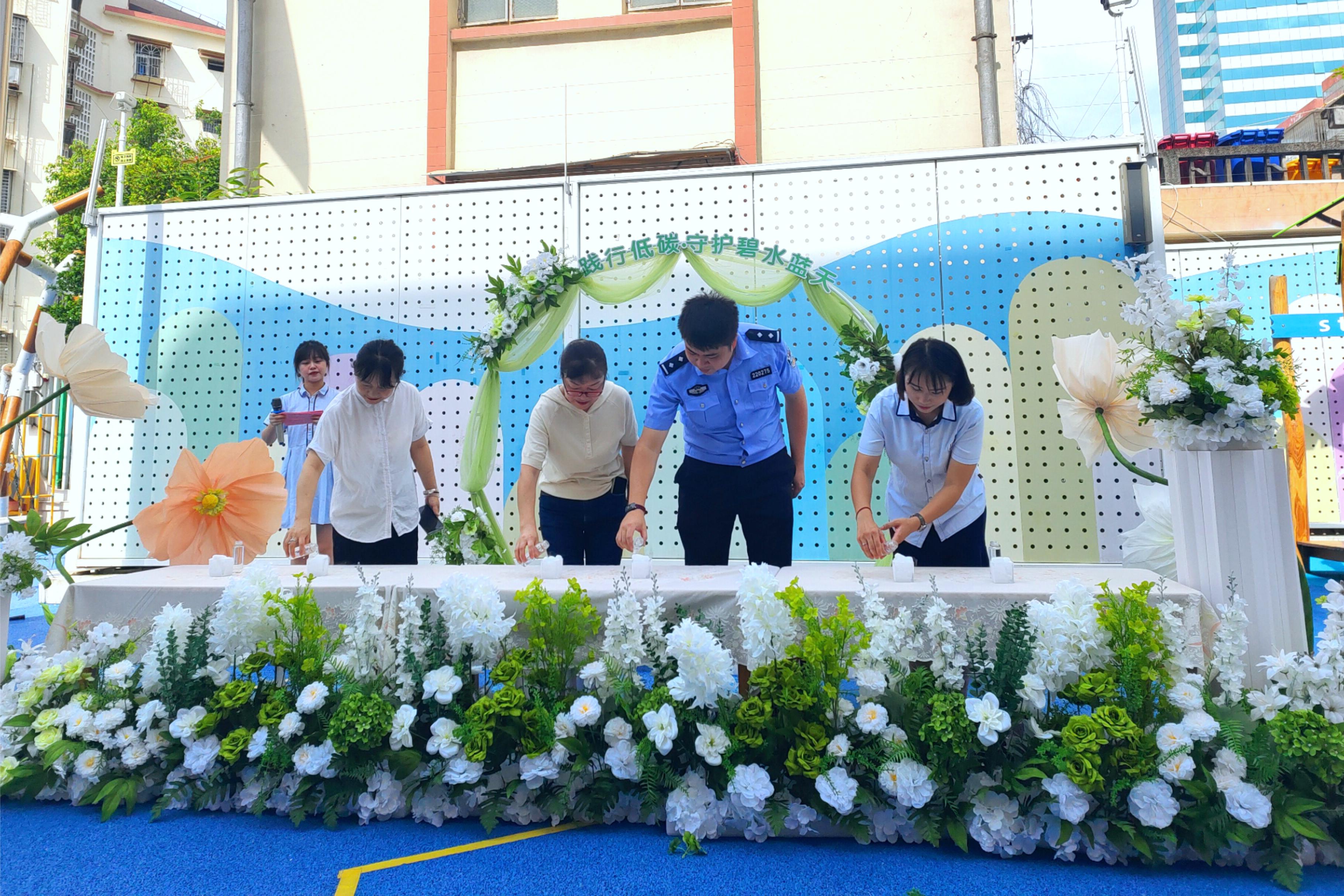
Core Viewpoint - The summer托管班 organized by Guomao Education has seen unprecedented demand this year, reflecting strong recognition and trust from the community [1][22]. Group 1: Enrollment and Demand - This year's enrollment phase for the summer托管班 has shown a "hot" trend even before its official opening, with a significant increase in inquiries and registrations [1]. - The program will provide services to over 50 government and enterprise units in Xiamen, benefiting nearly 2,000 families, marking a historical high in service scale [1][22]. Group 2: Activities and Engagement - The opening ceremony featured vibrant activities tailored to different age groups, including hands-on science shows and interactive games to engage children [3][5][10]. - Various innovative methods were employed for welcoming children, such as "expression sign-in" and creative games, to help them adapt to group life [7][10]. Group 3: Service Quality and Curriculum - Guomao Education has upgraded its service quality this year, introducing a "six weeks, six themes" activity framework to enhance children's social and expressive skills [15][19]. - The curriculum now includes customized transition courses for older children, covering essential subjects like phonics and mathematics, while also focusing on habit formation and psychological adaptation [15][19]. Group 4: Social Responsibility and Innovation - Guomao Education has been committed to social responsibility by hosting the summer托管班 for four consecutive years, exploring a new model of "state-owned enterprise托管" since 2022 [20][22]. - The innovative and customized托管模式 has received positive media coverage, highlighting its effectiveness in addressing the summer childcare challenges faced by employees [22][26]. Group 5: Future Plans - Looking ahead, Guomao Education plans to further integrate quality educational resources and enhance its curriculum system, continuing to refine the "state-owned enterprise托管" service model [22][26].
焦点访谈|多地推进普惠托育服务体系建设 稳稳托住这个“最柔软群体”
Yang Shi Wang· 2025-07-14 13:23
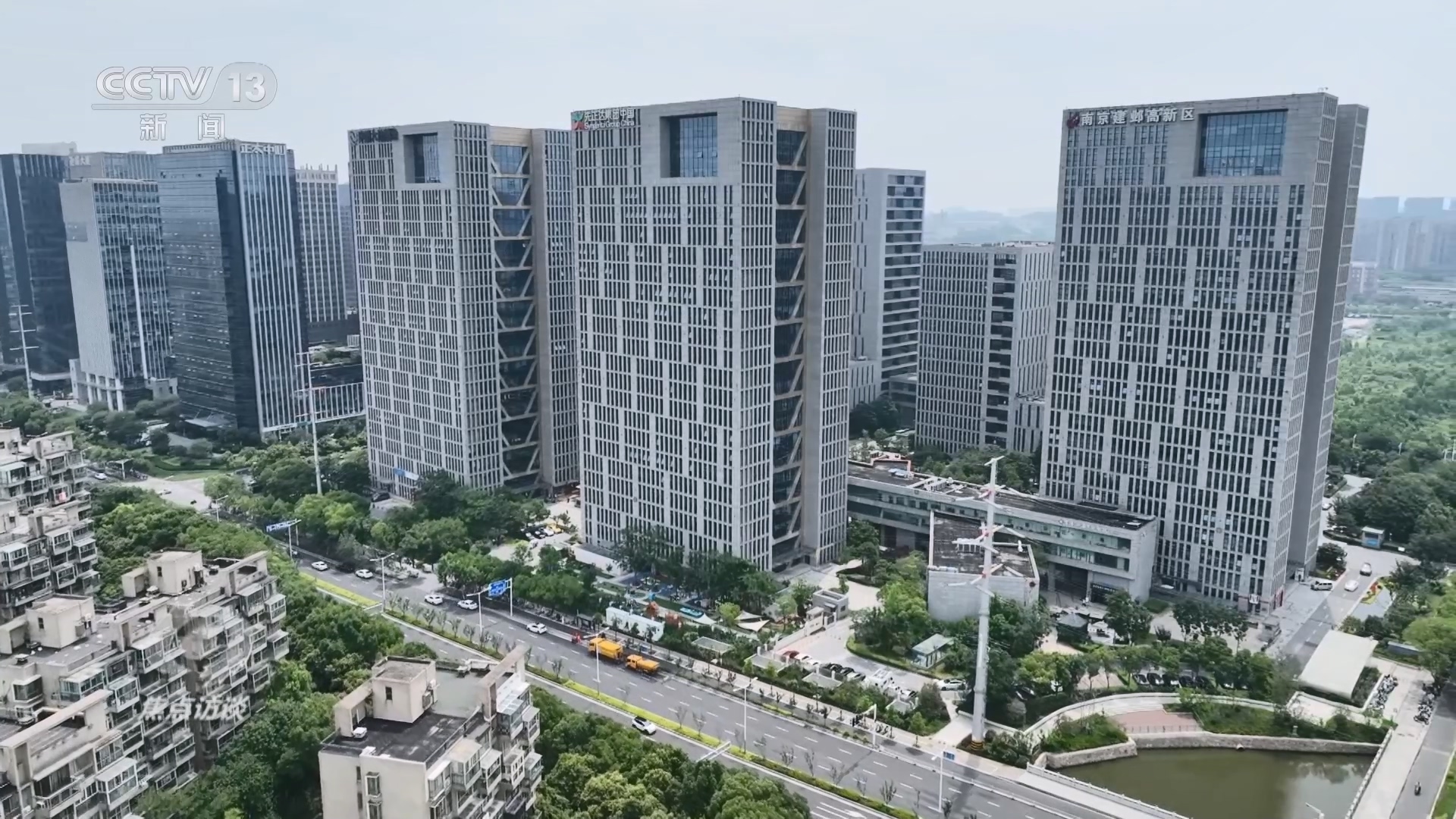
Core Viewpoint - The article emphasizes the importance of providing affordable and quality childcare services for infants and toddlers, particularly in dual-income families, to alleviate parenting burdens and enhance family well-being [1][4][12]. Group 1: Policy Initiatives - The Chinese government has introduced policies to develop inclusive childcare services, integrating them into employee welfare systems to support families with children under three years old [3][4]. - The "Opinions" issued on June 9, 2025, call for the expansion of inclusive childcare services and the establishment of a sustainable operational model for service providers [3][4]. - The National Health Commission and other departments have also released guidelines to accelerate the construction of inclusive childcare service systems [3][8]. Group 2: Local Implementation - In Nanjing's Jianye District, a public childcare center was established in collaboration with local educational institutions, serving over 900 companies and enhancing the area's business environment [6][8]. - Other cities like Shanghai, Hangzhou, and Xiamen are also implementing similar childcare services to support working parents [8][10]. Group 3: Community-Based Solutions - The development of community-embedded childcare services aims to create a "15-minute childcare circle," making it easier for parents to access services close to home [8][12]. - In Beijing's Changping District, a pilot program has reduced childcare costs significantly, with monthly fees ranging from 1,200 to 3,700 yuan, demonstrating a more affordable option for families [10][12]. Group 4: Special Needs and Holistic Care - Some childcare centers are expanding their services to include special needs children, providing integrated medical and educational support [12][14]. - Early intervention and responsive care are highlighted as crucial for the development of children with delays, showcasing the importance of quality care in these settings [14]. Group 5: Societal Impact - The shift towards inclusive childcare services represents a societal commitment to share parenting responsibilities, moving from individual family burdens to a collective support system [4][12]. - The article concludes that inclusive childcare is not only a solution for family challenges but also a significant step towards social progress and improved quality of life for families [12][14].
广东东莞:制定推动银发经济高质量发展、社区嵌入式服务设施建设等应对人口老龄化政策措施
news flash· 2025-07-14 06:42
Core Viewpoint - Dongguan City is implementing policies to promote high-quality development of the silver economy and community embedded service facilities to address population aging [1] Group 1: Policy Measures - The plan includes expanding elderly care and childcare supply [1] - It aims to initiate the construction of community embedded service facilities [1] - The city will leverage platforms like the China International Aging Industry Expo to showcase advanced technologies and services in the silver economy [1] Group 2: Childcare Initiatives - Policies will be introduced for kindergartens to register for childcare classes [1] - Pilot projects will be established for community embedded childcare service points [1] - The initiative encourages kindergartens to offer classes for children aged 2-3 years [1] Group 3: Healthcare Integration - The plan promotes the integration of medical and elderly care services [1] - It includes the development of a system for palliative care and support [1] - The city will focus on building city-level elderly care institutions and comprehensive service centers in towns [1] Group 4: Community Services - The initiative aims to enhance the "Senior Dining Hall" program [1] - It seeks to improve a 15-minute home-based elderly care service network [1] - The plan proposes that elderly care and childcare institutions pay for water, electricity, and gas at residential rates [1]
七部门发文推进普惠托育建设 优化养老托育 深圳出成效
Shen Zhen Shang Bao· 2025-07-13 22:32
Group 1 - The core objective of the joint opinion issued by seven departments, including the National Health Commission and the National Development and Reform Commission, is to accelerate the development of an inclusive childcare service system to meet the diverse childcare needs of the public [1] - As of the end of 2023, the national childcare capacity is 3.38 per thousand population, with a target of reaching 4.5 by 2025, which includes the addition of 660,000 inclusive childcare spots [1] - Shenzhen has been actively exploring childcare services, becoming a pilot city for the "15-minute community childcare service circle," with over 2,000 childcare institutions and more than 90,000 spots available as of April 2023 [1] Group 2 - Shenzhen has implemented a temporary subsidy policy for inclusive childcare institutions, providing one-time construction subsidies ranging from 6,000 to 10,000 yuan per spot and monthly operational subsidies of 360 to 1,000 yuan per child based on actual enrollment [2] - The city has also introduced local standards for "medical-education combined childcare institution service specifications," with over 600 childcare institutions signing agreements with grassroots medical institutions [2]
每月省数百元!地方托育消费券来了
21世纪经济报道· 2025-07-10 08:30
Core Viewpoint - The article discusses the increasing issuance of childcare vouchers in various regions of China to support families with young children, aiming to improve the low enrollment rates in childcare services and alleviate the financial burden on families [2][10]. Group 1: Childcare Voucher Initiatives - Multiple regions, including Jiangxi, Guangdong, Hainan, and Yunnan, are issuing childcare vouchers, with Hainan providing up to 600 yuan per month for infants [2][6]. - The enrollment rate for children under three remains low, with Hainan reporting only 7.91% of eligible children enrolled in childcare as of January this year [2][10]. - The government aims to increase the number of childcare spots to 4.5 per 1,000 people by 2025, with a target of adding 660,000 affordable childcare spots [2][10]. Group 2: Financial Impact on Families - High childcare costs are a significant barrier for families, with many unable to afford the average monthly fees ranging from 1,500 to 3,500 yuan, while some institutions charge as much as 8,940 yuan [7][8]. - The issuance of childcare vouchers is seen as a way to reduce the financial burden on families and potentially increase enrollment rates [8][12]. Group 3: Quality of Childcare Services - There is a growing emphasis on improving the quality of childcare services alongside increasing availability, with initiatives such as the establishment of demonstration childcare institutions and community-based services [3][11]. - Parents express concerns about the safety and quality of childcare, highlighting the need for better regulation and oversight of childcare institutions [14][15]. - The article notes that enhancing the quality of childcare services is crucial for the healthy development of the industry, with measures being taken to ensure compliance with safety and health standards [14][15].

破解“带娃难”!全国多地暑托班从单纯看管模式向多元化服务转型
Yang Guang Wang· 2025-07-10 04:28
Core Points - The article discusses the transformation of summer care programs in various regions of China, shifting from simple supervision to diversified services that include educational and recreational activities for children [1][2][3] - The Shanghai Love Summer Care Class has opened with 28 classes across 10 districts, offering extended care services and a variety of courses, including science and arts [1][2] - In Suqian, Jiangsu, a community-based childcare model is being explored to address the challenges faced by dual-income families, providing integrated care services [2][3] - Wuhan has implemented a youth public welfare care project that has evolved to offer academic tutoring and interest development, with 378 care points providing free services this summer [7][10] Group 1 - The summer care programs are evolving to include diverse educational content, such as science classes led by professionals, enhancing children's learning experiences [1][4] - In Shanghai, the Love Summer Care Class has expanded its enrollment criteria and increased the number of sessions available for children, with a fee structure of 600 yuan per session [1][2] - The extended care service in Shanghai is priced at 200 yuan per person per session, aimed at supporting volunteer care services [2] Group 2 - Suqian's community-based childcare center offers nearly 60 spots for children aged 0-3, with over 80% of attendees coming from dual-income families [3][5] - The Suqian center provides a lower price point, approximately 30% less than the average local childcare institutions, and operates from 8:00 AM to 5:30 PM [5] - Wuhan's care programs incorporate a three-tiered curriculum system, including city-level, district-level, and community self-raised courses, with a focus on engaging university students as volunteers [11]