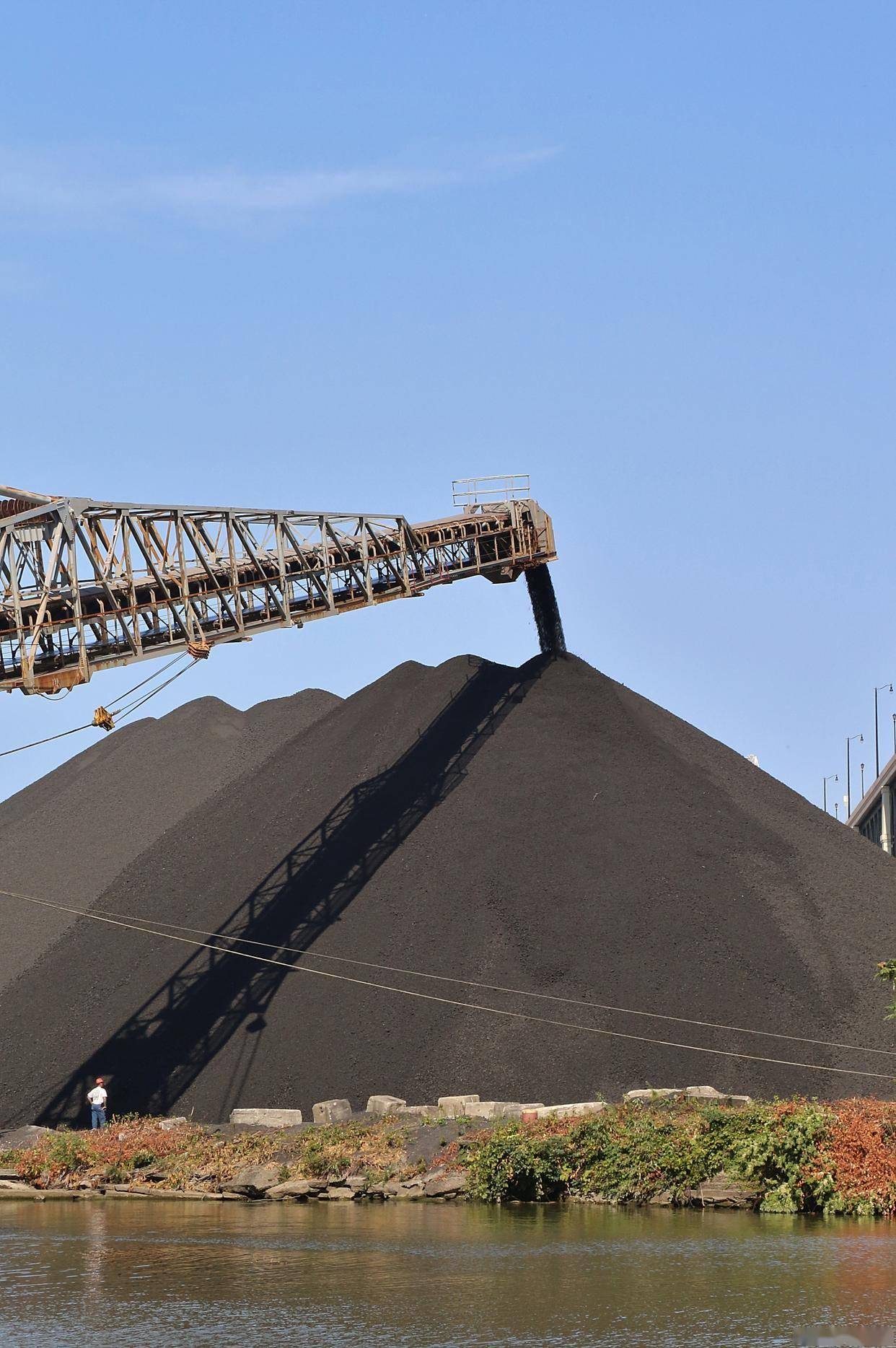
铁矿石开采

Search documents
澳大利亚正式宣布,中国开始行动,美元难受了
Sou Hu Cai Jing· 2025-10-07 14:35
Core Viewpoint - The recent decision by BHP Group to conduct iron ore transactions with Chinese buyers using RMB signifies a major shift in international financial dynamics, challenging the dominance of the US dollar and reflecting changing global trade relationships [1][4]. Group 1: Trade Dynamics - Australia has seen over 1.2 trillion RMB in iron ore trade with China over the past seven years, with significant daily shipments [3]. - The bargaining power of Chinese buyers has increased, as China is now the largest steel producer and has developed new mining operations in Brazil and Guinea [3][4]. Group 2: Currency Trends - The internationalization of the RMB is accelerating, with a 37% increase in cross-border trade settlements in RMB last year, and various countries beginning to accept RMB for trade [6]. - The credibility of the US dollar is declining, with the US national debt exceeding 31 trillion USD and significant currency exchange losses impacting Australian mining companies [6][8]. Group 3: Strategic Implications - The move by Australian companies to use RMB for transactions is a strategic decision to mitigate currency risk and invest in China's clean energy projects, aligning with China's industrial upgrades [8]. - This shift indicates a broader transformation in global economic structures, as emerging economies redefine traditional financial orders, reminiscent of the transition from the pound to the dollar [10].

问题来了?中方刚要拿回铁矿石定价权,西芒杜铁矿就出事暂停运行
Sou Hu Cai Jing· 2025-10-07 09:46
Core Viewpoint - The ongoing confrontation between China and Australia's BHP over iron ore procurement is not merely a commercial negotiation but a strategic battle aimed at redefining the long-standing pricing power in the global iron ore market [3][5][30] Group 1: Market Dynamics - The global iron ore supply is predominantly controlled by three major companies: BHP, Rio Tinto, and Vale, which together account for 61% of global seaborne exports [5][9] - China, as the largest buyer, has hundreds of steel companies acting independently, leading to a fragmented purchasing power that disadvantages them in negotiations [7][9] - It is estimated that this pricing imbalance could cost China over a thousand billion dollars in additional expenses for importing Australian iron ore this year [7] Group 2: Strategic Moves by China - In 2022, China established the China Mineral Resources Group (CMSG) to consolidate procurement from state-owned steel companies, transforming the negotiation dynamics from many small buyers to a single large buyer [9][12] - The Simandou iron ore project in Guinea, with over 2 billion tons of proven reserves and an average grade of 65%, is seen as a critical asset for China to enhance its bargaining power [12][14] - China has invested over 30 billion dollars in the Simandou project, which is expected to produce 12 million tons annually, representing about 10% of China's total iron ore imports [14][18] Group 3: Recent Developments - A recent fatal accident at the Simandou site has led to a suspension of operations, which could weaken China's negotiating position against BHP [16][18] - BHP's strong stance is under pressure as 70% of its iron ore exports are dependent on the Chinese market, and attempts to find alternative markets have been largely unsuccessful [20][22] Group 4: Currency and Geopolitical Implications - China's demands include establishing a new pricing mechanism closer to the spot market and using the renminbi for transactions, challenging the long-standing dominance of the US dollar in international commodity markets [26][28] - The internal divisions among Australian mining companies, with some like FMG agreeing to use renminbi for transactions, indicate a shift in alliances that could further weaken BHP's position [22][24] - The broader implications of this struggle extend beyond commercial interests to geopolitical dynamics, as the US has expressed concern over the potential shift in currency usage for strategic commodities [26][30]

刚暂停购买澳洲矿石,西芒杜铁矿就出事暂停运行,巧合还是意外?
Sou Hu Cai Jing· 2025-10-07 05:30
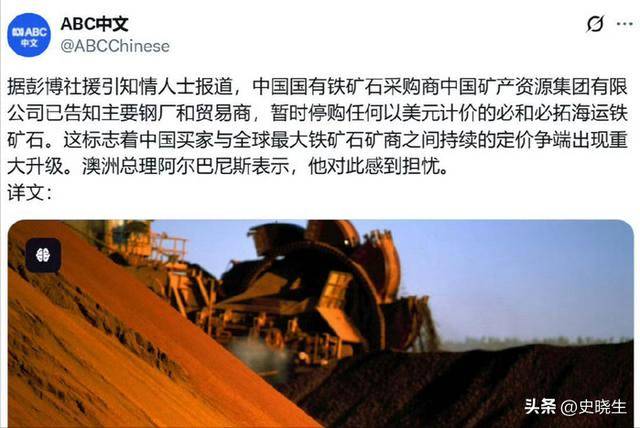
Core Viewpoint - The Chinese Mineral Resources Group (CMRC) has requested domestic buyers to suspend purchases of BHP's iron ore priced in USD, indicating a strategic shift in China's approach to iron ore supply chains and pricing [1][3]. Group 1: Strategic Decisions - The decision to suspend purchases follows unsuccessful negotiations between China and Australia, signaling China's intent to reshape the iron ore supply chain and assert pricing power [3][5]. - By pricing iron ore in RMB, China aims to reduce costs, increase profits, and facilitate the internationalization of the RMB [4][12]. Group 2: Impact of the Guinea Mine Incident - A safety accident at the Simandou iron ore mine in Guinea, involving the death of three workers, has led to the suspension of operations and safety inspections [4][13]. - The timing of this incident is critical, as it coincides with China's negotiations with BHP, potentially affecting China's bargaining position [13]. Group 3: Market Dynamics - China's demand for iron ore constitutes over 70% of Australia's iron ore exports, making it a crucial customer for Australian suppliers [8][11]. - The emergence of the Simandou mine as a viable alternative source of high-quality iron ore (with a total resource of 5 billion tons and over 66% grade) strengthens China's negotiating position against BHP [11][12]. Group 4: Future Considerations - The ongoing negotiations and market dynamics surrounding iron ore pricing will continue, with China determined to maintain its stance regardless of external factors [15].
中国不买澳大利亚的铁矿石,土澳被逼急了,会自己炼钢吗?
Sou Hu Cai Jing· 2025-10-06 16:27
Core Insights - China has recently suspended the purchase of iron ore from Australia's BHP, raising questions about Australia's inability to leverage its abundant iron ore resources to establish a competitive steel industry like China [1][3] Group 1: Industry Overview - Australia exports iron ore worth up to $13.8 billion annually, yet it has not developed a steel industry that can compete internationally [1] - The domestic market in Australia is limited, with a population of approximately 26 million, which is smaller than the population of some provinces in China [3]

澳大利亚懵逼:中美关税战打得好好的,怎么突然打到我的脑袋上?
Sou Hu Cai Jing· 2025-10-06 13:43
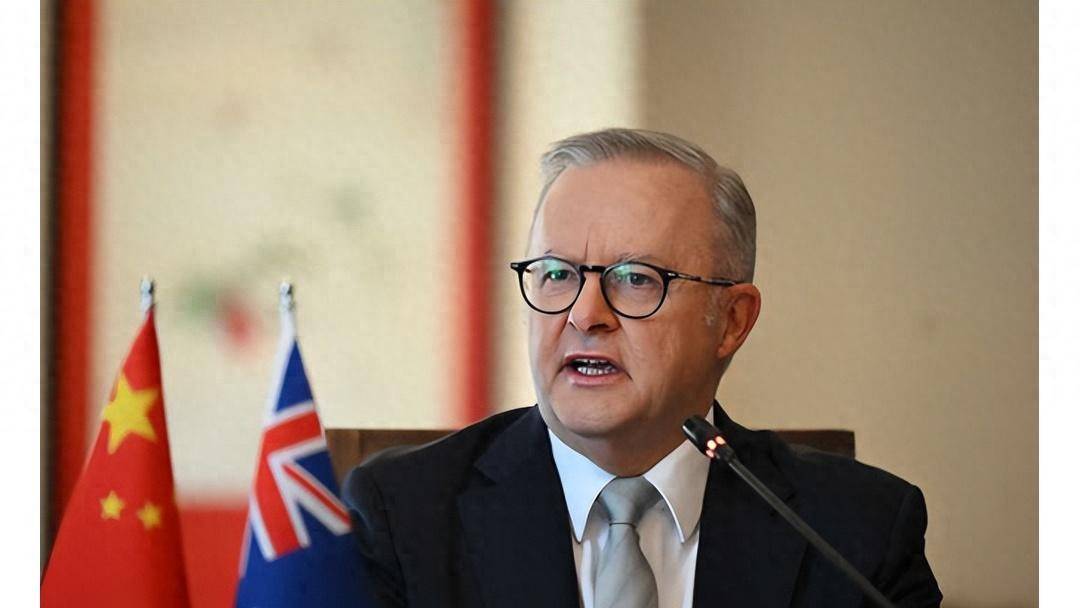
Core Viewpoint - The article discusses China's sudden halt in purchasing iron ore from BHP, a major Australian mining company, as a strategic move to push for transactions in RMB and gain pricing power in the iron ore market [1][6][10]. Group 1: Impact on Australia - China's decision to stop purchasing iron ore from BHP directly affects Australia's economy, as iron ore exports account for over 60% of Australia's total exports to China [4][8]. - In the fiscal year 2024-2025, Australia is projected to earn AUD 116 billion from iron ore sales, which could be significantly reduced due to China's halt in purchases [8][12]. - Australia's Prime Minister Albanese expressed disappointment over the situation, emphasizing the importance of iron ore exports for both economies [6][12]. Group 2: China's Strategic Objectives - The primary objective behind China's halt in purchases is to establish RMB as the currency for iron ore transactions, reducing reliance on USD and gaining pricing power [10][22]. - China aims to change the rules of engagement in the iron ore market, moving from being a passive buyer to a key player in setting terms and prices [22][26]. - By diversifying its sources of iron ore, including increased imports from Brazil and securing mining rights in Australia, China is working towards reducing its dependency on Australian iron ore [16][26]. Group 3: Future Prospects for Australia - Australia faces a critical choice: either agree to RMB settlement and lower prices to retain the Chinese market or resist and suffer economic consequences [28][30]. - The likelihood of Australia compromising is high, given the significant financial implications of losing the Chinese market [28][30]. - As China continues to develop mining operations in Africa and South America, Australia's dominance in the iron ore market is expected to diminish [30].
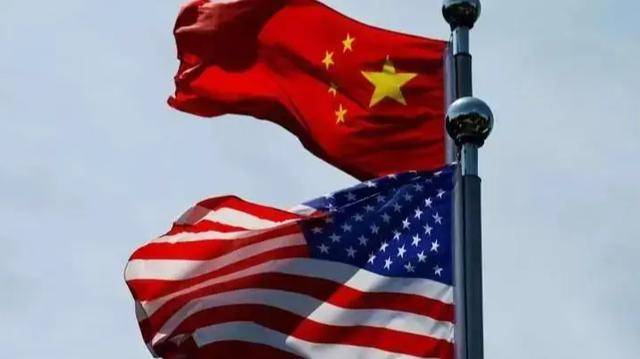
中国开始全面反击: 暂停澳铁矿石进口! 大豆与铁矿关键被中国抓住
Sou Hu Cai Jing· 2025-10-06 09:52
Core Viewpoint - The recent decision by China Mineral Resources Group to suspend imports of Australian iron ore priced in USD signifies a strategic move to reclaim iron ore pricing power and challenge the dominance of the USD in global trade [1][22]. Group 1: Historical Context - Since China's entry into the WTO, it has become the largest buyer of iron ore, purchasing over 60% of global seaborne iron ore [3]. - Despite being the largest customer, China has faced unfavorable pricing terms, often dictated by three major companies: Vale, BHP, and Rio Tinto, which control over 70% of global seaborne iron ore [5][10]. - Historical negotiations have often resulted in China accepting significant price increases, such as an 80% to 96% hike in 2008, demonstrating the power imbalance in negotiations [8][10]. Group 2: Strategic Moves - China is diversifying its iron ore sources by investing in new mines, particularly in Guinea, which is expected to produce 60 million tons annually by 2026 [12]. - The establishment of China Mineral Resources Group aims to consolidate purchasing power among domestic steel companies, allowing for unified negotiations with major suppliers [14]. - The introduction of a domestic iron ore price index and the push for RMB-denominated transactions are key components of China's strategy to reduce reliance on USD pricing [14][16]. Group 3: Comparative Analysis - The situation mirrors China's previous actions in the soybean market, where it shifted purchases from the U.S. to Brazil in response to trade tensions, leading to significant economic repercussions for U.S. farmers [18][20]. - This strategic maneuvering showcases China's ability to leverage its market power to influence global commodity pricing and trade dynamics [22].
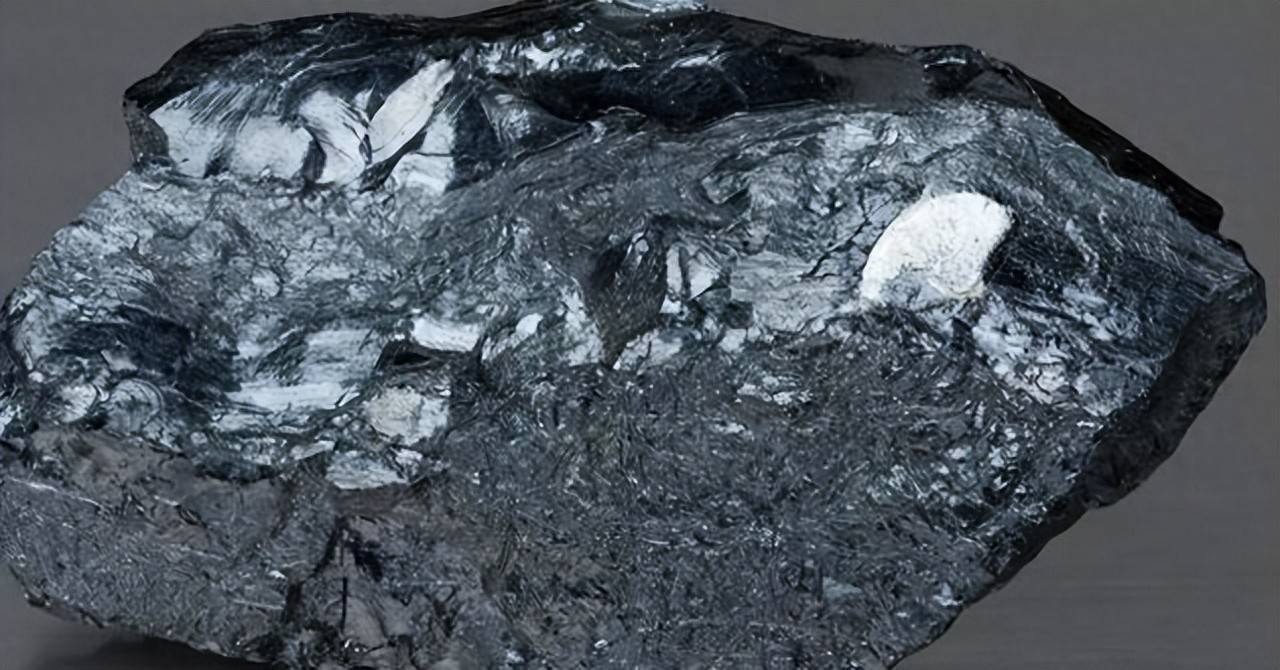
澳矿企为何敢逆势抬价?这场中澳铁矿石博弈谁在冒险?
Sou Hu Cai Jing· 2025-10-06 09:41
Core Viewpoint - Australian mining companies, including BHP, are maintaining a long-term contract price of $109.5 per ton for iron ore until 2025, while refusing to accept payments in RMB despite falling spot prices [1][4]. Group 1: Pricing Dynamics - Domestic steel companies require iron ore prices to drop below $100 to use RMB for transactions, which would result in an additional annual cost of over $20 billion for these companies if prices remain high [3]. - Steel companies are currently at a breakeven point with iron ore prices around $80, and most are profitable when prices fall to $70, indicating that prices above $100 significantly squeeze their margins [3]. Group 2: Market Response - China Mineral Resources Group plans to halt purchases of BHP's dollar-denominated iron ore by September 2025, shifting to other Australian suppliers that accept RMB payments [3]. - Brazil has also begun accepting RMB for transactions with China, indicating a shift in trade dynamics that could pressure Australian miners to either lower prices or accept RMB payments to maintain market access [3]. Group 3: Strategic Implications - The strong interdependence in iron ore trade between China and Australia suggests that Australian companies risk losing market share and facing economic downturns if they do not address pricing and payment method disputes with China [3][4]. - The current rigid stance of Australian mining companies may lead to a loss of business opportunities in the large Chinese market, emphasizing the need for mutual respect and adaptation to new trading rules for long-term cooperation [4].
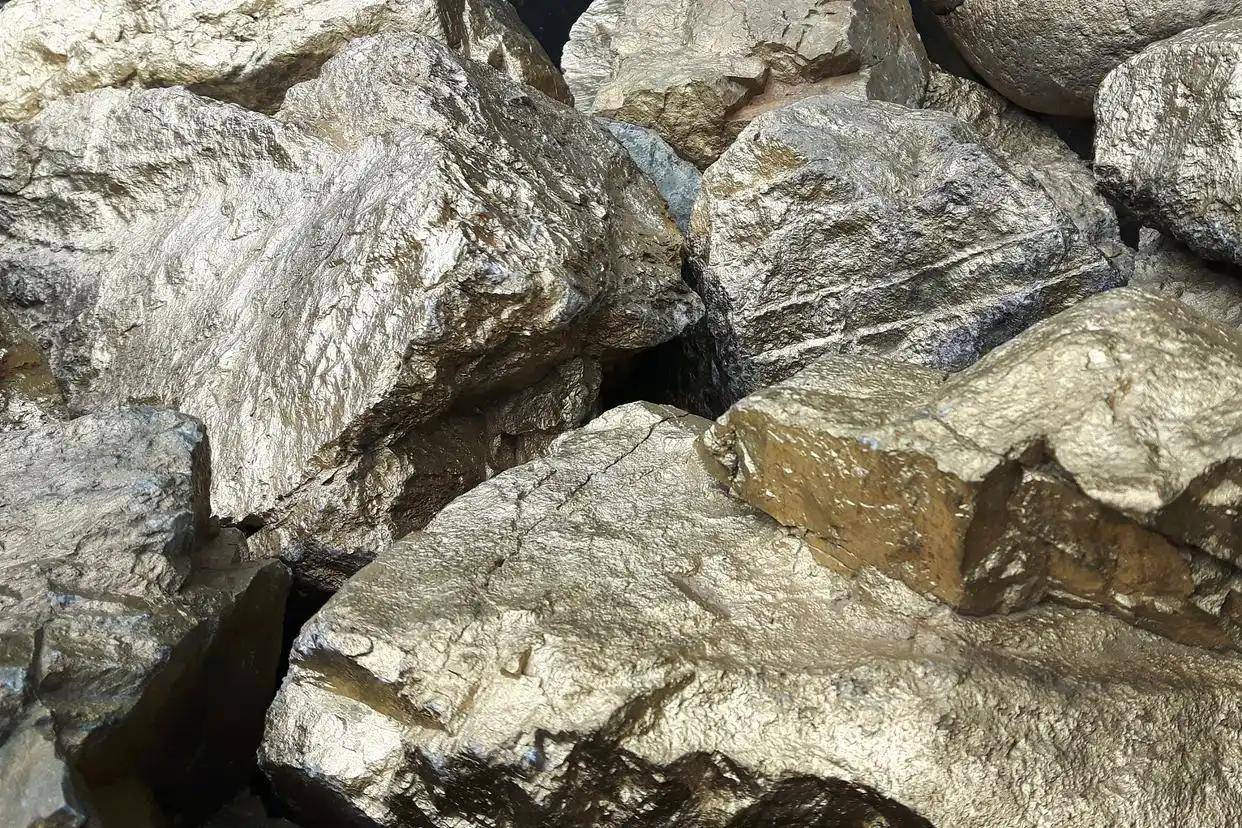
中国开始全面反击:暂停澳铁矿石进口!大豆与铁矿关键被中国抓住了
Sou Hu Cai Jing· 2025-10-06 02:51
Core Viewpoint - China has suspended imports of iron ore from BHP, aiming to regain pricing power and reduce reliance on the US dollar, which has caused panic in Australia [1][5][10]. Group 1: China's Iron Ore Import Strategy - In 2024, China imported approximately 1.237 billion tons of iron ore, with 720 million tons from Australia, accounting for about 58.2% of total imports [3]. - China has historically been the largest iron ore importer, yet it has not secured favorable pricing due to the oligopolistic control of major suppliers like BHP, Vale, and Rio Tinto [5][8]. - The recent negotiations between China and BHP have failed, with China rejecting BHP's annual pricing model in favor of quarterly adjustments based on current market prices [5][6]. Group 2: Historical Context of Pricing Power - China has faced significant challenges in negotiating iron ore prices, often being forced to accept high prices due to the dominance of major mining companies [8][9]. - Past negotiations have seen China accept price increases of 80% to 96% during critical periods, highlighting the power imbalance in the market [8][9]. - The historical context of China's struggles in securing better pricing has led to a strategic shift towards gaining more control over iron ore pricing [9][10]. Group 3: Strategic Moves by China - China is investing in domestic mining projects, such as the Simandou iron ore project in Guinea, to increase its own supply and reduce dependence on foreign imports [9][10]. - The establishment of the China Mineral Resources Group aims to consolidate purchasing power among domestic steel producers, enhancing negotiation leverage against suppliers [9][10]. - The introduction of a domestic iron ore price index and the push for transactions in RMB are part of China's strategy to create a more favorable pricing environment [10][12]. Group 4: Implications for Global Trade - The suspension of imports from BHP signals a potential shift in global iron ore trade dynamics, as China seeks to assert its influence over pricing mechanisms [1][10]. - The situation mirrors past trade conflicts, such as the soybean trade war with the US, indicating a broader strategy by China to protect its economic interests [1][10][23]. - Australia's response, including calls for China to resume imports, reflects the immediate economic impact of China's decision on its trading partners [1][5].
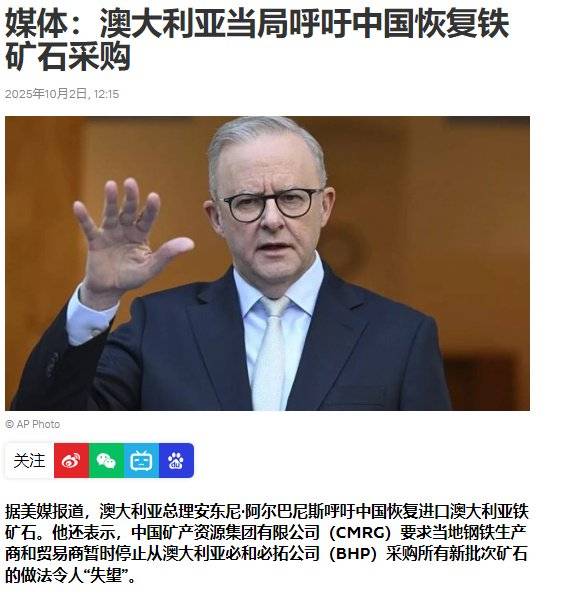
澳铁矿棋局生变!中方阳谋直刺美元软肋,全球货币博弈骤然加剧
Sou Hu Cai Jing· 2025-10-06 01:09
Core Viewpoint - The article discusses China's strategic maneuvering in the iron ore market, particularly its efforts to challenge the dominance of the US dollar in global trade by proposing alternative settlement methods for iron ore transactions with Australia [1][2]. Group 1: Strategic Moves - China has suggested to domestic buyers to pause purchasing iron ore from BHP Billiton in US dollars, targeting the company's dollar-based trading system [1]. - This move is seen as a strategic shift to divert attention from the heavily defended oil market to the relatively less scrutinized iron ore sector, creating a tactical advantage for China [2]. - The strategy reflects China's broader goal of reducing reliance on the US dollar and establishing a more diversified currency settlement system in international trade [6]. Group 2: Resource Control - China has prepared for potential disruptions in iron ore supply by securing significant stakes in iron ore projects in Africa and South America, such as the Simandou project in Guinea, which holds over 10 billion tons of high-quality iron ore [3]. - The collaboration with Brazil's Vale further strengthens China's position in the global iron ore market, allowing it to negotiate better terms with Australian suppliers [3]. Group 3: Economic Implications - China offers two options to Australia: continue using the US dollar for transactions or switch to renminbi, which could enhance profits by avoiding dollar conversion fees [5]. - This approach tests the resilience of the US-led alliance system, particularly as Australia is a key ally in the Asia-Pacific region [5][8]. - If Australia opts for renminbi settlements, it could set a precedent that influences other US allies, potentially destabilizing the existing dollar-centric trade framework [5][8]. Group 4: Global Trade Dynamics - The article emphasizes that the current international monetary system is undergoing significant transformation, with China's push for renminbi settlements aiming to create a dual-currency supply-demand cycle [6]. - This shift could gradually reduce the dominance of the US dollar in global trade, as more countries engage in direct trade with China using renminbi [6]. - The strategic positioning of Australia in this context is critical, as any shift in its trade practices could have far-reaching implications for the US's network of allies [8][9].

中国停购澳矿背后:一场关乎定价权的地缘博弈
Sou Hu Cai Jing· 2025-10-05 12:41
Group 1: Trade Dynamics - The trade dispute over iron ore between China and Australia has significant implications, with Australia's Prime Minister expressing disappointment over China's market decisions [3] - BHP's strategy to increase prices by 15% despite a 19% drop in global iron ore prices highlights the arrogance of Western countries in controlling commodity pricing [4] - China's steel industry has reportedly overpaid by hundreds of billions annually due to the current pricing mechanism, indicating a need for reform [4] Group 2: Currency Settlement - The push for RMB settlement by Chinese mineral resource groups aims to address the hidden costs from exchange rate fluctuations that erode manufacturers' profits [5] - Australia's annual export revenue of AUD 116 billion is at risk, as the demand for RMB payments could reshape global mining trade financial infrastructure [5] Group 3: Strategic Resource Management - China's strategic response to G7's rumored rare earth price limits demonstrates its growing tactical sophistication in resource negotiations [6] - The cessation of Australian mineral purchases reflects China's commitment to its core interests, despite previous trade sanctions being lifted [6] - The current shifts in the global commodity market signal a potential restructuring of the international economic order, with China's actions seen as a declaration of its rising influence [6]