天然气

Search documents
俄罗斯:受中东局势影响,对俄能源需求显著上升
中国能源报· 2026-03-06 12:44
Group 1 - The core viewpoint of the article highlights a significant increase in demand for Russian energy due to the situation in the Middle East and Iran [1][3] - Russia is positioned as a reliable supplier of oil and natural gas, including liquefied natural gas, capable of ensuring stable energy supply under all contracts [1][3] - Ongoing dialogue between Russia and Iranian leadership is confirmed, although details on military-technical cooperation remain undisclosed [1][3] Group 2 - The deployment of nuclear weapons by Finland is viewed as a threat to Russia, prompting potential countermeasures from Russia [1][3] - Finland's actions are expected to increase its own security vulnerabilities and escalate tensions in Europe [1][3]

暴涨650%!中东局势突然引爆!
天天基金网· 2026-03-06 12:18
Core Viewpoint - The escalating situation in the Middle East has led to a dramatic surge in global LNG shipping rates, with daily rental fees for LNG carriers skyrocketing by 650% to $300,000 [2][3]. Group 1: LNG Shipping Rates - LNG shipping rates have surged significantly due to supply disruptions in the Middle East, with the rental fee for LNG carriers from the U.S. Gulf to Europe reaching approximately $300,000 per day, an increase of about $260,000 from the previous week [3]. - The rental fee for LNG carriers from the U.S. Gulf to Asia has also risen from $42,000 to $300,000 per day, while rates from Australia to Asia have increased to about $255,000 per day [3]. - Fearnleys noted that charterers are willing to pay rates up to ten times higher than last week to secure immediate shipping capacity, indicating a strong demand for long-term charters as well [3]. Group 2: Impact of Middle East Situation - The conflict involving Iran has disrupted global LNG trade, with Qatar halting LNG production and declaring force majeure to some buyers [4][5]. - Qatar and the UAE together account for about 20% of global LNG supply, and the supply disruptions are having a significant immediate impact on the global natural gas market [5]. - The shipping disruptions have led to a shift in LNG pricing dynamics between Asia and Europe, with spot LNG prices in Asia reaching $25.40 per million British thermal units before slightly retreating to $23.80, still double the levels prior to the conflict escalation [5]. Group 3: Shipping and Supply Chain Challenges - The number of vessels passing through the Strait of Hormuz has drastically decreased, with reports indicating only a few commercial passages in recent days [5]. - In response to the shipping crisis, Qatar has released two LNG carriers for lease, currently located near the West African coast [6]. - Maersk has suspended two container shipping services due to safety concerns in the Middle East, highlighting the broader impact of the conflict on global supply chains [6].
卡塔尔警告:原油价格可能在两到三周内飙升至150美元/桶
财联社· 2026-03-06 10:10
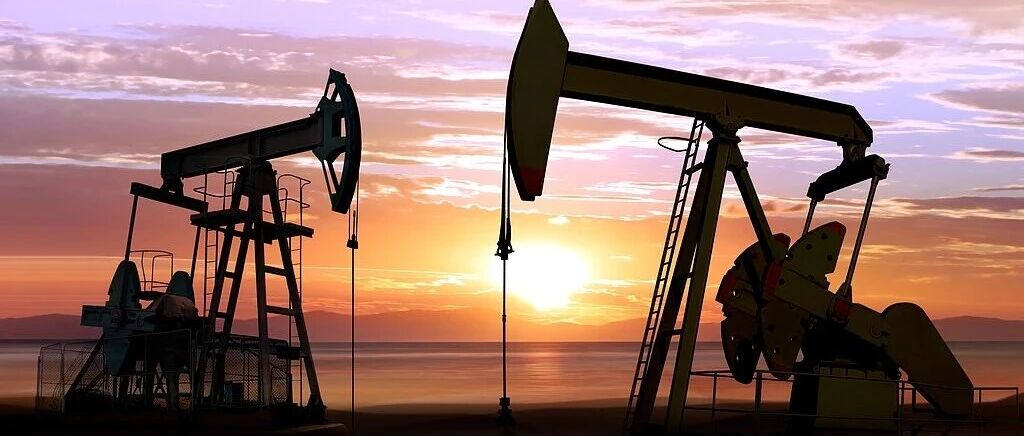
Core Viewpoint - The article highlights a significant increase in oil prices due to geopolitical tensions in the Middle East, with predictions of further price surges in the near future [1]. Group 1: Oil Price Movements - WTI crude oil has risen by 4.06%, reaching $84.297 per barrel, marking the highest level since July 2024 [1]. - Brent crude oil has increased by 1.76%, now priced at $86.911 per barrel [1]. Group 2: Geopolitical Impact - Qatar has warned that ongoing conflicts in the Middle East may lead to a halt in energy exports from the Gulf region within weeks [1]. - Qatar's Energy Minister, Saad al-Kaabi, stated that even if the conflict were to end immediately, it would take "weeks to months" to restore normal delivery cycles [1]. Group 3: Future Price Predictions - The Energy Minister anticipates that crude oil prices could soar to $150 per barrel within two to three weeks [1]. - Natural gas prices are expected to rise to $40 per million British thermal units [1].
代表委员声音 | 能源转型的“新路径”究竟怎么走?
国家能源局· 2026-03-06 09:45
Core Viewpoint - The article summarizes various suggestions and opinions from representatives and committee members during the 2026 National Two Sessions regarding the energy sector, covering areas such as the power grid, coal, natural gas, photovoltaics, nuclear energy, and hydrogen energy. Power Grid - The power grid plays a crucial role in resource optimization and supporting energy transition, serving as a "lifeline" for high-quality economic and social development [3] - The safety of the power grid is fundamental for building a strong energy nation, with significant improvements in resilience during the 14th Five-Year Plan period [3] - The 15th Five-Year Plan period presents new challenges for grid safety, necessitating innovation in technology and management to enhance the grid's protective capabilities [3] Coal - The coal industry is at a critical juncture for high-quality development during the 15th Five-Year Plan, with coal consumption expected to peak in the mid to late period [7] - The industry will focus on intelligent and green development, with large coal mines achieving full automation and a significant reduction in carbon emissions [7] - Coal's role is shifting from a primary energy source to a supportive one, emphasizing its importance in energy security and the development of coal-based new materials [8] Natural Gas - The integration of natural gas and hydrogen energy is essential for industry transformation, with recommendations for establishing safety standards and pricing mechanisms for hydrogen blending [11] - A modern biogas industry system should be developed, with support for biogas projects and a national certification platform for emissions reduction [12] - The gas-electricity pricing mechanism needs improvement to reflect the higher adjustment value of gas power in the new power system [12] Photovoltaics - High standards are necessary to address "involution" in the photovoltaic industry, with measures to enhance safety, reliability, and efficiency [14] - A green electricity consumption system should be established to promote the application of renewable energy and stabilize the domestic photovoltaic market [15] - Rural photovoltaic development requires infrastructure upgrades and financial products to ensure stable returns for farmers and investors [17] Nuclear Energy - The export of nuclear technology, particularly the "Hualong One" reactor, has gained international recognition, with plans to enhance competitiveness in global markets [20] - A three-step strategy for nuclear power development focuses on maintaining a steady approval pace for mainstream reactor types and advancing research on advanced reactors [21] - Nuclear energy should be integrated into green certificate trading systems to reflect its zero-carbon value and support energy structure optimization [23] Hydrogen Energy - A national hydrogen energy infrastructure plan is needed to facilitate large-scale development, including a comprehensive hydrogen pipeline network [25] - The coupling of electricity and hydrogen should be prioritized, with policies to support green hydrogen projects and their integration into the power market [26] - The establishment of a unified green hydrogen certification and traceability system is crucial for promoting market transactions and ensuring fair returns on investments [29]

两会速览︱“十五五”109项重大工程项目 涉及能源有哪些?
中关村储能产业技术联盟· 2026-03-06 08:41
Core Viewpoint - The article emphasizes the importance of enhancing industrial foundational capabilities and competitiveness, focusing on the development of new energy systems and technologies to drive green and low-carbon transitions [6][7][9]. Industrial Foundation and Competitiveness Enhancement - Significant technological equipment is highlighted as a key area for development, including high-end new materials, basic components, and industrial software [10]. - New industries and tracks are being cultivated, particularly in new battery technologies and green hydrogen [6][12]. Cutting-edge Technology Research - The article discusses advancements in artificial intelligence and controllable nuclear fusion as critical areas for technological breakthroughs [6][13]. Modern Infrastructure System Construction - The construction of a modern infrastructure system is essential, with a focus on major hydropower and integrated wind-solar bases, as well as offshore wind power and coastal nuclear power [9][16]. Green and Low-Carbon Transition - The transition towards carbon peak and carbon neutrality is a priority, with initiatives aimed at energy conservation and carbon reduction in key industries [7][25]. - The development of zero-carbon parks and transportation corridors is also emphasized, alongside the promotion of a circular economy to assist in carbon reduction [9][25]. Safety Assurance in Key Areas - Enhancing safety assurance capabilities in critical sectors is crucial, including food security and oil and gas exploration and development [8][29].

欧洲两难!气价三年新高之际,对俄罗斯能源禁令会“急刹车”吗?
第一财经· 2026-03-06 08:19
Core Viewpoint - Europe is facing significant challenges in its efforts to reduce reliance on Russian natural gas, with recent geopolitical events causing gas prices to surge and supply concerns to escalate [3][4]. Group 1: Current Market Conditions - As of early March, European natural gas prices have fluctuated between 50-60 euros per megawatt hour, reaching a three-year high of over 56 euros on March 4, compared to below 40 euros at the same time last year [3]. - Recent disruptions, including the shutdown of Qatar's liquefied natural gas facilities and tensions in the Middle East, have led to a 60% increase in gas prices [3]. - Current gas storage levels in the EU are below 30%, significantly lower than the five-year average of approximately 45% for this time of year [3]. Group 2: EU's Strategy on Russian Gas - The EU has set a timeline to phase out Russian gas imports, with a ban on liquefied natural gas imports effective by the end of 2026 and a ban on pipeline gas imports by autumn 2027 [6][4]. - The EU's dependency on Russian gas has decreased from 45% of total imports to an expected 12% by 2025 due to ongoing sanctions and regulatory measures [7]. - Despite sanctions, Russian LNG exports to Europe increased by 7% in the first two months of 2023, reaching 3 million tons [7]. Group 3: Geopolitical Implications - Norway's Energy Minister has indicated that the EU may need to reconsider its ban on Russian gas imports due to recent geopolitical developments [7]. - Russian President Putin emphasized Russia's role as a reliable energy supplier and suggested a pivot towards emerging markets in light of the EU's planned import bans [8]. - The termination of gas transit agreements through Ukraine is set to occur on January 1, 2025, marking the end of a significant supply route for Russian gas to Europe [9]. Group 4: Future Outlook - Analysts predict that the delay in implementing the Russian gas ban will be politically contentious and may face opposition from the U.S., which has become a major supplier of LNG to the EU [10]. - The U.S. is expected to increase its LNG exports to the EU, potentially capturing over 70% of the market share by 2027, solidifying its position as the largest exporter [10].
若美伊冲突长期化,对全球资产有何影响?
李迅雷金融与投资· 2026-03-06 07:09
Core Viewpoint - The article discusses the implications of the recent US-Israel military actions against Iran, highlighting the potential for prolonged conflict and its impact on global geopolitical dynamics and asset pricing. Group 1: Reasons for Prolonged Conflict - The current military actions represent a shift in US strategy from targeting Iran's nuclear capabilities to regime change, indicating a fundamental change in the nature of the conflict [1]. - The timing of the military strikes coincided with negotiations, eliminating any potential for diplomatic resolution and escalating the conflict into a civilizational clash [2]. - Unlike Syria and Libya, Iran's regime is supported by a strong military foundation, making rapid regime change unlikely [3]. Group 2: Iran's Military Capabilities - Iran has developed a self-sufficient defense industry due to decades of sanctions, making it difficult for external forces to dismantle its military capabilities [4]. - The cost-effectiveness of Iran's military assets, such as drones, allows it to sustain prolonged conflict at a lower financial burden compared to its adversaries [4]. Group 3: Political Dynamics in the US - The Trump administration faces internal pressures regarding the legitimacy of military actions without Congressional approval, complicating the conflict's management [5]. - There is a growing divide within Trump's support base regarding the military actions, with some allies opposing the conflict as contrary to "America First" principles [5]. Group 4: Global Economic Implications - The conflict is expected to reshape global economic models, with a potential shift in how national power is assessed, moving away from traditional economic indicators to military and strategic capabilities [10][25]. - China's strategic position is likely to strengthen as it remains militarily unengaged while being a major manufacturing power, similar to the US during World War II [11]. Group 5: Asset Pricing Impact - The conflict has already led to significant volatility in energy prices, with Brent crude oil experiencing sharp increases due to supply fears [13]. - Global stock markets have reacted negatively, particularly in regions heavily reliant on energy imports, with notable declines in indices such as Japan's Nikkei and South Korea's KOSPI [15]. - Gold prices have shown unusual behavior, initially rising but then experiencing a pullback due to liquidity issues and market dynamics [20][21]. Group 6: Investment Recommendations - There is an anticipated increase in demand for resources and energy infrastructure, suggesting a favorable outlook for commodities like copper and rare earths [27]. - The military and technological sectors, particularly AI and drone technology, are expected to see growth as the conflict continues [28]. - Hong Kong's position as a financial hub may be re-evaluated, with potential for valuation recovery as it serves as a bridge between Chinese manufacturing and global capital [28].
霍尔木兹海峡局势变化,十大产业链危机脉络梳理
财联社· 2026-03-06 05:33
Core Viewpoint - The modern world order is built around efficiency and minimal costs, creating a highly interdependent system that can lead to widespread crises from localized disruptions, particularly in energy supplies like oil and LNG, which can trigger inflation and food shortages [1] Group 1: Supply Chain Vulnerabilities - The global polyester supply chain starts with petrochemical products, and disruptions in raw materials like naphtha or PTA can lead to significant reductions in polyester production, affecting the apparel industry [2][3] - The nitrogen fertilizer chain begins with natural gas; interruptions can lead to increased costs for farming inputs and pressure on the food system within a single planting cycle [3] - The extraction of copper and cobalt relies on sulfuric acid, which is dependent on the supply of sulfur; any disruption can halt copper extraction operations, impacting electrical and automotive sectors [4] - The polypropylene supply chain, starting from propylene, faces shortages in packaging and medical supplies if propylene supply is interrupted [5] - The chlor-alkali industry, reliant on salt and electricity, will see immediate pressure on water treatment and PVC production if disrupted [6] - The tire industry, starting from natural and synthetic rubber, will face production cuts and extended replacement cycles due to supply interruptions [7] - The steel industry, dependent on iron ore and metallurgical coal, will experience production cuts and delays in construction and manufacturing if raw materials are restricted [8] - The aluminum supply chain, starting from bauxite and requiring significant electricity, will see reduced smelting capacity affecting packaging and transportation sectors [9] - The flat glass supply chain, reliant on soda ash and natural gas, will face production challenges impacting construction and solar energy sectors if inputs are disrupted [10] - The semiconductor supply chain, starting from ultra-pure gases and stable electricity, will see yield issues and delivery delays if these inputs are affected [11] Group 2: Impact Timeline - The first level of impact involves disruptions in maritime energy transport, with significant daily oil and LNG logistics bottlenecks [13] - The second level involves shortages in refining and industrial chemicals due to the depletion of sour crude oil, leading to immediate sulfur shortages [15] - The third level sees mining and metal extraction affected by sulfur shortages, halting copper and cobalt extraction processes [17] - The fourth level indicates a worsening copper shortage affecting power transformers and electrical hardware, leading to extended delivery times [19] - The fifth level highlights semiconductor supply chain disruptions due to LNG shortages in Taiwan, causing voltage drops in manufacturing equipment [21] - The sixth level indicates a freeze in data center expansion due to silicon supply constraints and transformer unavailability [23] - The seventh level focuses on capital markets, where raw material cost inflation leads to severe profit compression and stock revaluation [25] - The eighth level discusses national responses involving strategic oil reserves, constrained by physical limitations [27] - The ninth level addresses the restructuring of trade frameworks, marked by a shift towards non-dollar energy settlements [29] - The tenth level emphasizes social stability, where energy and fertilizer inflation leads to structural food crises in emerging markets [30] - The eleventh level indicates a shift in industrial structure, with aluminum replacing copper facing engineering limits [31] - The twelfth level represents a long-term redesign of social civilization, prioritizing resource security over economic efficiency [33]
刚刚!集体暴涨,美国突传重磅消息!
天天基金网· 2026-03-06 05:12
Group 1 - The article highlights signs of improving liquidity in the market, with significant gains in the metals sector, including gold rising over 1% and silver over 2.3% [2][5] - A rebound in major stock indices was observed, with the Shanghai Composite Index up 0.25%, the Shenzhen Component up 0.8%, and the ChiNext Index up 0.85% [2] - The U.S. market also showed positive signals, with the leveraged loan index rising for two consecutive days and a notable increase in the overnight reverse repo scale by nearly $2 billion [3][5] Group 2 - The Federal Reserve's total assets expanded to $6.6289 trillion, an increase of $15 billion from the previous day, indicating a potential improvement in dollar liquidity [3] - Despite a gradual decline in the dollar's reserve share (approximately 57%), it remains the primary source of liquidity during crises, with recent geopolitical tensions in the Middle East reinforcing its safe-haven status [7] - International oil prices experienced a significant pullback after a recent surge, with WTI crude oil dropping nearly 3% [8]

中东风险正在波及工业原材料
日经中文网· 2026-03-06 02:58
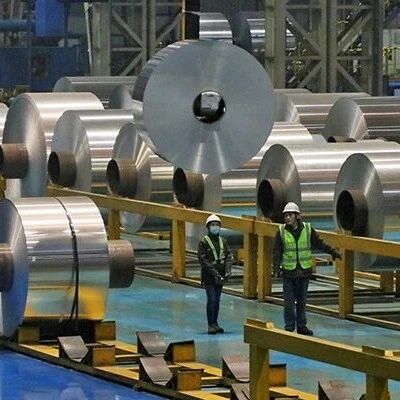
Core Viewpoint - The ongoing tensions in the Middle East are driving up international aluminum prices and causing supply shortages for industrial raw materials, including fertilizers and LNG [2][4]. Group 1: Supply Chain Disruptions - QatarEnergy has declared a "Force Majeure" affecting LNG and its derivatives due to damage from drone attacks, impacting aluminum production as well [4]. - Petronet LNG, India's largest LNG importer, has also issued a "Force Majeure" statement due to the blockade of the Strait of Hormuz, complicating LNG procurement from Qatar [4]. - Norsk Hydro's aluminum smelting plant in Qatar has halted production due to the inability to procure LNG, which is essential for power generation in aluminum production [5]. Group 2: Price Increases - The LME three-month aluminum futures price surged to approximately $3,418 per ton, marking a four-year high due to supply disruptions [5]. - Asian urea prices have increased by 20% compared to the previous week, driven by supply concerns from the Middle East, which accounts for 40% of global urea production [6]. - The price of naphtha, a key raw material for producing plastics, has risen by 23% in Japan, with about 40% of Japan's naphtha imports sourced from the Middle East [7]. Group 3: Market Implications - If the Strait of Hormuz remains blocked for an extended period, there may be significant challenges in procuring urea, leading to potential price hikes in fertilizers [6]. - The supply of helium, crucial for semiconductor manufacturing, has been affected as QatarEnergy has ceased helium supplies, although companies have alternative sources and inventories [8].