电动汽车

Search documents
一封来自美国的“情书”:开了中国电车,再也不想美国车
Guan Cha Zhe Wang· 2026-01-30 07:38
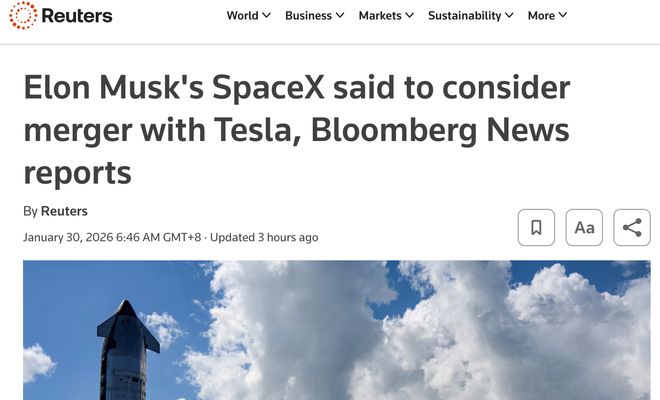
Core Viewpoint - The article highlights the growing competitiveness of Chinese electric vehicles (EVs) in the global market, particularly emphasizing the Xiaomi SU7 Max as a standout model that impresses even American automotive experts [1][3][14]. Group 1: Performance and Features of Xiaomi SU7 Max - The Xiaomi SU7 Max is praised for its long battery range of 810 kilometers on a single charge, which exceeds expectations compared to competitors like the Ford Mustang Mach-E [12]. - The vehicle features a large 16.1-inch touchscreen running Xiaomi's HyperOS, integrating various applications and functionalities, enhancing the user experience [6][8]. - The car's driving comfort is noted to be superior, with smoother braking, steering, and acceleration compared to other models like the Ford Mustang Mach-E [11][9]. Group 2: Market Position and Competitive Landscape - Chinese EV manufacturers, including Xiaomi, BYD, and Geely, are recognized for their competitive pricing, often several thousand dollars lower than Western counterparts, and for their advanced digital integration [3][14]. - Ford's CEO acknowledges that Chinese manufacturers like Xiaomi pose a significant challenge to traditional American automakers, indicating a shift in the competitive landscape [3][14]. - There is optimism regarding the potential entry of Chinese EVs into the U.S. market, with indications that barriers such as tariffs may not last long, allowing for future production in the U.S. [14][15]. Group 3: Consumer Sentiment and Future Outlook - The article reflects a positive sentiment towards the Xiaomi SU7 Max, with experts expressing a desire for American consumers to experience the vehicle [4][15]. - Analysts suggest that once the barriers to entry are lifted, Chinese manufacturers will rapidly expand into the U.S. market, potentially within the next two years [14].


真“眼红”啊!马斯克发文,感叹中国电动汽车需求强劲
Guan Cha Zhe Wang· 2026-01-30 03:45
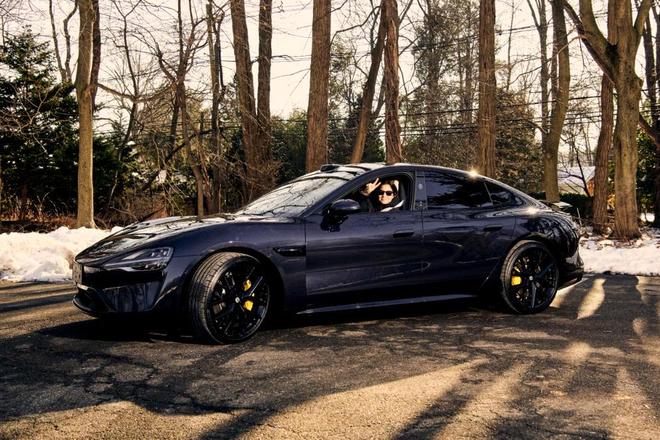
【文/观察者网 齐倩】 报告截图 产销双双突破3400万辆、产销连续17年稳居全球第一,新能源汽车新车销量占比近半、L2功能乘用车 渗透率达到64%……相较2024年,中国汽车行业去年进一步取得多方面突破。 今年1月,中国汽车工业协会公布的最新数据显示,2025年,我国汽车产销分别完成3453.1万辆和3440 万辆,同比分别增长10.4%和9.4%,高于年初预期。 1月30日,特斯拉首席执行官埃隆·马斯克在X平台转发一条2024年的推文:突发新闻——中国售出的汽 车中,电动汽车占比首次超过半数。 "中国太阳能和电动汽车的惊人增长,将大大降低其对石油和天然气的依赖。"马斯克写道。 推文提及,据中国乘用车市场信息联席会数据,2024年7月份,新能源汽车(包括电动汽车和插电式混 合动力汽车)零售销量占比达到创纪录的51.1%。"电动汽车已经明显减少了中国的石油需求:仅自 2023年以来,道路上电动汽车数量的增加就减少了约4%的交通燃料需求"。 同年8月份,英国专门研究气候变化的科学和政策网站"碳简报"(Carbon Brief)发布报告显示,中国二 氧化碳排放量在2024年第二季度下降1%,这是自疫情以来的首次季 ...


SpaceX或牵头合并特斯拉与xAI,打造超级科技综合体
Huan Qiu Wang Zi Xun· 2026-01-30 03:39
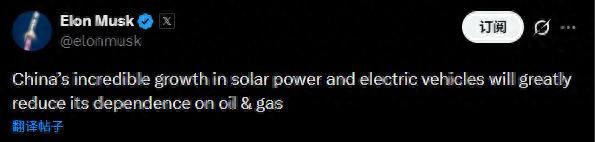
Group 1 - SpaceX is exploring a potential merger with Tesla and deepening strategic cooperation with AI startup xAI, aiming to create a "super ecosystem" in the global technology sector [1][3] - The proposed merger would integrate rocket launches, Starlink satellite networks, electric vehicles, social media platforms, and generative AI technology [1] - SpaceX is evaluating various capital operation schemes, including direct acquisition of Tesla shares or a three-party stock swap merger [3] Group 2 - One radical proposal involves using SpaceX as the core to integrate Tesla's energy and autonomous driving technologies, xAI's Grok chatbot and R&D capabilities, with SpaceX's Starlink satellite internet and rocket launch business [3] - This integration aims to form a closed-loop ecosystem covering "earth, space, and humanity" [3]
《华尔街日报》专栏作家试驾小米SU7:它像苹果没造出来的车,不想买美国车了
Feng Huang Wang· 2026-01-30 03:30
Core Insights - The article highlights the impressive features of the Xiaomi SU7Max electric vehicle, emphasizing its long range, customizable interior, and smooth software experience, which have led to a positive reception from users [1][2]. Group 1: Vehicle Features - The Xiaomi SU7Max features a 16.1-inch entertainment screen powered by Xiaomi's HyperOS, offering a rich array of applications, including Apple CarPlay, which enhances user experience [2][3]. - The vehicle includes a unique magnetic control bar that provides physical buttons for music and air conditioning, along with the ability to attach additional modules like LED light strips for customization [3]. - The car's battery boasts a claimed range of 810 kilometers (approximately 500 miles), with real-world performance exceeding expectations, consuming less than 30% of battery for a 50-mile round trip in cold conditions [5]. Group 2: Driving Experience - The driving experience of the SU7Max is described as smooth and quiet, with a sportier feel compared to competitors like the Ford Mustang Mach-E and Tesla Model Y, particularly in terms of braking, steering, and acceleration [4][5]. - Advanced driver assistance features were noted to function smoothly, enhancing the overall driving experience [4]. Group 3: Market Position and Future Prospects - The starting price of the Xiaomi SU7Max in China is approximately 299,900 yuan (around $43,000), positioning it competitively with the Tesla Model Y, although potential U.S. pricing could be higher due to tariffs and regulations [6]. - There are significant barriers for Chinese electric vehicles entering the U.S. market, including a 100% tariff and federal restrictions on connected car technologies, but these may change in the future [6]. - Industry experts suggest that Chinese manufacturers, including Xiaomi, are prepared to enter the U.S. market if production occurs domestically, with potential developments expected within the next two years [6].

跨越周期:中国企业出海东南亚的系统化攻坚指南
Jin Tou Wang· 2026-01-30 00:13
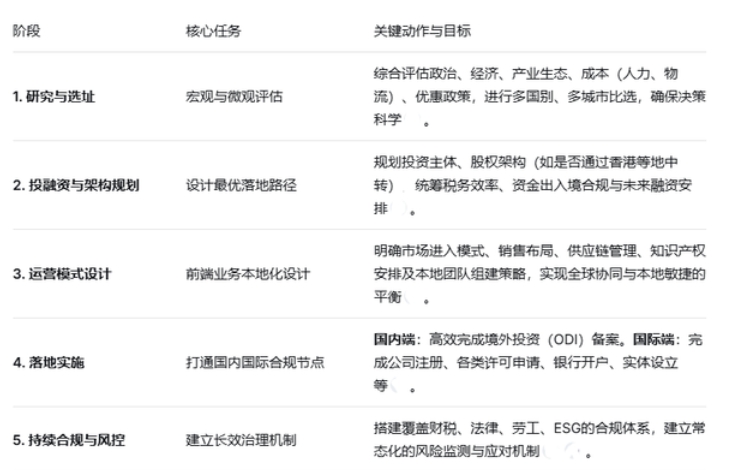
Core Insights - The shift of Chinese companies going abroad has evolved from an optional strategy to a necessity for long-term development, particularly in Southeast Asia, which is becoming a core area for globalization efforts due to its economic growth and strong trade ties with China [1] Group 1: Trends in Chinese Companies Going Abroad - The current trend of Chinese companies going abroad shows a clear upgrade, with a focus on brand establishment, technology cooperation, and long-term market share rather than just short-term orders [2] - The modes of going abroad have diversified from primarily goods trade to include greenfield investments, cross-border mergers and acquisitions, and localized R&D and operations [2] - Factors driving this transformation include domestic industrial upgrades, the Belt and Road Initiative, and investment incentives from Southeast Asian countries [2] Group 2: Opportunities and Challenges in Southeast Asia - Southeast Asia presents a diverse opportunity landscape, with different countries offering unique entry points for various types of businesses, such as manufacturing hubs in Vietnam, Thailand, and Indonesia, and digital innovation centers in Singapore and Indonesia [3] - However, challenges such as increased compliance requirements, geopolitical risks, and difficulties in local integration must be addressed [4] Group 3: Systematic Approach for Successful Expansion - A successful overseas expansion requires a systematic approach involving five key stages: research and site selection, investment and structural planning, operational model design, implementation, and ongoing compliance and risk management [5][6] - The Overseas Direct Investment (ODI) filing is a critical legal prerequisite for initiating overseas actions, and professional assistance can significantly streamline this process [6] Group 4: Building Resilience Against Uncertainties - Companies need to build resilience by prioritizing compliance, diversifying supply chains and markets, utilizing policy financial tools, and cultivating local leadership [7] Group 5: Future Outlook - Southeast Asia is expected to remain a vibrant testing ground and growth engine for Chinese companies' globalization efforts, with successful companies adopting a long-term mindset and viewing overseas expansion as an organizational capability upgrade [8]
高级监管官员:美国加州将于下周公布该州针对新电动汽车提供的2亿美元税收抵免的详细信息。
Jin Rong Jie· 2026-01-29 21:16
高级监管官员:美国加州将于下周公布该州针对新电动汽车提供的2亿美元税收抵免的详细信息。 ...
越南汽车制造商将与中国比亚迪合作,投资1.3亿美元建设电动汽车电池工厂
Shang Wu Bu Wang Zhan· 2026-01-29 16:47
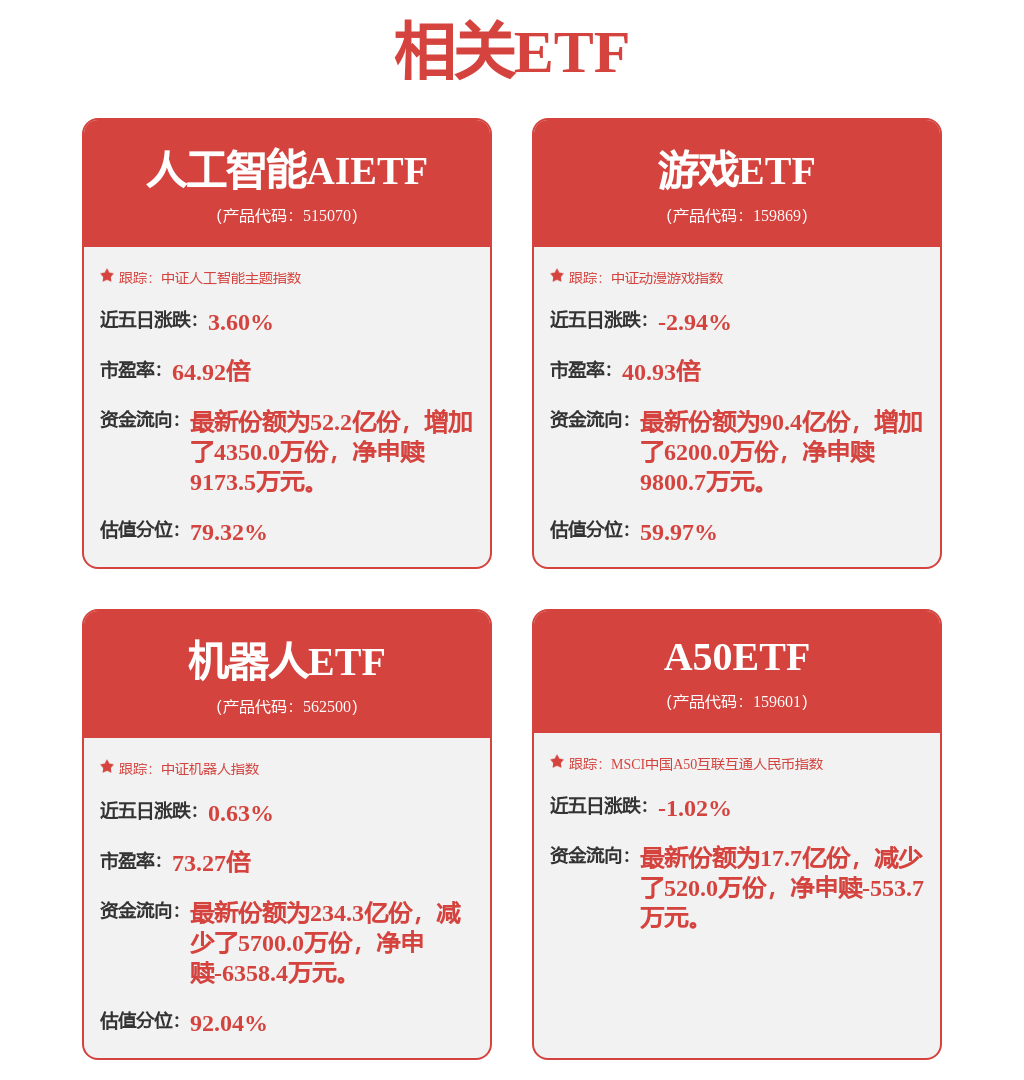
(原标题:越南汽车制造商将与中国比亚迪合作,投资1.3亿美元建设电动汽车电池工厂) 据曼谷邮报1月28日报道,越南汽车制造商金龙汽车周二宣布,其与中国的比亚迪合作,将在越南中部投 资1.3亿美元建立工厂,用于生产商用电动汽车的电池。根据协议,金龙汽车将承担该设施的建设费用,而比亚 迪则提供全面的技术支持。金龙电机在声明中称,该电池工厂将建在面积为4.4公顷的土地上,其年发电量可达 3吉瓦时。在该项目的第二阶段,设施规模将扩大至10公顷,生产能力也将提升一倍,达到每年6吉瓦时的发电 量。此次扩建还包括引入用于生产电动客车的电池的生产线。该工厂将生产用于商用车辆的电池,包括公交 车、卡车及小型面包车。越南的电动汽车市场正在迅速发展,这一趋势主要由该领域的领先企业越南VinFast推 动。 ...
伯镭科技获比亚迪1亿元战略投资,推动矿山电动化与无人化
Guan Cha Zhe Wang· 2026-01-29 15:25
Core Insights - BYD has made a strategic investment of 100 million yuan in Berai Technology, focusing on the integration of electrification and automation in mining scenarios [1][2] - Berai Technology has developed a comprehensive technology stack featuring "L4 autonomous driving + unmanned battery swapping + intelligent scheduling," which aims to provide economically viable zero-carbon transformation solutions for traditional mining [1] - The funding will enhance R&D, expand intelligent production capacity, accelerate domestic and international market expansion, and deepen industrial ecosystem cooperation [1] Company Collaboration - BYD's expertise in electric vehicle battery, electronic control technology, and large-scale manufacturing will synergize with Berai Technology's capabilities in intelligent mining vehicles and unmanned operations [1][2] - Both companies plan to collaborate on technology R&D, supply chain optimization, and product exploration in specific scenarios to promote the application of new energy and intelligent technology in heavy industry [1] Market Expansion - BYD has a global presence, with its electric vehicles operating in over 110 countries and regions across six continents, and is establishing production bases in countries like Thailand, Uzbekistan, Brazil, and Hungary [1] - The local operational experience, supply chain resources, and brand influence of BYD will support the joint exploration of the international high-end mining equipment market [1][2] Strategic Vision - BYD's Chief Investment Officer emphasized the importance of investing in partners with strong core technologies that can create significant synergies with BYD's main business [2] - The investment in Berai Technology is seen as a recognition of its technological direction and commercial value, enhancing confidence among customers, partners, and the market [2] - Berai Technology aims to continue focusing on enhancing productivity through intelligent technology and collaborating with global industry partners to accelerate the green and intelligent transformation of mining and other heavy industrial scenarios [2]

特斯拉的销量已经不重要了
虎嗅APP· 2026-01-29 14:10
Core Viewpoint - Tesla's delivery volume is no longer a key focus for the market, as confidence in the company remains high despite declining sales figures. The company reported its first annual revenue decline since its inception, with a 3% drop in revenue for both the fourth quarter and the full year of 2025 [6][11]. Financial Performance - In Q4 2025, Tesla's revenue was $24.9 billion, down 3% year-over-year, with a full-year revenue of $94.8 billion, also down 3% [6][8]. - Tesla's GAAP net profit for Q4 2025 was $840 million, a significant drop of 61% year-over-year, while the non-GAAP net profit was $1.76 billion, down 16% [6][8]. - The automotive revenue decreased by 11% year-over-year to $17.69 billion in Q4 2025, with a full-year automotive revenue of $69.5 billion, marking a 10% decline [8][11]. Delivery and Production - Tesla's total vehicle deliveries in Q4 2025 were 418,227, a 16% decrease year-over-year, with an annual total of 1.636 million vehicles delivered, down 9% [8][15]. - Production of Model 3/Y in Q4 2025 was 422,652 units, reflecting a 3% decrease year-over-year, while total production was down 5% [9][10]. Market Reaction - Despite disappointing financial results, Tesla's stock price remained resilient, closing at $430.46, only a slight drop of 0.1% [11]. - Analysts noted that Tesla is perceived more like a high-risk startup rather than a stable company, as it continues to attract investor interest despite declining revenues and profits [11][12]. Future Plans and Investments - Tesla announced a record capital expenditure plan of $20 billion for 2025, focusing on AI, autonomous driving, and robotics [11][26]. - The company plans to build six new factories, including those for lithium refining and battery production, and aims to produce 1 million units of its Optimus robot annually [26][29]. Autonomous Driving Vision - Elon Musk emphasized that Tesla's future lies in autonomous driving, with plans to produce vehicles designed solely for this purpose, such as the CyberCab [19][23]. - Tesla's Full Self-Driving (FSD) subscription model will replace the one-time purchase option, with nearly 1.1 million global paid users reported [24][23]. Competitive Landscape - Musk acknowledged that competition in the humanoid robot space is significant, particularly from Chinese companies, but asserted that Tesla's Optimus will outperform others [28][29]. - The company is also planning to establish its own semiconductor manufacturing facility to support its AI and autonomous driving initiatives, addressing potential supply chain constraints [29].
特斯拉转型阵痛:营收首降,马斯克买了张最贵AI门票
Sou Hu Cai Jing· 2026-01-29 13:55
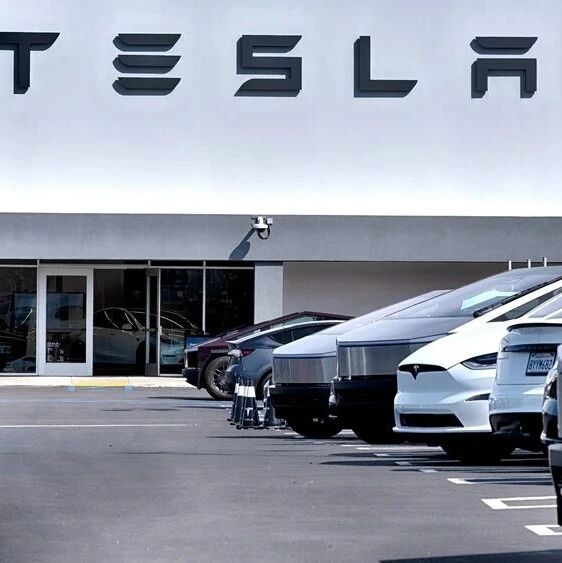
Core Insights - Tesla is at a crossroads, transitioning from an electric vehicle manufacturer to a "physical AI" company, highlighted by a $2 billion investment in xAI [1][5][9] Financial Performance - In Q4 2025, Tesla reported total revenue of $24.901 billion, a year-over-year decline of approximately 3%, marking the first annual revenue drop in its history [1] - The automotive business revenue was $17.693 billion, down about 11% year-over-year, indicating a shrinking share of total revenue [1] - Q4 GAAP net profit fell to $840 million, a 61% drop year-over-year, while non-GAAP net profit decreased by 16% to $1.761 billion [3] - For the full year, GAAP net profit was approximately $3.8 billion, down 46% year-over-year [3] - Despite revenue pressures, Q4 GAAP gross margin improved to 20.1%, up 3.86 percentage points from the previous year, reflecting initial success in cost control [3] Sales and Deliveries - Tesla delivered 418,200 vehicles in Q4, a year-over-year decline of 15.61%, and a total of 1.636 million vehicles for the year, down 8.55% [3][4] Strategic Shift - Tesla's strategy is shifting from a hardware-centric approach to a focus on "physical AI," with 2025 identified as a critical year for this transformation [3][4] - The company will cease production of the Model S and Model X to focus on the production of Optimus robots and other future products [4] Investment in AI - The $2 billion investment in xAI is seen as a significant step towards securing a future in AI, with xAI recently completing a funding round of $20 billion [5] - Tesla's CFO indicated that capital expenditures will exceed $20 billion in 2026 to support this strategic shift [5] Cash Flow and Financial Stability - Tesla's operating cash flow for 2025 was $14.7 billion, with free cash flow at $6.2 billion, providing strong support for the transition [6] - By the end of 2025, Tesla increased its cash and investments by $7.5 billion to a total of $44.1 billion, ensuring ample liquidity for future plans [7] Future Challenges - Market analysis indicates that Tesla's pre-tax profit margin for 2025 is projected at 6%, significantly lower than Toyota's [8] - The company faces pressure on profit margins from tariffs, competition from cheaper models, and policy changes, particularly in key markets like China [8] - Despite challenges, Tesla's long-term vision includes expanding its autonomous taxi service, which could significantly alter its profit model and valuation [8][9]