
贸易

Search documents
每周股票复盘:*ST沪科(600608)被立案调查或面临终止上市
Sou Hu Cai Jing· 2025-12-27 21:41
Core Viewpoint - *ST HuKe (600608) has experienced a price increase of 4.42% this week, closing at 3.54 yuan, with a total market value of 1.164 billion yuan, ranking 13th in the trade sector and 5169th in the A-share market [1][2] Company Announcements Summary - The company has been investigated by the China Securities Regulatory Commission (CSRC) for suspected violations of information disclosure [2] - For the first three quarters of 2025, the company reported revenue of 5.4403 million yuan, and if the annual net profit is negative and revenue falls below 30 million yuan, the company will face delisting [1][2] - The company has made an 89.9% provision for bad debts on prepaid payments to Hong Kong Petrochemical, indicating further impairment risks [1][2] - Issues related to the original controlling shareholder's fund occupation remain unresolved, leading to additional risk warnings for the company's stock [1][2]

海南大谷国际园区董事长张焱:以政策洼地与金融创新,迎接海南自贸港的产业与财富机遇
Cai Jing Wang· 2025-12-27 14:01
由三亚市人民政府主办,《财经》杂志、财经网、《财经智库》、三亚中央商务区管理局、三亚经济研 究院承办的"三亚·财经国际论坛暨第五届三亚财富管理大会"12月27日在海南三亚举行,主题为"海南自 贸港未来定位及三亚新机遇"。 海南大谷国际园区董事长张焱在论坛上表示,金融业是 高强度、高资本、高税收、高人才 的行业,政 策哪里有"洼地",企业就会流向哪里。 海南大谷国际园区董事长 张焱 张焱在论坛发言中围绕海南自贸港发展背景,重点分享了金融聚集区建设、实体产业机遇及财富管理三 大主题。他回顾了亚太金融小镇自2017年以来的发展历程,指出2020年6月《海南自贸港总体方案》发 布后,双15%税收等政策红利迅速吸引企业涌入,推动三亚中央商务区等园区形成金融聚集效应。 金融创新方面,海南在QDLP(合格境内有限合伙人)、QFLP(合格境外有限合伙人)及ODI(境外直 接投资)等领域已实现开放突破,未来或可探索与香港在稳定币等前沿领域的合作。此外,人才配套措 施如安居房、医疗与教育资源完善,为金融人才落地提供了支撑。 主持并发言:肖 耿,香港中文大学(深圳)公共政策学院副院长、香港国际金融学会主席 主持人:我们有三位重量级 ...
从浙江市场三大特色关键词 看2025年消费新图景
Xin Hua Wang· 2025-12-27 06:51
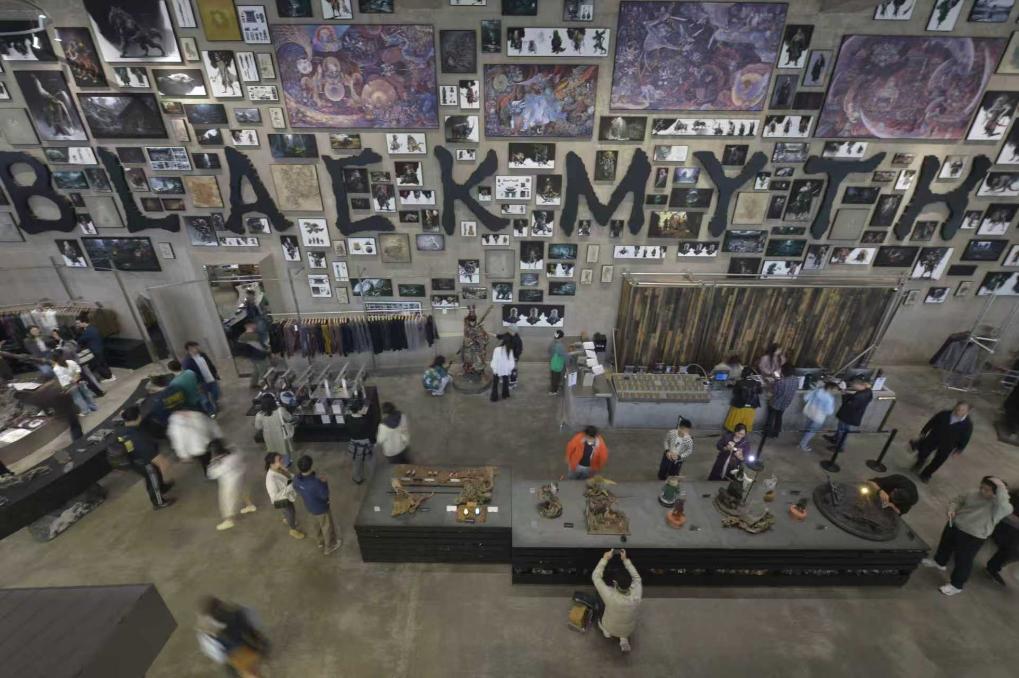
Group 1 - The Zhejiang consumer market is evolving with new dynamics, showcasing a vibrant and innovative consumption landscape driven by cultural IP, emotional consumption, and digital technology [1] - The first offline retail store of BLACKMYTH opened in Hangzhou, following the global success of the game "Black Myth: Wukong," which has maintained high popularity since its release [2][4] - The integration of cultural and commercial elements in the BLACKMYTH store creates a comprehensive cultural space, highlighting the rise of IP consumption economy [4] Group 2 - The opening of the sixth-generation global trade center in Yiwu marks a transition from traditional trade to a digital trade ecosystem [5] - AI applications in Yiwu's global trade center have significantly enhanced product development efficiency, with some businesses reporting a threefold increase [7] - Yiwu is shifting from traditional manufacturing to intelligent manufacturing, focusing on higher product value and quality improvements [7] Group 3 - The Zhejiang Provincial Urban Basketball League has expanded the boundaries of sports consumption, integrating it deeply with cultural tourism [8] - The league has generated significant economic impact, driving cultural, commercial, tourism, and sports consumption to a total of 2.918 billion yuan, with over 4.21 million attendees [10] - The integration of events and tourism has become a new engine for local consumption and cultural tourism industry upgrades [10]

法评 | 赵鹏丽:2025年经济制裁与贸易管制合规回顾与展望
Sou Hu Cai Jing· 2025-12-26 11:22
Core Viewpoint - The global geopolitical landscape is increasingly complex, with ongoing international conflicts, intensified strategic competition among major powers, and a surge in sanctions and export control measures, significantly raising compliance thresholds for cross-border transactions and complicating corporate compliance management [1][2]. Group 1: Overview of Global Sanctions and Trade Control Policies - The number of global sanctions and sanctioned entities is at a historically high level, indicating a trend towards institutionalization of international sanctions activities [1]. - The article outlines the core policy dynamics in the field of global economic sanctions and trade controls for 2025, focusing on major economies like the US, EU, and China [2]. Group 2: US Economic Sanctions and Export Control Policies - In 2025, the US continues to tighten economic sanctions and export controls, enhancing oversight of sensitive technologies and strategic industries while allowing for some flexibility in implementation timelines to ease short-term compliance burdens [3]. - A new "Interim Final Rule" was introduced, requiring higher standards of due diligence for the export of advanced computing integrated circuits, expanding the scope of controlled items [4]. - The introduction of the "50% ownership rule" in export controls signifies a shift from a targeted approach to a more comprehensive one, impacting multinational companies with complex ownership structures [5][6]. - The integration of economic sanctions and export controls is becoming more pronounced, with both areas increasingly serving similar strategic objectives [7]. Group 3: EU Economic Sanctions and Trade Control Policies - The EU has intensified sanctions against Russia, expanding the scope to include third-party entities that assist in evading sanctions, reflecting a more systemic approach to sanctions [8][9]. - The EU's export control policies are increasingly aligned with international multilateral frameworks, emphasizing compliance with international obligations and enhancing cooperation among member states [10][11]. - Recent updates to the EU's dual-use item control list include new technologies and materials, indicating a proactive stance in regulating sensitive technologies [12]. Group 4: UK Economic Sanctions and Trade Control Policies - The UK has strengthened its sanctions against Russia, particularly in traditional energy and emerging technology sectors, while enhancing oversight of evasion behaviors [13][14]. - The UK has revised its Export Control Order to align more closely with international export control mechanisms, reflecting a commitment to maintaining consistency with major partners [16]. Group 5: China's Economic Sanctions and Trade Control Policies - China has introduced significant policies in economic sanctions and export controls, transitioning from a defensive posture to a more proactive and strategic approach [17]. - The implementation of the "Counter-Sanctions Implementation Regulations" marks a key step in operationalizing China's counter-sanctions law [18][19]. - China has actively utilized unreliable entity lists and export control lists, indicating a more frequent and systematic use of these tools in response to foreign sanctions [21]. - Recent announcements regarding export controls on critical materials and technologies reflect a substantial upgrade in China's export control framework [22][23]. Group 6: Future Outlook on Compliance with Economic Sanctions and Export Controls - The compliance environment for businesses is expected to become more complex and multifaceted, with rising costs associated with adapting to frequently changing regulations [25]. - Companies will need to integrate compliance into their internal controls and develop robust governance frameworks to navigate the evolving landscape of international sanctions and export controls [28][29]. - The demand for legal services related to cross-border disputes and compliance strategies is anticipated to increase as businesses face heightened risks from sanctions and export controls [26][27].

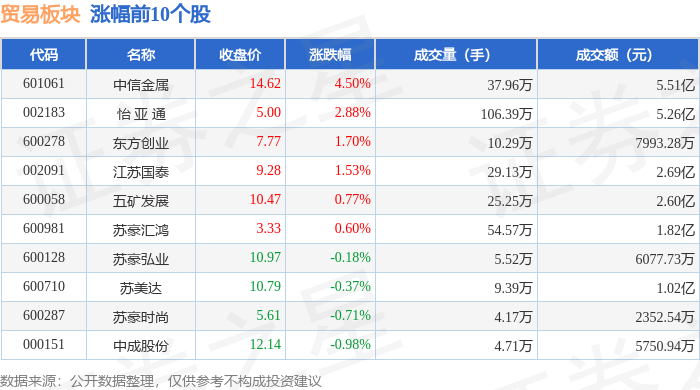
贸易板块12月26日涨1.03%,中信金属领涨,主力资金净流出723.02万元
Zheng Xing Xing Ye Ri Bao· 2025-12-26 09:07
| 代码 | 名称 | 收盘价 | 涨跌幅 | 成交量(手) | 成交额(元) | | --- | --- | --- | --- | --- | --- | | 600608 | *ST PA | 3.54 | -1.94% | 2.36万 | 844.27万 | | 600250 | 南京商旅 | 11.85 | -1.82% | 29.94万 | 3.57亿 | | 002072 | 凯瑞德 | 7.02 | -1.13% | 4.12万 | 2912.79万 | | 000151 | 中成股份 | 12.14 | -0.98% | 4.71万 | 5750.94万 | | 600287 | 亦蒙时尚 | 5.61 | -0.71% | 4.17万 | 2352.54万 | | 600710 | 苏美达 | 10.79 | -0.37% | 9.39万 | 1.02亿 | | 600128 | 示索5小 / | 10.97 | -0.18% | 5.52万 | 6077.73万 | | 600981 | 办索汇鸿 | 3.33 | 0.60% | 54.57万 | 1.82亿 | | 600058 | ...




人民币破6关口,美国押注国运,未来难回头?
Sou Hu Cai Jing· 2025-12-26 05:27
Core Viewpoint - The Federal Reserve's recent interest rate cuts are seen as a response to political pressures and a means to support the economy, particularly in the technology and manufacturing sectors [1][3]. Economic Indicators - In August, the U.S. added only 22,000 jobs, and the unemployment rate rose to 4.3%, highlighting economic challenges that influence decision-making [3]. - Some Federal Reserve members suggested a rare 50 basis point cut, indicating internal tensions and the influence of political factors on monetary policy [3]. Capital Flows - There is a noticeable shift in capital flows from U.S. equity and debt markets to perceived "stable and growing" RMB assets, reflecting changing investment strategies [3]. - Foreign investment teams are increasingly focusing on long-term RMB products, citing marketization and the stability of China's complete industrial chain as key reasons for their investments [3]. Trade and Supply Chain - Changes in customs clearance times and freight indices indicate a revaluation of supply chains, with a stronger RMB improving import costs and subtly shifting consumption structures [5]. - Tariff policies are increasing costs for businesses, and the Fed's rate cuts aim to mitigate these effects, although this approach may be seen as addressing weaknesses with further weaknesses [5]. Monetary Policy and Technology - The Fed's strategy includes using monetary easing to attract capital into the technology sector, representing a gamble on the future of industry [6]. - Venture capitalists express concerns that short-term liquidity may not translate into long-term innovation, fearing that market sentiment could drive funds into overvalued assets [6]. Global Currency Dynamics - The political use of interest rate cuts raises questions about the independence of the U.S. dollar in the international community, which could have long-term implications beyond immediate market fluctuations [8]. - The strengthening of the RMB is prompting international investors to reassess currency risk exposure in their asset portfolios, a process that takes time [8]. Structural Challenges - The U.S. dollar's status as a global reserve currency is at risk if institutional trust erodes, affecting cross-border contracts and central bank reserves [10]. - The Fed's rate cuts provide temporary relief but do not address fundamental structural issues such as declining labor participation, manufacturing offshoring, and persistent fiscal deficits [10]. Industry Adjustments - Chinese companies are adjusting their cost structures in response to RMB appreciation, with some export sectors shifting towards higher value-added areas, driven by market forces [11]. - In global supply chain hubs, managers prioritize delivery times, quality, and supplier stability, indicating a practical approach to currency fluctuations [13]. Long-term Implications - A potential weakening of U.S. dollar dominance could lead to a multipolar currency landscape, requiring adaptation from multinational corporations and policymakers [13]. - Historical shifts in currency systems often accompany long-term industrial adjustments and institutional innovations, suggesting that current market disruptions may signal the beginning of another gradual restructuring [15].
2025世界从“热词”中读懂中国
Zhong Guo Qing Nian Bao· 2025-12-25 21:17
Resilience - In 2025, China's GDP grew by 5.2% year-on-year, showcasing economic resilience amid global geopolitical tensions and trade disruptions [2][4] - The concept of "resilience" reflects China's ability to adapt and recover under pressure, maintaining social stability and economic growth [2][3] - China's commitment to peaceful development and multilateralism has garnered respect from over 140 countries and international organizations [3] Openness - The Hainan Free Trade Port officially commenced operations on December 18, marking a new phase in China's high-level opening-up strategy [6] - In the first 11 months of 2025, China achieved a total import and export value of 41.21 trillion yuan, a year-on-year increase of 3.6% [7] - The implementation of the 240-hour visa-free transit policy led to a 27.2% increase in foreign visitors, indicating a growing interest in China [8] Innovation - China's global innovation index ranking improved from 34th in 2012 to 10th in 2025, highlighting the country's focus on technological advancement [10] - The 20th National Congress emphasized the integration of technological and industrial innovation as a key development strategy [11] - China has actively engaged in international cooperation on innovation, promoting shared benefits and open-source initiatives [12] Win-Win Cooperation - China remains committed to high-level openness and sharing development opportunities with the world, as evidenced by the signing of the upgraded China-ASEAN Free Trade Area 3.0 agreement [13][14] - The establishment of the IMF Shanghai Center and the International Mediation Institute in Hong Kong reflects China's role in enhancing global economic cooperation [13][14] - China's infrastructure projects, such as the China-Laos Railway and the Jakarta-Bandung High-Speed Railway, have fostered regional economic growth and cooperation [15] Security - The "Asia Security Model" proposed by China emphasizes dialogue and cooperation, contrasting with Western zero-sum security perspectives [16] - In 2025, global armed conflicts reached unprecedented levels, highlighting the need for collaborative security efforts [17] - China's proactive diplomacy in the Asia-Pacific region aims to build a stable and prosperous environment through mutual respect and cooperation [18][19] Green Development - China announced its first absolute reduction target for greenhouse gas emissions, aiming for a 7%-10% decrease by 2035 [20] - The country has become a leader in renewable energy, producing approximately 80% of the world's solar panels and 70% of wind turbines [21] - China's commitment to green technology and sustainable practices has been recognized globally, with significant contributions to reducing carbon emissions [22]
江苏苏豪汇鸿集团股份有限公司关于公司子公司涉及仲裁的进展公告
Shang Hai Zheng Quan Bao· 2025-12-25 18:29
Group 1 - The company is involved in a foreign arbitration case where its subsidiary, Suhao Dingchuang, is the respondent, with a claim amounting to approximately 1.43 billion Thai Baht (around 323.89 million RMB) [2][3] - The principal amount claimed is about 679.35 million Thai Baht (approximately 154.28 million RMB), with interest calculated at an annual rate of 7.5% since July 14, 2011 [2][3] - The company emphasizes the importance of the situation and plans to take legal measures to protect its and shareholders' interests [2][3] Group 2 - On December 24, 2025, the company received a notice from the Nanjing Intermediate People's Court regarding the execution of the foreign arbitration award, which includes a request for payment of the claimed amount and associated legal fees [5][6] - The court has accepted the application from the Thai Foreign Trade Department, and the final judgment remains uncertain [5][6] - The company will submit evidence and a defense statement in accordance with legal regulations to assert its rights [6] Group 3 - The arbitration case may impact the company's current and future profits, with the exact financial implications to be determined based on the execution of the case and the fulfillment of commitments by Suhao Zhihui [7][8] - Suhao Zhihui has committed to cover any losses incurred by the company due to this arbitration, ensuring that the company is protected from additional financial burdens [7][8] - The company will conduct impairment testing on its long-term equity investments by year-end, with specific data to be confirmed by its annual auditor [8] Group 4 - The company has no undisclosed significant litigation or arbitration matters as of the announcement date, and it will continue to monitor the situation closely [9]

人事丨从技术员到央企掌舵人:刘化龙退休留下了哪些企业经营财富
Sou Hu Cai Jing· 2025-12-25 15:31
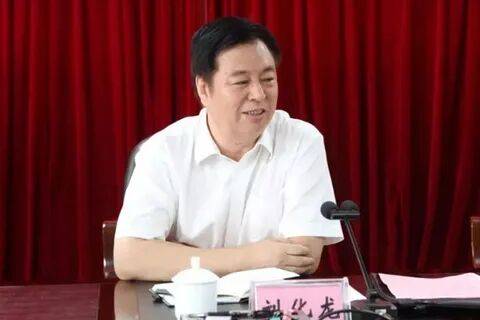
Core Insights - The article discusses the leadership transition at China Poly Group Corporation, highlighting the retirement of Liu Hualong due to age, marking the end of his significant contributions to state-owned enterprises in China [2] Group 1: Liu Hualong's Career Achievements - Liu Hualong played a pivotal role in the merger of China South Locomotive and Rolling Stock Corporation and China North Locomotive and Rolling Stock Industry Group, creating the world's largest and most competitive rail transport equipment company, China Railway Rolling Stock Corporation (CRRC) [3] - Under Liu's leadership, CRRC's revenue and profit metrics consistently ranked first globally in the rail transport equipment sector, with business revenue surpassing the combined total of the second to fourth international competitors [3] - Liu emphasized "technological independence as core competitiveness," maintaining R&D investment at 6% to 7% of revenue, significantly higher than the international average of about 3% [4] Group 2: Strategic Initiatives and Innovations - Liu implemented a strategy of "strategic synergy, resource sharing, and avoiding internal competition," which included unifying overseas bidding teams and reducing procurement costs by 15% to 20% through centralized purchasing and smart manufacturing [3] - He led the establishment of a central research institute to focus on core technologies, achieving world-leading breakthroughs in areas such as speed, energy efficiency, and weight reduction for the CR450 train set [3] - Liu's tenure saw CRRC expand into emerging industries like wind power, deep-sea robotics, and hydrogen energy, with new business revenues growing over 35% year-on-year [4] Group 3: Transition to China Poly Group - In March 2021, Liu transitioned to China Poly Group, a diversified giant with a trillion-yuan business scope, where he set the mission to serve the people's quality of life and aimed for high-quality development [5] - Liu's strategic plan for Poly Group focused on creating an internationally competitive "5+1" business system, enhancing traditional sectors through technological innovation [5] - Under his leadership, Poly Group's total assets exceeded 1.7 trillion yuan, reinforcing its status as a key state-owned enterprise [5]
苏豪汇鸿:第十届董事会第四十五次会议决议公告
Zheng Quan Ri Bao Zhi Sheng· 2025-12-25 12:08
Core Viewpoint - Suhao Huihong announced the approval of several proposals during the 45th meeting of its 10th Board of Directors, including plans for a joint venture to establish a clothing factory in Vietnam and adjustments to its annual investment plan [1] Group 1: Proposals Approved - The company approved a proposal for a subsidiary to collaborate on establishing a clothing factory in Vietnam, indicating a strategic move to expand its manufacturing capabilities in Southeast Asia [1] - A proposal was also approved for a subsidiary to make a capital contribution to a private equity fund management company, which reflects the company's intention to diversify its investment portfolio [1] - Additionally, the company approved a proposal for a subsidiary to increase its stake in Jiangyin Xinchun Waste Material Recycling Co., Ltd., aiming to gain controlling interest, which suggests a focus on enhancing its operations in the recycling sector [1]